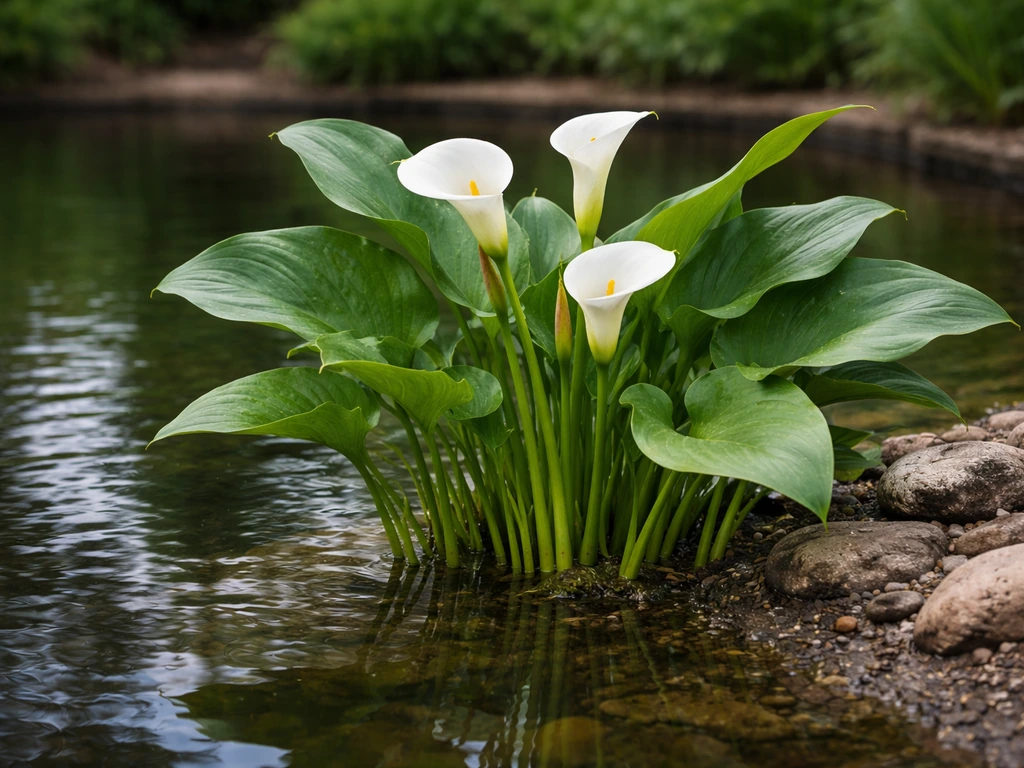
First things first: are you here for the song or the garden?
If you searched for 'where the water lilies grow song,' you are most likely looking for song lyrics, not a gardening guide. That is completely fair, and I will point you to the right place in a moment. But since this site is all about growing lilies, I am also going to use this as a perfect opportunity to answer the literal question: where do water lilies actually grow, and how do you recreate those conditions at home? Stick around after the song section and you will have everything you need.
The song you are looking for and where to find the lyrics

There are at least two distinct songs that carry the title 'Where the Water Lilies Grow,' and knowing which one you want saves a lot of searching. The older one is a 1919 parlor song with lyrics by Gus Kahn and Raymond B. Egan and music by Richard A. Whiting, published by Jerome H. Remick and Co. It is the kind of song you might find in a university sheet music archive or a historical music collection. The National Library of Australia, for example, holds a catalog record for it under exactly those credits. If you are a history buff or a musician trying to learn it, university digital collections (like the Popular Sheet Music Collection at the University of Wisconsin-Madison) are your best legitimate starting point.
The other version circulating online is a more contemporary track associated with an artist named Emoiryah, which includes the lyric 'I'll be waiting where the water lilies grow.' That version appears on various third-party lyrics aggregator sites, but those sites are not authorized or licensed sources. For any song, the safest and most accurate places to find lyrics today are the artist's official website or social media pages, licensed platforms like Genius (which at least works directly with artists and labels more often than generic aggregators), Apple Music lyrics (built into the player), Spotify's synced lyrics feature, or the official music video description on YouTube. I would start with Spotify or Apple Music if you already have the song saved, since both now display synchronized lyrics during playback. For the 1919 Kahn/Egan/Whiting song specifically, the sheet music itself is your most authoritative source, and scanned copies are often freely available through library digital archives.
Now for the gardening question: where do water lilies actually grow in the wild?
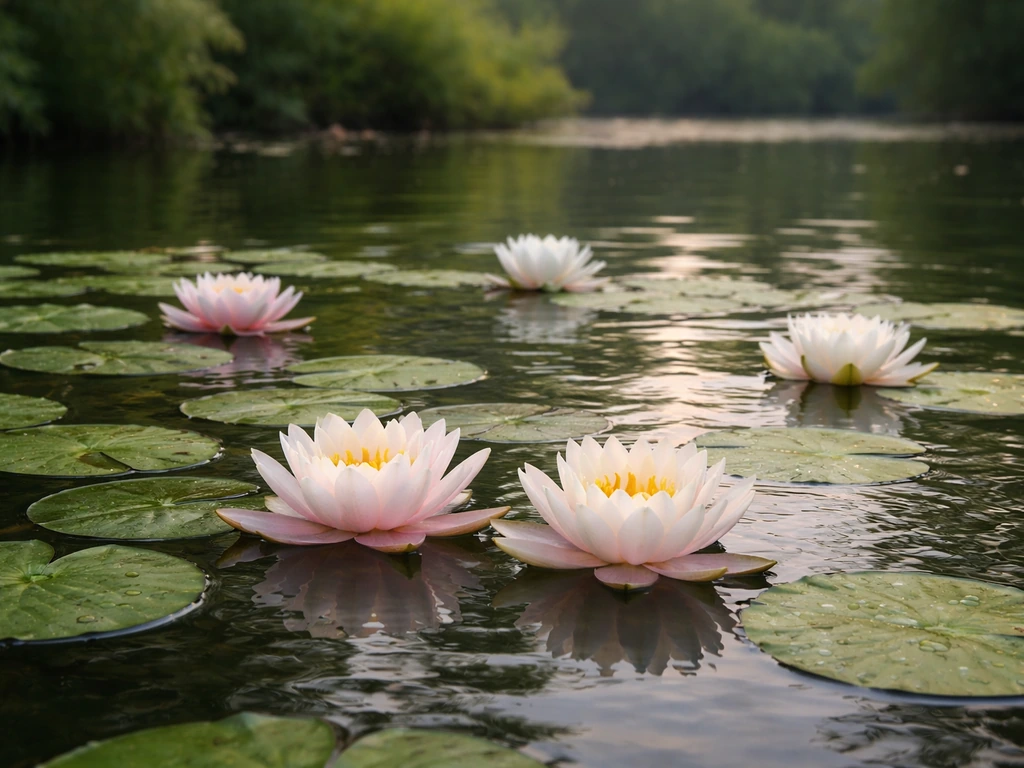
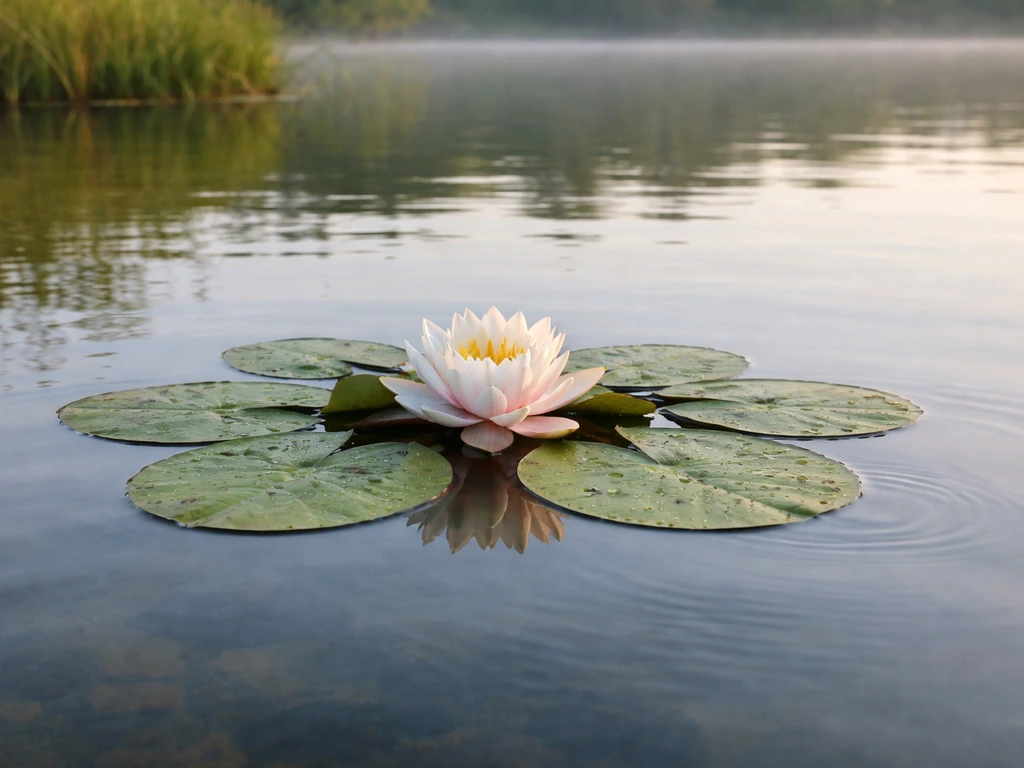
Water lilies are not picky about the continent, but they are very specific about the type of water they want. In the wild, species like Nymphaea odorata (the fragrant water lily native to North America) grow in marshes, swamps, and shallow ponds where the water is still or very slow-moving. Wikipedia summarizes that Nymphaea odorata is found in blank" rel="noopener noreferrer">shallow lakes and ponds and other permanent slow-moving waters across North America. That word 'still' matters enormously. Water lilies do not thrive in moving water the way some aquatic plants do. They want calm, stable water where their broad floating leaves can lie flat and soak up sunlight without being disturbed by current. To grow water lilies successfully at home, you will want to recreate those same calm, shallow-water conditions and provide enough light for the leaves to reach the surface.
Light is the other non-negotiable. In their natural habitat, water lilies colonize open areas in wetlands, not shaded pockets under tree canopies. Full sun to part shade is the documented range for wild populations, but the full-sun end of that range is where they genuinely thrive. USGS notes that American white waterlily (Nymphaea odorata) occurs in fresh to slightly brackish ponds, lakes, and sluggish waters, and that it is most often found in full sun but can grow in partial shade. The rhizome anchors itself in the sediment at the bottom, roots spread laterally through the mud, and the leaves float at the surface to capture as much light as possible. That growth habit directly informs what you need to replicate at home.
Setting up at home: pond vs container, depth, sun, and spacing
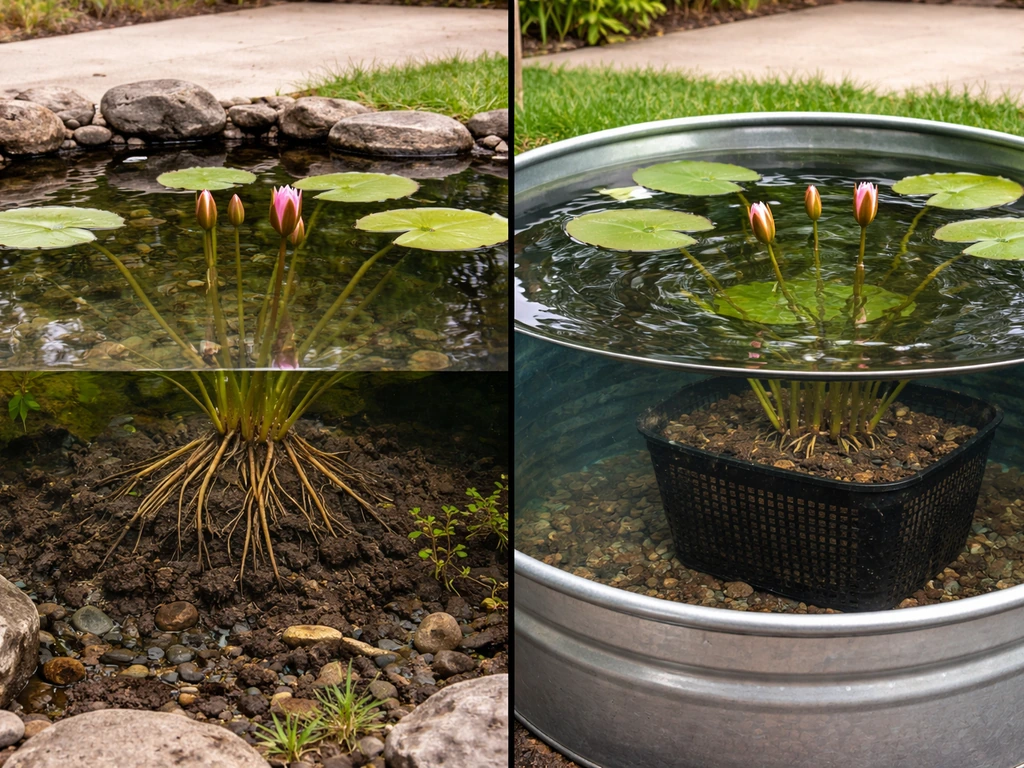
You have two realistic options for growing water lilies at home: a garden pond or a container water garden. Both work. The right choice depends on your space, budget, and how committed you are. A proper garden pond gives the plants more room to spread and generally looks more natural, but a large container on a patio can be just as successful for smaller varieties.
Water depth is one of the most common places beginners go wrong. The water above the plant's crown (the growing tip of the rhizome) should be at least 6 inches deep, and 8 to 10 inches is a comfortable target for most hardy varieties. Too shallow and the plant overheats in summer; too deep and the leaves struggle to reach the surface. For container setups, you can raise the pot on bricks inside the pond to hit the right depth, then lower it gradually as the plant grows and the stems lengthen.
Sun exposure is straightforward but often underestimated. Most water lilies need at least 6 to 8 hours of direct sunlight per day. If your pond or container gets less than that because of tree shade or a north-facing wall, you will get sparse blooms at best. Pick the sunniest spot you have. Spacing matters in a pond: water lily leaves spread outward and can cover a significant surface area, so crowding multiple plants too close together means they compete for light at the water surface. Give each plant enough room for its leaves to fan out without piling on top of each other.
Water quality, soil depth, and how to plant the rhizome correctly
Water lilies are not heavy feeders, but they do have preferences about the water chemistry and the growing medium. Aim for a neutral to slightly alkaline pH in both the soil and the water, somewhere in the range of 7 to 8. Acidic water tends to slow growth and reduce flowering. Avoid planting in a pond that receives runoff from fertilized lawns or gardens, as excess nutrients feed algae and cloud the water, making it harder for your plants to photosynthesize.
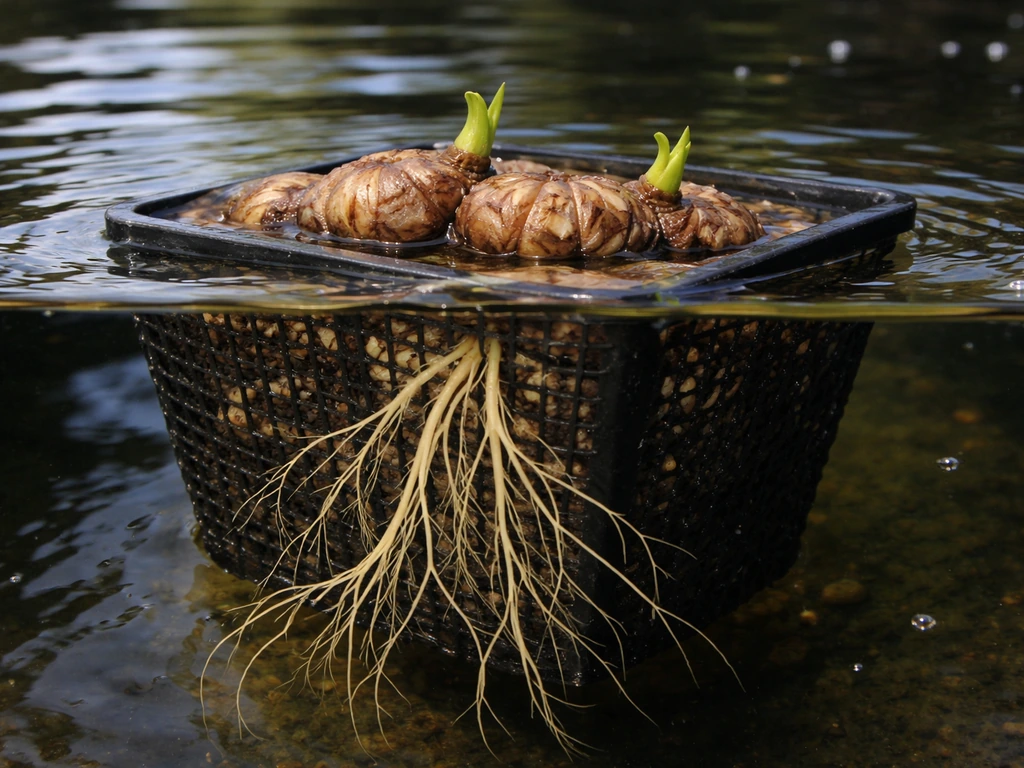
For the growing medium itself, use heavy clay-based aquatic soil or a purpose-made aquatic planting mix rather than regular potting compost. Standard potting mix floats out of the container and clouds the water badly. A soil depth of 6 to 8 inches in the planting basket or shelf is sufficient for most varieties, since the roots spread laterally rather than driving straight down. Plant baskets with wide footprints serve water lilies better than deep, narrow pots.
Planting technique is slightly different depending on whether you have a hardy or tropical variety. Hardy water lilies have a horizontal rhizome that you plant at an angle in the soil, with the growing tip pointing upward and slightly exposed at the surface of the soil. Tropical water lilies are planted with the crown sitting at soil level but not buried. Bury a tropical's crown and it will rot. I learned that the hard way with my first tropical variety, wondering why it just disappeared over two weeks. Keep the crown exposed, full stop.
Climate and hardiness: what zones and seasons work for water lilies
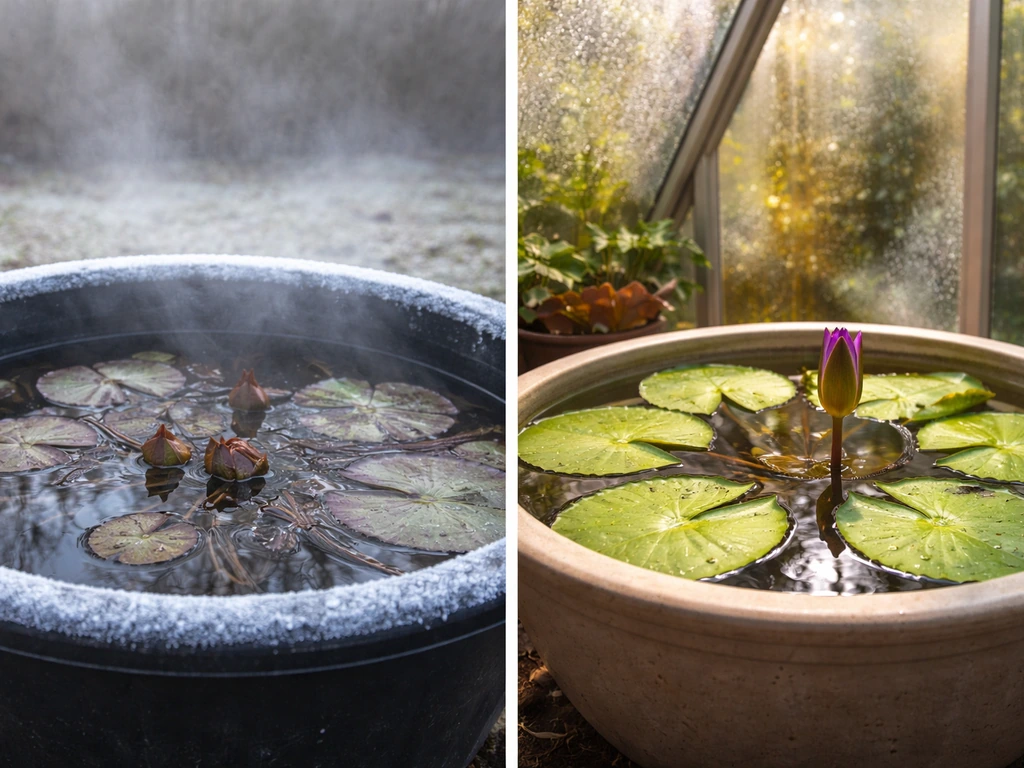
Hardy and tropical water lilies have meaningfully different climate requirements, and mixing them up leads to frustration. Hardy water lilies, like the popular cultivar Nymphaea x 'Attraction,' are rated for USDA hardiness zones 3 through 8. That covers most of the continental United States and much of northern Europe. They go dormant in winter, which is why you may notice your hardy lily stops pushing out new leaves once temperatures drop in autumn.
Tropical water lilies are zone 9 and above as true perennials. In cooler climates, they are treated as annuals or brought indoors for winter. If you want to keep a tropical over winter in a colder zone, the Chicago Botanic Garden recommends cutting the plant back, lifting the rhizome, and storing it in a covered bucket of moist sand in a cool room or basement kept at around 55 to 65 degrees Fahrenheit. The key is preventing the rhizome from freezing while also keeping the sand moist enough that the rhizome does not desiccate. For containerized hardy lilies that you cannot sink below the frost line, Illinois Extension's guidance applies: the goal is to prevent the entire soil mass from freezing solid. Moving the container to an unheated garage or insulating it heavily is the standard approach.
For timing, hardy water lilies can be set out in spring once surface ice has melted and water temperatures are consistently above 50 degrees Fahrenheit. Water lilies also have a typical seasonal growth rhythm, so you can use your local conditions to estimate when they will start growing when do water lilies start to grow UK. Tropical water lilies need warmer water, typically 70 degrees Fahrenheit or above, before they go in. In most temperate climates that means late May or June. Putting a tropical in too early just stalls it.
| Feature | Hardy Water Lily | Tropical Water Lily |
|---|
| USDA Hardiness Zones | Zones 3 to 8 | Zone 9+ (or annual in cooler zones) |
| Bloom time | Daytime only | Daytime or night-blooming varieties available |
| Planting season (temperate) | Spring after ice melts (water above 50°F) | Late spring/early summer (water above 70°F) |
| Winter care (cold climates) | Sink below frost line or insulate container | Lift rhizome, store in moist sand at 55-65°F |
| Crown planting depth | Tip slightly exposed above soil | Crown at soil surface, never buried |
| Fragrance | Often fragrant | Often strongly fragrant |
| Spread | Moderate | Can be more vigorous in warm climates |
Your next steps: pick a variety and check your conditions today
Before you buy anything, spend five minutes honestly assessing your setup. The two things that kill most water lily attempts before they start are not enough sun and the wrong zone choice for the variety. If you are wondering, are water lilies hard to grow, the short answer is that most problems come from not meeting the sun and water-depth needs. Walk outside and count the actual hours of direct sun your pond spot or patio gets on a clear day. If it is less than 6 hours, pick a different location or accept that flowering will be limited.
- Check your USDA hardiness zone (the USDA Plant Hardiness Zone Map is free online) and decide whether you want a hardy or tropical variety based on your zone and how much winter-storage effort you are willing to do.
- Measure or estimate the water depth you can provide. Target 8 to 10 inches of water above the crown once the plant is placed on its shelf or pot.
- Test your water pH if you can. A basic aquarium pH test kit works fine. Adjust with agricultural lime if the water is acidic.
- Choose a container or pond shelf that is wide rather than deep, and fill it with heavy aquatic soil or clay-based aquatic compost to a depth of 6 to 8 inches.
- Buy from a reputable aquatic nursery or garden center, and ask specifically whether the variety is hardy or tropical. Do not guess from the label.
- Plant hardy lilies as soon as your water temperature is consistently above 50°F in spring. Hold off on tropicals until the water hits 70°F.
If you want to go deeper on any specific aspect of water lily cultivation, the related questions about how fast water lilies grow, how big they get, why they stop producing new leaves in winter, and whether they are genuinely hard to grow for beginners are all worth exploring. How fast water lilies grow depends largely on their light, water temperature, and whether you are growing hardy or tropical varieties. Water lilies are honestly one of the more forgiving aquatic plants once you nail the sun and depth requirements. How big do water lilies grow depends on whether you are growing hardy or tropical varieties, plus how much sun and space they get. Get those two things right and the rest tends to follow.