
Yes, calla lilies can grow in ponds, but with one important condition: they work best as marginal plants sitting in shallow water at the pond's edge, not fully submerged in the deep end. Zantedeschia aethiopica, the classic white calla lily, is actually well-suited to this setup. The RHS officially lists it as a marginal aquatic plant that can handle [water up to 30cm (about 1 foot) deep over its roots](https://www. rhs.
Can Calla Lilies Grow in Ponds? How to Set Up Successfully
Marcus Hendricks
30 Apr 2026
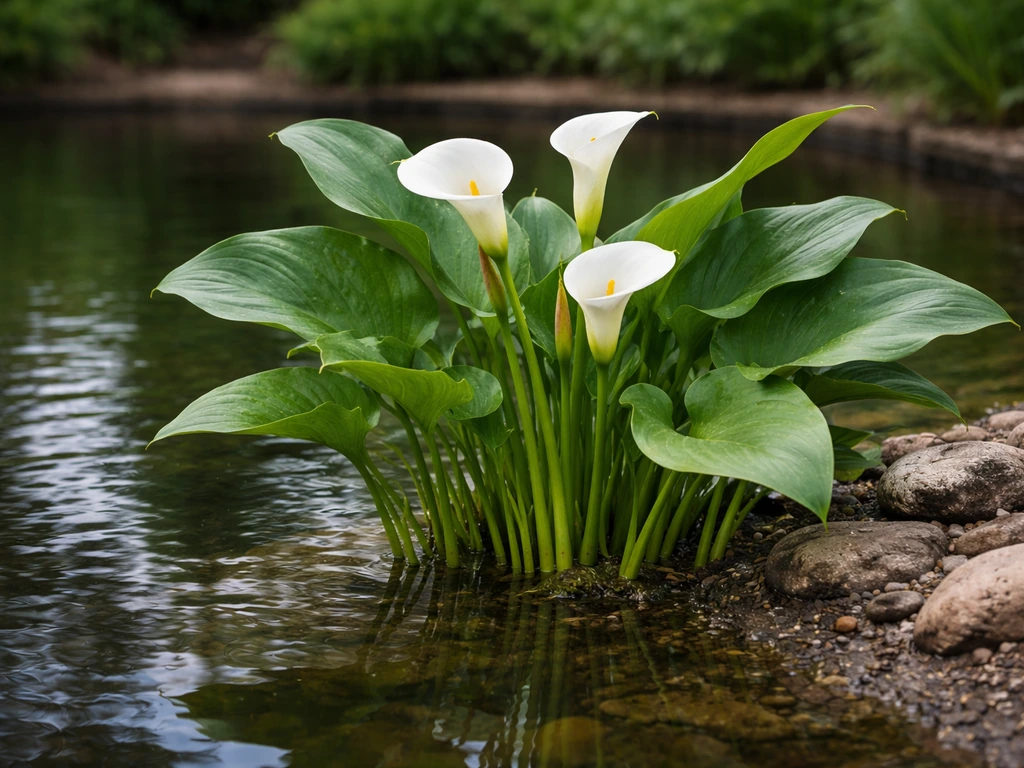
org. uk/plants/60961/zantedeschia-aethiopica-green-goddess/details). Keep it at the margins, get the depth right, and you'll have striking blooms. The RHS Growing Guide notes that Zantedeschia aethiopica is tolerant of shallow water, which makes it suitable for pond-side plantings [shallow-water pond-side plantings](https://www.
rhs. org. uk/plants/popular/zantedeschia/growing-guide). Push it deeper or let the rhizome sit in stagnant, waterlogged conditions without the right setup, and rot will take it out fast.
What 'growing in a pond' actually means for calla lilies
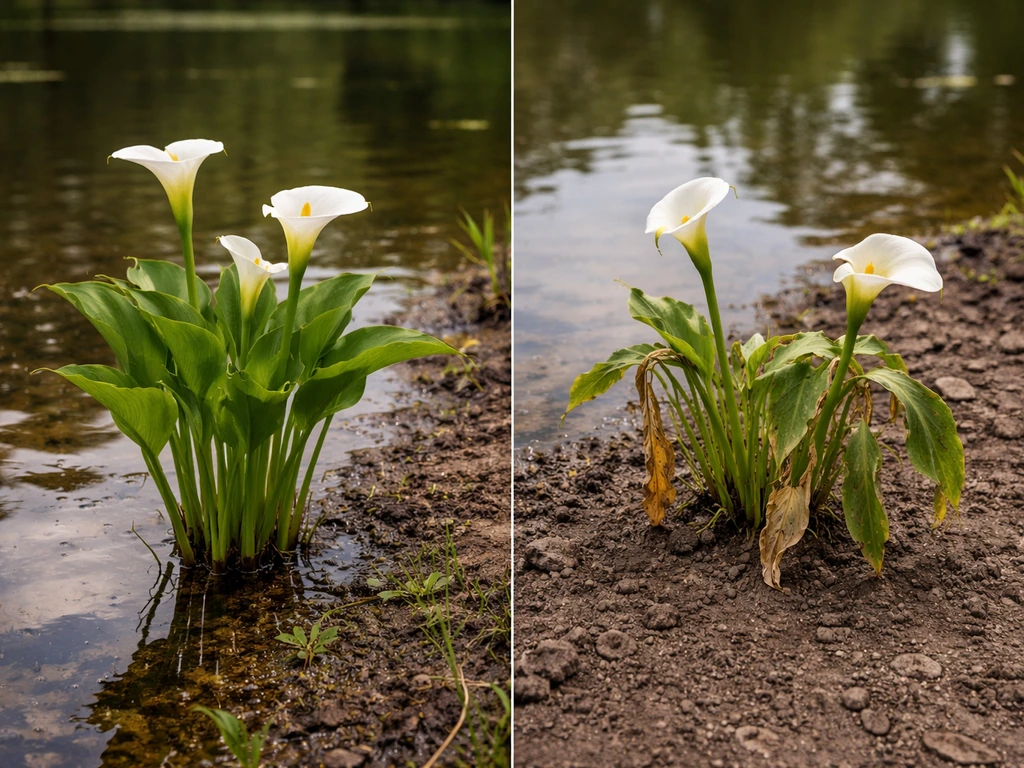
When most gardeners ask if calla lilies can grow in a pond, they usually mean one of two things: planting them right at the water's edge where the soil stays consistently wet, or sitting a potted plant in the shallow shelf of a pond so the roots are submerged but the crown is near the surface.
You can also grow calla lilies indoors in a pot if you give them the right light, temperature, and consistently moist soil calla lilies can grow in a pond. Both can work. What doesn't work well is dropping a calla lily rhizome into deep, still water and hoping for the best.
Some sources do mention that calla lilies have traditionally been grown completely submerged, but in practice, the marginal approach (shallow water, crown near or just below the surface) is far more reliable for home gardeners and far less likely to end in rot.
It's also worth knowing that not all calla lily types respond the same way to water. Zantedeschia aethiopica (the big white one) is the most water-tolerant of the group and the one you'll find recommended for pond edges and stream margins, including at the San Francisco Botanical Garden. The colored hybrid callas (your pinks, purples, and yellows) are more drought-tolerant by nature and much less happy sitting in water. If you're planning a pond planting, stick with Z. aethiopica.
Best pond setup: marginal planting vs. container-in-pond
There are two practical ways to grow calla lilies in or around a pond, and each has its place depending on your setup. If you are not doing a pond setup, this same water-depth guidance still helps you decide where to grow calla lilies in your landscape or garden.
Marginal planting directly in the bank
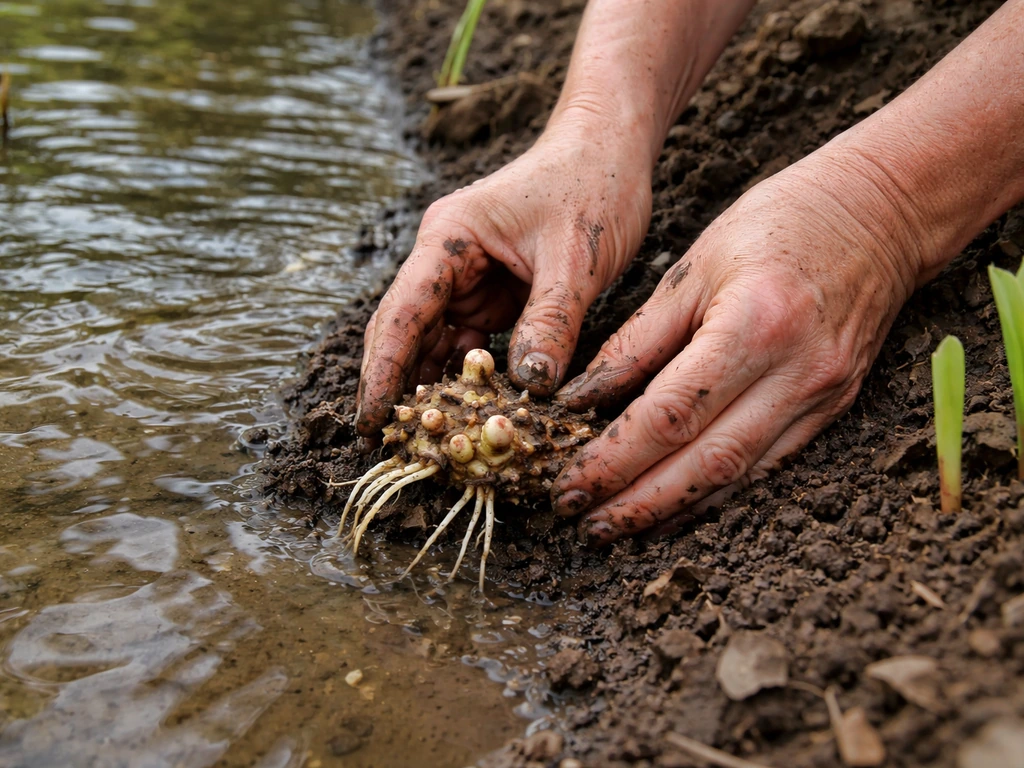
If your pond has a natural edge where soil meets water, you can plant calla lilies directly into that bank. The roots will access moisture from the pond, the soil stays consistently wet without being purely aquatic, and the plant behaves much like it does in the streamside habitats it's native to in southern Africa. This is probably the lowest-maintenance option if you have a naturalistic pond. The main risk here is that the rhizome sits in waterlogged soil that doesn't drain at all, which creates the same stagnant conditions that invite rot pathogens like Phytophthora.
Container-in-pond on a marginal shelf
For most home gardeners with lined ponds or water features, the container method is the smarter move. You pot the calla lily into an aquatic basket or a container with drainage holes, set it on the shallow shelf or ledge inside the pond, and let the water come up to the right depth over the crown. This gives you total control over depth, makes lifting and overwintering easy, and means you can pull the plant out quickly if something goes wrong. Watergardenplants.co.uk recommends a spacing of roughly one Zantedeschia aethiopica plant per square foot of ground or per linear foot of pond edge, which is a useful rule of thumb when you're deciding how many containers to place.
As for natural vs. stocked ponds with fish: calla lilies are generally fine in ponds with fish like koi or goldfish. The fish might nibble at roots occasionally but rarely cause serious damage. However, be aware that calla lilies contain calcium oxalate crystals throughout the plant, which are toxic to animals if ingested in quantity. Fish nibbling at roots isn't the same as a dog or cat eating the foliage, but it's worth knowing if you have a heavily stocked pond with curious fish.
Water depth, soil, and planting depth (this is where most people go wrong)
Get these three details right and you've solved most of the rot problems before they start. Get them wrong and you'll be pulling out mushy rhizomes within a season.
Water depth over the crown
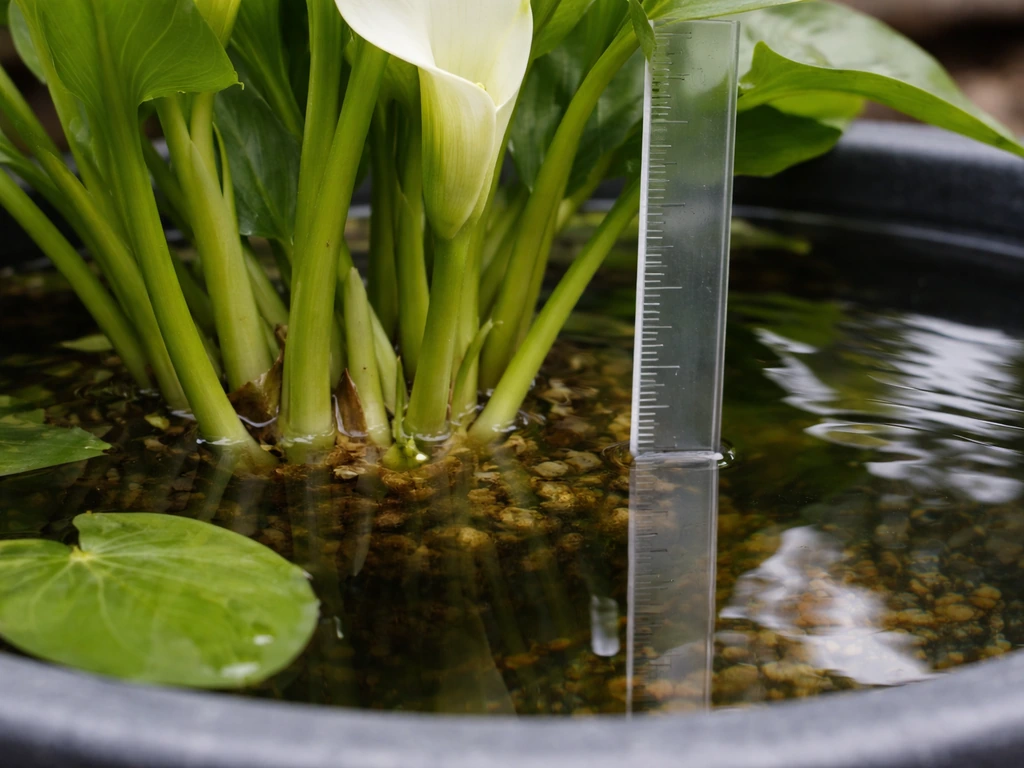
The sweet spot for water depth over the crown of a pond-grown calla lily is 8 to 15cm (roughly 3 to 6 inches). This is the range Watergardenplants. co. uk recommends, and it lines up well with the RHS's maximum of 30cm over the entire root zone (not the crown).
Deeper than 15cm over the crown and you're pushing into territory where the plant struggles to get enough light and gas exchange through the water column. The rhizome itself should never be buried deeply in the substrate below that, because deep burial in wet conditions is exactly what triggers rot. Proven Winners recommends planting calla rhizomes only 1. 5 to 2 inches deep with growing tips facing upward, and that guidance applies in pond containers too.
Substrate for pond containers
Don't use regular potting mix or fluffy, peat-heavy compost in a pond container. It will float out, cloud your water, and break down quickly. Use a heavy, loam-based substrate. The RHS recommends peat-free John Innes No. 2 for container-grown calla lilies, and that's a good choice for pond baskets too because it's dense enough to stay put. Top the container with a layer of gravel or pea shingle to lock the substrate in place and slow down the leaching of fine particles into the pond water. Avoid soils that are heavy clay to the point of being completely airless, since stagnant, anaerobic conditions around the rhizome are a direct pathway to rot.
Planting depth within the container
Plant the rhizome 1.5 to 2 inches deep in the container substrate, growing tips pointing up. Then position the whole container on the pond shelf so the water level sits 8 to 15cm over the crown of the plant. The rhizome itself should not be sitting directly in open water, it needs that layer of substrate around it to hold it in position and buffer it slightly from completely stagnant conditions. Think of the substrate as a transitional zone between the rhizome and the pond water.
Light, temperature, and timing for pond calla lilies
Calla lilies in ponds need the same light as calla lilies anywhere else: full sun to part shade. The RHS specifies full sun or part shade in moisture-retentive conditions for Zantedeschia aethiopica outdoors. Aim for at least 4 to 6 hours of direct sun daily. A pond location that gets heavy shade from overhanging trees or nearby structures will give you disappointing results: leggy stems, few flowers, and leaves that yellow prematurely. If your pond sits in full afternoon sun in a hot climate (think USDA zones 9 and above), some afternoon shade will actually help keep the water temperature stable and reduce algae pressure.
Timing matters too. Move your container-in-pond callas into position in spring once the water temperature has warmed and frost risk has passed. In the UK and mild US coastal climates (zones 8 and above), that's typically late March to April. In colder inland areas, wait until May. Z. aethiopica is frost-hardy down to about -5°C (23°F) once established in the ground, but rhizomes sitting in a shallow water container at the pond edge are much more vulnerable to freeze damage than ones planted deeply in insulating soil.
Pond care through the growing season
Fertilizing
Go easy on fertilizer for pond-grown callas. Excess nutrients leach directly into the pond water and will feed algae more than your calla lily. Use a slow-release aquatic fertilizer tablet pushed into the substrate of the container at planting time, once in spring. That's usually enough. Avoid liquid feeds that will dissolve straight into the pond.
Pruning and deadheading
Remove spent flowers as they fade, cutting the stalk back to just above the water level. Cut out any yellowing or dead leaves at the base. Don't let old foliage decompose in the pond water, it contributes to nutrient load and algae growth. Keep things tidy throughout the season.
Managing algae
Calla lilies won't solve your algae problem on their own, but they do contribute marginal plant coverage that competes with algae for nutrients. The main thing you can do to reduce algae pressure is to avoid overfeeding the pond (fish food included), make sure the plant isn't shading the water so heavily it drops lots of decaying matter in, and consider adding other pond plants to improve the balance. If algae is severe, address it as a whole-pond issue rather than expecting one species to fix it.
Overwintering and cold climate limits
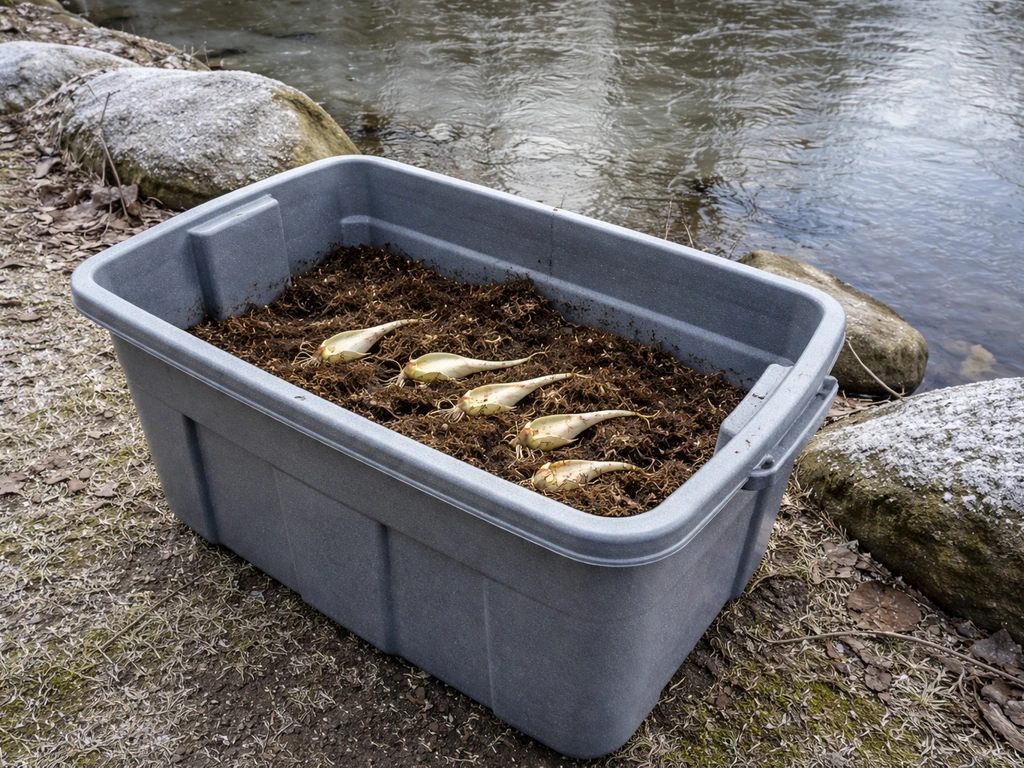
This is where pond-grown callas get more complicated than their border-planted cousins, because rhizomes sitting in shallow water at the pond edge are far more exposed to freezing temperatures than ones insulated by a thick layer of soil.
In mild climates (USDA zones 8 and above, or the equivalent in the UK), you can often leave Z. aethiopica in the pond through winter if the water doesn't freeze solid. The RHS notes that the plant can handle some frost when established. But if your winters drop below about -5°C (23°F) reliably, or if the shallow pond shelf freezes through, you need to lift the containers before the first hard frost.
The UGA Extension recommendation is practical and worth following: lift rhizomes in fall and store them in a damp medium like peat, or immediately repot them and overwinter as a houseplant. The key word there is damp, not wet. Rhizomes sitting in soggy storage medium over winter are at serious rot risk, just as they are in poorly set-up pond conditions. The Homes and Gardens guidance of keeping storage conditions frost-free (above roughly 37 to 40°F) aligns with this.
For a container-in-pond setup, the practical overwintering routine looks like this: lift the container from the pond in early-to-mid fall before frost, remove the rhizome from the substrate, let it dry briefly, then pack it in barely damp peat or coir and store it somewhere frost-free until spring. If the rhizome is vigorous and you have a bright indoor spot, you can also repot it and keep it growing as a houseplant over winter.
When things go wrong: common pond failures and fixes
| Problem | Likely cause | Fix |
|---|---|---|
| Mushy stems and rotting at the base | Rhizome sitting too deep in substrate or water too still and anaerobic | Lift plant, trim rotted sections, replant shallower (1.5–2 inches deep), check water depth over crown is under 15cm |
| Yellow leaves throughout the plant | Not enough light, or nutrient deficiency from substrate exhaustion | Move to a sunnier spot; push a slow-release aquatic fertilizer tablet into substrate |
| No blooms despite healthy leaves | Too much shade or rhizome planted too deep | Increase sun exposure to at least 4–6 hours; check planting depth |
| Plant floating or substrate clouding the water | Wrong substrate (fluffy potting mix instead of loam-based) | Repot into a heavy, loam-based mix like John Innes No. 2, top with gravel |
| Stunted growth and pale stems | Water too cold at the start of season, or rhizome hasn't established | Move container to pond only after water has warmed in spring; be patient through the first 4–6 weeks |
| Rhizome rot after winter storage | Storage medium too wet, or stored below freezing | Store in barely damp (not wet) peat at 37–50°F; check monthly and remove any rotted portions immediately |
When a pond setup just isn't working
If you've tried the container-in-pond approach and keep running into rot or poor growth, it's worth asking whether your pond conditions are actually right for it. Very small ponds with poor water circulation and heavy shade are genuinely difficult environments for calla lilies. In that case, growing calla lilies in consistently moist border soil right next to the pond (but not in it) is often a better outcome. They'll still get the moisture they love, you avoid the rot risks of actual submersion, and they'll likely flower better with more light. Calla lilies are versatile enough that you don't have to push the pond setup if it's fighting you.
If you're exploring other growing environments for calla lilies, the same core principles around moisture, depth, and rhizome care apply whether you're growing them outside in the ground, in containers indoors, or at a pond's edge. If you're trying to grow calla lilies outside the pond, focus on keeping the rhizome at the right depth and giving consistent moisture without letting it rot can you grow calla lilies outside. If you're wondering where to grow calla lilies beyond ponds, this article covers the same moisture and depth principles for other garden setups too. The pond setup is one of the more demanding options, but it's also one of the most striking when it works.
FAQ
Can I just drop a calla lily rhizome into the pond without a container basket?
You can, but it is one of the highest-risk approaches. Without a container and substrate buffering, the rhizome is more likely to sit in truly stagnant, oxygen-poor conditions, which accelerates rot. If you want a non-container method, use a natural bank where the rhizome sits in consistently wet but not sealed, airless soil.
What water depth should I aim for if my pond level changes during the season?
Set the container or planting spot so the crown stays within the 8 to 15 cm (3 to 6 in) “sweet spot” during typical pond levels. If the shelf regularly floods deeper than that for weeks, blooms often drop and rot risk increases, so consider raising the planting height or using a smaller shelf/raised ledge system.
How do I keep the basket from floating or shifting on a pond shelf?
Use an aquatic basket plus a dense, loam-based medium, then lock it in place by topping with gravel or pea shingle. Also confirm the shelf is level. If the basket tips, parts of the rhizome can end up too deep or too exposed, which creates either rot conditions or weak growth.
Can calla lilies handle running water or do they need still water?
They generally prefer consistently wet conditions, not waterlogged stillness around the rhizome. Light flow is often beneficial because it improves oxygen and reduces stagnant hotspots, but you still must keep the depth over the crown in the correct range so the crown is not buried.
Do I need to fertilize at all in a pond, or will fish waste be enough?
Often you should use less fertilizer than you would for border callas, because nutrients can fuel algae. If your pond is heavily stocked or already nutrient-rich, start with no added fertilizer and monitor. If you do fertilize, use a slow-release aquatic tablet in the container at planting time rather than liquid feeding.
Why are my calla lilies producing leaves but not flowers in the pond?
Most common causes are insufficient sun (too much shade) and crown depth that is too deep for the available light. Check that you are getting about 4 to 6 hours of direct sun, and verify the water level sits 8 to 15 cm above the crown, not deeper during the growing season.
What should I do if the rhizome starts to look soft or smells bad?
Act early. Remove the container, rinse off the medium gently, and cut away any blackened or mushy tissue with a clean blade. Repot into fresh dense substrate at the correct planting depth (with tips facing up), then keep the container in the shallow shelf range to re-establish healthier oxygen around the rhizome.
Are colored hybrid calla lilies (pink, purple, yellow) safe for pond edges?
They can be grown near ponds, but they are less water-tolerant than Zantedeschia aethiopica. For pond shelves, colored types are more likely to struggle or decline if kept consistently submerged. If you try them, keep water shallower and closer to a marginal setup rather than relying on long periods of wet submersion.
How should I overwinter calla lilies in a pond if the pond freezes?
If the shallow shelf freezes through, lift containers before the first hard freeze and store the rhizome in barely damp, frost-free conditions. Avoid “wet” storage media, because standing moisture plus cold increases rot risk. If you keep them indoors as potted plants, use a bright spot and treat the rhizome like a dormant-to-active transition, depending on your indoor temperatures.
Will calla lilies harm koi or goldfish?
They are generally not a major problem in balanced ponds, but all calla lilies contain calcium oxalate crystals and are toxic if ingested in quantity. Curious nibbling at roots or occasional foliage damage is usually limited, but if you have very heavy fish pressure, consider growing callas in more protected baskets or placing them where fish cannot easily access the crown.
Next Articles
Are Calla Lilies Hard to Grow? Easy Guide for Success
Get a clear answer on are calla lilies hard to grow, plus exact light, temperature, watering, planting, and fixes.
Can Calla Lily Grow Outside? Outdoor Care by Climate
Yes, calla lilies can grow outside. Learn climate, light, soil drainage, planting timing, and fixes for no growth.
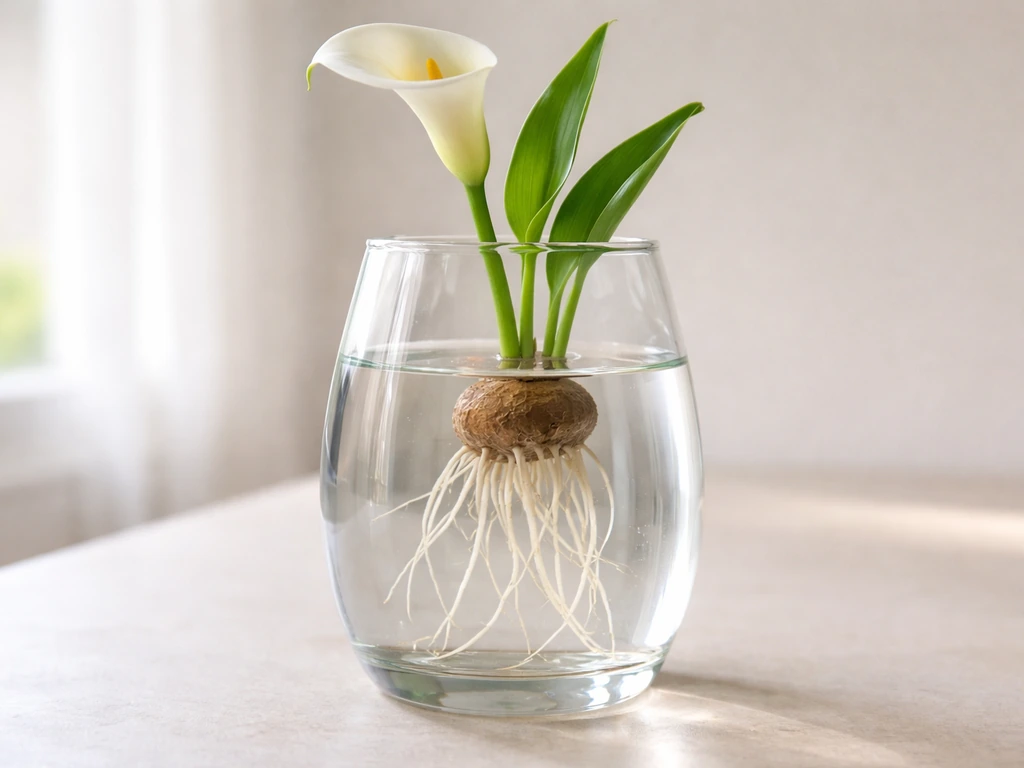
Can Calla Lilies Grow in Water? Step by Step Guide
Yes, calla lilies can grow in water. Follow steps for clean setups, oxygen, light, depth, and fixes for rot and yellow l