
Yes, you can absolutely grow calla lily outside, and for most home gardeners they are one of the more rewarding outdoor plants you can try. The short version: if you're in USDA Zones 8 through 10, calla lilies can live in the ground year-round with minimal fuss. If you're in Zone 7 or colder, you can still grow them outdoors every season, you'll just need to dig up the rhizomes before hard frost hits and store them inside for winter. Either way, outdoor calla lilies are very doable, and this guide will walk you through exactly how to make it work wherever you are.
Can You Grow Calla Lilies Outside? Outdoor Guide
Marcus Hendricks
24 Mar 2026
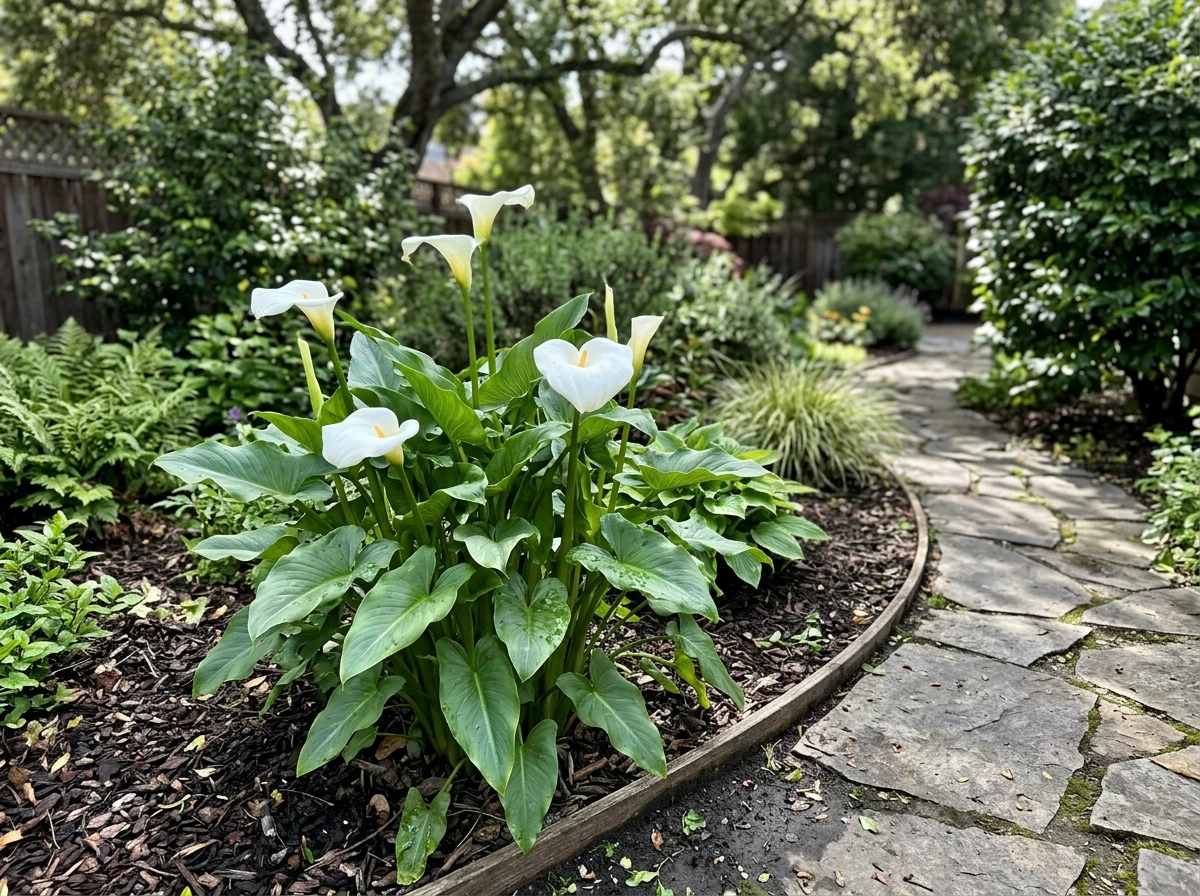
Can calla lilies live outdoors? (The straight answer)
Calla lilies (Zantedeschia aethiopica) are winter hardy to about USDA Zone 8, and some cultivars can push into Zone 7 with a little protection. Multiple extension sources, including NC State and Iowa State, consistently list Zones 8 through 10 as the safe outdoor year-round range. If your winters stay above roughly 37 to 40°F and your soil drains well, the rhizomes can stay in the ground and come back each spring. Below that threshold, the cold and wet combination will kill them.
If you're in Zones 6 or 7, don't give up. You treat calla lilies the way you'd treat dahlias or cannas: plant them in spring after your last frost, enjoy them all summer, and dig them up in fall before the ground freezes. It's an extra step, but it's not difficult, and I'll cover exactly how to do it in the overwintering section below.
Best outdoor conditions: light, temperature, and where to put them
Calla lilies grow best in full sun to partial shade. Full sun means at least 6 hours of direct sunlight per day. Partial shade means 2 to 6 hours. In hotter climates (Zones 9 and 10), they actually prefer afternoon shade because intense summer heat can stress the plants and bleach the flowers. In cooler zones (6 through 8), lean toward the sunny end of that range to get the most vigorous growth and the best bloom color.
Temperature matters a lot at both ends of the season. Don't plant calla rhizomes outside until nighttime temperatures are consistently above 55°F. Below that, the soil stays too cold for active growth and you risk rot before the plant even gets started. On the other end, in-ground plants naturally go dormant when temperatures drop below about 50°F in fall, so that's your signal to either let them rest (in warm climates) or prepare to dig them up (in cold ones).
For placement, avoid low-lying spots in your garden where water pools after rain. Calla lilies tolerate moist soil and can even handle marginal, boggy spots during the growing season, but standing water around the rhizomes over a long period invites rot. A spot with good air circulation also helps prevent fungal problems. South or west-facing beds tend to work well in most of the US.
Soil and planting setup for outdoor callas
Get the soil right before you plant and you'll avoid most of the problems people run into with calla lilies outdoors. They want rich, loose, well-draining soil with a pH between 6.0 and 7.0, which is a pretty standard slightly acidic to neutral range that most garden soils already hit. If you're not sure where your soil lands, a basic pH test from any garden center will tell you in minutes.
Before planting, loosen the soil to about a foot deep and work in a generous amount of compost. This improves drainage in clay-heavy soils and adds the organic matter calla lilies love. If your soil is genuinely heavy clay and drainage is a real problem, consider building a raised bed instead of fighting your native soil. That's not just a nice-to-have, it's a legitimate fix that experienced gardeners use specifically for calla lilies because poor drainage is the number one cause of outdoor failure.
For spacing and depth, plant rhizomes 2 to 3 inches deep with the growing side (the knobbly, budding side) facing up. Space them 1 to 2 feet apart, or about 10 inches at a minimum if you want a fuller, denser planting. Firm the soil gently over the top after planting. Don't bury them too deep; that extra soil above them just slows emergence and can trap moisture around the rhizome.
Watering and drainage guidance outdoors
Watering calla lilies outdoors is one of those things where more is not better, especially right after planting, especially if you’re tempted to keep them in water. Calla lilies can also be grown in water in certain setups, but it still depends on how you manage temperature and rot risk can calla lilies grow in water. Before the plant has established roots and started actively growing, too much water around the rhizome will cause rot. In the first few weeks after planting, water sparingly. Once you see shoots coming up, which typically happens about 2 weeks after planting in good conditions, you can start watering more consistently.
Once established, keep the soil evenly moist but never waterlogged. Think of it as consistently damp rather than wet. In summer, depending on your rainfall and heat, that might mean watering once or twice a week. If you stick your finger an inch into the soil and it feels dry, water. If it still feels moist, hold off. This isn't complicated, but it does require paying attention rather than sticking to a fixed schedule.
Good drainage is the safety net that makes all of this forgiving. If your soil drains well, it's very hard to overwater in the traditional sense because excess water moves through. If drainage is poor, even moderate watering can be too much. That's why the soil setup matters so much before you ever put a rhizome in the ground.
How to plant and care for calla lily rhizomes outside (step by step)
- Wait until nighttime temperatures are reliably above 55°F and your last frost date has passed. For most of the US, that's somewhere between late March and mid-May depending on your zone.
- Before planting, inspect each rhizome carefully. Look for soft spots, mushy areas, or visible rot. Discard any that feel spongy or show signs of damage. Starting with healthy rhizomes makes an enormous difference.
- Prepare your bed by loosening the soil to about 12 inches deep and mixing in compost. Check that drainage is good by watering the bed and watching how quickly water absorbs.
- Dig holes 2 to 3 inches deep, spaced at least 10 to 12 inches apart (up to 2 feet if you have the room).
- Place each rhizome growing-side up in the hole. If you're not sure which side is up, look for small buds or knobby protrusions, those point toward the sky.
- Cover with soil, firm it gently, and water lightly. Don't drench it at this stage.
- Be patient. Shoots typically emerge in about 2 weeks under good conditions. During this time, resist the urge to water heavily.
- Once growth is visible, water consistently to keep soil evenly moist. You can add a layer of mulch around the plants (not over the crown) to help retain soil moisture and regulate temperature.
- During the growing season, a balanced fertilizer applied every few weeks supports strong growth and flowering. Avoid over-fertilizing with nitrogen, which can push leafy growth at the expense of blooms.
- As fall approaches and temperatures dip toward 50°F, reduce watering and let the foliage die back naturally. This is the plant signaling dormancy.
Overwintering and seasonal care depending on your climate
This is where calla lily care really splits into two different tracks depending on where you live, so let's be clear about which approach applies to you.
Zones 8 to 10: leave them in the ground
If you're in Zone 8 or warmer and your winters stay frost-free with temperatures staying above 37 to 40°F, your calla rhizomes can stay right where they are. The key requirement here is well-draining soil. Rhizomes sitting in cold, wet soil over winter rot quickly, even in mild climates. After the foliage dies back in fall, cut it down and apply a few inches of mulch over the planting area to buffer any unexpected cold snaps. That's genuinely all you need to do. They'll come back in spring.
Zones 7 and colder: dig them up
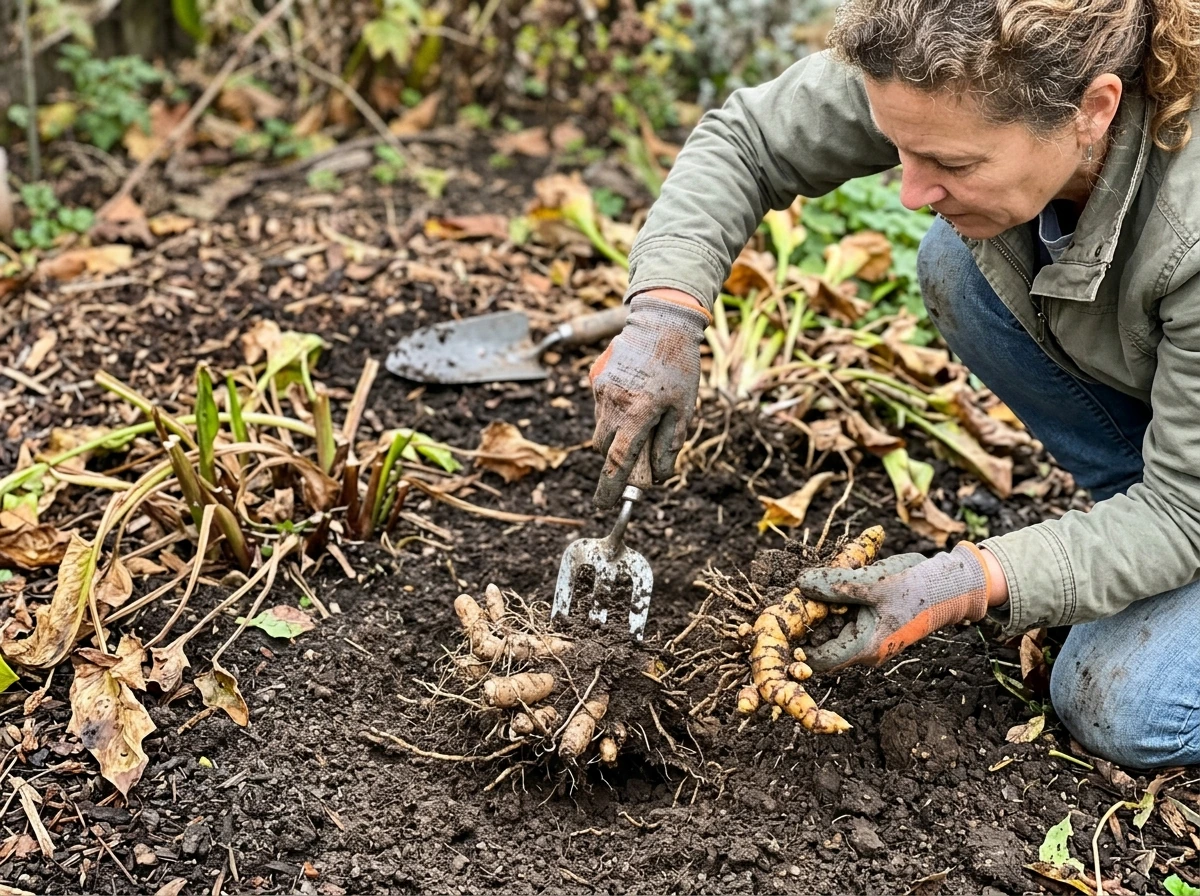
Once foliage dies back in early fall, carefully dig up the rhizomes with a garden fork, being gentle to avoid slicing through them. Brush off excess soil but don't wash them. Let them dry out in a warm spot indoors for a few days, then store them in peat moss or wood shavings in a cool, dry location.
UMN Extension guidance for Minnesota recommends digging up canna and calla lily rhizomes in the fall and storing them indoors over winter in a cool area around 40, 50°F store them in peat moss or wood shavings in a cool, dry location. The ideal storage temperature is 50 to 60°F, which makes an unheated basement, garage, or cool closet a good option.
Avoid storing them anywhere that drops below 46°F for extended periods. Check on them once a month through winter and discard any that develop soft spots.
Replant them outdoors again the following spring once temperatures warm back up. Most gardeners in colder zones go through this cycle every year without any trouble once they get the hang of the timing.
Zone 7: the gray area
Zone 7 is genuinely a judgment call. Some calla cultivars, including certain Zantedeschia aethiopica varieties, can handle Zone 7 winters with protection. Heavy mulching over the planting bed (4 to 6 inches) can get you through mild Zone 7 winters. But if you get a particularly brutal winter, you may lose them. If your winters are unpredictable, the safer play is to dig them up every year rather than gamble on it.
Common outdoor problems and how to fix them fast
| Problem | What you'll see | Quick fix |
|---|---|---|
| Rhizome rot | Mushy, brown rhizome; plant collapses at the base; foul smell | Dig up the rhizome, cut away all soft or rotted sections with a clean knife, dust cut areas with sulfur powder or let them air-dry, then replant in fresh, dry, well-draining soil. Improve bed drainage before replanting. |
| No shoots after planting | Nothing emerges 3+ weeks after planting | Check soil temperature (needs to be above 55°F). Dig carefully to confirm the rhizome isn't rotted. If it's firm and healthy, wait longer. If it's soft, replace it. |
| Weak, leggy growth or no blooms | Tall floppy stems, lots of leaves but no flowers | Move to a sunnier spot with at least 4 to 6 hours of direct sun. Also check that you're not over-fertilizing with nitrogen. |
| Gray fuzzy mold on leaves or flowers (Botrytis) | Gray or brown fuzzy patches on foliage or blooms, especially in cool wet weather | Improve air circulation around plants, remove affected tissue immediately, and avoid overhead watering. Fungicide labeled for Botrytis can help in persistent cases. |
| Frost damage | Blackened, wilted foliage after a cold night | If the rhizome is still firm underground, the plant can often recover. Cut back damaged foliage, mulch heavily, and wait. If you're in a cold zone, dig the rhizome and bring it inside. |
| Yellow leaves during active growth | Yellowing leaves on otherwise growing plant | Often a sign of overwatering or poor drainage. Let the soil dry out a bit between waterings and check that water isn't pooling around the base. |
The single biggest outdoor issue I hear about consistently is rot, and almost all of it comes down to two things: planting in poorly draining soil and watering too much before the plant is actively growing. Fix those two things and you'll sidestep the most common failure mode entirely.
If you're still figuring out the best spot in your garden for calla lilies, the question of [where to grow calla lilies] more broadly is worth thinking through alongside this guide. If you're still figuring out the best spot in your garden for calla lilies, the question of [where to grow calla lilies] more broadly is worth thinking through alongside this guide. And if you're considering keeping some in pots on a patio rather than in the ground, the principles here still apply, though container growing has its own nuances worth exploring separately.
The bottom line is this: calla lilies are not nearly as fussy outdoors as their reputation sometimes suggests. Get the drainage right, plant at the right time, give them reasonable sun, and don't drown them before they get started. Do those things and you'll have beautiful, healthy plants that reward you every summer.
FAQ
Can you grow calla lilies outside from seed or do you need rhizomes?
For outdoor growing, most gardeners use rhizomes (the knobby storage roots), because calla lilies sold for gardens are typically propagated this way. Seed is possible but usually takes longer to reach flowering and may not produce the exact same cultivar, so rhizomes are the practical choice if your goal is blooms in a reasonable timeframe.
What do I do if my calla lily shoots but the leaves look floppy or yellow?
Check two things first: soil wetness and sunlight. Yellowing often points to stress from staying too wet early or consistently waterlogged soil. Move toward the sunnier end of partial shade, and let the top inch dry slightly between waterings once shoots have started, since established plants still need evenly moist but not soggy conditions.
How can I tell the difference between cold damage and rot?
Cold injury usually shows as blackened or mushy tissue on top growth after a dip in temperature, while rot typically starts at the rhizome area and spreads, often with a sour smell and soft spots. If you lift a problem plant, a rhizome that is soft, slimy, or collapsing strongly indicates rot, and it is usually best to discard it rather than try to save it.
Do calla lilies need fertilizer, and when should I start?
If you amended the soil with compost, you can often get away with little or no additional feeding at first. Start fertilizing only after active growth begins (once you see shoots), then use a balanced fertilizer at a light rate. Avoid heavy feeding early, because lush growth with too much moisture increases the risk of rot.
Can calla lilies be planted in containers outside instead of in the ground?
Yes, you can, but the biggest nuance is drainage and overwinter strategy. Use a potting mix that drains freely, ensure the container has drainage holes, and do not let the pot sit in a saucer of water. In colder zones, containers may need a warmer overwintering location or indoor storage even if the plants would survive if planted in the ground.
My soil stays wet after rain, can I still grow them without digging them up?
You can only skip annual digging if you can reliably prevent rhizome winter rot. For consistently wet areas, build a raised bed or improve drainage so water moves away from the rhizomes. If you cannot fix drainage, treat them like Zones 6 to 7 even if you are warmer, and plan to lift and store in fall.
How late in the spring can I plant calla rhizomes outside?
Planting is timing sensitive because rhizomes need warm soil to start growing. If you wait too long and summer heat becomes extreme, plants may struggle or bloom poorly. A good rule is to wait until nighttime temperatures are consistently above about 55°F, and then plant promptly so roots establish before peak heat.
Should I deadhead calla lilies outdoors?
You can remove spent blooms to keep the display tidy, but do not cut down the foliage while it is green. The leaves are helping the rhizome store energy for next year. Stop trimming and let the plant go dormant naturally, then cut back when foliage truly dies down in fall.
Next Articles
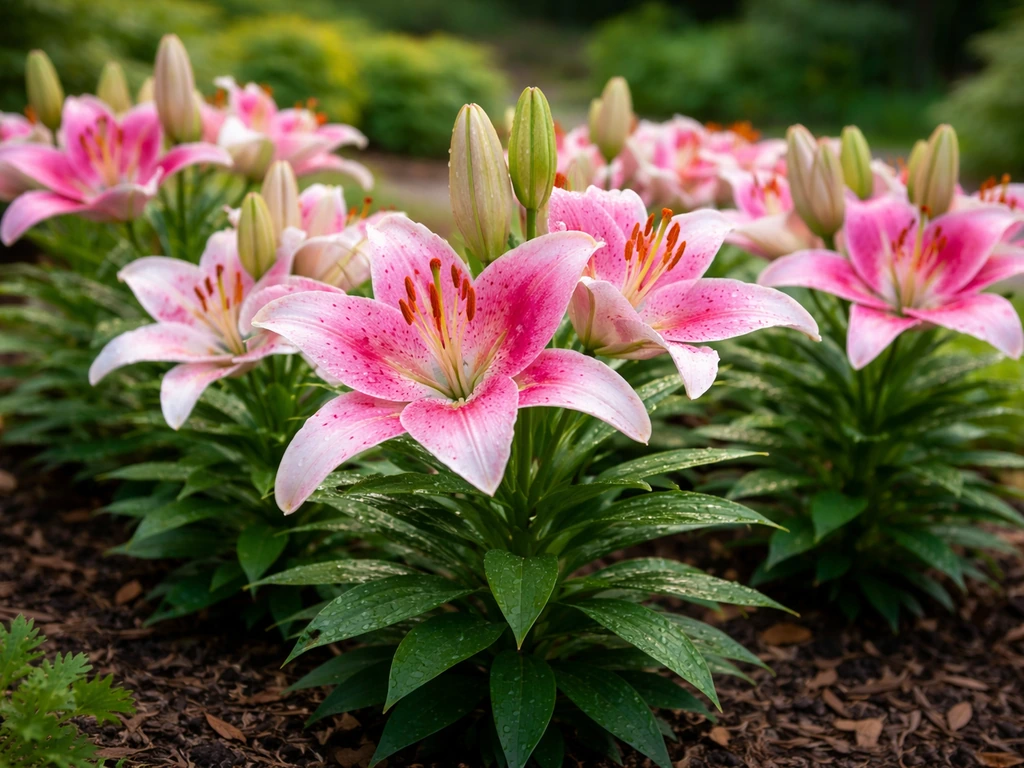
Best Lilies to Grow: Choose, Plant, and Care for Success
Best lilies to grow for your climate and goals: pick types, plant depth, care, and fix no blooms and rot.
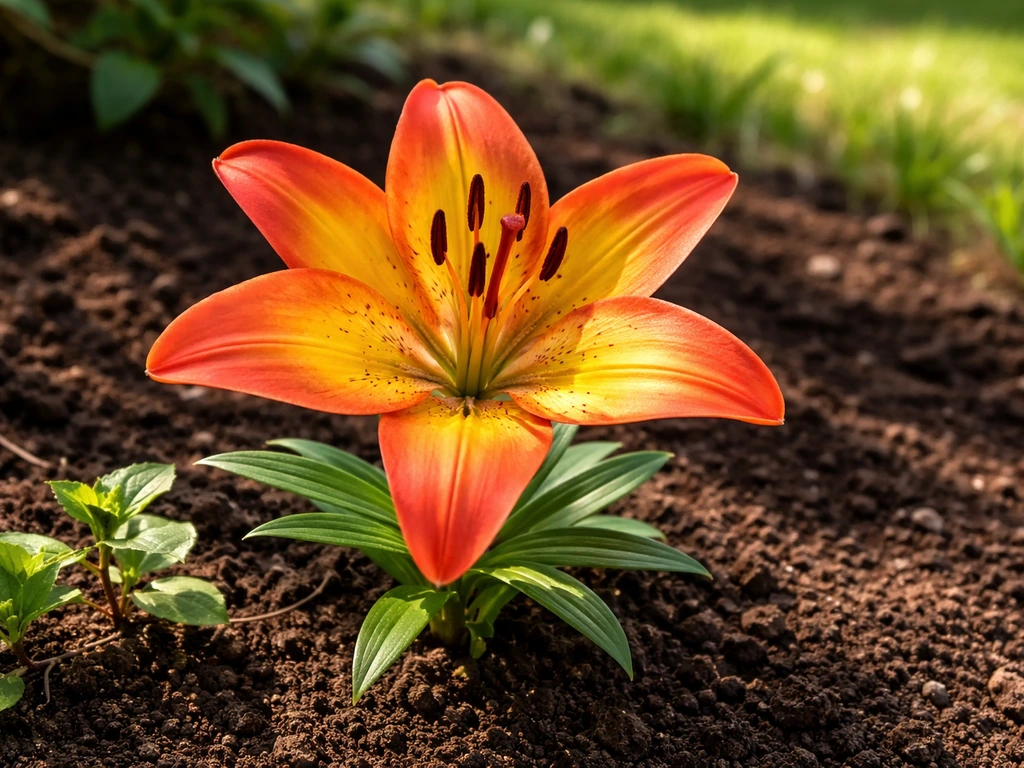
Are Asiatic Lilies Easy to Grow? Conditions, Care, and Fixes
Are Asiatic lilies easy to grow? Get exact sun, soil, drainage, watering, planting, and fixes for common blooming, rot,
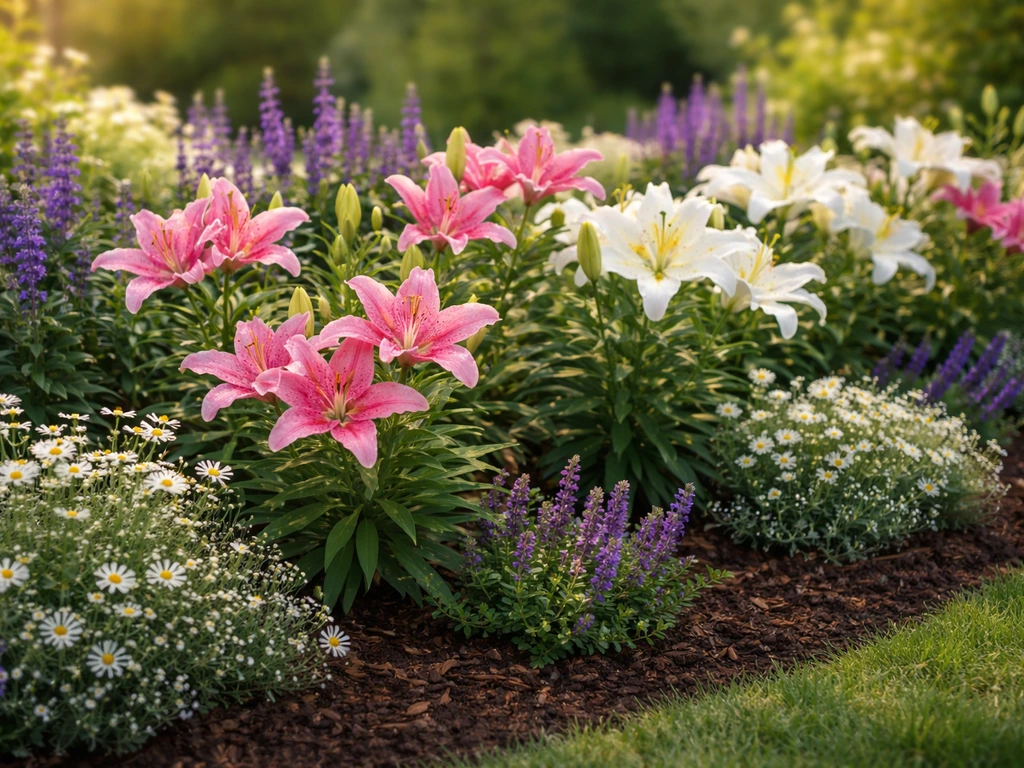
What Flowers Grow Well With Lilies: Best Companion Pairings
Best flowers to pair with lilies, matched by lily type and light needs, plus spacing, layering, and watering tips.