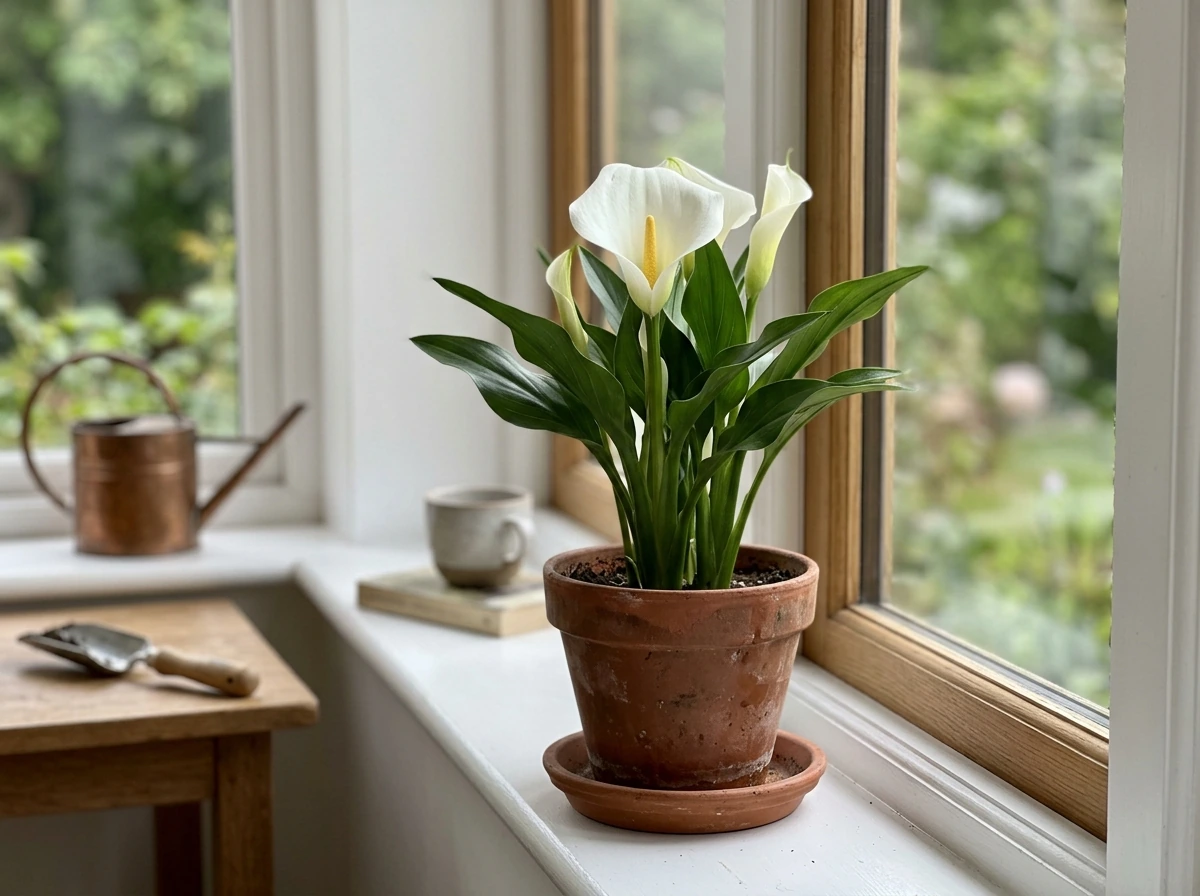
Quick yes: calla lilies can absolutely grow outside
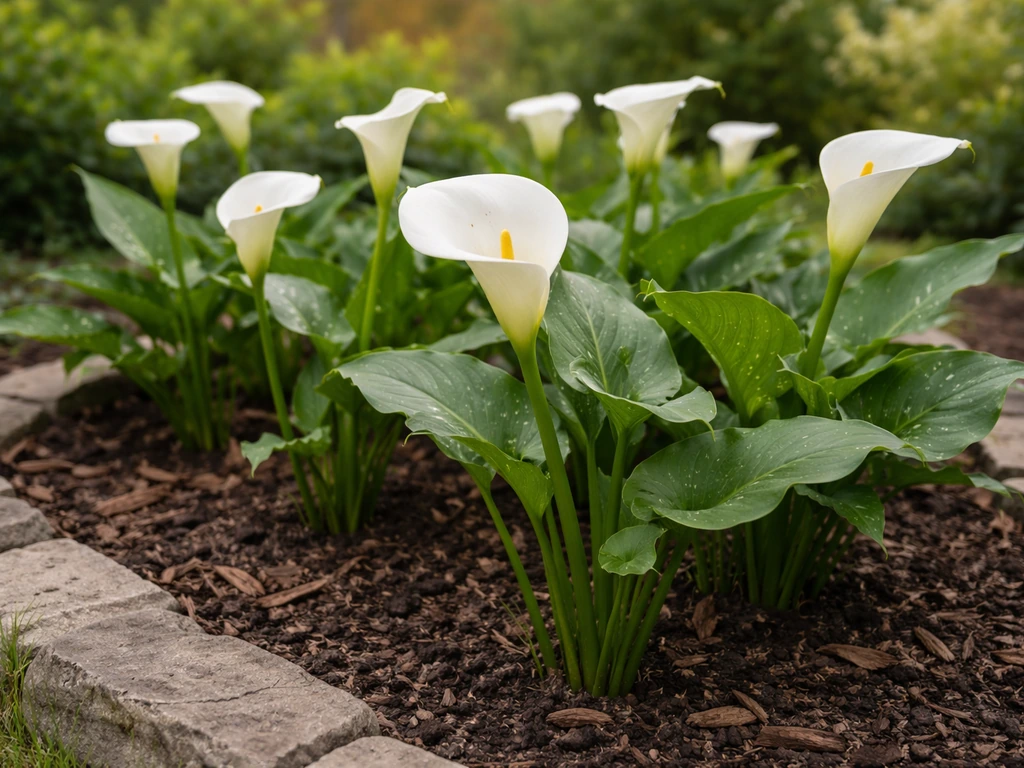
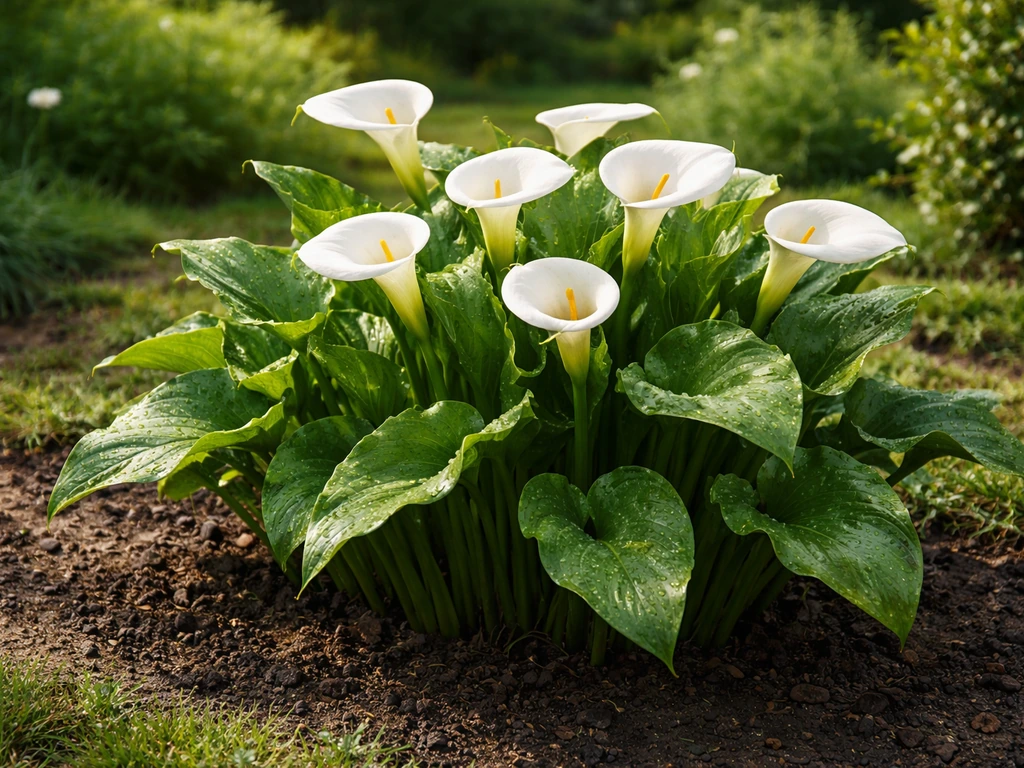
Yes, calla lilies (Zantedeschia) can grow outside, and for a lot of gardeners they do beautifully. The short version: if you're in USDA Zone 8 or warmer, you can treat them as perennials and leave them in the ground year-round. If you're in Zone 7, they'll often survive mild winters with a little mulch protection. Below Zone 7, you'll need to either lift the rhizomes in autumn or grow them in containers that come inside before the first frost. That's the whole decision tree in a nutshell. The rest of this guide is about making sure they actually thrive once they're in the ground, because planting them outside is easy; getting the drainage, timing, and watering right is where most people run into trouble.
One thing worth knowing upfront: not all calla lilies behave the same way outdoors. Zantedeschia aethiopica, the classic white calla, is the hardiest of the bunch and can tolerate surprisingly wet conditions. The colored hybrids (pinks, purples, oranges, yellows) are generally less cold-tolerant and much more sensitive to waterlogged soil. If you're weighing your options, growing calla lilies outside works best when you match the variety to your local conditions.
Climate and timing: zones, frost risk, and dormancy
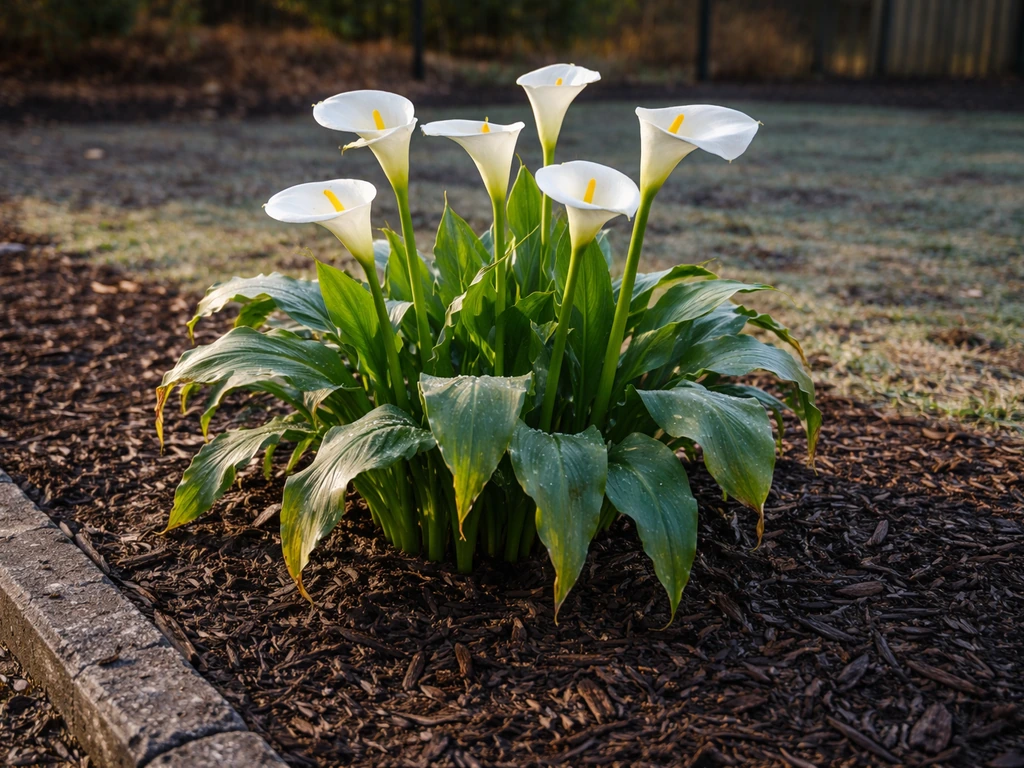
Zantedeschia aethiopica is winter hardy to USDA Zone 8 and may survive some Zone 7 winters with protection (think a thick layer of mulch over the root zone). Some sources even suggest certain varieties can handle minimum temperatures dipping well below freezing, but I wouldn't count on that without knowing your specific microclimate. For the colored hybrid types, treat them as tender perennials in anything below Zone 8 and plan to lift them each autumn.
Planting timing is tied directly to frost dates. Outdoors, you want to get rhizomes in the ground in spring after the last frost threat has passed, typically April or May depending on where you live. If you want a head start, you can pot them up indoors 6 to 8 weeks before your average last frost date and then transplant outside once the soil has warmed. Don't rush it. Cold, waterlogged spring soil is one of the fastest ways to rot a rhizome before it even gets going.
Dormancy matters too. Unlike daylilies that just go quiet above ground and shrug off cold, calla lilies need specific handling at the end of the season. In autumn, before a killing frost hits, either mulch them heavily in Zone 7-8 or dig them up entirely. After frost kills the foliage, cut it back to 1 to 2 inches above the soil surface and store the rhizomes somewhere cool (50 to 60°F) and dry until spring. Alternatively, lift them and store in a slightly damp medium like peat if you're worried about them drying out completely.
Outdoor site needs: sun, shade, and wind
Calla lilies grow well in sun or partial shade outdoors. In hotter climates (Zones 9-10), afternoon shade is genuinely helpful because intense summer heat can stress the plants and dry out the root zone too fast. In cooler zones, a spot with full morning sun and some afternoon shade is often ideal. What you want to avoid is dense, all-day shade. They'll survive it, but flowering will suffer noticeably.
Wind is an underrated factor. Calla lily stems can get tall (some varieties hit 3 feet or more), and they snap or topple in exposed, windy spots. A location with some natural windbreak, like a fence, hedge, or wall, makes a real difference. It also helps retain soil moisture, which callas appreciate during active growth. Thinking about where to grow calla lilies on your property should factor in both light exposure and whether the spot is sheltered.
Soil and drainage: the most important thing you can get right
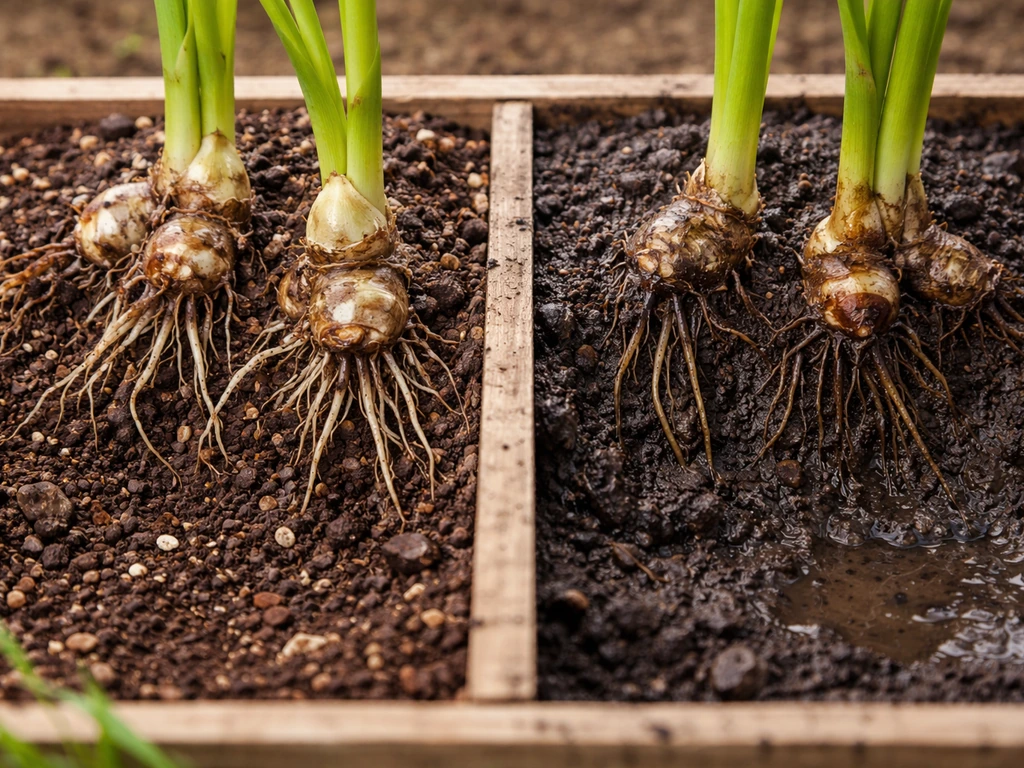
This is where most outdoor calla lily failures start. These plants want moist soil, but sitting in waterlogged ground will rot the rhizomes, sometimes within a single wet week. The goal is consistently moist but well-draining soil. Work in plenty of organic matter (compost works great) to improve both water retention and drainage at the same time. If your garden has heavy clay that holds water, I'd seriously consider raised beds or containers instead of planting directly in the ground.
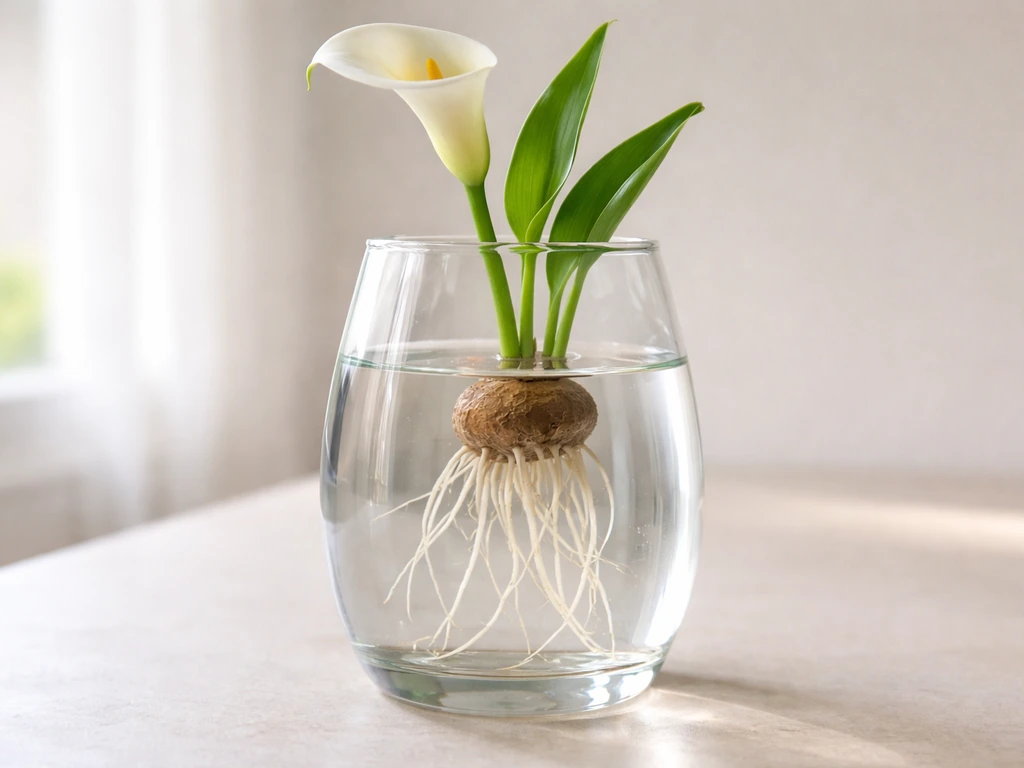
There's an interesting exception here worth flagging: Zantedeschia aethiopica, the white species type, is much more tolerant of wet conditions and can even grow in standing water up to about 12 inches deep. So if you're planting that specific type near a pond or boggy area, it can handle conditions that would destroy the colored hybrids. Speaking of which, if you're curious about that wet-soil potential, growing calla lilies in water is worth reading before you place them near a water feature.
For most colored hybrid callas in garden beds, the rule is: if you can squeeze water out of a handful of your soil after a rain, it's too wet. Amend heavily or switch to containers. A well-draining potting mix in a container with drainage holes gives you much better control over moisture than most garden soils, especially in climates with wet springs or unpredictable rainfall.
When containers beat in-ground planting
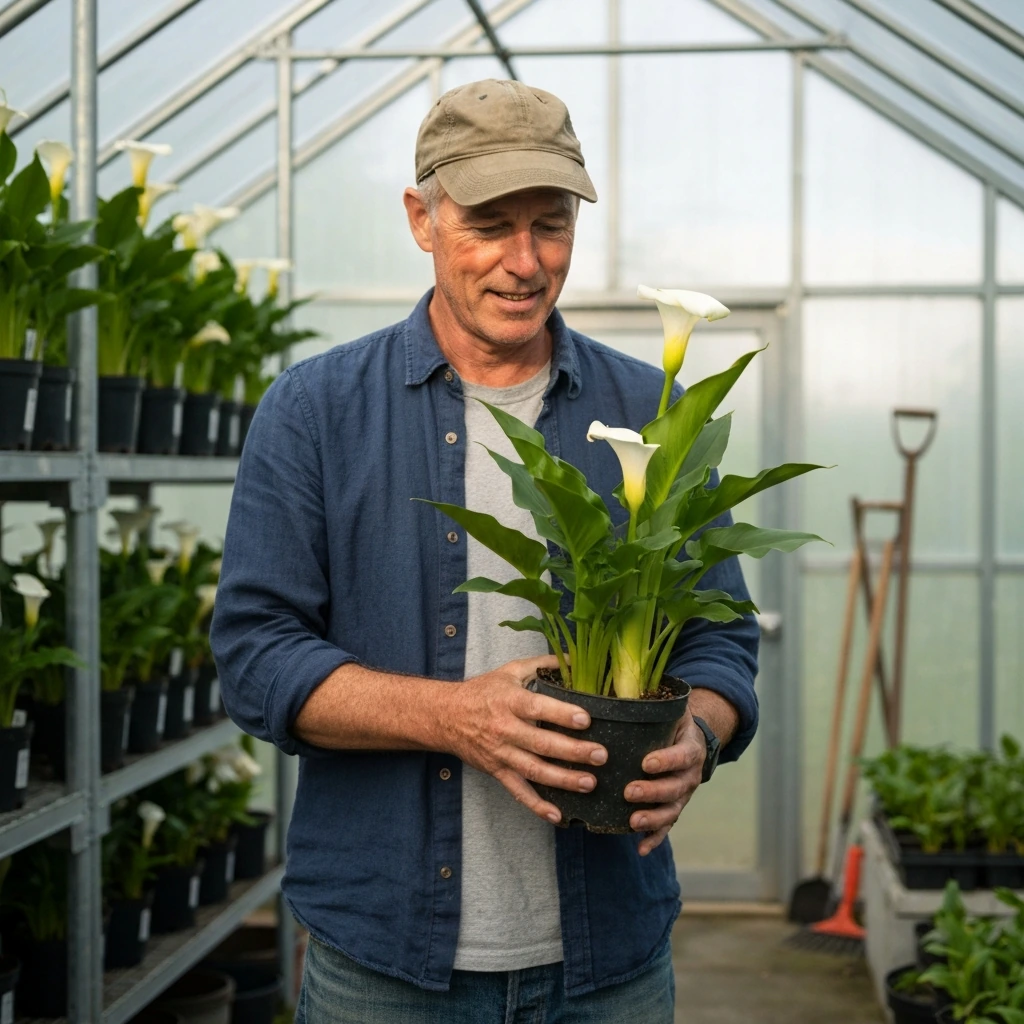
If you're in Zone 6 or colder, containers are actually the smarter choice for outdoor calla lilies. You get the outdoor growing season benefits (more light, airflow, natural temperatures) without the logistical nightmare of digging up rhizomes from a packed bed every autumn. When frost threatens, you just bring the pots inside. Bring outdoor pots indoors before the first frost in autumn, or lift and store the tubers in a frost-free place. Either way, containers make that transition a lot easier.
Watering and feeding outdoors: moisture is good, excess is rot
During active growth (spring through summer), water regularly and keep the soil consistently moist. Callas are thirstier than you might expect when they're putting up foliage and blooms. Deep watering a few times a week is better than shallow daily sprinkles. Mulching around the plants helps retain that moisture and keeps soil temperatures steadier, which is a bonus.
Here's the critical flip side: once growth slows and the plant starts heading into dormancy, pull back on water significantly. Water little or not at all over winter. Too much water when the plant isn't actively growing is the single biggest reason rhizomes rot in the ground. If you live somewhere with wet winters and you're trying to overwinter them in place, this is exactly why good drainage is non-negotiable.
For feeding, a balanced slow-release fertilizer applied at planting and then a liquid feed every few weeks during active growth works well. Don't over-fertilize with nitrogen heavy products, as that pushes leafy growth at the expense of flowers. If you're finding your outdoor callas look lush but aren't flowering, excess nitrogen is often the culprit. Back off and switch to a bloom-boosting formula with more phosphorus.
Planting calla lilies outside: depth, spacing, and timing
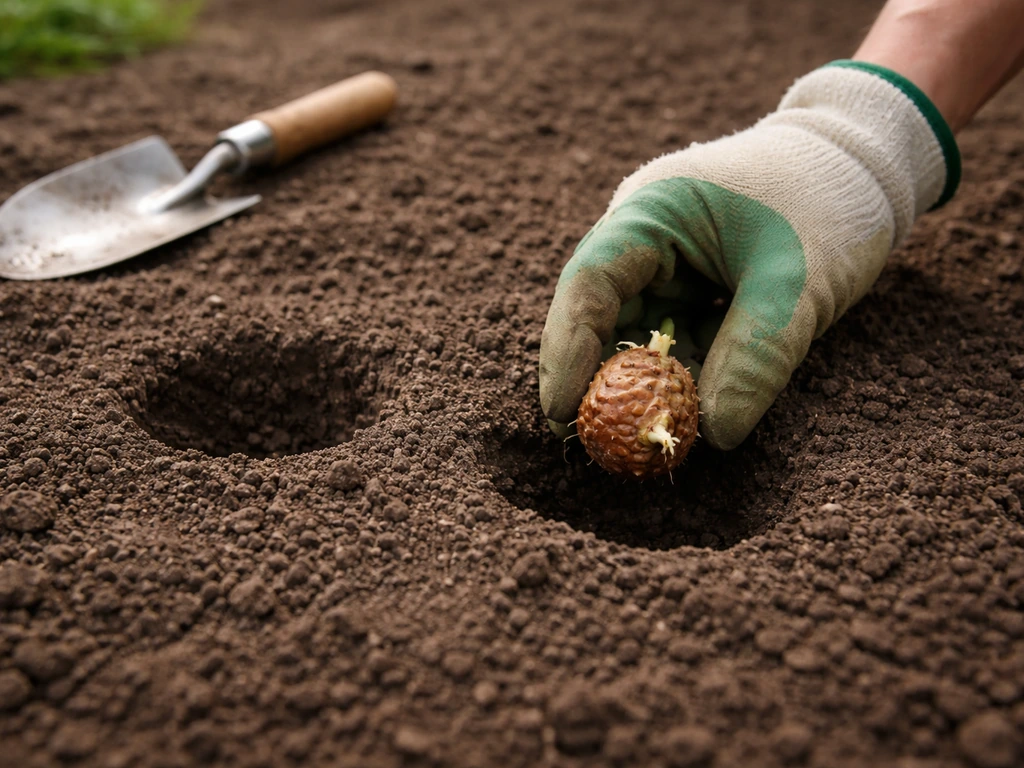
Get planting depth right and you avoid a whole category of problems. For most garden beds, plant rhizomes 2 to 4 inches deep. NC State Extension specifies 2 inches (5 cm) as a reliable depth, while UGA Extension suggests going a bit deeper at 3 to 4 inches for Zantedeschia aethiopica. I find that 2 to 3 inches works for most hybrid varieties. Too shallow and the rhizome sits too close to the surface where it can dry out or get frost-nipped; too deep and emergence is sluggish.
Spacing matters more than people think. Go 18 inches (45 cm) between plants. Crowding might look fine the first season, but calla rhizomes spread and multiply, and crammed plants compete for water and airflow, which increases disease risk. Give them room. If you're starting with multiple rhizomes in a container, 12 to 18 inches between them is still a good target depending on pot size.
| Planting detail | Recommended range | Notes |
|---|
| Planting depth | 2 to 4 inches (5 to 10 cm) | 2 in. for hybrids; 3-4 in. for Z. aethiopica |
| Spacing | 18 inches (45 cm) apart | 12-18 in. in containers |
| Planting time (outdoor) | Spring, after last frost | April or May in most temperate zones |
| Indoor head start | 6 to 8 weeks before last frost | Then transplant outside once soil warms |
| Autumn lift timing | Before killing frost | After foliage dies back naturally |
Orient the rhizome with the growing tip (the slightly pointed or budding end) facing upward. If you genuinely can't tell which end is up, planting it sideways is fine. The plant will find its way, just a bit more slowly.
Troubleshooting: why outdoor calla lilies fail (and what to do)
I've seen (and made) enough mistakes with calla lilies outdoors to run through the most common failure points. Most problems come down to a few predictable causes.
- Rhizome rot: The number one killer. Caused by waterlogged soil, especially when the plant isn't actively growing. Fix: improve drainage before planting, reduce watering in dormancy, and consider raised beds or containers if your soil holds water.
- Frost damage: Planting too early in spring or failing to protect/lift in autumn. Fix: wait until after the last frost date to plant outside, and mulch heavily or lift rhizomes before autumn frosts hit.
- No flowers: Often caused by too much shade, excess nitrogen fertilizer, or rhizomes planted too deep. Fix: move to a sunnier spot, switch to a bloom-focused fertilizer, and check planting depth.
- Slow or no emergence: Soil is too cold or the rhizome was planted too deep. Fix: be patient if it's still spring; callas take 2 to 4 weeks to emerge in cool soils. If it's been longer than 6 weeks with no sign of growth, dig carefully and check for rot.
- Yellowing leaves mid-season: Can signal overwatering, underwatering, or a nutrient deficiency. Check soil moisture first. If drainage is fine and watering is regular, try a balanced liquid fertilizer.
- Stunted growth in containers: Often means the pot is too small or the potting mix has become compacted and waterlogged. Repot into fresh, well-draining mix with a larger container.
- Pest issues (aphids, spider mites): More common in hot, dry outdoor conditions. A strong spray of water knocks back aphids; for mites, increase watering around the plant and use insecticidal soap if needed.
If you've struggled with any of these and are wondering whether callas are just high-maintenance, the honest answer is no. They have a reputation that's a bit scarier than reality. Whether calla lilies are hard to grow really comes down to whether you match their drainage and dormancy needs. Get those two things right and they're pretty forgiving.
Indoor versus outdoor growing: knowing when to go inside
Some gardeners split the difference: they grow callas in containers outdoors during the warm season and move them inside for winter. It's a smart strategy for Zones 6 and below. If you're considering that approach, it helps to know what changes when you move them inside. Growing calla lilies inside has its own quirks, particularly around light and humidity, that differ from outdoor culture. And if your property includes a pond or water garden, it's also worth knowing that Z. aethiopica specifically can thrive in those wetter edges. Calla lilies in ponds is a surprisingly viable option for the white species type.
What to do right now based on where you are
Since it's early April, here's the practical breakdown by situation. If you're in Zone 8 or warmer and your callas are already in the ground from last year, they should be showing early growth. Water lightly and wait. If they're not up yet, they may still be coming. Don't dig in frustration yet. If you're in Zone 6-7 and planning to plant fresh rhizomes, hold off another 2 to 4 weeks until the soil has genuinely warmed and frost risk is behind you. Use the time to prep your bed: dig in compost, check drainage, and pick a site with morning sun.
If you're starting rhizomes indoors now to transplant outside in May, plant them 1 to 2 inches deep in a well-draining potting mix, keep them warm (around 65-70°F), and water sparingly until you see green growth. Once you see leaves pushing up, you can water more consistently and move them to a bright window. They'll be ready to go outside once nighttime temperatures are reliably above 50°F.
The bottom line: calla lilies are genuinely rewarding outdoor plants when you respect two things: no frost exposure and no sitting water. Nail those, and you'll have some of the most striking blooms in your garden from late spring through summer.