
Calla lilies grow best in warm, moist conditions with bright but indirect light, rich well-draining soil, and temperatures that stay above freezing. In the US, that means USDA Zones 8 through 10 for year-round outdoor growing, with options to push into Zone 7 with winter protection or containers you can bring inside. If you're trying to figure out whether your yard, porch, or windowsill qualifies, this guide walks through everything you need to know, from the plant's natural origins to the exact soil pH and water depth numbers that make the difference between thriving and rotting.
Where to Grow Calla Lilies: Best Climate, Light, Water
Marcus Hendricks
2 Apr 2026
Where calla lilies actually come from
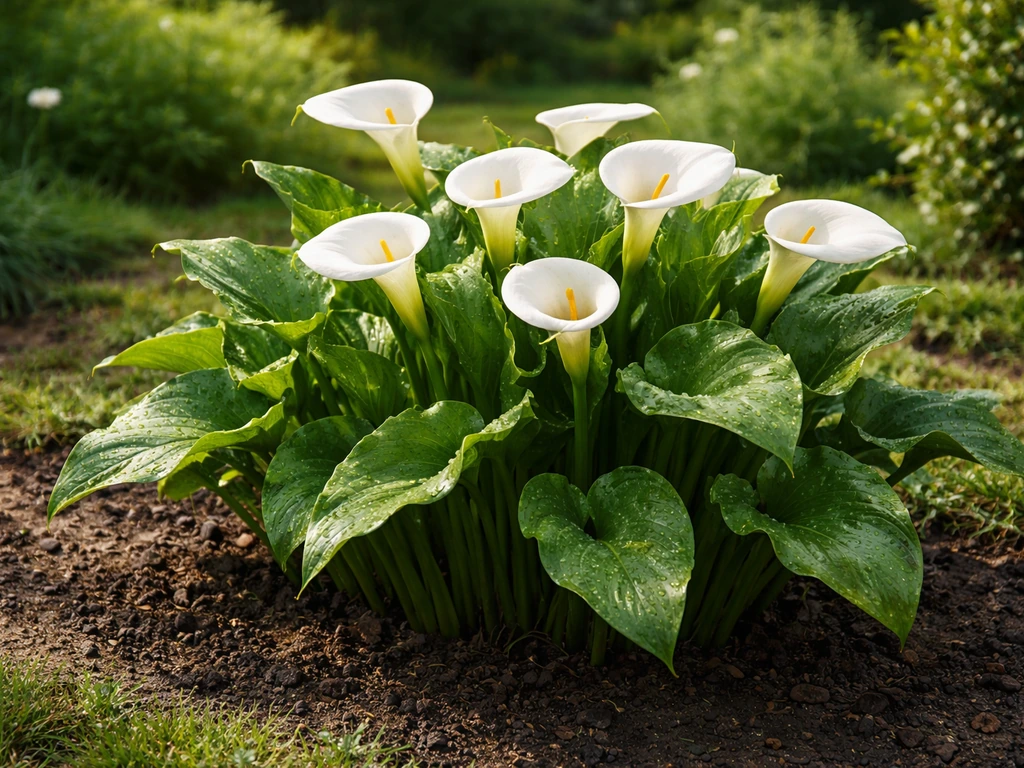
The classic white calla lily, Zantedeschia aethiopica, is native to southern Africa, specifically South Africa, Lesotho, and Eswatini. The whole Zantedeschia genus traces its roots to that region, with distribution spreading northeast toward Malawi. Knowing this matters because it tells you what the plant is built for: warm seasons, wet stream and pond banks, and a dry-season rest period. In its native range, the plant grows right on or along the banks of streams and ponds, meaning it evolved in consistently wet soil, not dry ground.
In areas where rainfall is reliable year-round, calla lilies behave as evergreens. Where there's a dry season, they go deciduous and drop their leaves until moisture returns. That boom-and-bust moisture cycle is baked into their DNA, which explains why so many gardeners accidentally kill them by either drowning them year-round or letting them dry out completely at the wrong time.
Climate and hardiness: where they can survive winter
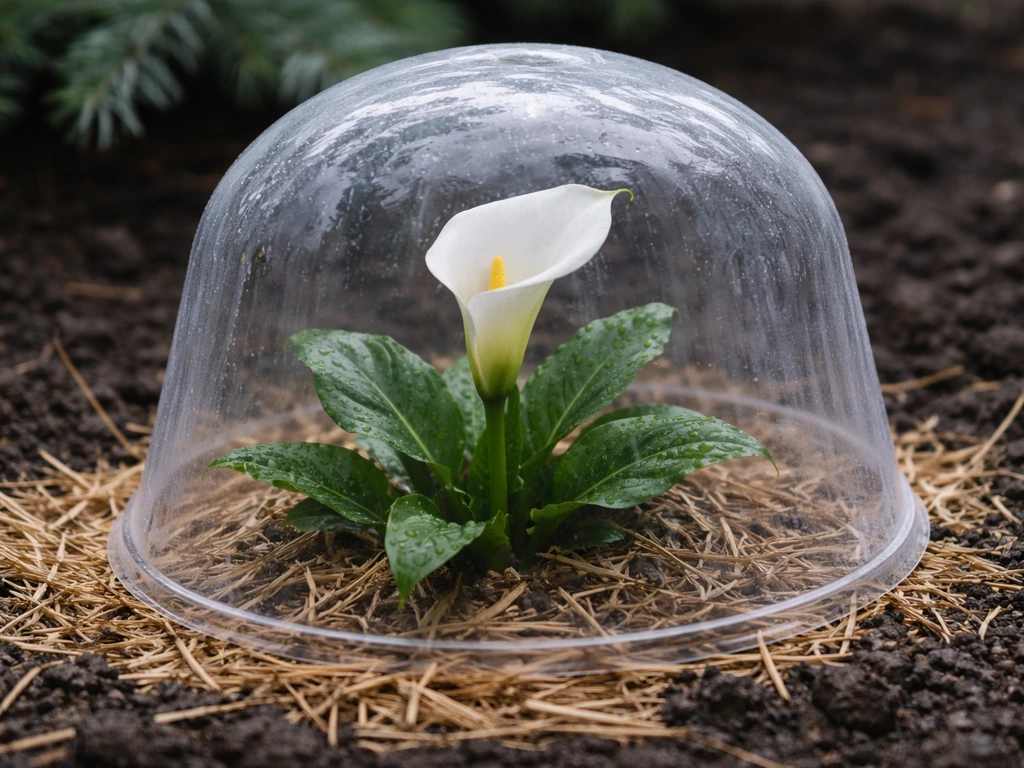
The safest bet for outdoor calla lilies in the US is USDA Zones 8 through 10. In Zone 8, Z. aethiopica is winter hardy and can stay in the ground, though a particularly brutal cold snap may cause dieback. Zone 7 is marginal territory: the plant may survive, but you'll want to mulch heavily over the rhizomes and cross your fingers. If you're in Zone 6 or colder, plan on treating callas like dahlias, planting in spring and digging up the rhizomes before first frost for indoor storage over winter.
It's worth noting that hardiness varies by cultivar and species. Some forms of Z. aethiopica can handle temperatures approaching the Zone 6 range, while less cold-tolerant varieties start struggling at about Zone 8 lows. If you're buying at a garden center and the label just says "calla lily," assume Zone 8 minimum and adjust from there. If you want a deeper look at what it really takes outdoors, whether calla lilies can grow outside covers the outdoor side of this in more detail.
Light, water, and humidity for every growing situation
Outdoors in the garden
Outside, calla lilies do well in full sun to partial shade. In hotter climates (Zone 9 and 10), afternoon shade is genuinely helpful because intense midday sun can scorch the leaves and stress the plant during peak heat. In cooler Zone 8 gardens, full sun is usually fine and actually encourages better flowering. Water consistently during the growing season, keeping soil moist but not waterlogged. Think damp sponge, not puddle. Reduce watering significantly in late fall and winter when the plant goes dormant, since soggy soil combined with cold temperatures is a reliable path to rhizome rot.
Indoors and in containers
For indoor growing, bright indirect light is the target. A south- or east-facing window works well. Avoid placing callas directly in front of intense direct afternoon sun through glass, which amplifies heat and can cook the leaves. Indoors, the comfortable temperature range runs about 55 to 75°F. Water when the top inch of soil feels dry rather than on a fixed schedule, and let the pot drain fully after each watering. Stagnant wet soil in a container is one of the fastest ways to lose a calla lily. If you're weighing whether indoor life suits them at all, how well calla lilies grow inside is worth reading before you commit.
Humidity matters more indoors than most people realize. Calla lilies prefer moderate humidity. Too low and you create the conditions where spider mites move in, those tiny pests that thrive in dry, dusty air. Too high with poor airflow and you're inviting fungal problems like Botrytis or crown rot, which love cool, humid, stagnant air. If you're keeping callas in a centrally heated home during winter, a pebble tray with water under the pot or a nearby humidifier can help without going overboard.
In ponds and water gardens
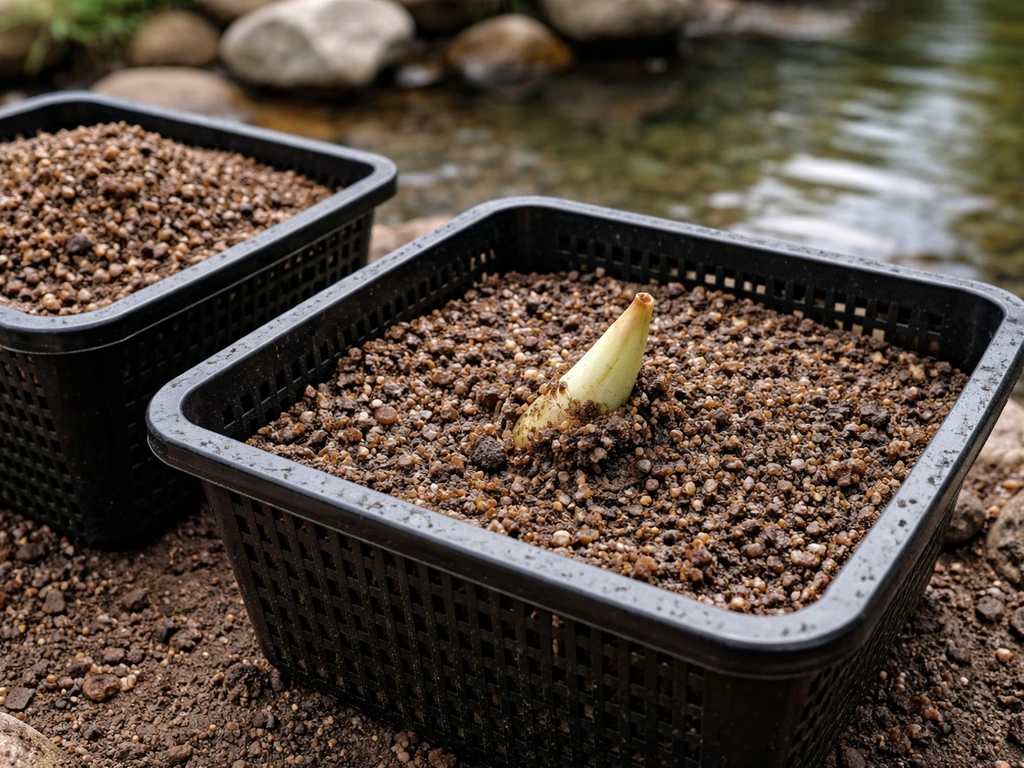
Yes, you can grow Z. aethiopica in or at the edge of a pond, which makes sense given its native streambank habitat. The practical approach is to plant it in a basket or container and submerge it so that about an inch of water sits above the top of the pot, keeping water depth around 2 inches over the root zone. What you want to avoid is deep submersion, which cuts off root oxygen and leads to rot. Growing calla lilies in water is genuinely possible, but the plant tolerates wet feet rather than being truly aquatic. If you're thinking about a pond setup specifically, the details on whether calla lilies grow in ponds can save you from a common depth mistake.
Soil and planting setup that actually works
Calla lilies want rich, moisture-retentive soil that still drains well enough to avoid standing water around the roots. For in-ground planting, work in plenty of organic matter and make sure the planting area doesn't sit in a low spot where water pools after rain. For containers, a mix built around coco peat (roughly 60 to 80 percent of the blend) with coarser material like pine bark or coarse sand for drainage is ideal. Aim for a soil pH between 5.8 and 6.5. Above that range, nutrient uptake suffers. Below it, you risk other deficiencies that show up as yellowing leaves.
Plant the rhizome about 4 inches deep with the growth bud pointing up. In containers, make sure there are drainage holes and that the pot isn't sitting in a saucer full of standing water. Callas in containers also tend to need more frequent watering than in-ground plants because pots dry out faster, especially in warm weather, so check the top inch of soil regularly during the growing season.
Where they grow best by US region and zone
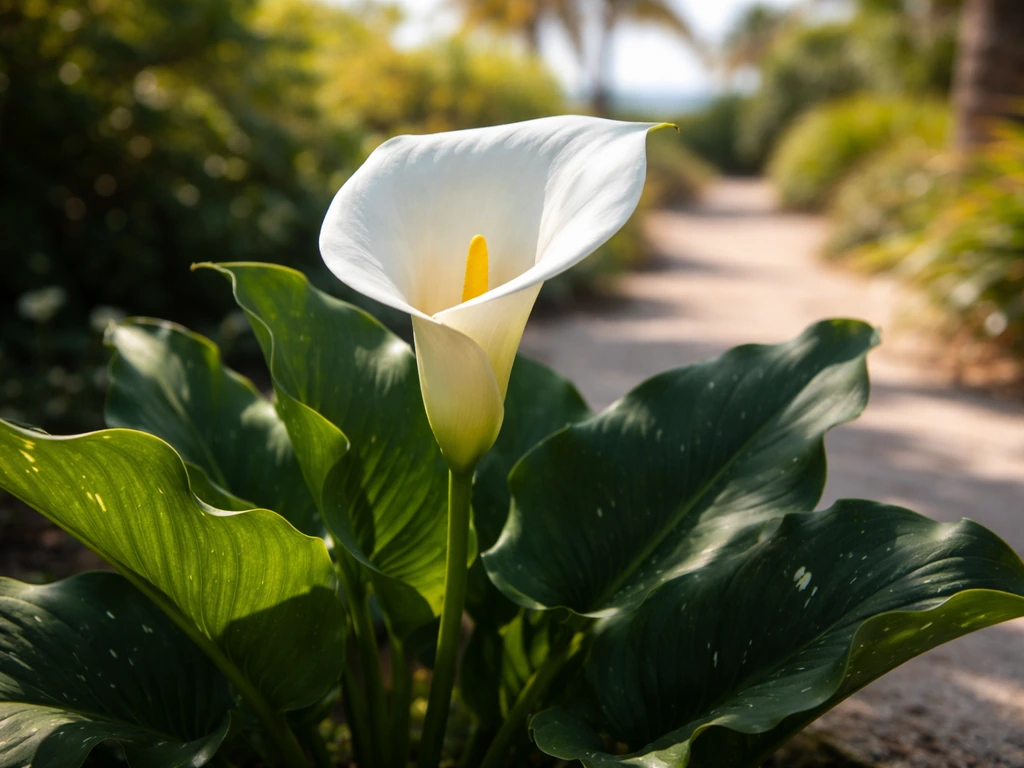
Here's a practical regional breakdown to help you figure out your situation quickly:
| US Region / Zone | Outdoor Viability | Key Consideration |
|---|---|---|
| Zones 9–10 (Deep South, Southern CA, Gulf Coast, Hawaii) | Excellent year-round | Afternoon shade in hottest months; watch for drought stress in dry seasons |
| Zone 8 (Pacific NW, mild Southeast, Central TX) | Good; winter hardy in ground | Mulch rhizomes in hard freezes; reduce winter watering |
| Zone 7 (Mid-Atlantic, Piedmont, parts of Pacific NW) | Marginal; possible with protection | Heavy mulch or container overwintering recommended |
| Zones 4–6 (Midwest, Northeast, Mountain West) | Not winter hardy outdoors | Grow in containers; dig rhizomes before first frost and store indoors |
| Anywhere with indoor space | Viable year-round | Bright indirect light, 55–75°F, moderate humidity |
For Pacific Northwest gardeners in Zone 8, callas are almost a weed in the best possible sense. The mild wet winters and warm summers are close to their native southern African conditions. In the Southeast, heat and humidity can actually work in your favor as long as drainage is good. The Southwest desert zones are trickier: the heat is manageable but the dry air and low rainfall mean you need to be much more intentional about moisture. For anyone in the northern US wondering about season extension and outdoor chances, the question of growing calla lilies outside in colder climates gets into the specifics of that tradeoff.
Why calla lilies fail and how to fix it fast
Most calla lily failures come down to four problems: wrong light, wrong water, wrong temperature, or wrong drainage. Here's how to diagnose each one quickly.
Too much or too little sun
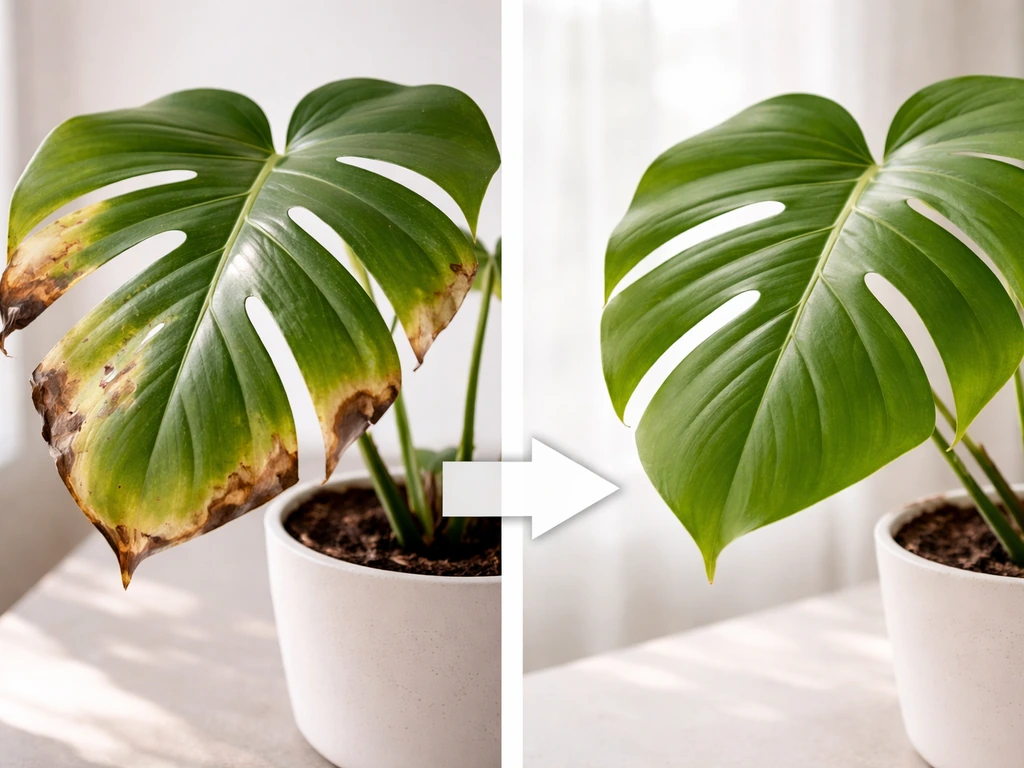
Scorched, bleached, or crispy leaf edges usually mean too much direct sun, especially indoors or in hot afternoon sun outside. Move the plant to bright but filtered light. On the flip side, a calla that refuses to bloom despite good care is often not getting enough light. Indoors, flowering requires high light intensity, well above 2500 foot-candles. If your windowsill is dim, a grow light during the forcing period can make a real difference.
Overwatering and poor drainage
Yellowing leaves, drooping despite wet soil, or visible mushrooms or mold near the base almost always point to overwatering or drainage failure. Check the roots: if they're brown, mushy, or smell sour, you have rot. Cut off the damaged roots, let the rhizome dry slightly, replant in fresh well-draining mix, and hold off on watering until the top inch of soil is dry. Watering only when that top inch dries out is the single most practical correction for overwatered callas. Avoid planting in low spots in the garden where rainwater pools.
Underwatering and bone-dry soil
Wilting, dry crispy leaf edges that aren't bleached, and very light dry soil all point the other direction. During active growth, calla lilies should never completely dry out. If you've let the soil go bone dry, give it a thorough soak, let it drain fully, and then set a reminder to check it every two to three days. The recovery is usually quick once moisture is restored.
Wrong temperature or surprise frost
If your outdoor calla collapses after a cold night, the rhizome may or may not be salvageable depending on how cold it got and for how long. Dig it up, check for firmness (mushy means it's gone, firm means there's hope), and bring it indoors to a cool but frost-free spot. Container plants must come inside before the first frost if you're in Zone 7 or colder, full stop.
Pests and humidity extremes
If you notice stippling, webbing, or tiny moving dots on the leaves indoors, spider mites are the likely culprit, and low humidity is usually what opened the door for them. Boost humidity around the plant and wipe the leaves down. Conversely, if you're seeing soft rot at the crown, collapsing stems, or gray fuzzy mold, that's a high-humidity fungal issue. Improve airflow around the plant, ease up on watering, and make sure the pot or planting bed isn't in a dead-air corner. If you've worked through all of these and are still struggling, it helps to step back and honestly ask: are calla lilies hard to grow in your specific setup? Sometimes the answer is yes, and adjusting expectations or conditions makes all the difference.
Your quick-match checklist before you plant
Before you buy rhizomes or a potted calla, run through these conditions against your actual situation:
- Temperature: Can you offer frost-free conditions year-round outdoors (Zones 8–10), or do you have a plan to dig and store rhizomes before first frost?
- Light: Do you have bright indirect light indoors, or a spot outdoors with full sun to partial shade, ideally with afternoon relief in hot climates?
- Moisture: Can you keep soil consistently moist but never waterlogged during the growing season, and are you prepared to reduce watering significantly in fall and winter?
- Drainage: Is your planting site or container set up to drain freely, avoiding low spots or saucers that hold standing water?
- Soil: Is your pH in the 5.8 to 6.5 range, with organic matter for moisture retention and coarse material for drainage?
- Humidity: Indoors, do you have moderate humidity available without stagnant air? Outdoors, is the climate humid enough or can you supplement with consistent watering?
- Pond or water feature: If planting near water, is the depth about 2 inches over the root zone, not deep submersion?
If you can check most of those boxes, calla lilies will reward you with some of the most dramatic blooms you can grow. If a few of those conditions are a stretch, adjust your setup before planting rather than after, because most of the reasons these plants fail are entirely preventable with the right starting conditions.
FAQ
Can I grow calla lilies outside if my zone is borderline (like Zone 7)?
Yes, but treat them like seasonal bulbs in most places. In Zone 7 and colder, set the rhizomes or containers outside only after nights stay consistently above your frost threshold, then lift them again before the first real cold snap. If you leave rhizomes in the ground in marginal zones, a single wet freeze can rot them even if temperatures briefly dip only a few degrees.
Why do my calla lilies grow leaves but won’t bloom in cool weather?
Not reliably. Plants that barely meet minimum warmth can grow leaves but stall on flowering because they need sustained warm conditions during the active growth period. If you are near the cool edge, start with a larger rhizome (more stored energy), plant deeper in the ground only if drainage is excellent, and be strict about consistent moisture during growth.
What should I do if my yard drains poorly for where to grow calla lilies?
If you have heavy clay or waterlogged soil, the main fix is to improve drainage before planting, not just add amendments. Build a raised planting mound or containerize, and avoid low spots where rainwater pools. For in-ground beds, mix organic matter with coarse drainage material (like pine bark or grit) so water moves through instead of sitting around the rhizome.
Are calla lilies safe to grow around pets or kids?
Poisoning risk exists, especially for pets and small children. Calla lilies contain compounds that can cause mouth irritation and more serious symptoms if ingested. Keep them out of reach, wash hands after handling rhizomes, and if a pet chews a plant, contact your veterinarian or poison control right away.
Can I start calla lilies indoors and then move them outside?
Yes, calla lilies can be started in pots and then moved out, which helps you beat cool temperatures. Use a bright window or grow light to establish growth, then transplant after danger of frost. Keep the soil mix well-draining and avoid fertilizing heavily until you see steady leaf growth.
How do I know if I am watering calla lilies too much or too little?
Aim for damp conditions, but never stagnant water. A quick test is to water thoroughly, then wait until the top inch dries before watering again (container) or until the soil surface looks dry but the bed is not bone dry (in-ground). If you see mushrooms, sour smell, or blackened mushy rhizome sections, you have too much moisture and drainage needs to be corrected.
Should I cut back calla lily leaves, and when?
Start pruning only after the foliage naturally yellows as the plant enters dormancy, otherwise you can reduce next season’s reserves. Once leaves yellow, you can cut them back, then reduce watering significantly. In warm evergreen climates, the plant may not fully drop leaves, so watch the overall vigor and slow watering only as growth visibly slows.
How much humidity do calla lilies need indoors, and what humidity problems should I watch for?
For indoor humidity, use small, controlled boosts. A pebble tray or humidifier works best when airflow is good, not in a sealed, muggy corner. If you consistently see gray fuzzy mold or crown issues, increase airflow (fan on low), reduce watering, and avoid letting the pot sit in trays with standing water.
What is the biggest mistake people make when growing calla lilies in containers?
For potted plants, the container must drain freely. Do not keep the pot sitting in a saucer full of water, and use a mix that drains fast enough that the top inch dries within a reasonable interval. If the pot stays wet for days, repot into a higher-drainage mix and check the rhizome for any early rot.
Does planting depth matter for where to grow calla lilies, and how deep should I go?
Planting depth is forgiving in rich, loose soil, but too shallow in cold or too deep in soggy soil both cause trouble. As a rule, the growth bud should face up and be roughly 4 inches deep. In very wet climates or heavy soils, avoid extra-deep planting and instead rely on raised beds or baskets to keep oxygen around the rhizome.
Next Articles
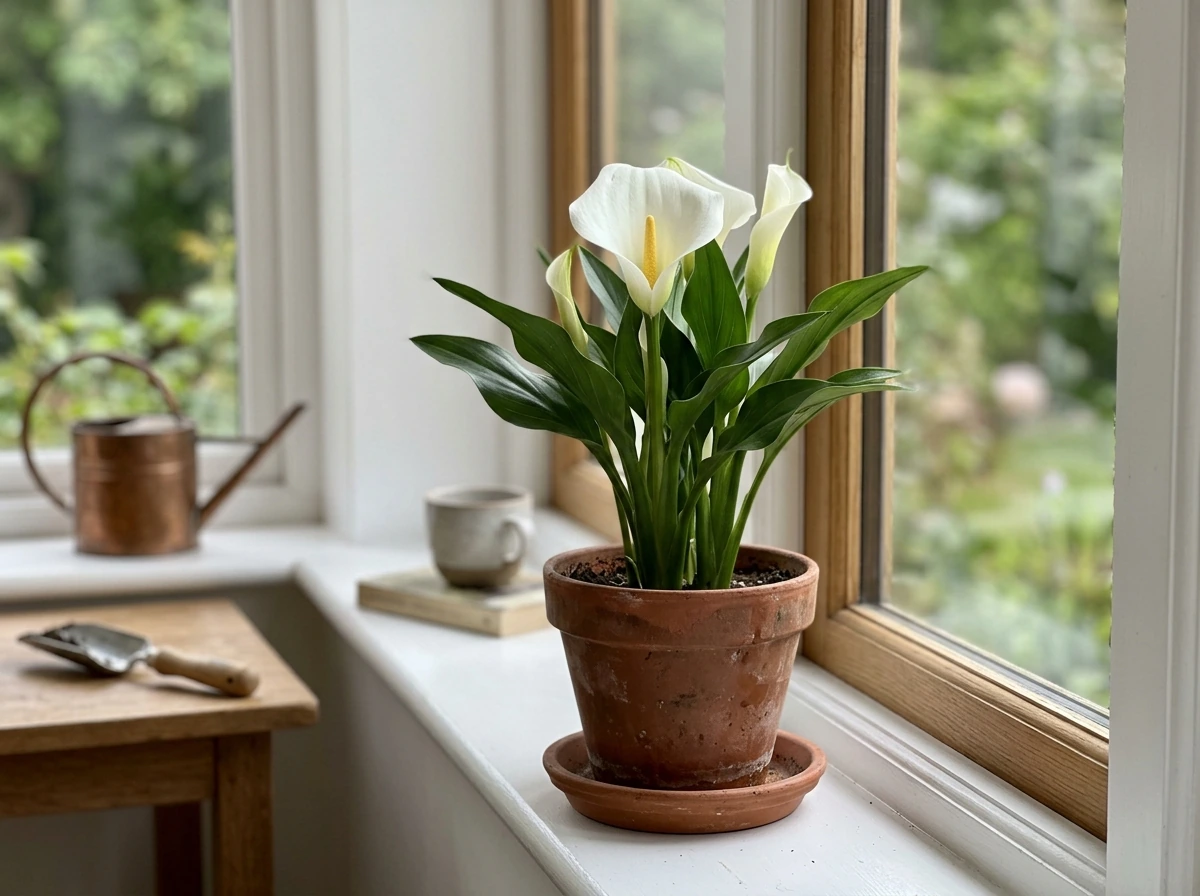
Can Calla Lily Grow Inside? Indoor Care, Dormancy Steps
Learn if can calla lily grow inside and follow indoor light, soil, watering, temperature, dormancy steps to bloom again.
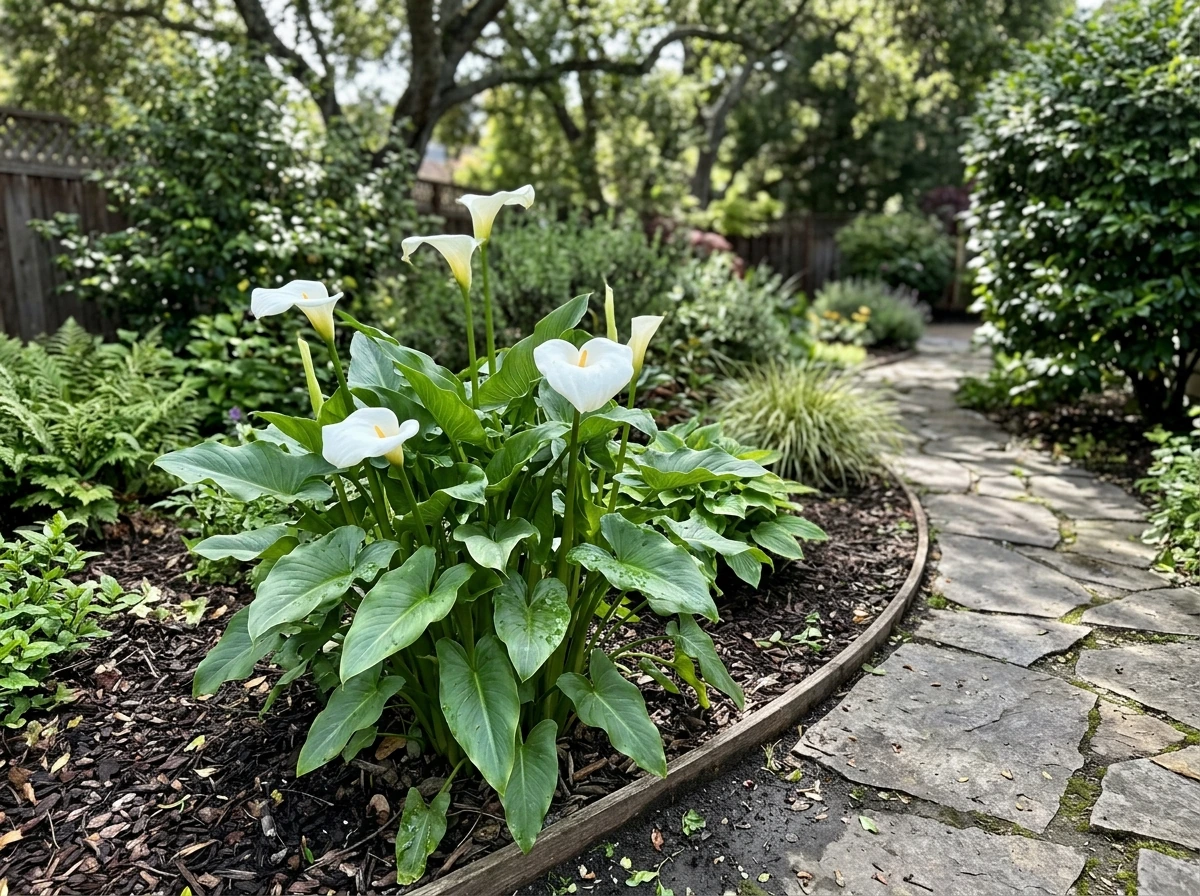
Can You Grow Calla Lilies Outside? Outdoor Guide
Learn if you can grow calla lilies outside, with climate limits, light, soil, watering, and frost protection tips.
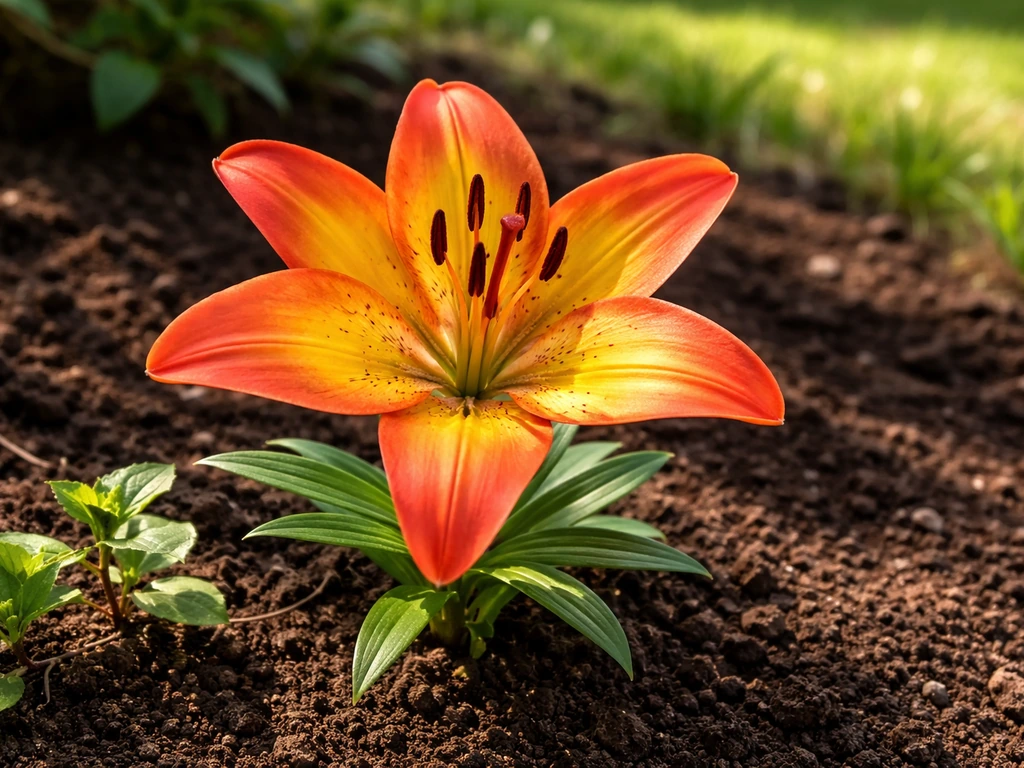
Are Asiatic Lilies Easy to Grow? Conditions, Care, and Fixes
Are Asiatic lilies easy to grow? Get exact sun, soil, drainage, watering, planting, and fixes for common blooming, rot,