
Water lilies are not hard to grow, but they are picky about a handful of specific conditions. Get the light, depth, and planting setup right and they'll reward you with blooms for years. Get any one of those things wrong and you'll end up with a mat of leaves and no flowers, or nothing at all. The good news: once you understand what they actually need, the whole thing clicks into place pretty quickly.
Are Water Lilies Hard to Grow? Beginner Setup Guide
Marcus Hendricks
17 May 2026
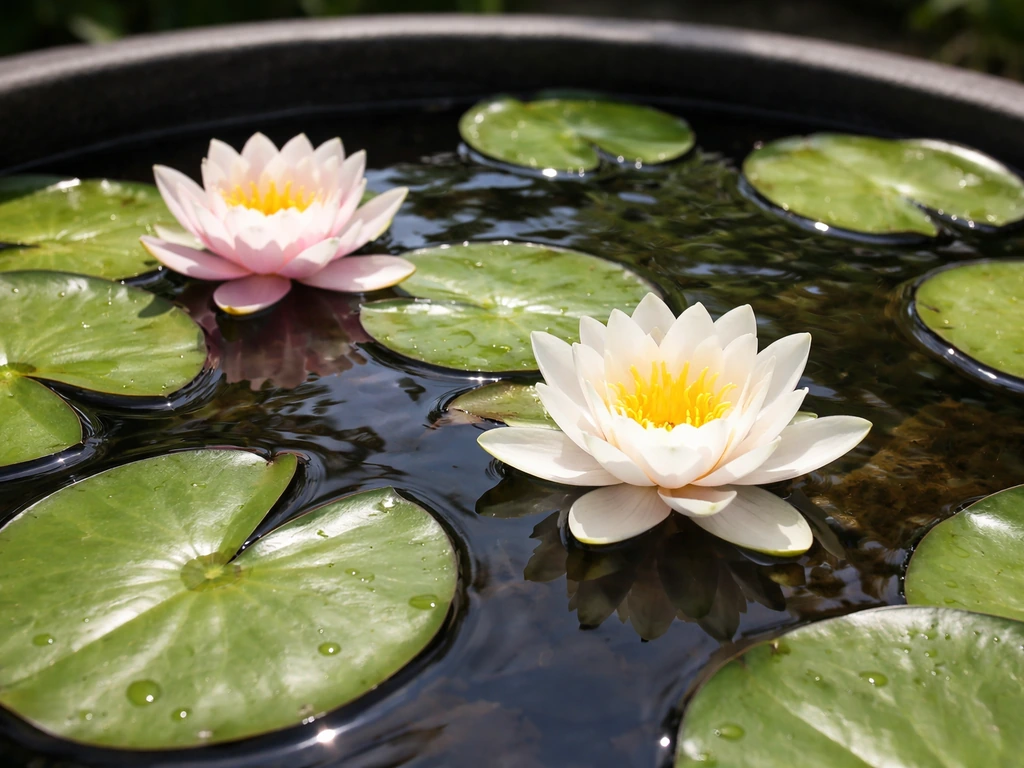
Hardy vs. tropical: the first decision that shapes everything
Before you worry about pots or ponds or fertilizer, you need to pick your type. There are two main categories: hardy water lilies and tropical water lilies. This one choice determines how much maintenance you're in for and whether your plants will survive winter without any help from you.
Hardy water lilies are the beginner's best friend. They go dormant over winter and come back on their own once water temperatures climb in spring. In the UK and cooler parts of North America, they're the standard outdoor choice. Tropical water lilies are showier and often more fragrant, but they need water temperatures of at least 70°F (about 21°C) before you put them in, and they won't survive a frost. If you're in a cool climate and just want reliable colour in your pond or container, start with a hardy variety. If you're in a warmer region or growing in a heated setup, tropicals are worth considering.
Best conditions: light, temperature, and placement
Water lilies are sun plants. Full stop. They need at least six hours of direct sun per day to bloom properly, and many sources push that to six to eight hours as a practical target. If your pond or container sits in blank" rel="noopener noreferrer">partial shade for most of the day, you'll get leaves but very few or no flowers. This is the single most common reason water lilies disappoint people. I've seen beautiful setups with gorgeous baskets and perfect depth, and the plants just sat there because a fence or tree shaded them from noon onward.
Temperature matters a lot more for tropicals than hardies. Hardy varieties will start growing again in spring once water temperatures rise above about 13°C (55°F). Tropical varieties need water at or above 70°F (21°C) to even go in the water. If you put tropicals out too early in a cold spring, they'll just sit and sulk, or worse, rot. For cold-climate gardeners, hardies are simply the more forgiving option.
Placement also means choosing still water. Water lilies genuinely dislike moving water. Avoid spots near fountains, waterfalls, or anything that creates surface turbulence. They want calm, still, warm water with plenty of direct overhead sunlight.
Pots vs. ponds: planting setup and depth
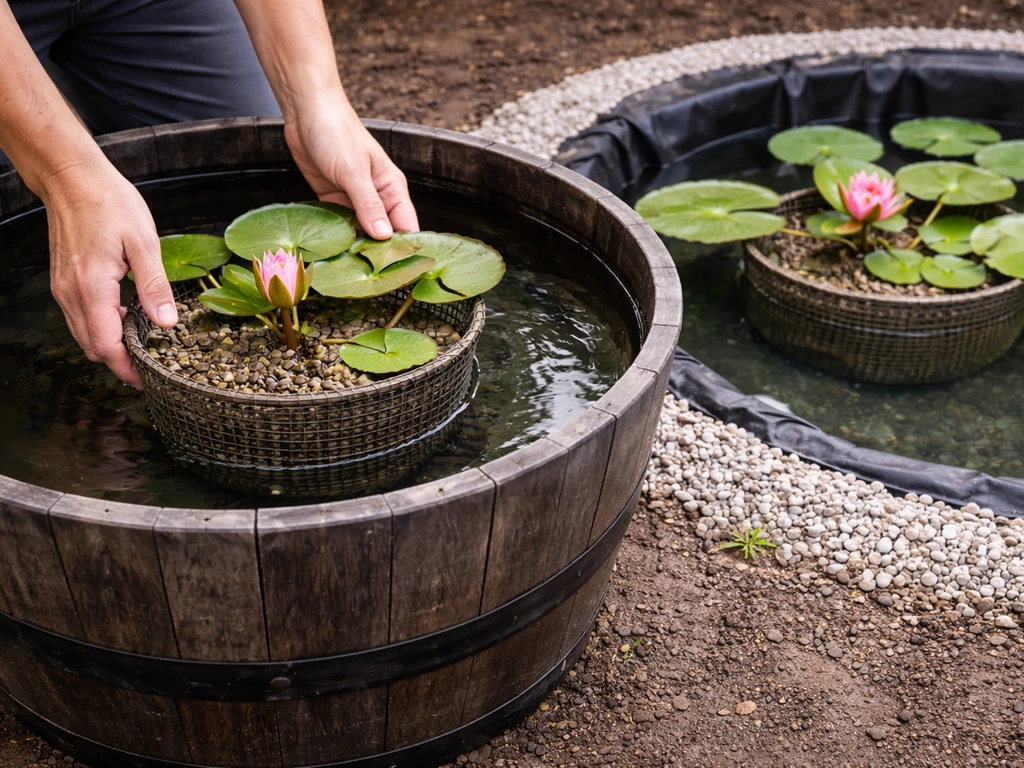
You don't need a full garden pond to grow water lilies. A large container, a half barrel, or a purpose-built tub pond on a patio will work fine for many compact varieties. The key things that change between a pot and a pond are how you manage depth and how much space the roots have to spread.
Getting the depth right
Depth is one of the most misunderstood parts of growing water lilies, and it's a common reason plants fail to flower or fail to survive. The depth is measured from the water surface down to the top of the planting basket or pot. Here's the simple rule of thumb from BBC Gardeners' World that I find easiest to work with:
| Plant size | Water depth above basket |
|---|---|
| Large varieties | ~75 cm (about 30 inches) |
| Medium varieties | ~50 cm (about 20 inches) |
| Small/miniature varieties | ~20 cm (about 8 inches) |
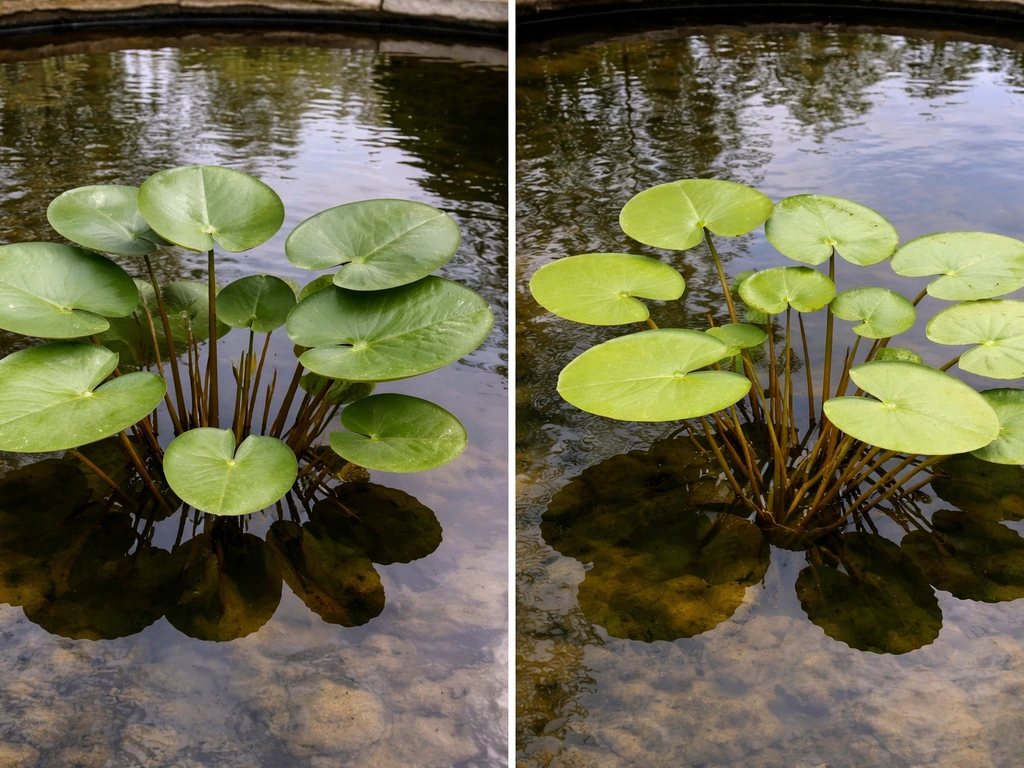
Too deep and the plant won't flower. Too shallow and it can actually die. When you're first planting hardy water lilies, a common approach is to start the basket on bricks or a shelf at a shallower depth, then gradually lower it as the stems extend and the plant establishes. Tropical water lilies grow quickly enough that you can place them at their permanent depth right away.
The crown of the plant (where the stems emerge from the rhizome) should sit right at the surface of the compost inside the basket. Don't bury it. Above the crown, you want at least 6 inches of water, with 8 to 10 inches being a comfortable standard for most varieties.
Container setup specifics
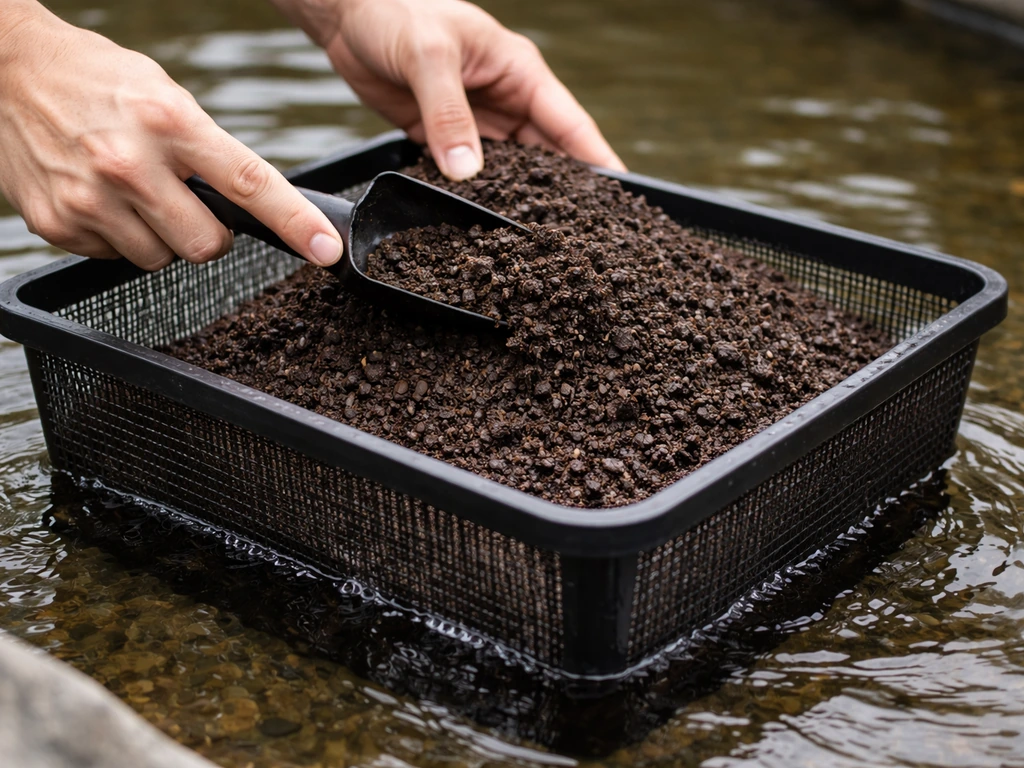
Use a mesh-sided aquatic planting basket rather than a solid pot. The mesh sides allow water to circulate through the roots. Fill it with peat-free aquatic compost or a heavy clay-based loam. Don't use regular potting mix from a garden centre bag. Standard potting compost is too light, floats out of the basket, and clouds your water. A top dressing of pea gravel over the compost surface helps keep everything in place once you lower the basket into the water.
Water quality, fertilizing, and getting the substrate right
Water lilies like neutral to slightly alkaline conditions. The soil media in your basket should have a pH of around 7 to 8. This is pretty easy to achieve with a good aquatic compost, and you generally don't need to fuss with it unless you're using collected rainwater that's particularly acidic or you're seeing signs of nutrient problems.
Fertilizing is where a lot of beginners go wrong, and it's usually in one of two directions: either they skip it entirely and wonder why the plant isn't growing, or they use the wrong type of fertilizer and end up with an algae explosion in their pond. The correct approach is to use water lily fertilizer tablets, not liquid feed and not general-purpose granules. Push the tablets directly into the soil in the basket before you lower the plant into the water, following the label directions. The fertilizer stays in the root zone, feeds the plant, and doesn't bleed out into the water where it feeds algae instead.
Water quality itself doesn't need to be pristine, but stagnant, overheated, or heavily shaded water creates problems. If your pond or container has a good balance of plant coverage (water lilies help with this themselves, since their leaves shade the water and reduce algae), water quality tends to look after itself reasonably well.
Choosing the right variety for your climate and experience level
The variety you choose should match both your climate and the size of your water feature. A large spreading variety in a half-barrel container will outgrow its space in a season and crowd itself into a non-blooming mess. If you're wondering how big do water lilies grow, choose a variety sized for your pond or container so it doesn't crowd itself out. A miniature variety in a full-sized garden pond will look lost and may struggle to compete with other plants.
For beginners in temperate climates (UK, northern US, Canada), stick with hardy Nymphaea varieties. Look for labels that specify compact or miniature growth if you're working with a container, and medium or large if you have a proper pond. Some cultivars like Nymphaea 'Atropurpurea' have specific cold hardiness ratings (rated H3 in RHS terms, meaning hardy to around -5°C), so check the plant label for your local conditions rather than assuming all hardies are equally cold-tolerant.
For gardeners in warmer climates (southern US, Mediterranean climates, subtropical zones), tropical varieties open up as a realistic option. They typically produce more dramatic flowers and can bloom later into the season, but they need that 70°F water temperature to get started, and they won't overwinter outdoors in anything but frost-free conditions.
| Type | Best for | Winter survival | Skill level |
|---|---|---|---|
| Hardy water lily | Cool to temperate climates, outdoor ponds | Yes, goes dormant and returns | Beginner-friendly |
| Tropical water lily | Warm climates or heated setups | No, must be overwintered indoors or replaced | Intermediate |
Common problems and quick fixes when water lilies don't take off
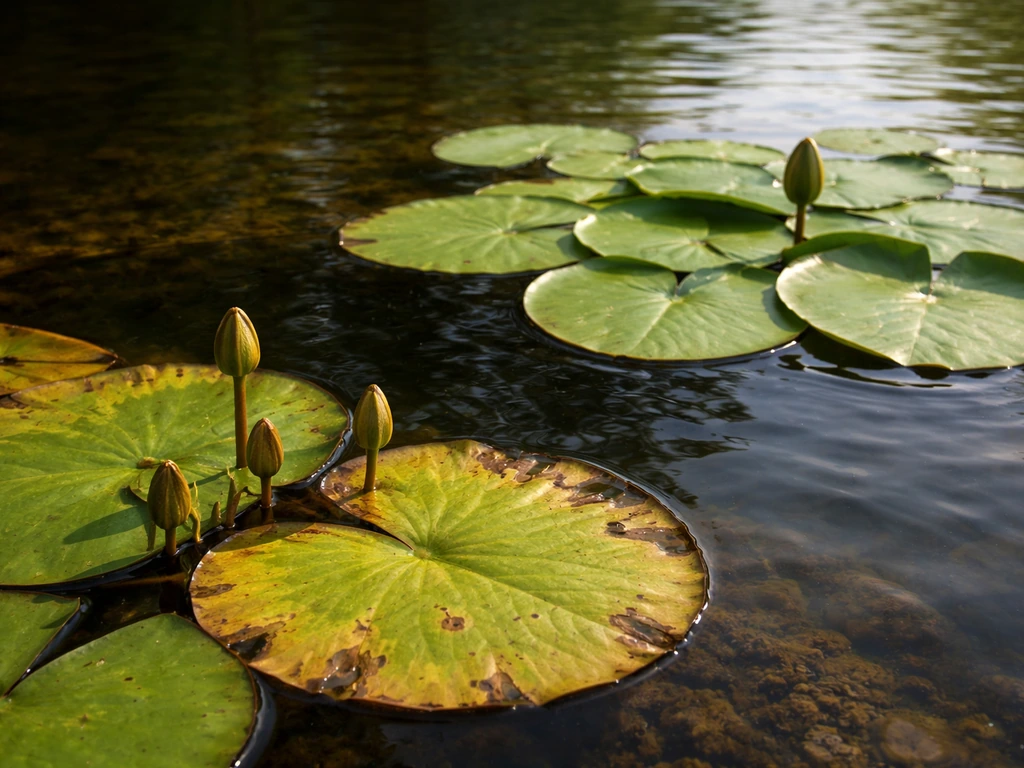
Most water lily failures come down to a short list of fixable problems. Here's what to check first if your plant isn't blooming or isn't growing the way you expected.
- Not enough sun: This is the number one cause of no flowers. Count the actual hours of direct sun your water feature gets. If it's under six hours, the plant will grow leaves but rarely bloom. Move the container or trim back overhanging plants.
- Planted too deep: If the basket is too far down, the plant exhausts itself just trying to reach the surface and has nothing left for flowers. Raise the basket on bricks until the leaves are floating comfortably, then lower gradually.
- Planted too shallow: If leaves are standing upright out of the water rather than floating flat on the surface, the plant is too shallow or the pot is congested. Lower the basket or divide and repot.
- No fertilizer: A newly planted water lily in plain aquatic compost without fertilizer tablets will grow slowly and look pale. Push a couple of water lily fertilizer tabs into the basket soil and be patient.
- Crowding and congestion: A mature plant that has filled its basket will stop blooming even in good light. Lift, divide, and repot into fresh compost with new fertilizer tabs every two to three years.
- Planted too early (tropicals): Putting tropical water lilies into cold water below 70°F (21°C) stresses the plant and can cause it to rot rather than grow. Wait for the water to warm up properly.
- Wrong substrate: Regular potting compost floats, clouds the water, and doesn't anchor the plant. Swap to heavy aquatic compost or clay loam in a mesh basket.
One thing worth knowing about winter: if you're growing hardy water lilies and the leaves die back in autumn, that's completely normal. The plant is going dormant. It will return when water temperatures rise in spring. Don't panic and don't dig it up. Understanding how fast that growth restarts in spring depends a lot on your local climate, which is something worth looking into once you have your first season under your belt. How fast water lilies grow after winter depends on temperature, sunlight, and the water depth you set at planting time.
A beginner-friendly step-by-step plan to get started today
If you want to get a water lily in the water this season, here's the straightforward sequence to follow. Water lilies in general can be started the same way, but if you're wondering how does water lily grow in more detail, follow the growth basics in that guide too. This works for a hardy variety in a container or a garden pond, which is the easiest and most reliable starting point.
- Choose your spot first. Count the sun hours before you buy anything. You need a minimum of six hours of direct sun hitting the water surface. If you can't find that spot, choose a different plant.
- Pick a compact or medium hardy variety. Ask at your local aquatic or garden centre for something suited to your container or pond size and your local climate. Avoid tropicals for your first attempt unless you're in a reliably warm region.
- Get the right kit: a mesh-sided aquatic planting basket, peat-free aquatic compost, water lily fertilizer tablets, and pea gravel for topping the basket.
- Fill the basket two-thirds full with aquatic compost. Push two or three fertilizer tablets into the compost according to packet directions. Place the rhizome at an angle with the growing tip pointing upward and the crown sitting right at the compost surface. Don't bury the crown.
- Top dress with pea gravel to hold the compost in place. This step matters. Skip it and the compost will cloud your water when you lower the basket.
- Lower the basket into the water at a shallow depth first (use bricks to raise it up), so the leaves can reach the surface without the plant having to stretch. For a small variety, 20 cm is fine from the start. For larger varieties, start shallow and lower over a few weeks as the plant establishes.
- Check sun exposure and leaf position weekly. Floating leaves are good. Upright leaves sticking out of the water mean it's too shallow. No new growth after four to six weeks in warm weather may mean insufficient light or fertilizer.
- Fertilize again every four to six weeks through the growing season using the same tablet method. Don't use liquid fertilizer in the water.
That's genuinely it. Water lilies aren't fussy plants in the way that, say, some indoor varieties can be. They're just specific. Once you match the light, the depth, and the planting setup to what they need, you're very likely to get blooms in the first season, and they'll keep coming back year after year with minimal effort from you.
FAQ
Are water lilies hard to grow in a small container or half barrel?
They can be very doable, but you must pick a compact or miniature cultivar for the container size, then keep the planting depth correct (crown at the compost surface, water depth over it). A common mistake is buying a “water lily” without checking mature spread, then the plant crowds itself and stops blooming even though it keeps growing leaves.
Why are my water lilies growing leaves but no flowers?
Most often it is not enough direct sun or planting depth that is off. Check that you are getting at least about six hours of overhead direct sun, and measure depth from the water surface down to the top of the basket. If those are right, the next usual culprit is a missing or incorrect fertilizer product, since general pond or garden fertilizers can either be ineffective or cause algae.
How do I know if my planting depth is too deep or too shallow?
A practical test is to verify two measurements: the crown position (it should be at the surface of the compost, not buried) and the water depth above the crown (at least about 6 inches, often 8 to 10 inches for comfort). If it is too deep, buds often fail to reach the surface; if too shallow, the plant may weaken and decline rather than just “slow down.”
Can I use regular potting soil or garden compost in the basket?
It is not recommended. Regular potting mix is light, can float out, and can cloud the water, which tends to reduce performance and increase algae. Use a heavy aquatic compost or clay-based loam that stays put, then add a pea gravel top dressing to prevent disturbance when you lower the basket into place.
My pond has moving water, can I still grow water lilies?
Avoid it if you can. Water lilies prefer calm water because turbulence can stress the leaves and disrupt rooting. If you have a filter or waterfall, try to position the lily where the water surface is mostly still, or use baffles to reduce surface churn near the planting basket.
How often should I fertilize water lilies, and can I overdo it?
Follow the label directions for water lily fertilizer tablets, and do not switch to liquid or general-purpose granules. Overfertilizing can feed algae by increasing nutrients in the water column, even if your lily roots are fine. If you are also getting a sudden algae bloom, reduce or stop extra feeding until things stabilize.
Do water lilies need to be repotted every year?
Usually not, but you may need to refresh the basket when the plant becomes root-bound or the compost breaks down. Watch for symptoms like reduced blooms, slow growth, or the basket filling with rhizomes faster than expected. In containers, re-check mature size against your pot or tub size after each season.
What should I do when hardy water lily leaves die back in autumn?
Do not dig it up. Dormancy and leaf dieback are normal for hardy types as water cools. Leave it alone, then reassess in spring when water temperatures rise, because how fast growth restarts depends on local temperature, sunlight, and whether the planting depth was set correctly.
Can I start tropical water lilies outdoors if nights are cold?
Only if water temperatures stay warm enough. Tropical lilies need water temperatures around or above 70°F (about 21°C) to get started and they will not survive frost. If nights are chilly, the safer approach is to wait, use a heated container setup, or choose hardy varieties for outdoor unheated ponds.
What pH should my planting media be, and what if my water is very acidic?
Aim for neutral to slightly alkaline in the basket media, roughly pH 7 to 8. If you are using collected rainwater that is acidic, you may need to adjust your media rather than relying on changing the water itself. If pH is very off, you may see poor growth despite correct light and depth.
Do water lilies help control algae, or can they make it worse?
They usually help because the leaves shade the water and reduce algae growth. Algae becomes more likely when fertilizer is the wrong type or when nutrients enter the water column, which is why fertilizer tablets pushed into the basket root zone matter. If algae is a problem, also check for too much sun or excess nutrients overall, not just the lily.
Next Articles
Why Do Water Lilies Not Grow New Leaves in Winter?
Learn why water lilies stop new leaves in winter and get a step-by-step checklist to fix light, temp, depth, and rot.
When Do Water Lilies Start to Grow in the UK
UK water lily growth starts early spring to early summer, triggered by water temperature, light, depth, and planting set
Where the Water Lilies Grow Song Lyrics and Where They Grow
Find the song lyrics to Where the Water Lilies Grow and learn exact water lily growing conditions for your pond or conta