
From a freshly planted rhizome, you can expect to see your first leaves poking above the water surface in about 2 to 4 weeks, assuming water temperatures are at or above 60°F (15.5°C) and you have decent sunlight. First blooms on a hardy water lily typically arrive 4 to 8 weeks after planting, with the main flowering window running from June through September. Tropical varieties can establish a little faster in warm conditions but need water temps of at least 70°F before you even put them in the pond. If you just planted and you're wondering why nothing is happening yet, temperature is almost always the answer.
How Fast Do Water Lilies Grow How Long to Expect Blooms
Marcus Hendricks
16 Apr 2026
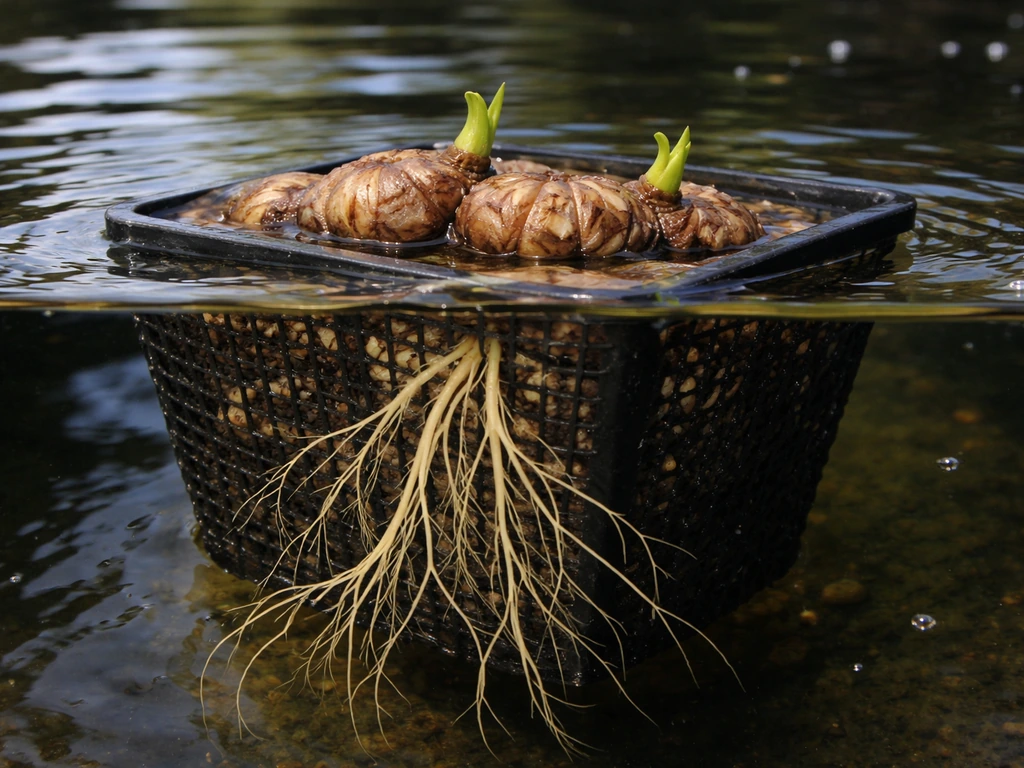
Typical growth timeline from planting to bloom
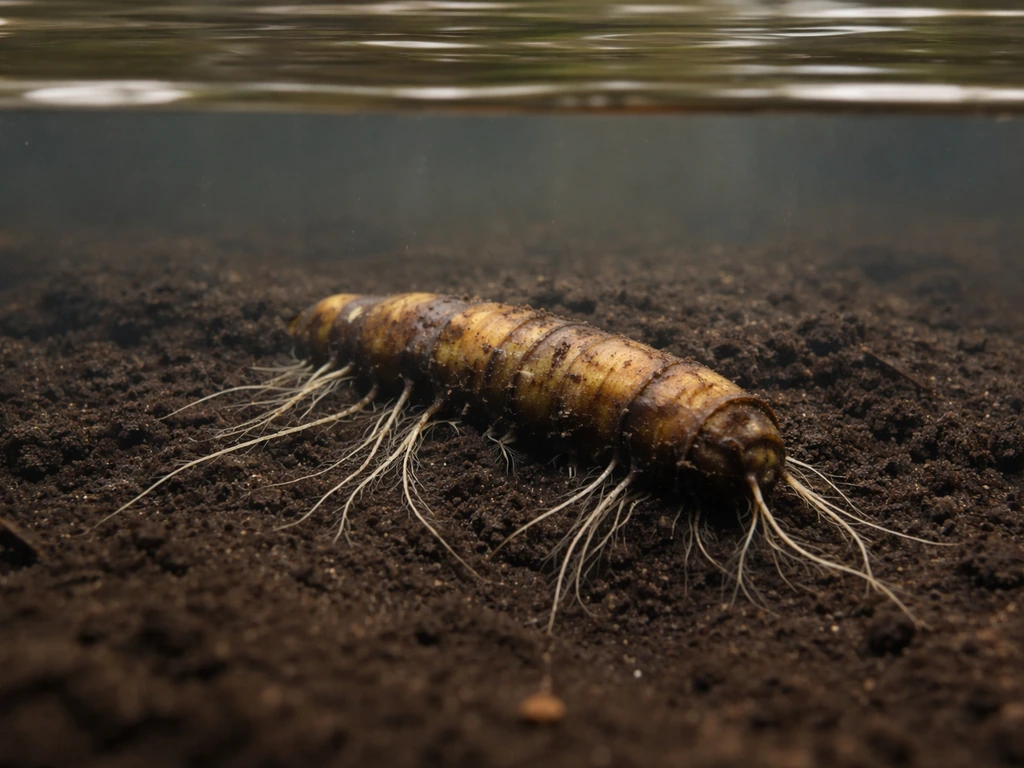
Here's a practical week-by-week sense of what to expect when you plant a water lily rhizome in good conditions:
- Weeks 1–2: The rhizome is anchoring. You won't see much above the waterline, but roots are pushing into the soil. Don't panic if nothing appears yet.
- Weeks 2–4: First leaves (called pads) begin reaching toward the surface. Small, rounded leaves appear — this is your sign the rhizome has settled.
- Weeks 4–8: Pads multiply and expand. The plant is building energy reserves. Expect a noticeable increase in leaf coverage each week.
- Weeks 6–10: First flower buds appear if conditions are right — full sun, warm water, and adequate nutrients. Hardy lilies typically bloom June through September.
- Season 2 onward: An established plant grows faster and blooms more freely, especially once the rhizome has had a full winter dormancy cycle.
The jump in growth between year one and year two is real. First-season plants are often a little tentative, especially if they experienced any transplant shock. By the second season, a well-fed lily in a sunny pond can produce new pads every few days during peak summer warmth.
How long rhizomes and bulbs take to establish
Water lilies don't grow from true bulbs the way tulips do. What you're actually planting is a rhizome, a horizontal stem that stores energy and sends out both roots and new shoots. That distinction matters because rhizomes are sensitive to how deep they're buried and how they're oriented in the pot.
Rhizome establishment takes roughly 2 to 6 weeks. The wide range comes down to conditions. A rhizome dropped into 75°F water with six hours of sun daily will be throwing out roots and small leaves within two weeks. That same rhizome planted in 58°F water with only three hours of sun might sit dormant-looking for a month before you see any movement.
If you want to understand how the water lily grow process works from the root level up, the key thing to know is that the growing tip of the rhizome (the crown) must stay just below the soil surface, not buried deep. The RHS recommends keeping the crown just below the soil and covering the basket with pea shingle to hold everything in place without smothering the growing tip. Get that right and establishment goes much more smoothly.
One practical tip: plant your rhizome at an angle pointing toward the center of the pot. This gives the new growth room to spread outward rather than climbing straight up and out of the container immediately.
What actually makes water lilies grow fast or slow
Growth speed comes down to four things: sunlight, water temperature, planting depth, and nutrients. Get all four right and these plants move quickly. Get even one wrong and they stall.
Sunlight
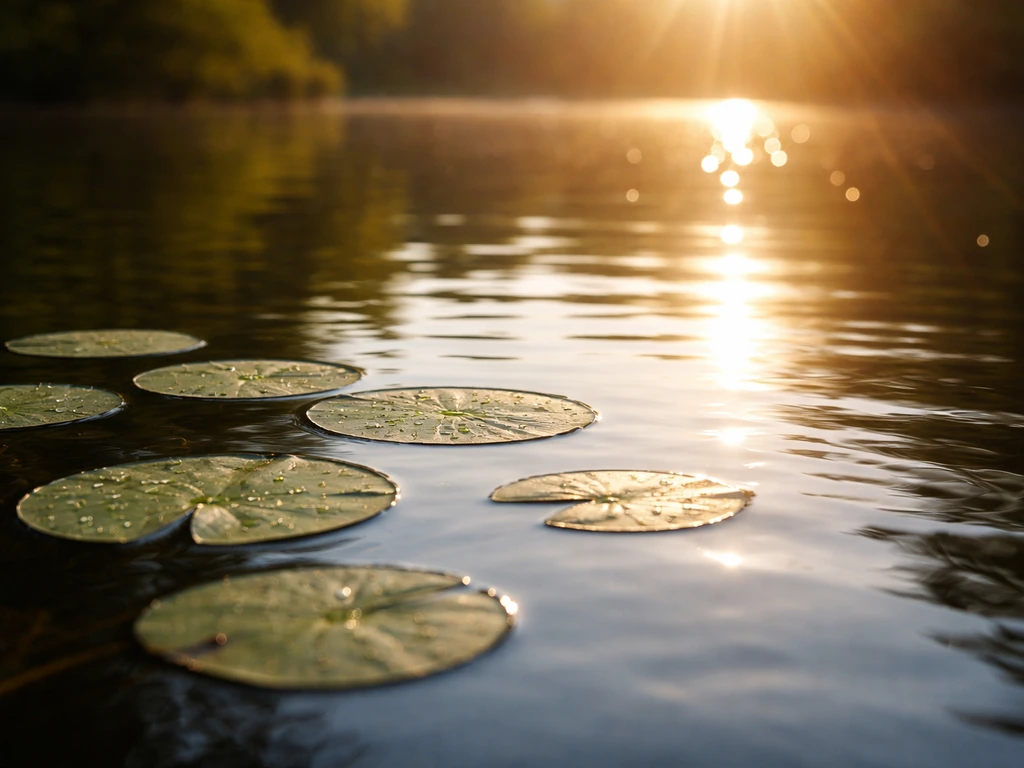
Hardy water lilies need a minimum of 6 hours of direct sun daily to flower. Tropical varieties are similar, performing best with 4 to 6 hours or more. This isn't a soft suggestion. I've seen lilies sit in partial shade and produce nothing but pads all season, never a single bloom. If your pond is shaded by trees or a building for a chunk of the day, you're fighting the plant's basic biology. Even if a new rhizome is doing everything right, placing it in a spot where other plants are already shading the surface will starve it of the light it needs to perform.
Water temperature
This is the most underestimated factor. Hardy water lilies begin active growth when water temperatures hit around 60°F (15.5°C). Below that, they're essentially dormant or moving extremely slowly. Tropical water lilies are more demanding: they need water temperatures of at least 70 to 75°F to thrive, and you should never plant a tropical into the pond until the water has reached 70°F. Research on tropical lily dormancy confirms that growth and flowering halt when air temperatures drop below about 15°C and water temperatures fall below 10°C. That's why timing your planting correctly matters so much, especially in cooler climates.
Water depth
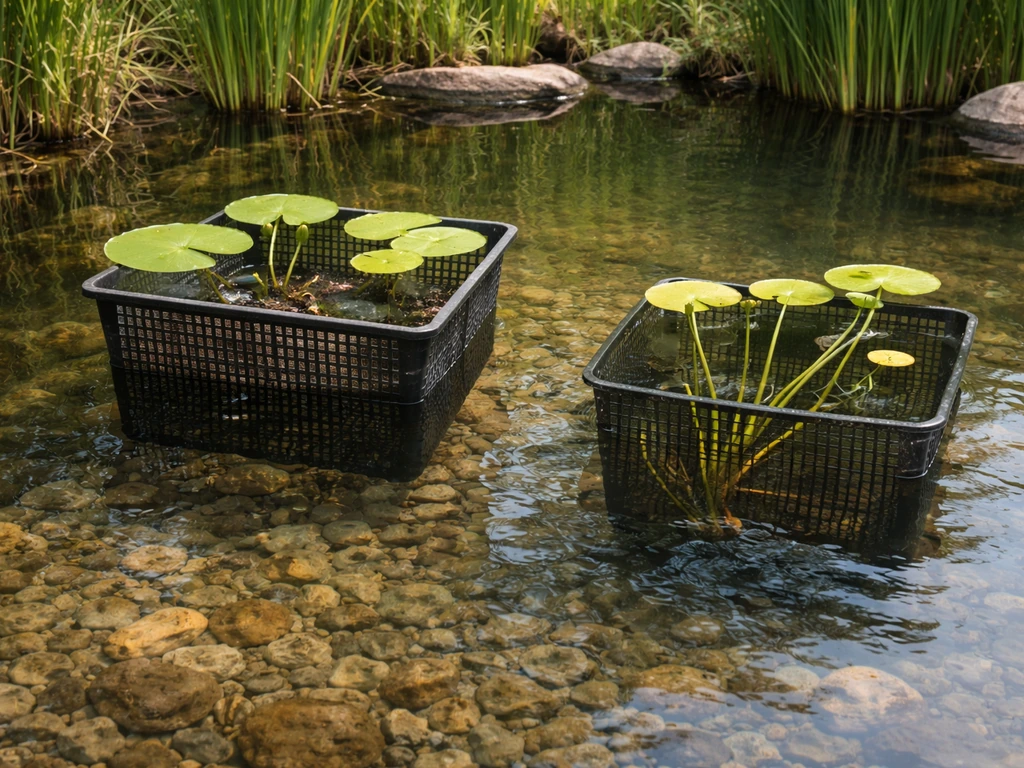
Plant too deep and your lily will exhaust itself trying to reach the surface, leaving nothing left for flowering. BBC Gardeners' World recommends starting a new lily about 20 cm below the surface (using a brick or plinth to raise the basket) and then gradually lowering it over the following month as the plant establishes.
The RHS echoes this approach, suggesting 15 to 25 cm of water over the basket initially, then moving the plant deeper once it's settled. Skipping the gradual depth transition is one of the most common reasons people see slow or absent growth in newly planted lilies.
BBC Gardeners’ World Magazine recommends waiting until the pond has warmed up and gradually lowering the water lily pot as leaves extend toward the surface to help prevent leaves from rotting if submerged too deeply too soon gradual depth transition.
Nutrients
Water lilies are heavy feeders, and a nutrient-poor planting mix will seriously slow them down. Unlike many plants that are genuinely hard to grow, water lilies are actually quite rewarding once their feeding needs are met. The soil and the fertilizer you add at planting make a real difference from day one.
How to plant for the quickest possible start
The goal at planting time is to minimize shock and maximize early growth conditions. Here's the method that consistently works best:
- Use a wide, shallow basket or container (wide is better than deep for rhizome plants). Fill with heavy loamy soil, not potting mix or peat, which float and cloud the water.
- Position the rhizome horizontally with the crown (growing tip) pointing toward the center of the pot and just below the soil surface.
- Cover the soil surface with pea shingle or small gravel to hold everything in place and reduce soil escape into the water.
- Press fertilizer tablets into the soil near the rhizome before submerging.
- Lower the basket into the pond at a shallow depth first (around 20 cm), raising it on bricks if needed, and lower it gradually over 4 to 6 weeks.
- Place the basket in the sunniest part of the pond, away from fountains or moving water, which tropical and hardy lilies both dislike.
Spacing matters if you're planting multiple varieties. Crowding baskets together or placing them where they'll immediately compete for surface space slows everyone down. Give each plant room to spread outward across the water surface. If you want more detail on how big these plants actually get at maturity, understanding how big water lilies grow will help you space your baskets correctly from the start.
Fertilizing to speed up growth without overdoing it
Feed from day one. Aquatic Plants Nursery recommends pushing 3 to 5 Osmocote tablets directly near the rhizome at planting time, with the number depending on the size of the plant. For smaller pots, Florida Aquatic Nurseries suggests 1 tablet per gallon of container volume as a rough guide (one tablet for a 1-gallon pot, two for a 2 to 3 gallon pot). These slow-release aquatic fertilizer tabs dissolve gradually, feeding the roots without spiking nutrients in the pond water and causing algae explosions.
During the growing season, continue fertilizing every 3 to 4 weeks. Proprietary aquatic fertilizers work well, and several cultivar guides, including recommendations for varieties like Nymphaea 'Gloriosa', specifically call for aquatic fertilizer throughout the season for best performance. Don't skip this step mid-summer. A lily that gets fed consistently from June through August will outpace an unfed lily dramatically, both in pad coverage and bloom production.
One thing to avoid: ordinary garden fertilizers or high-nitrogen granules near the pond. These leach nutrients fast and feed algae, not your lily. Stick to aquatic-formulated tablets pressed into the soil around the rhizome, not scattered on the surface.
Indoor vs. outdoor pond: what to expect from each
Outdoor ponds are the natural home for water lilies, and most hardy varieties thrive there through a full seasonal cycle. The tradeoff is that outdoor growth is weather-dependent. In the UK, for example, water lilies typically begin showing real growth in spring once water temperatures climb, which can vary by several weeks depending on the year and region. Hardy varieties handle cold winters by going dormant, with the rhizome surviving at the bottom of the pond. Tropical varieties cannot survive frost and must be overwintered indoors or treated as annuals.
Indoor water lily cultivation is more controlled but comes with its own challenges. You need a container large enough to give the rhizome room to spread (at least a 12 to 18 inch wide tub), a grow light capable of providing the equivalent of 6 hours of strong sun, and water that stays consistently warm. Most home indoor setups struggle to maintain the 70 to 75°F water temperatures tropical varieties need. Hardy types can manage slightly cooler water, but growth indoors is usually slower than outdoors because artificial light rarely matches full summer sun intensity.
If you're growing tropicals and live in a frost-prone area, you'll also need a plan for winter. Overwintering tropical water lilies successfully means moving them inside before the first frost hits. Letting them experience one or two light frosts can actually help trigger proper dormancy, but anything harder will damage the rhizome permanently.
| Factor | Outdoor Pond | Indoor Container |
|---|---|---|
| Best lily type | Hardy and tropical (seasonal) | Tropical (year-round) or hardy (seasonal) |
| Growth speed | Fastest in summer with full sun | Moderate; depends heavily on lighting |
| Temperature control | Weather-dependent | Easier to maintain warm water for tropicals |
| Sunlight | Natural; 6+ hours possible easily | Requires strong grow lights; harder to match |
| Winter care | Hardy lilies overwinter in pond; tropicals need removal | Tropicals can stay active if warm and lit |
| First bloom timing | June–September for hardy types outdoors | Variable; often slower without adequate light |
Troubleshooting slow growth and when to expect your first flowers
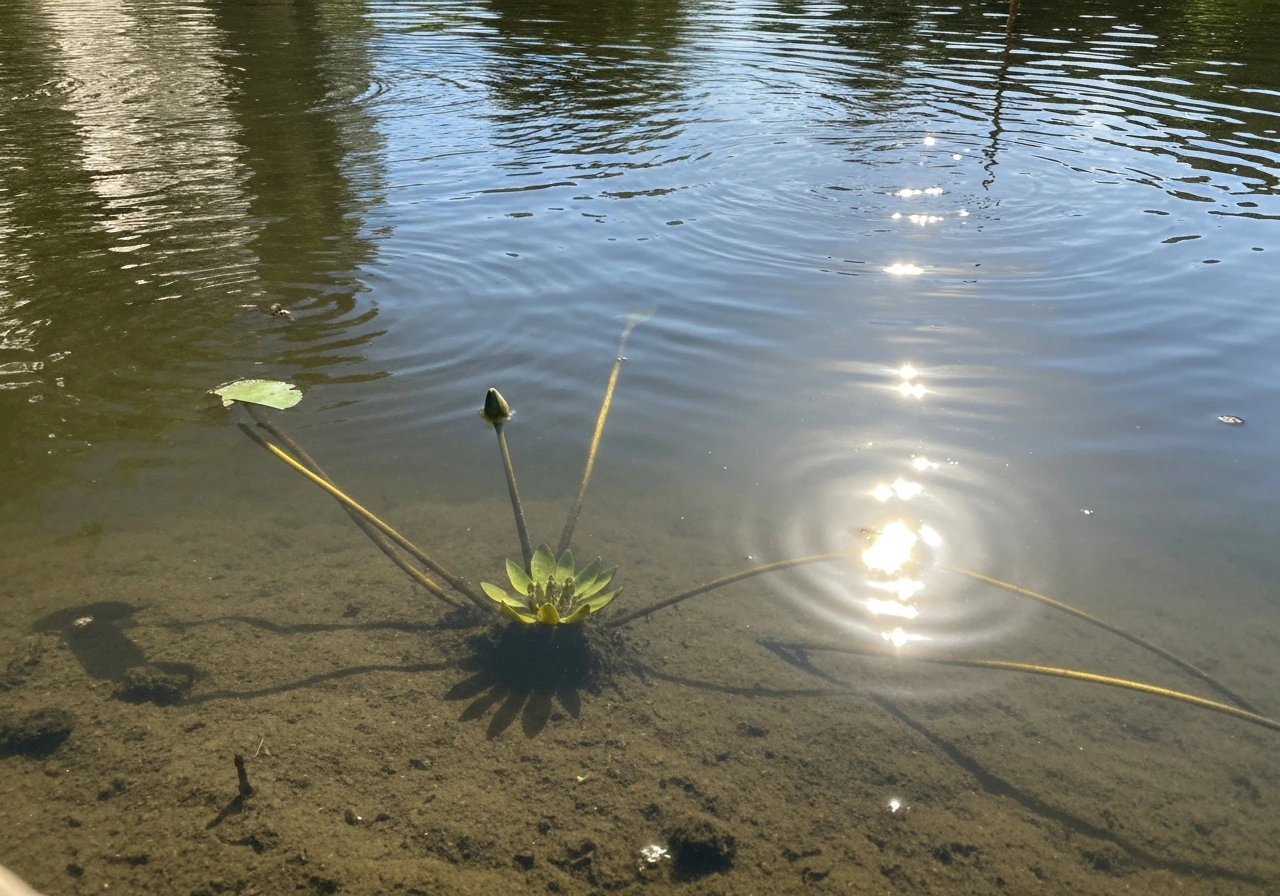
If your lily has been in the pond for more than 4 weeks and you're still not seeing pads emerging, work through this checklist before assuming the plant is dead:
- Water temperature: Is it genuinely above 60°F for hardy types, or 70°F for tropicals? Cold water is the single most common reason newly planted lilies appear to do nothing.
- Depth: Is the basket sitting too deep? If leaves are forming but struggling to reach the surface, raise the basket on bricks temporarily.
- Sunlight: Is the plant getting at least 4 to 6 hours of direct sun? Nearby plants, pond edges, or tree canopy can block more light than you realize.
- Rhizome orientation: Was the crown buried too deep in the soil? Dig it up gently and check. A buried growing tip will stall completely.
- Fertilizer: Did you add aquatic fertilizer tabs at planting? A rhizome planted in unfed soil with no added nutrients will be very slow to move.
- Competition: Is the surface already covered by other plants? A new lily shaded out by existing pads won't get enough light to establish.
On the flowering timeline specifically: even a healthy, well-planted water lily needs time to build up enough leaf area before it puts energy into blooms. Don't expect flowers in the first two weeks. If you planted in late spring with everything dialed in, you're realistically looking at midsummer for your first blooms. If you planted in early summer, late summer is a reasonable target. Water lilies naturally stop producing new leaves in winter, so any planting done too late in the season will stall before flowering even gets a chance to happen.
One thing worth mentioning: if you planted from a very small rhizome cutting, your first season may be all about establishing the plant rather than blooming. Smaller starts need more time. Buying a larger, more established rhizome or a plant that's already potted and showing pads will cut weeks off your wait time. It costs more upfront, but if you're impatient to see flowers this season, it's genuinely worth it.
Finally, there's a certain pleasure in just watching the process unfold. Water lilies have been celebrated in culture and art for centuries, from garden ponds to classic songs like "Where the Water Lilies Grow", partly because they reward patience so beautifully. Get the conditions right, feed consistently, and give it a full season. You'll have a plant that gets better every year.
FAQ
If I want faster blooms, can I speed up growth with warmer water?
Yes, but only if the temperature and light are right. If you add a reliable water heater or keep the pond warm enough, hardy lilies may still take 4 to 8 weeks for their first blooms, because they need time to build leaf area before flowering starts. If the water stays under about 60°F (15.5°C) for long stretches, expect mostly leaf growth and a delayed or skipped bloom window.
My water lily has new pads, but it never flowers. What’s the usual reason?
If your water lily is growing leaves but no flowers, the most common cause is insufficient direct sun, typically less than the 6 hours a day hardy lilies need. Another frequent reason is the depth or crown setup, if the crown ends up buried too deep or repeatedly shifts, the plant can stall flowering even while it seems alive.
How long should I wait before I decide the rhizome failed to grow?
Don’t judge the rhizome by a single quiet week. The fastest-looking setups can show new leaves in about 2 weeks, while cooler or low-light conditions can make it look dormant for up to a month. If you see no sign of growth after 4 to 6 weeks and temperatures are still marginal, revisit crown placement, planting depth, and sunlight duration before assuming failure.
Can I change the planting depth after I already planted the rhizome?
Raising the basket or adjusting depth can help, but avoid repeated disturbance. After you plant, make one careful correction if you suspect the crown is too deep, then leave it alone for several weeks so roots can re-establish. Constantly re-tilting or moving the basket is more likely to cause transplant shock than to speed things up.
Why did my lily leaf out but still grow slowly during midsummer?
It can be, especially if nutrients wash out or the rhizome is small. Overfeeding is not the goal, but consistent aquatic fertilizer every 3 to 4 weeks during the growing season matters. If you only fertilize once and it is a cool year, you may get pads without enough energy for blooms.
Will planting multiple lilies in one area slow down each other’s growth and blooms?
Yes, the plant can appear to “stall” after a growth spurt if it becomes crowded. When multiple baskets compete for surface space, each lily gets less light and space, so growth slows and flowering can drop. Leave adequate spacing at planting time and consider thinning or separating baskets in subsequent seasons.
If I planted late, can my lily survive but not bloom this year?
A water lily rhizome can still be alive even if growth is minimal, but you should expect growth to pause once temperatures fall and winter dormancy begins. If you planted late in the season, the plant may survive through winter and only catch up with stronger growth and potential blooms the next year.
Why is my indoor water lily not growing as fast as expected?
Yes. Many gardeners assume that because a tub is indoors it should grow fast, but indoor light is usually the limiter. If your water lily does not receive strong, steady light equivalent to about 6 hours of direct sun, it may produce pads without flowering or grow at a slower pace than outdoors.
Can a brief cold spell cause a long delay in leaf or bloom growth?
A “healthy” looking lily can still be temporarily delayed by cold snaps. Even one stretch where water temperatures drop below the lily’s active-growth threshold can slow or halt growth until warmth returns. For tropicals, warming back to at least about 70°F is critical before expecting meaningful regrowth.
What’s the safest way to fertilize so I don’t encourage algae while trying to grow faster?
For fertilizing, focus on tablets placed near the rhizome in the planting mix, not sprinkled into the pond. Surface scattering often releases nutrients where algae can use them first, which can lead to murky water and reduced light for the lily, indirectly slowing growth.
Next Articles
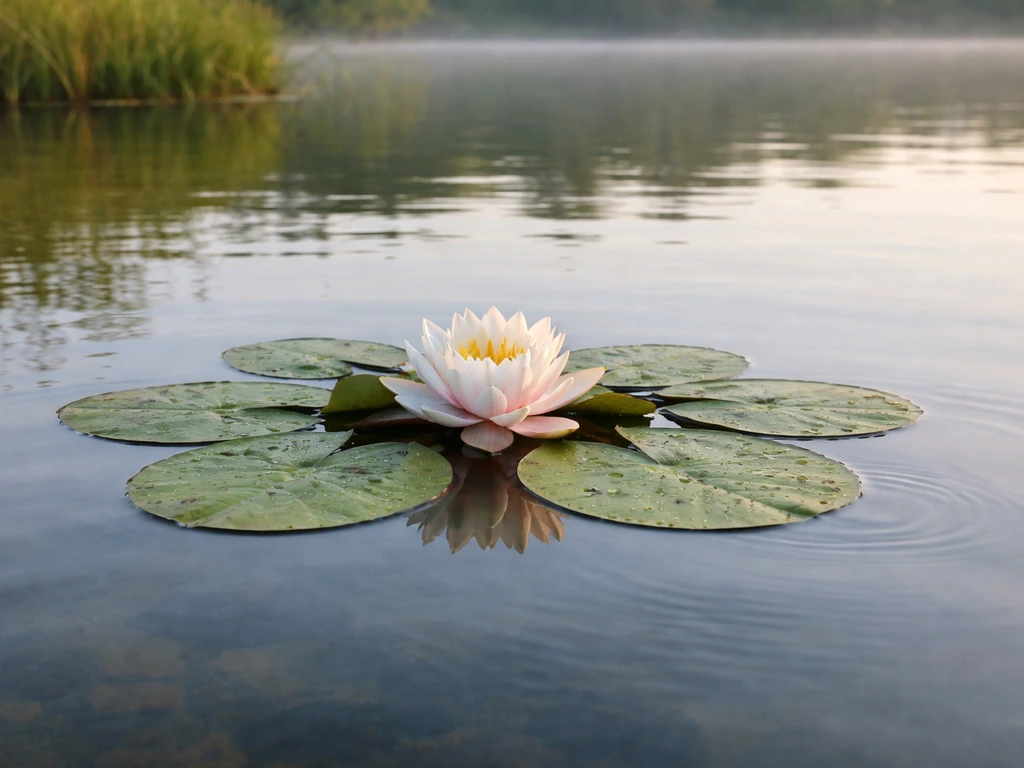
How Does Water Lily Grow: Habitat, Leaf Pads, and Care
Learn how water lilies grow in ponds, why they float, when they leaf out, and how to set light, depth, and care.
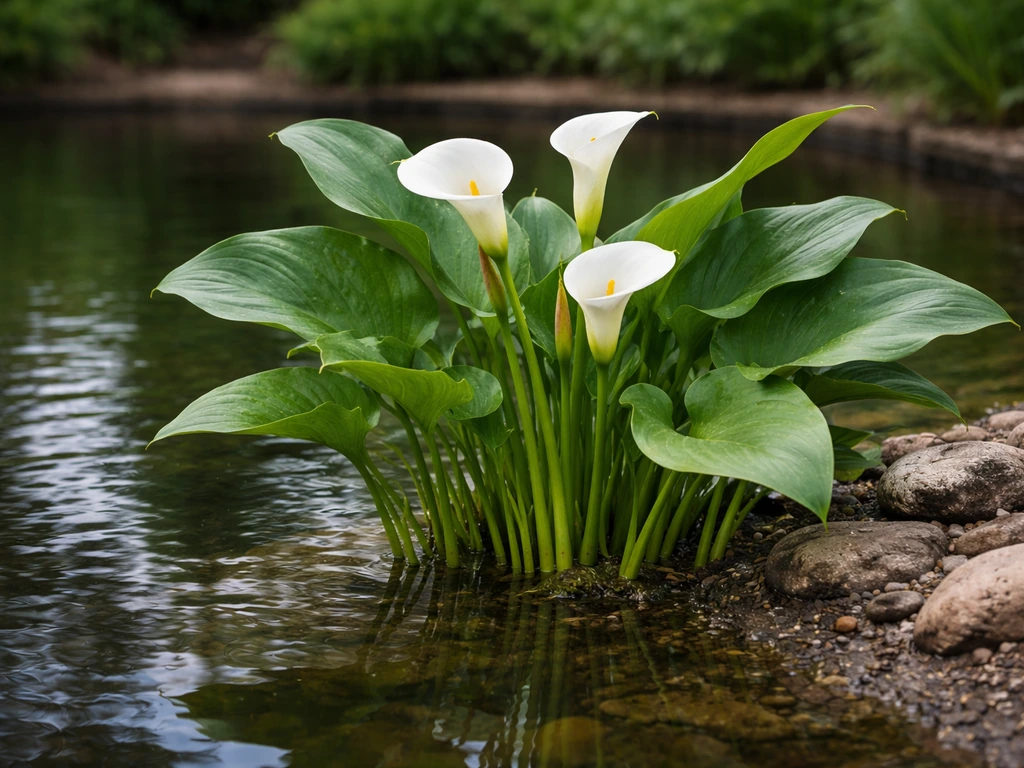
Can Calla Lilies Grow in Ponds? How to Set Up Successfully
Yes, with the right setup: water depth, substrate, anchoring, light, and overwinter care for pond or marginal calla lili
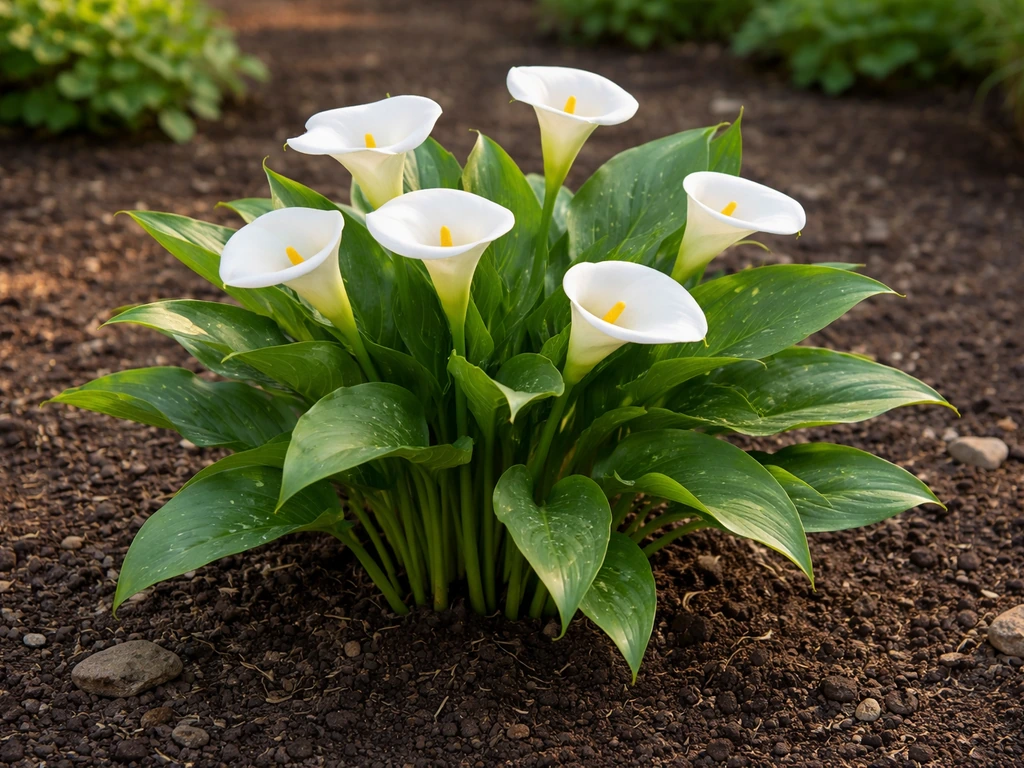
Are Calla Lilies Hard to Grow? Easy Guide for Success
Get a clear answer on are calla lilies hard to grow, plus exact light, temperature, watering, planting, and fixes.