
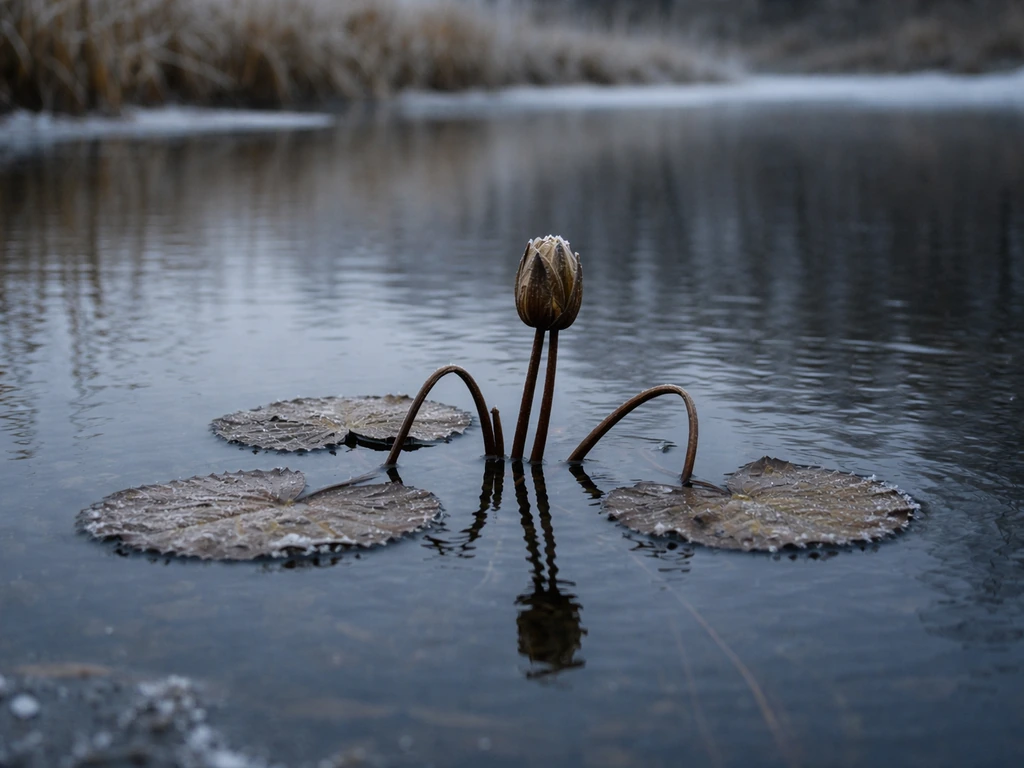
Water lilies stop producing new leaves in winter because they are dormant, and that is completely normal. Hardy water lilies go fully dormant once water temperatures drop, and they will not push a single new leaf until the water warms back up to around 60°F (15°C) in spring. Tropical water lilies slow down dramatically below 15°C air temperature and stop altogether if water dips under 10°C (50°F). So if it is currently winter and your water lily is sitting there looking like a pile of soggy stems, there is a good chance nothing is actually wrong. If you are thinking about the song "Where the Water Lilies Grow," it is often used as a gentle reminder of patience during the season when lilies are naturally dormant. The real question worth asking is: is this dormancy, or is something killing your plant right now while it cannot defend itself?
Why Do Water Lilies Not Grow New Leaves in Winter?
How water lilies actually behave in winter
Hardy water lilies are built for cold. As autumn arrives and day length shortens and water temperatures fall, they pull energy back into their rhizomes, drop their leaves, and go fully dormant. The Missouri Botanical Garden is clear on this: hardy water lilies go dormant during winter months, full stop. There are no new leaves coming, no flowers, nothing above the waterline that looks alive. That is the plant doing exactly what it should.
Tropical water lilies are a different story. They are not built for cold at all. A tropical lily can maintain slow growth and even continue flowering as long as air temperatures stay above 15°C and water stays above 10°C. But drop below those thresholds and they shut down fast. Below 10°C (50°F), a tropical water lily in an outdoor pond is essentially in survival mode, and without intervention, it will not make it through a hard winter.
The Colorado State University PlantTalk notes that growth resumes in April for most water lilies, which lines up with when water temperatures start climbing back toward that 60°F trigger point. If you are checking on your plant in January or February and seeing no new leaves, you are almost certainly just looking at a dormant plant doing its job.
Check the basics: temperature, day length, and pond conditions
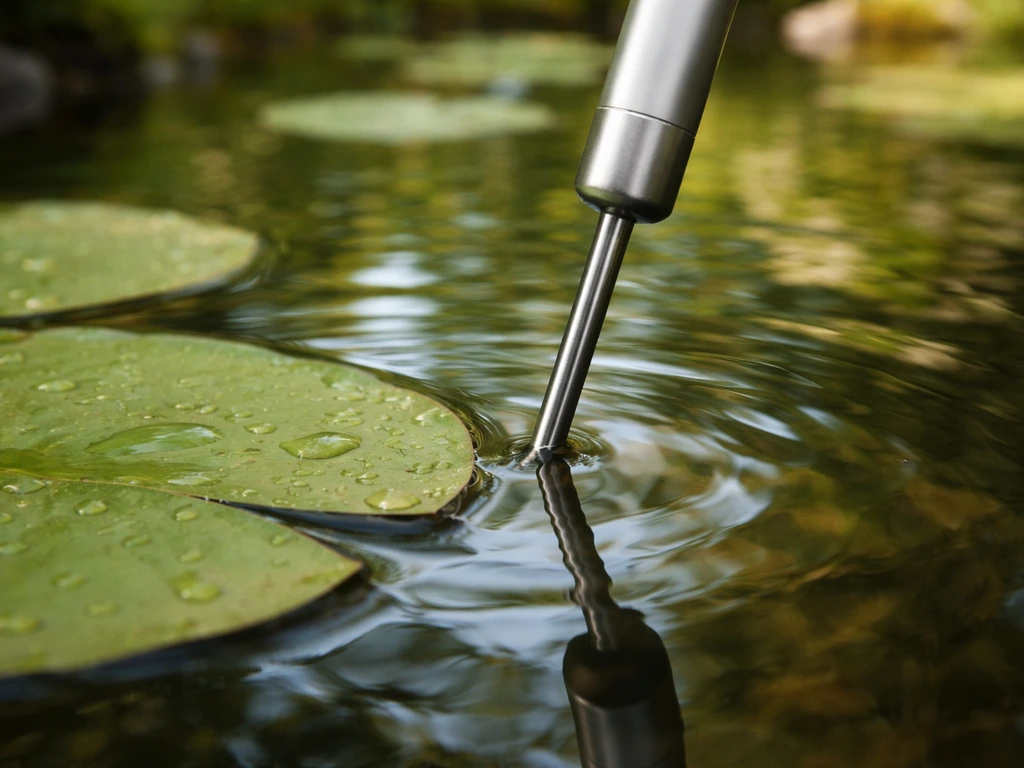
Before you do anything else, measure your water temperature. This is the single most diagnostic thing you can do. Water lilies will not produce new leaves when water temperatures are below 60°F, period. Under the right conditions, water lilies ramp up quickly as temperatures rise, so it helps to know their typical growth rate too. Hardy lilies need that 60°F threshold to wake up and start growing. Tropical lilies need water consistently around 70°F before they really get going again after winter, which is why the Chicago Botanic Garden advises waiting until water is at a steady 70°F before reintroducing overwintered tropicals outdoors. The Chicago Botanic Garden similarly advises waiting until water is at a steady temperature before reintroducing overwintered tropical water lilies outdoors blank" rel="noopener noreferrer">Chicago Botanic Garden advises waiting until water is at a steady 70°F.
Day length matters too. Water lilies respond to photoperiod as well as temperature. Short winter days mean less light energy available for photosynthesis, which compounds the cold-water problem. Even if you somehow kept your pond water warm through winter, the reduced daylight hours would still suppress growth in most climates.
Also check whether your pond surface has frozen over at any point. Ice cover cuts off gas exchange, which drops dissolved oxygen levels in the water. According to research on pond water quality, ice cover, depth, and lack of water movement all reduce dissolved oxygen. Plants and bacteria under ice are still respiring at night, consuming what oxygen remains, and that can stress or damage the root zone even when the rest of the plant looks fine.
What to look for on the plant itself
If temperatures are warming up but still no new leaves are appearing, it is time to pull the plant and take a close look at the rhizome or crown. This is where dormancy ends and a real problem begins.
A healthy dormant rhizome will feel firm and look pale green, cream, or slightly tan. It should have visible growth buds, which look like small tight points along the rhizome or at the crown. If you see those buds, your plant is alive and just waiting for the right conditions.
Crown rot is the thing you are really checking for. Infected tissue becomes soft, mushy, and discolored, often translucent brown with a jelly-like feel. University of Maryland Extension describes this as a soft rot that may also carry a rotted smell from secondary bacterial infection. If the crown of your water lily feels like wet bread, that is rot, not dormancy. Water lilies come in many varieties, but most reach roughly the same size range for leaves and flowers. OptiMara's description of crown rot as mushy and translucent brown is exactly what you are looking for when you squeeze the growing tip. If it gives, you have a problem.
Old dead leaves left in the pond over winter can contribute to this. Decaying leaf material raises nutrient levels, encourages algae, and creates the low-oxygen, high-bacteria environment that rot thrives in. The RHS specifically advises cutting off fading foliage in late autumn before the plant goes fully dormant, for exactly this reason.
The four things most likely blocking new leaf growth
Water temperature is too cold
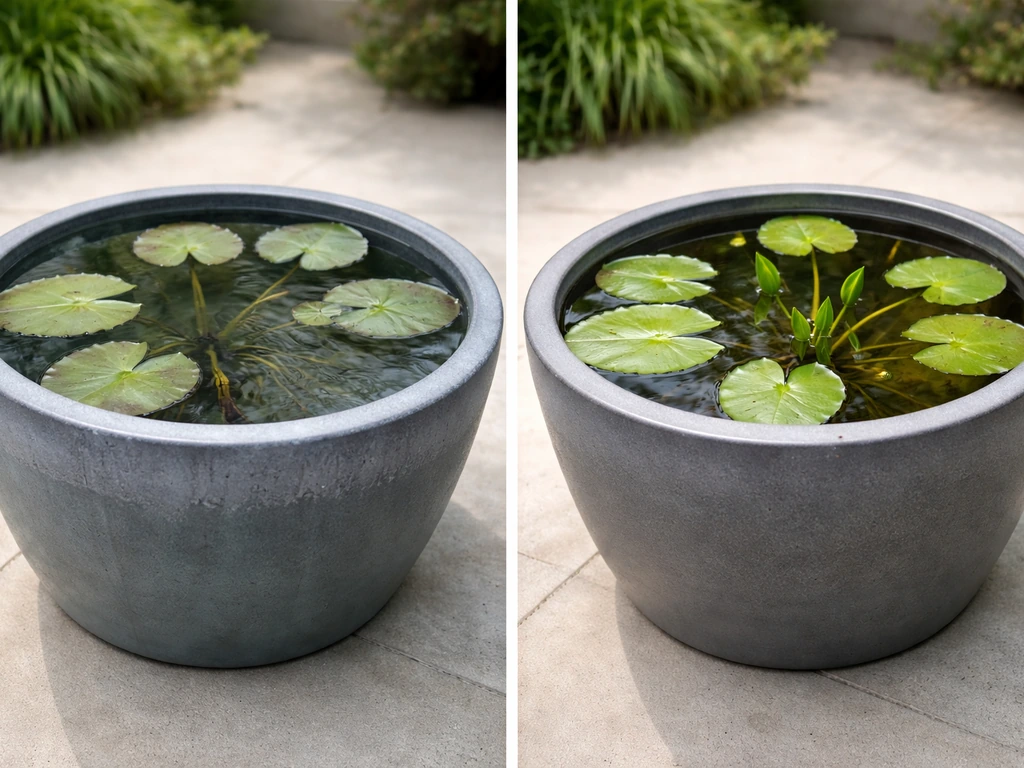
This is the most common reason, and the most fixable once you understand it. New leaf production simply does not happen below 60°F for hardy varieties. If your pond is at 45°F in March, you are not going to see leaves yet and that is fine. Check again in a few weeks.
Not enough light reaching the plant
Water lilies need full sun, typically six or more hours of direct sunlight per day, to grow well. In winter the sun angle is low, days are short, and if your pond is shaded by structures, trees, or fencing, the plant may be getting almost no usable light even on clear days. This is especially relevant if you are trying to keep a tropical water lily growing indoors under lights through winter.
Low dissolved oxygen
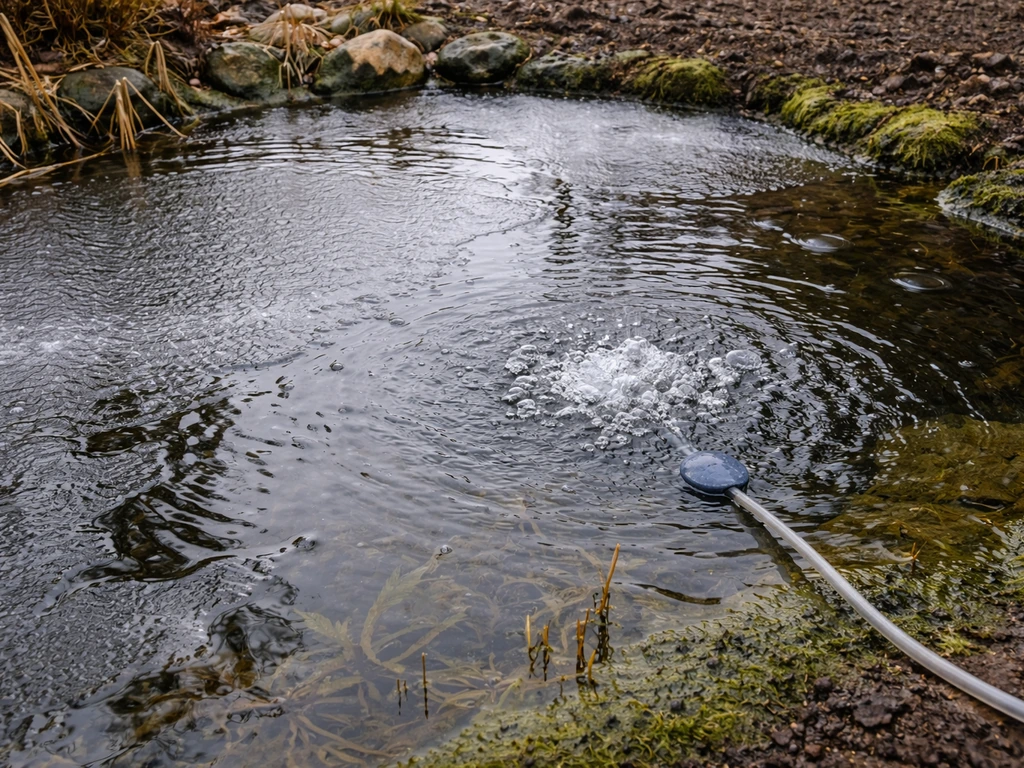
Texas A&M's AquaPlant resource calls dissolved oxygen the single most important water-quality factor for pond management. Still water, ice cover, heavy algae loads, and cold temperatures all affect oxygen levels. Submerged plants and algae actually consume oxygen at night and on cloudy days, which means a dense, still, covered pond in January can have very low oxygen levels near the bottom where your lily's roots are sitting. Poor oxygen leads to root stress and can set up rot conditions.
Nutrients and fertilization timing
You should not be fertilizing your water lily in winter. The Missouri Botanical Garden recommends fertilizing hardy and tropical water lilies from May to September only. The IWGS advises stopping fertilization after the first frost or when leaves start falling. Adding fertilizer in fall or winter does not help the plant; it feeds algae and bacteria, raises nutrient levels, and worsens the water quality around your lily's roots. If you over-fertilized late in the season, that could be contributing to the problem now.
Hardy vs. tropical: the variety makes a big difference
| Feature | Hardy Water Lilies | Tropical Water Lilies |
|---|---|---|
| Winter behavior | Full dormancy | Dormancy or death without intervention |
| Minimum water temp for growth | 60°F (15°C) | 60–70°F (15–21°C) to resume growth |
| Minimum temp to survive winter | Rhizome must not freeze (zone 3+) | Water above 50°F (10°C) required |
| Leaf production paused? | Yes, fully dormant | Yes, shuts down in cold |
| Outdoor overwintering? | Yes, in deep enough pond | No, needs indoor storage in most climates |
| Spring restart timing | Leaves resume when water hits 60°F | Reintroduce when water is consistently 70°F |
| Fertilization window | May to September | May to September |
Hardy water lilies are the forgiving ones. Hardy water lilies are the forgiving ones are water lilies hard to grow. As long as the rhizome does not freeze solid, they can survive down to zone 3, according to expert advice published in Homes and Gardens. In a deep enough pond (generally 18 inches or more in colder climates), the water below the ice line stays above freezing and the rhizome survives fine. When spring arrives and water warms, leaves will come.
Tropical water lilies have no built-in cold tolerance. If you left yours in an outdoor pond through a cold winter without protection, it may not have survived. The IWGS recommends removing tropical lilies from the pond after the first or second frost and storing them indoors. The Pond Guy advises keeping stored tropical lily water above 60°F through winter. If you are in a cold climate and did not do this, the lack of new leaves in spring might mean the plant is gone rather than dormant.
What to do right now: winter care and spring restart plan
If it is still winter and your lily is in the pond
- Check water temperature. If it is below 50°F, do not panic. Hardy lilies are dormant. Nothing to do but wait.
- Remove any decaying leaf material from the water if you have not already. Rotting foliage drops oxygen and raises nutrients, which creates rot conditions around the rhizome.
- If the pond has frozen over, create a hole in the ice for gas exchange. The Chicago Botanic Garden recommends pouring boiling water over the ice to open a breathing hole. Do not smash the ice, as the shockwaves can stress fish and plant roots.
- Do not fertilize. Stop completely after the first frost and do not start again until late spring.
- If you have a tropical lily that should have been brought in but was not, pull it now and assess. If the crown feels firm, there is still hope. Bring it indoors and keep it in water above 60°F.
Spring restart checklist
- Wait until water temperature is consistently at 60°F before expecting new leaves from hardy varieties.
- For tropicals being reintroduced from indoor storage, wait until water is a steady 70°F and all frost risk has passed.
- Pull the lily pot from the pond and inspect the rhizome or crown. Look for firm growth buds. Trim off any mushy or black sections with sterilized tools.
- Repot if needed. Use aquatic planting medium and press fertilizer tablets into the soil at the base of the plant. Grandora Aquatics recommends 8 to 10 fertilizer tablets per container in spring as growth resumes.
- Lower the container back in at the correct depth. Hardy lilies typically sit with the crown 12 to 18 inches below the surface; check your variety's specific needs.
- Once water hits 60°F and the plant is properly potted and positioned, you should see new leaf growth within two to four weeks.
Diagnosing the actual problem fast
If spring has arrived, your water temperature is above 60°F, and you are still seeing no new leaves, work through this in order. It will save you a lot of guessing.
- Measure water temperature with a thermometer. If it is below 60°F, wait. Check again in one week.
- Count hours of direct sun the pond receives. If it is fewer than five to six hours of direct sunlight daily, the plant may not have enough energy to push leaves even when warm enough.
- Pull the pot and physically inspect the rhizome or crown. Press the growing tip gently. Firm means alive. Mushy, discolored, or foul-smelling means rot.
- If you find rot, cut back all infected tissue with clean scissors or a knife until you reach firm, healthy material. Rinse the rhizome, let it air for a few minutes, and repot in fresh aquatic soil.
- Check dissolved oxygen indirectly: if your pond is very still, densely planted, or had prolonged ice cover, oxygen may have been low all winter. Add a small fountain, aerator, or pond pump to improve circulation going forward.
- Confirm you stopped fertilizing last autumn and have not yet started for this season. If you accidentally fertilized through fall, do a partial water change (about 20 to 25 percent) to reduce nutrient buildup before adding fertilizer again in late spring.
The honest truth is that the vast majority of cases where water lilies are not producing new leaves in winter are simply normal dormancy. Temperature is the key: below 60°F, no growth happens, and that is the plant protecting itself. Where things go wrong is when gardeners either mistake normal dormancy for death and interfere too early, or when they let conditions like ice cover, decaying foliage, and low oxygen create genuine rot problems during the dormant period. Catch the rot early, maintain good water quality through winter, and your water lily will tell you when it is ready to grow again.
FAQ
If my water lily looks “dead” in winter, how can I tell dormancy from actual loss?
Not necessarily. A hardy lily can have a full-looking dormant crown in winter and still not leaf out until the pond water reaches about 60°F (15°C). If you measured water temperature and it is still below that level, wait a bit rather than cutting or re-potting the plant.
Should I fertilize my water lily in winter to encourage new leaves?
It is usually a bad idea. Fertilizer in winter or early spring tends to feed algae and bacteria, which can reduce oxygen and increase the risk of crown rot. Use fertilizer only in the growing season (roughly May to September), and skip winter entirely.
Can my water lily be alive in winter even if it never grows leaves?
Yes, the plant can be alive while still not producing leaves. But the rhizome should not rot, it should feel firm and show tight growth points at the crown. If the crown is mushy, translucent, or smells rotten, that is a problem rather than normal dormancy.
Where should I measure water temperature to know why my lily is not growing?
Measure water temperature at the lily’s root zone, not just the surface. If you only check air temperature or a warm spot near the top, you may miss colder water where the rhizome actually sits, and you might think the lily is sick when it is just below its growth threshold.
How does ice cover affect water lilies, even when the plant looks dormant?
If your pond freezes over even briefly, it can lower dissolved oxygen by limiting gas exchange and by allowing plant and bacterial respiration to consume oxygen. A brief ice sheet can stress roots and set up rot later, so consider adding oxygenation or improving circulation if you repeatedly see crown softening.
What’s different about tropical water lilies that do not grow new leaves in winter?
For tropical lilies, long periods below about 10°C (50°F) water can shut them down, and leaving them outdoors without protection through a hard winter can mean they do not recover. If you are dealing with a tropical lily, confirm whether it was stored indoors warm enough after frost, then inspect the crown for firmness and buds.
What should I do if it is spring but my hardy water lily still has no new leaves?
Not always. A lily can be below 60°F and still push something later, but if spring water is staying warm and you still see no buds or firmness at the crown, that suggests either rot or a failed overwintering. At that point, inspect the rhizome and remove any soft tissue.
Can dead leaves left in the pond cause problems for my lily during winter?
Yes. If fading leaves are left to decay through winter, they add nutrients, increase bacterial activity, and can lower oxygen near the bottom where roots are. The safer approach is to remove dying foliage before the pond fully cools and dormancy sets in.
How exactly do I check for crown rot on a dormant water lily?
Use a gentle squeeze test and look at the crown. Dormant but healthy tissue is firm, pale green to tan, and has visible tight growth points. Soft, jelly-like, translucent brown tissue or a rotten smell indicates crown rot rather than normal winter dormancy.
Could poor sunlight be why my lily does not make new leaves after winter?
Light matters most for recovery in spring. Even if temperatures rise, a shaded pond, heavy overhanging trees, or a low-sun winter setup can delay growth. If your lily historically struggles, remove shade sources where possible and ensure it gets direct sun for most of the day during the growing season.
When should I intervene, and when should I just wait during winter?
Usually no. Water lilies are designed to pause growth as day length shortens and temperatures drop. The practical next step is to stop disturbing the plant early, confirm water temperature, and only intervene when you see rot signs or when spring conditions remain ideal but growth still does not start.
Can pot placement in a pond affect whether my lily leaves appear in spring?
Yes. If the lily is potted, confirm that the water depth around the pot does not create overly cold pockets, and that the pot is not trapped in a shaded, still corner of the pond. Cold, low-oxygen pockets can slow or prevent leaf emergence even when the rest of the pond is warming.
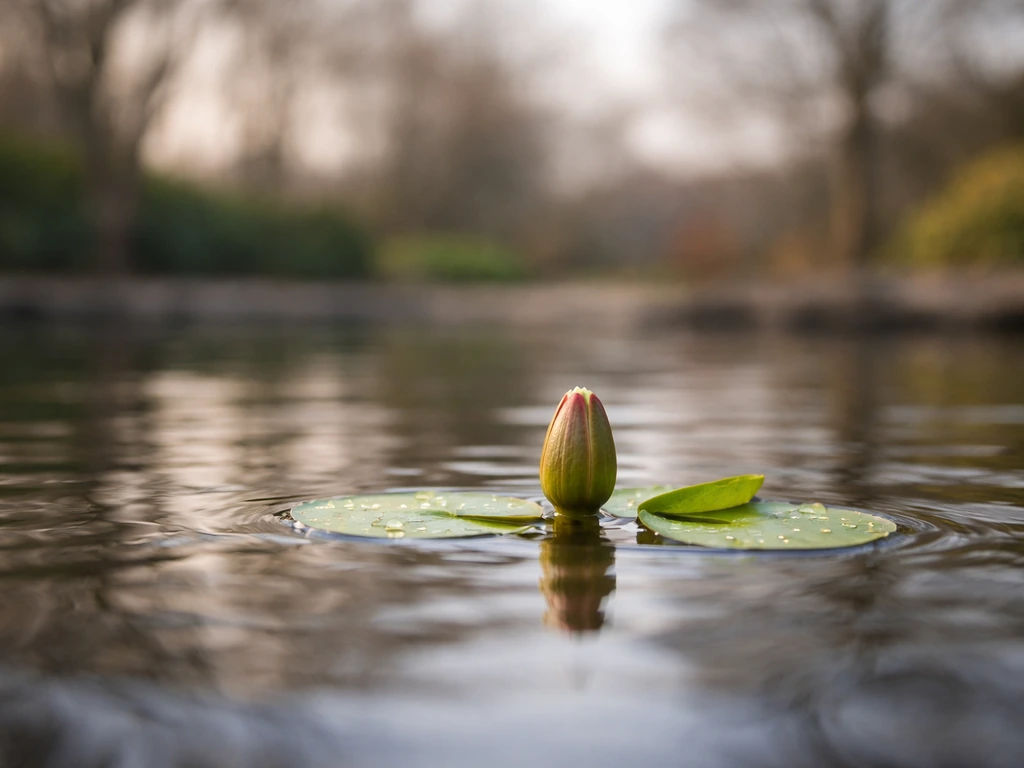
UK water lily growth starts early spring to early summer, triggered by water temperature, light, depth, and planting set
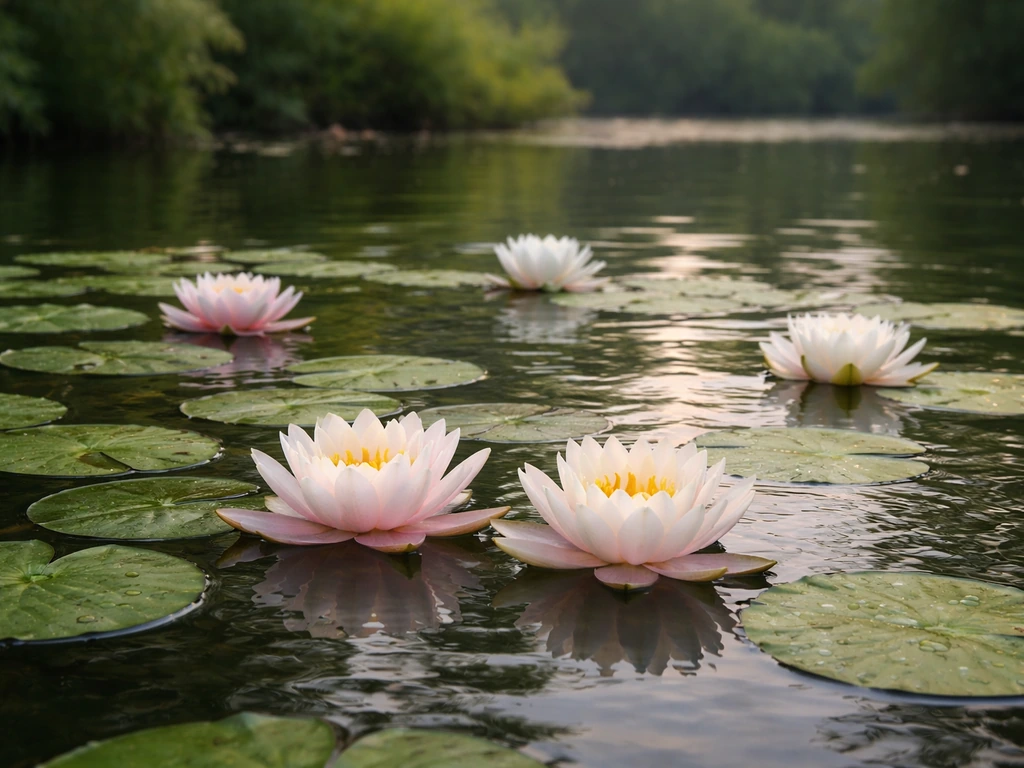
Find the song lyrics to Where the Water Lilies Grow and learn exact water lily growing conditions for your pond or conta
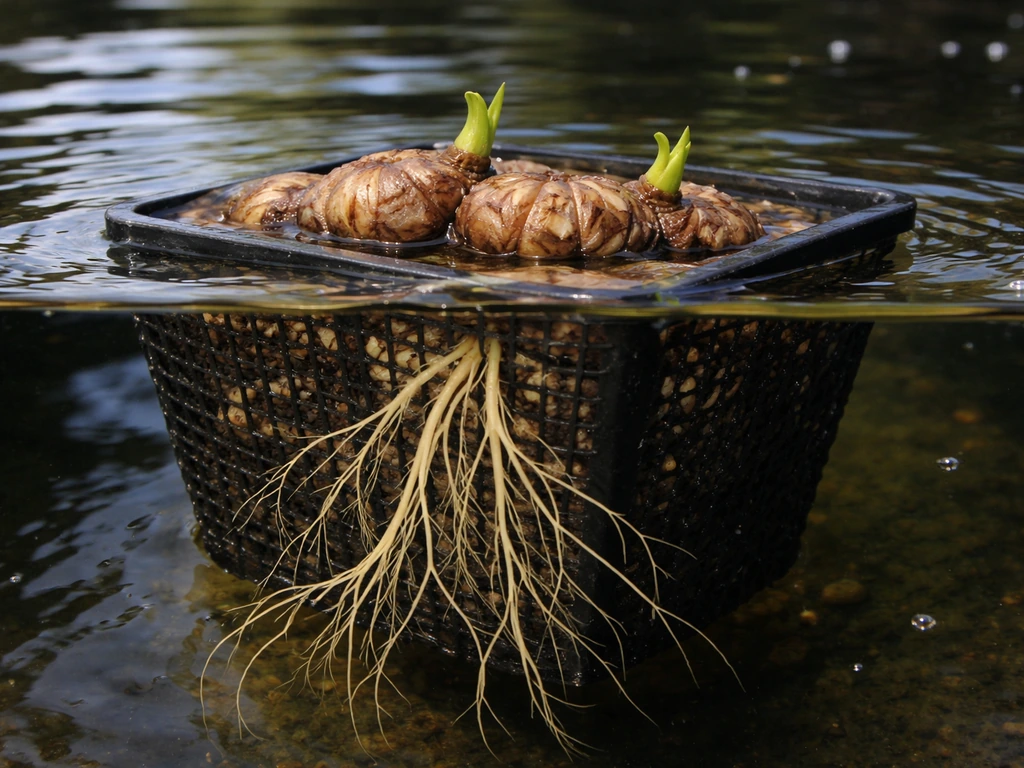
Get real timelines for water lily growth from rhizomes to blooms, plus tips to speed growth safely and fix slow growth.