
Water lilies grow by anchoring their roots and rhizomes into the bottom of a pond or lake, then sending up long, flexible stems (petioles) that carry leaves and flower buds to the water's surface. The floating pads you see are not platforms the plant sits on, they are the plant's actual leaves. Understanding that chain of events, from root to rhizome to pad to flower, is the key to setting up a pond where water lilies actually thrive instead of just surviving.
How Does Water Lily Grow: Habitat, Leaf Pads, and Care
Marcus Hendricks
5 Apr 2026
Where water lilies naturally grow
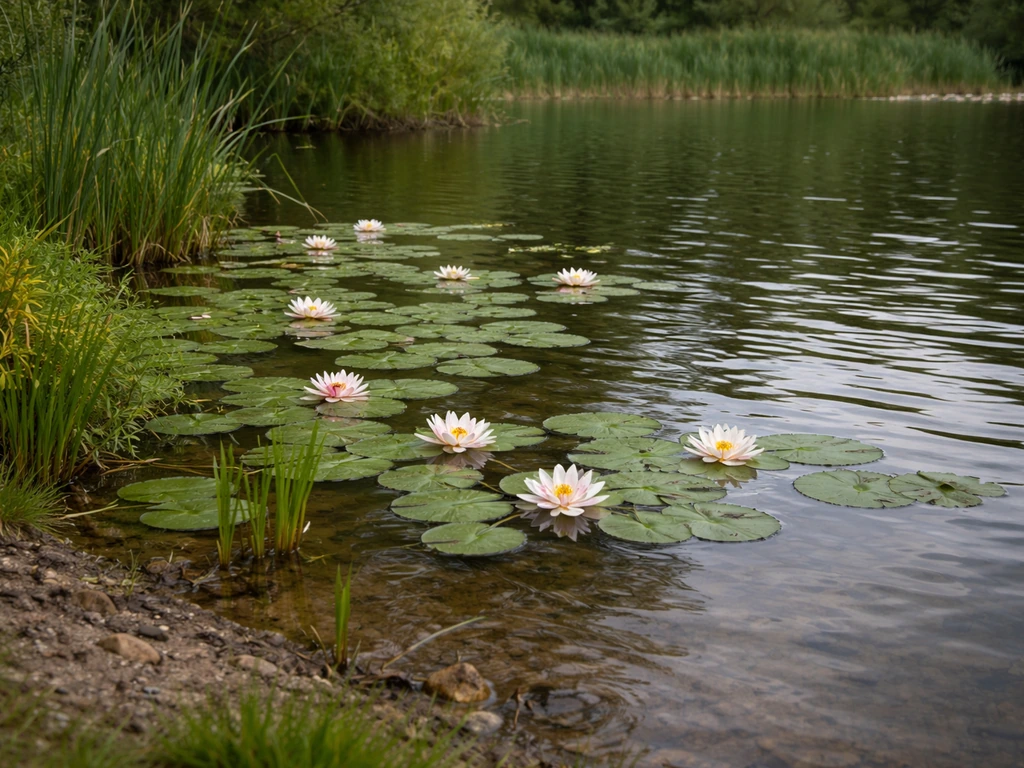
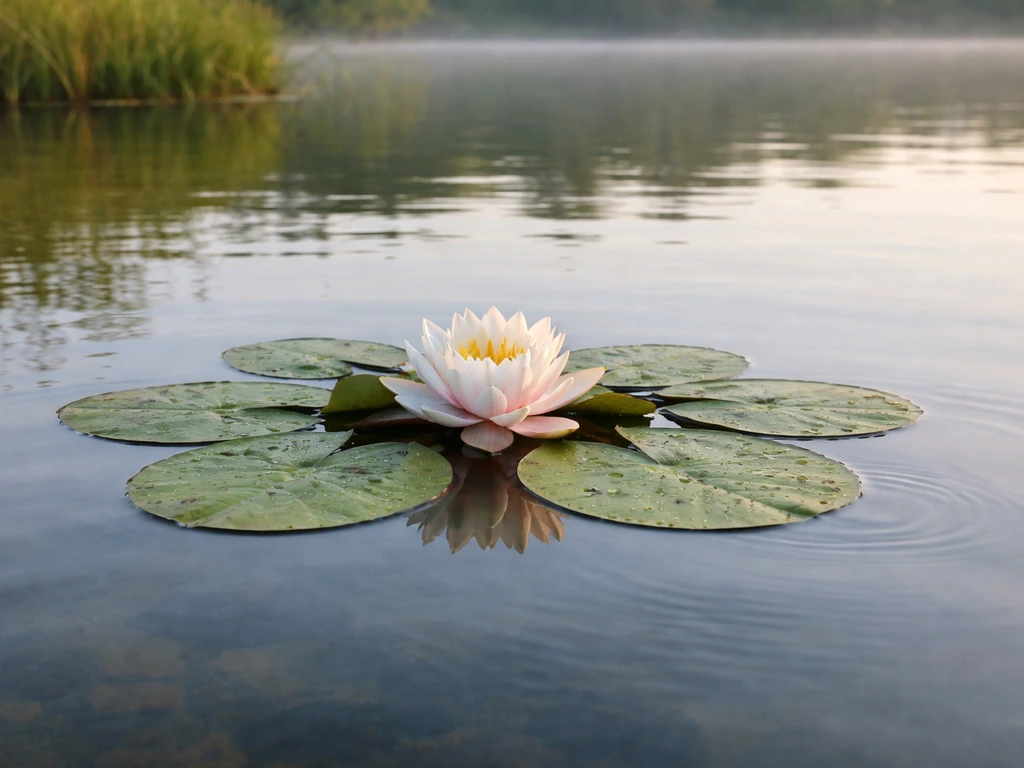
The genus Nymphaea is genuinely global. Species pop up across temperate Europe, North Africa, tropical Asia, and the Americas, covering a huge range of climates. Nymphaea alba, for instance, ranges from Europe through temperate and parts of tropical Asia, while Nymphaea pubescens is common in shallow lakes and ponds from tropical to temperate Asia. In the Americas, species like Nymphaea odorata grow throughout North American freshwater wetlands. What ties all of them together is access to still or slow-moving freshwater: lakes, ponds, slow rivers, and seasonal wetlands with soft, muddy bottoms where rhizomes can anchor.
Climate splits the genus into two broad camps that matter enormously for how you grow them. Hardy water lilies are at home in temperate and cold-temperate zones roughly north of 25°N latitude. Tropical water lilies need warmth year-round and cannot survive a cold winter without protection. That division is the single most important thing to understand before you buy a plant, because it controls everything from winter care to flowering timing to the depth of water you need.
Pond conditions that actually matter: depth, temperature, and water quality
In natural habitats, Nymphaea lotus has been recorded growing in water ranging from about 50 to 111 cm deep, with a water pH of roughly 8. 0 to 8. 9 (slightly alkaline) and water temperatures between about 21. 5 and 24.
8°C. Those numbers give you a useful real-world baseline. For home ponds, the practical planting guidance tightens that range up. Hardy water lilies generally do best planted so the crown sits 18 to 24 inches below the water surface.
Some growers use containers 12 to 18 inches wide and about 6 inches tall, placed at appropriate depth on shelves or bricks inside the pond so the pads can reach the surface without the stems having to stretch too far when the plant is young.
Water temperature is where a lot of gardeners run into trouble. Tropical water lilies need water temperatures of at least 10°C (50°F) over winter just to survive, and they really want warm growing-season water, around 70°F or above, before they'll put on real growth. Hardy water lilies are far more forgiving and don't need any winter protection in most temperate climates. For sun exposure, water lilies are not shade plants. Plan on a minimum of six hours of direct sun per day. Less than that and you'll get pads but very few flowers.
How a water lily actually grows: roots, rhizomes, stems, and flowers
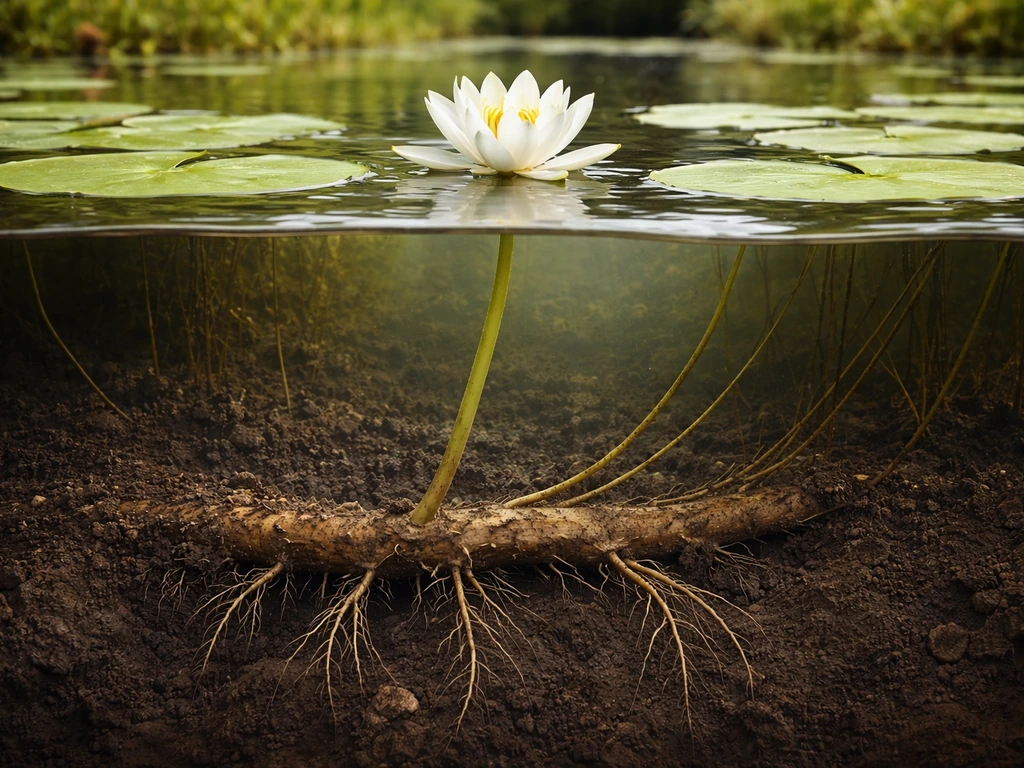
Here's the sequence, step by step. The plant starts with a fleshy rhizome (think of it as a horizontal stem) anchored in the sediment at the pond bottom. Roots grow down from the rhizome into the mud, locking the plant in place. From the growing tip of the rhizome, the plant produces a crown where new leaves and flower buds originate.
Each leaf grows on a long, flexible petiole, a stem that can extend and adjust its length so the leaf floats right at the water's surface regardless of depth. Research has confirmed that these petioles actively change their mechanical properties to hold the leaf flat on the surface. Flowers emerge on separate stalks from the same crown, with buds typically rising to the surface over two to three days before opening.
Once a flower bud reaches the surface, Nymphaea flowers generally open in the morning and close in the afternoon, a pattern that repeats over several days. Some species hold their flowers up to about 20 cm above the water surface at peak bloom. The whole above-water display, pads, flower buds, open flowers, is all one connected living plant. Nothing about it is passive floating. It is all actively grown and positioned by the rhizome system below.
Wait, do water lilies grow ON lily pads? Clearing up the confusion
This is one of the most common mix-ups, and it's worth being completely direct about it. The lily pads ARE the water lily's leaves. They are not a separate platform that the plant grows on or floats on top of. [A rooted plant with branched rhizomes produces long petioles](https://en.
wikipedia. org/wiki/Nymphaea) that terminate in smooth, floating leaves, those floating leaves are what everyone calls lily pads. The flower comes up on its own stalk from the same root system and sits near or among the pads. So the whole system, rhizome in the mud, petioles reaching up through the water, pads floating at the surface, flowers opening above it, is one single plant.
If you pull a pad, you're pulling a leaf off that plant.
Understanding this also explains why how big water lilies grow is really a question about the whole plant system, not just the visible pads. A vigorous rhizome in good conditions will keep pushing out new leaves and expanding its surface footprint season after season.
When water lilies grow and how they come back after winter
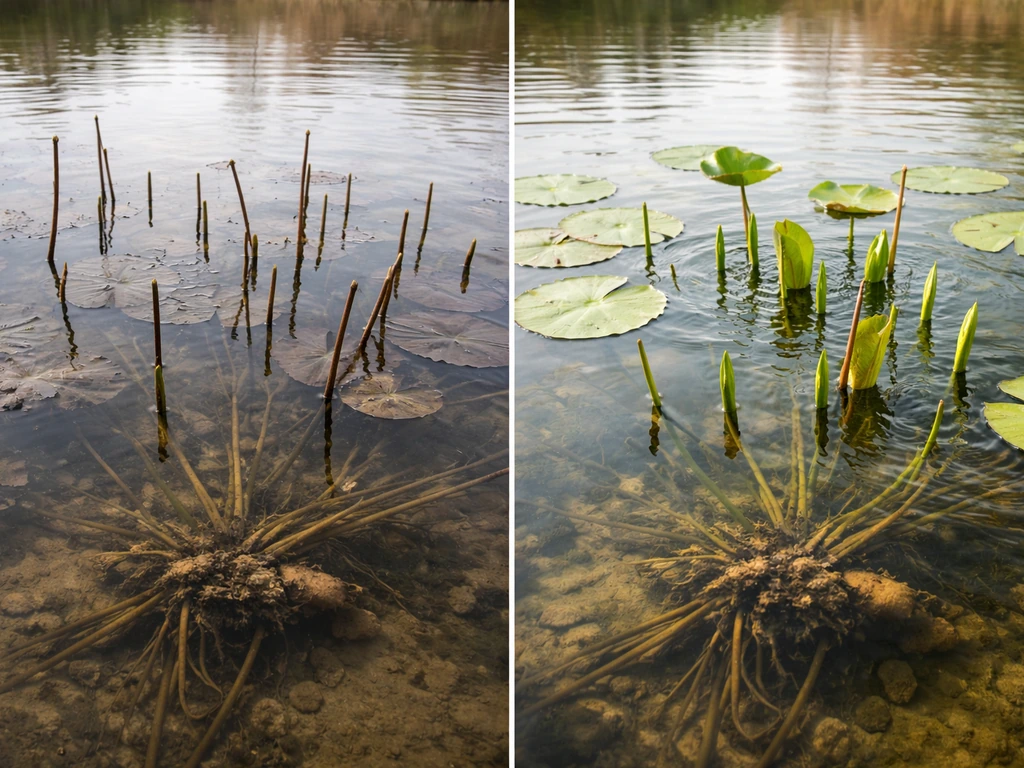
Hardy water lilies die back in winter but the rhizome stays alive in the pond bottom. When water temperatures rise in early spring, typically February through March depending on your location, dormant buds on the rhizome begin initiating new floating leaves rapidly. By May, most hardy varieties are actively producing leaves and early blooms, and flowering typically continues through September. If you're in the UK, when water lilies start to grow in the UK is usually tied to when your pond water consistently climbs above about 10°C, which is often April or early May depending on the season.
Tropical water lilies don't go fully dormant in the same way. Instead, they use a tuber strategy, storing energy and going into a state of ecodormancy triggered by cold temperatures and shorter day length. They can be overwintered indoors in a greenhouse by keeping the water temperature above 10°C (50°F) and bringing them back into growth in spring when placed in 70 to 75°F water. If you're wondering why water lilies stop growing new leaves in winter, the short answer is that both hardy and tropical types are responding to cold and low light, it's the plant protecting itself, not dying.
To support regrowth in spring: don't disturb the rhizome during winter, cut off any fading foliage in late autumn before it decomposes in the water, and wait until water temperatures are consistently warm before expecting leaf production to really accelerate. Pushing a tropical water lily into a cold pond too early in the year is one of the most reliable ways to lose it.
Giant water lilies: where they grow and what makes them different
Victoria amazonica, the most famous giant water lily, is native to the tropical freshwater lakes and backwaters of the Amazon Basin, including Bolivia, Brazil, Colombia, Guyana, and Peru. In its natural habitat it grows in water up to about 5.25 meters deep, though it typically occupies shallower margins and backwaters. This is as tropical as it gets: warm, humid, with water temperatures during the growing season around 85 to 90°F (29 to 32°C). The other well-known giant, Victoria boliviana, has similar habitat requirements. Kew Gardens maintains these plants in its aquatic collection and has contributed significantly to understanding their cultivation outside their native range.
For home gardeners, growing a Victoria is a serious project, not a casual addition to a backyard pond. The pads can reach well over 3 feet across, and the plant needs a large, warm pond, a 10 by 12 foot pond with at least 3 feet of depth is a realistic starting point, and keeping water at tropical temperatures requires heating systems in most non-tropical climates. Most home gardeners grow Victoria as an annual, starting fresh each spring from seed or a young tuber when water temperatures climb into the target range. If you live in a truly tropical climate, you have the natural advantage. If you don't, be realistic about the infrastructure cost before you commit.
| Feature | Hardy Water Lily | Tropical Water Lily | Giant Water Lily (Victoria) |
|---|---|---|---|
| Native climate | Temperate to cold-temperate | Tropical and subtropical | Tropical (Amazon Basin) |
| Winter survival | Rhizome survives in pond | Needs 10°C+ water or indoor storage | Cannot survive cold; usually grown as annual |
| Growing season water temp | Tolerant of cool water | Minimum ~70°F to grow actively | 85–90°F (29–32°C) |
| Typical planting depth | 18–24 inches crown to surface | 12–18 inches crown to surface | 24–36 inches or more |
| Pad size | 6–18 inches typically | Up to 18–24 inches in some varieties | 3–6+ feet across |
| Flowering months (temperate) | May to September | June to October (if warm enough) | Varies; warm season only |
| Suitable for home ponds? | Yes, widely adaptable | Yes, with care in cold climates | Only with significant setup |
Choosing your variety and setting up your pond for success
Before you buy anything, decide whether you want a hardy or tropical water lily based on your climate. If you're in USDA zones 3 through 8 and don't want the fuss of overwintering a tropical plant, go with a hardy variety. They're more forgiving, come back reliably each spring, and flower beautifully from May through September with minimal intervention. If you're in zones 9 through 11 or you have a heated pond or greenhouse, tropical varieties open up a wider range of flower colors, including blues and purples that hardy types can't offer.
Here's a practical setup checklist for a first-time water lily pond:
- Pick a spot with at least 6 hours of direct sun daily. This is non-negotiable for good flowering.
- Set your pond depth based on your chosen variety: 18 to 24 inches of water above the crown for hardy types is a reliable target.
- Use a wide, shallow container (12 to 18 inches wide, about 6 inches deep) filled with heavy loam or aquatic planting mix. Avoid lightweight potting soil — it floats.
- Place the container on bricks or a shelf inside the pond so the crown starts about 6 inches below the surface, then gradually lower it to full planting depth as the plant establishes and the stems lengthen.
- Fertilize with aquatic fertilizer tablets pushed into the soil near the rhizome, not scattered in the water where they'll feed algae instead.
- In late autumn, cut back any fading foliage before it decays in the pond. Hardy lilies don't need to be lifted; just leave the container on the pond bottom where it won't freeze solid.
- Divide your plants every four to five years to prevent congestion that reduces flowering.
One thing that surprises new growers is how patient you need to be in the first season. A newly planted water lily spends its first few weeks establishing its rhizome and root system before it puts serious energy into surface leaves. Don't panic if growth looks slow in spring. If you're curious about the normal timeline, how fast water lilies grow gives you a realistic sense of what to expect month by month.
People sometimes wonder upfront whether the whole project is worth the effort. Honestly, whether water lilies are hard to grow depends almost entirely on whether you match the plant to your conditions. Hardy varieties in a reasonably sunny pond are genuinely low-maintenance once established. Tropical varieties in the wrong climate, or any water lily in deep shade, will give you constant trouble. Match the plant to the environment and the growing process largely takes care of itself.
On a lighter note: if you've come across "Where the Water Lilies Grow" as a song and ended up here looking for planting advice, you're in good company, where the water lilies grow song has sent more than a few curious people down a gardening rabbit hole. Hopefully now you've got the actual plant knowledge to go with the music.
FAQ
Why does my water lily have lily pads but no flowers?
If the water lily is already planted correctly, it should start with small, emerging leaves before you see buds. If you see no new leaves after several weeks of consistently warm water, check the crown placement first, the crown should be below the surface but not buried in thick mud, then confirm you have at least six hours of direct sun and not too much shade from pond banks or nearby plants.
My pads are growing, but flowers are late. What causes that?
Test the water temperature trends, not the air temperature. Water lilies respond to the pond, if mornings are cool and the pond takes time to warm, flowering can lag even when pads appear, especially in early spring. Also confirm you are not using a tropical lily in a cold pond, cold snaps can keep it growing only vegetatively.
How deep should I bury the rhizome and place the crown in a pond?
A water lily should be stable with only its rhizome and crown anchored, you should not need to bury the entire stem system. For most hardy types, keep the crown about 18 to 24 inches below the surface, if your container or basket places it deeper than that, leaves may still reach the top but buds struggle and growth can stall.
Can I transplant a water lily once it is established?
Yes, but only if you keep the root system undisturbed and use the right container, a common mistake is relocating a planted rhizome in mid-season and causing stress. If you must move it, do it when the plant is dormant or just as new growth starts, and avoid breaking off the rhizome pieces that carry buds.
What is the best way to pot or containerize a water lily so it anchors properly?
Use an aquatic-safe, low-sediment method, a simple approach is a container basket with an appropriate weight (like bricks) so the crown stays at the correct depth and the roots are not floating. Avoid heavy regular potting soil that turns to sludge, it can smother rhizome growth and cloud the pond.
What happens if my pond is too deep for my water lily?
Floating pads naturally adjust via petioles, but they cannot compensate for extreme depth differences. If your pond is deeper than the petioles can effectively manage, leaves may not reach the surface well, and buds will be limited. Measure depth at the planting location and match it to the plant’s needs using the crown depth guidance.
How can I tell whether slow growth in spring is normal or a problem?
In many ponds, new leaves appear from dormant buds before the plant looks “full,” that first season can feel slow because energy goes to rhizomes and root expansion. If your plant is healthy, expect gradual leaf spread over weeks, not an immediate pad mat, and avoid adding extra fertilizer in desperation.
Is it okay to pull off lily pads I do not like or that look damaged?
Pulling a pad can be harmful because it removes a functioning leaf from the main connected plant, and you can weaken the rhizome by reducing energy capture. If you need to remove damaged foliage, cut it close to the petiole base without uprooting the crown, and remove only what is clearly dead or decaying.
Can tropical water lilies stay alive outdoors through winter if the pond water stays above 10°C?
If you keep a tropical water lily at or above 10°C over winter, it can keep living in a slowed state, but it still needs sufficient light to maintain growth. Low light plus cool water often leads to minimal new leaves, even when the plant is not dying.
What should I do if my hardy water lily seems dead in early spring?
Hardy water lilies typically regrow from rhizome buds, so “no shoots yet” can simply mean the pond has not warmed consistently. A good decision aid is to wait for consistent water temperatures above about 10°C, then resume normal care, if you start messing with the rhizome too early you risk set-back.
Next Articles
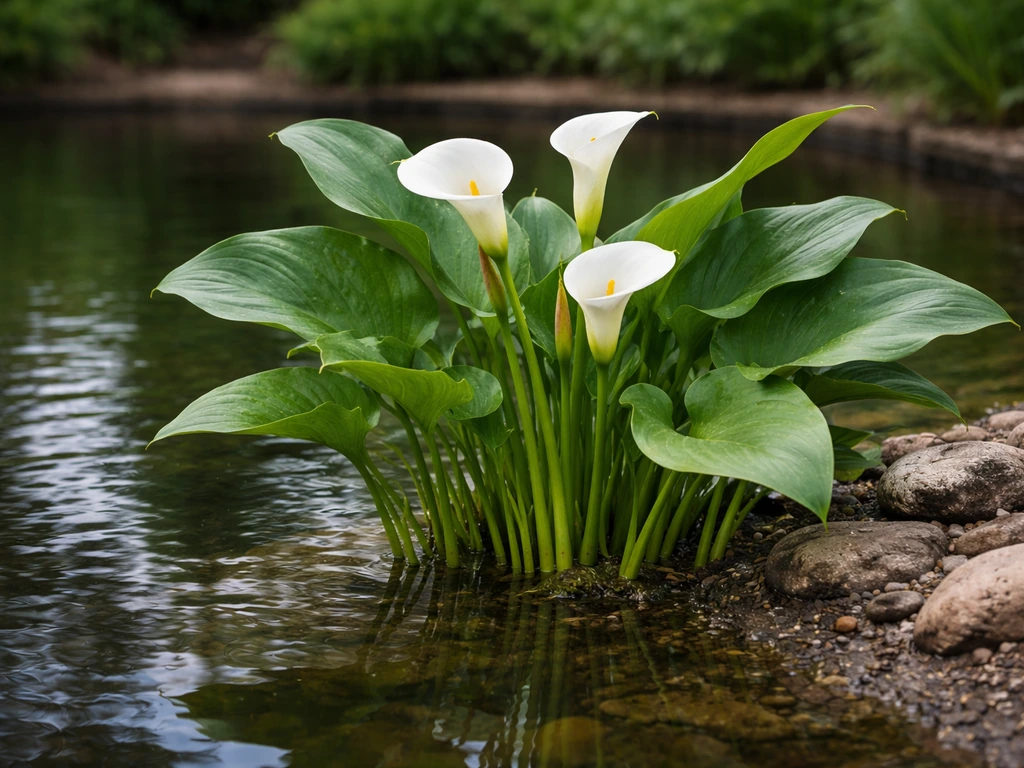
Can Calla Lilies Grow in Ponds? How to Set Up Successfully
Yes, with the right setup: water depth, substrate, anchoring, light, and overwinter care for pond or marginal calla lili
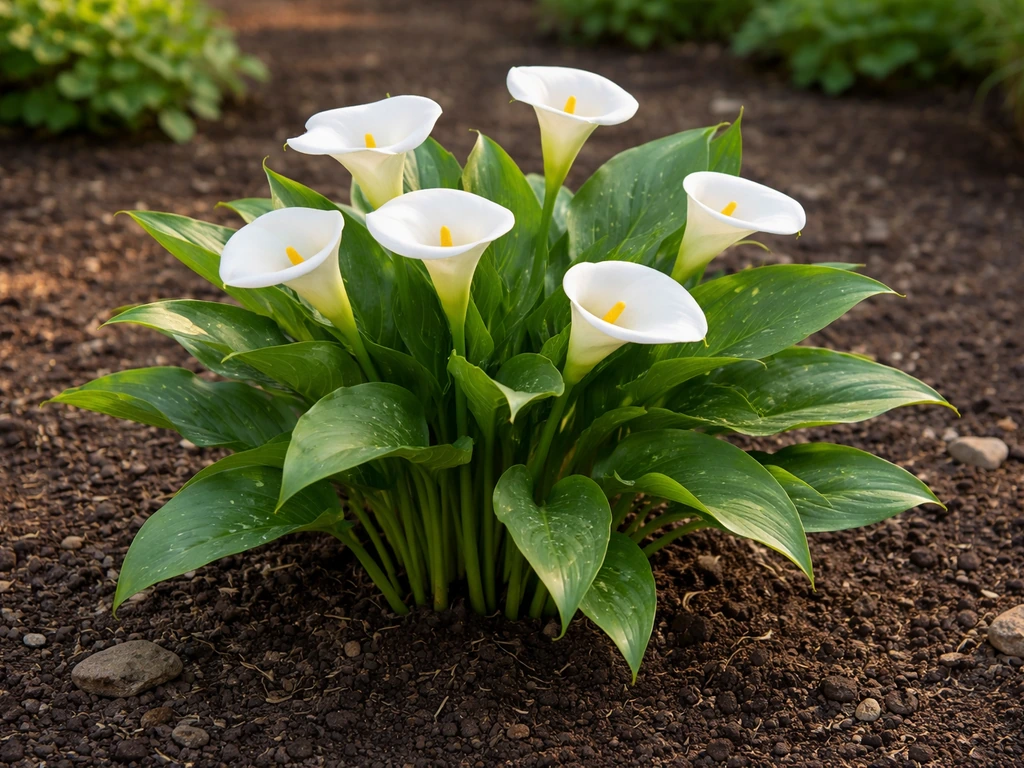
Are Calla Lilies Hard to Grow? Easy Guide for Success
Get a clear answer on are calla lilies hard to grow, plus exact light, temperature, watering, planting, and fixes.
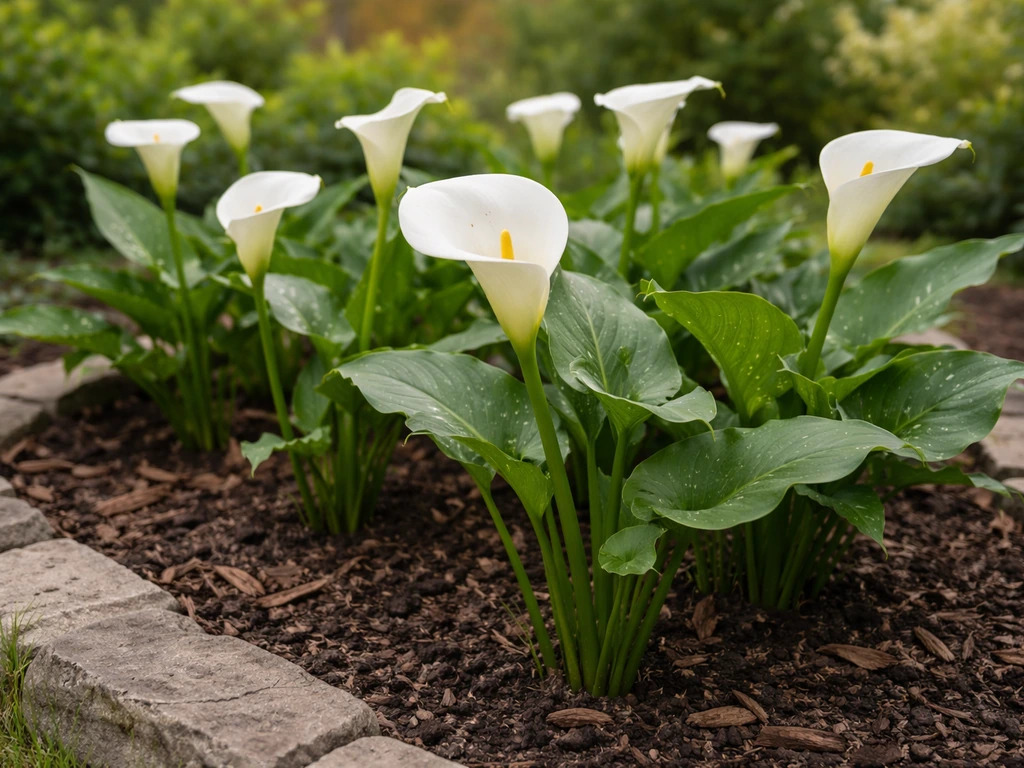
Can Calla Lily Grow Outside? Outdoor Care by Climate
Yes, calla lilies can grow outside. Learn climate, light, soil drainage, planting timing, and fixes for no growth.