
Water lilies range from compact dwarf varieties that spread about 60 cm (2 ft) across and sit in as little as 30 cm (1 ft) of water, all the way to large hardy cultivars that can cover 1.5–2 m (5–6 ft) of surface and eventually settle into water 5 feet deep. The quick answer most gardeners need: a medium hardy water lily wants 45–75 cm (18–30 in) of water depth and spreads 60–120 cm (2–4 ft) across the surface. But "how big" actually means two different things, and getting both right is what separates a thriving water lily from a struggling one. Once you know the right depth and spread, you can focus on how the plant grows over time in your pond water lily grow over time.
How Big Do Water Lilies Grow? Depth and Size Guide
Marcus Hendricks
22 May 2026
What "how big" really means for water lilies
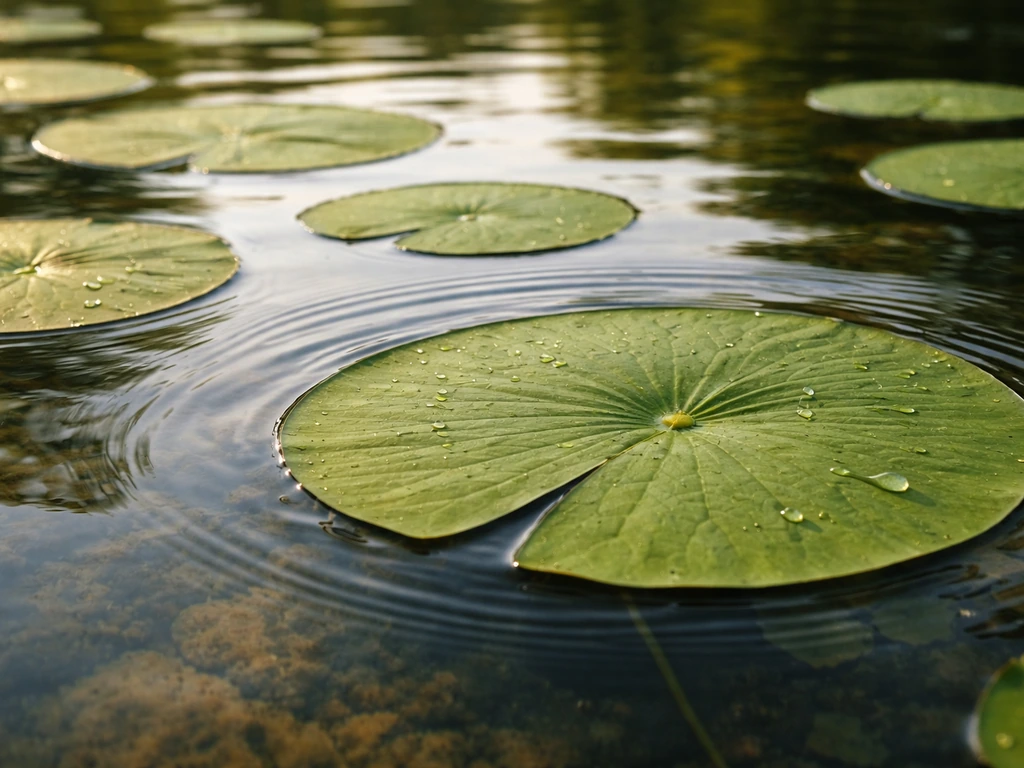
When people ask how big water lilies grow, they usually mean the spread of pads floating on the surface. If you are looking for where the water lilies grow song fits in, it is often used as a fun way to describe pond life and blooms on the water’s surface how big water lilies grow. That's the visual size. But there's a second dimension that matters just as much for practical setup: how deep the plant's root zone and rhizome sit beneath the water surface. Get the surface spread wrong and your pond looks overcrowded. Get the depth wrong and your lily either drowns its crown or goes dormant trying to reach the surface. You need to match both numbers to the variety you're growing.
Surface spread is about pond planning, pond size, and how many plants you can fit without them competing. Depth is about how you position the pot, what water level you maintain, and whether the plant's crown (the growing point where leaves push out) is correctly situated. Think of depth as the engine and spread as the result. If you're also curious about how quickly a water lily fills that space, that's a closely related question worth exploring separately. If you're wondering how fast do water lilies grow in practice, it mostly comes down to variety and the growing conditions you set up how quickly a water lily fills that space.
Growth size by water lily type: hardy vs tropical
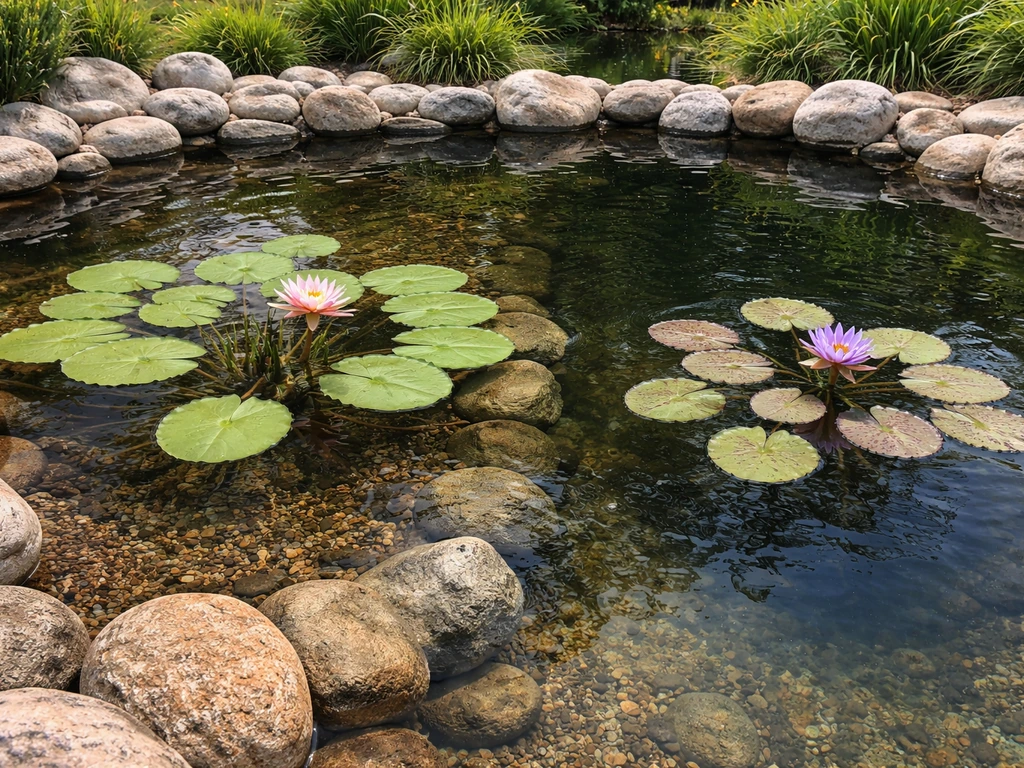
Hardy and tropical water lilies aren't just different in frost tolerance. They grow to different sizes, prefer different water depths, and even orient their rhizomes differently in the pot. Knowing which type you have changes every number in your setup.
| Type | Surface Spread | Recommended Water Depth | Crown/Rhizome Orientation | Best Climate |
|---|---|---|---|---|
| Dwarf/miniature hardy | ~30–60 cm (1–2 ft) | 30–45 cm (12–18 in) | Horizontal rhizome, crown at soil level | All temperate climates |
| Medium hardy | 60–120 cm (2–4 ft) | 45–75 cm (18–30 in) | Horizontal rhizome, crown at soil level | Most temperate climates |
| Large hardy | Up to 1.5–2 m (5–6 ft) | 60–90 cm (24–36 in), up to 5 ft mature | Horizontal rhizome, crown at soil level | Temperate, frost-hardy |
| Tropical (day or night blooming) | 60–150 cm (2–5 ft) | 45–60 cm (18–24 in) above pot | Vertical rhizome, crown just above soil | Warm climates; treat as annual in frost zones |
Hardy water lilies are the workhorses for most home ponds. Their rhizomes grow horizontally and can handle frost as long as the rootstock doesn't freeze solid. Large and medium hardy cultivars can start in 12–18 inches of water and gradually move to 18–36 inches as they establish. Mature large varieties can even tolerate up to 5 feet of water depth once they're settled in and well-fed. The key rule for hardy lilies: never cover the crown. The cut end of the rhizome gets buried; the growing end sits right at or just barely below soil level. Bury the crown too deep and the plant will sulk, or worse, rot.
Tropical water lilies are showier, often fragrant, and come in colors hardy types can't match (true blues and purples, for instance). But they need warm water, typically above 21°C (70°F), and they won't survive frost. Hardy water lilies typically go dormant in winter, which is why you do not see new leaves until temperatures warm again won't survive frost. Unlike hardy lilies, tropical rhizomes sit vertically in the pot with the growing tip pointing straight up and just poking above the soil surface. The RHS makes it clear: most water lilies are hardy, but tropical varieties are available if your conditions suit them. If you're in a frost-prone area, either treat them as annuals or bring them indoors for winter.
What actually controls how big a water lily grows
Four factors determine the real-world size of your water lily: the variety itself, how deep you place the pot, the size of the container, and your pond's water depth. They're all connected, and tweaking one affects the others.
Variety
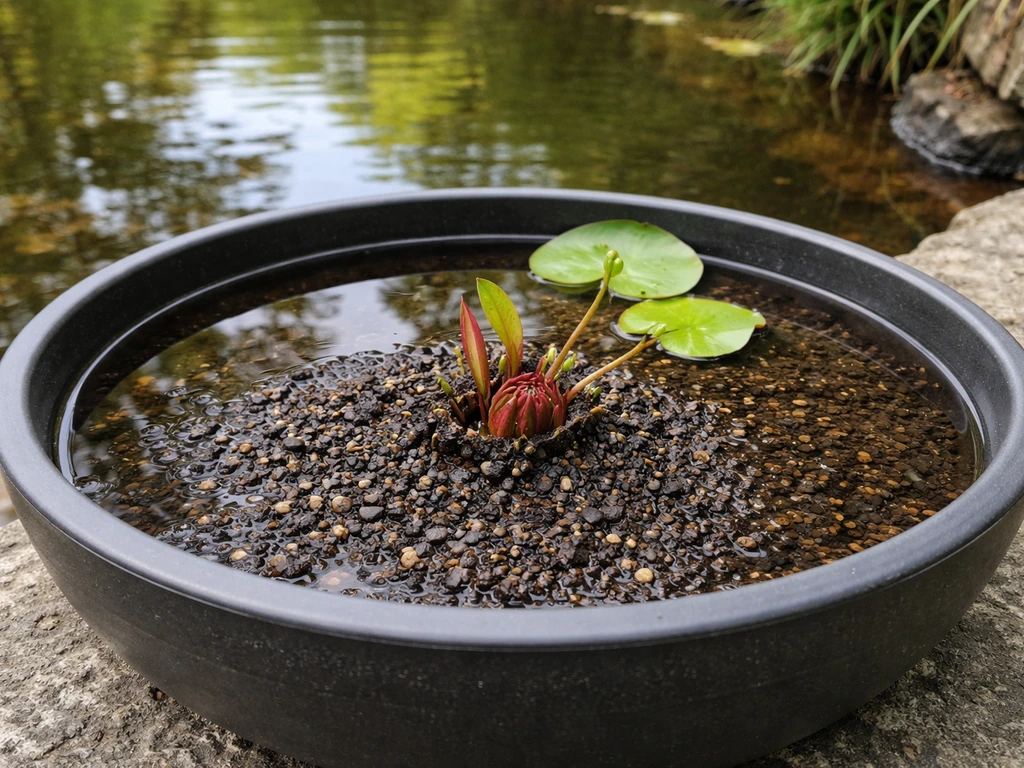
Variety is the ceiling. A dwarf lily won't grow into a large one no matter how much room you give it. Always check what size class your cultivar falls into before you buy. Nursery labels often list spread and preferred depth, and that information is worth taking seriously. I've made the mistake of putting a medium-sized cultivar in a small tub and wondering why it looked stunted after two seasons.
Container size
The pot is probably the most underestimated factor. Hardy water lilies grow horizontally, so they need wide, shallow containers, specifically 30–45 cm (12–18 in) wide by 15–25 cm (6–10 in) deep. Tropical lilies do fine in a 3–5 gallon pot at least 30 cm (12 in) in diameter. Florida Aquascaping also recommends tropical lilies in 3, 5 gallon pots that are at least 12 in in diameter and lowering the lily so the water is about 6 inches deep over it for early planting 3–5 gallon pot at least 30 cm (12 in) in diameter. The rhizome should be covered with no more than about 2–3 cm (1 inch) of planting media. Pile on more soil than that and the new leaves have a hard time pushing through. Too small a pot and the plant becomes congested, which can actually push leaves above the surface even when your water depth seems right.
Water depth above the crown
At planting, the crown should sit under 15–25 cm (6–10 in) of water. As the plant grows and the leaf stalks lengthen, you lower the pot to give the plant more depth. For tropical lilies, early-season guidance suggests keeping about 15 cm (6 in) of water over the pot until the plant is growing strongly. The general range for established plants is 15–45 cm (6–18 in) of water above the crown, with larger varieties wanting the deeper end of that range once mature.
Rhizome placement in the pot
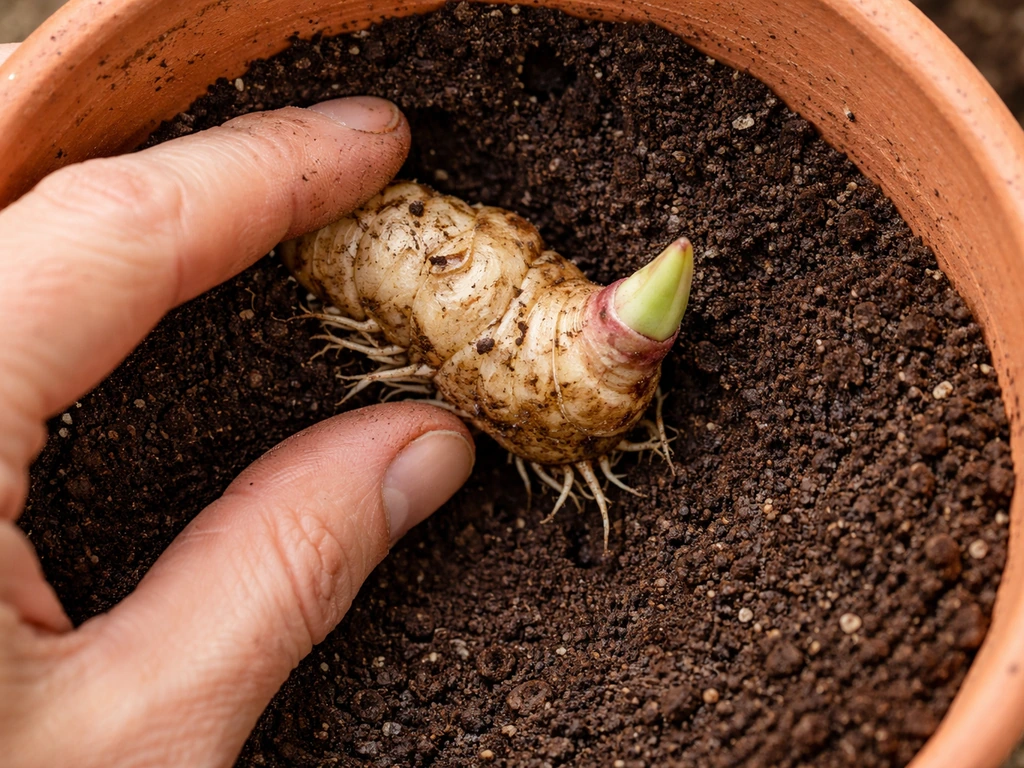
For hardy lilies, position the rhizome against the inner edge of the pot with the growing tip pointing toward the center. This gives the rhizome room to grow across the full diameter of the container before it runs out of space. For tropical lilies, the rhizome goes straight down, centered in the pot, with the crown tip just at or slightly above the soil surface.
How to plant for the right depth: step by step
Whether you're setting up a pond or a patio container, the planting process is similar. The main difference is whether you're managing water depth with bricks and platforms (pond) or simply filling a container to the right level (tub garden).
For a pond
- Choose a wide, shallow pot: 30–45 cm (12–18 in) wide and 15–25 cm (6–10 in) deep for hardy lilies; a 3–5 gallon pot at least 30 cm (12 in) diameter for tropicals.
- Fill the pot two-thirds with aquatic compost or heavy loam. Avoid regular potting mix; it floats.
- For hardy lilies: lay the rhizome at a slight angle against the pot's edge, growing tip pointing to the center, crown just at soil level. For tropical lilies: center the rhizome vertically with the crown just above soil.
- Cover the rhizome/roots with about 2–3 cm (1 inch) of planting media or fine gravel. Do not bury the crown.
- Top-dress with a thin layer of pea gravel to stop the soil from clouding the water.
- If your pond is deeper than 60 cm (2 ft), stack bricks or use a pond planting shelf to raise the pot so the crown sits just 15–25 cm (6–10 in) below the water surface to start.
- As the leaf stalks extend and reach the surface, remove bricks one at a time to gradually lower the pot over several weeks until it reaches its final depth.
For a patio container or tub
- Use a container at least 30 cm (1 ft) deep; dwarf varieties can manage in this depth. Larger varieties need 45–60 cm (18–24 in) of water depth.
- Plant the lily in its pot following the same steps above, then lower the pot into the tub.
- Fill the tub so that 15–25 cm (6–10 in) of water sits above the crown at planting.
- As the plant grows and leaf stalks reach the surface, raise your water level if the tub allows, or accept that container-grown plants will stay on the smaller end of their size range.
What to do if the depth is wrong after planting
Leaves rising above the water surface rather than floating flat is the most common signal that something is off. There are two main causes: the water is too shallow for the plant's current stage of growth, or the container is too small and the plant has become congested. The RHS notes this as a clear diagnostic symptom, and I've seen it happen both ways in my own pond.
If the water is too shallow, lower the pot further into the pond. Use the brick method: remove one brick at a time over two to three weeks rather than dropping the pot straight to the bottom of a deep pond. Sudden depth changes stress the plant. If the pond just isn't deep enough and you can't lower the pot further, it may be time to choose a smaller cultivar that fits the space.
If the pot is too small and congested, repot into a wider container. Hardy lily rhizomes that have grown across the full diameter of their pot need more horizontal room to keep performing. Repotting in early spring before new growth kicks off is easiest. Trim old, spent roots and replant with the crown in the correct position. While you're at it, remove any yellowing leaves or spent flowers so they don't sink and decay in the water, which can affect water quality.
If leaves seem to struggle to reach the surface at all, the pot may be too deep. Raise it on bricks until leaf stalks comfortably float at the surface, then lower it gradually over the season. Young plants and newly planted lilies almost always benefit from starting shallower, in 30–45 cm (12–18 in) of water, before being moved to their final depth.
Picking the right variety for your pond and climate
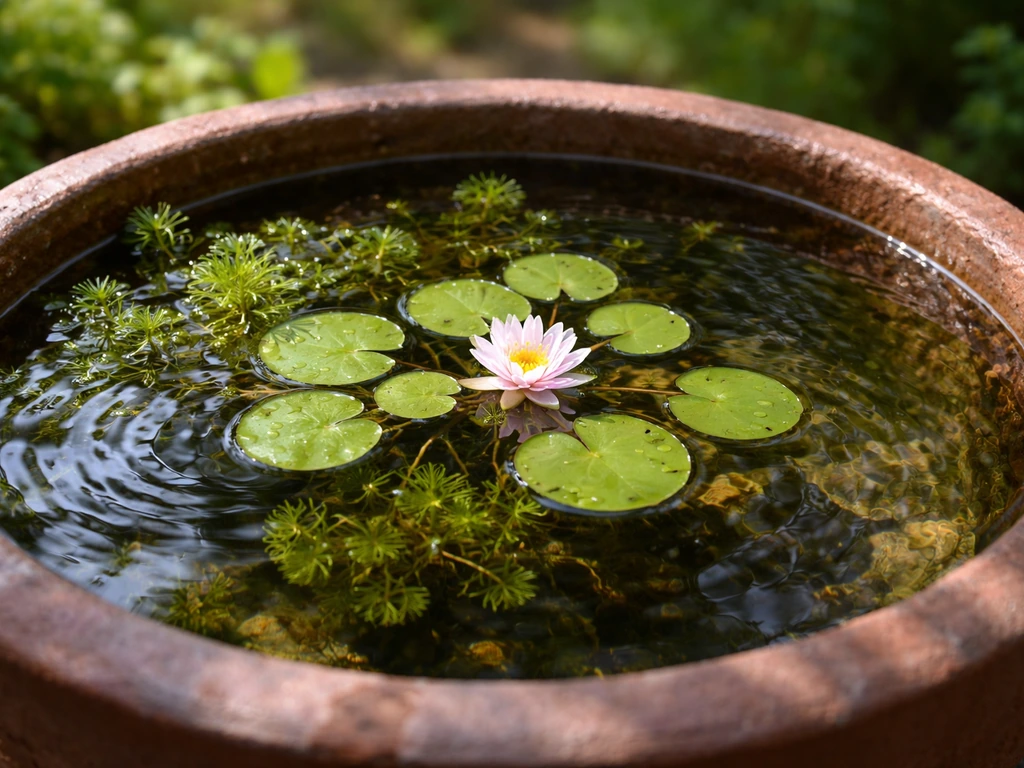
The best water lily for your setup is the one that fits your pond's depth and surface area without being shoehorned in. A large cultivar in a small barrel will spend its life fighting itself. A dwarf variety in a sprawling garden pond will look lost. Match the size class to the space first, then think about climate.
- Small ponds or patio tubs (surface area under 1 m²): go with dwarf or miniature hardy cultivars. They're happy in 30–45 cm (12–18 in) of water and spread no more than 60 cm (2 ft). 'Pygmaea Helvola' and similar miniatures are built for this.
- Medium garden ponds (1–4 m² surface): medium hardy cultivars are ideal. They spread 60–120 cm (2–4 ft) and want 45–75 cm (18–30 in) of water depth.
- Larger ponds (4 m²+): large hardy cultivars can fill the space properly and eventually handle depths of 60–90 cm (24–36 in), with mature plants comfortable at up to 5 feet.
- Warm climates (no frost, or mild winters): tropical varieties open up a wider color range. Day-blooming tropicals need full sun (at least 6 hours); night-blooming types tolerate slightly less.
- Frost-prone climates: stick with hardy varieties unless you're prepared to overwinter tropicals indoors in a bucket of moist soil or warm water.
Climate matters most for tropical lilies. They need water temperatures consistently above 21°C (70°F) to thrive. In the UK or northern US, that often means late May at earliest before you can safely put one out, and you'll want to bring it in well before the first frost. Hardy lilies are much more forgiving: as long as their rootstock doesn't freeze solid (keeping them in a pond deep enough that the bottom doesn't ice over, or moving pots to a frost-free shed), they'll come back year after year. If you're in the UK and wondering about seasonal timing, that start-of-season question is worth looking into specifically for your region. In the UK, water lilies typically start to grow when the water warms up in late spring, so timing your planting around that window helps them establish quickly seasonal timing.
One honest note from experience: don't buy the biggest, most impressive-looking cultivar just because it looks great at the garden center. I did that with a large hardy variety and dropped it straight into a medium-sized pond. It took over within two seasons and crowded out everything else. Buy for your pond's current size and depth, not for what you hope to build someday.
FAQ
How do I estimate how wide a water lily will be in my pond if I only know the container size?
Use the variety’s labeled spread as the ceiling, then assume the actual surface coverage will be smaller in the first season and increase as it fills the pot. If the leaves start crowding or rising above the surface, that’s a sign your container diameter is the limiting factor, not your pond area.
If my pond is deep enough, can a water lily still fail to grow properly?
Yes. Depth alone is not enough if the crown placement and pot size are wrong. Even with adequate pond depth, a crown that’s buried too far can rot or go dormant, and a congested pot can force leaves to pop above the surface.
What happens if I place a hardy water lily with the crown covered, even slightly?
Covering the crown too deeply usually causes slow growth or leaf issues. The cut end of the rhizome can be buried, but the growing point should sit at or just below soil level, otherwise the plant may sulk even if water depth sounds correct.
Can I grow a tropical water lily outdoors year round in a mild climate?
Only if water temperatures stay consistently warm, not just air temperature. Tropical lilies typically need water above about 21°C (70°F), so in borderline areas you may need to use a heated container setup or move the plant indoors before overnight cold snaps.
Should I use the pond’s water depth measurement or the depth over the pot when planning how big water lilies will get?
Plan using the depth over the pot, because that determines how much water sits above the crown and rhizome. A pond can be very deep overall, but if the pot is positioned poorly, the effective depth at the plant can be too shallow or too deep.
How can I tell whether leaves rising above the water are caused by shallow depth or a pot that’s too small?
Leaves popping up above the water is most commonly either water that is too shallow for the plant’s growth stage or congestion from an undersized container. If the pot is small or the plant looks tight and root-filled, repotting wider is the fastest fix. If the container is fine, gradually lower the pot to increase depth.
What container size should I choose if I’m unsure whether my lily is medium or large?
When in doubt, size up on diameter within the variety’s needs. A too-small pot often leads to congestion, which can force leaves above the surface even when pond depth is correct. If the nursery label lists a larger spread class than your container can support, repot early rather than waiting for failure.
How much should I adjust the pot depth over time as a hardy water lily grows?
Start with the crown positioned under roughly 15–25 cm (6–10 in) of water at planting, then lower the pot gradually as leaf stalks lengthen so the crown stays at the right effective depth. Sudden changes stress the plant, so small adjustments over a couple of weeks are safer than moving it straight to the final deep position.
If my leaves struggle to float, how do I know whether the pot is too deep versus the lily being young?
Young and newly planted lilies often benefit from starting shallower and gradually increasing depth once they establish. If the leaf stalks are clearly reaching but still cannot float, raise the pot on bricks until leaves sit comfortably on the surface, then readjust gradually rather than making one large correction.
Will trimming old leaves or spent flowers change how big the water lily grows?
It won’t increase size directly, but it can improve outcomes. Removing yellowing leaves and spent blooms reduces decay in the water, which helps water quality and lets the plant focus energy on healthy new growth, especially when the plant is already near its space limit.
Next Articles
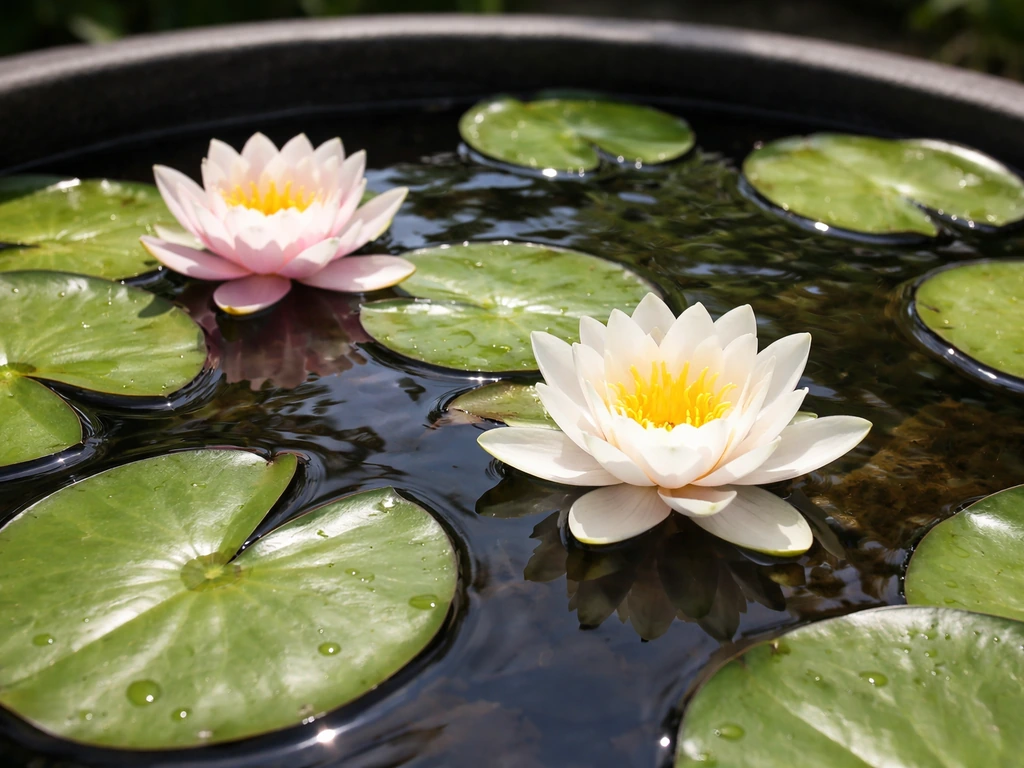
Are Water Lilies Hard to Grow? Beginner Setup Guide
Learn if water lilies are hard to grow and how to set up light, temperature, pot or pond, planting depth, and care.
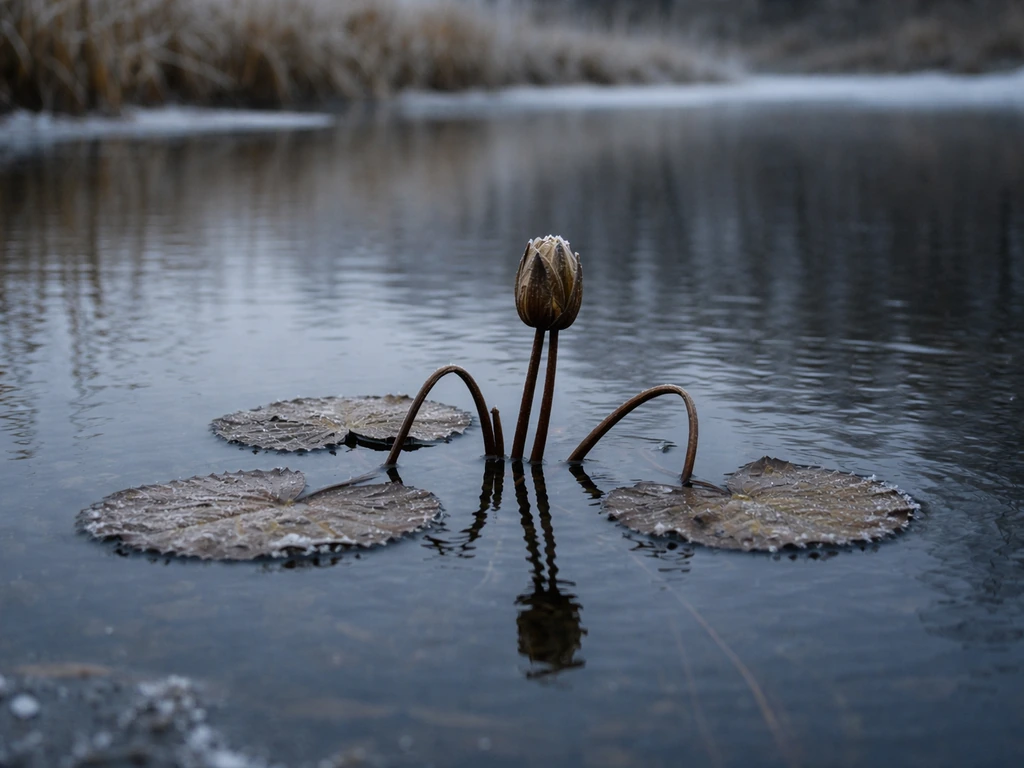
Why Do Water Lilies Not Grow New Leaves in Winter?
Learn why water lilies stop new leaves in winter and get a step-by-step checklist to fix light, temp, depth, and rot.
When Do Water Lilies Start to Grow in the UK
UK water lily growth starts early spring to early summer, triggered by water temperature, light, depth, and planting set