
Yes, most outdoor lilies come back year after year. True lilies like Asiatic, Oriental, and Tiger lilies grow from bulbs that go dormant underground each winter and push up new shoots every spring. Daylilies are even more reliably perennial. The catch is that "coming back" depends on your climate zone, your soil drainage, and how you care for the plant after it blooms. Get those things right and you can expect the same plant to return for many years, often multiplying into a bigger clump over time.
Do Outdoor Lilies Grow Back? How to Regrow After Bloom

Marcus Hendricks
28 May 2026
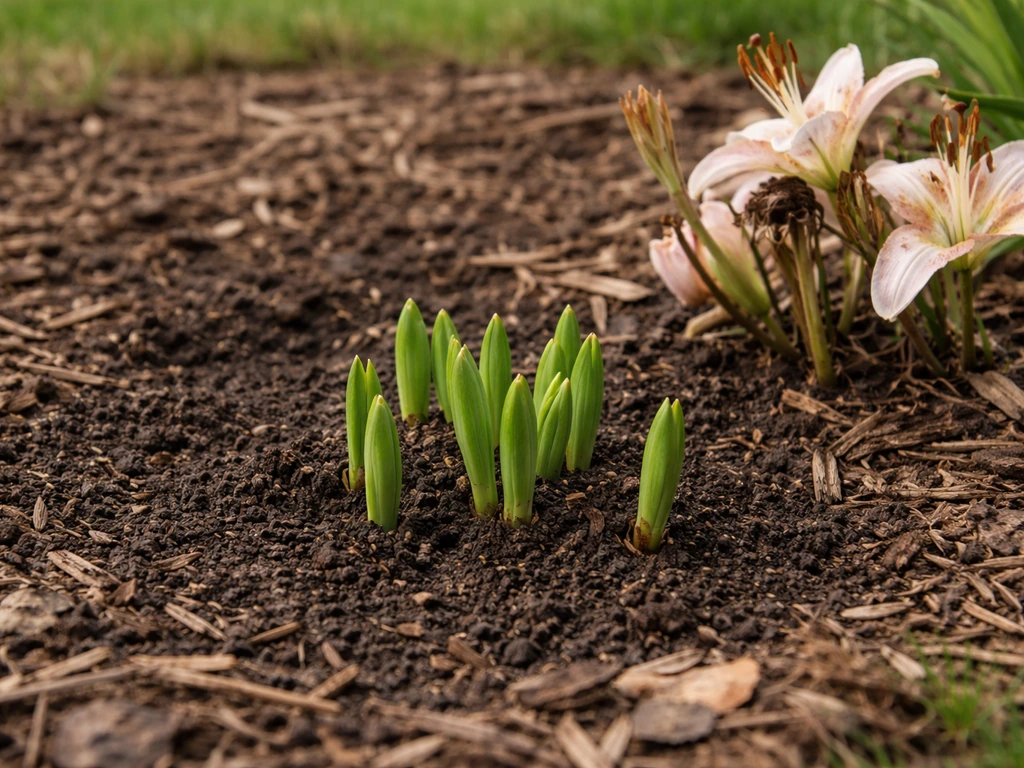
What "grow back" actually looks like
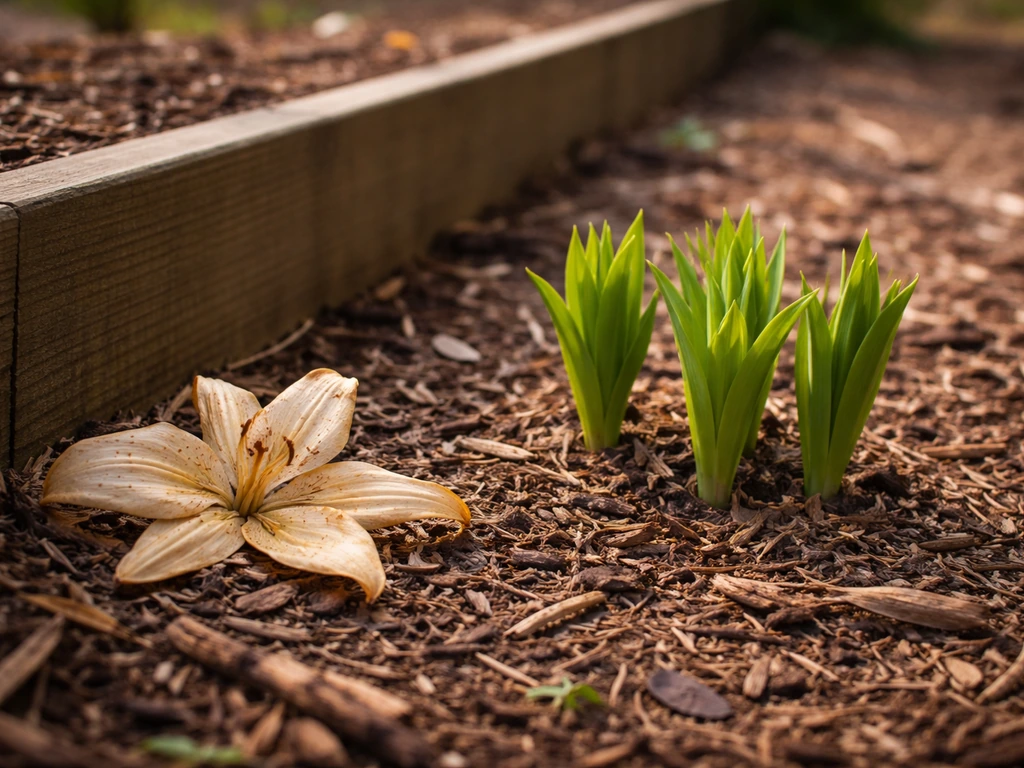
When gardeners ask whether outdoor lilies grow back, they usually mean one of two things: does the plant bloom again later in the same season, or does it come back next year? The honest answer to the first question is no. True lilies (Lilium species) are one-time bloomers each season. That single stem puts out its flowers, finishes, and then spends the rest of the summer quietly recharging the bulb underground. The plant is still very much alive during that post-bloom period, just invisible or brown above ground.
The "grow back" you actually want to look forward to happens the following spring. A healthy bulb that survived winter will send up a new shoot, usually a single sturdy stem, and that stem will flower again. Over several years, the original bulb also produces smaller offset bulbs called bulblets, so a plant you started with one stem can gradually become a cluster of several stems. That's a good sign. It means the bulb is established and thriving.
Which "lily" do you actually have?
This matters more than almost anything else in this conversation, because the word "lily" gets applied to several plants that behave very differently outdoors. Before you can predict whether yours will come back, you need to know what you're actually growing.
| Plant | True bulb? | Perennial range | Goes fully dormant? |
|---|---|---|---|
| Asiatic lily (Lilium) | Yes | Zones 3–9 | Yes, fully |
| Oriental lily (Lilium) | Yes | Zones 4–9 | Yes, fully |
| Tiger lily (Lilium lancifolium) | Yes | Zones 3–9 | Yes, fully |
| Daylily (Hemerocallis) | No (tuberous roots) | Zones 3–10 | Partial to full |
| Calla lily (Zantedeschia) | No (rhizome) | Zones 8–10 outdoors | Yes, in warm zones |
| Peace lily (Spathiphyllum) | No | Tropical; not cold-hardy | No |
| Canna lily (Canna) | No (rhizome) | Zones 7–10 outdoors | Yes, in warm zones |
True lilies (the Lilium genus: Asiatic, Oriental, Tiger, Madonna, and others) grow from actual bulbs and are genuinely cold-hardy perennials across most of North America. Daylilies are a different plant entirely with tuberous roots rather than bulbs. They're arguably even tougher and more reliably perennial than true lilies, and they come back in huge clumps that eventually need dividing. Calla lilies and canna lilies grow from rhizomes and are only winter-hardy in warmer climates (roughly Zone 8 and south).
Calla lilies and canna lilies are different because they grow from rhizomes and are not reliably cold-hardy in colder zones. In colder zones, gardeners either dig them up each fall or treat them as annuals. Peace lilies are tropical houseplants that don't survive outdoor winters in most of North America at all.
The rest of this article focuses on true outdoor lilies (Lilium species) and daylilies, since those are what most people are growing in a garden bed and wondering about when they search this question. If you want to can you grow peruvian lily in pots, start by choosing a well-draining potting mix and plan for winter protection based on your climate.
What to do after the blooms are gone
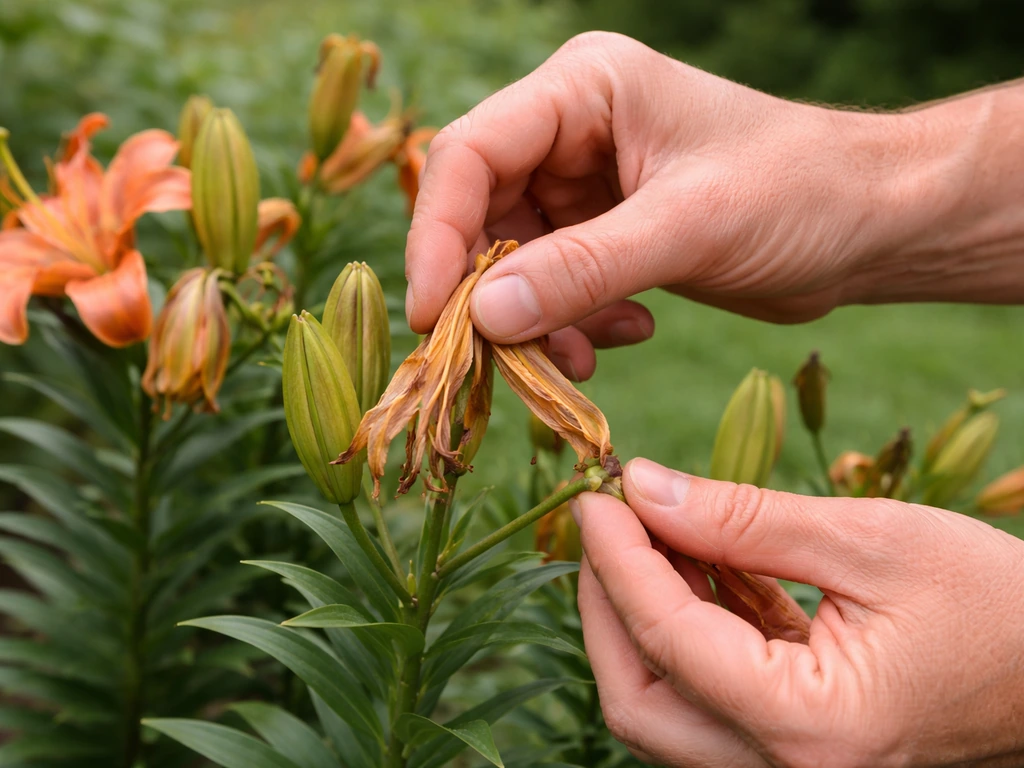
The weeks right after flowering are the most important time to set your lily up for a strong return next year. The bulb is actively pulling energy from the leaves and stem back into storage, building reserves for next season's growth. If you cut everything down too early, you rob it of that process. If you cut lilies that are still actively growing, they typically do not produce roots in a way that helps them live and regrow.
Deadheading the spent flowers
Snap or cut off the spent flower heads as soon as the blooms fade, but leave the stem and all the leaves in place. The goal of deadheading is to stop the plant from putting energy into forming seeds. Seed production is hard work for a bulb, and you want that energy going underground instead. Cut just below the seed pod, leaving the rest of the stem intact.
When to actually cut the stem back
Wait until the entire stem and foliage have turned yellow and died back naturally. For most Asiatic lilies this happens by late summer. Oriental and Tiger lilies often hold their foliage later into fall. Once the stem is fully yellow and pulls away easily from the ground with very little resistance, you can cut it down to just above soil level. If it's still green or even pale green, leave it alone. I've made the mistake of tidying up too early because the stem looked messy, and those plants came back noticeably weaker the following spring.
How bulbs survive winter outdoors
A lily bulb sitting in the ground during winter is dormant but not indestructible. Two things kill bulbs most often in cold climates: prolonged hard freezes that penetrate deeper than the bulb's planting depth, and wet soil that causes rot. Understanding your hardiness zone is the starting point.
Zone basics for outdoor lilies
Asiatic and Tiger lilies are among the toughest, surviving reliably down to Zone 3 (average minimum temperatures around -40°F / -40°C). Oriental lilies are slightly less cold-hardy, generally reliable to Zone 4. If you're in Zones 3 through 7, your true lilies should overwinter in the ground just fine with minimal fuss. In Zones 8 and 9, the bigger concern flips: it may not get cold enough for long enough to fully satisfy the bulb's dormancy requirement, which can reduce blooming over time.
The freeze-thaw problem
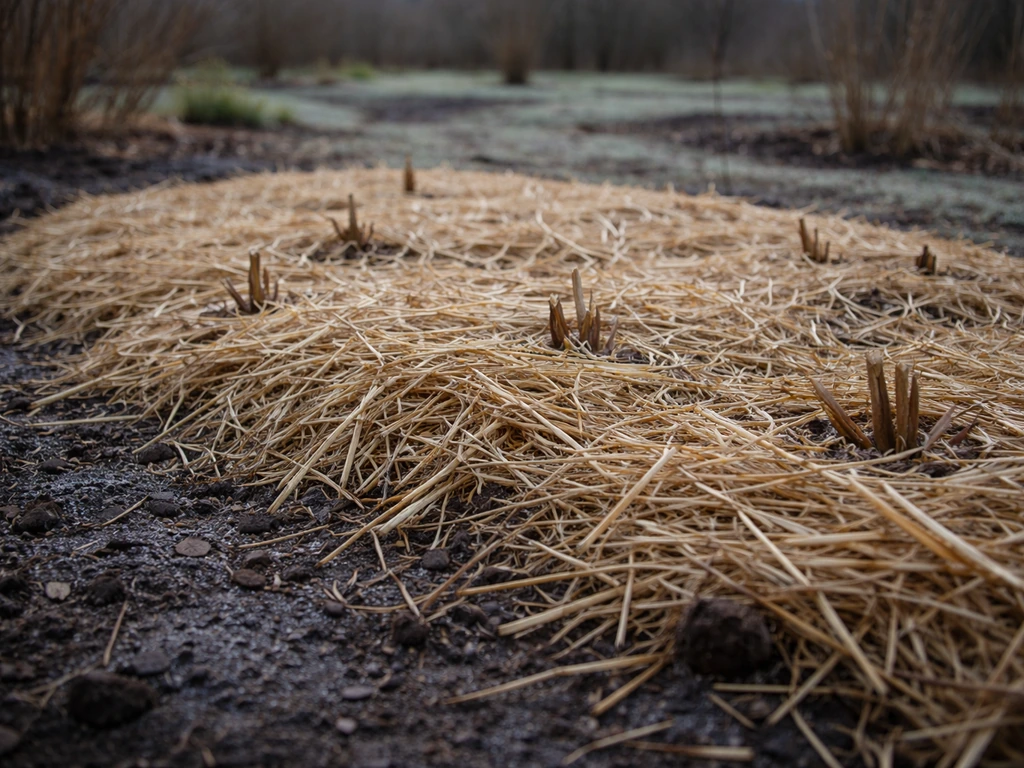
Repeated freeze-thaw cycles in late winter and early spring are more damaging to lily bulbs than a sustained cold period. When the ground freezes hard, thaws for a week, then freezes again, it can heave bulbs upward and expose them to temperatures they can't handle, or crack and damage them. A few inches of mulch is your best defense against this. Mulch doesn't keep bulbs warm so much as it keeps the soil temperature stable and prevents those destructive swings.
How to mulch for winter
After the stems die back in fall, spread 3 to 4 inches of straw, shredded leaves, or wood chips over the bed. Apply it after the ground has started to cool but before it freezes solid, usually after a few hard frosts. In spring, pull the mulch back gradually as temperatures warm so it doesn't trap shoots that are trying to emerge.
One important note: lilies can push through mulch surprisingly well, but a very thick or matted layer can create a physical barrier. If you're also growing lilies in pots and wondering about the same question, the overwintering rules are different and generally more demanding since container soil freezes much faster. If you’re growing true lilies in pots, you’ll need to handle overwintering differently than outdoor bulbs in the ground.
Soil and drainage: the make-or-break factor
If there's one thing that kills more lily bulbs than cold, it's sitting in waterlogged soil. Lily bulbs are prone to rot in poorly draining ground, and rot is just as fatal in summer as in winter. The North American Lily Society emphasizes good drainage as a non-negotiable requirement, and SDSU Extension specifically recommends raised beds if you're working with heavy clay soil.
SDSU Extension also recommends planting lilies in a raised bed when soil is heavy to improve drainage raised beds if you're working with heavy clay soil. I'd give the same advice: if water sits on your bed for more than a few hours after heavy rain, either amend heavily with coarse sand and organic matter or build up the bed a few inches.
Planting depth also matters for winter survival. The general rule is to plant bulbs two to three times as deep as the bulb is tall, measured from the bottom of the bulb. In practice, that puts most medium-sized lily bulbs about 4 to 6 inches deep, with around 4 to 6 inches of settled soil above them.
Madonna lily (Lilium candidum) is an exception: it prefers a shallower planting with only about 3 to 4 inches of soil over the top. Deeper planting gives more insulation against freezing and also gives the stem more room to develop roots as it grows upward. The North American Lily Society notes that lilies require [appropriate planting depth](https://www. lilies.
org/culture/planting-lilies/) and good drainage, and it provides example depths such as about 3 to 4 inches of settled soil over Madonna lily tops and about 4 to 6 inches for many other lilies.
When it comes to watering, lilies need consistent moisture during the growing season but much less once they go dormant. After the foliage dies back in fall, back off watering significantly. Wet soil around a dormant bulb, especially in cold weather, is a fast path to rot. If your winters are wet and rainy, this is another reason raised beds or excellent drainage is so important.
Checking for life in spring
Every spring I get a little anxious about whether the lilies made it through winter, especially after a particularly harsh one. The key is patience, because lilies emerge later than you'd expect. Tulips and daffodils are usually already up and blooming before lily shoots appear. Don't panic if it's mid-April and you see nothing.
Signs of a dormant but healthy bulb

If shoots haven't appeared by late spring and you're genuinely worried, you can carefully dig down with a trowel or your fingers near where the bulb should be. A healthy dormant bulb is firm, fleshy, and pale to cream-colored. It may already have small shoot tips emerging from the top. If it feels solid when you press it gently, it's alive and just hasn't pushed through the surface yet. Replant it carefully, water it in, and give it another few weeks.
Signs of a dead bulb
A dead bulb is soft, mushy, or hollow. It may have a foul smell, which is the smell of rot. It will likely fall apart or feel slimy when you handle it. There's no coming back from that. If some scales (the layers of the bulb) look firm while others are soft, the bulb may have partially survived. You can carefully remove the damaged scales and replant the healthy portion, though success is hit or miss. If the entire bulb is gone or completely rotted, you'll need to replace it with a new one.
When outdoor lilies won't come back
There are situations where expecting your lily to return naturally just isn't realistic, and being honest with yourself about this saves a lot of frustration.
- You're in Zone 7 or colder and growing calla lilies or canna lilies in the ground without lifting them: these rhizomes will likely freeze and die.
- Your soil stays wet through winter and you haven't addressed drainage: bulb rot is almost inevitable in consistently soggy conditions.
- You cut the foliage back green and early multiple seasons in a row: the bulb gradually weakens and may eventually fail to return.
- You're in Zone 5 or colder and planted tender Oriental lily bulbs without mulching in a particularly brutal winter.
- The bulbs are very old and have never been divided: overcrowded bulbs compete with each other and can decline over time.
Lifting bulbs as an option
If you live in a climate where your lily variety isn't reliably winter-hardy (Zones 6 and colder for calla and canna types, for example), lifting the bulbs or rhizomes each fall is a practical solution. After the foliage dies back, dig up the bulbs carefully, brush off excess soil, let them dry for a few days in a well-ventilated spot, then store them in a cool, dry location in breathable bags or boxes filled with peat or dry vermiculite. Replant in spring after the last frost date. It's more work, but it's how many gardeners keep tender lily relatives thriving in cold climates year after year.
Treating some lilies as annuals
Some gardeners in cold climates just buy fresh calla lily or canna lily bulbs every spring and plant them for summer color without worrying about overwintering at all. If you're in Zone 5 or colder and the idea of digging, storing, and replanting feels like too much effort for the payoff, that's a completely legitimate approach. True lilies like Asiatics and Orientals, though, are genuinely worth overwintering in place since they're much more reliably perennial and get better with age.
A quick action plan based on where you are right now
Since it's late May, you're likely either watching lilies emerge and grow (good news: the bulb made it) or waiting nervously for shoots that haven't appeared yet. Here's what to do depending on your situation: If you’re growing lilies in pots, the same ideas about winter care and drainage still matter, just with more control over conditions.
- Shoots are already up: great. Water consistently but don't overdo it, keep the bed weeded, and plan to deadhead spent flowers once blooming finishes in summer.
- No shoots yet but it's only late May: give it until mid-June before digging to check. Some Oriental lilies are slow to emerge.
- You dug and found a firm bulb: replant it 4 to 6 inches deep in well-drained soil, water it in, and wait.
- You dug and found mush: the bulb rotted. Evaluate your drainage situation before planting a replacement, and consider amending the soil or building up the bed.
- You're planning ahead for next fall: mark your calendar to mulch the bed after the first few hard frosts, and commit to leaving the stems until they're fully yellow before cutting.
Outdoor lilies are genuinely rewarding perennials when they get the basics right: good drainage, the right planting depth, patient post-bloom care, and a little winter protection where needed. Most gardeners who lose lilies lose them to waterlogged soil or cutting back too early, both of which are completely fixable. Once you know which type of lily you're growing and what it needs, getting it to come back reliably year after year is very much within reach. If you want to grow lilies in containers, you may also be wondering can lilies grow in pots and how to set them up for good drainage and recurring blooms.
FAQ
Do outdoor lilies bloom again on the same stem after I deadhead the flowers?
No. True lilies use that stem for one flowering cycle per season. Deadheading stops seed formation, but it usually will not trigger a second round of flowers on the same stem. The next bloom comes from new growth the following spring.
Why did my lily come back but not flower this year?
The bulb may have survived but did not rebuild enough energy. The most common causes are cutting the plant down too early, removing leaves before they fully yellow, or poor sunlight. Also check drainage, because rot can reduce stored reserves even if the bulb is not completely dead.
How can I tell if my lily bulb is alive when I see no shoots yet?
Do a gentle check near the planting spot. A living bulb feels firm and fleshy, often pale to cream-colored, and may have tiny shoot tips. Avoid pulling it up immediately if it is still early spring, because lilies often emerge later than tulips and daffodils.
Should I fertilize lilies after they bloom to help them grow back?
Usually, yes, but only while the foliage is still active. Use a balanced fertilizer and avoid high-nitrogen feeding late in the fall. The goal is to support leaf function long enough for the bulb to recharge before dormancy.
What if my lily’s stem is green but the flowers are done, can I cut it back?
Wait. If the stem and foliage are still green or only partially yellow, cutting it can remove the material the bulb needs to store energy. Only cut when the stem fully yellows and comes away easily when you test it.
Can I move my lily bulb to a new spot and expect it to return?
Yes, but expect a slower recovery. True lilies can be transplanted carefully after foliage yellows, then replanted at the correct depth with good drainage. The first year after moving may produce weaker growth or no bloom, because the bulb needs time to reestablish roots.
Do lilies come back if the mulch is too thick or I forgot to pull it back in spring?
They can still push through light mulch, but very thick, matted, or uneven layers can delay shoots or physically block emergence. In spring, remove or loosen mulch gradually as temperatures rise to reduce shoot damage and allow even sprouting.
What drainage problem signs mean I should change the soil before bulbs rot?
If water sits on the bed for more than a few hours after heavy rain, you likely have drainage trouble. Raised beds, adding coarse materials, and amending with sand and organic matter can help. If you repeatedly see soggy ground in winter, you should fix drainage rather than rely only on winter mulch.
Will outdoor lilies grow back if I only water during the flowering season?
They need moisture during active growth, but you should cut back significantly once foliage dies back. Overwatering or keeping the soil wet around dormant bulbs is a major rot risk, especially in cold, wet climates.
Does planting depth affect whether lilies survive and grow back?
Yes. Too shallow increases freeze damage risk, while too deep can delay or weaken shoots. A practical rule is two to three times the bulb height from the bottom of the bulb, with Madonna lily needing a shallower depth than most others.
What is the quickest way to improve the chances my lily will return after a harsh winter?
Stabilize soil temperature and reduce rot risk. Use a few inches of mulch after a couple hard frosts (not too early), ensure the bed drains well, and avoid watering once dormancy starts. The freeze-thaw period is especially damaging, so consistent ground protection matters.
My plant was labeled “lily,” but it behaves like a different plant. Could that affect whether it grows back?
Definitely. Daylilies, calla lilies, and canna lilies often have different overwintering rules than true Lilium bulbs. If it was sold as “lily” but it is not a true bulb-forming Lilium, it may not survive your winters without lifting or special protection.
Next Articles
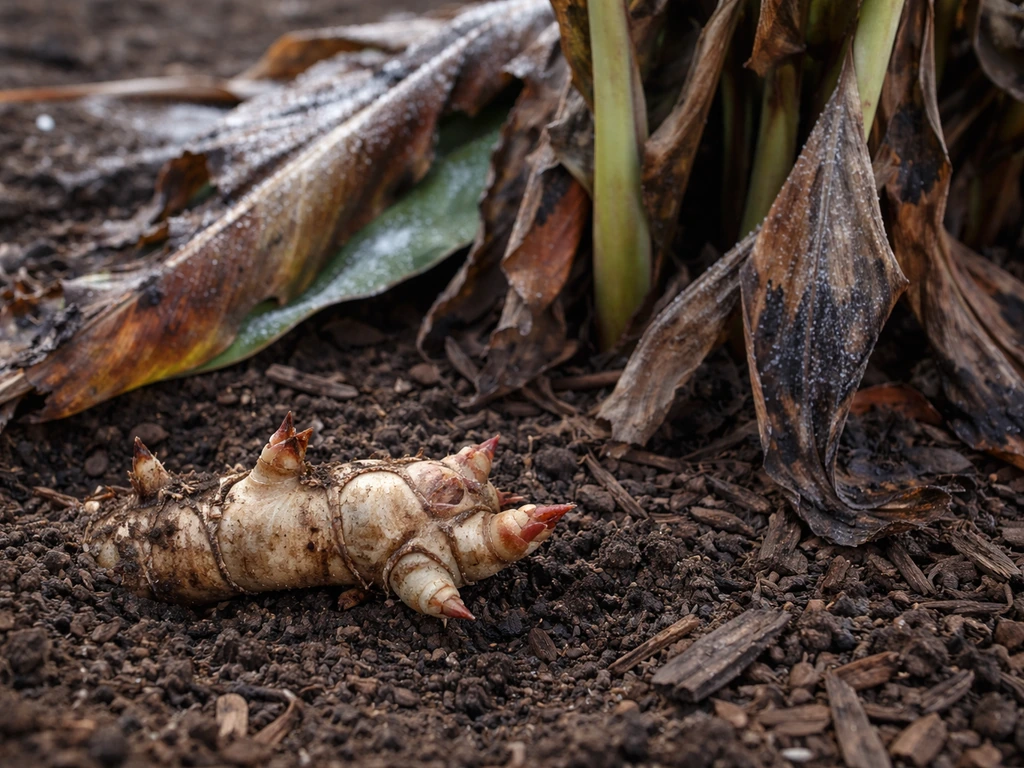
Will My Canna Lily Grow Back After Frost or Dormancy?
Learn if your canna lily will sprout again after frost and dormancy, how to check rhizomes, and best recovery steps.
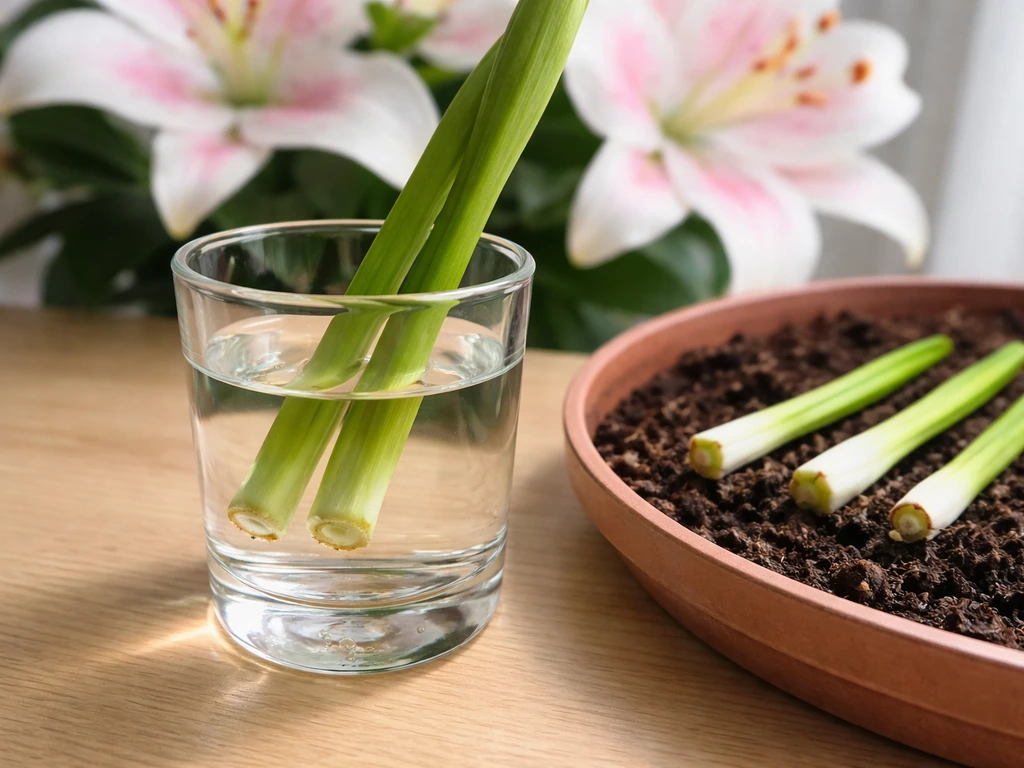
Can Cut Lilies Grow Roots? How to Try Water or Soil
Can cut lilies grow roots? Learn which types might root, plus water or soil steps, timing, and troubleshooting.
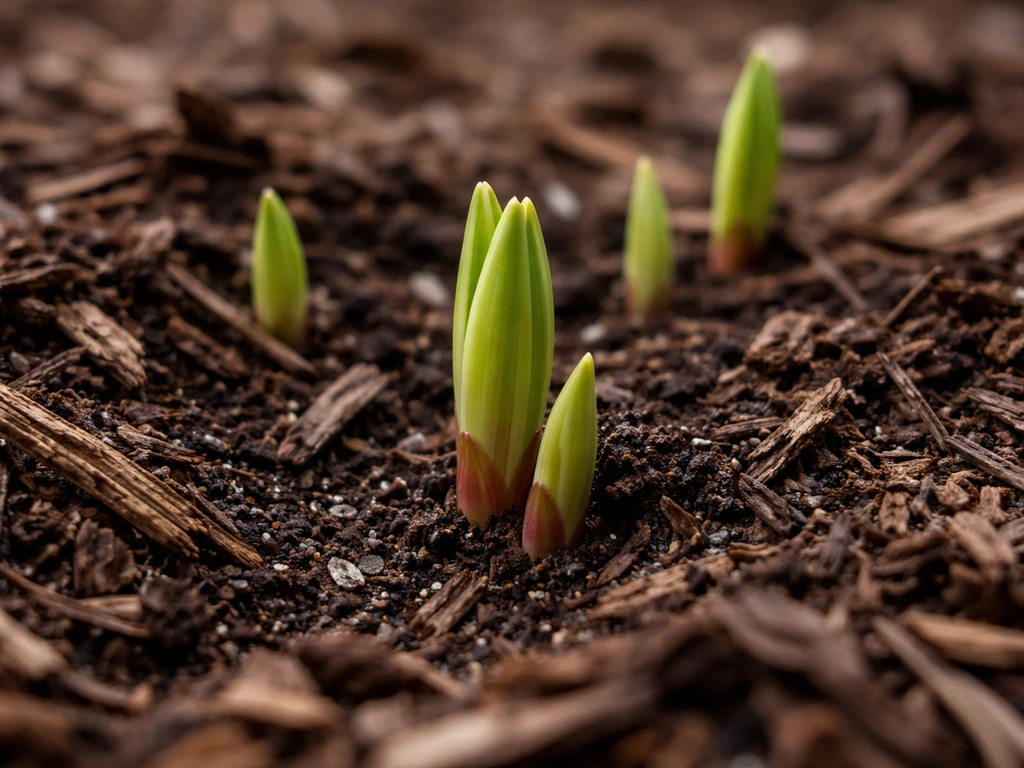
Can Lilies Grow Through Mulch? Depth and Fixes
When and how lilies can sprout through mulch, mulch depth fixes, and troubleshooting to get shoots emerging safely.