
Yes, you can absolutely grow Peruvian lily in pots, and it can actually thrive in containers when you get the basics right. The key requirements are a pot at least 10 to 12 inches wide and deep, a well-draining mix, full sun, and keeping the soil cool while the roots settle in. Get those four things working together and you will see blooms roughly 6 to 8 weeks after planting, with flowers continuing through the summer.
Can You Grow Peruvian Lily in Pots? Container Guide
Marcus Hendricks
19 May 2026
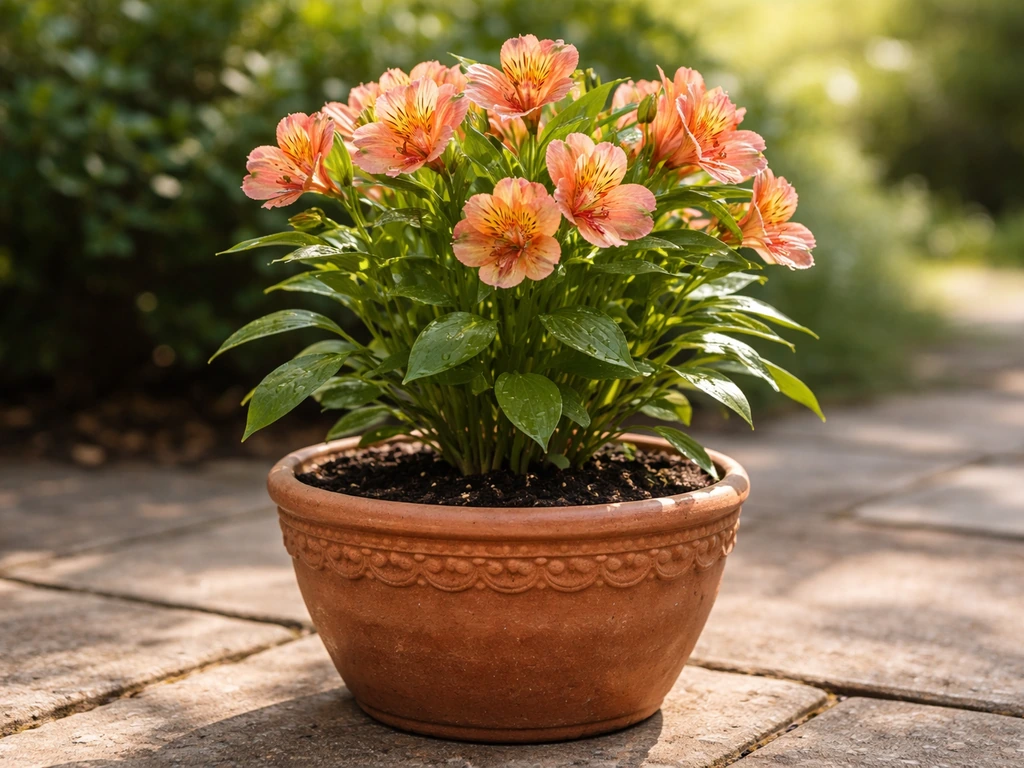
What Peruvian lily actually is (and why that matters for pot growing)
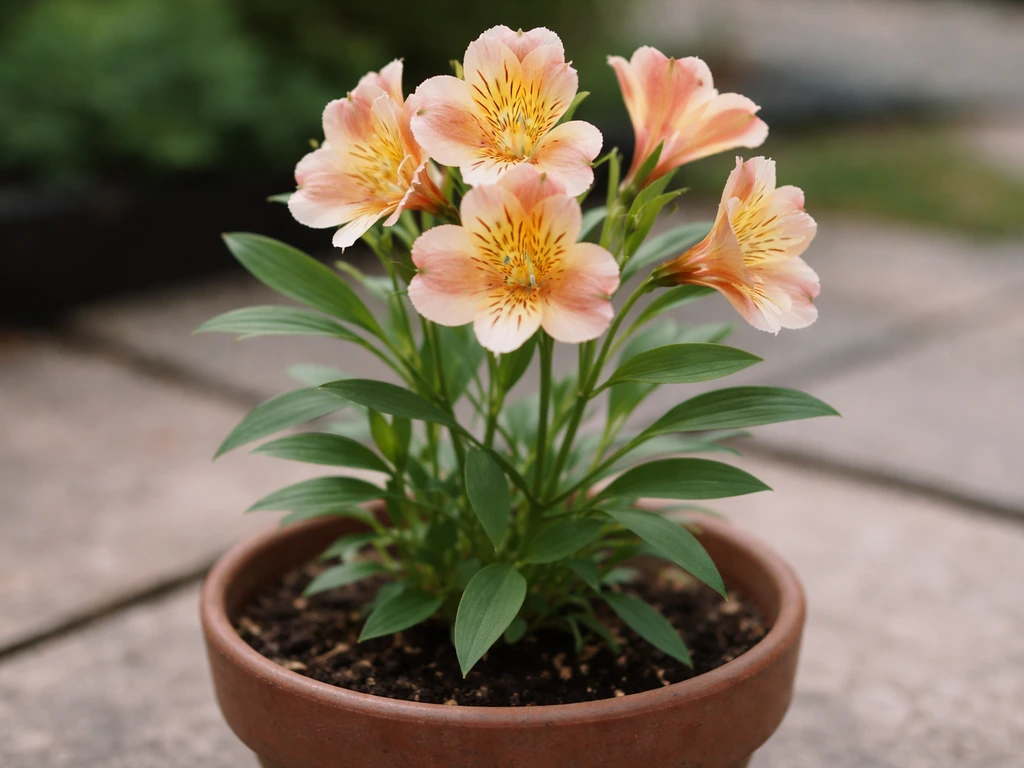
Peruvian lily is the common name for Alstroemeria, sometimes also called lily of the Incas. It is not a true lily at all, which matters because it grows from rhizomes rather than bulbs. A rhizome is a horizontal underground stem that also stores energy, and Alstroemeria develops a fibrous root system spreading out from that rhizome. Because the plant originates from the Andes mountains, it naturally blank" rel="noopener noreferrer">prefers high light levels combined with cool soil temperatures. That Andean background is the single most important thing to understand when growing it in a pot, because containers heat up fast in summer and that can shut down flowering if you are not paying attention.
It is also worth knowing that some Alstroemeria varieties have been specifically bred for container use. The Inticancha series, for example, was developed as a compact pot plant, and those shorter cultivars are genuinely easier to manage in containers than the taller cut-flower types. If you are just starting out, hunting down a compact variety will save you some frustration.
Will it actually work in a pot? Honest success factors
The realistic answer is yes, with some caveats. In-ground planting in USDA zones 7 through 10 is easier because the soil stays cooler naturally and the roots have more room to spread. In a pot, you are responsible for managing all the conditions the ground normally handles for you. That said, container growing has a real advantage: you can bring the plant indoors for winter, which extends where you can grow it beyond just the warmest zones.
The main things that determine success in a container are drainage (soggy roots will rot fast), pot size (too small and the rhizomes get cramped), and keeping soil temperatures from spiking in summer heat. If you can control those three things, Peruvian lily is a genuinely rewarding pot plant that will produce exotic-looking flowers for months.
Picking the right pot, soil, and drainage setup
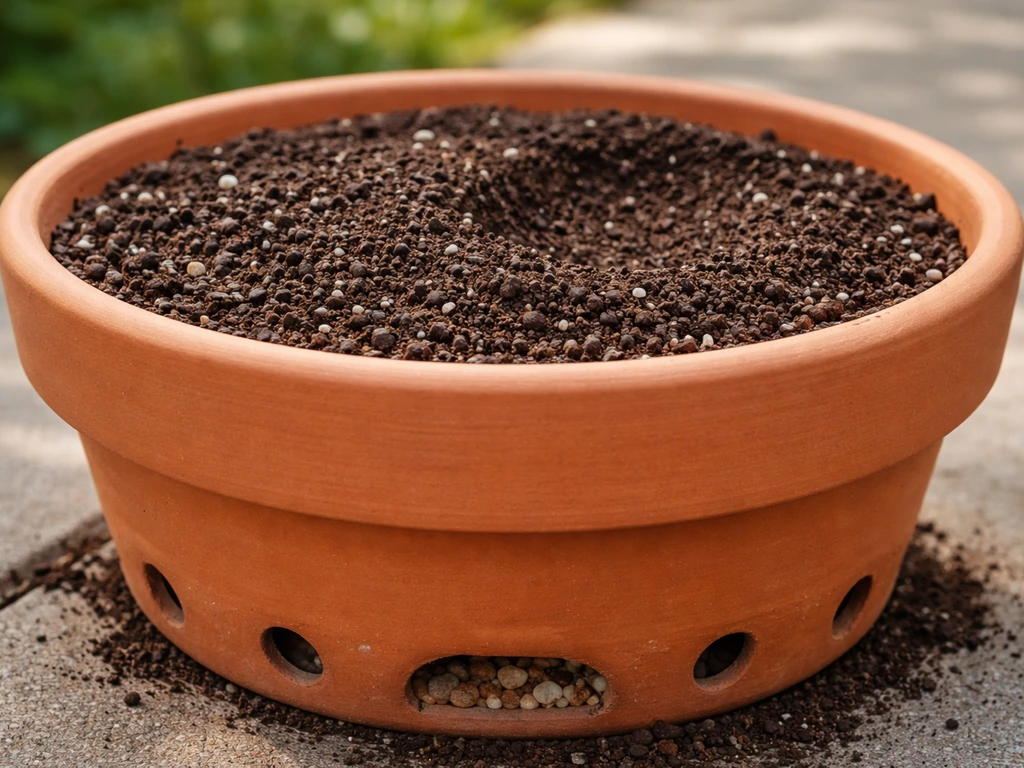
Pot size is not optional with Alstroemeria. The rhizomes spread out and the roots go deep, so you need a container that is at least 10 to 12 inches in both diameter and depth. A single rhizome liner can fill an 8- to 12-inch pot as it develops, so do not try to crowd multiple plants into a small pot thinking they will be fine. Going wider is better than going taller if you have to choose, but you really want both dimensions.
Drainage holes are non-negotiable. Alstroemeria rhizomes rot quickly in waterlogged conditions, and a pot without adequate drainage will kill the plant within weeks. Terra cotta pots work well because they breathe and let excess moisture escape through the walls, which also helps with that soil temperature concern. If you use plastic or glazed ceramic, just make sure the drainage holes are large and unobstructed.
For the potting mix, aim for something light and fast-draining. A commercial potting mix amended with perlite works well. If you want to get specific about it, greenhouse growers use a blend around 60 percent peat and 40 percent coco fiber, targeting a slightly acidic pH around 5.5. For a home gardener, that translates to: use a quality potting mix (not garden soil, which compacts), add a good handful of perlite per pot to open up the structure, and avoid anything described as moisture-retaining.
Light, temperature, and where to put your pot
Alstroemeria wants full sun. For serious flowering, aim for at least 6 hours of direct sunlight daily, and more is better. Production growers target a minimum of 13 hours of light per day for peak flowering, though for a home gardener, a south or west-facing spot that gets strong afternoon sun will get you close enough. The plant tolerates light shade but flowers noticeably less in it.
The tricky part with pots is that the sun that drives flowering also heats the container. Because Alstroemeria comes from cool Andean mountains, it flowers best when the air is warm and bright but the soil stays relatively cool. To manage this in summer, place the pot where the sides are shaded by other pots or low walls even while the top of the plant gets full sun. You can also think about weed-barrier mulches as a moisture and temperature tool, but you still need to ensure the container soil stays workable for Alstroemeria growth can lilies grow through mulch. You can also wrap dark pots with burlap or set them inside a larger decorative pot to buffer the heat. Moving pots to morning sun only (east-facing) during the hottest weeks can also help if flowering stalls in midsummer.
If you are growing indoors, the brightest window you have is the right spot, ideally with supplemental grow light to make up for what a window cannot provide. Indoors is really a winter situation for most gardeners; during the growing season, outdoor placement will produce far better results. If you move your indoor lily plants into dormancy over winter, they can grow back and resume flowering when you bring them back into warmer light Indoors is really a winter situation.
Watering, feeding, and keeping up with seasonal care
Watering
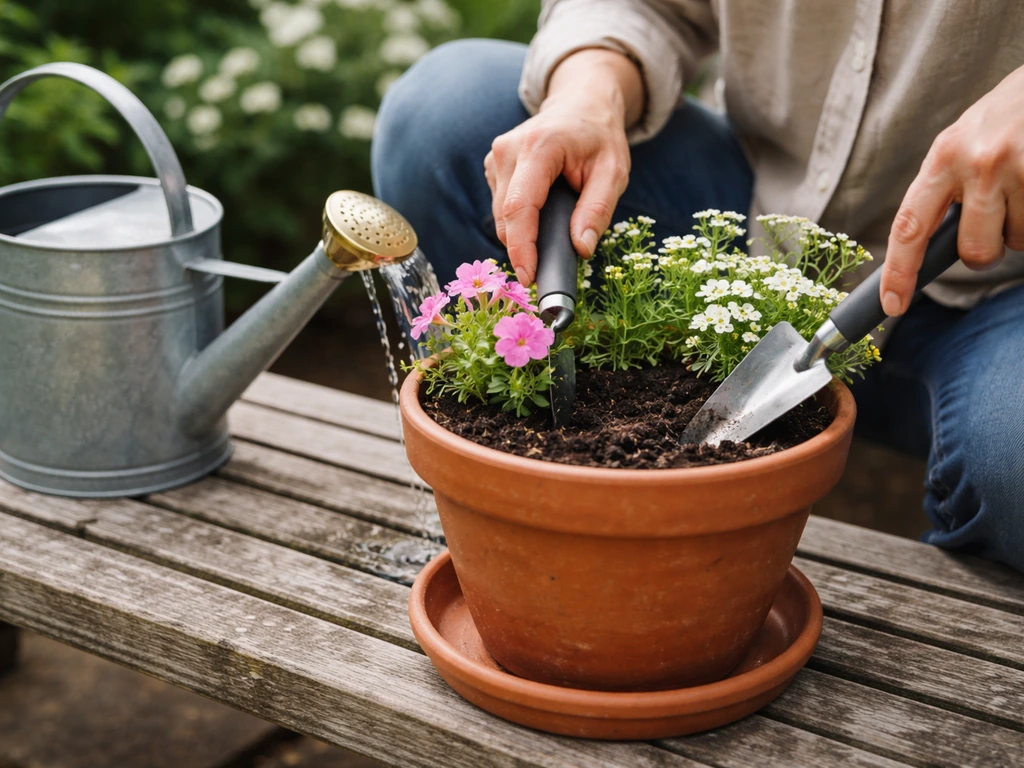
Water consistently but never let the pot sit wet. The soil should feel moist a couple of inches down when you check it, but not soggy. In warm weather during active growth, that probably means watering every 2 to 3 days, but always check the soil rather than following a rigid schedule. In cooler weather or when the plant is dormant, pull back significantly. The rhizomes are far more likely to rot from overwatering than to suffer from brief dry spells.
Fertilizing
Alstroemeria in a container is a hungry plant when it is actively growing and blooming. The practical home gardener approach recommended by UGA Extension is to feed every 2 to 3 weeks during the blooming period using a soluble bloom-type fertilizer at half strength. If you want to stay closer to what growers do, feeding weekly with a balanced soluble fertilizer is also reasonable and can support consistent flowering. Start feeding when shoots appear in spring and continue through summer. Back off when the plant starts to wind down in late summer or early fall.
Planting, timing, and what to expect for blooms
Plant the rhizome shallow: the top of the rhizome should sit about 1 inch below the soil surface. This is shallower than many gardeners expect, and planting too deep is a common mistake that slows establishment. After planting, expect shoots to develop over the first several weeks as the rhizome settles in. Flowering typically starts 6 to 8 weeks after planting and continues through summer.
Timing your planting matters. In most temperate regions, you want to plant in spring once overnight temperatures are reliably above 50°F. If you are working from a purchased rhizome liner, count about 10 to 12 weeks from planting to your target bloom window, so work backward from when you want flowers. For a compact pot variety in an 8-inch pot, expect around 16 weeks from planting to full bloom development. Larger pots with more root space can take up to 20 weeks to really hit their stride.
Once the plant is established, remove spent flower stems by pulling them from the base rather than cutting them. This encourages the plant to keep producing new stems rather than putting energy into seed development.
Common problems in pots and how to fix them
| Problem | Likely Cause | Fix |
|---|---|---|
| Yellowing or mushy stems | Overwatering or poor drainage | Let soil dry slightly, check drainage holes are clear, reduce watering frequency |
| No flowers despite healthy leaves | Insufficient light or too much heat at roots | Move to a sunnier spot, shade the pot sides in summer, feed with bloom fertilizer |
| Brown leaf tips | Low humidity indoors, or fertilizer salt buildup | Flush the pot with water every few weeks, mist if growing indoors in dry air |
| Pale, washed-out foliage | Nutrient deficiency | Start a regular feeding schedule with a balanced soluble fertilizer |
| Wilting despite moist soil | Root rot from overwatering | Unpot, trim rotted roots, let dry slightly, repot in fresh mix with better drainage |
| Spider mites or aphids | Dry indoor conditions or stressed plant | Spray with insecticidal soap, increase air circulation, check watering habits |
Overwatering is by far the most common killer of potted Alstroemeria, and it is usually mistaken for underwatering because the leaves wilt either way. If you are watering and the plant still looks sad, lift the pot. If it feels heavy and the soil is cold and dark, you are overwatering. If it feels light and the soil is dry 2 to 3 inches down, water more.
Overwintering your potted Peruvian lily
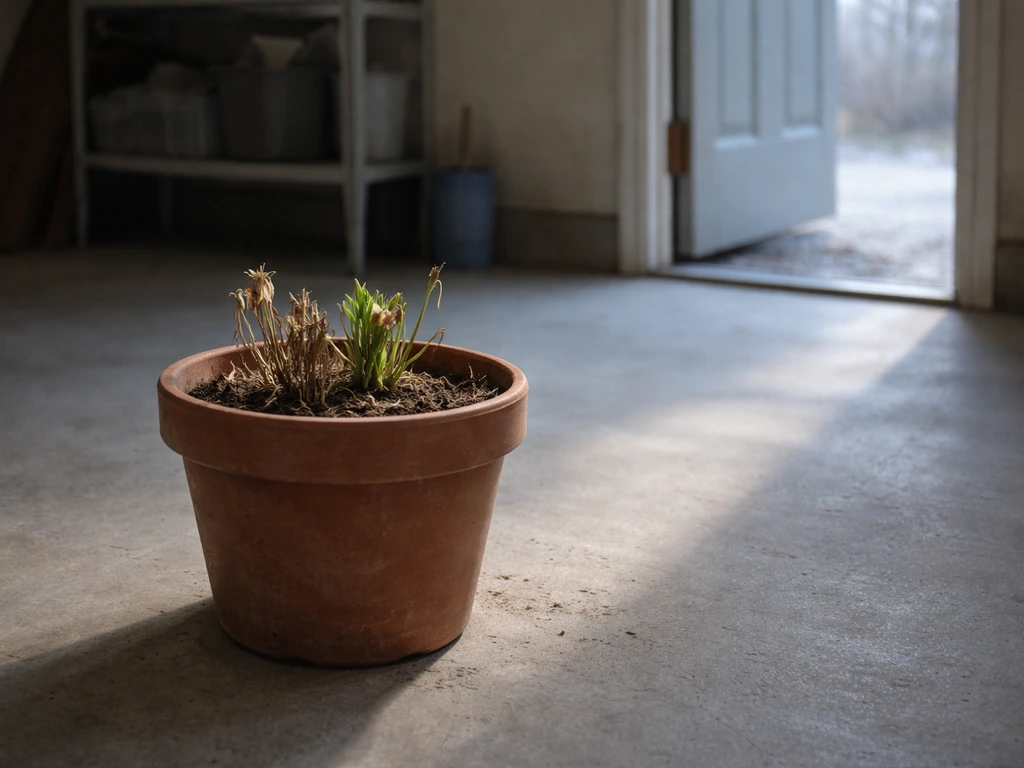
This is where container growing actually beats in-ground planting in colder climates. If you are outside zones 7 through 10, an in-ground Alstroemeria will not survive winter. But in a pot, you can simply bring it inside. The key temperature threshold to know is that the plant needs a minimum 24-hour average temperature of around 54°F to 57°F to keep performing. Below that, it goes into dormancy, which is fine as long as you manage it correctly. In pots, a Peruvian lily (Alstroemeria) can also rebound after winter dormancy when conditions warm up again will lilies grow back in pots.
Before the first frost, move the pot to a cool but frost-free location. A garage, basement, or unheated sunroom works well. You do not need to keep it in full light during dormancy, just above freezing. Water very sparingly during this period, just enough to keep the rhizomes from completely desiccating. Do not feed at all.
In spring, when temperatures climb back above 50°F consistently, move the pot back outside to its sunny spot, resume regular watering, and start feeding again once you see new growth pushing up. At this point, if the plant has clearly outgrown its pot (you will see roots circling the bottom or coming out the drainage holes), it is time to repot into the next size up. These are the same rhizomes that can later cut lilies can cut lilies grow roots from when you propagate and divide plants in spring roots circling the bottom. Refresh the potting mix at the same time rather than just dropping it into fresh soil around the old compacted mix. The RHS recommends refreshing potting compost for container-grown Alstroemeria regularly, and after a full growing season plus winter dormancy, the mix will have lost structure and nutrients anyway.
If you want to divide the rhizomes instead of repotting into a larger container, spring is also the right time. Gently separate the rhizomes by hand, making sure each division has some fibrous roots attached, and pot each one into its own container with fresh mix. This is a good way to increase your plants without spending money on new ones, and the divisions typically bloom within a few weeks of being settled in.
What to do right now based on your situation
Since it is mid-May, most gardeners in zones 6 through 9 are in a perfect planting window right now. If you have already got a rhizome or a potted plant from a nursery, get it into a 10 to 12 inch container with a well-draining mix today and put it in your sunniest spot. Water it in and start feeding in a couple of weeks once you see growth. If you are in zone 6 or colder, this plant is a great candidate for container growing precisely because you can bring it in for winter, so do not let the cold-hardiness zone stop you. If you have ever wondered, “can you grow lilies in a pot,” the answer is yes, especially when you choose the right container and manage cool soil and drainage.
If you are already growing Alstroemeria in a pot that is smaller than 10 inches, consider potting it up now while it is actively growing. Container-grown alstroemeria is more vulnerable to cold, so choosing smaller or shorter varieties usually works better for container growing, and potting up as it grows helps manage that risk. A cramped rhizome system is one of the most common reasons container Peruvian lilies underperform. Other lily types like Asiatic lilies can get away with tighter quarters, but Alstroemeria really does need the room. Give it the space, the sun, and the regular feeding it wants, and you will have those striking, tropical-looking blooms from early summer well into fall.
FAQ
Can you grow Peruvian lily in pots if your balcony gets only partial sun?
Yes, but expect fewer blooms. Aim for at least 6 hours of direct sun, and if your site is mainly morning sun, you may still get flowering if summer soil temperatures do not spike. If you consistently get less than that, choose a compact cultivar and consider a grow light when plants move indoors.
What is the smallest pot size that still works for Alstroemeria in a container?
Try not to go below about 10 inches wide and deep. Smaller pots restrict rhizome spread, so the plant often makes lots of foliage but fewer stems. If you already have a smaller pot, pot up during active growth into fresh, fast-draining mix rather than waiting.
How can I tell if my Peruvian lily pot is getting too much water even if the leaves look wilted?
Check the weight and the soil temperature. A heavy pot with cold, dark soil usually means overwatering, even if leaves droop. For a clearer test, lift the pot and stick a finger 2 to 3 inches down, then adjust toward watering only when that depth feels lightly moist, not wet.
Do Peruvian lilies need a lot of fertilizer in containers, and can I overfeed?
They benefit from regular feeding during active growth, but too much can reduce flowering and encourage soft growth. Use soluble bloom fertilizer at half strength every 2 to 3 weeks (or weaker weekly), then stop feeding during dormancy indoors. If you notice dark, lush foliage with fewer flowers, cut back.
Should I move my pot into dormancy during winter, or keep it growing indoors?
For most home gardeners, dormancy is easier and healthier. Bring the pot to a cool, frost-free spot, water sparingly, and do not fertilize. Keeping it warm and lit all winter may delay or reduce flowering because it disrupts the plant’s natural rest period.
What temperature will trigger dormancy in a potted Peruvian lily?
It slows and goes dormant when it drops below the mid 50s°F on average. As a rule, watch nights and averages, not just daytime highs, because pots can cool quickly. If nights are dipping, reduce watering and prepare to shift indoors before freezes.
Can you grow Peruvian lily in pots from seed, or is it better from rhizomes?
For most gardeners, rhizomes are the practical choice because flowering timing is more predictable. Seed-grown plants take longer to establish and may not match the exact compact growth you want in containers, so plan on more time before reliable blooms.
How often should you repot or refresh the potting mix for container-grown Alstroemeria?
After a full growing season plus dormancy, the mix often loses structure and nutrients. Refresh the mix when you size up or divide in spring, and if the plant seems to dry out unusually fast or produce fewer stems despite good care, consider replacing some of the mix rather than just topping it.
Is division the same as repotting, and when is the best time to divide a Peruvian lily?
Division is separating the rhizomes into multiple plants, while repotting is moving the whole root system to a larger container. Divide in spring when new growth starts, keep at least some fibrous roots on each division, and use fresh mix so each piece can settle quickly.
Can you propagate Peruvian lily from rhizome pieces in a pot?
Yes, as long as each piece has roots attached and is planted shallow, about 1 inch below the surface. Keep the newly potted divisions in bright conditions but avoid wet soil, because rhizome rot risk stays high while they are re-rooting.
What pot material is best for preventing summer overheating?
Breathable containers help. Terra cotta tends to moderate heat because the walls allow moisture movement, but you still need temperature buffering. If you use plastic or glazed pots, increase shading around the sides and consider wrapping the pot with breathable insulation like burlap to slow heat spikes.
How do you get flowers to rebloom after a first flush in summer?
Deadhead spent stems by pulling them from the base, then keep watering based on soil depth and continue feeding during the active blooming period. Also ensure the pot is not cooking, since high heat often stalls flowering even when the plant is otherwise healthy.
Next Articles
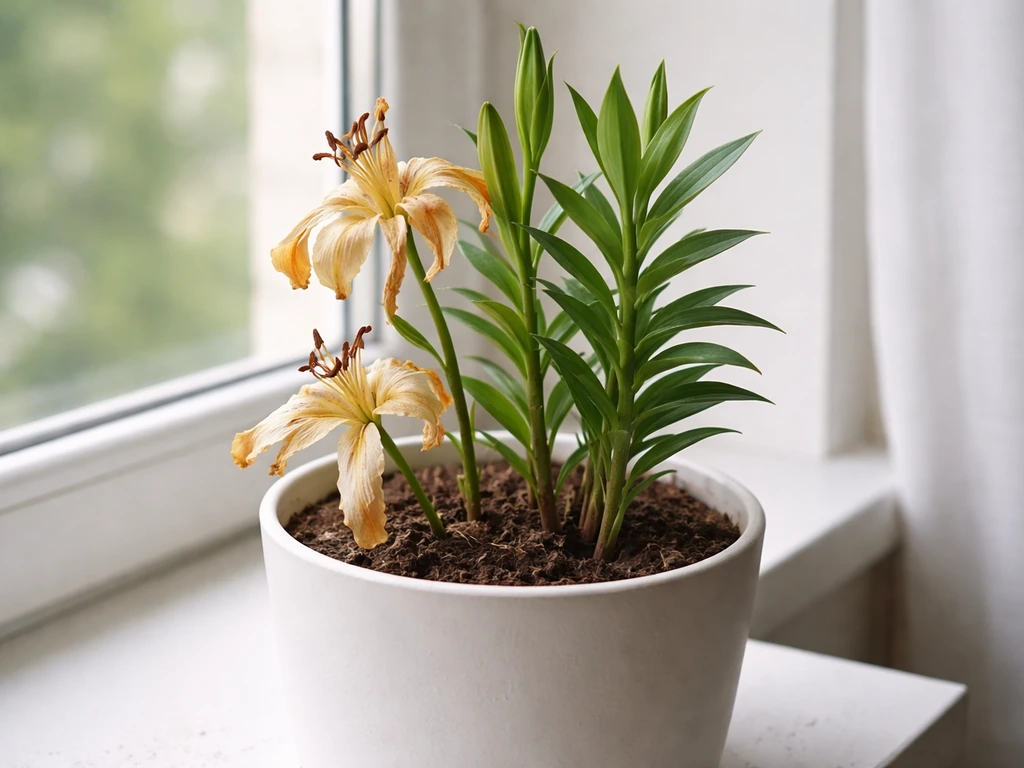
Do Indoor Lily Plants Grow Back? Care, Types, and Fixes
Learn if indoor lilies regrow and what to do after bloom, including true lily vs peace or calla care fixes.
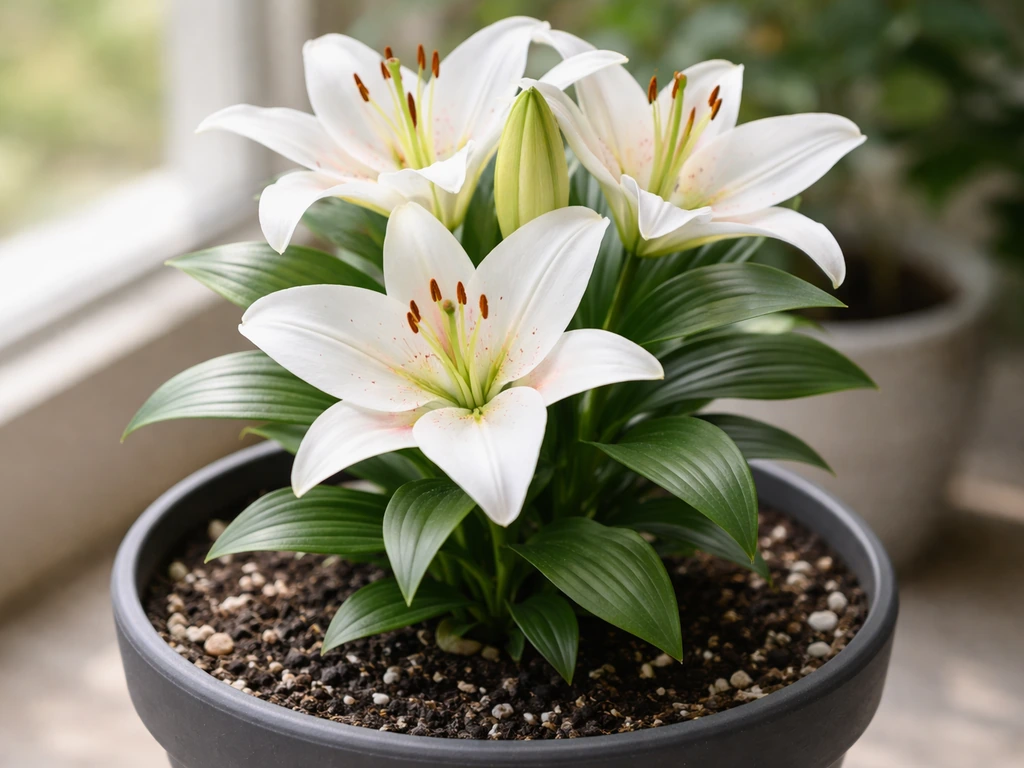
Will Lilies Grow Back in Pots? Care Tips to Recharge Bulbs
Learn if lilies regrow in pots, how bulbs recharge after bloom, plus step-by-step care and fixes for non-returning plant
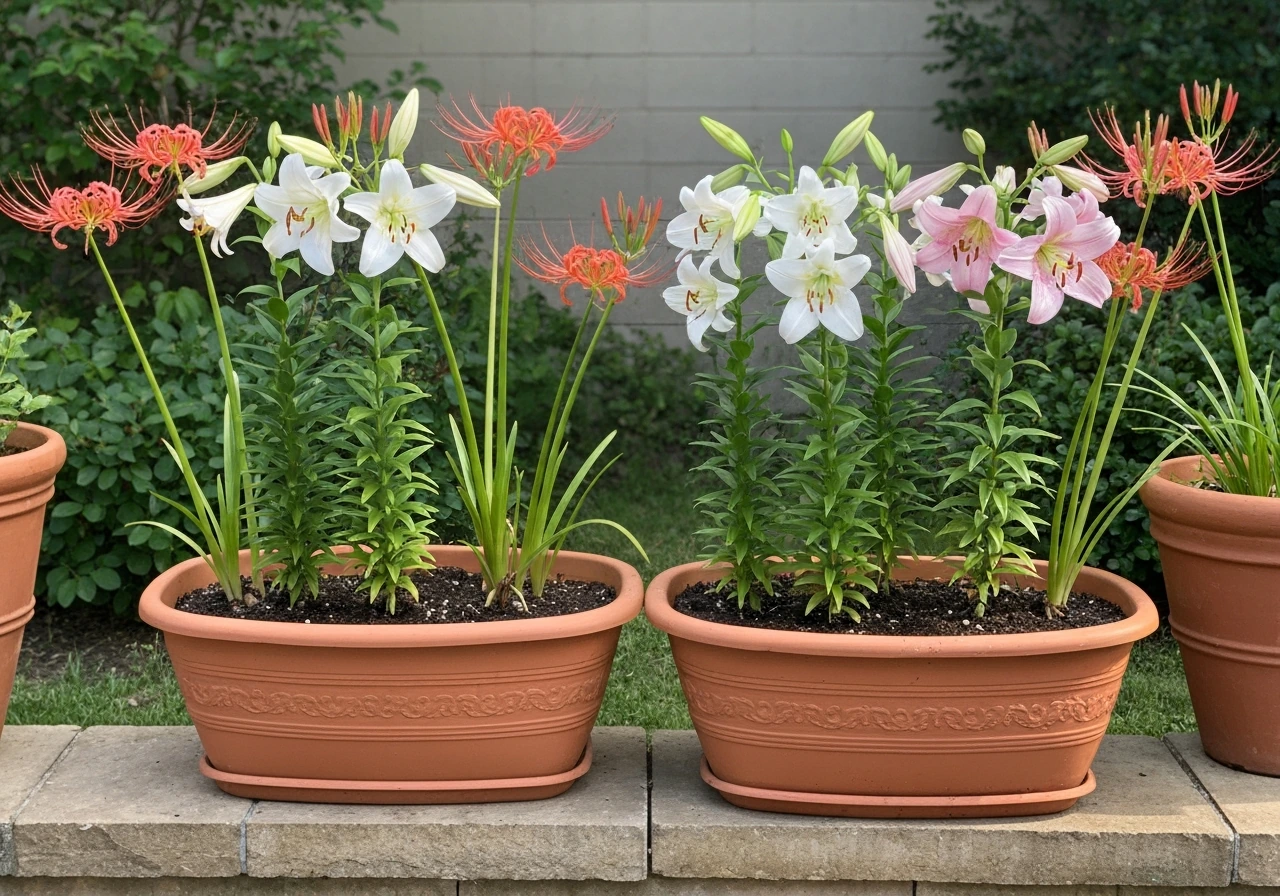
Can You Grow Lilies in a Pot? Yes Here’s How
Grow true and spider lilies in pots with pot size, soil, drainage, light, watering, feeding, and winter care steps.