
Yes, indoor lily plants can grow back, but whether yours actually will depends heavily on what type of lily you have. True lily bulbs (like Asiatic or Easter lilies grown in pots) can resprout and eventually rebloom if you give them a proper dormancy period and the right conditions. Peace lilies and calla lilies, which most people also call "lilies," behave completely differently and will regrow from their roots or rhizomes as long as you keep them alive year-round. The honest answer is that most indoor true lily bulbs are a bit finicky about repeat blooming, while the houseplant "lilies" are actually more reliable growers if the basics are right.
Do Indoor Lily Plants Grow Back? Care, Types, and Fixes

Marcus Hendricks
16 May 2026
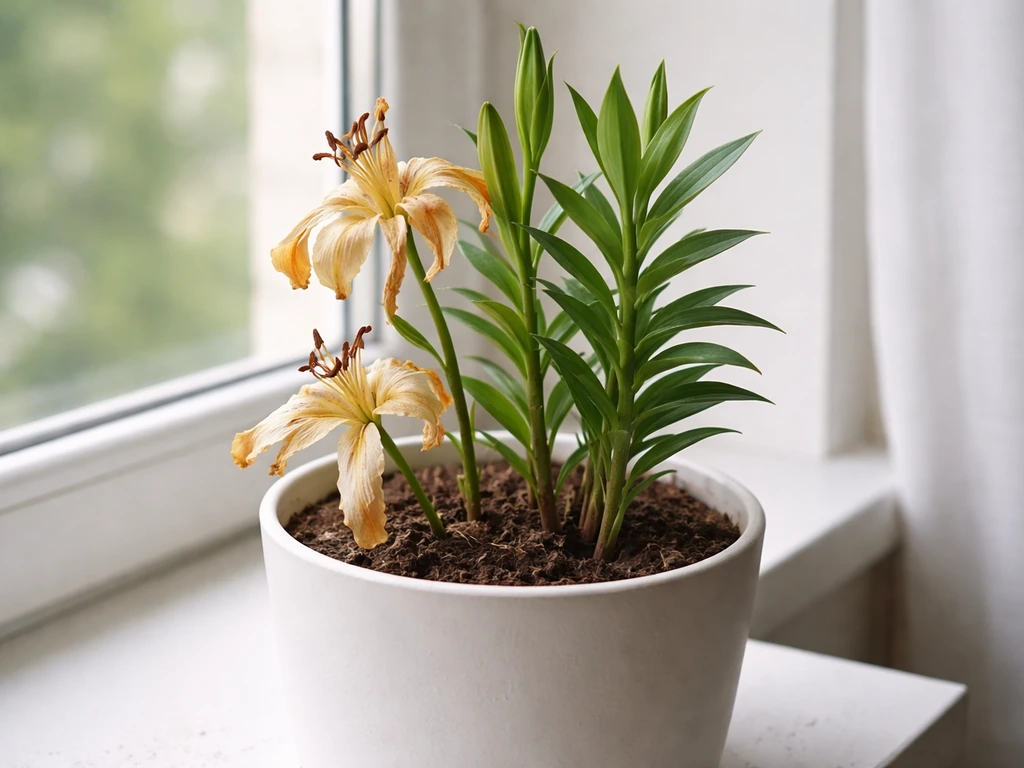
How lilies actually regrow: bulbs, rhizomes, and what "grow back" really means
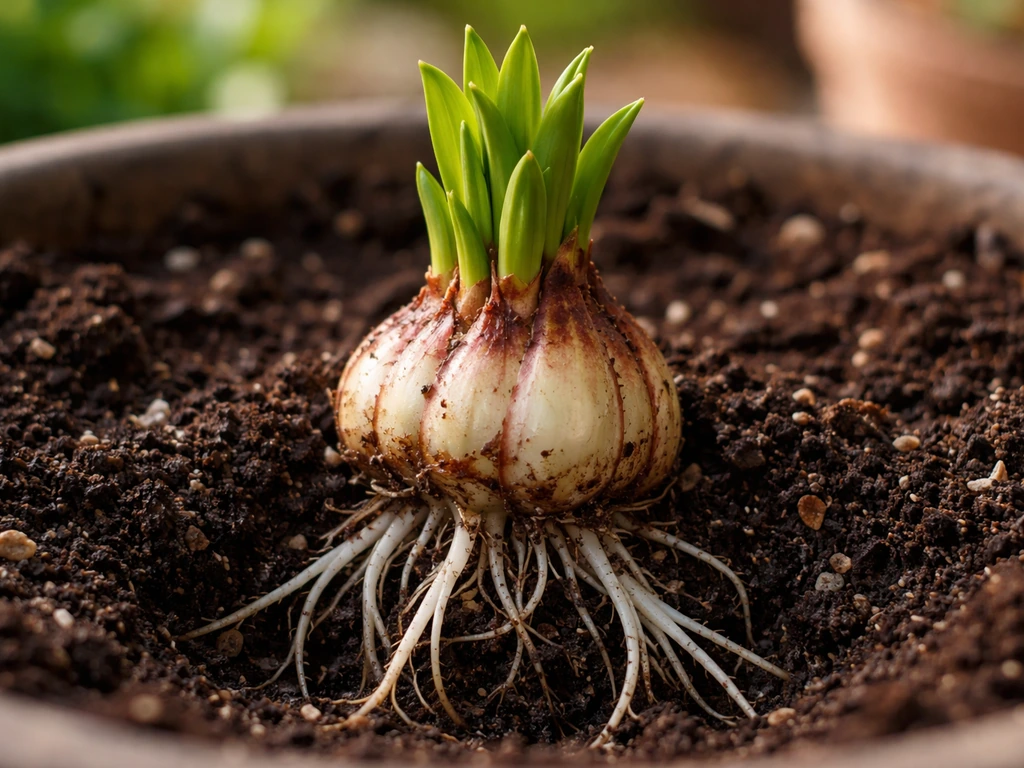
When people ask if a lily will "grow back," they usually mean one of three things: Will I see new leaves? Will it rebloom? Or did I kill it? The answer depends entirely on the plant's growth structure.
True lilies, like Asiatic, Oriental, and Easter lilies, grow from scaly bulbs. Each year the bulb goes dormant, stores energy, then pushes up new growth when conditions are right. Indoors, this cycle still happens, but it needs your help. After blooming, the plant's leaves continue photosynthesizing to recharge the bulb for the next season. If you cut everything back too soon or stop watering properly, the bulb doesn't build up enough energy to flower again.
Peace lilies (Spathiphyllum) grow from a dense root clump with offshoots called divisions. They don't go dormant the way bulb lilies do. If yours looks dead after blooming, it probably just needs water, light, or a bigger pot. It's not bulb-based at all. Calla lilies (Zantedeschia) grow from rhizomes, which are underground stems that spread and persist. After blooming, the foliage dies back naturally, but the rhizome is alive underground. Given time and the right conditions, it pushes new growth back up.
So "growing back" can mean: new leaves emerging from a dormant bulb or rhizome, a living plant reblooming after a rest period, or offshoots appearing from the base of the plant. These are very different events, and knowing which one you're waiting for will save you a lot of frustration.
What to do right after your indoor lily blooms
This is the window most people get wrong, and it's the single biggest factor in whether a lily comes back. Once the flowers fade, the temptation is to tidy up the plant aggressively or just stop caring for it. Don't.
For true lily bulbs like Easter or Asiatic lilies, remove the spent flower stalks but leave all the green foliage intact. The leaves are doing critical work right now, feeding the bulb through photosynthesis. Keep watering and giving the plant good light for several weeks after blooming. Then, as the foliage yellows naturally, you can reduce watering and let the plant go dormant. K-State extension recommends removing the flower stalk after blooms fade and noting that new growth may appear later in summer, or the plant may stay dormant until the following spring. Both outcomes are normal.
For calla lilies, do the same: let the leaves die back naturally after blooming, then reduce watering and store the rhizome in a cool, dry spot through its rest period. For peace lilies, there's no dormancy involved. Deadhead the spent flower, keep watering and feeding lightly, and the plant will continue growing and may bloom again, often in spring or fall.
- Remove faded flowers but leave all green leaves intact
- Keep watering and providing good light while foliage is green
- Reduce watering gradually as leaves yellow and die back naturally
- Allow true lily bulbs and calla rhizomes to rest in a cool, dim spot
- Resume normal care in late winter or early spring to trigger regrowth
The indoor conditions that make lilies come back (light, temperature, water)
Getting the basics right year-round is what separates a lily that reblooms from one that just sits in a pot doing nothing.
Light
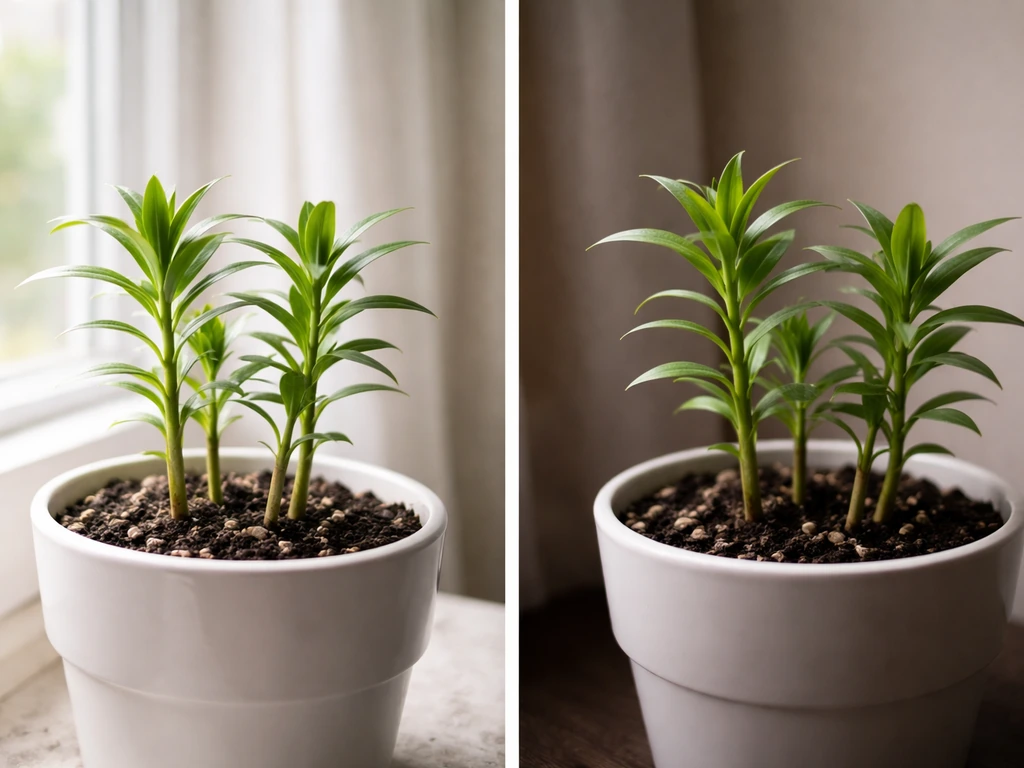
True lily bulbs need bright, indirect light for at least 6 hours a day while they're actively growing. A south or east-facing window usually works well. Peace lilies are one of the more forgiving houseplants for lower light, though they bloom better with medium indirect light. Calla lilies want bright indirect light and can handle a couple of hours of direct morning sun. If your lily is sitting in a dim corner, it will grow leaves slowly and almost certainly won't bloom.
Temperature
Here's where true lilies get tricky indoors. Easter lilies (Lilium longiflorum) have what researchers call an obligatory cold requirement, meaning the bulb needs a sustained cold period to initiate flower development. Studies have confirmed that non-vernalized bulbs kept at a constant warm temperature of 25°C produced only leaves and did not flower, even after 15 months. Commercial Easter lily growers provide around 1,000 hours of cold treatment to force blooming.
Most potted Easter lilies are produced by forcing the bulbs with a long cold treatment, so they may not reliably bloom again the next indoor season without that chill cycle. After you force a potted Easter lily, it may still grow back indoors, but only if you can recreate the same cold-chill cycle potted Easter lilies. Indoors, you can simulate this by moving the potted bulb to an unheated garage, basement, or refrigerator (around 35 to 45°F) for 8 to 10 weeks in winter.
If you are wondering can lilies grow in pots, the potted bulb still needs this proper chill period to bloom indoors. Without that chill, the bulb may stay leafy but stubbornly refuse to flower. If you are trying to help can cut lilies grow roots, focus on preventing rot by using well-draining soil and keeping the cuttings lightly moist until new growth starts Without that chill, the bulb may stay leafy but stubbornly refuse to flower. .
Peace lilies and calla lilies are less demanding in this way and prefer steady indoor temperatures between 60 and 80°F.
Water
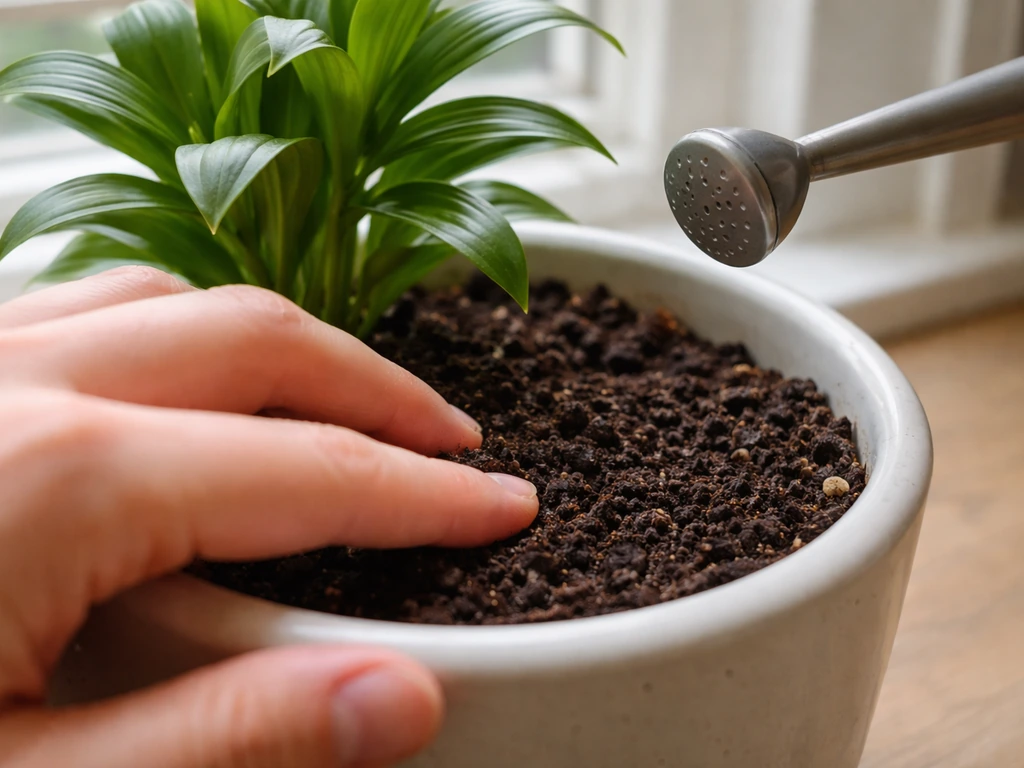
Overwatering is the fastest way to kill a lily bulb or rhizome indoors. During active growth, water true lilies and calla lilies when the top inch of soil feels dry, then water thoroughly and let the pot drain completely. During dormancy, barely any watering is needed, just enough to keep the bulb from completely desiccating. Peace lilies prefer consistently moist (not soggy) soil and will dramatically wilt to tell you they need water, then bounce back quickly once watered. Drainage matters enormously for all of them: if water sits at the bottom of the pot, rot follows.
Why your indoor lily didn't come back: troubleshooting common problems
If your lily didn't resprout or refuses to bloom again, one of a handful of issues is almost always responsible.
- No cold dormancy: True lily bulbs, especially Easter lilies, won't reliably rebloom without a chilling period. The University of Wisconsin extension notes that forced Easter lilies may not bloom the following year but should eventually rebloom at the natural time. If you've skipped the cold treatment, that's likely why you're getting leaves but no flowers.
- Root or bulb rot: Waterlogged soil destroys bulbs and rhizomes fast. If you dig up the bulb and it's mushy, brown, or foul-smelling, rot has set in. Firm, pale bulbs are healthy. Sometimes you can cut away rotted sections and dust with a fungicide before repotting in fresh, well-draining soil.
- Leaves removed too early: Cutting the foliage back right after blooming starves the bulb. The leaves need to stay until they yellow on their own.
- Depleted bulb: Some forced bulbs sold in garden centers or as holiday plants have been pushed so hard that they struggle to recover. If a bulb doesn't respond after two seasons of correct care, it may simply be spent.
- Pest damage: Spider mites, aphids, and fungus gnats are common on indoor lilies. Spider mites thrive in dry conditions and leave fine webbing on leaves. Check under leaves regularly and treat with insecticidal soap or neem oil at the first sign of infestation.
- Wrong pot or drainage: A pot without drainage holes, or one that's far too large for the bulb, traps moisture and leads to rot. Lilies like snug pots with excellent drainage.
- Too little light during the growth phase: A lily that doesn't get enough light after blooming can't build up enough energy in the bulb for the following season.
Calla vs peace lily vs true lily: why the names confuse everyone
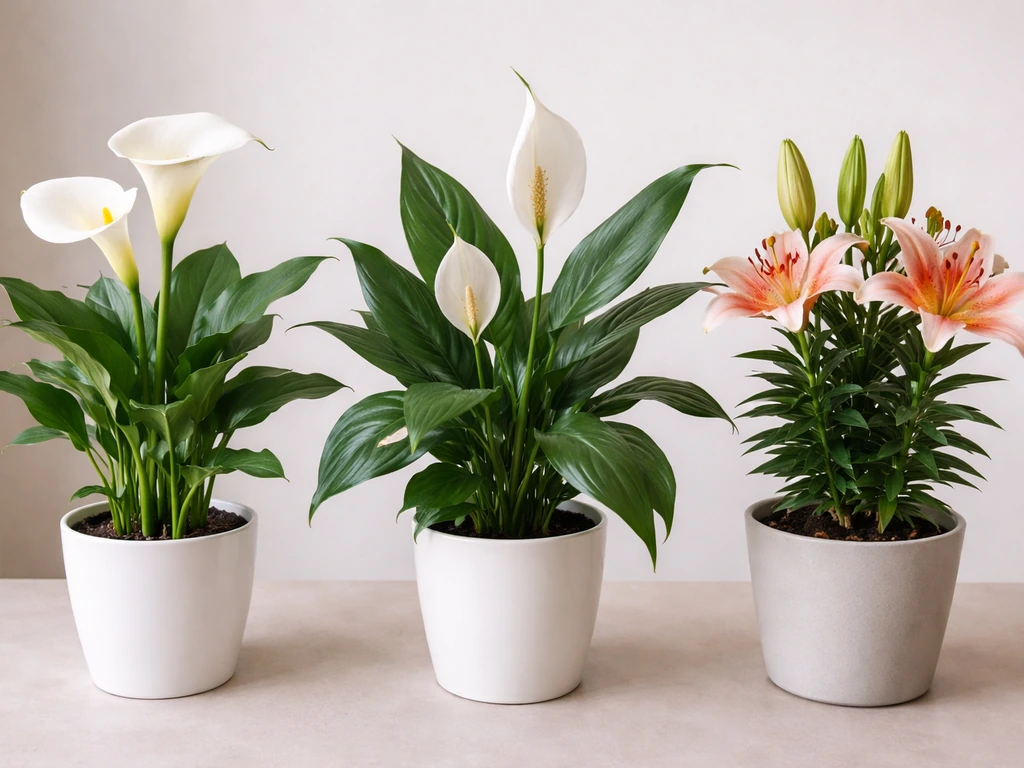
This is probably the most practical thing you can read in this whole article. Many plants get called "lilies" in everyday conversation that are not botanically related to true lilies at all, and they need completely different care. Many plants get called "lilies" in everyday conversation that are not botanically related to true lilies at all, including cannas that people often bundle with canna lily care, and they need completely different care. If you're following the wrong advice because you've misidentified your plant, nothing will work.
| Plant | Botanical family | Growth structure | Goes dormant? | Needs cold to rebloom? | Reliable indoor rebloomer? |
|---|---|---|---|---|---|
| True lily (Asiatic, Easter, Oriental) | Liliaceae | Scaly bulb | Yes, seasonally | Yes, especially Easter lily | Possible but requires effort |
| Peace lily (Spathiphyllum) | Araceae | Root clump with divisions | No | No | Yes, with consistent care |
| Calla lily (Zantedeschia) | Araceae | Rhizome | Yes, after blooming | No, but likes a cool rest | Yes, if rhizome survives |
| Daylily (Hemerocallis) | Asphodelaceae | Fleshy root crown | Yes, outdoors | Yes, in most climates | Not ideal as an indoor plant |
Peace lilies are the easiest of the bunch to keep indoors long-term. They're not a lily at all botanically, but they're reliable, they grow back from their root mass every season, and with decent indirect light and regular watering they'll rebloom without any fuss. Calla lilies are more demanding but very doable indoors if you allow the rest period and store the rhizome correctly.
True lily bulbs are the most high-maintenance option for indoor growing and require that cold dormancy period to perform well. If you're growing Asiatic or Easter lilies in pots indoors and struggling with regrowth, it may be worth considering moving them outdoors after their first season, which connects to the broader question of whether your lily variety does better in a pot outside versus on a windowsill. Can you grow lilies in a pot?
Yes, but the type of lily determines whether it reblooms and how much care it needs.
When to replant, move outdoors, or just start fresh
After a couple of growing seasons, it's worth honestly evaluating whether your indoor lily is thriving or just surviving. Here's how to think through the decision.
True lily bulbs (Asiatic, Oriental, Easter) generally perform better outdoors than indoors in the long run, especially in zones 4 through 8 where they're hardy. After the first indoor blooming season, many gardeners transplant the bulb to the garden in fall. Give it a spot with well-drained soil and 6 to 8 hours of sun, and it will often come back reliably for years without any forcing.
In general, many lilies can grow through mulch if the planting depth and light are right, but thick mulch can also smother young growth can lilies grow through mulch. If you live in a mild climate and want to keep lilies in containers outdoors, that's also a solid option, and the regrowth rates are typically much better than indoor growing.
If you want to grow Peruvian lily in pots, focus on light, drainage, and consistent care so it can thrive even outdoors or in a container.
For peace lilies, repotting every 1 to 2 years into a slightly larger container refreshes the soil and gives the root clump room to expand. If your peace lily has completely filled its pot and the roots are coming out the drainage holes, that's your signal to divide it or move it up a pot size. Dividing a congested peace lily is actually a great way to get multiple plants from one.
For calla lilies, if the rhizome looks healthy after dormancy, replant it in fresh potting mix each season. If it's soft, rotted, or very small, starting fresh with a new rhizome from a garden center is more reliable than nursing a struggling one.
Know when to let go. Some bulbs, especially heavily forced holiday plants, have already been pushed past their best and won't reward further effort. If you've done everything right for two full growing seasons and a true lily bulb still isn't reblooming, replace it. Buy a healthy new bulb, give it the cold treatment, and start the cycle again. That's not failure, that's just realistic lily growing.
FAQ
How long should I wait to see regrowth after my indoor lily finishes blooming?
For true lily bulbs, expect leaves to continue for several weeks after flowering, then dormancy follows, and new growth may not appear until the next summer or spring. For peace lilies, new leaves and blooms can start within months, often during spring or fall, if light and watering are steady. If you see zero new growth after a full growing cycle (roughly a year) for a bulb-form lily, it likely needs a corrected cold or lighting setup.
Can I force indoor Easter lily bulbs to bloom again without putting them in the cold?
Usually not reliably. Easter lilies require a sustained cold period to initiate flowering, so skipping the chill often results in continued leafy growth with little or no blooming. If you cannot provide a real cold window, consider switching to a houseplant type that is not dependent on vernalization, like peace lily or calla lily, for more dependable repeat blooming.
What are the signs my bulb or rhizome is still alive even if the plant looks dead?
For true lily bulbs, the potting mix may be dry and the top growth gone after dormancy, but the bulb is viable if the bulb did not rot and the roots were not allowed to stay waterlogged. For calla lilies, the foliage dies back naturally, but the rhizome should feel firm after the rest period. For peace lilies, a wilted plant can often rebound quickly after watering, which indicates the root mass is still alive.
Do indoor lilies need to be repotted to grow back?
Not for most cases. True lily bulbs generally do not need frequent repotting, but they do need a pot with excellent drainage and enough space for the bulb to size up over time. Peace lilies benefit from repotting every 1 to 2 years when rootbound, because a congested clump can reduce blooming. Calla rhizomes can be refreshed with new potting mix after dormancy, but you usually do not gain much by repotting during active growth.
Is it safe to cut back all leaves after blooming to tidy up?
Usually no for true lily bulbs, because the leaves recharge the bulb by photosynthesis. Remove only the spent flower stalk, then let the foliage yellow and fade on its own before reducing water. For peace lilies and calla lilies, foliage naturally dies back after blooming, but you should still avoid heavy cutting while the plant is actively supporting itself.
My “lily” won’t rebloom, but it’s definitely not Easter or Asiatic. How can I identify what I have?
Check the underground structure if possible. True lilies have scaly bulbs, calla lilies have rhizomes, and peace lilies grow from a dense root clump with divisions. Another clue is behavior, peace lilies stay active indoors year-round and will not follow a bulb dormancy pattern, while true lily bulbs typically need a rest period and, for Easter types, cold treatment.
How do I water so I do not rot the bulb during dormancy?
During dormancy, water much less, just enough to prevent the bulb from completely drying out. The best practical rule is to keep the mix slightly dry on top, ensure the pot drains freely, and never leave standing water in the saucer. If leaves stayed green for a while then collapsed, pause watering and let excess moisture drain before trying again.
If my indoor lily produces new leaves but never flowers, what is the most common cause?
For true lily bulbs, the most common cause is missing or insufficient cold treatment (especially Easter lilies) or inadequate bright light during the growth period. Another frequent issue is over-trimming foliage or stopping watering too soon after bloom, which prevents the bulb from building enough energy for the next flowering cycle.
Can I move a true lily pot outdoors to improve chances of it coming back?
Yes, after the first indoor season many people get better long-term results by planting the bulb outside in fall where it can receive natural seasonal changes and adequate sun. Use well-drained soil, aim for about 6 to 8 hours of sun, and avoid thick mulch that can smother young shoots. If you keep it in a container outdoors, drainage and light remain the deciding factors.
When should I divide my lily or replace it?
For peace lilies, divide when the plant fills the pot or roots are coming out of drainage holes. For calla lilies, divide or replace if the rhizome becomes soft or rotted after dormancy. For true lily bulbs, if you have provided proper light, post-bloom leaf care, and the correct cold period for two full growing seasons and it still will not rebloom, it is often more effective to start with a fresh bulb and repeat the cycle realistically.
Next Articles
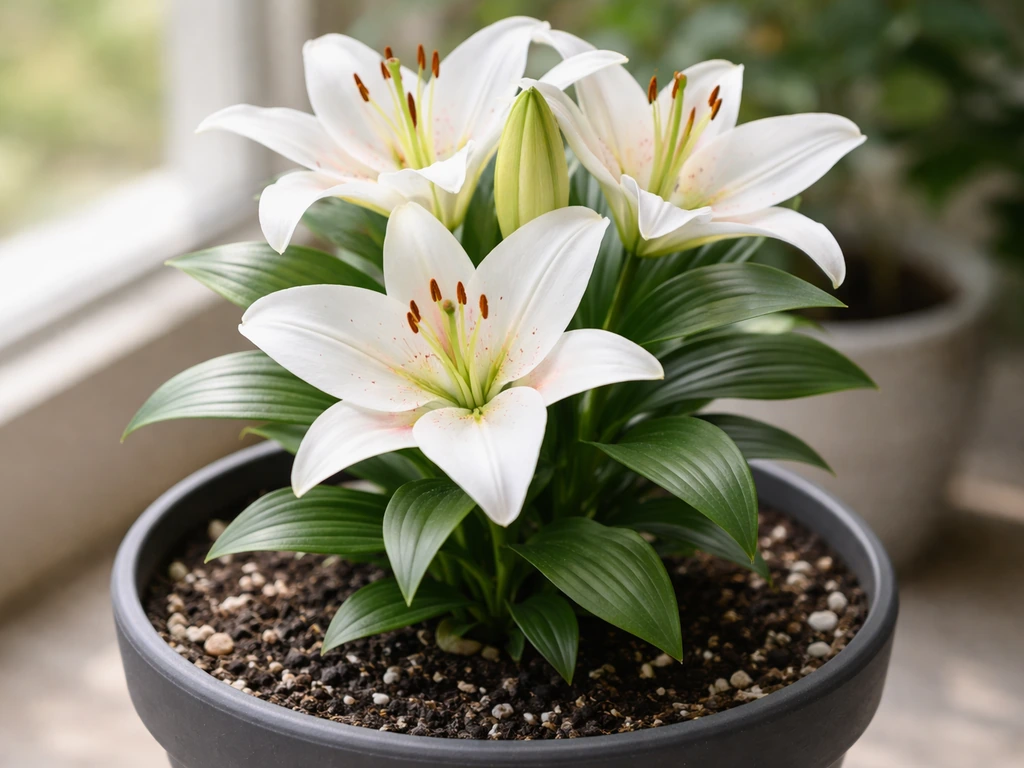
Will Lilies Grow Back in Pots? Care Tips to Recharge Bulbs
Learn if lilies regrow in pots, how bulbs recharge after bloom, plus step-by-step care and fixes for non-returning plant
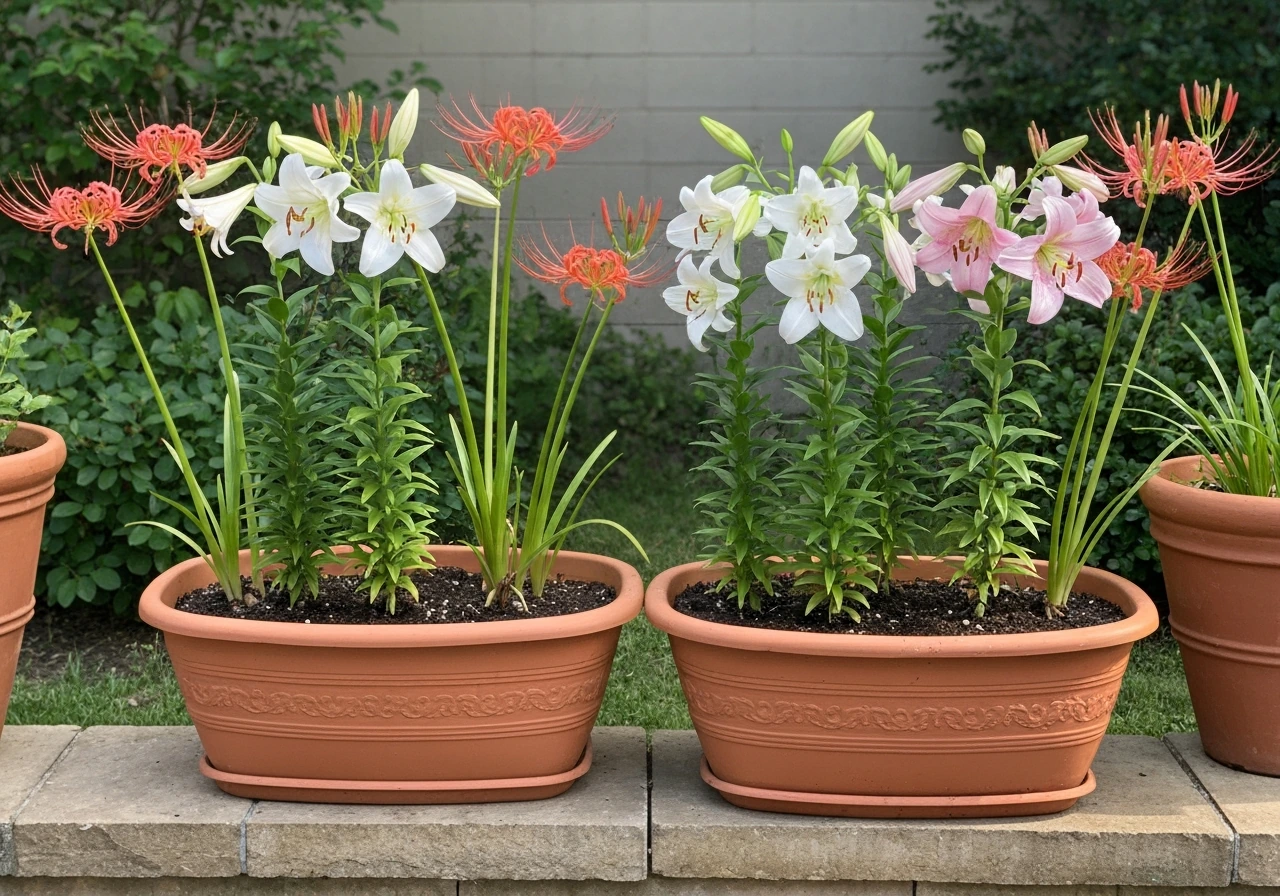
Can You Grow Lilies in a Pot? Yes Here’s How
Grow true and spider lilies in pots with pot size, soil, drainage, light, watering, feeding, and winter care steps.
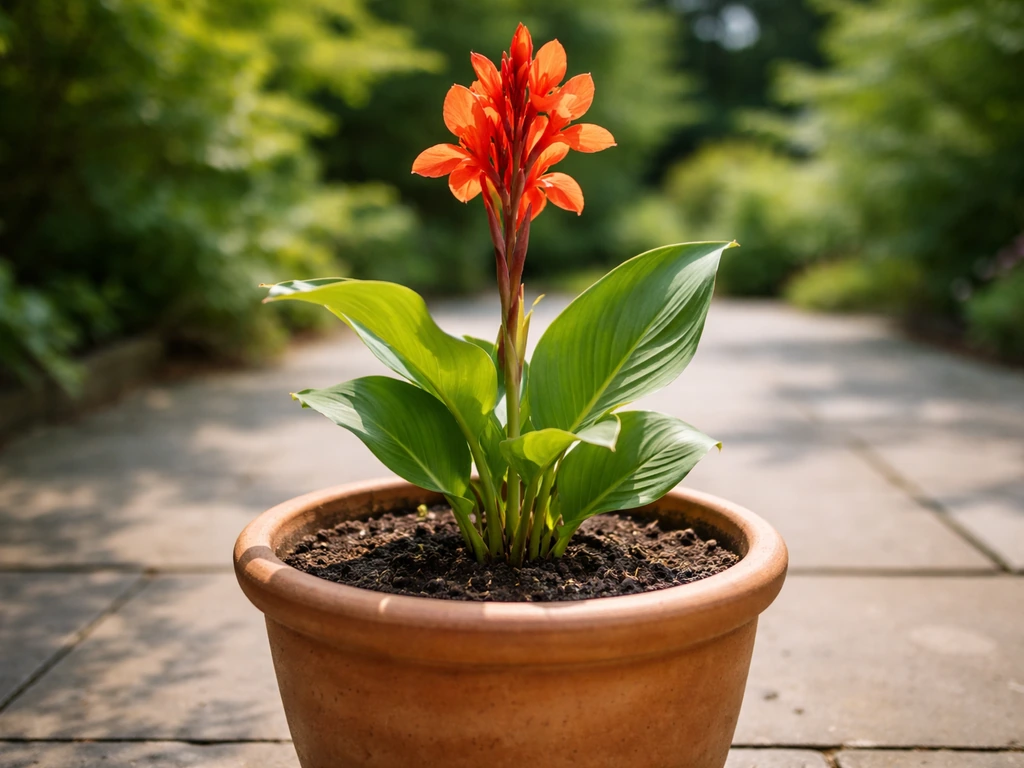
Can Lilies Grow in Pots? How to Grow Canna Lilies in Containers
Learn if can lilies grow in pots and follow a step-by-step guide to grow canna lilies in containers, soil, water, and si