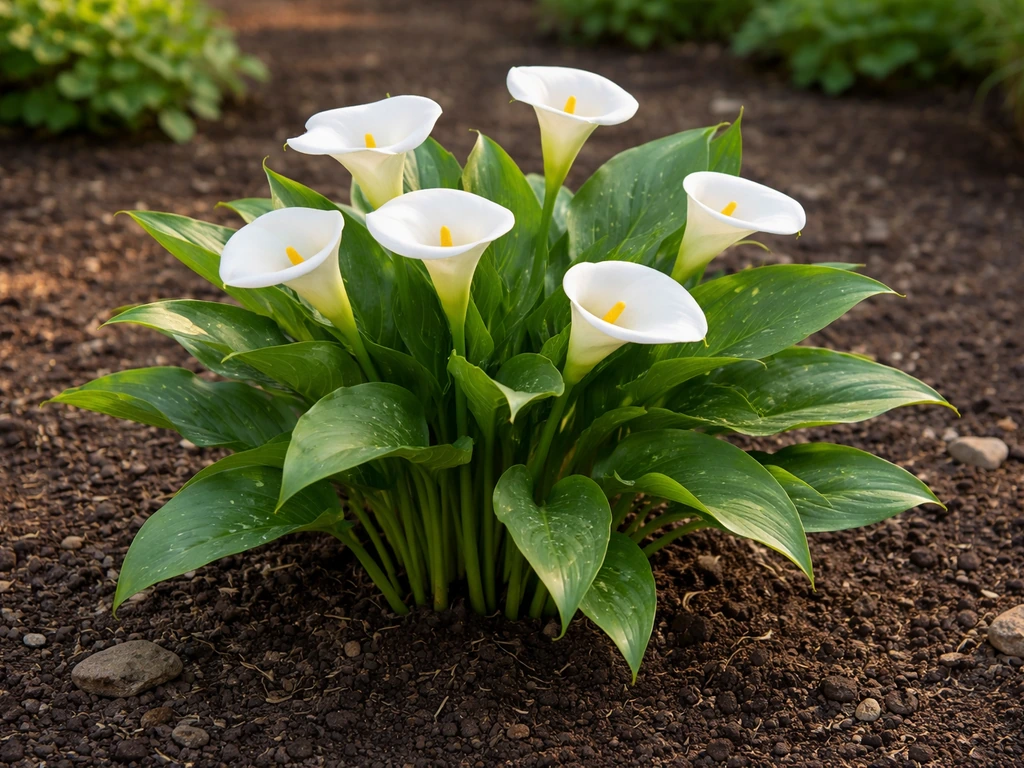
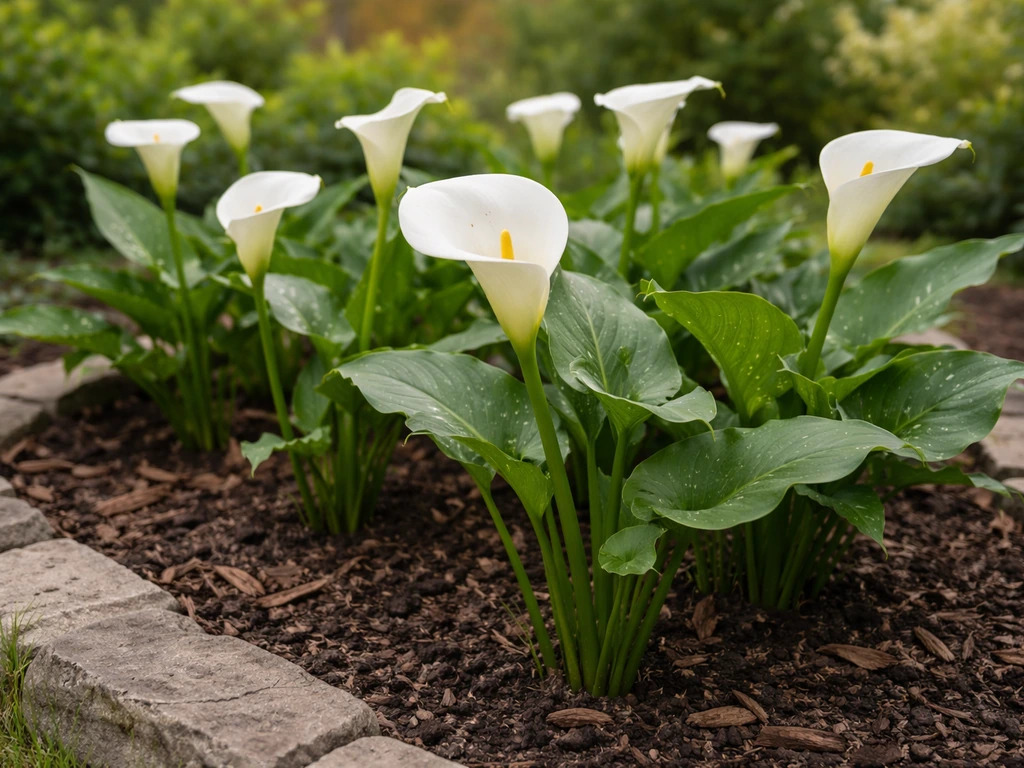
If you are specifically wondering about canna lilies in pots, the short answer is: yes, they are excellent container plants, especially dwarf varieties. They love full sun, grow fast in warm weather, and produce dramatic tropical-looking blooms. The bigger question is how to set them up correctly from day one, and what to do with them when temperatures drop. That is what this guide covers, start to finish. And if you are curious whether you can grow lilies in a pot beyond just cannas, the answer is the same, with a few variety-specific tweaks covered below.
Best lily varieties for containers
Not every lily variety is equally suited to container life. Some get too tall, have root systems that demand deep ground space, or just do not flower as reliably when their roots are confined. Here are the groups worth planting in pots:
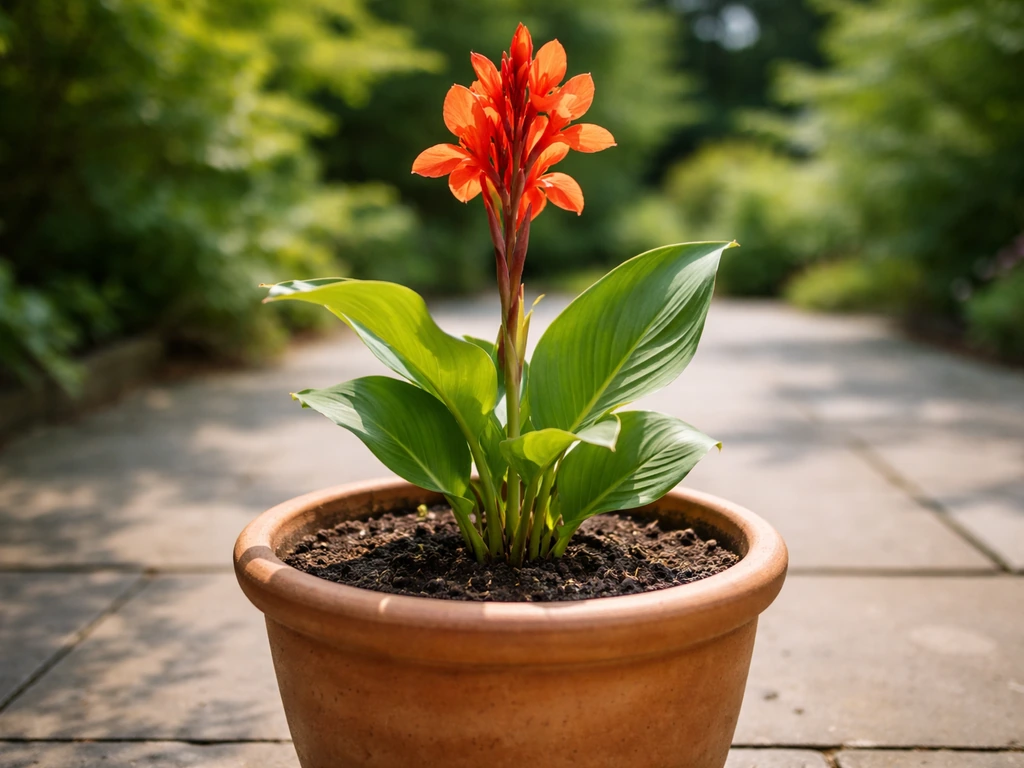
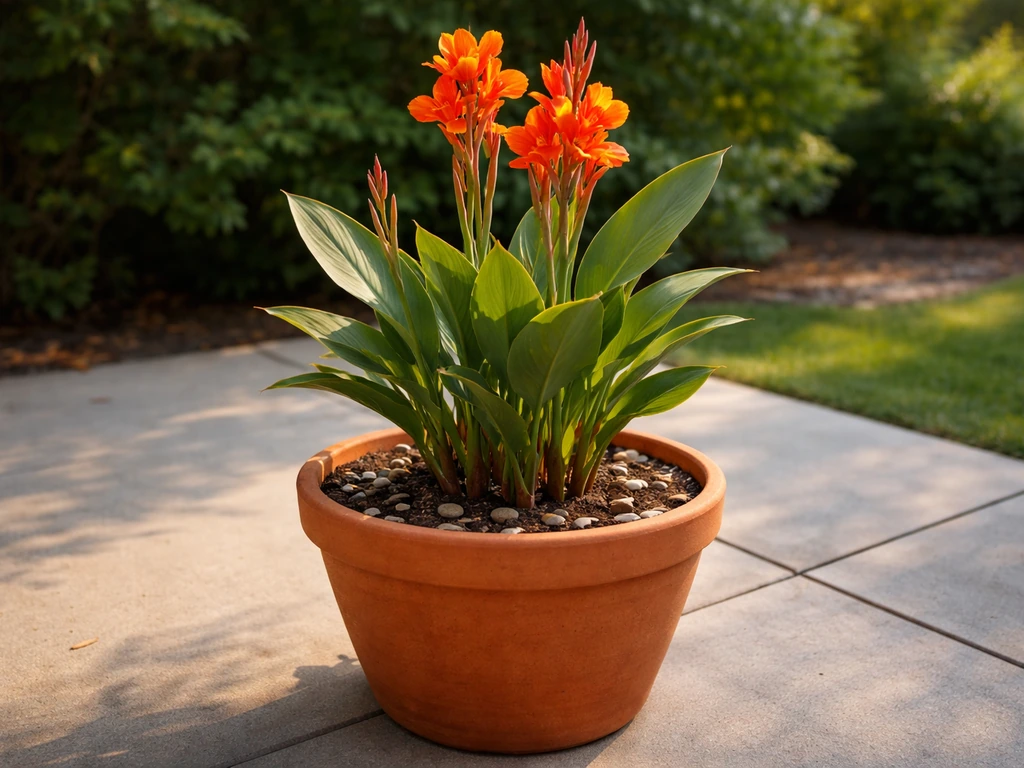
- Dwarf canna lilies: Hands down the best choice for containers. Compact habit, big flowers, and they stay manageable in a large pot. Standard-height cannas can work too, but you will need a heavier container to keep them from tipping over.
- Asiatic lilies: Short to mid-height varieties do well in pots. They are among the easiest true lilies to grow and bloom reliably without fussing.
- Lilium longiflorum (Easter lily): A solid container performer. It is stem-rooting, meaning it produces roots from the stem above the bulb, so it needs a deeper pot than you might expect.
- Lilium auratum and L. speciosum: Both are noted by the RHS as suitable for container growing. Fragrant, showy, and worth the slightly extra effort.
- Lilium formosanum: Another stem-rooting variety that works in containers with the right depth.
- Oriental hybrids: Fragrant and beautiful, these do well in pots placed in a sheltered spot with good light.
Calla lilies and peace lilies have their own specific container requirements that differ from both true lilies and cannas. Peruvian lilies (Alstroemeria) are another popular option, and if you want to know more about that particular species, there is a useful breakdown of growing Peruvian lily in pots worth checking out. For the purposes of this guide, the focus stays on canna lilies and true Lilium varieties, since those are the most commonly grown in containers.
Pot size, soil mix, and drainage setup
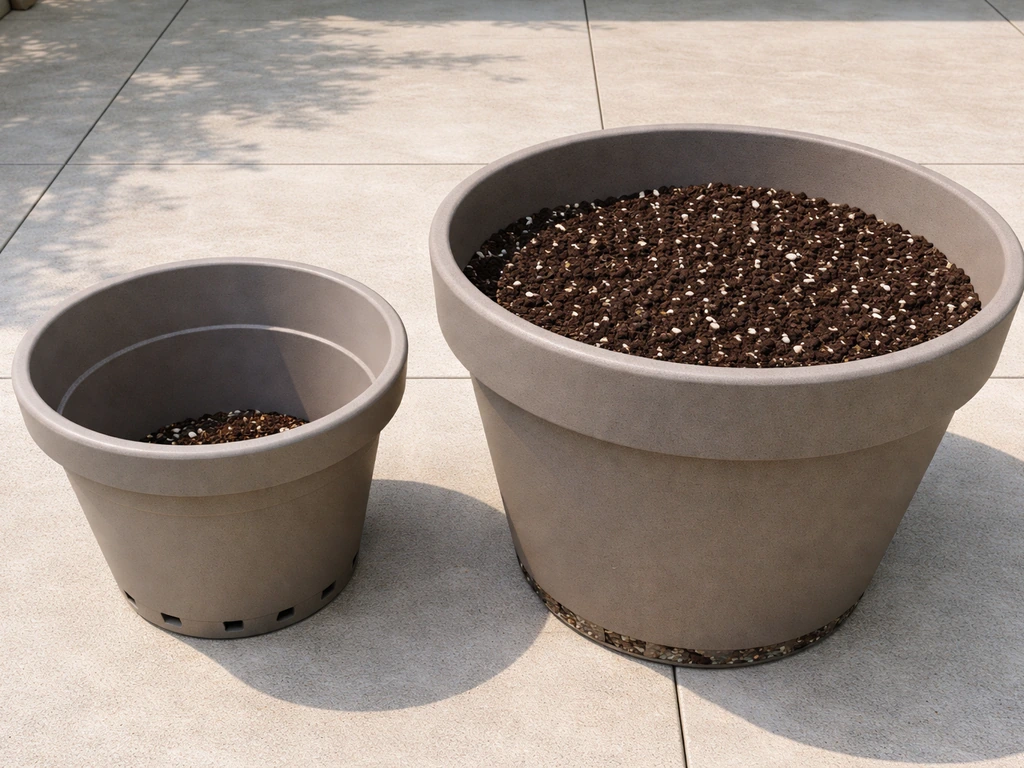
Get the pot wrong and nothing else matters much. For canna lilies, you want a container at least 12 to 18 inches wide and deep. A 15-gallon pot is a good target for one dwarf canna, or a large decorative pot in the 16-to-18-inch diameter range. For standard height cannas, go bigger and heavier (a fabric grow bag or a thick-walled ceramic pot helps keep them stable in wind).
For true Lilium bulbs, a container that holds around 3 to 5 bulbs comfortably and provides at least 12 inches of depth is a good starting point, with stem-rooting varieties like L. Some stem-rooting Lilium species may need a deeper container, and RHS advises planting them at about 2. 5 times the bulb’s height [stem-rooting varieties like L. longiflorum needing closer to 16 inches of depth](https://www.
rhs. org. uk/container-gardening/lilies). longiflorum needing closer to 16 inches of depth to give the stem roots enough room to establish.
Drainage holes are non-negotiable. Bulbs and rhizomes sitting in waterlogged soil will rot, full stop. If you are using a clay or terracotta pot, place a 2-inch (5 cm) layer of crocks or small stones in the bottom before adding soil. Plastic pots with drainage holes raised slightly off the surface can often skip this step, but never skip the drainage holes themselves. Setting the pot on pot feet or bricks helps water escape freely rather than pooling under the base.
For soil mix, both true lilies and canna lilies want something rich but well-draining. A good all-purpose approach is a mix of quality potting compost blended with perlite or coarse grit at roughly a 3:1 ratio. Cannas in particular respond well to organic-rich soil, so mixing in some well-rotted compost or a few handfuls of slow-release granular fertilizer at planting time gives them a head start. Avoid heavy garden soil in pots, it compacts badly and drains poorly, which is exactly the environment that promotes root rot.
Planting depth and spacing for rhizomes and bulbs
This is where a lot of people go wrong. Planting too shallow leaves rhizomes or bulbs vulnerable to drying out and temperature swings. Planting too deep can delay or prevent sprouting. Here is what the research actually says: Planting depth is commonly specified as a 5, 6 inch deep hole, with canna rhizomes placed horizontally so they fit into the hole blank" rel="noopener noreferrer">a 5–6 inch deep hole for canna rhizomes.
| Plant Type | Planting Depth | Spacing | Notes |
|---|
| Canna lily (rhizome) | 4 to 5 inches (10-12 cm) | 12 inches apart | Place rhizome with eyes (growth buds) facing up |
| True lily bulb (base-rooting) | Roughly 2.5x the bulb height | Varies by variety | Depth rule applies to most Asiatic hybrids |
| True lily bulb (stem-rooting) | Deeper than base-rooting types | Varies by variety | Includes L. longiflorum, L. formosanum, L. lancifolium; stem roots need soil above bulb |
| Dwarf canna in small pot | 4 inches (10 cm) | One per 12-inch pot | Works well in individual containers or grouped |
One detail that makes a real difference with canna rhizomes: make sure the eyes (the small knobby growth points) are facing upward when you lay them in the soil. It sounds basic, but if you plant them upside down the shoots have to work much harder to reach the surface, and in a pot with limited space, that delay can cost you weeks of growth. After covering with soil, water gently to settle everything, then hold off on heavy watering until you see shoots emerging.
If you have been wondering whether lilies will grow back in pots after their first season, the answer for true lilies is yes, especially if you refresh the top layer of compost. The RHS recommends replacing the top 2 inches (5 cm) of compost with fresh mix plus some fertilizer or rotted manure at the start of each new season if you are keeping bulbs in the same container.
Light and watering schedule for potted lilies
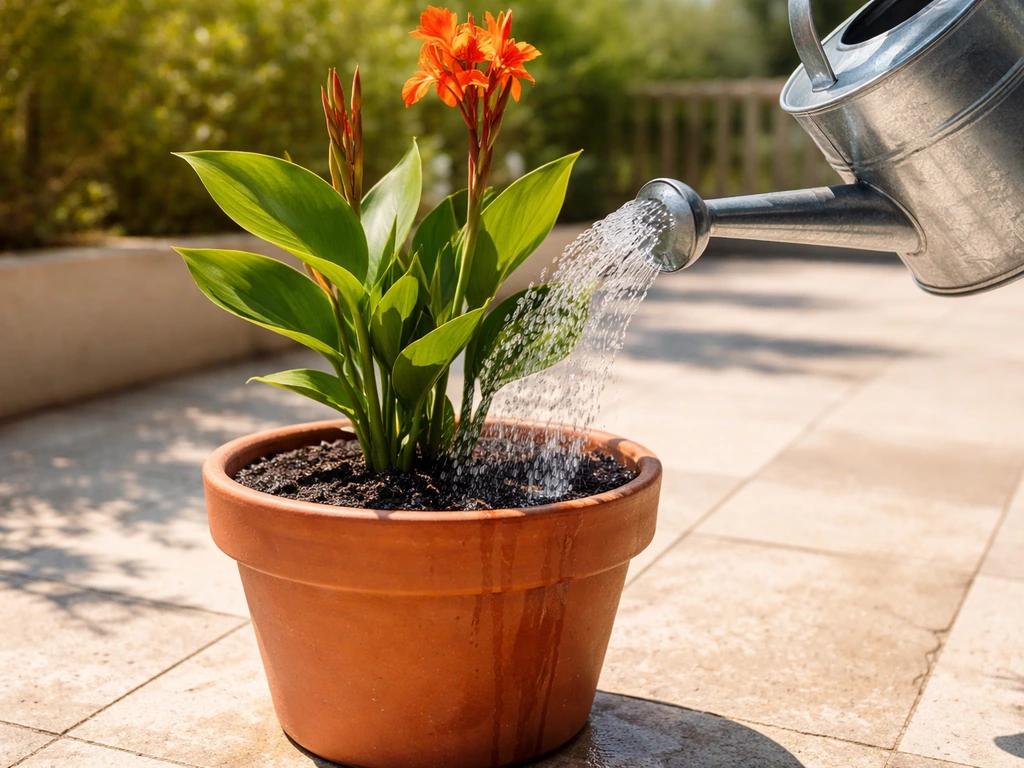
Canna lilies need full sun, meaning at least 6 hours of direct sunlight per day, and they genuinely perform better with 8 hours. A south or west-facing patio, balcony, or deck is ideal. If you position them in partial shade, you will get foliage but limited flowers. True lilies are similarly sun-loving, though some Oriental hybrids tolerate a bit more afternoon shade in hot climates. As a general rule, if you would not grow a tomato there, a canna lily will not be happy there either.
Watering is where most container lily problems actually start. Pots dry out faster than garden beds, especially in summer heat, so you need to check moisture more frequently than you would for in-ground plants. For canna lilies, the goal is consistently moist soil without waterlogging. During active growth in warm weather, that might mean watering every 1 to 2 days in a terracotta pot or every 2 to 3 days in a plastic pot.
Stick your finger 2 inches into the soil: if it feels dry at that depth, water thoroughly until it drains from the bottom. For true lily bulbs, allow the top inch of soil to dry slightly between waterings. Overwatering is the most common cause of failure in containers, and yellowing leaves paired with soft, mushy stems near the base are the warning signs.
University of Maryland Extension research confirms that excess moisture in poorly drained soil is a primary driver of leaf yellowing and plant decline, so err on the side of slightly underwatering rather than over.
Temperature, overwintering, and indoor vs outdoor options
This is the section that separates casual container growing from actually keeping your plants alive year after year. Canna lilies are frost-sensitive. Once temperatures drop below freezing and foliage turns black from frost damage, you need to act. Lift the rhizomes, cut the stems back to a few inches, let them dry for a day or two, then store them somewhere cool and dry indoors where temperatures will not drop below 32°F (0°C). A garage, basement, or shed usually works well. Do not store them in a wet environment or sealed plastic, they need airflow to avoid rotting over winter.
If you want to get a jump on the next season, you can replant canna rhizomes in small temporary containers about 4 to 5 weeks before your last expected frost date, keeping them indoors in a warm, bright spot. By the time outdoor temperatures are consistently above 50°F (10°C), they will already have strong shoots and will hit the ground running when you move them outside. This is exactly the approach worth using if you are in USDA zones 7 or below, where winter temperatures reliably freeze the ground.
True lilies handle cold better than cannas. In milder climates (think southern England or USDA zones 7 and above), many hardy lily varieties can be left outside in their containers year-round. In colder zones, wrap the pot in bubble wrap or horticultural fleece to insulate the roots, or move the container into an unheated but frost-protected space like a garage. The bulbs need a cold dormancy period, so you do not want to bring them into a heated house, just somewhere that stays above hard-freezing. Whether you are dealing with outdoor lilies growing back or managing potted ones through winter, the principle is the same: protect the roots from a hard freeze without disrupting the rest cycle.
For canna lilies specifically, if you live in zones 8 to 10 you may be able to leave rhizomes in the pot year-round without lifting, especially if winters stay mild. Just cut foliage back after it dies and reduce watering through the cooler months. Many gardeners in these zones treat their potted cannas like semi-permanent container specimens and simply top-dress with fresh compost each spring.
Feeding, maintenance, and what to do when things go wrong
Fertilizing your potted lilies
Container plants use up nutrients faster than in-ground plants because watering flushes them out of the limited soil volume. For canna lilies, feed monthly with a balanced fertilizer (something like a 10-10-10 or similar) during the growing season, or apply a controlled-release granular fertilizer at planting time and again mid-season. Cannas are heavy feeders and the difference between a fertilized and unfertilized container canna is dramatic, you will see it in both leaf color and flower count.
For true Lilium varieties in pots, the RHS recommends feeding with a high-potassium liquid fertilizer, the kind marketed as tomato feed works well. Start feeding once shoots emerge in spring and continue through the growing season until flowering is done. High potassium supports flower development rather than just leafy growth, which is exactly what you want.
Deadheading and general upkeep
Remove spent flowers as soon as petals drop. This redirects the plant's energy away from seed production and toward building stronger rhizomes or bulbs for next year. For cannas, also remove any damaged or brown leaves as they appear, both for looks and to discourage fungal issues. True lilies benefit from leaving the stem and leaves in place until they yellow naturally after flowering, since the foliage continues to feed the bulb underground.
One maintenance tip many people skip: if you are growing true lilies through a layer of mulch on the surface of your container, check that new growth is not getting trapped. Some gardeners like to use a light mulch on top of the pot soil to retain moisture, which is fine, but make sure emerging shoots can push through. If you have ever grown them in-ground and wondered if lilies can grow through mulch, the answer is generally yes with a thin layer, and the same applies in containers.
Troubleshooting poor growth and common problems
Yellow leaves are the most common symptom and have several possible causes. Overwatering is the top culprit, especially in containers without great drainage. If you also notice soft, brown roots when you check the bottom of the pot, that is Pythium root rot, and it means the soil has been staying too wet for too long. The fix is improving drainage and letting the soil dry between waterings. If the leaves are yellowing but the roots look healthy, suspect either underfeeding (add fertilizer) or insufficient light (move the pot).
For true Lilium varieties, watch for red lily beetles, which are bright scarlet and hard to miss. Hand-pick them off as soon as you see them. Grey mould (Botrytis) can appear in cool, damp conditions and shows as fuzzy grey patches on stems or buds. Improve air circulation and avoid wetting foliage when you water. Slugs and snails love emerging lily shoots in spring, so placing the container off the ground or using copper tape around the rim helps.
If your potted lily grew well but produced almost no flowers, the two most likely causes are not enough sun and not enough fertilizer. Move the pot to a sunnier spot and start feeding. Poor flowering in cannas specifically is almost always a light problem. If your canna foliage is lush and green but there are no blooms, it is almost certainly not getting enough direct sun each day.
Will they come back next year?
This is one of the most common follow-up questions, and the answer depends on the type of lily and how well you overwinter it. Canna lilies are perennials in warm climates (zones 8 to 10) and will reliably return year after year if their rhizomes are not killed by frost. In colder zones, they return as long as you store the rhizomes properly over winter.
There is a useful discussion of whether your canna lily will grow back that goes into the zone-by-zone specifics. True lilies are perennial too, and many varieties will bloom for multiple seasons in the same container if you refresh the compost annually and feed them well. For indoor lily types, the perennial behavior can differ, and indoor lily plants growing back depends heavily on species and post-bloom care.
What to buy and how to start right now
If it is currently spring (April through May in most of the Northern Hemisphere), you are in the ideal window to plant both canna rhizomes and lily bulbs in containers. Here is a straightforward shopping and planting checklist to get started today:
- Choose a pot: 15-gallon minimum for canna lilies, or a 16-to-18-inch wide decorative container. For true lilies, a 12-inch deep pot handles most varieties, 16 inches for stem-rooting types like L. longiflorum.
- Buy well-draining potting mix: Look for a quality compost-based potting mix and blend in perlite at about a 3:1 ratio. Add slow-release granular fertilizer at planting for cannas.
- Source rhizomes or bulbs: For cannas, look for dwarf varieties labeled specifically for container growing. For true lilies, Asiatic hybrids and Oriental hybrids are reliable starter choices.
- Set up drainage: Add a 2-inch stone layer in clay pots, ensure drainage holes are clear in all containers, and elevate pots slightly for free drainage.
- Plant at the right depth: Canna rhizomes 4 to 5 inches deep, eyes up. True lily bulbs at 2.5 times the bulb's height.
- Position in full sun: At least 6 hours of direct sun daily, 8 hours for cannas.
- Start a feeding schedule: Monthly balanced fertilizer for cannas; high-potassium liquid feed for true lilies once shoots appear.
- Plan for overwintering now: Know your USDA zone. In zones 7 and below, plan to lift canna rhizomes after the first frost.
One thing worth knowing before you get too far in: some gardeners wonder whether cut lilies can grow roots from stems placed in water, as a way to propagate new plants. It is an interesting question, especially if you have received cut flowers and want to try your luck. It is a different path to growing lilies, but worth exploring if you want to expand your collection without buying new bulbs or rhizomes every season.
Container growing is genuinely one of the best ways to grow lilies if you do not have a lot of ground space, or if you live somewhere with cold winters and want to bring plants in for protection. The key is matching the container size and soil setup to the specific type of lily, keeping up with feeding, and having a clear overwintering plan before the first frost catches you off guard. Get those fundamentals right and you will have healthy, flowering lilies in pots season after season.