
Yes, lilies will grow back in pots, but only if the bulb stays healthy through dormancy and gets what it needs after flowering. The blooms are just the finale of a longer cycle. What happens in the weeks after the flowers fade is actually what determines whether you get a repeat performance next year. Get those post-bloom weeks right, and the same pot of lilies can come back reliably for several seasons.
Will Lilies Grow Back in Pots? Care Tips to Recharge Bulbs
Marcus Hendricks
13 May 2026
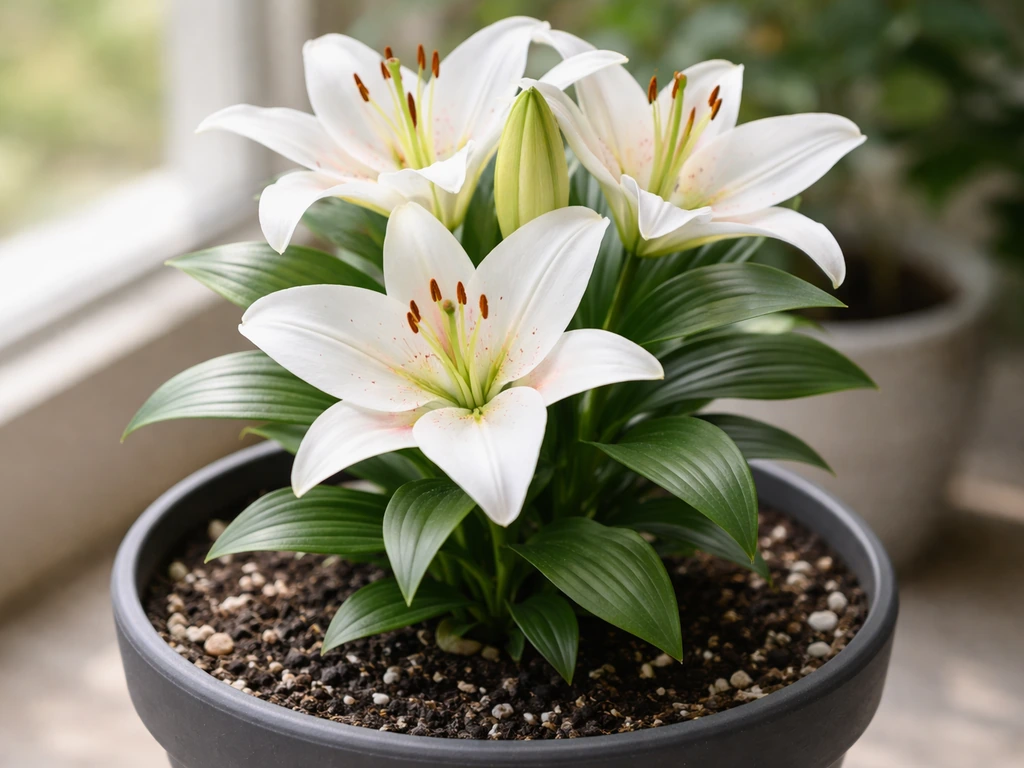
Do potted lilies actually regrow? Here's the honest answer
True lilies, Asiatic, Oriental, and species lilies grown from bulbs, are perennials. They're genetically wired to bloom, die back, rest, and bloom again. That cycle works in pots just as it does in the ground, provided the bulb survives and recharges. Asiatic and Oriental lilies, for instance, grow well in Zones 4a through 8b and are tough enough to overwinter in a container if you handle it correctly.
The catch is that pots are a more demanding environment than garden beds. The soil dries out faster, temperatures swing more dramatically at the roots, and nutrients run out sooner. Those pressures can kill a bulb that would have sailed through winter in the ground. So the question isn't really "will lilies come back in pots", it's "did you give the bulb what it needed to survive the off-season?"
One important caveat: not everything sold as a "lily" is a true lily. Canna lilies and calla lilies are different plants entirely. Cannas, for example, grow from rhizomes rather than bulbs, and in cold climates like Minnesota they need to be dug up and stored indoors over winter, you can't just leave them in a pot outside. If your "lily" turned out to be a canna or a calla, the regrowth rules are completely different. This article focuses on true bulb lilies (Asiatic, Oriental, and similar types), though the foliage-retention and feeding principles apply broadly.
What actually makes lilies come back: bulbs, roots, and dormancy
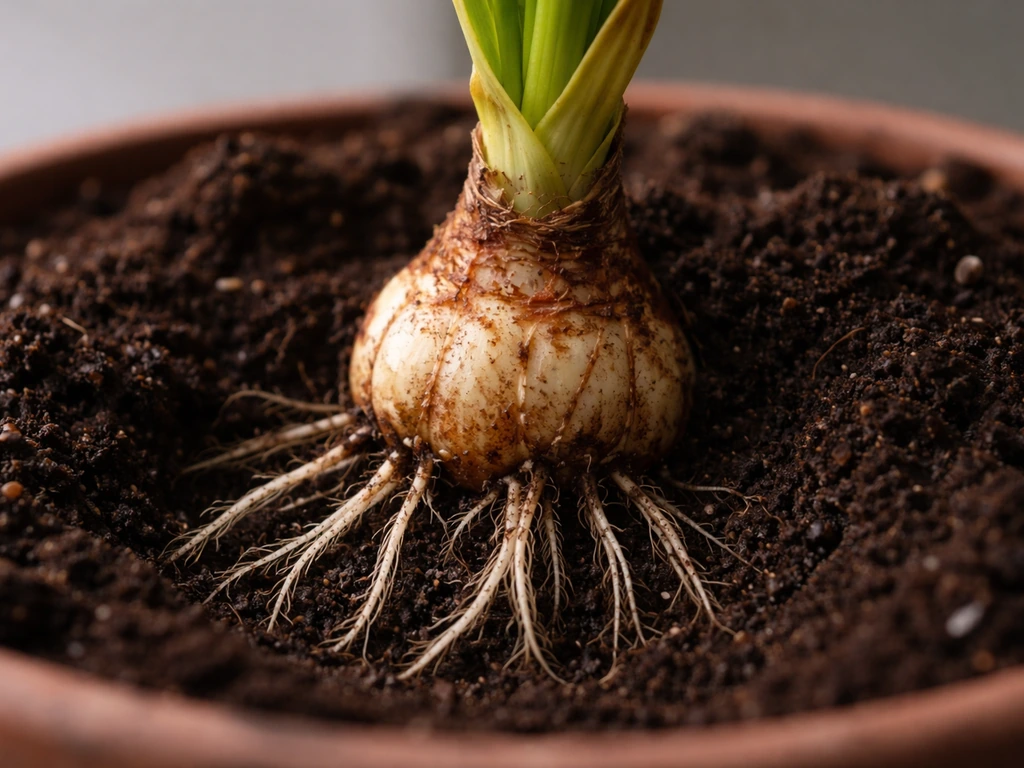
The bulb is the whole game. After the flowers are gone, the plant isn't done, it's just shifted its energy from reproduction to storage. While any green tissue remains on the stem or leaves, the plant is actively photosynthesizing and pushing carbohydrates down into the bulb to fuel next year's growth. The RHS puts it plainly: leaving the green flower stalk in place lets it photosynthesize and "build up the bulb to flower well next season." Cut everything down too early and you short-circuit that process.
True lily bulbs also need a cold dormancy period to reset and bloom reliably again. This is why Breck's recommends leaving lily containers outside in winter, the cold season is part of the trigger. In severe frost areas where the pot would freeze solid, move it into a cool but frost-protected spot like an unheated garage. The goal is cool, not warm. A pot parked in a heated room will not give the bulb the chill it needs.
Forced potted lilies, the kind sold already in bloom at garden centers in spring, are a slightly different situation. Those bulbs have been artificially chilled to bloom on schedule. Their reserves may be more depleted than a naturally cycled bulb, which means they need especially attentive post-bloom care to recharge. Some forced bulbs don't come back reliably no matter what you do, so manage expectations if that's what you started with. Cornell Cooperative Extension notes that after blooming, hardy bulbs such as hyacinths and tulips cannot be forced again and should be discarded, reflecting the limits of repeated forcing blank" rel="noopener noreferrer">Some forced bulbs don't come back reliably no matter what you do.
How to care for potted lilies so they actually rebloom
Right after the flowers finish
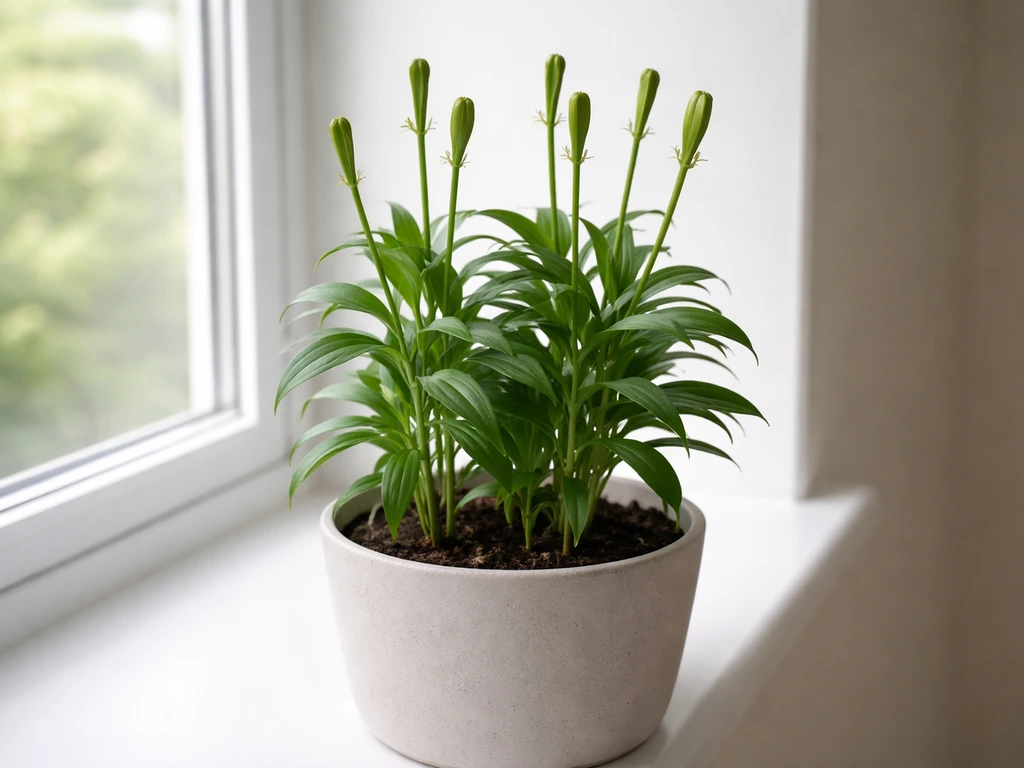
Remove the spent flower heads once the petals have browned and fallen, but leave everything else alone. Don't touch the stem or the leaves yet. Move the pot to your sunniest spot, a south-facing windowsill indoors or a full-sun patio outside. The goal is maximum light for the remaining foliage so the bulb can bank as much energy as possible.
Wait until both the stems and leaves have gone fully yellow or brown before cutting anything back. That's the signal that the plant has genuinely finished transferring energy to the bulb. At that point, you're safe to cut back to a couple of inches above soil level. Cutting back while there's still any green left is one of the most common mistakes that leads to a lily that "just didn't come back."
Watering in pots: more frequent, but not soggy
Potted lilies dry out faster than lilies in garden beds, so you need to water more often than you might expect. A practical rule: water when the top 2 inches of soil feel dry, and let the container drain freely every time. Never let it sit in standing water. Consistently wet soil is the fastest way to rot a lily bulb, especially in a pot where there's nowhere for excess water to escape. Check drainage holes regularly, they block up more than you'd think.
Feeding the bulb back to full strength
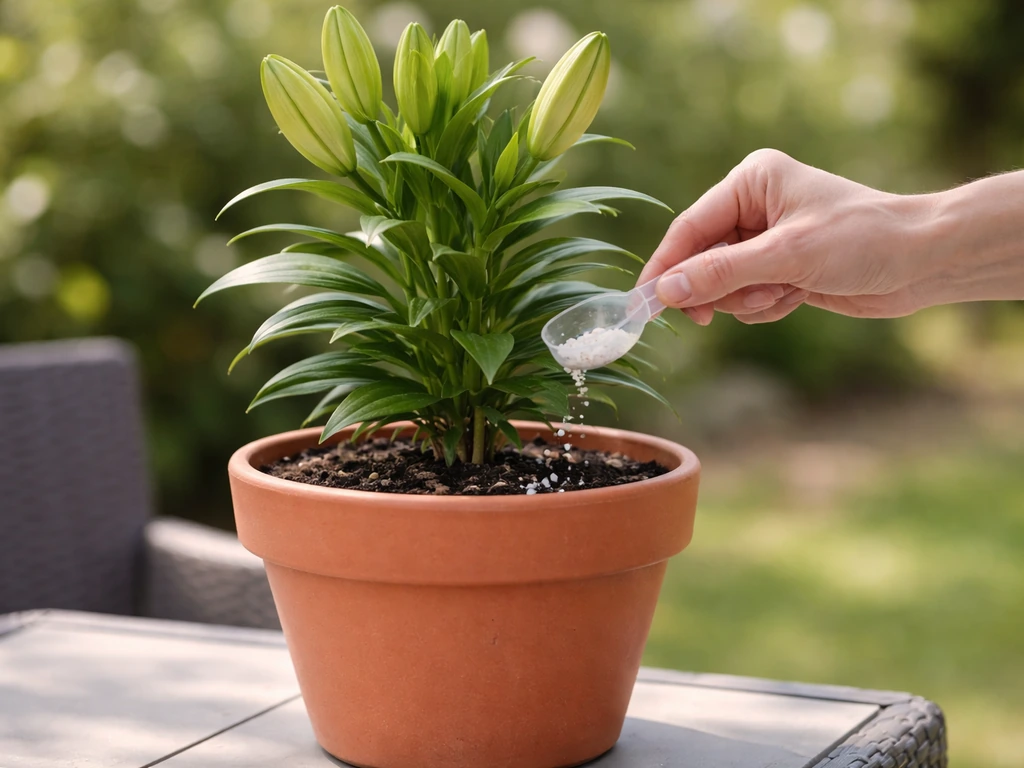
Lilies aren't heavy feeders, but they do benefit from consistent fertilizing while the foliage is still green and active. The Old Farmer's Almanac recommends a high-potassium liquid fertilizer every two weeks from planting until six weeks after flowering, that post-bloom feeding window is key for container lilies because it's exactly when the bulb needs to recharge. If you're growing a forced indoor bulb and trying to rehabilitate it, Missouri Extension recommends monthly fertilizing throughout summer to build up nutrients.
Soil, drainage, and planting depth in the pot
If your potting mix is dense and slow to drain, fix it before the bulb goes back in. The RHS recommends adding 20 percent by volume each of horticultural grit and peat-free compost or leaf mould to any mix that's too heavy. Sharp drainage is considered the single most important factor for lily bulb survival in containers. A bulb sitting in compacted, waterlogged soil between seasons will rot before it gets a chance to resprout.
Planting depth depends on the type of lily. Stem-rooting lilies (including Lilium longiflorum and most Asiatic and Oriental types) should be planted at a depth of roughly two to three times the height of the bulb, the RHS specifies about two-and-a-half times. Basal-rooting types are planted shallower, at about the same depth as the bulb's height. Getting this right matters for root establishment, which feeds directly into whether the bulb rebounds. If you are trying to get strong root growth after cutting lilies back, focus on light, drainage, and the right planting depth root establishment.
When to repot vs. leaving them in the same container
For larger pots, the RHS says you can grow lilies on for a second season without full repotting, but you need to replace the top 5cm (about 2 inches) of compost with fresh compost and add some fertilizer. That top layer is where nutrients get depleted fastest, and refreshing it makes a real difference without the disruption of fully repotting.
After two seasons in the same pot, or sooner if the bulb has visibly multiplied and the plant seems crowded, it's time to repot into a larger container with fresh mix. A bulb that's running out of room will produce fewer or smaller flowers and is more vulnerable to stress. As a general size guide, a single dwarf variety bulb can start in a pot around 6 inches wide, but most full-size lily varieties need significantly more room, a pot at least 12 inches wide and deep enough to plant at the correct depth with a few inches to spare.
If you're thinking about moving bulbs from a pot into the garden bed instead, it's an option, but Missouri Extension is honest that "outdoor planting of forced bulbs after they have faded is never a sure thing." Naturally cycled container bulbs have better odds, but any transplanting carries risk. The best time to do it is when the foliage has died down and the bulb is dormant.
Why your potted lily didn't come back (and what to do about it)
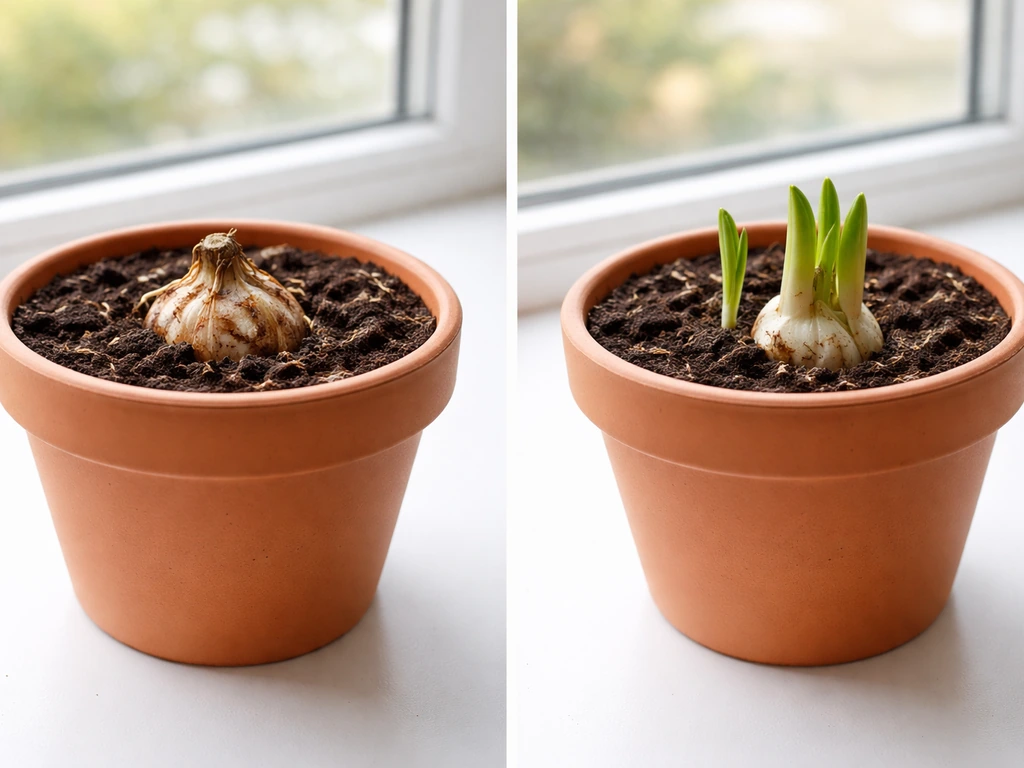
If you're staring at a pot of nothing where lilies should be sprouting, here are the most likely culprits:
- Bulb rot from poor drainage: The number-one killer in containers. Check your soil mix and drainage holes. If the bulb feels soft or mushy when you dig it up, it rotted over winter. Improve drainage with grit before replanting.
- Foliage cut back too early: If the stems and leaves were removed while still green, the bulb didn't get enough energy to survive or rebloom. There's no fixing this season's mistake, but you know what to do next time.
- Not enough light after blooming: A pot parked in a dim corner after flowering won't give the foliage a chance to photosynthesize effectively. Move it to the sunniest spot you have.
- Freezing solid in the pot: Pots don't insulate roots the way soil does. If your container froze through completely in a very cold winter, the bulb may have been killed. In Zones 4 to 5, bring the container into an unheated garage or shed once temperatures drop severely.
- Kept too warm over winter: A pot brought inside to a heated room won't get the cold dormancy lilies need. Cool but frost-free is the target, not warm.
- Pot size too small: A cramped bulb struggles. If the roots had nowhere to go, the plant can't build reserves. Size up next season.
- The bulb was accidentally discarded: It happens — especially with pots that were cleaned out in autumn without checking for dormant bulbs underneath the soil surface. Always dig a few inches down before dumping a pot that held lilies.
- It was a forced bulb with depleted reserves: Some forced bulbs simply don't have enough stored energy to cycle again, regardless of care. If you gave it everything and it still didn't come back, this may be the reason.
Matching the right lily variety to a container
Not all lilies are equally suited to long-term pot life, and picking the right variety upfront saves a lot of frustration. Here's how the main container-grown types compare:
| Lily type | Container suitability | Light needs | Overwintering in pots | Reliable regrowth |
|---|---|---|---|---|
| Asiatic lily | Excellent — compact varieties especially | Full sun, 6+ hours | Leave outside; bring in if severe frost | Yes, Zones 4a–8b |
| Oriental lily | Good — needs a deeper pot | Full sun, 6+ hours | Leave outside; bring in if severe frost | Yes, Zones 4a–8b |
| Longiflorum (Easter lily) | Good, often sold forced | Full sun to bright indirect | Needs cold dormancy; often treated as forced | Possible but less reliable if forced |
| Canna lily (not a true lily) | Good as annual; needs large pot | Full sun | Must dig rhizomes and store indoors in cold climates | Yes, but requires manual overwintering |
| Calla lily (not a true lily) | Good indoors or mild climates | Bright indirect to partial sun | Not frost-hardy; bring inside in Zone 7 and below | Yes with proper storage |
| Daylily | Moderate — can get root-bound | Full sun, 6+ hours | Hardy but pots may need protection | Yes, divides readily |
For most gardeners wanting reliable, low-fuss regrowth in pots, Asiatic lilies are the best starting point. They're compact, cold-hardy, and come back consistently when given proper drainage and light. Oriental lilies are stunning but need a deeper pot and a bit more coddling. If you're working with a plant that isn't a true bulb lily, like cannas or callas, treat the overwintering step as non-negotiable in any climate with freezing winters. The regrowth rules are genuinely different for those plants.
Indoors versus outdoors also matters more than people realize. An indoor lily doesn't get natural rain or temperature variation, which means you're fully responsible for simulating the right conditions: consistent but not excessive watering, a genuinely sunny window (not just a bright room), and a cool resting period over winter. Many indoor lily failures come down to overwatering combined with insufficient light, a combination that weakens the bulb steadily over time until it simply doesn't bounce back.
If you've been wondering whether outdoor lilies face the same regrowth questions, the dynamics are similar in terms of bulb care, but the ground provides much better insulation and more stable moisture than a pot. Container growing is simply a higher-maintenance version of the same plant. Get the drainage, depth, light, feeding, and dormancy conditions right, and there's no reason your potted lilies can't be a multi-year feature on a patio, balcony, or windowsill.
If you’re aiming to can you grow peruvian lily in pots, focus on the same basics for drainage, light, and winter cooling potted lilies can't be a multi-year feature. Yes, if you get the drainage, planting depth, light, feeding, and dormancy right, lilies can keep returning for multiple seasons in a pot can lilies grow in pots. Can lilies grow in pots? Yes, and getting the right drainage, light, and dormancy is what makes the difference potted lilies.
FAQ
If my lilies bloom and then I move the pot indoors, will they still grow back?
A lily that receives enough light to keep foliage green and actively photosynthesizing, then gets watered only to the level needed to prevent the pot from fully drying, has a much better chance. If your pot sits outdoors all summer but is kept in a bright, warm room after flowering, the bulb often fails to recharge because it does not cool down and re-enter dormancy properly.
Should I keep fertilizing after the flowers fade?
Do not feed after the foliage has fully yellowed and stopped. At that point, the bulb is preparing for dormancy, and extra fertilizer can either be unused or promote decay in overly wet soil. A good rule is to fertilize only while leaves are green, then stop once the plant finishes dieback.
My potted lily only leafs out this year, will it still bloom next year?
Often, yes. Many lilies can lose blooms for a year after stress, even if the bulb is still alive, especially if the pot was crowded, drainage was inconsistent, or the bulb experienced warmth through winter. Check for firmness, look for new shoots once the cooling period has passed, and consider pot-refresh or repotting if you have seen the same container for multiple seasons.
What should I do if no sprouts appear after winter?
You should not assume a lack of flowers means the bulb is dead. Wait until the normal sprouting window for your variety and conditions, then gently check the soil moisture and drainage. If no shoots appear, remove the bulb and inspect for firmness and rot, because a bulb that rotted will often show dark, mushy tissue.
How cold can the pot get before lily bulbs fail?
A pot that freezes solid for long periods can kill bulbs, especially in small containers with limited insulation. For freezing climates, use a frost-protected cool location or insulate the pot (for example, wrapping and placing it in a sheltered spot) so the root zone stays cold but not waterlogged and fully frozen through.
Can I repot my forced potted lily after it finishes blooming?
Yes, but match the bulb type and timing. Forced potted lilies sold in bloom may be more depleted, so if you repot you still need the same post-bloom light, drainage, and cool dormancy, and they may take longer to rebuild reserves. If you repot right after flowering, avoid disturbing stems and roots too aggressively.
What potting mix is best for lilies that reliably come back?
Use a potting mix that drains quickly and never reuse old, compacted soil that stays wet for days. If water pools on the surface or drains very slowly, mix in horticultural grit and fresh peat-free compost or leaf mold, and make sure there is at least one clear drainage hole per pot.
My lily did not come back after I cut it down early, how can I prevent that next time?
Often the bulb was cut back too early or the plant was underfed during the weeks when it rebuilds reserves. Review your timing for removing flower heads and cutting foliage, and also check that you gave full sun after bloom. A common fix is to let all remaining green foliage die back naturally before cutting.
How can I tell if my potted lily bulb is rotting?
Yes. If the soil stays soggy, rot can set in even if the top looks okay, because bulb rot usually starts below the surface. Improve drainage, water only when the top portion of soil dries, and empty saucers every time to ensure there is no standing water around the bulb.
Next Articles
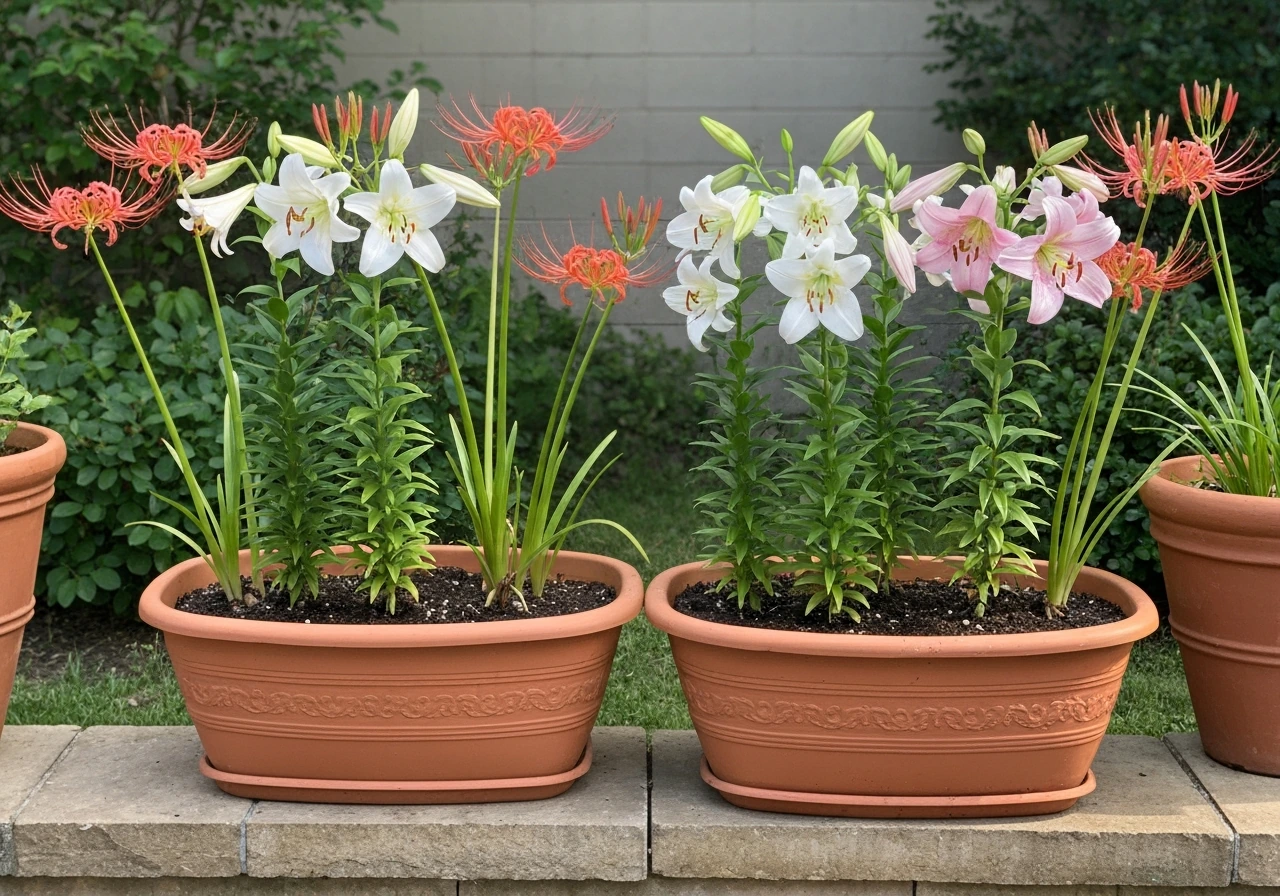
Can You Grow Lilies in a Pot? Yes Here’s How
Grow true and spider lilies in pots with pot size, soil, drainage, light, watering, feeding, and winter care steps.
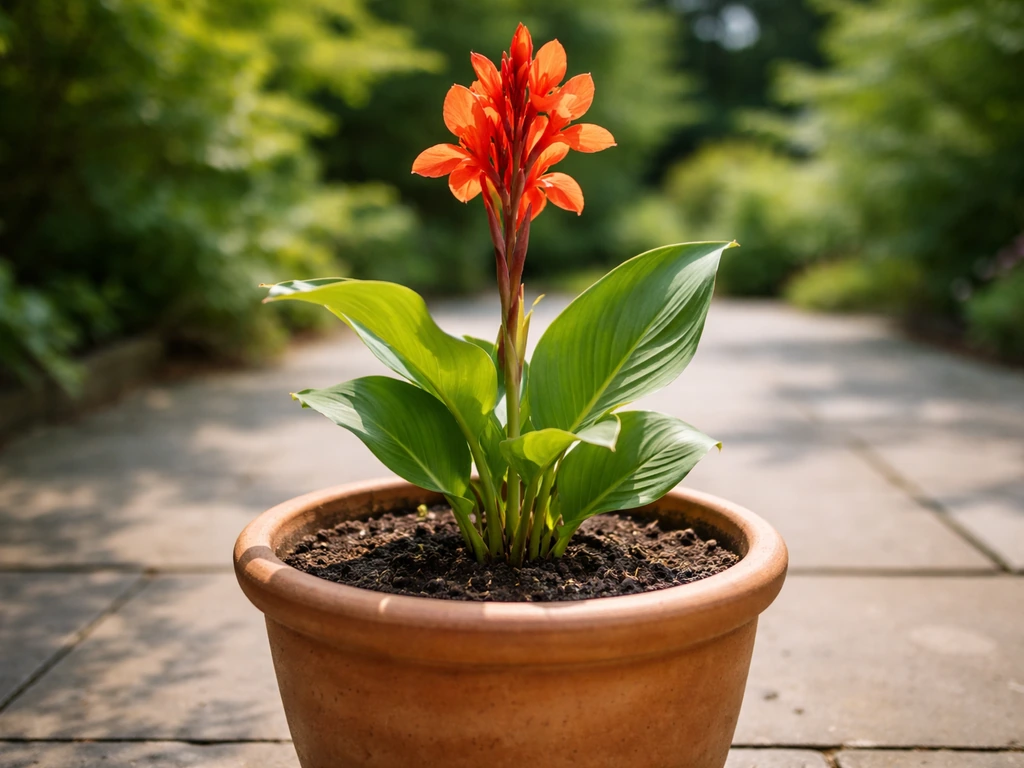
Can Lilies Grow in Pots? How to Grow Canna Lilies in Containers
Learn if can lilies grow in pots and follow a step-by-step guide to grow canna lilies in containers, soil, water, and si
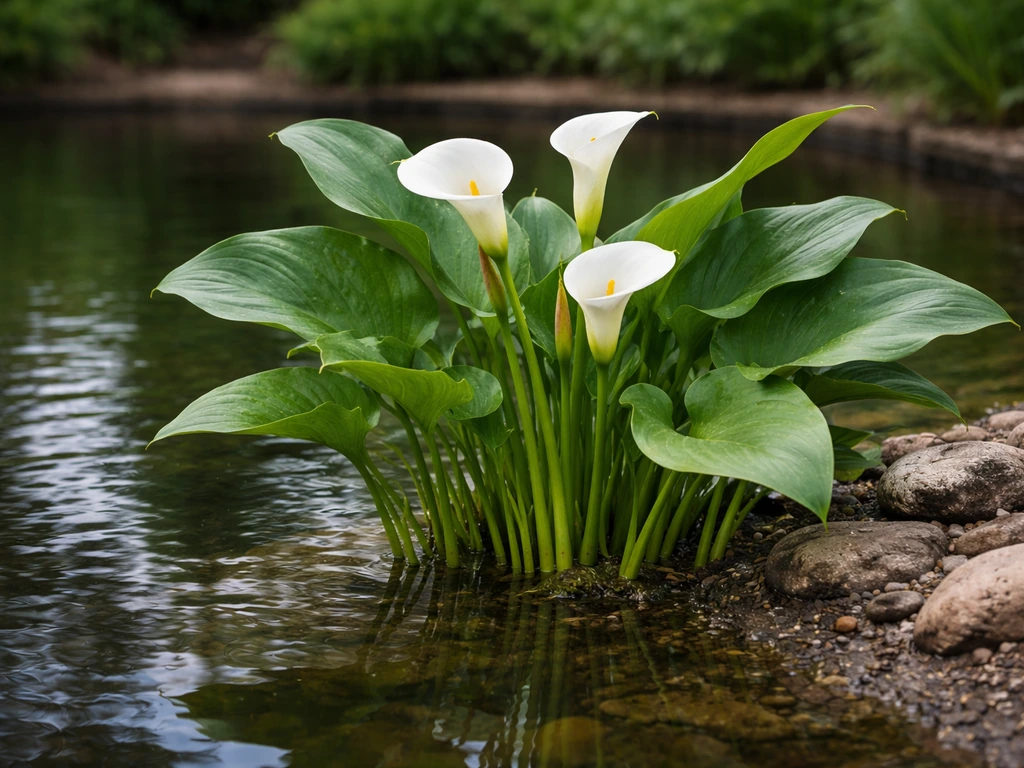
Can Calla Lilies Grow in Ponds? How to Set Up Successfully
Yes, with the right setup: water depth, substrate, anchoring, light, and overwinter care for pond or marginal calla lili