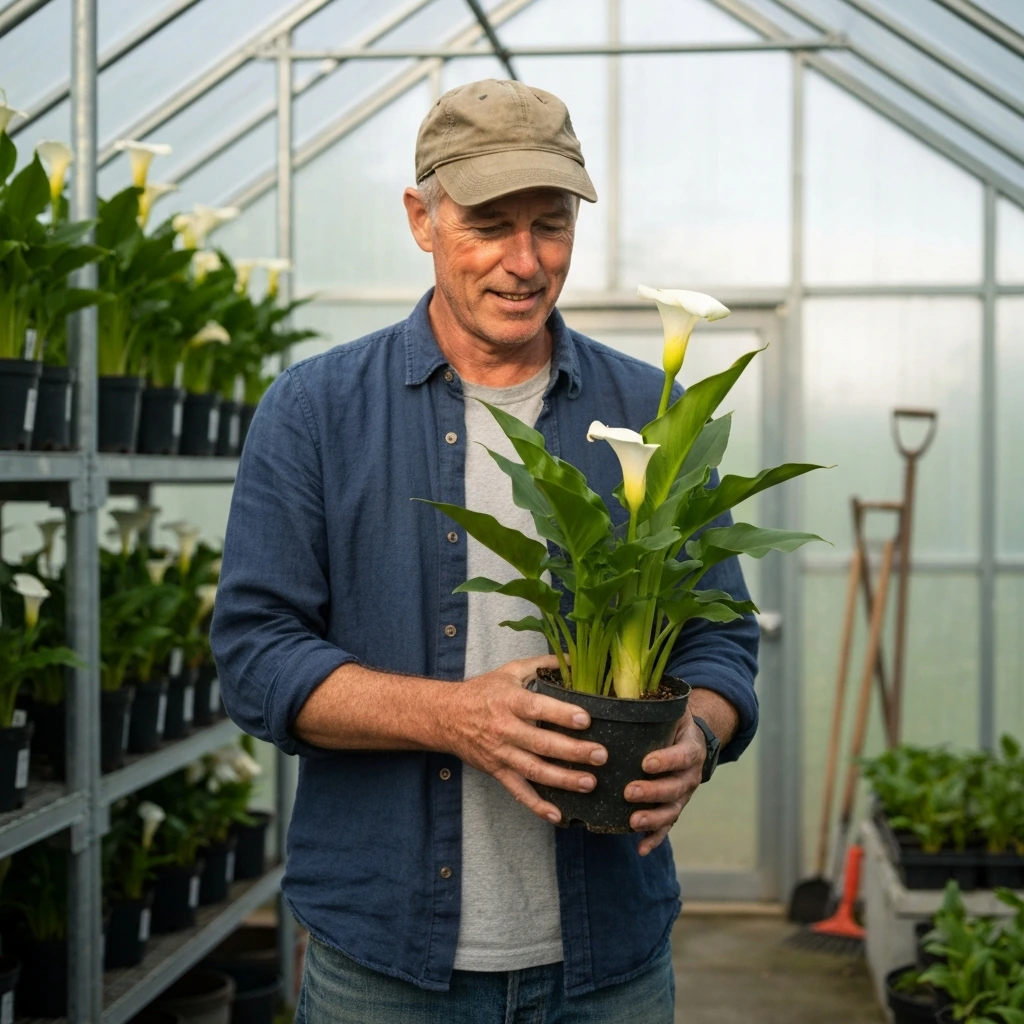
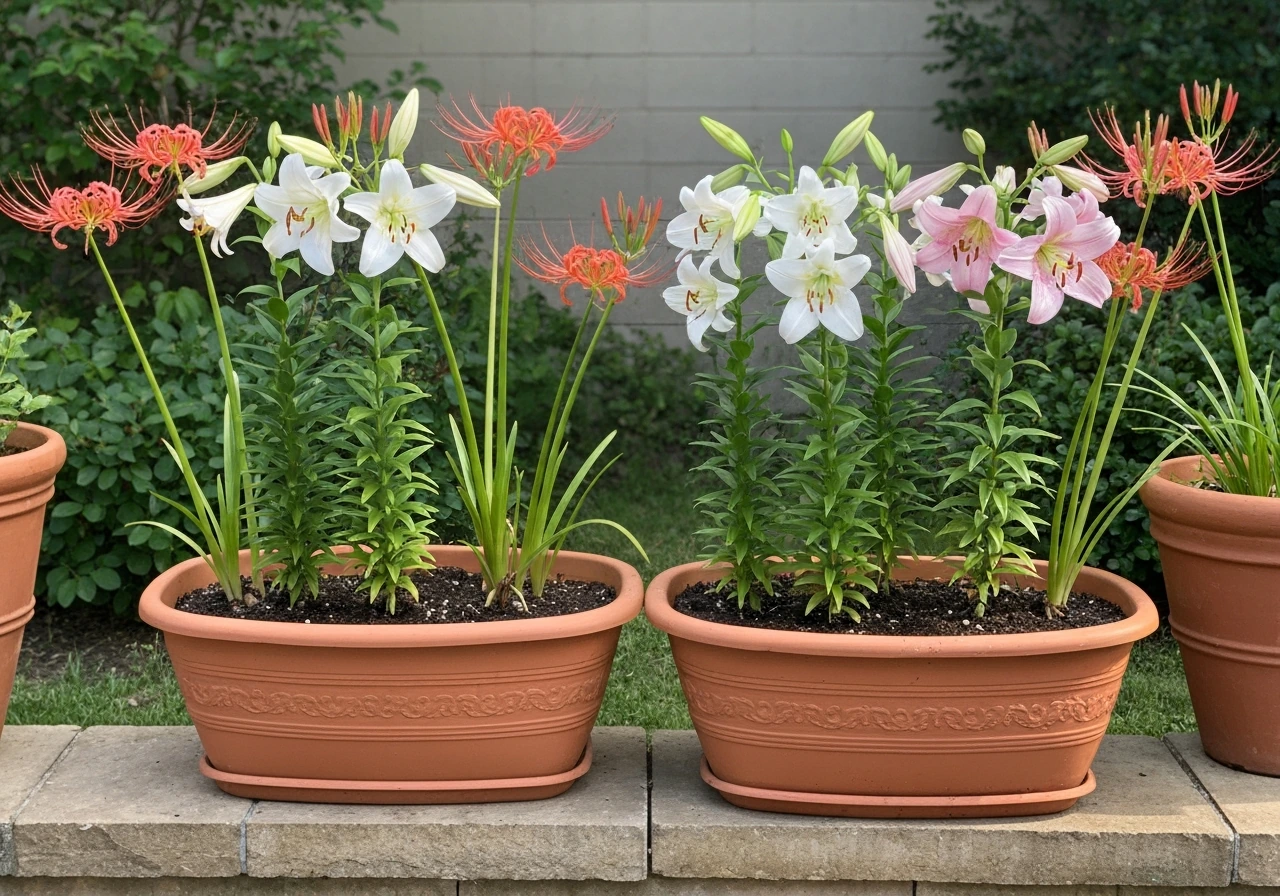
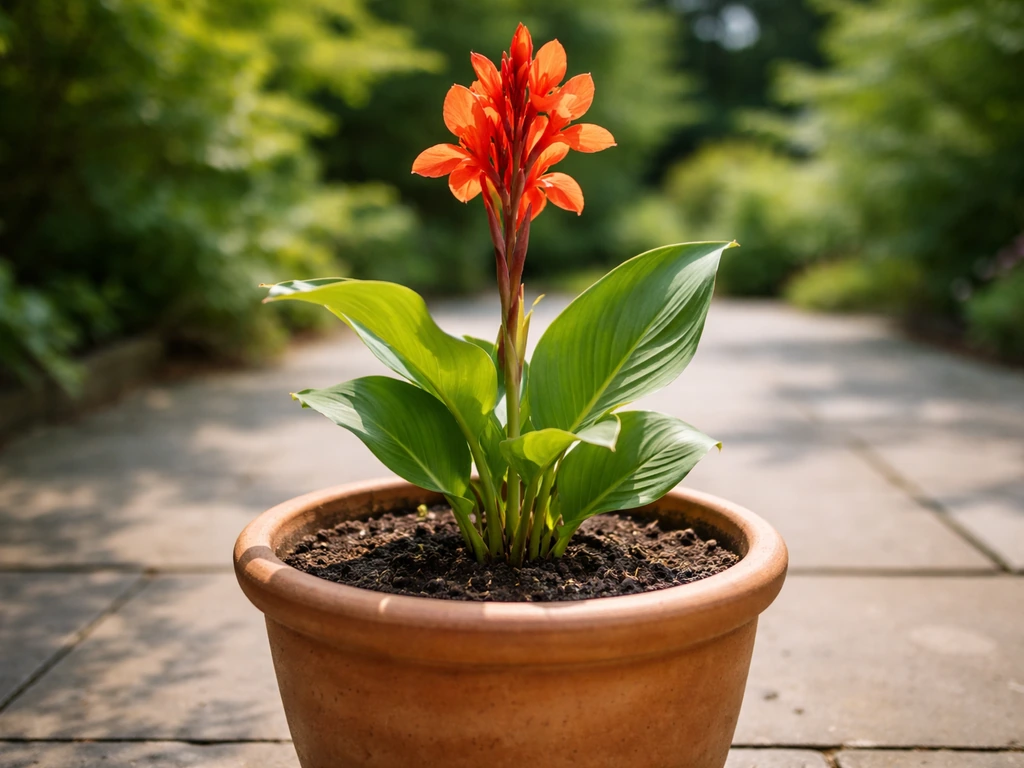
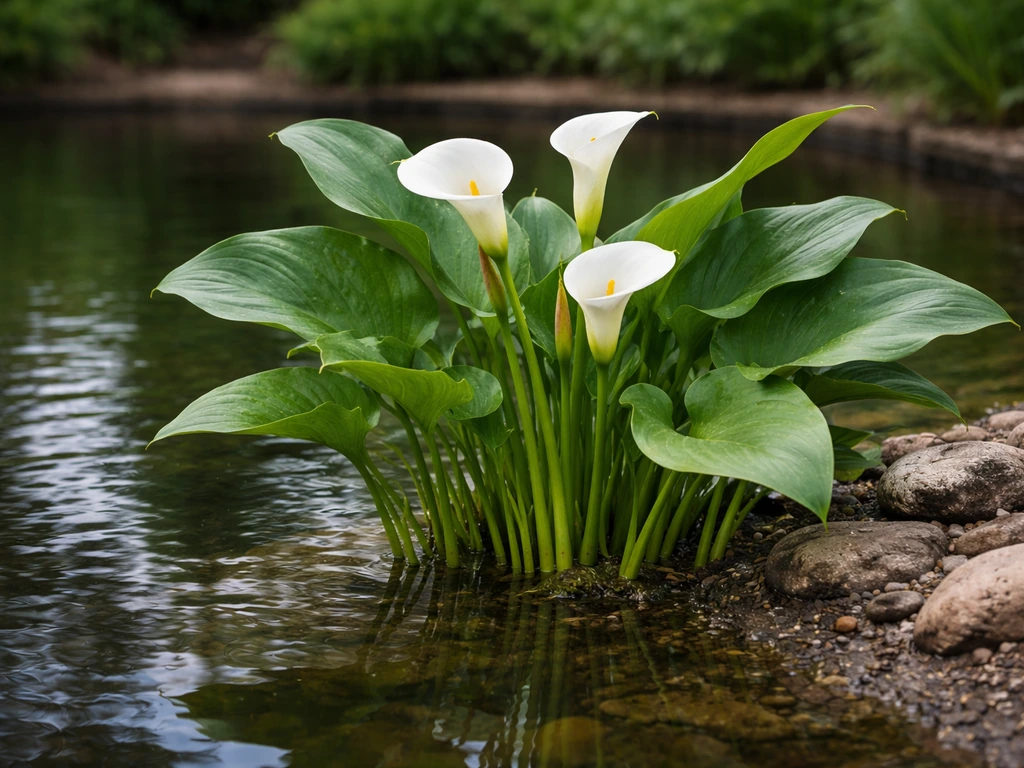
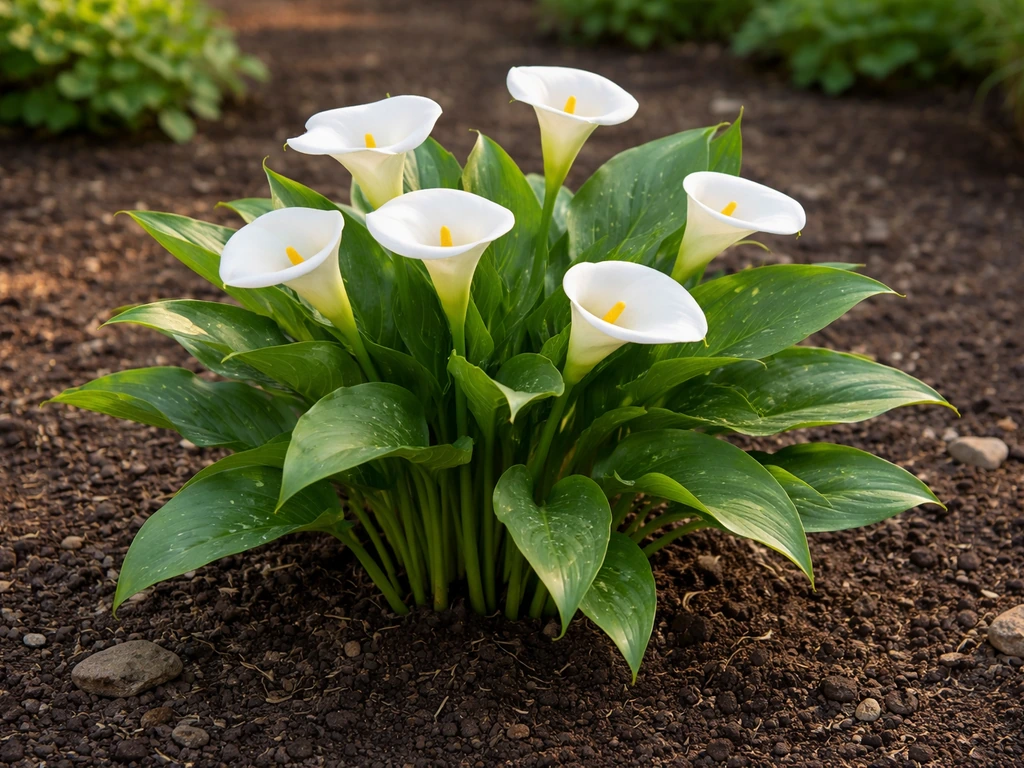
There's a helpful distinction worth making right away: the word "lily" covers a huge range of plants. True lilies (Lilium species, Asiatic, Oriental, trumpet types) grow from scaly bulbs and are what most people picture when they hear "lily." Then there are plants commonly called lilies that aren't technically Lilium at all: spider lilies, canna lilies, calla lilies, daylilies, and others. Container growing works for most of them, but the approach differs. The rest of this guide walks you through exactly what to do for each situation, starting with the most important decision you'll make: which lily type to put in a pot.
Which lily type actually belongs in a container
Compact Asiatic lilies are the easiest starting point for container growing. Dwarf cultivars like 'Tiny Shadow' top out at around 10 inches tall with a 12-inch spread, making them genuinely pot-friendly without needing staking or extra support. Taller Asiatic and Oriental varieties can work too, but plan on staking them once they hit 18 inches or more, because wind catches potted plants hard. Oriental lilies need lime-free, slightly acidic soil, while some other species tolerate a bit more lime, so knowing your variety before you buy your potting mix matters. Growing lilies in pots is most forgiving when you start with a compact, well-suited cultivar rather than trying to squeeze a 4-foot trumpet lily into a 10-inch nursery pot.
Spider lilies are a popular search, but the name covers two very different plants. Hymenocallis species (sometimes called Peruvian daffodil or spider lily) are warm-climate bulbs that actually love moisture during the growing season, they want consistently moist soil while actively growing, which is easy to manage in a container. The other plant often called spider lily is Crinum, which is a much larger bulb needing a big pot and strict dry dormancy in winter. Both work in containers, but they need opposite watering approaches in the off-season, so know which one you have before you start.
If you're drawn to alstroemeria (Peruvian lily), that's another container-friendly option with its own set of requirements. And if you're already thinking ahead to whether a Peruvian lily will grow well in a pot, the short version is yes, with the right depth and consistent feeding.
| Lily Type | Container Suitability | Key Consideration |
|---|
| Compact Asiatic (e.g., 'Tiny Shadow') | Excellent | No staking needed; lime-free soil |
| Tall Asiatic / Oriental | Good with support | Stake at 18+ inches; lime-free, acidic soil |
| Hymenocallis (Spider Lily) | Good | Needs consistent moisture during growth; indoor overwintering in cold zones |
| Crinum (also called Spider Lily) | Possible in large pots | Needs big container; dry dormancy in winter |
| Canna Lily | Good | Needs large pot; lift rhizomes in cold climates |
| Daylily | Good | Tolerates more root crowding than true lilies |
Getting the pot, drainage, and soil right
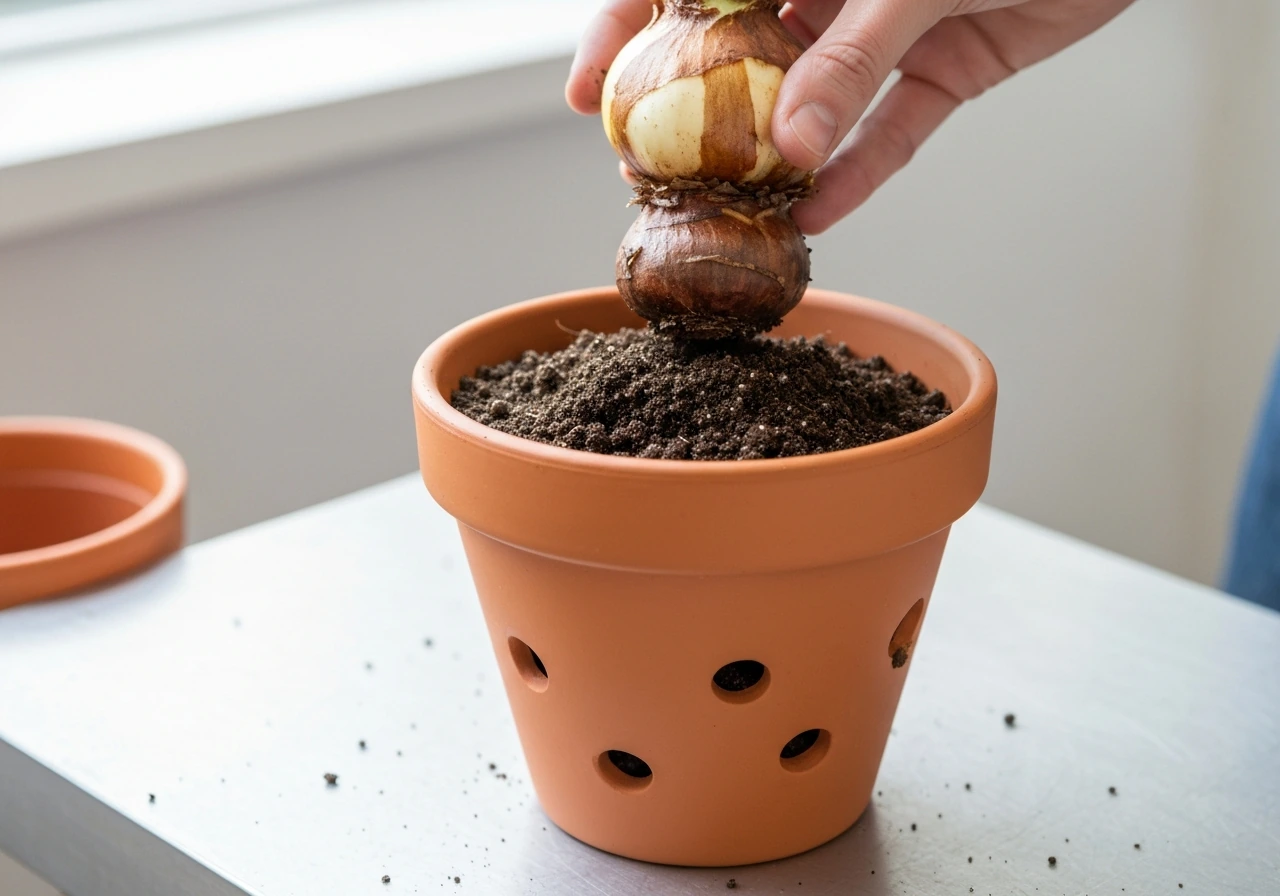
Pot size
For a single large lily bulb (roughly 4 to 5 inches across), you need a pot at least 8 to 9 inches in diameter and a minimum of 12 inches deep. If you're planting multiple bulbs or a taller variety, go wider, a 10 to 14 inch diameter pot with 12 to 18 inches of depth gives roots room to establish without fighting for space. Cramped roots mean stunted growth and smaller flowers.
Don't be tempted by decorative shallow pots for Lilium bulbs; they need that vertical depth because stem-rooting types (which includes most Asiatics and Orientals) actually send roots out from the stem above the bulb, not just from the base, so shallow means those upper roots have nowhere to go.
Drainage
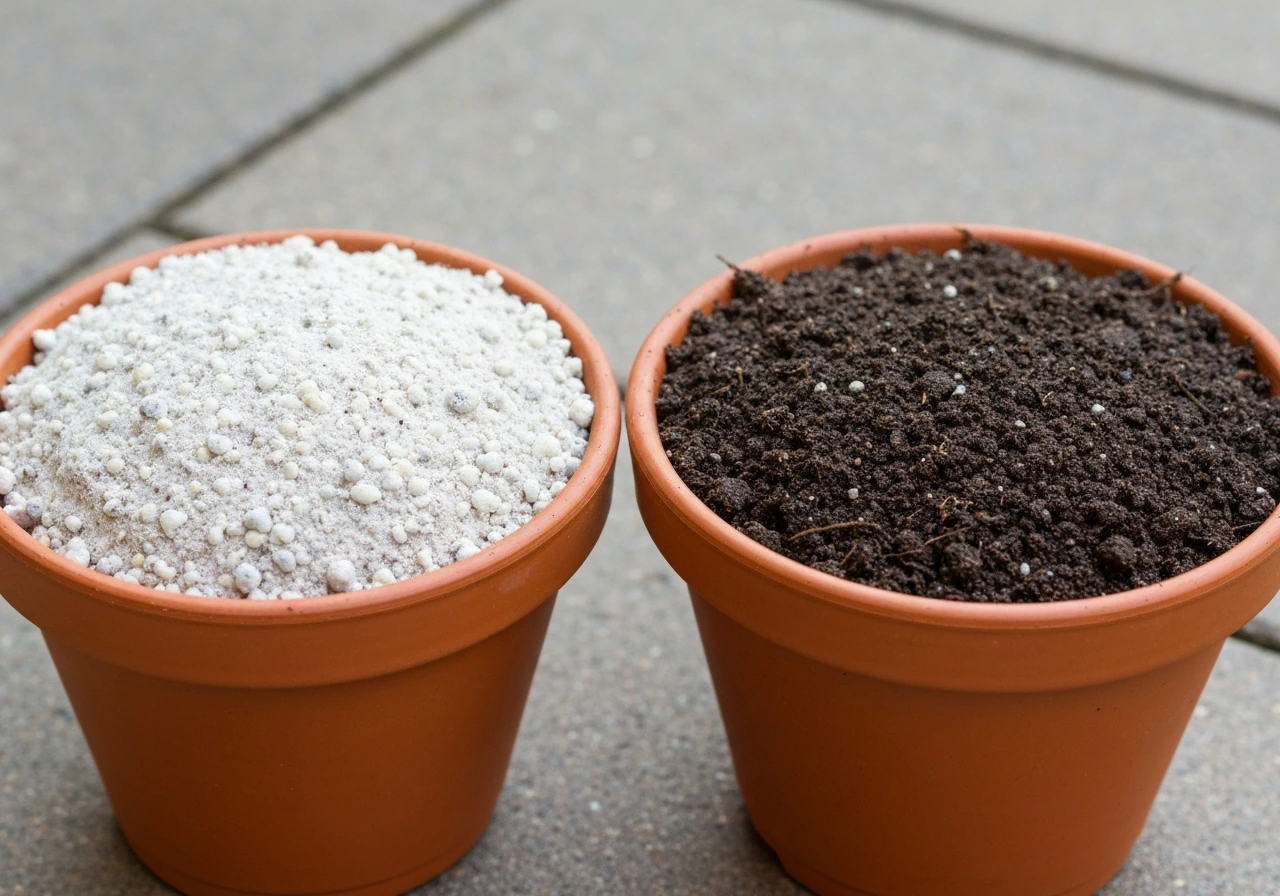
This is non-negotiable. Every pot you use for lilies must have drainage holes. Waterlogged soil is the fastest way to rot a lily bulb, and it happens surprisingly quickly in containers because water has nowhere to go. If your decorative outer pot doesn't have holes, use it as a cachepot and place a properly draining inner pot inside. Always empty the saucer after watering, don't let the pot sit in standing water.
Soil mix
Regular garden soil is too dense for containers and will compact over time, cutting off air to the roots. Go with a high-quality potting mix that drains well and has good aeration. Most true lilies prefer neutral to slightly acidic soil, around pH 6.0 to 6.5. For Asiatic and Oriental lilies, make sure the mix is lime-free. A simple improvement is mixing perlite into your potting mix at about a 20 to 25 percent ratio to keep things open and well-draining. Adding some compost or slow-release organic matter helps replicate the humus-rich, aerated soil these plants love in the ground.
Light and watering: getting the daily routine right
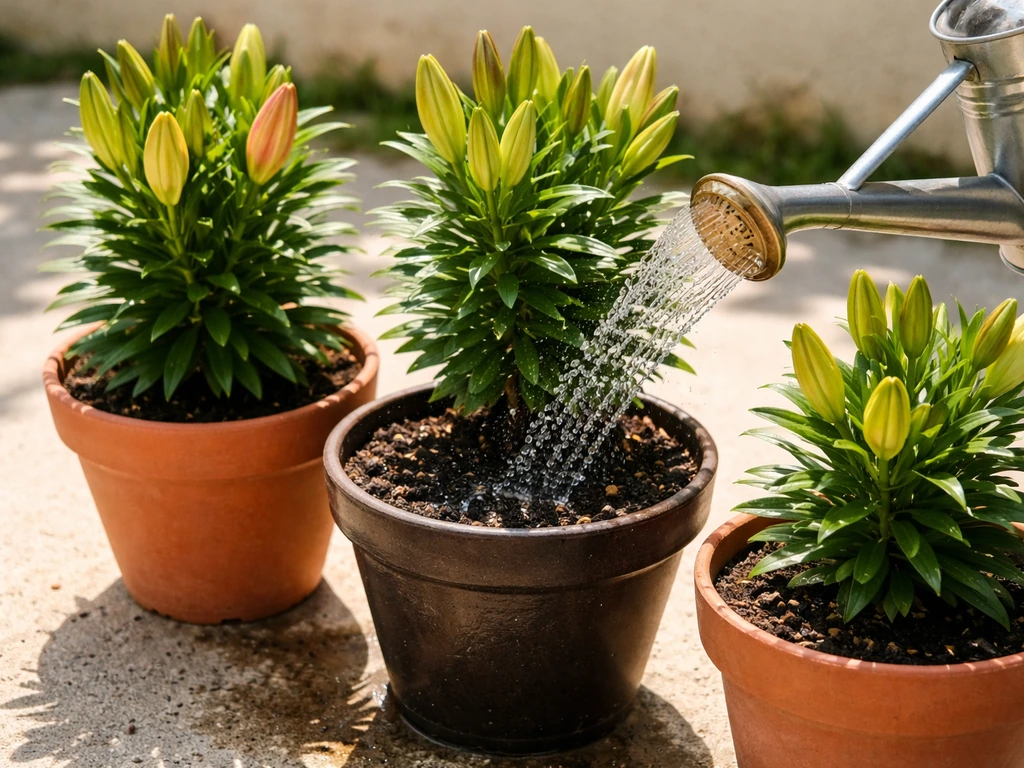
Lilies are sun lovers. Plan on at least 6 hours of direct sunlight daily for most Lilium types. Less than that and you'll get leggy stems and few flowers, the plant puts its energy into reaching for light instead of blooming. This is actually where containers give you a real advantage: you can move pots to chase sunlight, shift them off a shaded patio when a tree leafs out, or bring them inside a bright south-facing window if the outdoor season ends early in your zone.
Hymenocallis spider lilies are slightly more flexible, they can handle part shade but bloom best with bright indirect light to a few hours of direct sun. Crinum lilies want full sun and are surprisingly drought-tolerant once established, which is the opposite of Hymenocallis.
For watering, the golden rule for container lilies is: keep the soil evenly moist but never soggy. Pots dry out faster than garden beds, especially in summer heat, so check the soil every couple of days by sticking your finger 2 inches deep. Water thoroughly when the top inch or two feels dry, letting water run freely out the drainage holes. During peak summer heat, small pots may need daily watering. Hymenocallis wants consistently moist conditions throughout its growing season, don't let that one dry out. Crinum, by contrast, needs only moderate watering and gets much drier during dormancy.
Temperature, where to put the pot, and surviving winter
This is where container growing gets more complicated than in-ground planting, and it's the part most beginners underestimate. In the ground, bulbs are insulated by the surrounding soil. In a pot, they're exposed on the sides and bottom to freezing air temperatures. A bulb that would survive zone 6 winters perfectly fine in the ground can freeze solid in a pot exposed to the same temperatures.
The rule of thumb is to treat potted bulbs as if they're one or two hardiness zones colder than your actual zone. If you're in zone 6, overwinter your potted Asiatic lilies as if you're in zone 4 or 5. The easiest approach is to move pots into an unheated but frost-free garage, shed, or basement for the winter. The bulbs need a cool, dark dormancy period (true Lilium bulbs genuinely need that winter chill to bloom well the following year), but they can't freeze solid in the pot. Aim for storage temperatures around 35 to 45°F for Lilium types.
For Hymenocallis spider lily, the overwintering approach is different. In zones below 8 or 9, these bulbs need to come inside before the first frost. A cool indoor space around 55 to 60°F with dry conditions works well. Some gardeners dig the bulbs, let them dry for a few days, and store them in dry peat or vermiculite over winter, then repot in spring. If you're wondering about this in more detail for other lily types, the question of whether lilies will grow back in pots depends a lot on how well you manage this overwintering step.
Crinum lilies in pots go dormant in winter in cold climates. During that rest period, blank" rel="noopener noreferrer">cut way back on watering, barely moist at most, and often nearly dry is fine. Don't be alarmed when the foliage dies back; the bulb is resting. Similarly, if you're growing canna lilies in pots, you'll need to think about dormancy management, the question of whether your canna lily will grow back comes down to keeping the rhizomes frost-free over winter, either indoors or with heavy mulching.
For outdoor placement during the growing season, avoid putting dark-colored pots in full afternoon sun in hot climates, the pot walls absorb heat and can literally cook the roots. Light-colored pots, glazed ceramics, or placing pots where they get afternoon shade work much better in zones 8 and above. Outdoor lilies growing back year after year is very achievable with the right overwintering strategy in place.
When to plant, how to feed, and keeping up with maintenance
Planting timing
Plant true lily bulbs in pots in early spring (as soon as the soil can be worked) or in fall before frost. Fall planting gives bulbs time to establish roots before winter dormancy. For Hymenocallis and other warm-season bulbs, plant in spring after your last frost date, or start them indoors 6 to 8 weeks before last frost to get a head start on the season.
Planting depth in containers is slightly more forgiving than in the ground, but aim to plant the bulb at a depth of at least equal to the bulb's height and up to about 2.5 times its height. For stem-rooting types (most Asiatics and Orientals), deeper is better because those above-bulb stem roots need soil to grow into. A 12-inch-deep pot gives you the room to do this correctly.
Fertilizing
Container lilies need regular feeding because nutrients wash out of pots every time you water. Start with a balanced slow-release fertilizer worked into the potting mix at planting. Once active growth begins, switch to a balanced liquid fertilizer (something like a 10-10-10 or similar) every two to three weeks through the growing season. As buds form, you can shift to a slightly lower-nitrogen, higher-phosphorus formula to encourage flowering. Stop feeding once blooming is done and the plant is heading into dormancy.
Mulching the top of the pot
A thin layer of mulch on top of your pot's soil helps retain moisture and moderate temperature swings. You don't need much, 1 to 2 inches is plenty. It also keeps splashing water (and the fungal spores that often travel with it) from hitting the lower leaves. For in-ground beds you'd also wonder whether lilies can grow through mulch, the same principle applies at the soil surface in pots.
When things go wrong: troubleshooting common container lily problems
Yellowing leaves and stunted growth
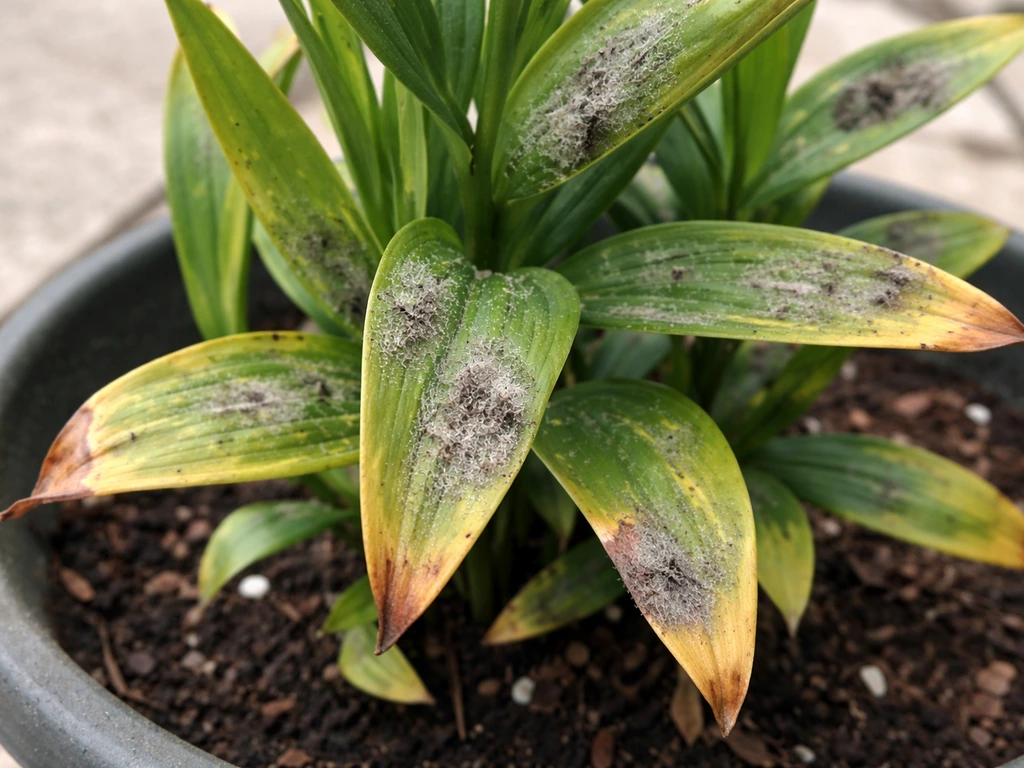
Yellowing is one of the most common complaints and has several possible causes in containers. The most serious is basal rot, a fungal disease that causes yellowing, stunting, and premature die-back. It's caused by overly wet, poorly draining soil, exactly the conditions that build up in containers that lack good drainage or are overwatered. If you pull the bulb and it smells bad or feels mushy at the base, basal rot is likely the culprit. There's no saving a badly rotted bulb, so prevention (good drainage, correct watering) is everything. Yellowing can also simply be a sign of nutrient deficiency in containers where you haven't been fertilizing regularly, or of a bulb that's become too cramped and root-bound.
Gray mold and leaf spots (Botrytis blight)
Botrytis (gray mold) is the other big fungal threat, and container conditions can actually make it worse if your pot is in a sheltered spot with poor air circulation. You'll see brownish spots on leaves and sometimes a gray fuzzy coating on affected areas. It thrives in cool, moist conditions, especially when foliage stays wet. Space your pots for air circulation, water at the base rather than overhead, and remove any dead or dying foliage promptly.
Cool, rainy springs are the highest-risk period. If you notice the classic symptoms of distorted growth or abnormal flowers alongside leaf spotting, that's lily disease (Botrytis elliptica specifically), a related but distinct problem addressed the same way: improve airflow, reduce foliage wetness, and clear debris.
Pests in containers
Aphids and lily leaf beetles are the two pests most likely to find your potted lilies. Aphids cluster on new growth and flower buds, a strong spray of water knocks most off, or use insecticidal soap for heavier infestations. Lily leaf beetles (bright red beetles that skeletonize leaves) are harder to deal with and often show up in sheltered conditions. Hand-pick adults and egg masses from the undersides of leaves daily when you spot them. Chemical controls exist but should be a last resort.
Buds that fail or drop without opening
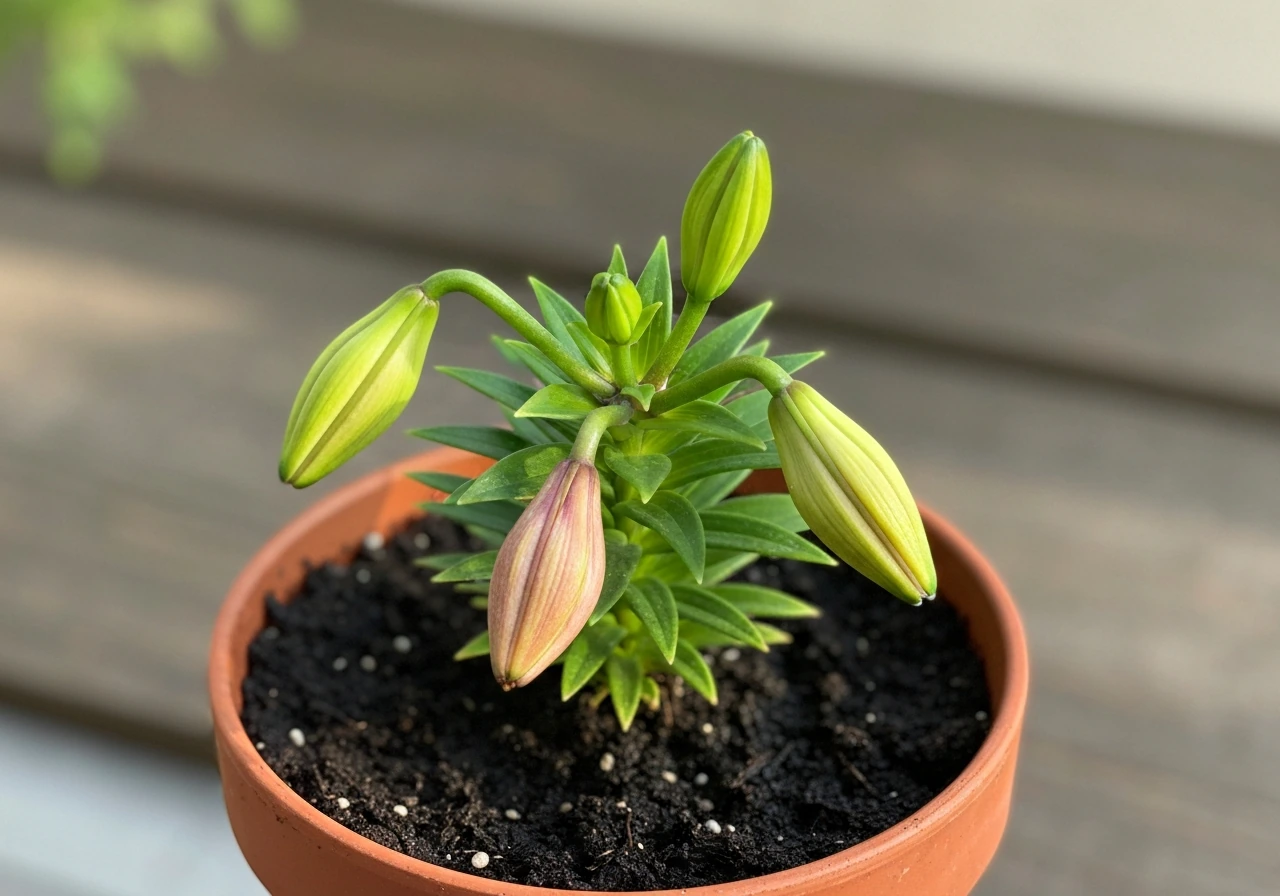
Bud blast (buds forming but dying before opening) in container lilies is almost always a stress response. The most common triggers are inconsistent watering (letting the pot dry out completely then drenching it), moving the pot abruptly from low light to high light once buds form, or temperature extremes. Once buds set, try to keep conditions stable, consistent moisture, the same location, and protection from wind.
When it's time to repot
Repot when you see roots emerging from the drainage holes, when the plant seems to dry out unusually fast even with regular watering, or when growth noticeably declines despite good care. Most container lily bulbs benefit from being repotted every 2 to 3 years. When repotting, inspect the bulbs for rot or damage, refresh the potting mix entirely (don't reuse the old mix), and size up the container if needed. If you're thinking longer term about whether indoor lily plants grow back after being moved or repotted, the answer is yes, as long as the bulb is healthy and you keep conditions consistent through the transition.
One more thing worth flagging: if you've propagated from cuttings rather than bulbs, you might be wondering about whether cut lilies can grow roots in a pot, it's possible with some varieties under the right conditions, but bulb division or offsets are far more reliable for getting container plants established quickly.
Your next steps based on which lily you're growing
If you're growing a compact Asiatic lily: grab a pot at least 12 inches deep and 10 inches wide, use a lime-free, well-draining potting mix with added perlite, plant the bulb at 2 to 2.5 times its own height deep, and put it somewhere with 6 or more hours of direct sun. Water consistently, feed every two to three weeks during the growing season, and plan to move it to a cool frost-free space for winter.
If you're growing Hymenocallis spider lily: choose a pot with great drainage, keep the soil consistently moist through summer, give it bright light, and before your first frost either bring the whole pot into a cool (55 to 60°F) indoor space or dig the bulbs and store them dry in peat until spring.
If you're growing Crinum (also marketed as spider lily): go big on the pot, this plant hates being cramped. Water moderately in summer, allow near-dry conditions in winter dormancy, and in zones below 7 plan to bring it indoors before frost. The treatment is almost the opposite of Hymenocallis at rest, so don't mix them up.
The bottom line: container lily growing is very doable, and in some ways it's easier than growing in the ground because you control the soil and drainage completely. Get the pot size and drainage right, match your care routine to the specific lily type you have, and plan ahead for winter. Those three things solve the vast majority of problems before they start.