
Most cut lily stems won't grow roots and become a new plant, no matter how long you leave them in water. That's the honest answer. But the honest answer is that what you call a “lily” might actually be a different plant, and some indoor types do grow back after flowering in the right conditions do indoor lily plants grow back. But the details matter a lot, because what you call a "lily" might actually be one of several very different plants, and a couple of them do have workable propagation tricks worth trying right now.
Can Cut Lilies Grow Roots? How to Try Water or Soil
Marcus Hendricks
24 May 2026
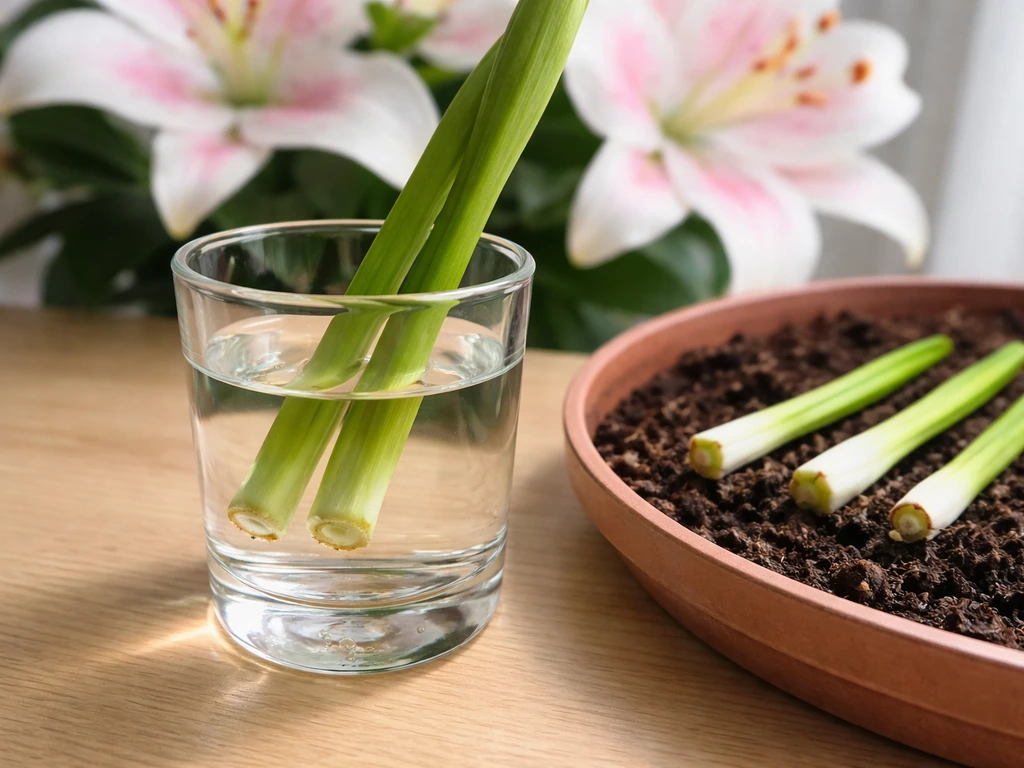
Can cut lilies root in water or soil?
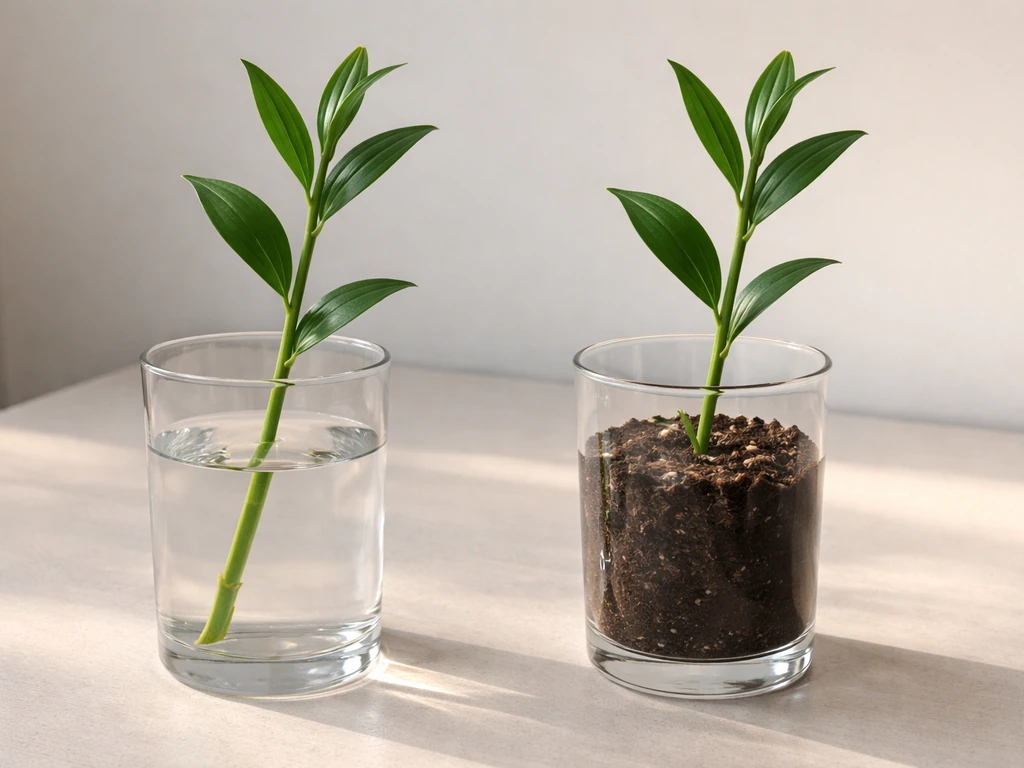
If you're holding a cut stem from an Asiatic lily, Oriental lily, or any true Lilium from a bouquet or your garden, the realistic answer is no. A cut stem from a true lily can stay green in water for a while, but it cannot build the underground root structure it would need to survive as a new plant. The biology simply isn't there. True lilies are bulb-dependent plants. Their whole growth system runs from a bulb underground, and a detached stem has no way to rebuild that.
The situation is different for a few plants commonly called lilies. Peace lilies, calla lilies, daylilies, and water lilies all propagate from rhizomes, tubers, or divisions rather than from stem cuttings, but some of those methods are at least achievable at home with the right plant material. The key question is: what exactly do you have in your hand?
What kind of lily you have changes everything
This is the part most articles skip, and it's the most important part. Here's how the main "lily" types break down when it comes to rooting cut material.
| Lily Type | Can a Cut Stem Root? | Best Propagation Method |
|---|---|---|
| True lily (Asiatic, Oriental, Easter) | No | Bulb scales, bulblets, or bulbils |
| Calla lily (Zantedeschia) | No | Divide the rhizome/tuber |
| Daylily (Hemerocallis) | No | Divide clumps (ramets with roots) |
| Peace lily (Spathiphyllum) | No | Divide the rhizome/root clump |
| Water lily (Nymphaea) | No (simple stem) | Divide rhizome or tuberous roots in spring |
Notice a theme? None of these plants propagate reliably from a cut flower stem dropped into a glass of water. They all rely on some underground structure, whether that's a true bulb, a rhizome, or a tuber. A cut stem from any of them is essentially a dead end for propagation.
True lilies (Asiatic, Oriental, Easter)
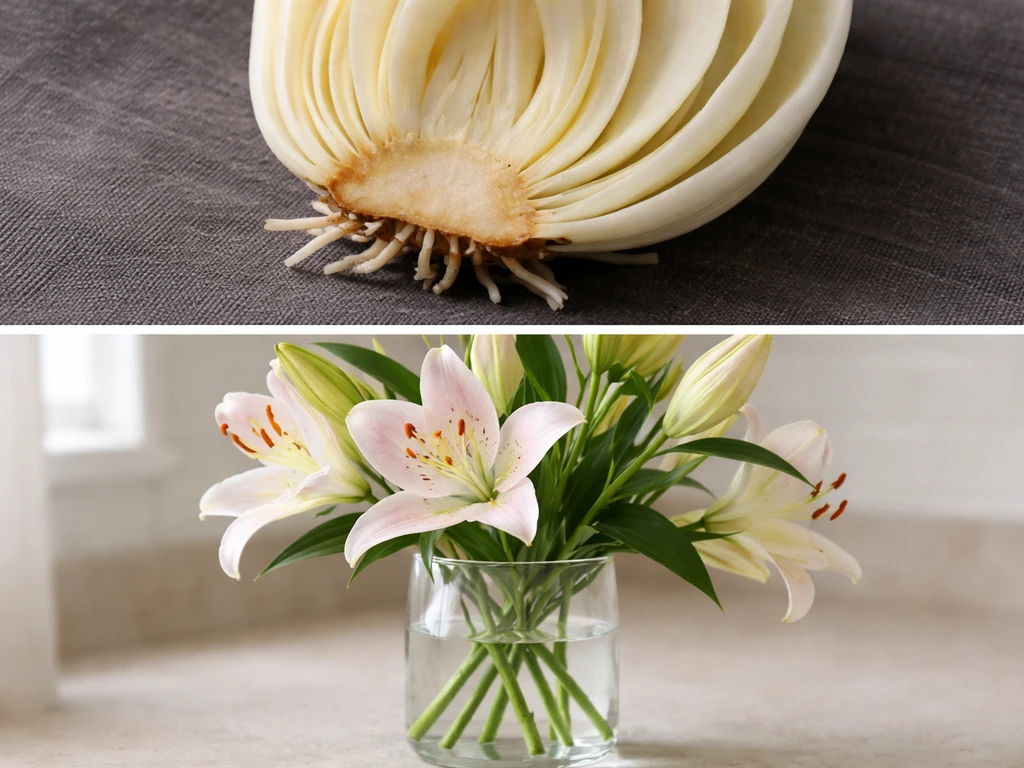
For true Lilium varieties, the North American Lily Society is clear: the standard propagation routes are dividing clumps to get bulblets, or using bulb scales. Some species like Lilium bulbiferum also produce aerial bulbils in their leaf axils, which are tiny plantlets you can pluck off and grow. A cut flower stem has none of these structures if it was harvested cleanly above ground.
Calla lilies
Calla lilies grow from a rhizome, not a true bulb. The easiest way to get more calla lilies is to dig up and divide that rhizome. A cut stem placed in water will not root into a new plant. If you're interested in growing calla lilies in containers or different conditions, the approach is always rhizome-first.
Daylilies and peace lilies
Daylily propagation works by dividing the clump, separating individual fans of leaves (called ramets) that already have their own root tissue attached. Without that root tissue, there's nothing to work with. Peace lilies are similar: they cannot be reliably propagated from stem or leaf cuttings because they don't have the root-producing nodes that, say, a pothos or philodendron has. Division of the rhizome is the only reliable method.
How to try rooting a cut lily: the best experiment you can actually run
Even though a cut flower stem won't root, there's one rooting experiment that genuinely works for true lilies: bulb scale propagation. If you have access to a lily bulb (from your garden, a nursery, or a grocery store Easter lily), this is the method to try right now. It takes a few weeks, uses basic supplies, and actually has a high success rate.
- Dig up or purchase a healthy lily bulb. It doesn't need to be huge, but it should be firm and free of soft spots.
- Gently snap or pull off several outer scales from the bulb. Pull them as close to the base as possible so you get a bit of the basal plate. Don't take more than one-third of the scales from any single bulb, since the remaining scales are the bulb's food supply for next season.
- Let the scales air-dry for about 30 minutes so the cut surfaces can begin to dry slightly.
- Place the scales in a zip-lock bag with a handful of lightly moistened sphagnum peat moss. The peat should feel damp, not wet. Squeeze the bag mostly shut, leaving just a little air inside.
- Label the bag with the date and lily variety if you know it.
- Store the bag at room temperature (roughly 61–77°F). A shelf out of direct sun works fine.
- Check the bag every week or so. In a few weeks you should start seeing tiny bulblets forming at the base of the scales. Full development can take 4–12 weeks depending on temperature and variety.
- Once the bulblets are about the size of a pea and have a few small roots, pot them up into well-draining soil and treat them as seedlings.
If you only have a cut flower stem and no bulb, the honest move is to skip the rooting experiment entirely and focus on enjoying the bloom. But if the stem was cut with a portion of the underground section still attached and there are visible bulblets forming along that stem, you can try planting those bulblets directly as explained above.
Best conditions for rooting (temperature, light, humidity)
Whether you're doing the scale propagation method or attempting any other lily propagation, these conditions give you the best shot.
- Temperature: Aim for 61–77°F for scale/bulblet development. Warmer rooms (around 70°F) tend to speed things up. Avoid anything above 85°F or below 55°F during the waiting period.
- Light: No direct sun during propagation. The bag method works in a dim corner or a shelf away from windows. Once bulblets are potted up, move them to bright indirect light for around 4–6 hours per day.
- Humidity: The sealed bag keeps humidity naturally high around the scales, which is exactly what you want. If you've potted up bulblets and the air in your home is dry, a loose plastic tent over the pot helps until you see new leaf growth.
- Water: For the bag method, the peat should stay barely damp throughout. If it dries out, add a tiny spritz of water. If it gets soggy, open the bag and let it air out for an hour before resealing. Overwatering is the most common way to ruin a batch.
Troubleshooting when roots won't form
There are a few things that can derail even a solid propagation attempt. Here's how to diagnose what went wrong.
The scales smell bad or feel mushy
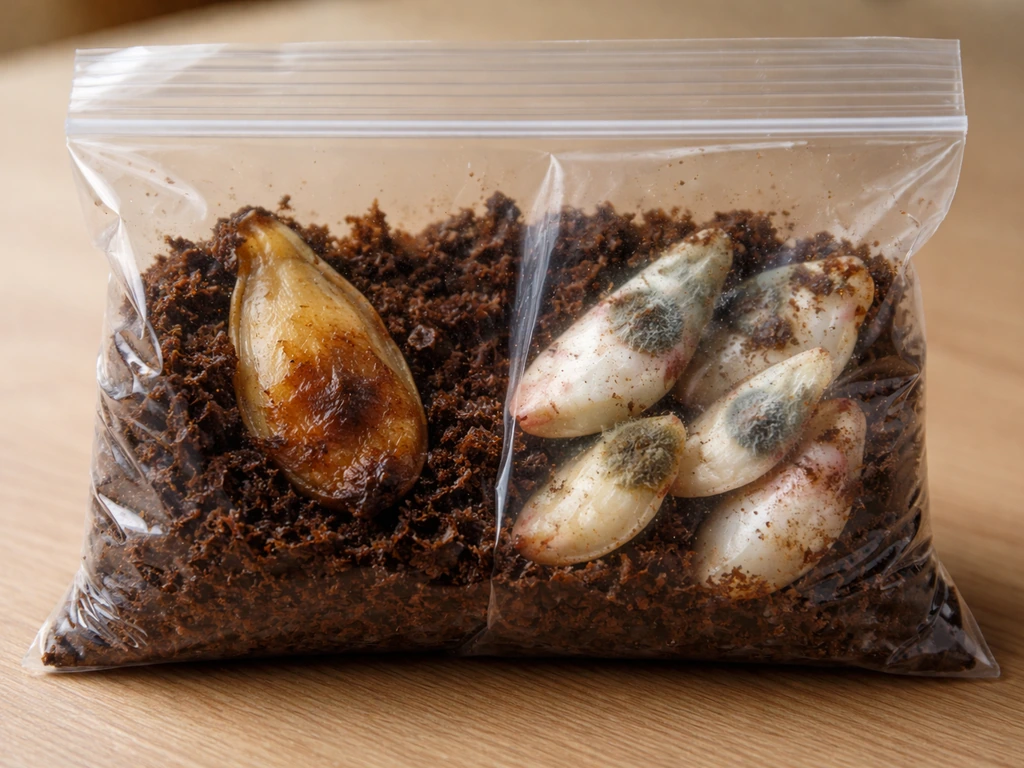
This is soft rot, and it moves fast. Infected tissue turns brown, goes mushy, and develops an unpleasant odor. If you catch it on just one scale, remove it immediately and check the others. If the peat was too wet, this is almost always why. Start fresh with a new set of scales and drier peat. Using clean, sterilized scissors or a knife when removing scales in the first place also reduces the risk of introducing rot.
Nothing is happening after 6 weeks
Check the temperature first. If your storage spot dips below 60°F regularly, bulblet formation slows dramatically. Move the bag somewhere warmer and give it another 2–4 weeks before giving up. The 4–12 week window is real, and some varieties take longer than others.
The scales look fine but no bulblets appear
Make sure you pulled the scales with a bit of the basal plate attached. Scales removed cleanly without any of the base rarely produce bulblets because that's where the meristematic tissue lives. If your scales look like thin, hollow petals with no base tissue, that batch likely won't work. Try again with scales removed more carefully, snapping or twisting them off right at the base of the bulb.
Mold on the peat or scales
A little surface mold isn't always fatal, but it's a warning sign that the bag is too moist or lacks airflow. Open the bag, remove any visibly moldy material, and let everything air out for a few hours. Ventilating occasionally is actually good practice during long propagation windows.
When rooting won't work: realistic alternatives
If you're trying to propagate from a bouquet stem with no bulb access, the scale method isn't available to you. Here's what you can actually do instead.
Save bulbs from your garden
If you have true lilies growing in your garden, the best time to dig and divide bulbs is after the foliage dies back in fall. For a different approach, see can you grow lilies in a pot to match the variety to your container setup. Outdoor lilies can regrow, but it depends on whether you have true lilies that are bulb-dependent or a different plant that looks like a lily do outdoor lilies grow back.
If you're wondering whether your canna lily will grow back after it dies down, the regrowth usually depends on the rhizomes and how you handle winter care will my canna lily grow back. You'll often find small bulblets clustered around the base of the main bulb, and those can be replanted immediately at the same depth as the parent. This is far more reliable than any stem-cutting experiment, and it gives you more plants for free every year.
Look for stem bulblets while cutting back
When you cut back lily stems at the end of the season, check the underground portion of the stem before you compost it. True lilies often produce small bulblets along the buried section of the stem. These can be planted immediately or stored in slightly damp peat in a cool location over winter.
Divide what you have (for non-true lilies)
If your "lily" is actually a calla lily, daylily, peace lily, or water lily, skip any stem-rooting idea entirely. For daylilies and peace lilies, division in spring gives you the quickest results. For calla lilies, dividing the rhizome after the plant goes dormant is the standard move. Water lilies are best divided in spring when you can see healthy rhizome or tuberous root growth. North Carolina Extension notes that blank" rel="noopener noreferrer">water lilies (Nymphaea) are divided for propagation in spring when rhizomatous or tuberous roots are present. All of these plants can do well in pots too, which gives you a lot of flexibility if you're working with limited space.
Start fresh with the right variety for your conditions
Sometimes the most practical answer is to start from a nursery bulb or plant that's matched to your climate and growing setup. If you're in a zone that gets hard freezes, Asiatic lilies are generally the easiest to establish from bulb. If you're gardening in a warmer zone and want lilies in pots or indoors, peace lilies or calla lilies might serve you better since they're easier to manage in containers and don't need a cold dormancy period.
Matching the plant to your actual conditions makes far more difference than any propagation technique. You can grow Peruvian lily (Alstroemeria) in pots, but you’ll want to use a suitable potting mix and water schedule for it. If you're wondering can lilies grow through mulch, the spacing and mulch depth matter a lot, so you will get better results by matching the mulch to the type of lily you have.
FAQ
If my cut lily stem stays green in water, does that mean it will eventually root?
Usually no. A true lily stem (Lilium) cut above ground does not contain a bulb or basal plate meristem, so it cannot reliably form a new underground system. If you’re seeing bulblets along a buried stem section or you have an attached bulb base, that is a different scenario and planting the bulblets is worth trying.
How can I tell whether the plant I have is a true lily (Lilium) or a different “lily”?
You can’t tell just by leaf appearance or “staying green.” The practical check is to look for a basal plate, bulb, rhizome, or visible bulblets. If you only have a typical bouquet stem with no bulb or rhizome portion attached, treat it as non-propagable.
What should I do if my lily scales turn brown, mushy, or smelly?
Soft rot is often caused by staying too wet and tight storage. Make sure the growing medium is only lightly moist, the bag has some airflow, and any damaged scales are removed immediately. If odor and mushiness start, discard affected material rather than trying to save it.
Why did my lily bulb-scale propagation stall even though I followed the steps?
Temperature matters more than people expect. If your storage area is below about 60°F regularly, bulblet formation slows and you may think it failed too early. Move the setup to a warmer spot and keep waiting within the full 4 to 12 week window for your variety.
I only have a bouquet stem. Is there any alternative to getting a bulb-scale setup?
For true lilies, the best propagation from “cut lily” material is bulb scale propagation, but you must have access to a bulb (or bulb scales). If you only have a bouquet stem with no bulb, there is no reliable do-it-yourself method that turns that stem into a new plant.
If I find tiny bulblets on the lily after cutting it back, should I place them in water first?
If bulblets are present on the buried stem portion, plant them immediately rather than trying to root them in water. Plant at the same depth as the parent bulb and keep soil evenly moist but not waterlogged.
Can I root lily stems in soil instead of water to make it work?
Not really. Watering can keep tissue alive longer, but it does not recreate the bulb-to-shoot system that lilies require. For true lilies, water rooting is generally a dead end, while soil or bulb scales are the realistic routes.
When is the best time to divide a “lily” if it’s actually a calla, daylily, or peace lily?
Yes, but only for the right “lily” type. Daylilies, peace lilies, and calla lilies are division-based, and separating healthy fans or rhizomes works best when the plant is dormant or after growth cycles, typically spring or when foliage dies back depending on the plant.
What’s the most common mistake when removing bulb scales for lily propagation?
Look for the basal plate when removing scales, for true lilies. Scales that are detached without any base tissue are much less likely to form bulblets, so take your time and snap or twist at the attachment point near the bulb base.
Should I compost the lily stem after cutting, and how do I decide whether to save underground parts?
It depends on which lily you have. For true Lilium, any small bulblets along the buried stem can be replanted right away. For non-true lilies like calla and daylily, propagation is usually done by rhizome or clump division, so composting the above-ground parts is fine but avoid disturbing the underground structure unless you plan to divide.
If I keep a lily in a pot indoors, can it regrow from a cut stem I rooted or stored?
For indoor container growing, you can keep true lilies alive, but regrowth and any new bulblets still rely on having a bulb or a compatible underground structure to start from. If you began with a detached stem only, there’s nothing underneath to restart.
Which lily types are easiest to grow if my winters are very cold?
If you live in a climate with hard freezes, the underground structure is what matters most for survival. Asiatic lilies are often easier to establish from bulbs outdoors, while container-friendly options like peace lilies or calla lilies can avoid reliance on winter dormancy the way garden lilies do.
Next Articles
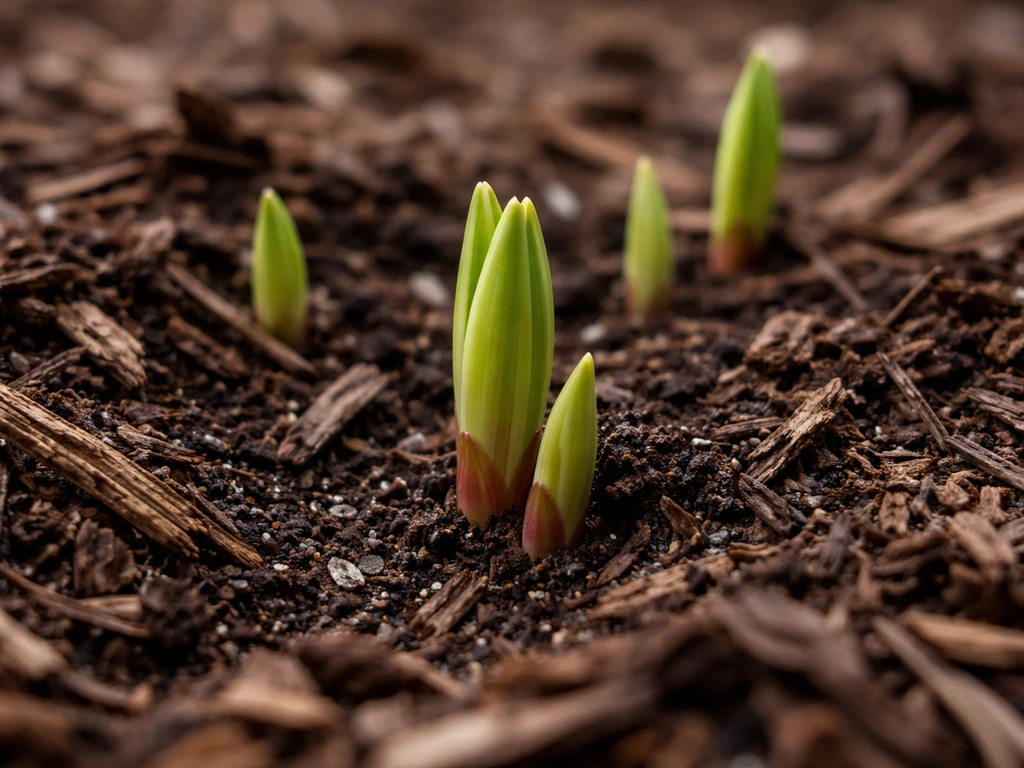
Can Lilies Grow Through Mulch? Depth and Fixes
When and how lilies can sprout through mulch, mulch depth fixes, and troubleshooting to get shoots emerging safely.
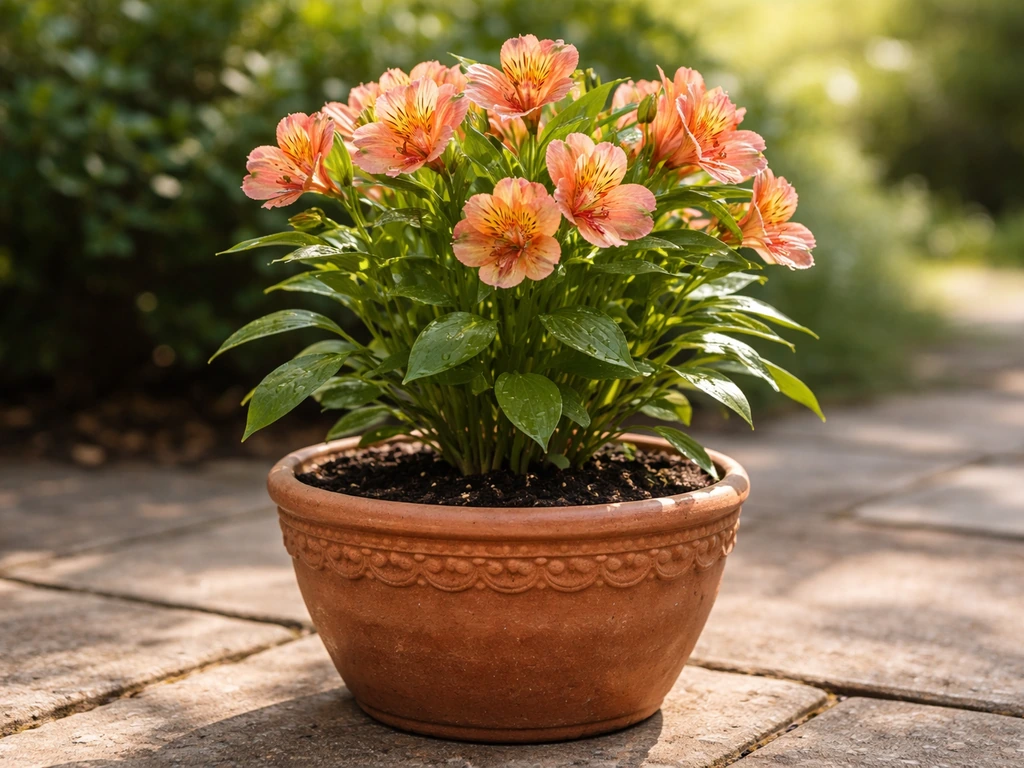
Can You Grow Peruvian Lily in Pots? Container Guide
Learn if you can grow Peruvian lily in pots and get step-by-step container care for blooms, light, soil, watering, and o
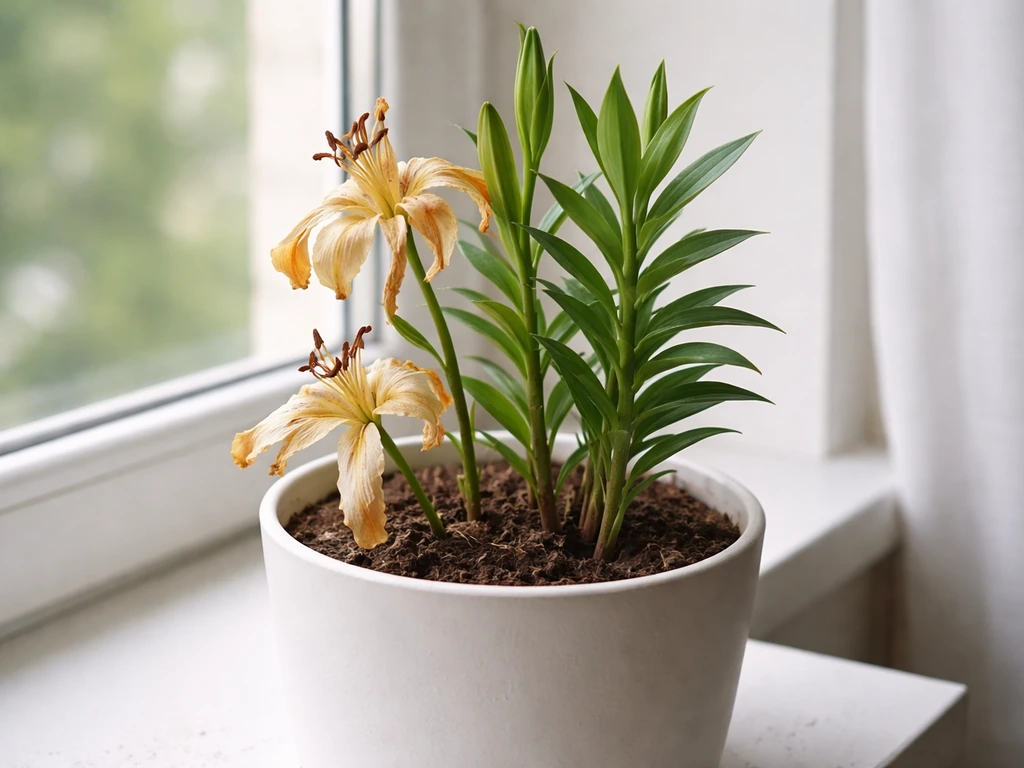
Do Indoor Lily Plants Grow Back? Care, Types, and Fixes
Learn if indoor lilies regrow and what to do after bloom, including true lily vs peace or calla care fixes.