
Yes, your canna lily will almost certainly grow back, as long as the rhizome (the thick, fleshy root that stores all the plant's energy) survived the winter or the frost. Cannas don't regrow from the cut stems or old foliage, they resprout from those underground rhizomes. So the real question isn't whether cannas come back in general; it's whether your specific rhizome made it through. And the good news is that checking takes about five minutes.
Will My Canna Lily Grow Back After Frost or Dormancy?

Marcus Hendricks
28 May 2026
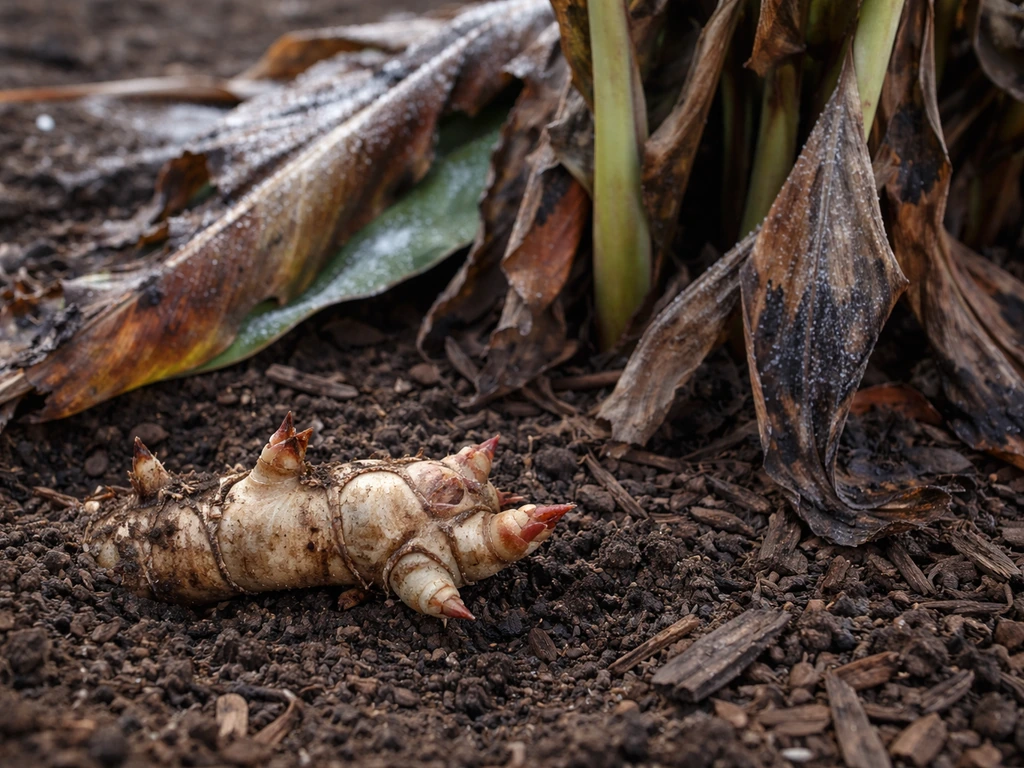
What 'grow back' actually means for a canna lily
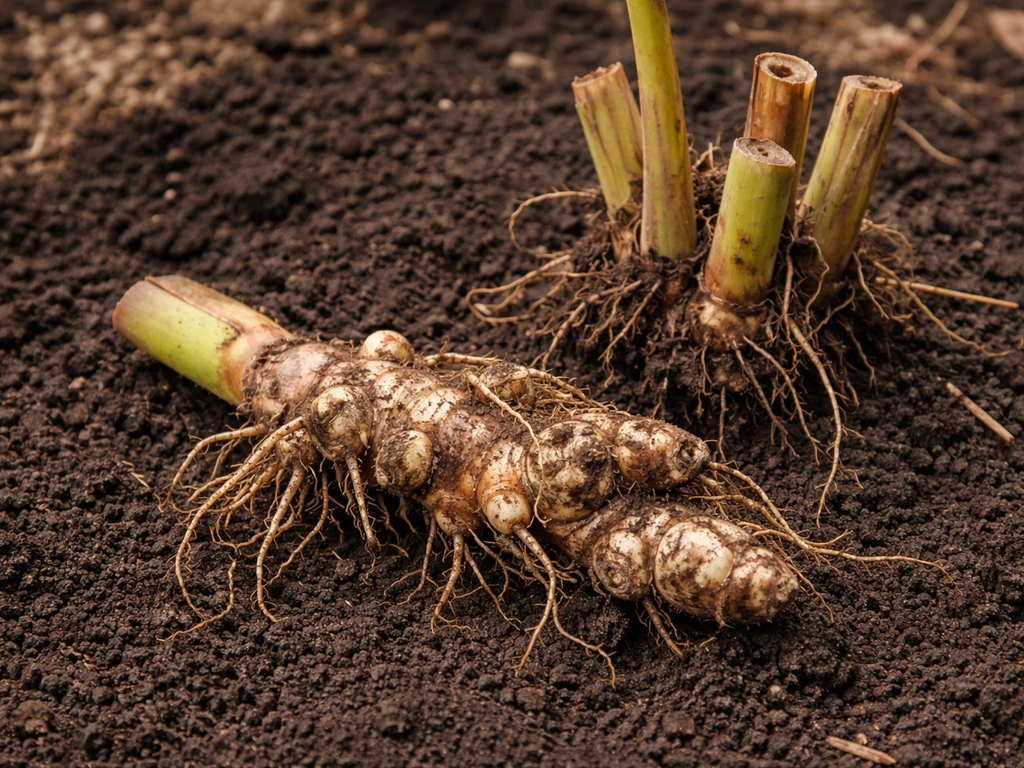
Canna lilies are rhizome plants, which puts them in a different category from true bulb plants like tulips or seed-grown annuals. When you cut a canna back to the ground or it dies off after frost, the above-ground part is gone for good. What matters is what's happening underground. The rhizome, which looks a bit like a fat, knobby ginger root, holds the growing points (called buds or eyes) and all the starch energy the plant needs to push up new shoots next season.
Unlike daylilies that spread through fibrous roots, or outdoor bulb lilies that regrow from a single scaled bulb, canna rhizomes multiply over time into clumps. Outdoor bulb lilies also regrow, but they come back from the bulb rather than a rhizome clump. Each rhizome section with blank" rel="noopener noreferrer">two or three healthy buds can produce a whole new plant. That's actually a feature: even if part of your rhizome clump got damaged, the rest can still come back. The key distinction to remember is that cannas almost never reseed themselves reliably in home gardens. If a new canna sprouts, it's nearly always coming from a surviving rhizome, not a seed.
When to expect new shoots: seasonal timing and temperature
Canna rhizomes won't budge until soil temperatures consistently reach around 60°F (15°C). In most of the U.S., that means you're looking at late April through early June for in-ground plants, depending on your zone. If you're in USDA zones 8-11, cannas left in the ground can sprout as early as March. In zones 6-7, May is typical. In zones 5 and colder, you're probably bringing stored rhizomes back outside in late May after last frost, and shoots may not emerge until June.
Air temperature matters too, but soil warmth is the real trigger. If you've had a cold, wet spring, don't panic if nothing has appeared yet, cannas are notoriously late starters. I've had in-ground rhizomes that looked completely dead in April come roaring back in late May once the soil finally warmed up. That said, if you're past mid-June in most zones and still seeing nothing, it's worth digging down to check on the rhizome directly.
How to tell if your canna rhizome is still alive
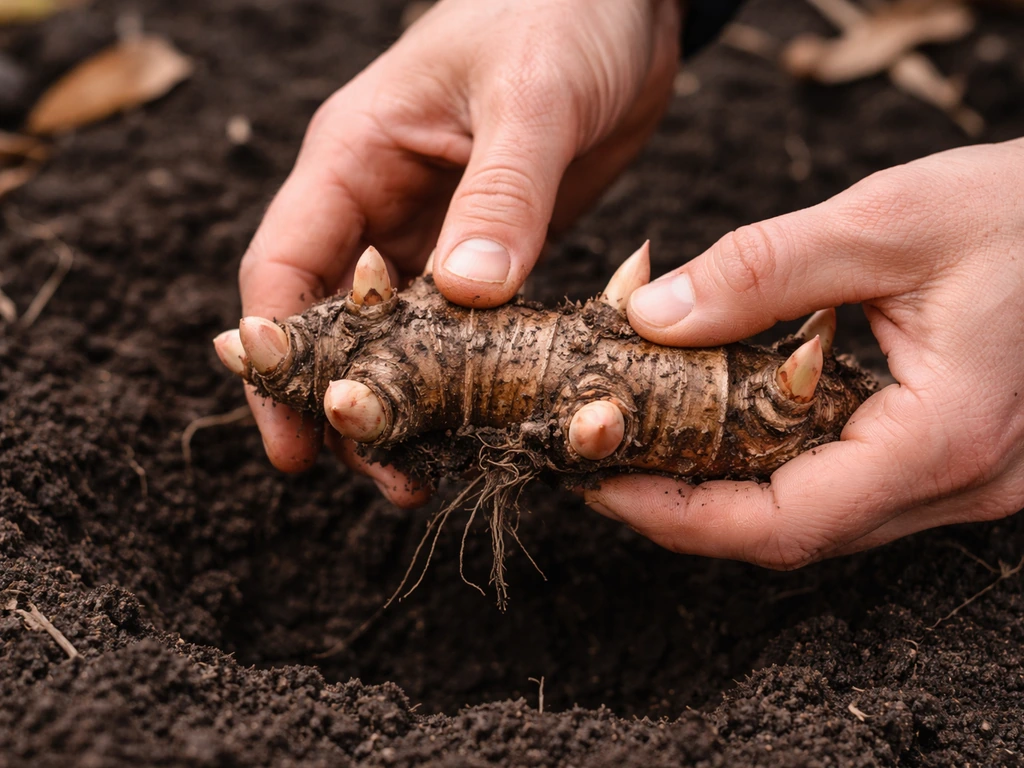
This is the most important check you can do, and it takes less time than watering. Gently dig around the base of your canna (or pull out the stored rhizome if you kept it indoors) and look at the rhizome itself.
- Firm and dense: A healthy rhizome feels solid when you squeeze it gently, like a raw potato. This is a good sign.
- Visible buds or eyes: Look for small pinkish or cream-colored bumps or nubs on the surface. These are the growth points. Even one or two viable buds per section is enough to produce a new plant.
- Mushy or hollow: If the rhizome squishes, smells rotten, or caves in when pressed, that section is dead. Rot is the number-one killer of stored cannas.
- Shriveled but firm: A somewhat wrinkled rhizome that is still firm underneath isn't dead — it's just dehydrated from storage. These often revive once you plant them in moist soil.
- Mold on the surface: Light surface mold doesn't always mean the rhizome is gone. Brush it off, check for firmness underneath, and if the interior is still solid, it may still be viable.
If only part of the clump is rotted, cut off the dead sections with a clean knife and inspect the cuts. Healthy rhizome flesh is cream to pale yellow inside. Brown, mushy, or black tissue is dead. You can often save a partially rotted clump by cutting back to firm, healthy tissue and letting the cut surface dry for a day before replanting.
Care steps to encourage regrowth after cutting back or frost damage
Whether your canna got hit by frost, you cut it back at the end of the season, or you're just replanting a stored rhizome, the steps to maximize regrowth are the same.
- Cut dead foliage down to 2-3 inches above the soil or rhizome. Dead stalks serve no purpose and can trap moisture against the crown, encouraging rot.
- Check drainage before you do anything else. Canna rhizomes sitting in waterlogged soil will rot before they sprout. If your bed stays soggy, dig in some compost or coarse grit to improve drainage.
- Plant or rebury rhizomes at the right depth: 4 to 6 inches deep, with the buds facing up. Too shallow and they dry out; too deep and they're slow to emerge and more vulnerable to staying wet.
- Water in gently after planting, then hold back on heavy watering until you see shoots. The rhizome needs moisture to wake up, but sitting in wet soil before growth starts is how rot happens.
- Wait for warmth before feeding. Don't apply fertilizer to dormant rhizomes. Once shoots are 6 inches tall, a balanced fertilizer (something like 10-10-10) applied every few weeks will help the plant take off.
- Give them full sun. Cannas need at least 6 hours of direct sun daily to grow and bloom vigorously. If your spot is shadier than that, sprouting will be slower and growth will be weak.
Overwintering options depending on where you live
This is where canna care gets zone-specific, and getting this right is the biggest factor in whether your plant comes back next year. Here's how to handle overwintering based on your climate.
Zones 8-11: leave them in the ground
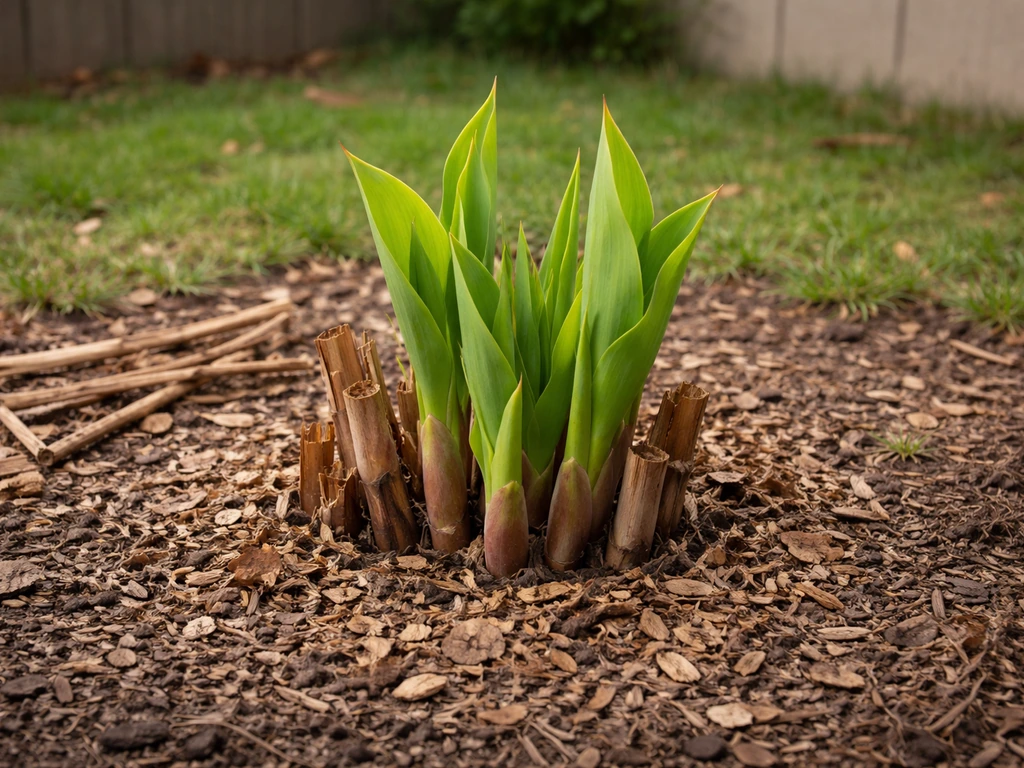
If you garden in zones 8 through 11 (think coastal California, the Gulf Coast, Florida, much of the Southwest), your cannas can stay in the ground year-round. After the foliage dies back naturally or gets hit by a light frost, cut the stems to about 3 inches and add a 3 to 4 inch layer of mulch over the bed. This insulates the rhizomes through any cold snaps and keeps moisture consistent. Come spring, pull back the mulch a bit once temperatures warm up so the soil heats faster.
Zones 6-7: mulch heavily or dig and store
In zones 6 and 7, you have two real options. You can leave the rhizomes in the ground under a thick layer of mulch (6 to 8 inches) and hope for a mild winter, or you can dig them up and store them. The mulch-in-place approach works in many zone 7 gardens but is risky in zone 6 where ground freeze is deeper and longer. If you've lost cannas over winter before in these zones, digging and storing is the safer call.
Zones 5 and colder: dig, cure, and store
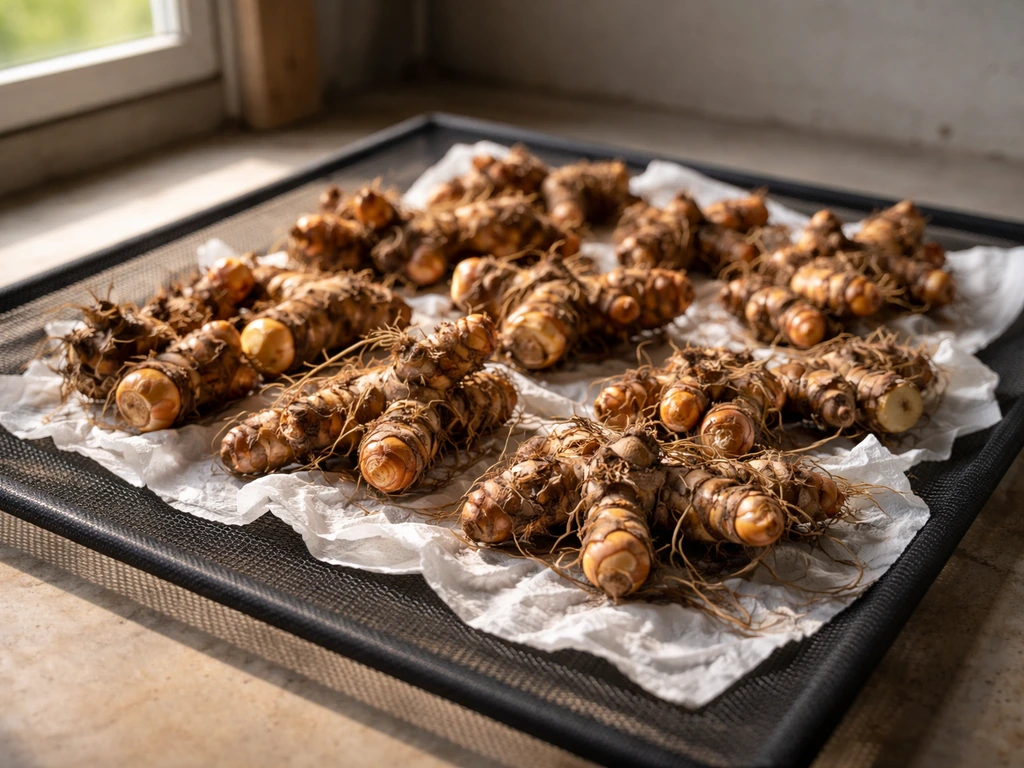
If you're in zone 5 or colder, you need to dig up your rhizomes every fall after the first frost blackens the foliage. Let them cure for 1 to 3 days at 60 to 70°F in a dry, well-ventilated spot before packing them away.
This drying period is important, it toughens the skin and reduces the chances of rot during storage. OSU Extension also warns that canna rhizomes can rot if they are kept [too moist during storage](https://extension. okstate. edu/fact-sheets/print-publications/epp-entomology-and-plant-pathologhy/greenhouse-propagation-of-ornamental-cannas-grown-from-rhizomes-or-seeds-epp-7333.
pdf). Store them in a breathable container (a cardboard box or paper bag, not a sealed plastic bag) with slightly damp peat moss or vermiculite to keep them from shriveling completely. A cool, dark, frost-free spot around 45 to 55°F is ideal. Check on them every few weeks and discard any sections that have gone soft.
Container cannas: a slightly different approach
If your cannas are growing in pots (which works well, as cannas are actually great container plants), you have more flexibility. In colder zones, you can simply move the whole container into a garage or basement for winter rather than digging the rhizomes out. Let the pot dry out significantly, you want the soil barely damp, not wet, and store it somewhere that stays above freezing.
In spring, bring it back out, resume watering, and wait for warmth to trigger new growth. If you’re wondering whether lilies grow back in pots the same way, the overwintering method and storage conditions matter just as much will lilies grow back in pots. This is often easier than digging, and the roots tend to be less disturbed.
If you're curious about how cannas compare to other lilies in containers, the same general principles apply to overwintering potted outdoor lilies too. If you are growing lilies (including can-cut lilies), this same approach can help you cut-stem plants set roots again under the right conditions can cut lilies grow roots. If you’re growing peruvian lily in pots, the same idea applies: keep the root system healthy and stable through the cool season so it can resume growth.
If you are wondering can you grow lilies in a pot, use similar container care, since warmth, drainage, and winter protection determine whether they return.
Why canna lilies sometimes don't come back
If your canna hasn't returned, one of these is usually the culprit. Knowing which one helps you fix it.
| Problem | What happens | What to do |
|---|---|---|
| Rhizome rot from excess moisture | Soft, mushy rhizome; foul smell; no growth points visible | Improve drainage; cut away rotted sections; replant firm parts after letting cuts dry |
| Freezing injury | Rhizome is intact but growth points are blackened or glassy-looking | Remove damaged tissue; if buds remain, plant in warm soil and wait; replace if fully dead |
| Buried too deep | Rhizome is alive but shoots are slow or weak; no emergence by midsummer | Carefully reposition rhizome at 4-6 inch depth; avoid burying deeper than 6 inches |
| Insufficient warmth or light | Rhizome is firm with visible buds but no growth | Move container to a warmer, sunnier spot; for in-ground, clear mulch to let soil heat |
| Storage shriveling (dehydration) | Rhizome is wrinkled and rubbery but still firm inside | Soak in lukewarm water for a few hours before planting; plant in moist (not wet) soil |
| Pests or disease | Canna leaf rollers, aphids, or bacterial rot visible on emerging shoots | Remove affected plant parts; treat with appropriate insecticide or copper-based fungicide |
| Poor drainage or compacted soil | Slow or no emergence; rhizome present but stunted | Amend soil with compost; consider raised bed or container planting |
What to do right now, and what to expect
If it's late May and your canna hasn't sprouted yet, here's your action plan for this week.
- Dig carefully around the base (or inspect your stored rhizome) and do the firmness check described above. This takes 5 minutes and tells you everything.
- If the rhizome is firm with visible buds: be patient. Replant at the correct depth (4-6 inches), make sure drainage is good, and give it full sun. Don't overwater.
- If the rhizome is shriveled but firm: soak it in lukewarm water for 2-3 hours, then plant it in moist, well-draining soil. You may still get growth.
- If part of the rhizome is rotten: cut away the bad sections with a clean, sharp knife. If firm tissue with buds remains, let the cut dry for a day, then replant.
- If the entire rhizome is soft, hollow, or black: it's gone. Order replacement rhizomes now — many online nurseries still ship in late spring, and you can get a plant in the ground in time for a summer bloom.
A realistic timeline for new growth
Once a healthy rhizome is in the ground in warm soil (consistently at or above 60°F), you can expect the first shoots to poke through in 2 to 4 weeks. Growth accelerates quickly once the shoots emerge, cannas are fast growers in warm weather. Most will reach full size and start blooming within 10 to 12 weeks of sprouting. If you're at week 6 or 7 with no growth and the soil is warm, dig down and check again. If the rhizome still looks healthy, give it another 2 to 3 weeks before giving up. If there's still no movement by midsummer, the rhizome is likely not viable and replacement is the practical next step.
The bottom line is that cannas are tough, resilient plants when their rhizomes survive. Most of the time, if you stored or protected them reasonably well and the winter wasn't exceptionally brutal, they'll come back. The rhizome check is the single most useful thing you can do right now to stop guessing and start knowing. Five minutes of digging gives you a definitive answer and a clear path forward. If you're wondering do indoor lily plants grow back, the same idea applies, since regrowth depends on whether the underground storage structure survived.
FAQ
How can I tell if my canna will grow back or if it’s truly dead? (Not just “no sprouts yet”)?
If the rhizome was cut back, frost-damaged, or dried out during storage, it may not regrow even if the plant looked “dead.” Before assuming failure, inspect the rhizome for firm, cream to pale yellow flesh, and also confirm there are at least a couple of healthy buds or eyes on it.
My canna stems are gone after frost, will it still send up new shoots from the cut?
No, stems and leaves will not re-sprout after you cut them to the ground. Canna growth points are underground on the rhizome, so the only reliable way to judge regrowth is to check for viable rhizome tissue and buds.
What if only part of my canna rhizome clump is rotted?
Yes, a partially damaged clump can still regrow. Remove only the rotted sections with a clean knife, replant the remaining firm pieces, and let the cut surfaces dry for about a day before putting them back in soil to reduce rot risk.
Why is it still cold, and why hasn’t my canna sprouted yet even though it’s spring?
Soil warmth is the trigger, not day length or air temperature alone. If the soil is still cool or the spring has been wet and cold, shoots can be delayed, sometimes until late May or early June depending on your zone.
Can planting depth affect whether my canna lily grows back?
If you planted too shallow, you increase freeze exposure, and if you planted too deep, shoots may take longer to reach the surface. Aim for planting depth that covers the rhizome while keeping it insulated, then avoid disturbing it repeatedly because repeated digging can slow emergence.
At what point should I stop waiting and dig to check my rhizome?
Because buds can look inactive while the rhizome is still healing or waiting for consistent warmth, your “dead” looking canna may still regrow later. The article’s rule of thumb is to dig and check around mid-June if you have no growth despite warm soil, since that helps you avoid premature replacement.
Should I cut my canna right after frost, or wait?
After a frost, you can cut stems down after you see foliage has naturally died back or after a light frost, but avoid cutting back so aggressively that you damage crown areas. The key is that cutting does not replace a viable rhizome, it just tidies the plant.
What winter mistake most often prevents cannas from coming back, even when rhizomes were healthy?
Yes, even if your rhizomes survive, poor drainage can cause rot in winter storage or overwintering beds. For stored rhizomes, use a breathable container and only slightly damp packing material, and discard anything that becomes soft.
If my canna is in a pot, what’s the biggest mistake that stops it from growing back?
If your potted canna is kept cool and dry enough to prevent freezing but not so wet that it rots, it usually resumes growth when brought back to warmth. The most common slip is leaving the pot too wet indoors, which can lead to mushy sections before spring.
If I dig and find nothing but soft tissue, is there any saving option?
Don’t assume “no growth” means “no buds.” Check for viable rhizome flesh first, then decide. If it’s firm and has eyes, give it more time with stable warmth; if it’s black, mushy, or has no remaining firm tissue, replacement is typically the practical next step.
Next Articles
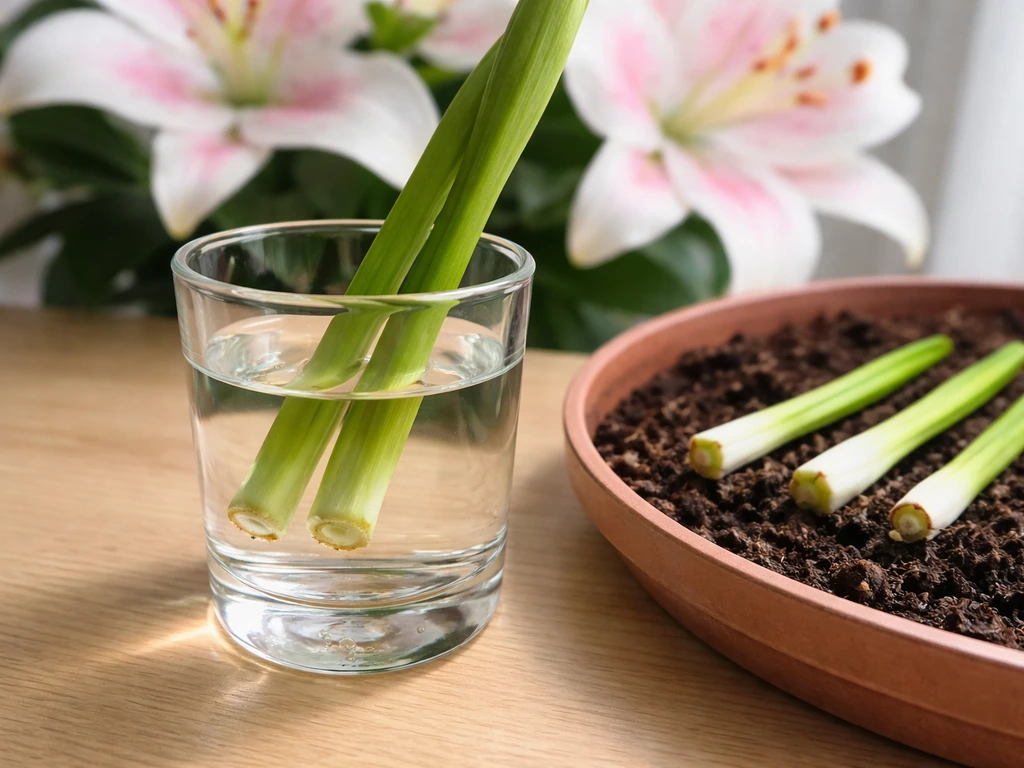
Can Cut Lilies Grow Roots? How to Try Water or Soil
Can cut lilies grow roots? Learn which types might root, plus water or soil steps, timing, and troubleshooting.
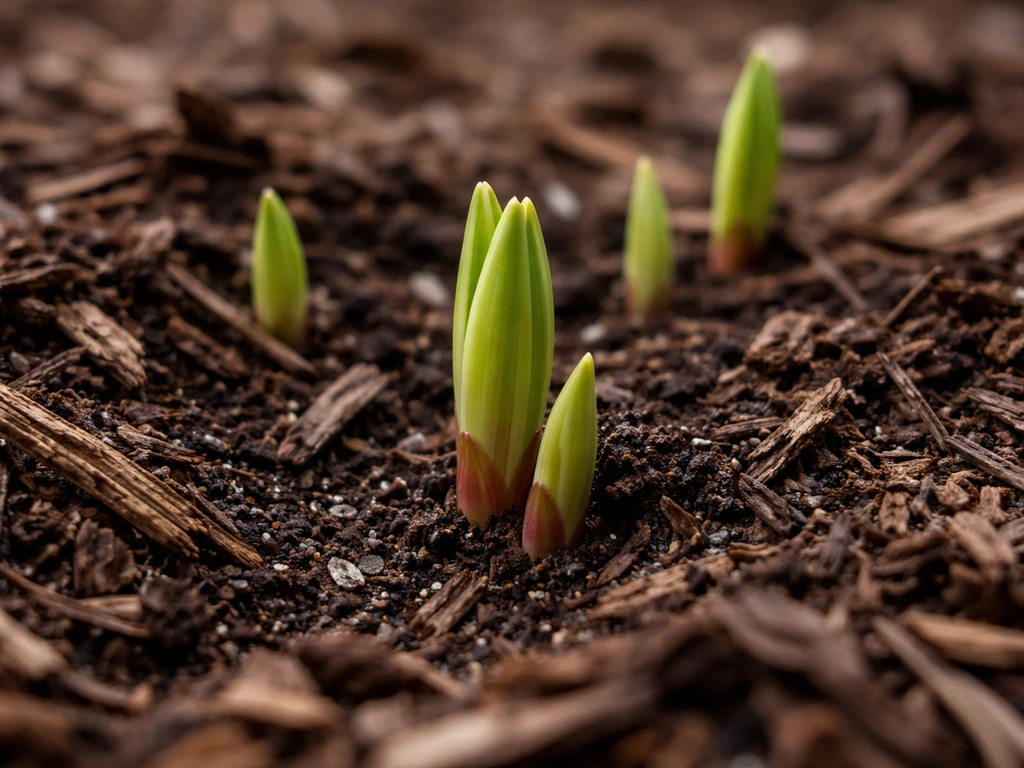
Can Lilies Grow Through Mulch? Depth and Fixes
When and how lilies can sprout through mulch, mulch depth fixes, and troubleshooting to get shoots emerging safely.
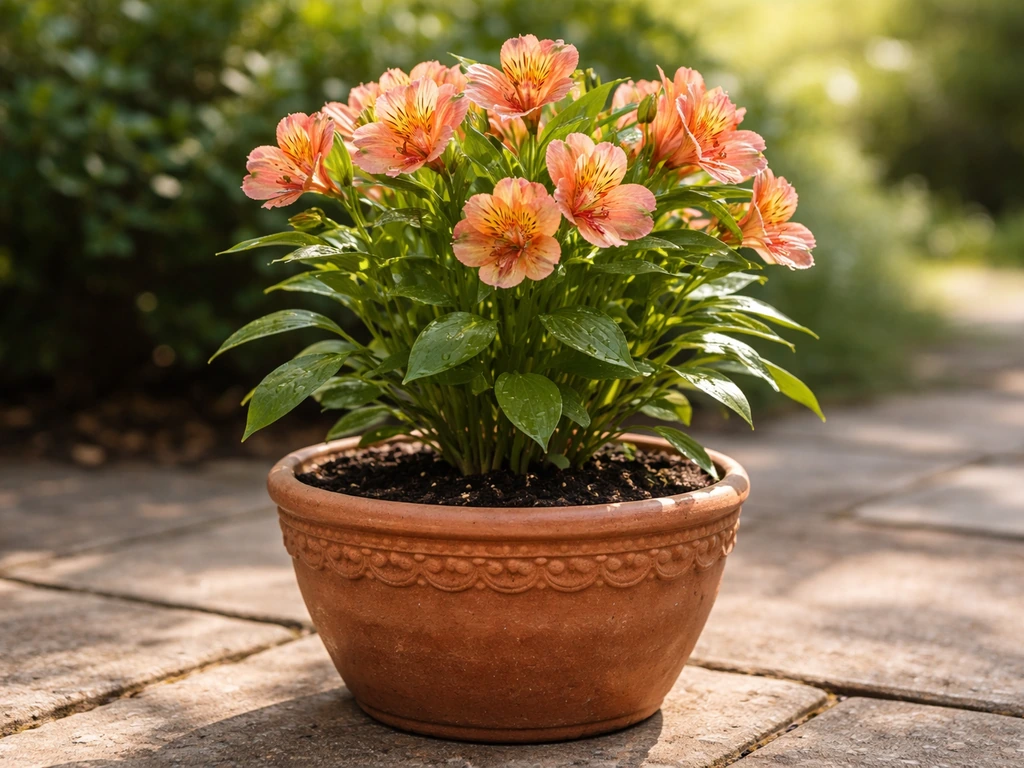
Can You Grow Peruvian Lily in Pots? Container Guide
Learn if you can grow Peruvian lily in pots and get step-by-step container care for blooms, light, soil, watering, and o