
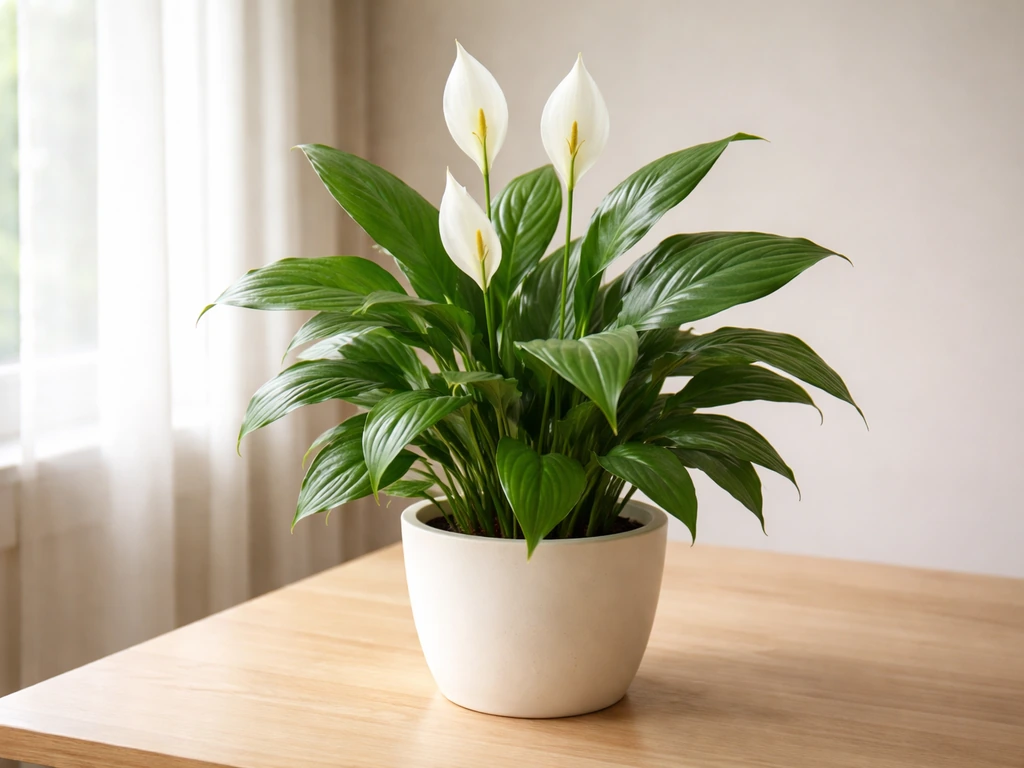
Peace lilies grow by mimicking what they do in the wild: they spread slowly outward from a central clump, push up new leaves from the base, and occasionally send up white spathes when conditions feel right. At home, that means giving them warmth, shade, consistent moisture, and a rich organic potting mix. Get those four things right and the plant practically takes care of itself. Get one of them wrong and you end up with drooping leaves, no new growth, and a plant that looks like it's given up.
How Does Peace Lily Grow: Light, Water, Soil, Care Tips
Marcus Hendricks
14 Apr 2026
Where peace lilies actually come from
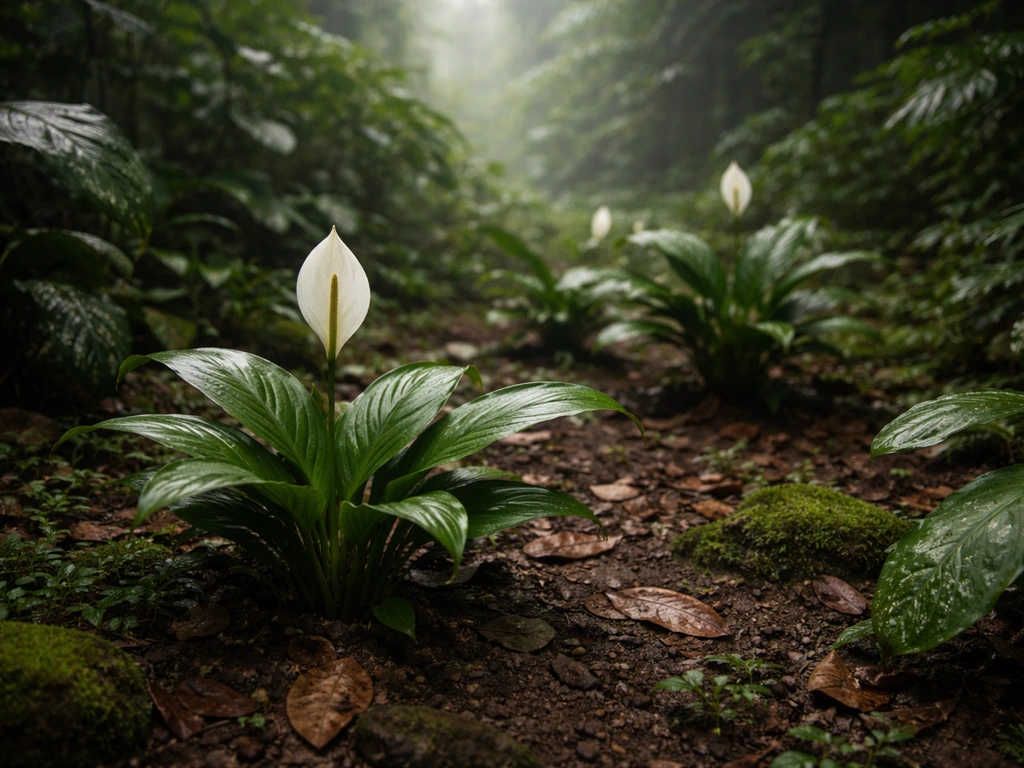
The genus Spathiphyllum contains about 60 species, and virtually all of them are native to tropical regions of the Americas, primarily Central America and northern South America. Spathiphyllum wallisii, the species most people bring home from a garden center, has a natural range that stretches from parts of Mexico through the Caribbean islands and into northern South America. That's important context because it tells you exactly what the plant expects: a warm, humid, low-light environment on the forest floor, where the canopy filters out direct sun and the soil stays consistently moist but never waterlogged.
Peace lilies are understory plants. In their native habitat they never see direct sunlight, the humidity runs high year-round, and temperatures stay warm. That's the template you're working from whether you're growing one on a windowsill in Minnesota or a shaded patio in Florida. One thing worth knowing early: unlike daylilies or asiatic lilies, peace lilies don't grow from bulbs. They grow from rhizomes, which means they spread horizontally underground and send up new leaf shoots over time.
Indoor vs outdoor: where should you actually put one?
For most people in most climates, peace lilies belong indoors. They thrive in home and patio environments when conditions are right, but the second temperatures drop toward frost, the plant is done. Peace lilies are not frost-tolerant at all, and even sustained exposure to temperatures below about 45°F (7°C) will start causing real damage. If you're in a climate that stays warm and frost-free year-round, you can grow them outside in a shaded spot. But for the vast majority of gardeners, this is a houseplant.
Outdoors in warm climates, the placement rules are the same as indoors: shade is non-negotiable. A covered patio, the shadow of a large tree, or the north-facing side of a building all work. Put one in direct afternoon sun and the leaves will scorch fast. If you're debating whether your outdoor space is suitable, ask yourself: would you be comfortable sitting there in summer without sunscreen? If yes, it's too bright for a peace lily.
Getting the light right
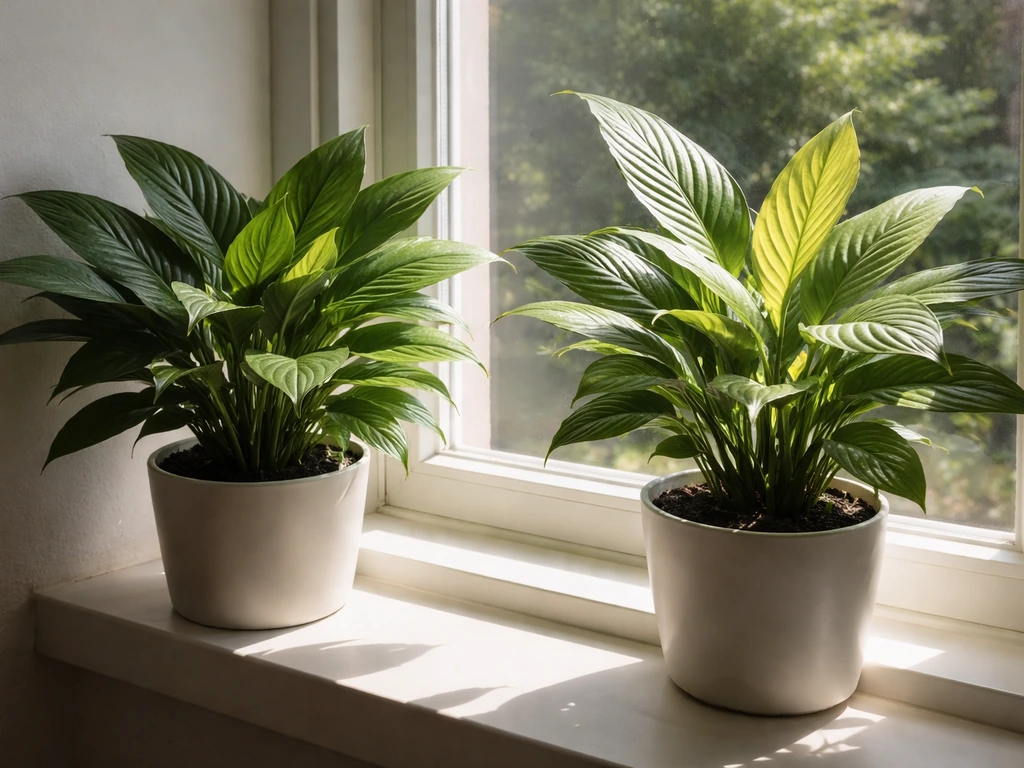
The official guidance from extension researchers is bright, indirect light. In commercial production, growers keep peace lilies under 1,500 to 2,500 foot-candles and actively avoid higher intensities because they reduce plant quality. For a home context, that translates to a spot near a north- or east-facing window, or a few feet back from a bright south- or west-facing window with a sheer curtain between the plant and the glass.
The most common placement mistake I see is putting a peace lily on a bright windowsill in direct sun because someone assumes all plants need maximum light. They don't. Direct sun will yellow and scorch the leaves within days. The second most common mistake is the opposite: stuffing one in a dark corner because it's a "low-light plant" and forgetting about it. Peace lilies can tolerate low light and survive in shade, but they won't produce new leaves quickly or bloom reliably without at least moderate indirect brightness. If your plant has been sitting in a dim corner and hasn't pushed a new leaf in months, moving it a few feet closer to a window is often the fastest fix.
Water, humidity, and temperature
Watering
Keep the soil moist, but never let the plant sit in water. Tom’s Guide notes that drooping can happen when soil stays too wet, because waterlogged roots suffocate, and it recommends emptying saucers and avoiding standing water [never let the plant sit in water](https://www.
tomsguide. com/home/gardening/peace-lily-leaves-drooping-3-causes-and-quick-fixes). That's the one-sentence rule, and it comes directly from extension guidance. In practice, that means checking the top inch of soil every few days and watering when it starts to feel dry.
You're not waiting for the soil to fully dry out the way you might with a succulent, but you're also not keeping it perpetually soggy. If you lift the pot and it feels heavy, give it another day or two. If it feels light, water thoroughly until it drains freely from the bottom.
One mistake that trips up a lot of beginners: watering on a fixed schedule regardless of how the soil actually feels. In winter, a peace lily in a cool room might need water once a week. In summer near a warm window, it might need it twice. Let the soil tell you, not the calendar.
Humidity and temperature
Peace lilies prefer temperatures between 75°F and 85°F, which lines up perfectly with typical indoor home temperatures in most households. They can handle nights down to around 68°F without issue, and short-term exposure to temperatures as low as 45°F or as high as 95°F won't kill them immediately, but sustained conditions at either extreme will stress the plant noticeably. Keep them away from air conditioning vents and drafty windows in winter, both of which can push temperatures lower than the plant likes and strip moisture from the air.
Humidity matters more than most beginner guides admit. I killed three batches of peace lilies before I understood this. These plants come from tropical rainforests where humidity is consistently high. In a typical heated or air-conditioned home, indoor humidity can drop below 30%, and peace lilies will respond with brown leaf tips and sluggish growth. A simple fix is placing the pot on a shallow tray filled with pebbles and water (keeping the pot above the water line so roots aren't sitting in it), or running a small humidifier nearby. Grouping plants together also helps, since they release moisture through their leaves.
Soil and potting mix
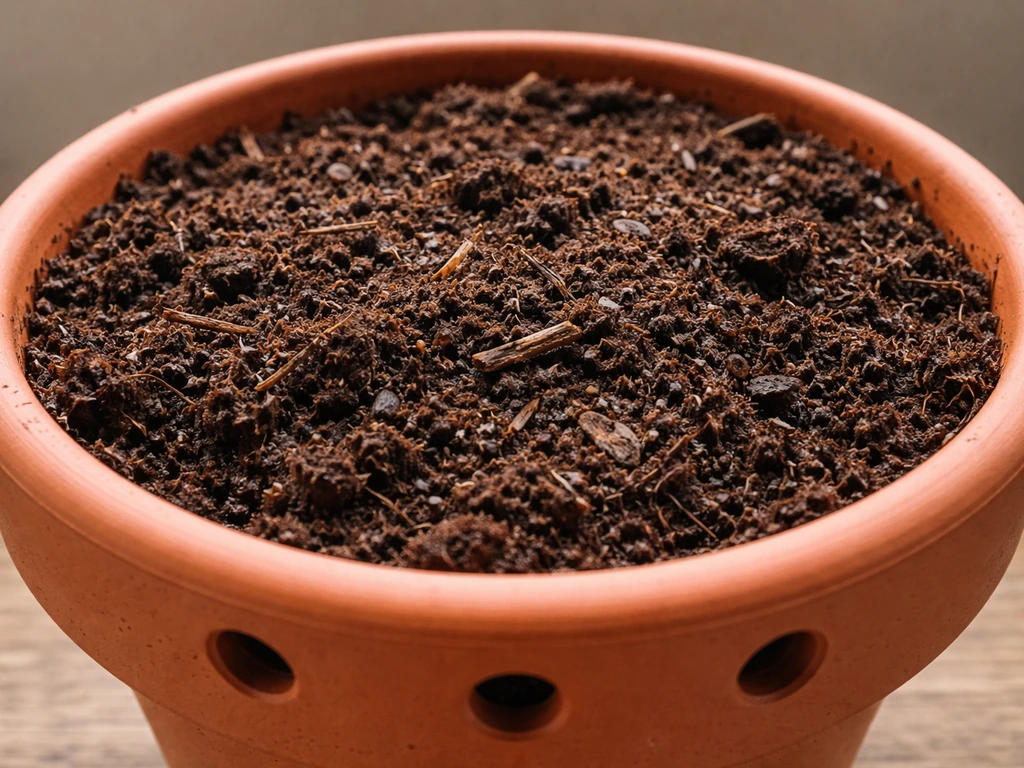
Peace lilies want a rich, organic potting mix, specifically one that's peat or bark-based. Extension guidance recommends a bagged potting soil with that profile, and the reason is that it mimics the loose, airy, nutrient-rich forest floor soil these plants are adapted to. Don't use garden soil from your yard. It's too dense, doesn't drain well in containers, and can introduce pathogens. Commercial growers actually use sterilized potting media specifically to avoid soil contamination, which is a good indicator of how sensitive these plants are to poor growing media.
Aim for a slightly acidic pH in the range of 5.8 to 6.5. Most quality bagged potting mixes land in this range naturally, so if you're using a standard tropical or indoor plant mix, you're probably already there. The other non-negotiable is drainage: the pot must have drainage holes. Peace lilies want moist roots, not waterlogged ones, and without drainage the soil will stay saturated and the roots will rot. Whether you can grow a peace lily in a small pot often comes down to whether drainage is adequate and whether the root system has enough room to expand.
How to get a new peace lily growing well
- Choose a pot that's only slightly larger than the root ball, with drainage holes. Peace lilies don't need a lot of extra space, and too large a pot holds excess moisture that can lead to root rot.
- Fill the pot with a rich, peat or bark-based potting mix. Plant the rhizome so the crown (where the leaves emerge) sits just at or slightly above soil level. Don't bury it deep.
- Water thoroughly right after planting until water runs freely from the drainage holes, then let the top inch of soil dry slightly before the next watering.
- Place the plant in bright, indirect light, near a north or east-facing window, or pulled back from a brighter window with a sheer curtain.
- Maintain temperatures between 75°F and 85°F and boost humidity if your home air is dry.
- Fertilize sparingly: apply a liquid fertilizer at a low dose, following the manufacturer's instructions, about three times per year. Over-fertilizing in low light conditions can cause more harm than good, so resist the urge to feed more often hoping to speed things up.
That's genuinely the full routine. Peace lilies are not high-maintenance once they're settled. The main job is monitoring water and keeping them away from extremes of light and temperature. If you're curious about how fast peace lilies actually grow under good conditions, the honest answer is: steadily but not quickly. Expect a few new leaves per growing season rather than dramatic changes week to week.
How big will it get?
Peace lily size depends heavily on the cultivar and the conditions you provide. Compact varieties like Spathiphyllum wallisii stay relatively small, while larger cultivars can become genuinely impressive specimens over time. How big peace lilies can grow is something a lot of new owners underestimate, and it affects pot choice and placement planning. If you want the specifics on mature size ranges by variety, that's worth looking into before you commit to a spot. Relatedly, peace lily size at maturity also influences how often you'll need to repot, which is a factor in long-term care.
When your peace lily stalls, droops, or just won't grow
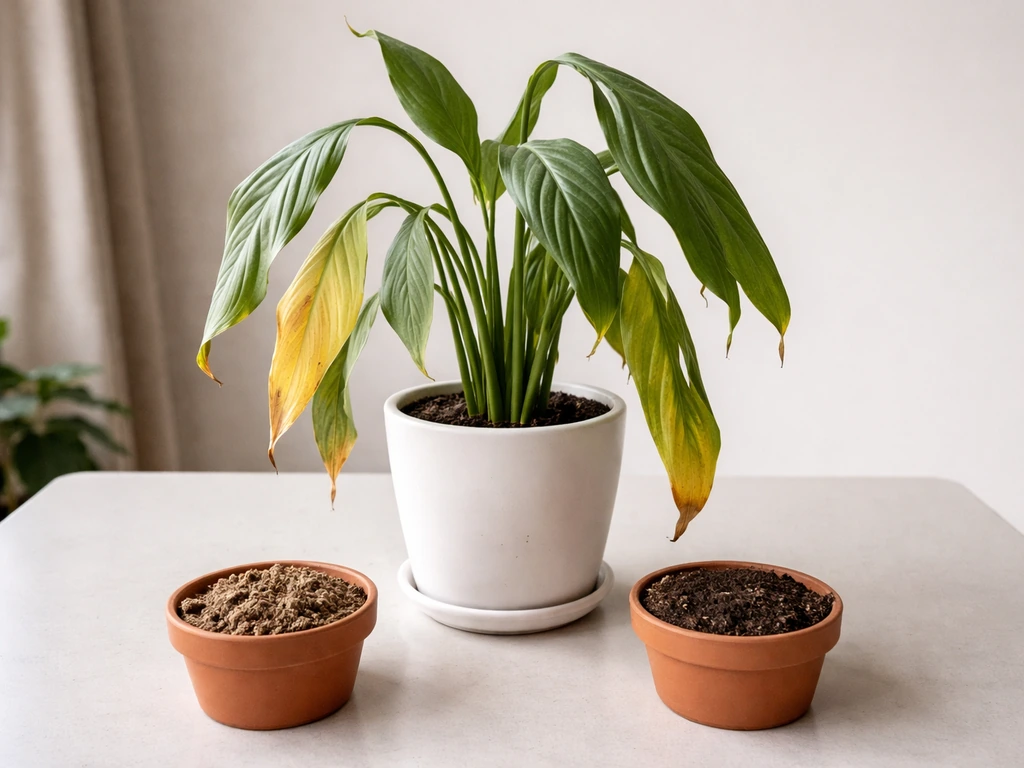
If your peace lily looks stuck or unhappy, it's almost always one of a handful of issues. Here's how to read the symptoms and respond.
| Symptom | Most Likely Cause | What to Do |
|---|---|---|
| Drooping leaves | Underwatering or root rot from overwatering | Check soil moisture: dry soil means water now; wet soil with drooping means let it dry and check for root rot |
| Yellow leaves | Too much direct light, overwatering, or nutrient deficiency | Move away from direct sun, reduce watering frequency, and assess if feeding is due |
| Brown leaf tips | Low humidity or fluoride in tap water | Increase humidity with a pebble tray or humidifier; try using filtered water |
| No new leaves for months | Too little light or too cool a location | Move to a brighter spot (still indirect) and ensure temperatures stay above 65°F |
| Pale or washed-out leaves | Too much light | Move further from the window or add a sheer curtain |
| Soggy, mushy base | Root rot from sitting in water | Repot immediately into fresh dry mix, trim rotted roots, improve drainage |
Slow growth is the one that frustrates people the most, and there's a useful deeper look at why a peace lily might refuse to grow even when you think you're doing everything right. A lot of the time it comes down to a combination of factors: slightly too little light combined with slightly too cool a temperature combined with inconsistent watering. None of them are catastrophic alone, but together they add up to a plant that's just surviving rather than thriving. Fix all three and you'll often see a new leaf within a few weeks.
One thing to remember: fertilizer is not the answer to slow growth if the core conditions aren't right. Applying a higher dose of fertilizer in low light won't push the plant to grow faster. It'll more likely cause fertilizer salt buildup in the soil, which stresses the roots further. Keep feedings light (three times a year at a low dose), and focus instead on getting light, temperature, humidity, and water right. That's where the growth actually comes from.
FAQ
Why are my peace lily leaves turning yellow, even though I water regularly?
Yellow leaves are often a sign of root stress, usually from staying too wet or poor drainage. Lift the pot occasionally, if it feels heavy for long periods, let it dry slightly between waterings and confirm the pot has clear drainage holes (and that the saucer is empty after watering).
How can I tell whether my peace lily needs water or more humidity?
If leaves look limp and the soil is dry, it needs water. If the plant looks generally stable but you see brown tips or dry, crispy edges while the soil is only moderately moist, humidity is likely too low, so try a humidifier or pebble tray (pot above the water line).
Is it normal for peace lilies not to bloom?
Yes, blooms depend on conditions feeling “just right,” not just watering. If you want spathes, prioritize bright indirect light near a north or east window (with a sheer curtain if needed), keep temperatures warm, and avoid frequent drying cycles, since inconsistent moisture is a common bloom blocker.
What’s the safest way to move my peace lily to a brighter window without shocking it?
Change light gradually. Move it a few feet closer over 1 to 2 weeks and watch for leaf yellowing or scorch. Sudden moves to direct sun are the fastest way to get damage, even if the spot seems “brighter.”
Can I use tap water, or do I need distilled or filtered water?
Tap water is usually fine, but if your water is very hard or treated heavily, salts can build up over time and contribute to brown tips. If that happens, occasionally flush the pot with room-temperature water until excess drains, and consider filtering if tip burn keeps returning.
Do I need fertilizer, and what should I do if I already fertilized heavily?
Fertilizer is optional for many home-grown plants, and it does not fix poor light, temperature, or humidity. If you overfed, pause feeding for a season and flush the soil once to remove excess salts, then resume with a light dose only a few times per year if growth is good.
How do I repot a peace lily without stopping its growth?
Use a pot with drainage holes and fresh peat or bark-based potting mix. Repot when you see roots circling or the plant outgrowing its container, and avoid going up too many pot sizes at once, since excess wet soil can slow growth and increase rot risk.
Why does my peace lily look smaller after repotting?
After repotting, growth can pause briefly because the plant is re-establishing roots. Keep it in bright indirect light, maintain warm temperatures, and water based on soil feel rather than a schedule until you see new leaf shoots starting.
Can peace lilies be grown in water or “hydroponically”?
They can be propagated and kept in water temporarily, but long-term water-only setups are prone to oxygen issues and rot unless the system is designed for that. For easiest success, use a well-draining potting mix and keep roots moist, not submerged.
What pests commonly show up on peace lilies, and how do I spot early problems?
Common issues include spider mites (often when humidity is low) and mealybugs (white cottony clusters in leaf joints). Early signs are stippling on leaves, webbing, or small clusters at stems, so increase humidity and remove pests promptly rather than waiting for heavy damage.
Next Articles
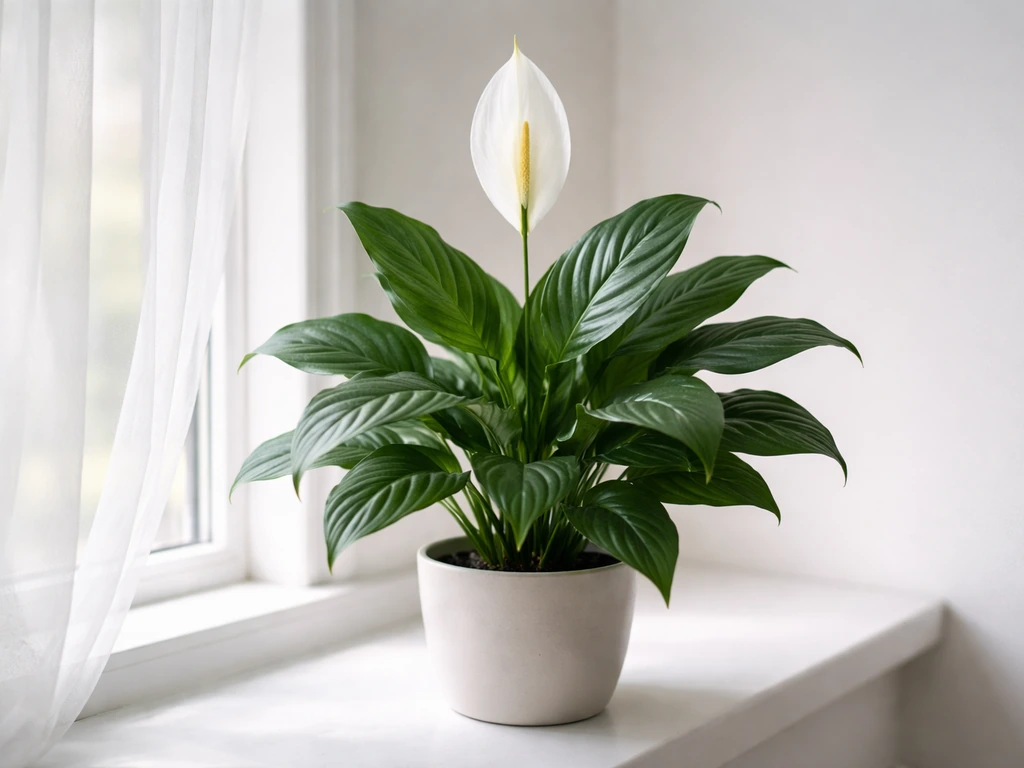
How Big Can Peace Lilies Grow Indoors and Out
Learn typical mature size of peace lilies indoors and outdoors, plus steps to grow bigger with light, pot, water, and ca
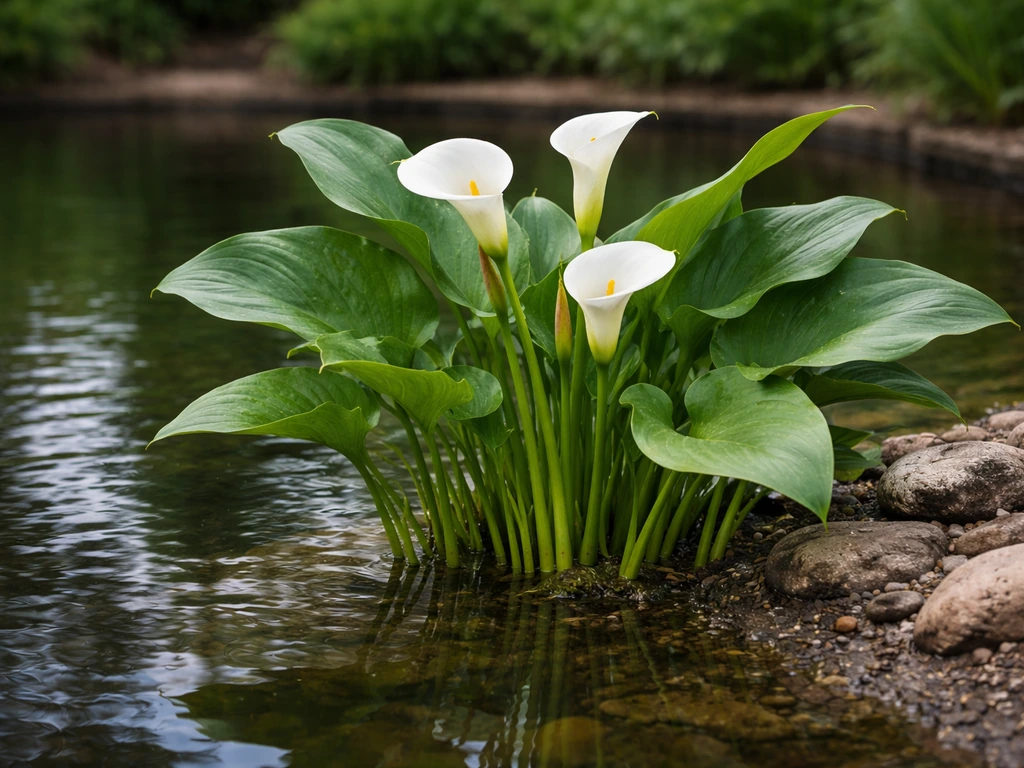
Can Calla Lilies Grow in Ponds? How to Set Up Successfully
Yes, with the right setup: water depth, substrate, anchoring, light, and overwinter care for pond or marginal calla lili
Are Calla Lilies Hard to Grow? Easy Guide for Success
Get a clear answer on are calla lilies hard to grow, plus exact light, temperature, watering, planting, and fixes.