
Yes, a peace lily can grow in a small pot, and it actually does quite well in one for a period of time. Peace lilies do not grow from bulbs; they spread from rhizomes and grow as a root system and leaves emerge from the plant itself do peace lilies grow from bulbs.
Can Peace Lily Grow in Small Pots? Yes and How
Marcus Hendricks
11 May 2026
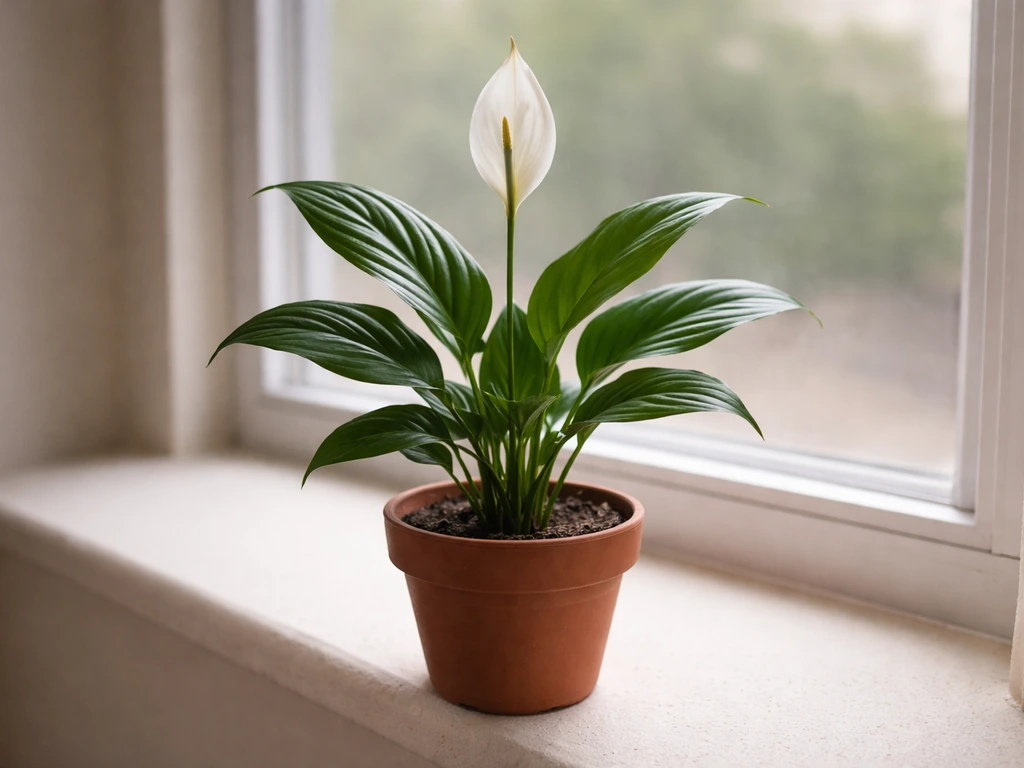
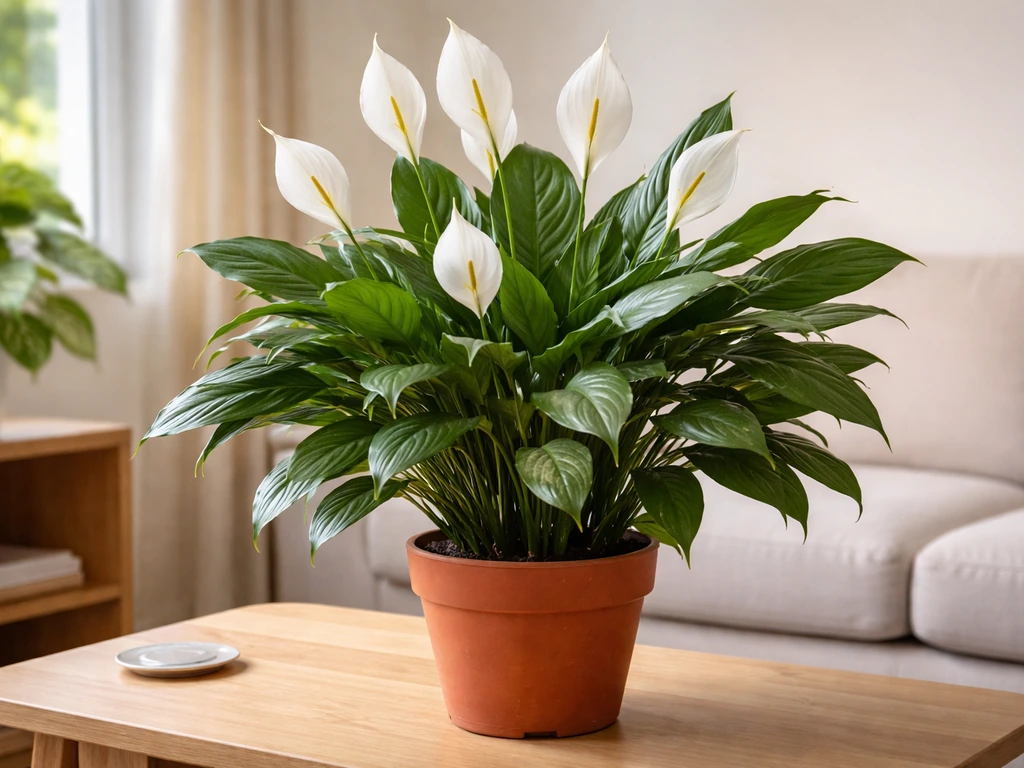
Spathiphyllum is sold in 4-inch pots as standard nursery stock, and those compact plants thrive in snug containers as long as you stay on top of watering, light, and drainage. The catch is that "small" has a limit: once roots start circling the bottom or poking out of drainage holes, the plant is telling you it needs more room.
A small pot works well in the short to medium term, but you'll need to size up every year or two to keep the plant genuinely healthy.
When a small pot actually works (and when it doesn't)
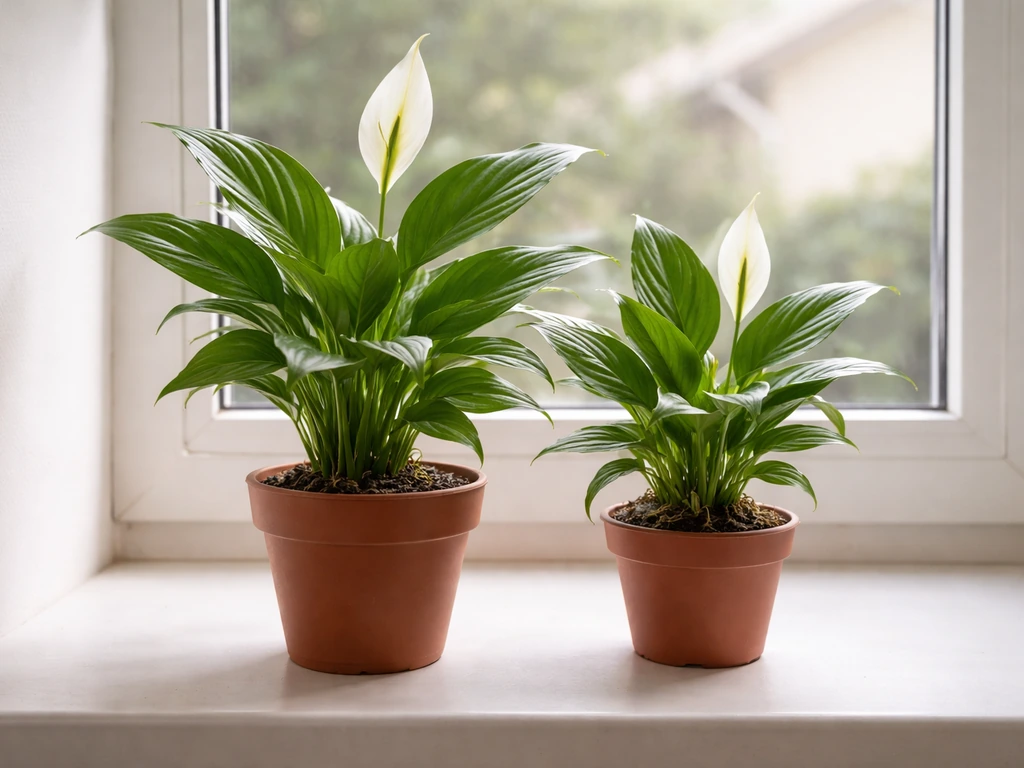
Peace lilies are one of those houseplants that genuinely don't mind being a little snug. A tight root ball can actually help control the size of the plant and keep it manageable on a windowsill or desk. Where things go wrong is when "small" tips into "way too small," which happens faster than most people expect with a healthy, actively growing plant.
A 4-inch pot is fine for a young or compact peace lily cultivar. A 6-inch pot handles a medium-sized plant well. Problems start when the root mass fills the pot completely and leaves no room for soil to hold moisture evenly. At that point water channels straight through, the center of the root ball stays dry, and the plant droops even though you just watered it an hour ago. That's the root-bound tipping point, and it's the most common cause of confusion for new growers.
So the honest answer is: a small pot works great until the roots outgrow it. Peace lilies in containers is completely normal growing practice, and the plants adapt well. You just need to watch for the signals and act when they appear.
What pot size to use and how often to repot
Match the pot to the plant, not to your preference for a cute small pot. A good rule of thumb is to choose a pot that's about 1 to 2 inches wider in diameter than the plant's current root ball. Going too large backfires because excess soil holds more moisture than the roots can use, which leads to soggy conditions and root rot.
- Small/young peace lily: 4–6 inch pot
- Medium peace lily: 6–8 inch pot
- Large or specimen peace lily: 10–14 inch pot or larger
- Repot up by one size (1–2 inches wider) when roots are circling or emerging from drainage holes
Most actively growing peace lilies need repotting every 1 to 2 years. When you do repot, loosen the root mass by hand or trim away any tightly circling roots so they can spread properly in the new container. Leaving a densely matted root ball intact and just dropping it into a bigger pot slows recovery and doesn't solve the hydration problem.
Light, watering, and humidity for a potted peace lily
Light
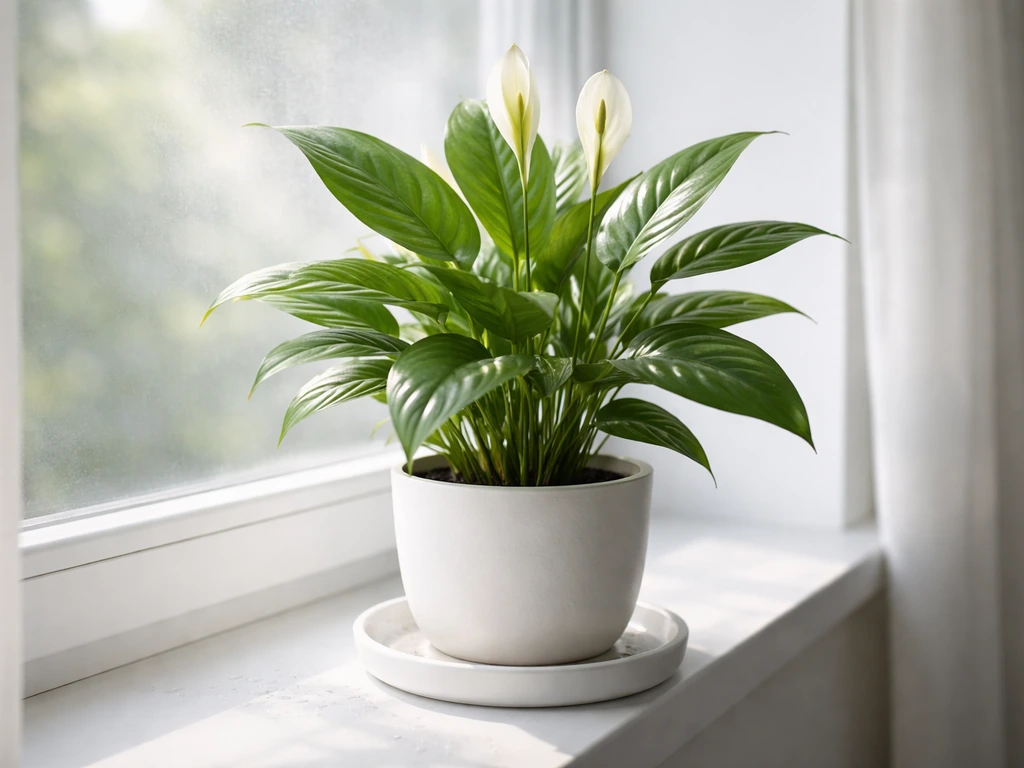
Bright, indirect light is the sweet spot. A spot near a north or east-facing window, or set back from a south or west window, works well. Peace lilies will tolerate lower light, but be honest about the trade-off: in dim conditions you'll see slower growth, and yellow leaves are a real risk. If you want flowers (those white spathes are the whole point for most people), you need enough light for the plant to bloom. Low light keeps the plant alive; bright indirect light keeps it thriving. If you are also wondering how does peace lily grow in general, focus on bright indirect light, consistent watering, and repotting when the roots outgrow the pot.
Watering
Water when the top inch of potting mix has dried out. SDSU Extension notes that blank" rel="noopener noreferrer">peace lilies can tolerate lower light, and that yellowing is often linked to letting the plant get too dry between waterings, along with other stress responses for Spathiphyllum. Stick your finger in, and if the soil at that depth feels dry, water thoroughly until excess drains out of the bottom holes. Then stop. blank" rel="noopener noreferrer">Never let the pot sit in a saucer of standing water, because peace lilies are famously sensitive to wet feet. Small pots dry out faster than large ones, so you may find yourself watering more frequently, especially in warm months or in a heated indoor space.
Humidity
Peace lilies are tropical plants that prefer warm, humid conditions. The ideal temperature range is 75°F to 85°F (24°C to 29°C). They'll cope with average indoor humidity, but brown leaf tips are often the first sign that the air is too dry. Grouping your peace lily with other plants, setting the pot on a pebble tray with a little water beneath it (not touching the pot bottom), or using a small humidifier nearby all help. Keep the plant away from air conditioning vents, heating registers, and cold drafts near windows in winter.
Getting the soil mix and drainage right in a small pot
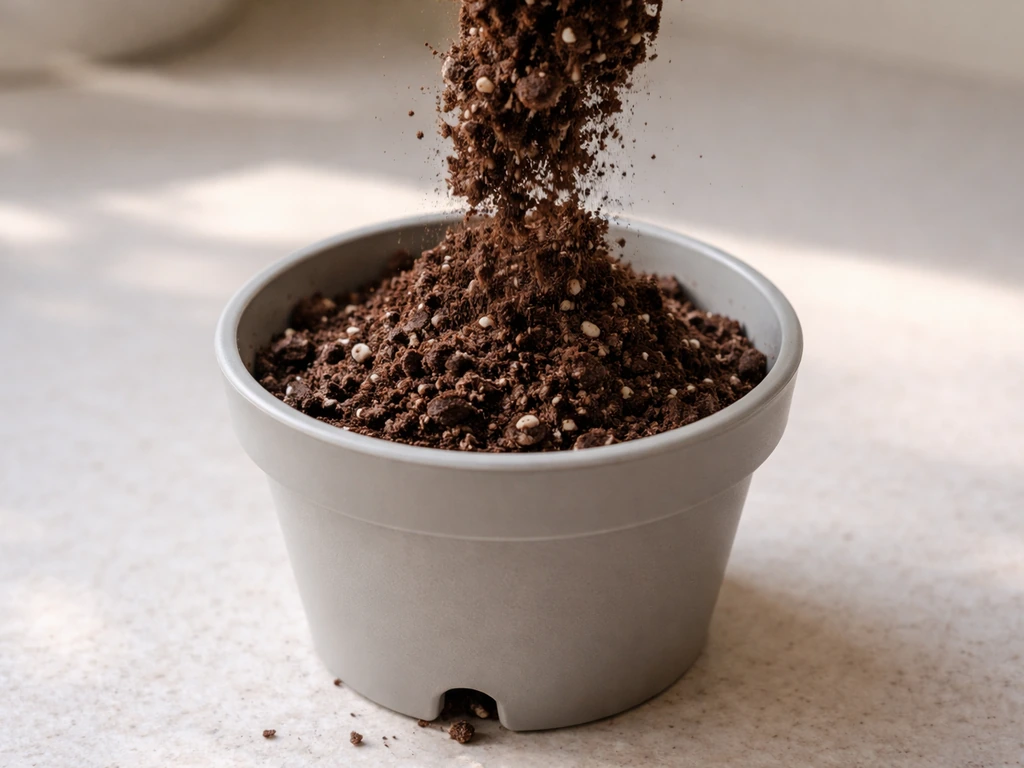
In a small pot, drainage is everything. A heavy, peat-dense potting mix that holds too much moisture in a small volume is a quick path to root rot. Use a well-draining, peat-based or coco coir-based potting mix formulated for houseplants or tropical plants. To improve drainage further, you can mix in about 20 to 25 percent perlite by volume. Perlite keeps the mix from compacting and ensures air can reach the roots even after watering.
Every pot you use needs at least one drainage hole at the bottom, full stop. Without drainage, there's no way to flush the soil properly and soluble salts from tap water and fertilizer will build up, causing tip burn and root damage. If you love a decorative pot without drainage, use it as a cachepot and set your plastic nursery pot inside it, emptying any collected water after each watering.
Fertilizing container peace lilies without burning them
Peace lilies in containers don't need heavy feeding. A low dose of balanced liquid fertilizer applied about three times a year is plenty. Over-fertilizing is actually a more common problem than under-fertilizing with this plant. Too much fertilizer builds up soluble salts in the small volume of soil in a compact pot, and those salts cause the same brown leaf tips and margin burn that you might blame on underwatering. If you see a crusty white deposit on top of the soil or around the pot rim, that's a salt buildup signal.
When salt buildup occurs, flush the pot thoroughly with water, letting it run through for a minute or two until it runs clear, then let it drain completely. This leaches excess salts out of the root zone. Going forward, stick to the low-dose schedule and always follow the manufacturer's dilution instructions rather than guessing at concentration.
Spotting root-bound stress, overwatering, and underwatering
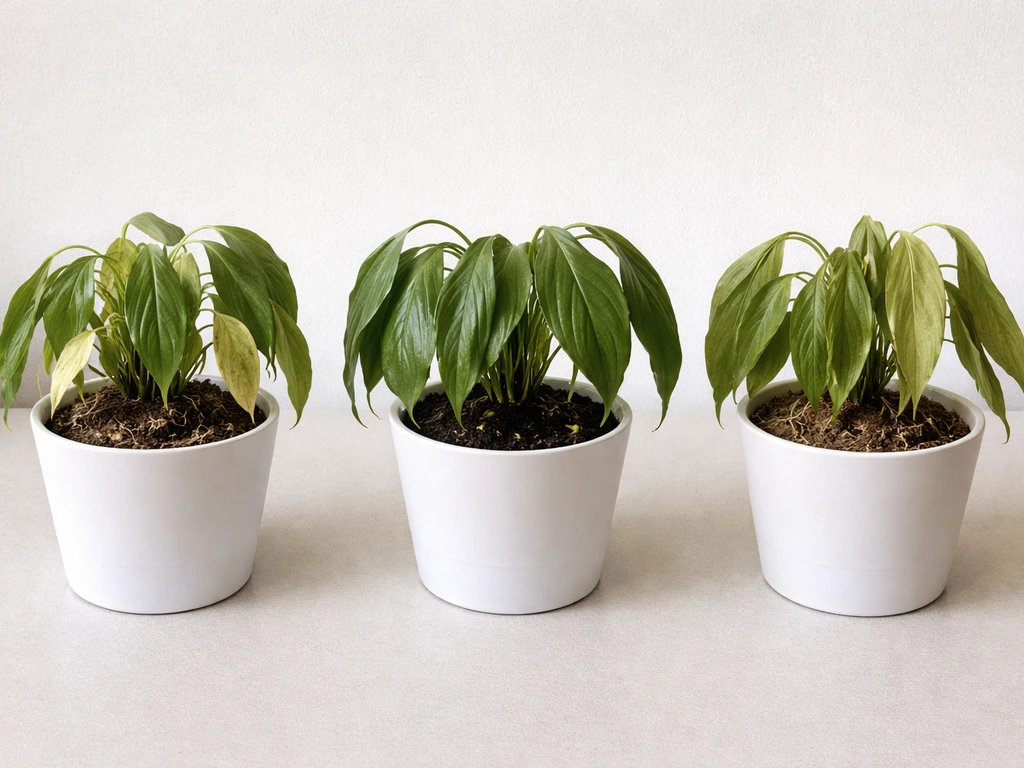
The three most common problems you'll run into with a peace lily in a small pot are root binding, overwatering, and underwatering. They can look similar (drooping, yellowing leaves), so knowing how to tell them apart saves you from making the wrong fix.
| Problem | What you'll see | What to do |
|---|---|---|
| Root bound | Roots circling soil surface or coming out of drainage holes, water rushes straight through, plant wilts even after watering | Repot into a pot 1–2 inches wider, loosen root ball, use fresh potting mix |
| Overwatering | Yellow leaves starting from lower leaves, soggy soil that stays wet for days, possible mushy stem base | Let soil dry out, check drainage holes are clear, consider repotting into dry fresh mix if root rot is present |
| Underwatering | Drooping and wilting leaves, very dry and pulling-away-from-pot-edge soil, leaves may crisp at tips | Water thoroughly until it drains, check the plant more frequently especially in warm/dry conditions |
| Low light | Pale green or yellowing leaves, no flowers, slow or no new growth | Move closer to a bright indirect light source |
| Salt/fertilizer buildup | Brown leaf tips and margins, white crusty deposits on soil surface or pot | Flush pot with water thoroughly, reduce fertilizer frequency |
Root binding is the trickiest to catch early. Before you see roots at the surface or out of the drainage holes, you may notice that the plant droops quickly after watering and then perks up briefly before drooping again. That cycle of fast wilt and fast recovery is a classic sign that water is bypassing the dry center of a compacted root ball. Check the drainage hole first, and if roots are visible there, it's time to repot.
Indoor vs outdoor placement and temperature limits
Peace lilies are indoor plants in most climates. They're tropical in origin, and anything below about 55°F (13°C) is going to stress them. Cold drafts, even indoors near a poorly sealed window in winter, can cause wilting and brown-tipped leaves without any watering mistake on your part. The ideal indoor position is in a warm room, away from drafts, at that 75°F to 85°F range they love.
If you want to move a potted peace lily outdoors in summer, it can absolutely work, but you need to choose the location carefully. A shaded porch, covered patio, or spot under a tree canopy that gets bright filtered light is ideal. Direct outdoor sun will scorch the leaves quickly, and a small pot on a sunny patio can dry out in a single hot afternoon. Check soil moisture daily during warm outdoor spells, since small pots lose moisture much faster than garden soil.
Bring the plant back inside before nighttime temperatures drop below 60°F (15°C). A cold snap, even a brief one, is enough to set back a container-grown peace lily significantly. If you live somewhere with warm, humid summers and keep the plant in shade, outdoor placement can genuinely boost growth and even trigger flowering, but indoor culture works just as well with the right light and humidity setup.
One last thing worth knowing: peace lily size varies quite a bit by cultivar, and this affects how quickly a plant outgrows a small pot. Peace lilies typically grow to about 12 inches to 4 feet tall depending on the cultivar, which is why pot size and growth expectations go hand in hand peace lily size. Compact varieties stay manageable in smaller containers for longer, while larger specimen types will push the limits of any small pot within a growing season. If you're curious about how large your specific plant might get, it's worth looking into the cultivar you have, since peace lily growth potential can range from a tidy 12-inch desktop plant to a 4-foot floor specimen.
FAQ
Can a peace lily grow in a pot smaller than 4 inches?
It can, but only temporarily. If you start with a very small pot (for example, less than 4 inches across) the center of the root ball often stays dry or water channels through, which makes drooping and yellowing more likely. If your plant is currently in a tiny pot, prioritize a drainage hole, then plan to move up to the next size when you see roots at the drainage holes or frequent fast wilt.
What should I do if my decorative small pot has no drainage hole?
A cachepot without drainage is a common mistake. Decorative pots should be used only as an outer sleeve (nursery pot inside). After watering, empty any standing water from the outer pot within about 10 to 15 minutes so the roots never sit in waterlogged mix.
How often should I check whether my peace lily outgrew its small pot?
You might need to repot sooner if your indoor conditions are warm and bright, because growth speeds up and the root ball fills faster. In general, check every 3 to 6 months in small pots by looking through the drainage holes and lightly assessing whether the plant is wobbling or becoming hard to lift from the pot.
When repotting, what size jump is safest for a peace lily in a small pot?
Too-large is risky because excess soil stays wet longer than the roots can use, leading to root rot. In a compact container, jump only one step at a time, roughly 1 to 2 inches wider than the current root ball, and keep the root crown at the same height (do not bury the base deeper).
How can I tell drooping in a small pot is root binding rather than watering problems?
If a peace lily is root-bound, it will often droop even right after watering because water bypasses the dry, compacted center. The most reliable confirmation is to inspect the drainage holes or gently remove the plant and look for dense circling roots, then repot rather than changing watering frequency.
Is white crust on the soil in a small peace lily pot a sign of underwatering?
If you see a crusty white layer on the soil surface or around the rim, treat it as salt buildup, not “dry soil.” Flush with clean water until it runs clear, then resume a low-dose fertilizing schedule (about 3 times per year) using the label dilution, especially in a compact pot where salts accumulate quickly.
Will I need to water more often because the pot is small?
Yes. Small pots dry faster, and peace lilies sometimes droop as soon as the top layer dries, then recover when watered correctly. Instead of watering on a fixed schedule, use the finger test to water only when the top inch is dry, and always water until excess drains out.
How do I differentiate overwatering from underwatering in a small pot?
Overwatering and underwatering can both cause droop, yellowing, and brown tips, so look at the soil condition. Underwatered mix feels dry at the top inch, while overwatered mix feels cool and wet, and may smell sour. In small pots, “dry on top but wet below” can also happen, so check at least a couple inches down if possible.
Can my peace lily bloom in a small pot if my light is dim?
If it stays in low light, it may survive but rarely bloom and can show slower leaf growth. For flowering, prioritize bright, indirect light, then be consistent since peace lilies do not like frequent location changes that cause stress in a small volume of soil.
Can I trim roots in a small-pot peace lily, and when should I do it?
Yes, but timing matters. If you need to cut circling roots, do it at repotting time only, not as a frequent emergency fix, and avoid trimming heavily when the plant is stressed from cold drafts or very low light. After repotting, keep it in bright, indirect light and water normally, letting it drain fully each time.
Next Articles
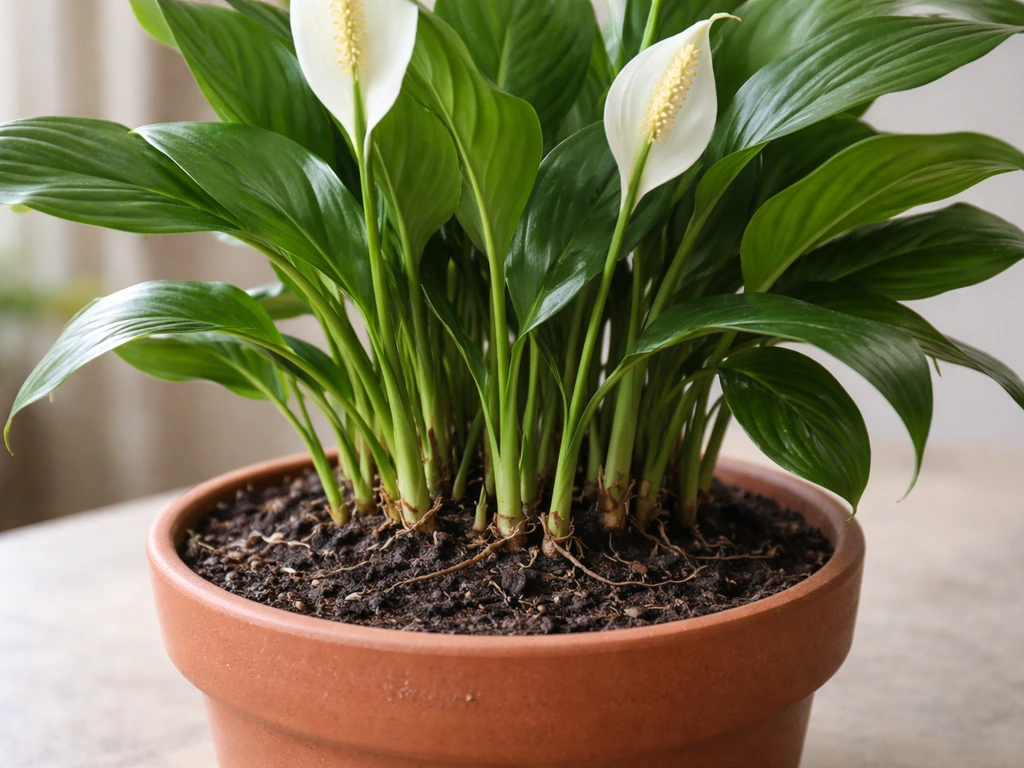
Do Peace Lilies Grow From Bulbs? How They Actually Grow
Peace lilies do not grow from bulbs. Learn how they spread via rhizomes and division, plus tips to prevent rot.
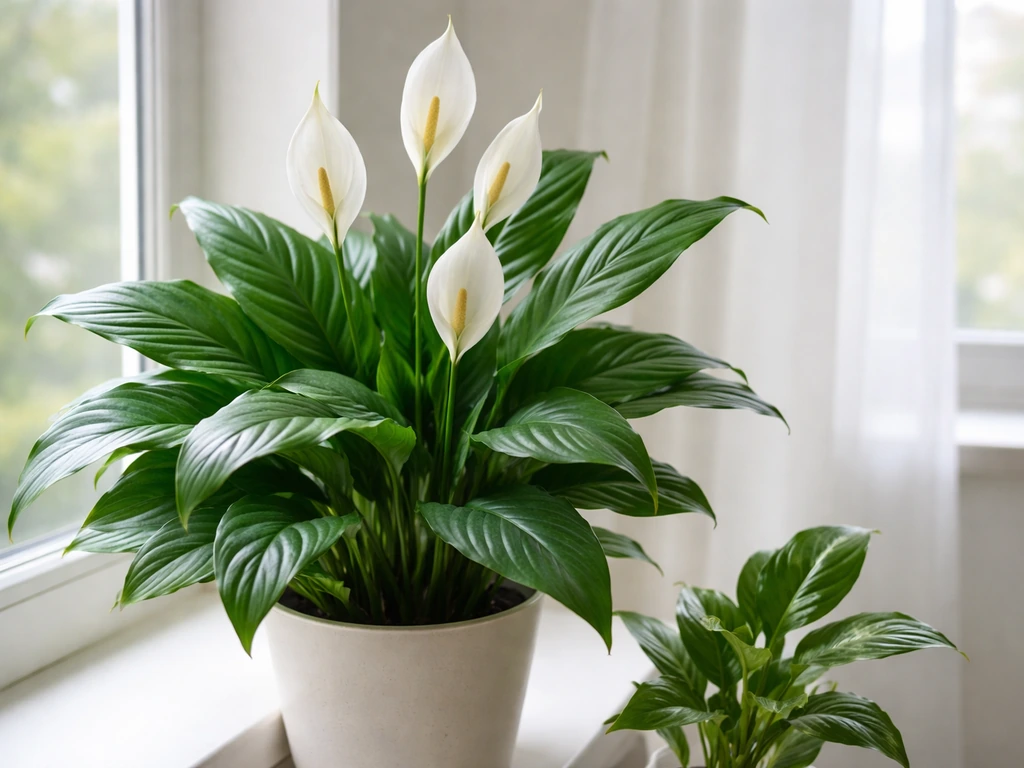
Why Won’t My Peace Lily Grow or Bloom? Fix It Fast
Troubleshoot why a peace lily won’t grow or bloom: fix light, watering, roots, pot size, and feeding fast indoors.
Peace Lily How Big Do They Grow Mature Height and Spread
Mature peace lily size ranges and the factors that control height and spread, plus checks, troubleshooting, and next ste