
Peace lilies are not fast growers. That's the honest answer. Indoors under typical home conditions, you can expect a new leaf every three to four weeks during the growing season, and often less in winter. They won't explode with growth the way a pothos or philodendron might, but they're steady and reliable when their conditions are right. If yours seems stuck, that's almost always a fixable care problem, not just the plant's personality.
Does Peace Lily Grow Fast? Growth Speed and Fixes
Marcus Hendricks
16 Apr 2026
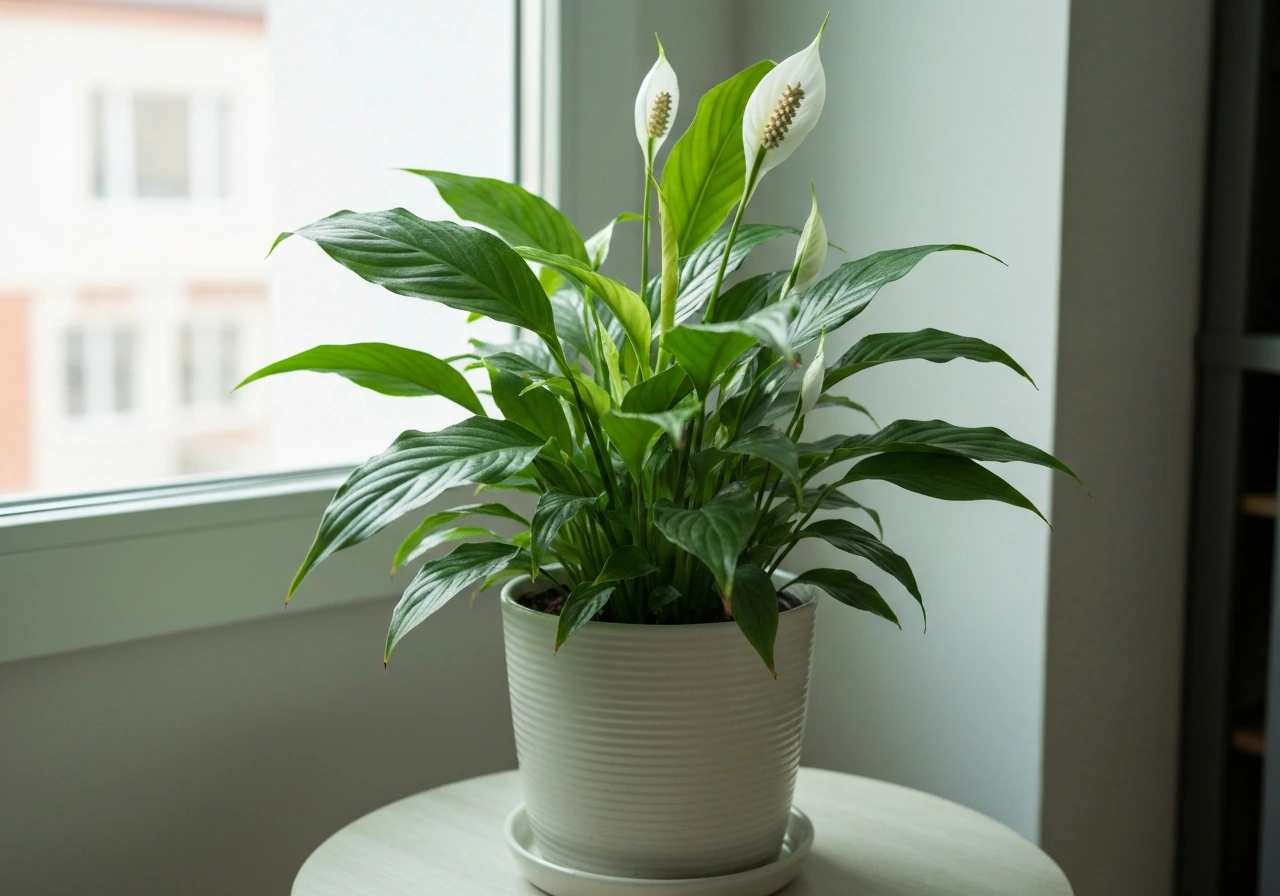
What typical peace lily growth actually looks like
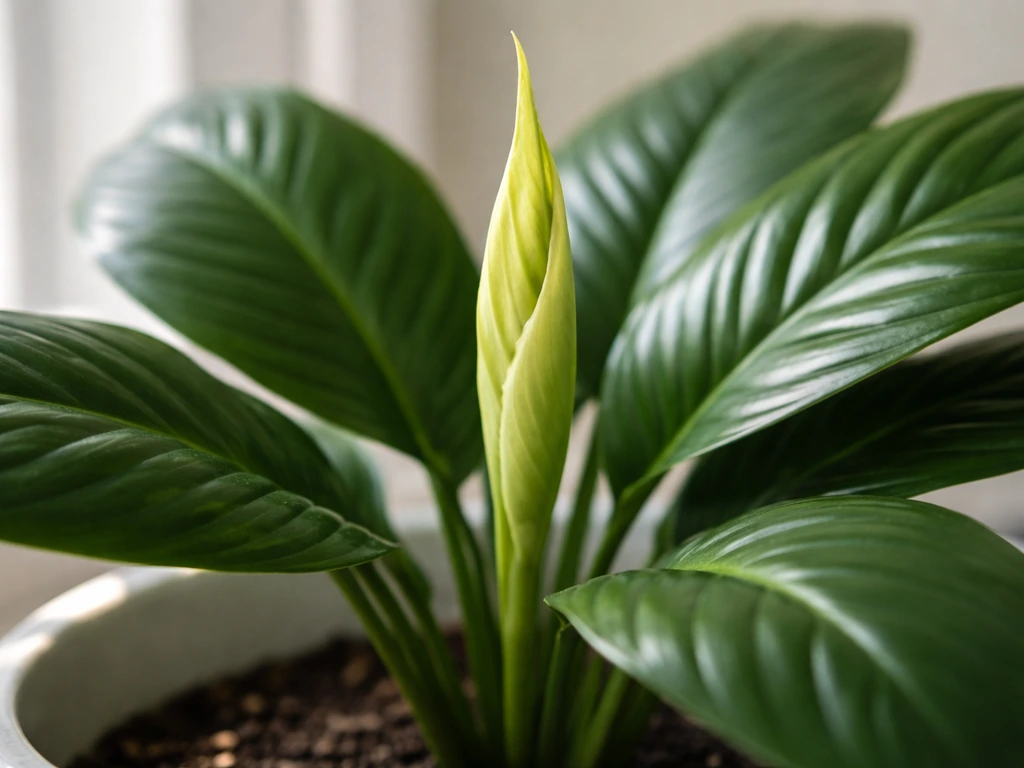
In good conditions, a healthy indoor peace lily will push out a new leaf roughly every three to four weeks from spring through early fall. Mature plants can reach 1 to 4 feet tall and 1 to 3 feet wide, so over a full growing season you can see real, noticeable size changes. But week to week? It's subtle. New leaves emerge as a tightly rolled spear from the center of the plant, unfurl over a few days, then gradually expand. If you're watching daily and expecting something dramatic, you'll be disappointed. If you check back every few weeks, you'll notice real progress.
Understanding how peace lilies grow in terms of their structure helps set realistic expectations. They grow from a central crown, and each new leaf has to push through the middle before it unfurls outward. There's no shortcut to that process, but you can absolutely influence how often and how vigorously it happens.
What "fast" actually depends on: the four big variables
Growth rate in peace lilies isn't fixed. Four conditions drive most of the difference between a plant pushing out a new leaf every three weeks versus one every three months.
Light
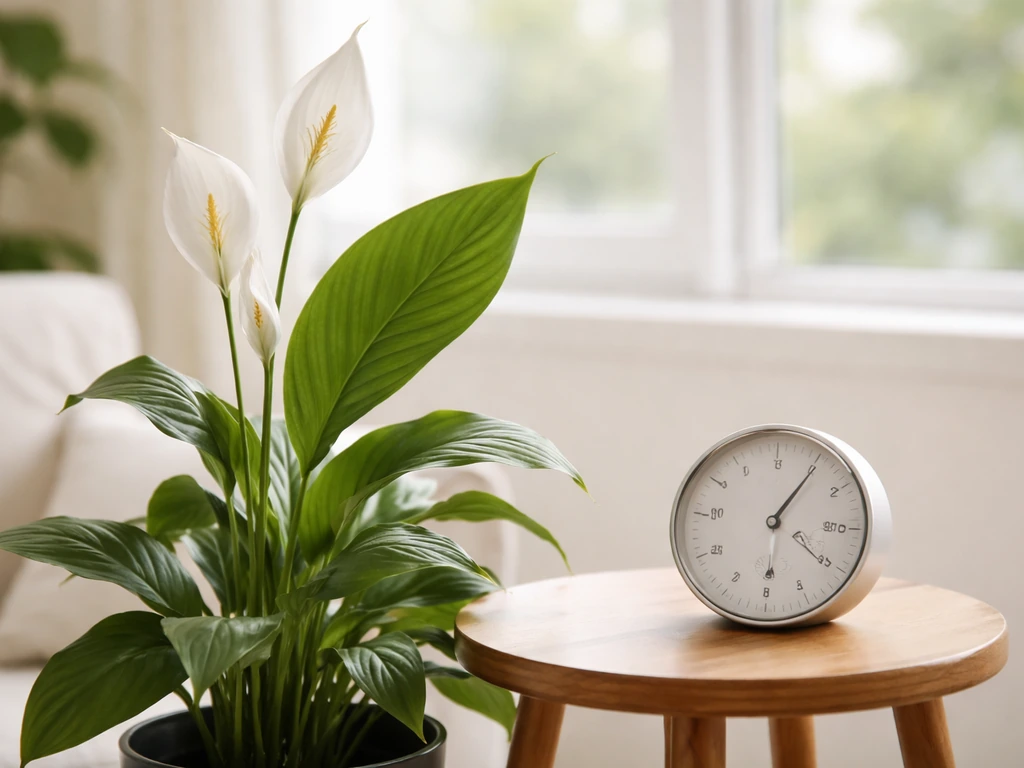
Light is the biggest lever. Peace lilies need bright, indirect light for 10 to 12 hours a day for optimal growth. That means a spot within a few feet of a window, but not in direct sun. Direct sun scorches and browns the leaves and actually stunts growth. Around 1,200 to 2,000 lux for 12 to 14 hours daily is the sweet spot. In most homes, that's a north-facing window with good ambient brightness, or a few feet back from an east or west-facing window. I've seen peace lilies parked in dim corners where they survive but barely grow, putting out maybe one or two leaves all year. Move them into better light and they can triple that output.
Temperature
Peace lilies prefer nights around 68°F (20°C) and can handle daytime temperatures up to about 90°F (32°C). They'll tolerate down to around 45°F (7°C), but once temperatures drop to 50°F or below, active growth slows significantly. Cold drafts from windows, air conditioning vents, or unheated rooms in winter are common hidden growth-stoppers. If your plant is sitting near a drafty winter window, move it. The difference can be dramatic.
Watering
Both overwatering and underwatering slow growth, just in different ways. Overwatering leads to soggy roots, root rot, yellowing leaves, and sometimes visible mold on the soil surface. Underwatering causes wilting and stress. South Dakota State University Extension also warns that peace lilies can become stressed and lose older leaves if they get too dried out and are not thoroughly saturated when watering [Underwatering causes wilting and stress.
](https://extension. sdstate. edu/care-peace-lilies). The right approach is to [water when the top inch or two of soil feels dry](https://plants.
ces. ncsu. edu/plants/spathiphyllum/), then water thoroughly and let excess drain completely. Peace lilies want consistent moisture, not wet feet.
Good drainage is non-negotiable: if the pot doesn't drain, air can't circulate through the root zone, and roots sitting in stagnant water will rot rather than grow.
Humidity
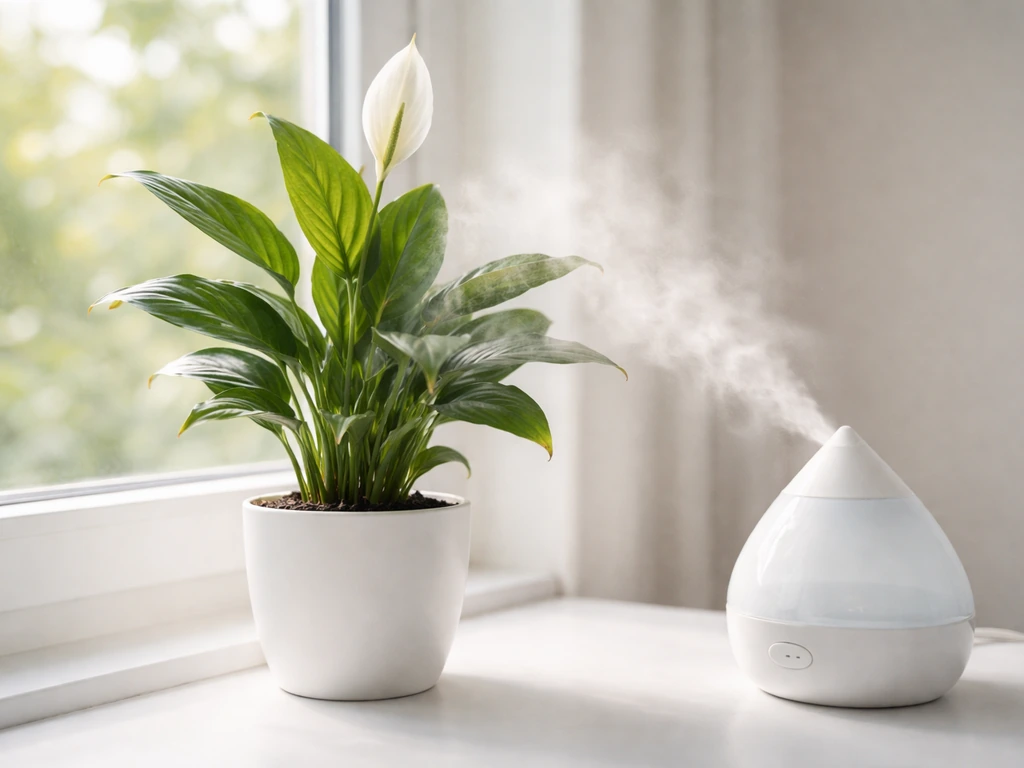
Peace lilies prefer humidity between 50% and 70%. Most homes run 30% to 50%, which is on the low side. In drier conditions you'll often see brown leaf tips, and the plant puts energy into stress management rather than new growth. A pebble tray with water under the pot, a small humidifier nearby, or grouping plants together can all help push humidity into that preferred range.
Why your peace lily seems slow right now
I've killed three batches of peace lilies before I finally figured out that most "slow growth" problems are actually one of a handful of very specific issues. Here's what to check:
- Not enough light: The most common culprit. If your plant is more than 6 to 8 feet from a window, it's probably light-starved.
- Overwatering: Yellow leaves, soft stems, and wet soil that never seems to dry out are the signs. Check the roots for brown, mushy sections.
- Underwatering: Leaves droop dramatically and the soil is bone dry. Unlike overwatering, this is usually easier to fix quickly.
- Poor drainage: If water sits in the bottom of the pot or the soil stays soaked for more than a few days, root oxygen is being cut off.
- Rootbound: Roots circling the pot, poking out of drainage holes, or the plant drying out unusually fast after watering are all signs the pot is too small.
- Wrong soil: Dense, compacted, or water-retaining potting mixes suffocate roots over time.
- Nutrient deficiency: Plants in the same pot for years without feeding will eventually run out of available nutrients and stall.
If you've been scratching your head about why your peace lily won't grow, running through this list systematically is the fastest way to find the answer. Usually it's one primary issue, and fixing it makes a visible difference within a few weeks.
Practical steps to speed up growth without harming your plant
- Upgrade the light first: Move the plant to within 3 to 4 feet of a bright window. If natural light is limited, a grow light set to 10 to 12 hours daily works well.
- Fix your watering routine: Stick your finger 1 to 2 inches into the soil. Water only when that layer is dry. Water thoroughly, then let the pot drain completely before putting it back on any saucer.
- Check for drainage: Make sure the pot has working drainage holes. If not, repot into one that does.
- Raise humidity: Set up a pebble tray with water below the pot, or run a small humidifier nearby. Even moving the plant to a bathroom with a window can help.
- Keep temperatures consistent: Aim for 65°F to 85°F. Move the plant away from cold windows, exterior doors, and A/C vents.
- Start a light feeding schedule: During spring and summer, use a balanced water-soluble fertilizer diluted to half or quarter strength every four to six weeks. Don't fertilize a stressed or recently repotted plant until you see new growth.
- Repot if rootbound: If you haven't repotted in two or more years, check the roots. If they're circling or crowded, move up one pot size (about 2 inches wider) using fresh, well-draining potting mix.
Repotting, roots, and feeding: getting the foundation right
Roots are the engine of growth, and peace lily roots need three things: moisture, oxygen, and room to spread. A good potting mix for peace lilies is loose and well-draining, typically a peat- or coco-coir-based mix with added perlite. Avoid anything that compacts easily or holds water for days at a time.
You might wonder whether a peace lily can grow in a small pot, and the short answer is: only up to a point. A slightly snug pot is fine, but once roots start circling the bottom or crowding out the soil, growth will stall. The best time to repot is spring, March through May for most US growers, so the plant can put that recovery energy into new growth during the warm season. After repotting, expect the root system to re-establish over the first two weeks, with new leaves typically appearing in weeks three through six. Some drooping or paused growth right after repotting is normal and not a sign something went wrong.
On fertilizing: peace lilies are not heavy feeders, and more is not better. Too much fertilizer leads to salt buildup in the soil, which can actually damage roots and turn leaf tips brown. During spring and summer, fertilize every four to six weeks with a balanced water-soluble fertilizer diluted to half or quarter strength. In fall and winter, cut back to once every three to four months, or skip it entirely. UF/IFAS recommends just three applications per year as a conservative approach, and honestly that's plenty for most home growers. If you're unsure whether your plant needs feeding, look at the leaves: pale, washed-out coloring often signals a nitrogen shortage; otherwise, hold off.
It's also worth knowing that peace lilies don't grow from bulbs the way tulips or daffodils do. They grow from rhizomes, which means dividing a mature plant at repotting time is an easy way to create new plants and refresh root health at the same time.
Seasonality and realistic timelines for new growth
Peace lilies don't have a true dormant period the way some outdoor plants do, but they do slow down noticeably in winter. Shorter days, lower light levels, and cooler temperatures all put the brakes on leaf production from roughly November through February. During those months, you might see one new leaf a month instead of two or three, or even just a couple over the whole season. That's normal. Don't panic and start overfeeding to compensate.
Here's a realistic seasonal growth timeline for a healthy, well-cared-for indoor peace lily:
| Season | Expected Growth Rate | Key Care Adjustments |
|---|---|---|
| Spring (Mar–May) | 1 new leaf every 2–3 weeks; fastest growth period begins | Resume regular fertilizing; repot if rootbound; increase watering frequency as growth picks up |
| Summer (Jun–Aug) | 1 new leaf every 2–4 weeks; steady active growth | Maintain bright indirect light 10–12 hrs/day; watch humidity; fertilize every 4–6 weeks |
| Fall (Sep–Oct) | Growth begins to slow; 1 leaf every 3–5 weeks | Start reducing fertilizer frequency; watch for cold drafts as heating turns on |
| Winter (Nov–Feb) | Slowest period; may be 1 leaf every 4–8 weeks or less | Move away from cold windows; reduce fertilizer to once every 3–4 months; keep temperatures above 60°F |
If you've recently fixed a care problem, like improving light or repotting, expect to wait two to four weeks before you see visible new growth. The plant needs time to recover and redirect energy. After that initial delay, growth should pick up noticeably within six to eight weeks of the change, assuming all the other conditions are also in good shape.
How big will it get, and is your setup realistic?
Before you optimize for speed, it helps to know where you're headed. If you want the full picture on how big peace lilies can grow, the range is wide: compact varieties stay under a foot, while large varieties like Sensation can hit 4 feet tall indoors. Most common houseplant peace lilies settle somewhere in the 18 to 24 inch range. Knowing the mature size of your specific variety helps you pick the right pot size and understand what "fully grown" looks like for your plant.
If you're curious about the full size potential of your plant, there's a lot of useful detail on how big peace lilies grow depending on variety and conditions. The short version: most home growers will see a mature, healthy plant reach 18 to 24 inches tall within two to three years of good care, with steady new leaf production throughout the growing seasons along the way.
So no, peace lilies aren't fast growers. But they're consistent, forgiving once you understand their needs, and genuinely responsive when you get the conditions right. Fix the light, dial in your watering, keep them warm and reasonably humid, feed lightly during the growing season, and repot when the roots demand it. Do those things and you'll have a plant that's visibly, reliably growing, which is really all any of us are after.
FAQ
If my peace lily isn’t growing, how long should I wait before assuming something is wrong?
Not usually. Peace lilies often look like they are “stalled” for a few weeks after a routine change, especially if you recently moved them, adjusted light, or switched watering habits. In most cases, visible new leaf emergence lags behind the fix by about 2 to 4 weeks, then pace improves over the next 6 to 8 weeks if the root zone is healthy.
Can a peace lily still grow slowly in low light, or will it fully stop?
Yes, but it will likely be subtle. The plant may produce smaller or fewer new leaves if the light is only “okay,” but it will still generally push out new growth during spring through early fall. If you are getting zero new leaves for 2 to 3 months, that usually points to a specific issue like low light, cold drafts, poor drainage, or fertilizer problems rather than normal slow growth.
How can I tell if my soil or pot is causing slow growth?
Commonly, slow growth is tied to a potting mix that stays wet too long. If water takes many days to dry (or the soil feels soggy even after a week), roots get less oxygen and growth stalls. Use a loose, well-draining mix and make sure the pot has drainage holes, then reassess watering frequency.
Should I water more often to speed up leaf growth?
The best indicator is not the calendar, it is the soil and leaf condition. Water when the top inch to two inches are dry, then water thoroughly until excess drains out, and empty the saucer. Consistently wet soil is more likely to reduce leaf production than occasional missed watering, because root oxygen drops.
Can too much fertilizer make my peace lily grow slower?
Fertilize lightly and only during active growth. Overfeeding can cause salt buildup, which damages roots and can show up as brown leaf tips or slowed growth even though you are “feeding.” A safe approach is dilute to half or quarter strength and fertilize every 4 to 6 weeks in spring and summer, then pause or reduce in fall and winter.
Is repotting supposed to restart growth quickly, or is a pause normal?
Usually, yes, because repotting can disrupt roots and requires recovery time. Lightly snug pots are fine, but if roots are circling or crowded out, growth will stall until the plant can re-expand into fresh medium. Plan repotting for spring, and expect some paused or droopy growth immediately after, followed by new leaves weeks 3 to 6.
Can I pot my peace lily in a bigger container to help it grow faster?
It can, but only within limits. If you put a peace lily into a much larger pot, the extra soil holds moisture longer, raising the risk of soggy roots and slowing growth. Aim for a slightly larger container, and ensure fast drainage through a mix with perlite and a pot with holes.
Will raising humidity actually speed up my peace lily?
Very dry indoor air can indirectly slow growth by stressing the plant, even if light and watering are right. If humidity is consistently below about 50%, you may see brown tips and slower leaf production. A humidifier nearby, a pebble tray, or grouping plants can help, but only keep the leaves from sitting in constantly wet conditions.
What are the most common hidden reasons a peace lily slows down in winter?
Yes. Peace lilies in cold spots often slow down even when watered correctly, and drafts are a common hidden cause. If your plant sits near a winter window, an air vent, or an unheated area, move it a few feet away from the cold airflow and monitor changes over the next few weeks.
What should I check first if I want to improve growth rate without making multiple changes at once?
If leaf production is slow but the plant otherwise looks healthy, your best next step is to compare it to its “speed baseline” under your current setup. Check light duration and intensity (bright indirect for about 10 to 12 hours), verify soil drainage and watering timing, then review temperature stability at night. Address one factor at a time so you can tell which change actually triggers new leaf emergence.
Next Articles
How Does Peace Lily Grow: Light, Water, Soil, Care Tips
Learn how peace lily grows with ideal light, watering, humidity, soil, and troubleshooting for drooping and yellow leave
How Big Can Peace Lilies Grow Indoors and Out
Learn typical mature size of peace lilies indoors and outdoors, plus steps to grow bigger with light, pot, water, and ca
Can Calla Lilies Grow in Ponds? How to Set Up Successfully
Yes, with the right setup: water depth, substrate, anchoring, light, and overwinter care for pond or marginal calla lili