
If your peace lily isn't growing or flowering, the cause is almost always one of five things: not enough light, inconsistent watering, poor drainage leading to root problems, temperature stress, or a missing fertilizer routine. You may also be wondering whether peace lilies grow from bulbs, and the answer affects what you should do next for propagation do peace lilies grow from bulbs. Fix the right one and you'll usually see new growth within two to four weeks. The trick is figuring out which one is actually the problem, because a drooping peace lily, for example, can mean it's thirsty or drowning, and treating the wrong cause makes things worse.
Why Won’t My Peace Lily Grow or Bloom? Fix It Fast
Marcus Hendricks
25 Apr 2026
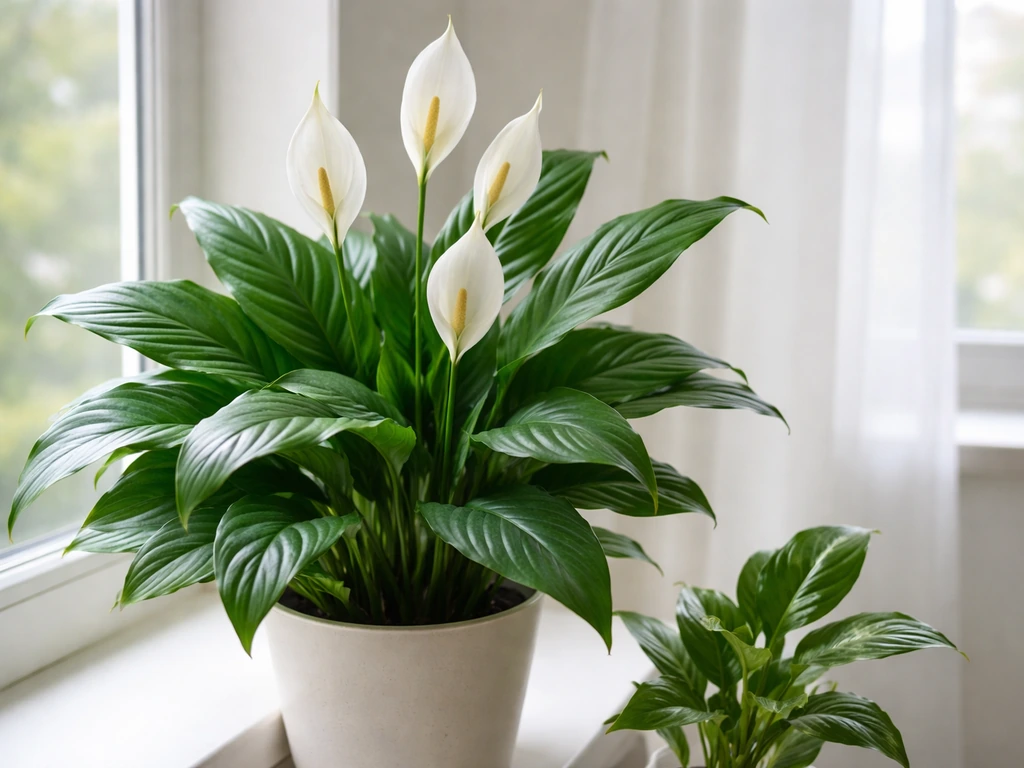
Quick diagnosis: what "won't grow" actually looks like
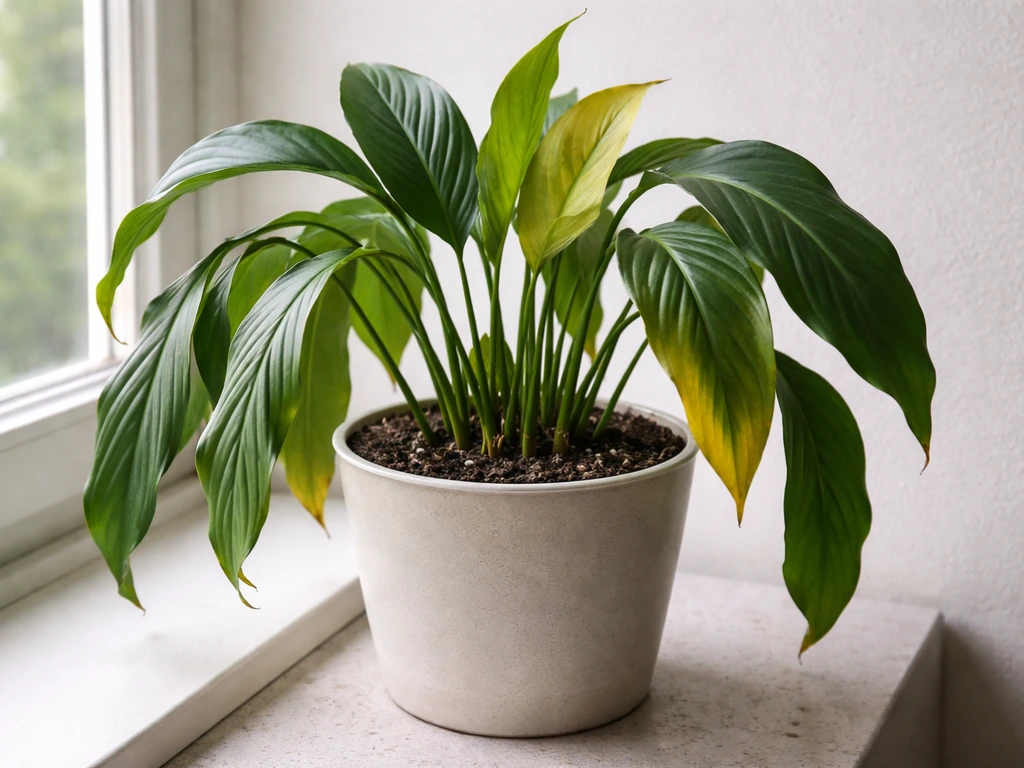
Before you change anything, get clear on exactly what your plant is doing. "Won't grow" means different things, and the fix depends on the symptom. Here's how to read what you're seeing:
| Symptom | Most Likely Cause | Priority Fix |
|---|---|---|
| No new leaves for weeks or months | Low light or underfeeding | Move plant, start fertilizing |
| Leaves growing but no flowers | Insufficient light or nutrients | Improve light, add bloom-supporting fertilizer |
| Drooping leaves, dry soil | Underwatering | Water thoroughly now |
| Drooping leaves, wet soil | Overwatering or root rot | Let dry out, inspect roots |
| Wilting 1–2 days after watering | Root-bound or root rot | Inspect and possibly repot |
| Pale, weak, leggy stems | Too little light | Move closer to a window |
| Leaf tip browning with no growth | Low humidity, drafts, or fluoride in tap water | Increase humidity, switch to filtered water |
Peace lilies are actually pretty expressive plants. When they need water, they droop dramatically and fast. When light is the issue, the decline is slower and more subtle: stems get weaker, leaves stay smaller, and the plant just sits there doing nothing for months. Knowing which pattern you're dealing with points you straight to the fix.
Light problems that stop growth and flowering
This is the number one reason peace lilies stop flowering indoors, and it's sneaky because the plant often stays green and alive even when the light is way too low. Healthy Houseplants’ care guide notes peace lilies prefer bright, indirect light and that flowering depends on having enough light energy, even though the plant can tolerate lower light. Peace lily foliage can survive in as little as 500–1,000 lux, but producing flowers takes significantly more light energy. If your plant hasn't flowered in over a year, inadequate light is the first thing to fix.
The sweet spot for indoor peace lilies is bright indirect light. Peace lilies can also vary a lot in mature size, so knowing how big can peace lilies grow helps you judge whether your plant is just waiting to establish indoor peace lilies. A north or east-facing window works well for consistent foliage growth. For reliable flowering, position the plant a few feet back from an east-facing window, or right on the sill if it's filtered through a sheer curtain. Production nurseries grow peace lilies at around 1,200–1,800 foot-candles (roughly 13,000–19,000 lux) in shaded greenhouse conditions. You won't hit those numbers indoors, but getting as close as you reasonably can makes a real difference.
What you want to avoid is direct harsh afternoon sun, which scorches the leaves, and dark corners more than 8–10 feet from any window, where flowering becomes basically impossible. If you're relying on a north window in a room with small windows, consider supplementing with a basic grow light for 12–14 hours a day during the spring and summer growing season.
One practical trick: if your peace lily has been flowering in the past but stopped, try moving it just a foot or two closer to the window. Sometimes that small change is all it takes to push it back into bloom. If you are wondering can peace lily grow in small pots, focus on choosing a pot with good drainage and not going much larger than the root ball small change. Also, remove any spent flower stalks all the way at the base. Cutting them off redirects the plant's energy toward producing new blooms instead of maintaining dying ones.
Watering and soil moisture mistakes
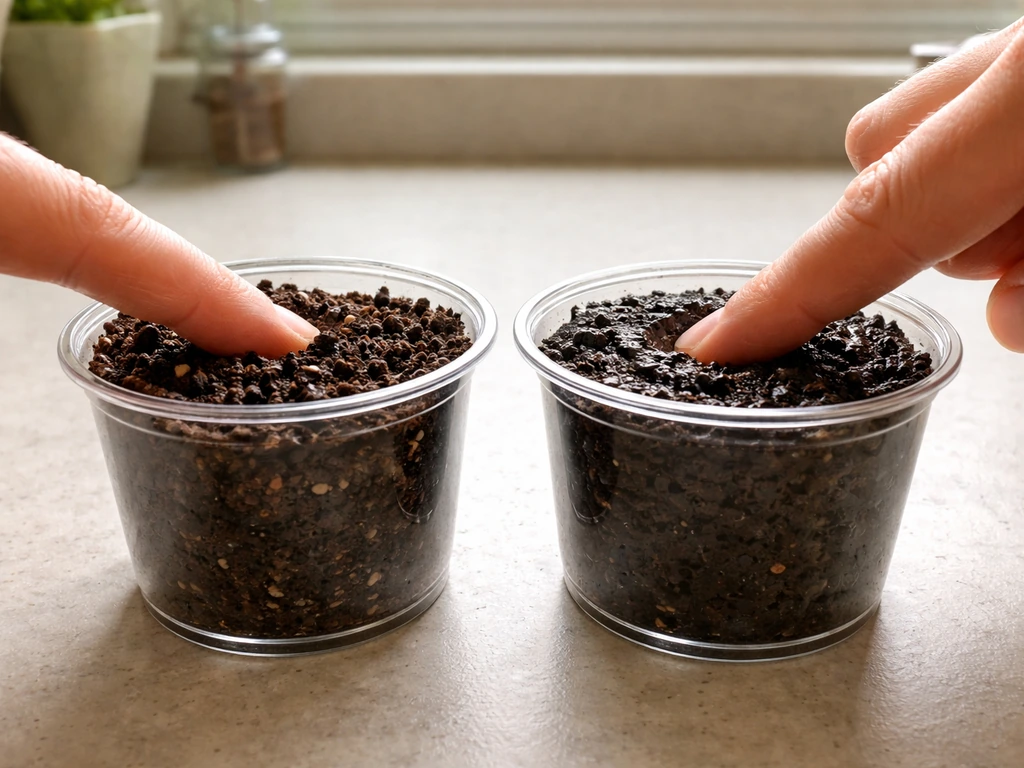
Overwatering kills more peace lilies than anything else, but underwatering can stall growth just as effectively. The goal is what I think of as "moist but airy" soil: consistently damp enough that the plant never fully dries out, but never soggy or sitting in pooled water. That balance is harder to nail than it sounds.
How to tell which watering problem you have
- Underwatering: leaves droop suddenly and dramatically, soil is dry an inch or more below the surface, pot feels light when lifted
- Overwatering: leaves droop or yellow, soil stays wet for more than a week, pot feels heavy, possible musty smell from the soil
- Inconsistent watering: new leaves start growing then stall, growth looks uneven, some leaves healthy while others yellow
A good rule of thumb is to water when the top inch to inch-and-a-half of soil feels dry, or when the plant just barely starts to droop. Don't wait for a dramatic wilt, but also don't water on a fixed schedule without checking the soil first. Watering too often is the classic mistake, especially in winter when growth slows and the plant uses far less water. The general guidance is to let the soil get about half-dry before watering again, and to water thoroughly when you do water so the entire root zone gets moisture.
One thing people often overlook: tap water fluoride can cause leaf tip browning and interfere with healthy growth in peace lilies. They're sensitive to it. If you notice persistent tip browning alongside slow growth, try switching to distilled water or collected rainwater for a month and see if things improve. It sounds like a minor detail but I've seen it make a noticeable difference.
Potting, drainage, and root health checks
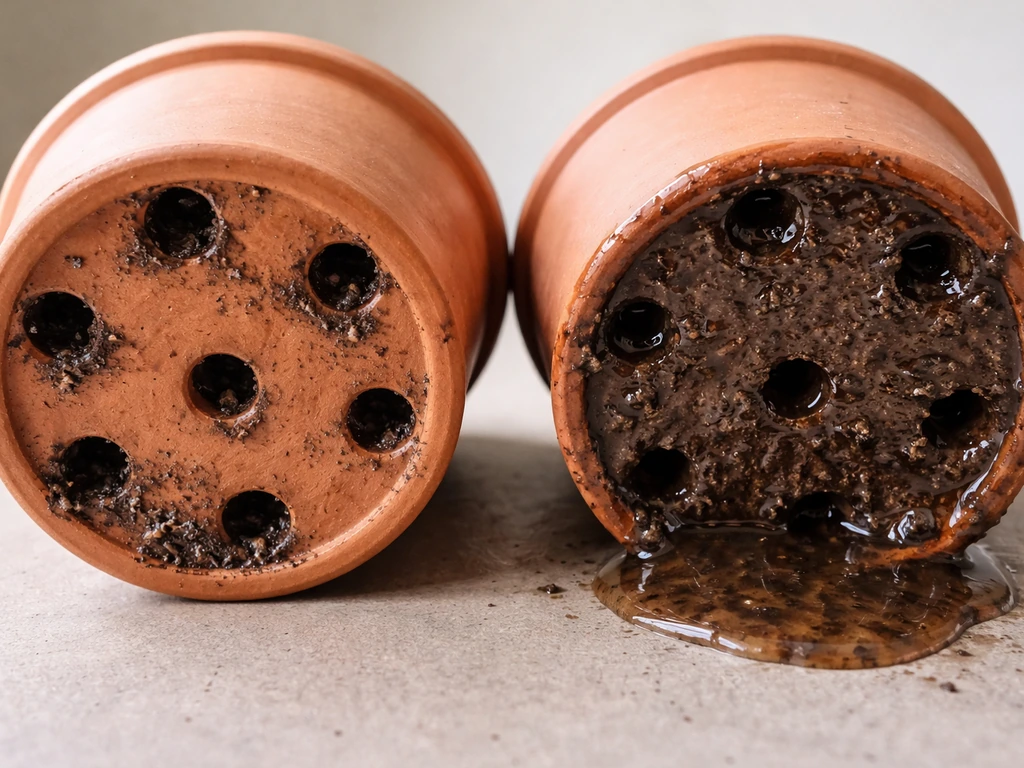
Poor drainage is the most direct path to root rot, which stops growth completely. If your pot doesn't have drainage holes, or the holes are small and clog easily, excess water sits around the roots and creates the anaerobic conditions that rot-causing fungi love. Root rot is hard to reverse once it's severe, so catching it early matters.
Signs you need to inspect the roots
- The plant wilts within 1–2 days of watering even though the soil still feels moist
- Roots are visibly poking out of the drainage holes
- Roots are circling visibly on the surface of the soil
- Growth has stalled for months despite consistent care
- You notice a musty or sour smell from the pot
If you see any of those signs, take the plant out of its pot and look at the roots. Healthy peace lily roots are firm and white or light tan. Rotted roots are brown, black, mushy, or slimy. If you find rot, trim off all the affected roots with clean scissors, let the remaining healthy roots air out for 30–60 minutes, and repot into fresh, well-draining mix in a pot with clear drainage holes.
Peace lilies actually like being a little root-bound, and this surprises a lot of people. A slightly crowded root system can actually encourage flowering. So don't repot just because the plant looks big. Repot when the roots are clearly out of room and you're seeing the wilt-after-watering symptom. When you do repot, go only about 2–3 inches (5–8 cm) larger in diameter than the current pot. Going too big leaves too much wet soil around the roots, which increases rot risk and can actually slow growth further.
Temperature, humidity, and drafts: why peace lilies stall
Peace lilies are tropical plants, which means they want warmth and humidity and they dislike temperature swings. The ideal indoor range is roughly 65–85°F (18–29°C). Drop below that, and growth slows noticeably. Expose them to cold drafts from windows or air conditioning vents, and they can stop growing almost entirely, sometimes even showing leaf yellowing or browning at the tips.
Check where your plant is sitting. Is it near a frequently opened window in spring? Near a heating vent that blasts dry air? On a cold windowsill in a drafty room? Any of those can stall growth even if everything else is perfect. Move the plant somewhere with stable temperature and no direct airflow from vents or drafts.
Humidity is another big one. Peace lilies prefer higher humidity than most homes naturally have, especially in winter when heating systems dry the air out significantly. Low humidity contributes to tip browning and can suppress flowering. Running a humidifier nearby, grouping plants together, or setting the pot on a tray of water and pebbles (making sure the pot isn't sitting in the water itself) all help. Misting works in the short term but isn't a substitute for sustained ambient humidity.
Interestingly, a brief cold period can actually trigger flowering. Exposing a peace lily to temperatures around 54°F (12°C) for a few weeks, like near a cool window in late winter, has been noted to prompt earlier blooming when the plant is moved back to warmth. It's not something to do by accident with a draft, but it's a useful tool if you're specifically trying to get a reluctant bloomer to flower.
Fertilizer and feeding schedule to restart growth and encourage blooms
If your peace lily has been in the same pot for more than a year without any fertilizer, the soil is likely depleted. Nutrients don't magically replenish themselves, and without them, growth grinds to a halt. This is especially common in peace lilies that are otherwise getting decent care, because everything looks okay until the plant just stops producing new leaves or flowers.
The feeding approach that works well: use a balanced liquid fertilizer with an NPK ratio like 20-20-20 or 10-10-10, diluted to half or even quarter strength, applied every 6–8 weeks during spring and summer. Don't fertilize in fall and winter when the plant is in its slower growth phase. Overfeeding is a real problem with peace lilies, so less is genuinely more here. A diluted, consistent feeding schedule beats irregular heavy doses every time.
If you're specifically trying to encourage flowers, a balanced fertilizer is still the right call. Some gardeners switch to a slightly phosphorus-forward formula during the growing season, since phosphorus supports blooming, but a standard balanced fertilizer applied consistently does the job for most home growers. What matters most is regularity during the growing season and completely stopping during dormancy.
Your 7–14 day fix plan
Here's how I'd approach this if I were troubleshooting my own peace lily today. Work through these steps in order because some fixes depend on others being in place first.
- Day 1: Check the soil moisture right now. Stick your finger an inch into the soil. If it's wet and the plant is drooping, stop watering and let it dry out. If it's dry, water thoroughly until it drains from the bottom.
- Day 1: Assess the light. Where is the plant? If it's more than 6 feet from a window, or in a north-facing room with no supplemental light, move it to your brightest indirect light spot today.
- Day 1–2: Check for drafts and temperature. Is it near a vent, cold window, or air conditioner? Move it if so. Aim for a stable spot between 65–85°F.
- Day 2–3: Inspect the roots. Tip the plant out if you're seeing the wilt-after-watering symptom or roots at the drainage holes. Trim any rotted roots, let healthy roots air out, and repot into fresh mix in a pot 2–3 inches larger with good drainage holes.
- Day 3–5: Improve humidity. Set up a pebble tray, move it near other plants, or run a humidifier nearby if your home is dry.
- Day 5–7: Start a fertilizer routine. Apply a balanced liquid fertilizer at half strength if you haven't fed the plant in the past 6–8 weeks. Don't fertilize if you just repotted, wait two to four weeks first.
- Day 7–14: Remove any spent flower stalks at the base. Switch to distilled or filtered water if you've been using tap water and noticed tip browning.
- Day 14: Reassess. New growth (even a tiny unfurling leaf) is a sign things are moving in the right direction. No change at all after two weeks means revisiting the light situation, which is the most common overlooked variable.
When repotting is the right next step
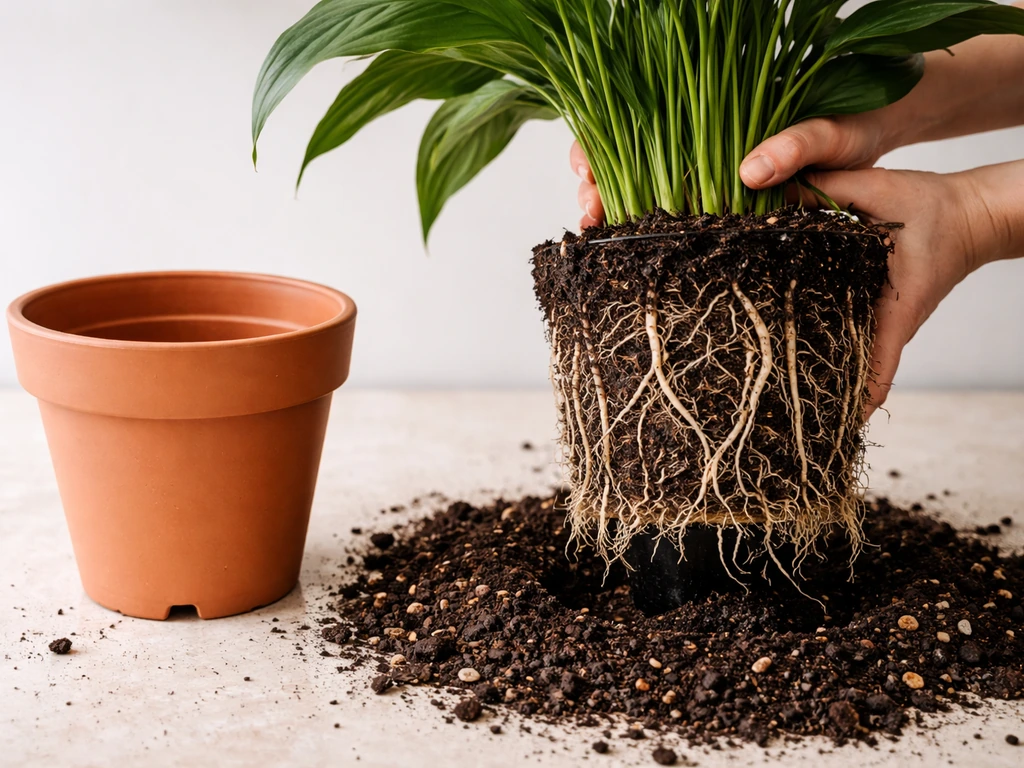
Repot specifically when: roots are visibly escaping the pot, the plant wilts within a day or two of watering despite healthy-looking soil, or growth has completely stalled for more than two to three months during the active growing season (spring through summer). If you are asking peace lily how big do they grow, repotting is best when roots escape the pot or growth has stalled, so you can restart healthy size and momentum. If you're repotting, spring is the ideal time because the plant is entering its most active growth period and recovers fastest. Remember: go only 2–3 inches larger in diameter, use a fresh, well-draining potting mix, and make sure the new pot has clear, unobstructed drainage holes.
Once you've worked through this plan, most peace lilies respond within two to four weeks with at least some new growth. Flowering takes a bit more patience, sometimes six to eight weeks of improved conditions before you see a new bloom spike. But if the conditions are right, it will come. Peace lilies are genuinely rewarding plants when their fairly specific needs are met, and understanding what size they naturally grow to can also help you set realistic expectations for how fast that progress should look. If you’re trying to figure out how does peace lily grow, focus on bright indirect light, a moist but airy soil routine, and consistent warmth.
FAQ
How can I tell if my peace lily is not growing because of light versus fertilizer?
If leaves are staying small and the plant seems stuck for months, light is usually the culprit. If the plant keeps making new leaves but they look pale or growth feels thin, nutrients are more likely. A practical test is to fix light first (bright indirect location or grow light for 12 to 14 hours), then start half-strength feeding in spring if new growth still does not pick up within 4 to 6 weeks.
My peace lily is drooping. Should I water more or less?
Droop can mean either thirst or overwatering. Check soil moisture before acting: if the pot feels heavy and the top inch is still wet, wait and improve drainage. If the top inch is dry or the soil pulls away from the pot edges, water thoroughly. Repeated “by feel only” watering is the quickest path to root rot.
Do peace lilies bloom only after repotting?
Repotting can help if the plant is root-bound and struggling, but it is not a requirement for flowering. Peace lilies often flower better when they are only slightly crowded, so avoid jumping to a much larger pot. If your plant is in a pot that is too large, the extra wet soil around the roots can delay flowering for months.
What potting mix should I use to prevent growth stalling from drainage problems?
Use a mix that drains freely while still holding some moisture, and confirm the pot has clear drainage holes. If you tend to overwater, choose a mix with more aeration (often labeled for aroids or “well-draining houseplant mix”). Avoid dense garden soil, it compacts, and compacted soil can create anaerobic conditions that stop growth.
Can root rot be present even if the leaves look green?
Yes. Peace lilies can look alive while roots are already compromised, then growth stalls and later the plant collapses. The tell is slow growth plus persistently wet soil or a pot that never dries down. If the plant will not rebound after correcting watering, inspect roots early.
How do I fix leaf tip browning without making the problem worse?
Tip browning can come from fluoride in tap water, low humidity, or salt buildup from over-fertilizing. First, switch to distilled or rainwater for a few weeks. Then, flush the soil occasionally by running water through the pot until it drains freely, which helps remove mineral buildup. Only change one major variable at a time if you can.
Is it normal if my peace lily stops growing in winter?
A slowdown is normal because growth demand drops when days are shorter and humidity is lower. However, complete stagnation for more than 2 to 3 months during spring through summer is not typical. In winter, focus on stable warmth and consistent light rather than adding fertilizer.
Should I fertilize if my peace lily has root trouble?
Avoid fertilizing until the plant is stable, especially if you suspect root rot or the soil is staying wet. New feeding can intensify stress when roots cannot absorb properly. Wait until you see signs of healthier roots or new growth after correcting drainage and watering.
Why won’t my peace lily flower even though it looks healthy?
The most common reason is insufficient light for blooming, even if the plant survives. Flowers generally need brighter conditions than foliage. Also check spacing from the window, avoid dark corners more than about 8 to 10 feet from a window, and consider a sheer-curtain setup or a grow light during spring and summer.
Can I force blooms with a cold period safely?
Yes, but do it deliberately. A controlled cool period around 54°F (12°C) for a few weeks near a cool window has been linked to earlier flowering, then move back to warmth. Avoid drafts or sudden temperature swings that can cause leaf damage and stress, and do not combine this with overwatering.
Next Articles
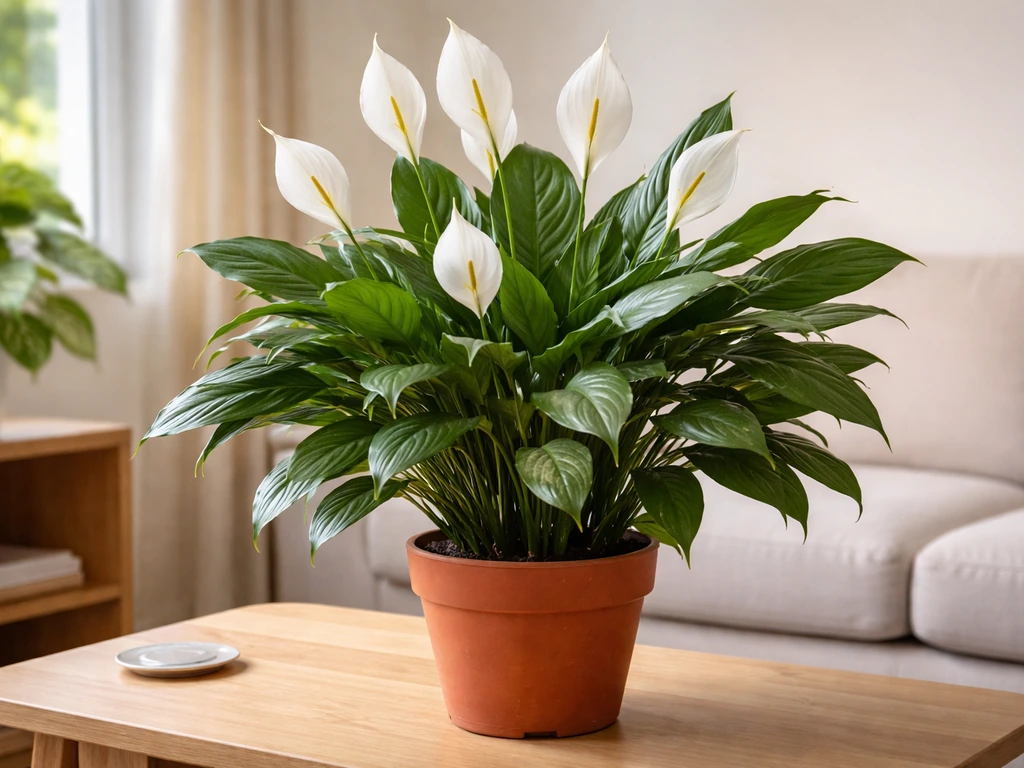
Peace Lily How Big Do They Grow Mature Height and Spread
Mature peace lily size ranges and the factors that control height and spread, plus checks, troubleshooting, and next ste
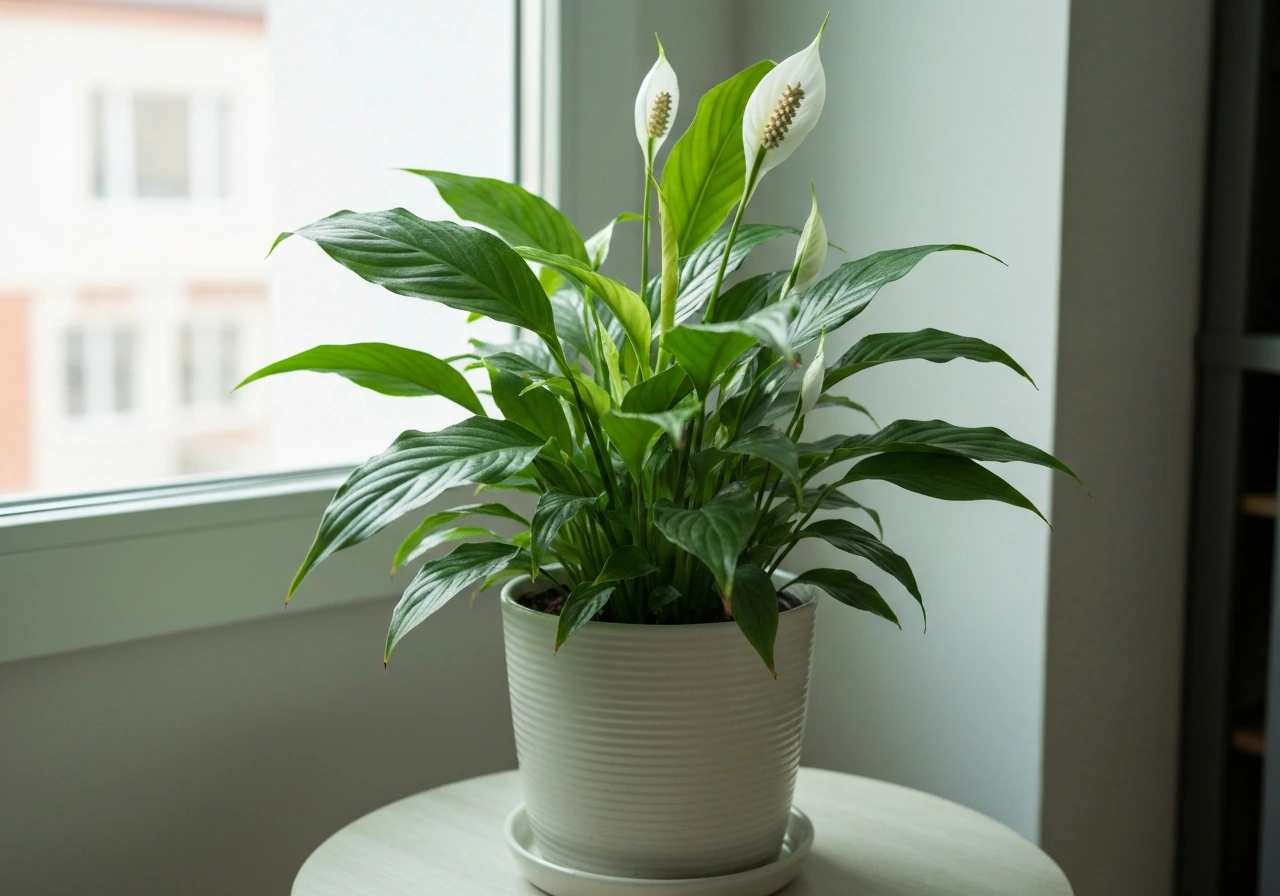
Does Peace Lily Grow Fast? Growth Speed and Fixes
Find out how fast peace lilies grow indoors, what controls speed, and step fixes for slow growth in weeks to months.
How Does Peace Lily Grow: Light, Water, Soil, Care Tips
Learn how peace lily grows with ideal light, watering, humidity, soil, and troubleshooting for drooping and yellow leave