
Most peace lilies sold for home use will reach 2 to 4 feet tall with a similar spread at maturity, but the range is wide because cultivar and growing conditions matter a lot. Clemson University’s Home and Garden Information Center notes that the dwarf peace lily cultivar Spathiphyllum x 'Wallisii' is typically about 12, 15 inches tall at maturity dwarf peace lily cultivar Spathiphyllum x 'Wallisii' is about 12–15 inches tall.
Peace Lily How Big Do They Grow Mature Height and Spread
Marcus Hendricks
24 Apr 2026
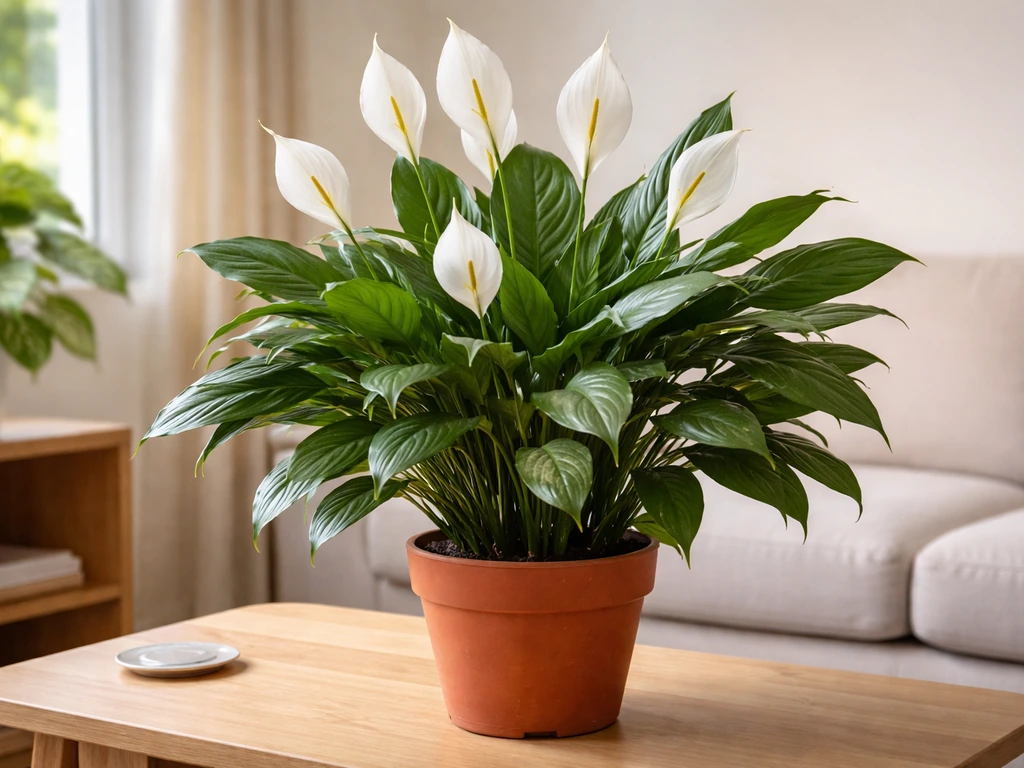
If you are wondering how does peace lily grow, the biggest drivers are light, consistent watering, and giving the roots enough space. Compact types like Spathiphyllum 'Domino' top out around 2 to 2. 5 feet tall and about 2 feet wide. Standard varieties commonly found at garden centers tend to settle in the 3-foot range indoors.
Giant cultivars like 'Sensation' can push past 5 to 6 feet in ideal conditions, though that's rare in a typical living room. If you bought a small plant at a grocery store or nursery and you're not sure which cultivar it is, assume it'll land somewhere between 2. 5 and 3. 5 feet tall under good indoor care.
The University of Florida IFAS fact sheet for Spathiphyllum x ‘Wallisii’ lists leaf blade length of about 12 to 18 inches and describes it as a dwarf cultivar [Spathiphyllum 'Wallisii' is a dwarf cultivar with leaf blades about 12 to 18 inches long](https://hort. ifas. ufl. edu/shrubs/SPASPPA.
PDF).
Typical mature size ranges by cultivar
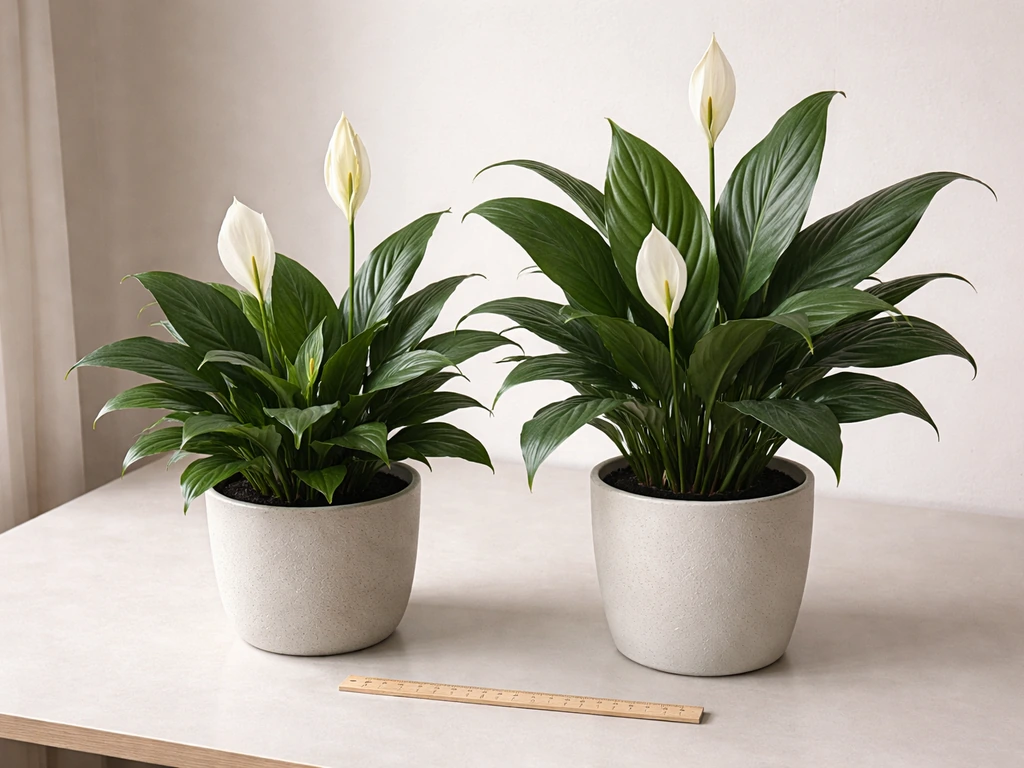
Peace lily sizes split pretty cleanly into three tiers. Knowing which tier your plant belongs to saves you from either overcrowding a shelf with a plant that's going to outgrow it or being disappointed that your 'Domino' never became a statement piece.
| Cultivar / Type | Mature Height | Mature Spread | Best For |
|---|---|---|---|
| 'Domino' (compact, variegated) | 2–2.5 ft | ~2 ft | Shelves, small spaces |
| 'Wallisii' (dwarf) | 12–18 in | 12–18 in | Desks, small containers |
| Standard / unnamed nursery plants | 2.5–3.5 ft | 2–3 ft | Floor planters, corners |
| 'Mauna Loa' (mid-large) | 3–4 ft | 3 ft | Living rooms, patios |
| 'Sensation' (giant) | 4–6 ft | Up to 5 ft | Large indoor spaces, atriums |
If you bought an unlabeled plant, the pot size it came in gives you a rough clue. If you’re trying to keep a peace lily manageable, the best way is to match pot size to the plant, which is why you might also like reading how can peace lily grow in small pots. Plants sold in 4-inch pots are almost always compact or blank" rel="noopener noreferrer">dwarf types. Anything in a 6- to 10-inch pot is likely a standard variety heading toward the 3-foot mark. Larger floor-display plants in 12-inch or bigger pots are probably mid-large or giant cultivars.
What actually drives how big your plant gets
Peace lilies are not passive about their environment. Give them the right conditions and they'll hit their genetic size ceiling. Shortchange them on light, water, or root space and they'll stall well below it. Here's what moves the needle most.
Light
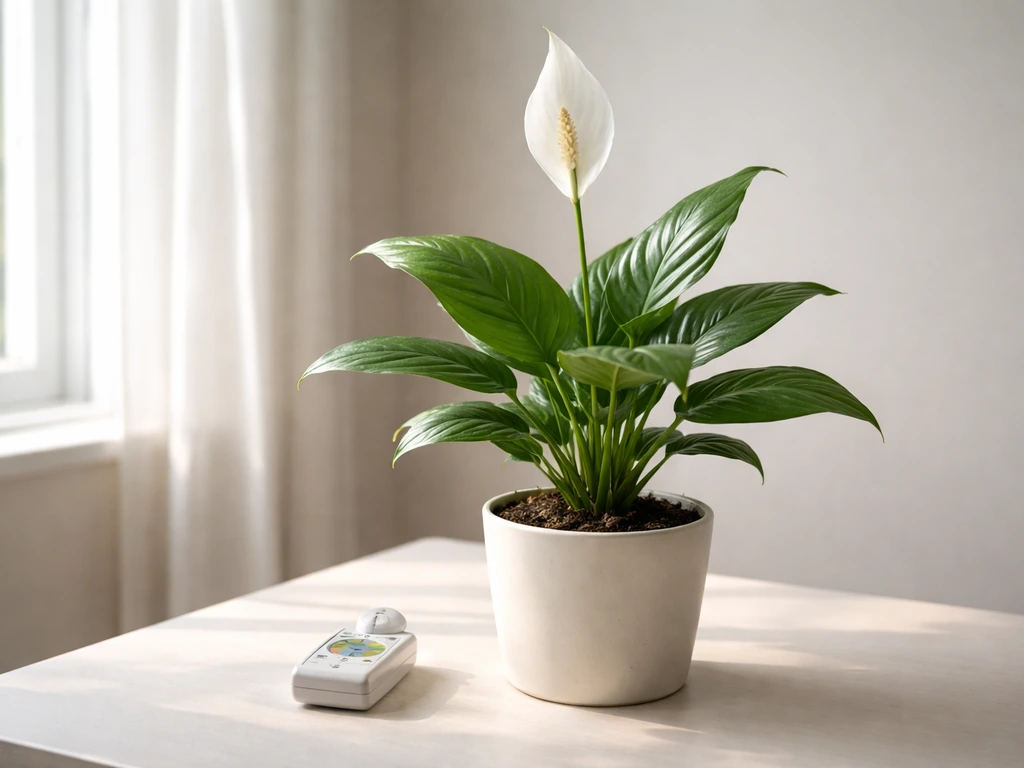
Light is probably the single biggest lever for indoor peace lily size. These plants want bright indirect light in the range of 1,500 to 2,500 foot-candles, which translates roughly to a spot within 5 to 8 feet of a north or east-facing window, or pulled back from a bright south or west window. Too little light and the plant produces fewer, smaller leaves and basically just idles.
Too much direct sun burns the leaves and causes browning at the tips and edges, which also limits the plant's ability to photosynthesize and grow. I killed three batches before I realized that the corner I thought was "bright enough" was actually closer to 200 foot-candles. If your peace lily looks fine but isn't growing, move it closer to a window.
Watering consistency
Peace lilies want consistently moist soil, but they absolutely cannot sit in water. Waterlogged roots lose their ability to take up nutrients and oxygen, which stunts growth just as effectively as drought. Water thoroughly when the top inch of soil is dry, make sure the pot drains completely, and don't let it sit in a saucer full of standing water. Root rot is a real growth-stopper and sometimes a plant-killer, and it usually comes from poor drainage rather than from watering too often.
Pot size and root health
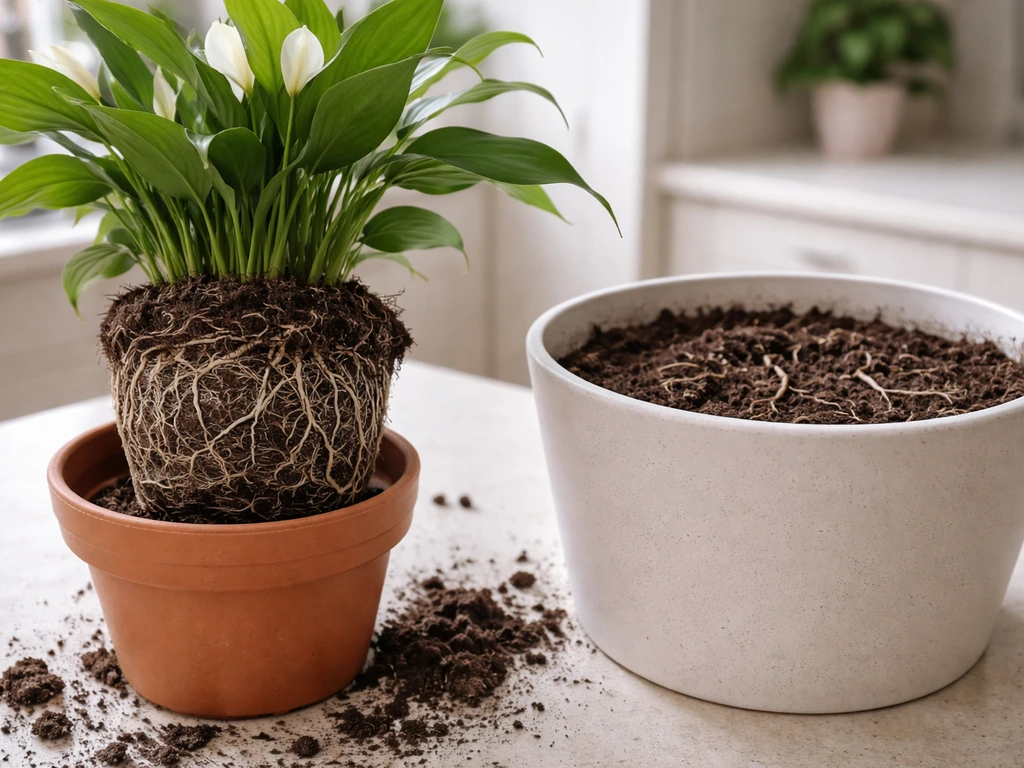
A plant in a pot that's too small will hit a size ceiling that has nothing to do with its genetics. Roots that are circling the inside of the pot, pushing up above the soil, or escaping through drainage holes are telling you the plant is root-bound and needs more space. That said, jumping to a pot that's too large creates the opposite problem: excess soil stays wet too long and invites root rot. When repotting for size, go up just one pot size at a time, typically 1 to 2 inches larger in diameter.
Humidity and temperature
Peace lilies are tropical plants and they perform best between 65 and 80°F. Below that range, growth slows noticeably, and below about 59°F you start to see chilling injury: yellowing, wilting, and a plant that basically stops growing. Low humidity causes leaf-tip browning (you'll see this before you notice any size issues), but consistent low humidity over time also limits how vigorously the plant can grow. If you're running your heat hard in winter and your home drops below 40% humidity, your peace lily will feel it.
Fertilization
Indoor peace lilies don't need a lot of fertilizer, and overfeeding can actually burn roots and cause stunting. A liquid balanced fertilizer like a 20-20-20 formula, diluted to deliver nitrogen at around 50 ppm (or just following the manufacturer's low-dose recommendation), applied about once a month during the growing season or three times per year, is enough. Interior plants need less than greenhouse plants, so resist the urge to push harder with fertilizer hoping for faster growth.
Indoor vs outdoor growth, and where climate draws the line
Indoors, peace lilies are remarkably consistent growers as long as conditions stay in that 65 to 80°F comfort zone. Outdoors is a different story. In USDA zones 10 to 12, peace lilies can grow outdoors year-round in shaded spots and often grow significantly larger than their indoor counterparts because of higher ambient humidity and more consistent warmth. In zone 9, they can survive mild winters but growth slows dramatically and a cold snap below 40°F can set them back hard. Anywhere colder than zone 9, treat them as outdoor container plants that come inside before temperatures drop in fall.
Outdoors in appropriate climates, a standard peace lily can realistically reach 4 feet tall and wide because outdoor humidity, filtered natural light, and root space in the ground all exceed what most homes offer. If you're growing yours exclusively indoors in a typical home, expect the lower end of whatever size range applies to your cultivar unless you're really dialing in the conditions.
How to tell if your plant is on track or stunted
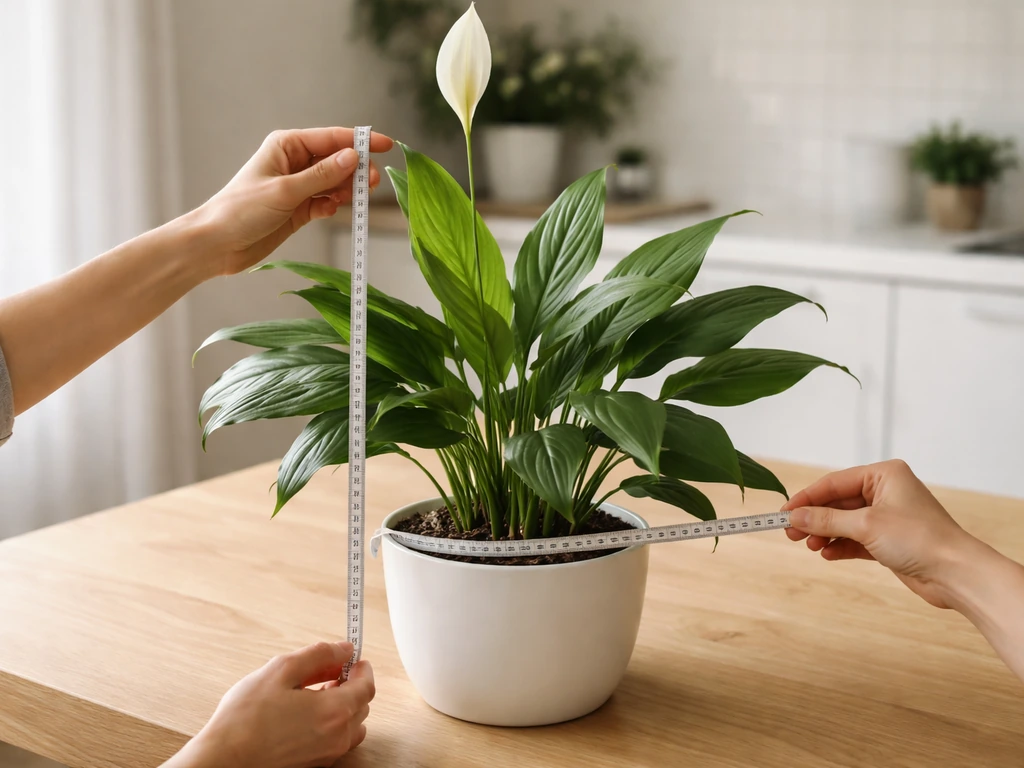
Measuring your peace lily is straightforward: measure from the soil line to the tallest leaf tip for height, and measure the widest point of the canopy for spread. Do this every 4 to 6 weeks during spring and summer. A healthy peace lily in good conditions should be producing new leaves regularly during the growing season. If you haven't seen a new leaf unfurl in more than 6 to 8 weeks during spring or summer, something is off.
Visual cues for stunting to watch for:
- No new leaves emerging for 6+ weeks during spring or summer
- Leaves are noticeably smaller than previous leaves on the same plant
- The plant is the same height it was a year ago and conditions haven't changed
- Roots are visibly packed, circling, or exiting the drainage holes
- Yellowing lower leaves combined with slow growth (often overwatering or root rot)
- Brown leaf tips spreading inward (low humidity or too much direct sun)
How to manage size without hurting the plant
Repotting for more growth
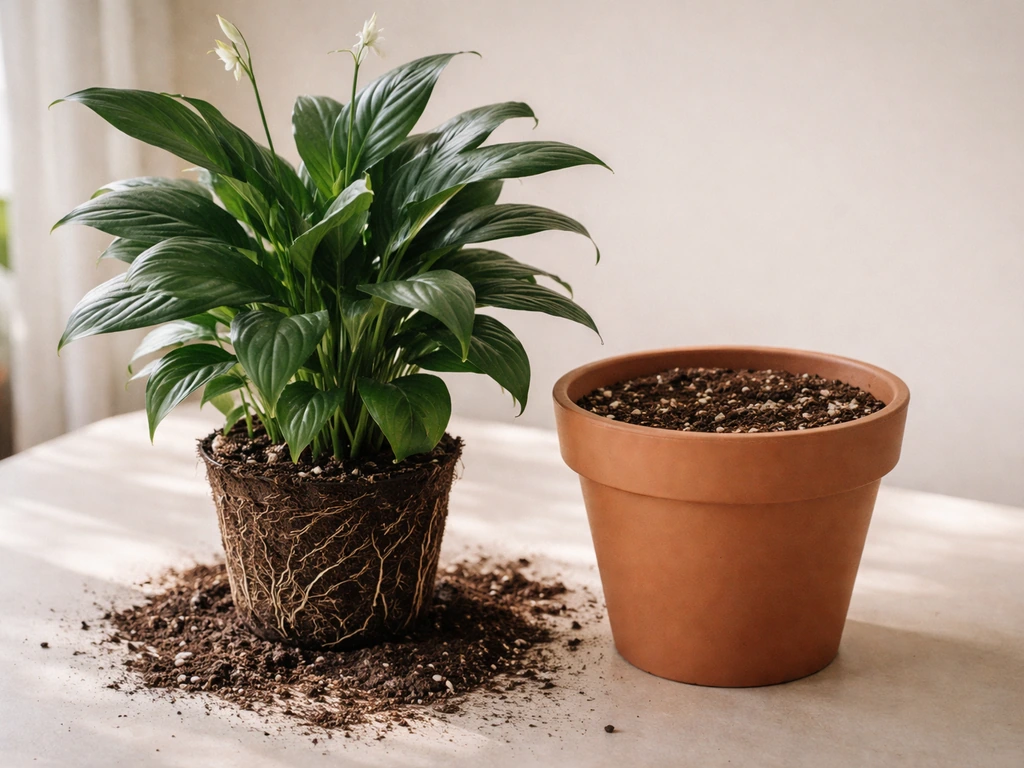
If you want your plant to get bigger, repot it in spring into a container one size up. That's typically a pot 1 to 2 inches larger in diameter than the current one. Use a well-draining potting mix and make sure the new pot has drainage holes. After repotting, expect a few weeks of adjustment before you see new growth resume. Don't fertilize for about a month after repotting to let the roots settle.
Dividing to control size
If your plant has gotten large and you want to keep it manageable (or create new plants), dividing is the right move. Peace lilies are grown as plants and from divisions or rooting, not from bulbs like many flowering varieties do peace lilies grow from bulbs. When you unpot it, look for natural clumps with their own root systems and separate them carefully, either by hand or with a clean knife. Each division should have several leaves and a decent root mass. Pot each division into a smaller container appropriate to its size. This is a great way to share plants with friends and keep your original plant from taking over a corner.
Pruning and leaf removal
Peace lilies don't require pruning the way a shrub does. Remove dead, yellow, or brown leaves by cutting them at the base of the stem with clean scissors or shears. This redirects the plant's energy to healthy growth and keeps things tidy. Removing spent flower stalks once blooms fade also helps the plant focus resources on size and foliage. Don't remove healthy green leaves just to shape the plant as this will slow growth, not help it.
Common reasons peace lilies stay small (and how to fix them)
Most small peace lily problems come down to one of a handful of causes. Here's how to diagnose and address each one: If your peace lily is staying small, the same checklist answers why won't my peace lily grow, from light and watering to pot size and root health.
| Problem | Signs | Fix |
|---|---|---|
| Too little light | Few new leaves, leggy stems, pale foliage | Move within 5–8 ft of a bright window |
| Overwatering / poor drainage | Yellow leaves, mushy stems at base, soggy soil | Let soil dry between waterings, improve drainage, check for root rot |
| Underwatering | Wilting, dry soil, leaves curling | Water thoroughly and consistently |
| Root-bound pot | Roots escaping drainage holes, soil drying out very fast | Repot one size up in spring |
| Too cold | Yellowing, wilting, stopped growth in winter | Keep above 65°F, away from cold drafts and windows |
| Nutrient deficiency | Pale new leaves, very slow growth despite good light and water | Apply diluted balanced fertilizer monthly during growing season |
| Over-fertilizing | Burned leaf tips, crusty white soil surface | Flush soil with water, reduce feeding frequency |
Root rot deserves a special mention because it's often misdiagnosed as underwatering (the wilting looks similar). If you water your plant and it perks up within an hour, it was thirsty. If it stays wilted after watering, check the roots. Healthy roots are white or light tan. Brown, mushy roots mean rot, and you'll need to trim the damaged roots, let them dry slightly, and repot into fresh, well-draining mix.
Growth timeline: when to expect bigger plants
Peace lilies grow on a seasonal rhythm. Spring through early summer is their main growth push, and this is when you'll see the most new leaves and the fastest size gains. If you want to speed things up, focus on bright indirect light, steady watering, and a pot size that gives the roots room to expand how fast peace lilies grow. Growth slows significantly in fall and often stops almost entirely in winter, especially indoors where light levels drop. This is normal and not a sign that something is wrong.
Here's a rough timeline for what to expect after you make a positive change like repotting or improving light:
- Weeks 1–3 after repotting: adjustment period, little to no visible growth, focus on root establishment
- Weeks 4–8: first new leaf should emerge if repotting happened in spring
- Months 2–4: noticeable increase in spread as new leaves fill in
- 6–12 months: meaningful height gain, typically 4 to 8 inches in a good growing year
- 2–3 years: most standard cultivars approach their mature size under consistent good care
If you just bought a young plant in a 4-inch pot, don't expect it to hit 3 feet in one season. Two to three years of proper care is a realistic expectation for reaching mature size. Buying a more mature plant in a 10-inch pot gets you closer to that endpoint faster, but it also costs more upfront. Whether you're patient or want results sooner, the care approach is the same: good indirect light, consistent moisture, appropriate pot size, and light seasonal feeding.
One thing worth keeping in mind: peace lily size questions are closely related to how fast they grow and whether your specific pot size is limiting them. If your plant is in a very small container, it may never reach its potential size regardless of how good the light and watering are. Pot size and growth rate work together, and addressing both gives you the best shot at a plant that actually reaches the dimensions on the cultivar tag.
FAQ
How can I tell if my peace lily will stay small because it is a compact cultivar versus because it is root-bound?
Check for circling roots or roots pushing out of the drainage holes, then gently lift the plant while it is still in its pot. If the root mass is tight and the plant rarely makes new leaves, root space is likely limiting size. If roots have room but the plant still tops out early and consistently, the cultivar is probably compact.
Do peace lilies get taller or wider first?
Typically the plant expands in both directions, but in many homes you will see wider canopy growth first because new leaves unfurl and spread outward from existing clumps. Height catches up once the crown has enough light and consistent moisture to support longer leaf stems.
If my peace lily is not growing, should I move it to a bigger pot immediately?
Only if you confirm the roots are constrained. Going up a pot size without checking drainage and root health can backfire by keeping too much soil wet, which increases rot risk. A safer first step is to reassess light placement and watering schedule, then repot in spring if the root ball is visibly tight.
What pot size should I use if I want a peace lily to stay around 2 to 3 feet instead of getting huge?
Use the pot size tier approach: a 4-inch pot usually aligns with compact types, while a 6 to 10-inch pot often supports standard indoor sizes. If you move from a small pot straight to a much larger one, the plant may take longer to establish and could still grow larger when conditions improve.
Can I keep my peace lily in the same pot and still get more size?
Yes, but only up to the size ceiling for that root space. To maximize growth without repotting, focus on bright indirect light, consistent moisture (not soggy soil), and stable temperature. If you see no new unfurling after 6 to 8 weeks in the growing season, the pot is likely a limiting factor.
How often should I repot for growth versus maintenance?
For most indoor peace lilies, repotting once every 1 to 2 years is enough for ongoing healthy expansion, or sooner if roots are circling or emerging from holes. If your goal is to keep it manageable, you can refresh the mix and divide rather than only upsizing the pot.
Do peace lilies grow faster with stronger fertilizer, or is there a point where it stops helping?
There is a point where more is worse. Overfertilizing can burn roots and cause stunting, so stick to a low, monthly schedule during the growing season. If you recently repotted, delay fertilizer for about a month so the roots can re-establish first.
Why are the leaves browning at the tips, even though my plant seems the right size?
Tip browning is often a humidity issue rather than a growth-size issue. If your home air is dry in winter, increasing humidity around the plant can prevent further browning, which helps the plant maintain healthy foliage for continued growth.
Will my peace lily grow larger if I move it outdoors in summer?
It can, especially in warm climates with higher ambient humidity and filtered light, but it can also get chilled or sunburned if moved abruptly. Use shade and acclimate gradually, and bring it indoors before temperatures drop near the 40°F range.
How do I confirm whether the stunting is caused by underwatering, overwatering, or root rot?
Water thoroughly and watch the plant’s response. If it perks up within about an hour, it was likely dry. If it stays wilted after watering, inspect roots, healthy roots should be light colored and firm, brown mushy roots indicate rot, which requires trimming damaged areas and repotting into fresh well-draining mix.
Can dividing make my peace lily look smaller temporarily, even if I am doing it right?
Yes. After dividing, each piece needs time to re-root and establish, so you may see slower growth for several weeks. Keeping the divisions in bright indirect light, with stable temperatures and careful moisture, helps resumed leaf production.
What is a realistic timeframe for my plant to reach its mature size after I buy it?
A small plant in a 4-inch pot often takes 2 to 3 years to reach mature dimensions under good indoor care. Buying a more mature plant in a larger pot may get you closer sooner, but it still depends on light and whether the current container limits root expansion.
Next Articles
Does Peace Lily Grow Fast? Growth Speed and Fixes
Find out how fast peace lilies grow indoors, what controls speed, and step fixes for slow growth in weeks to months.
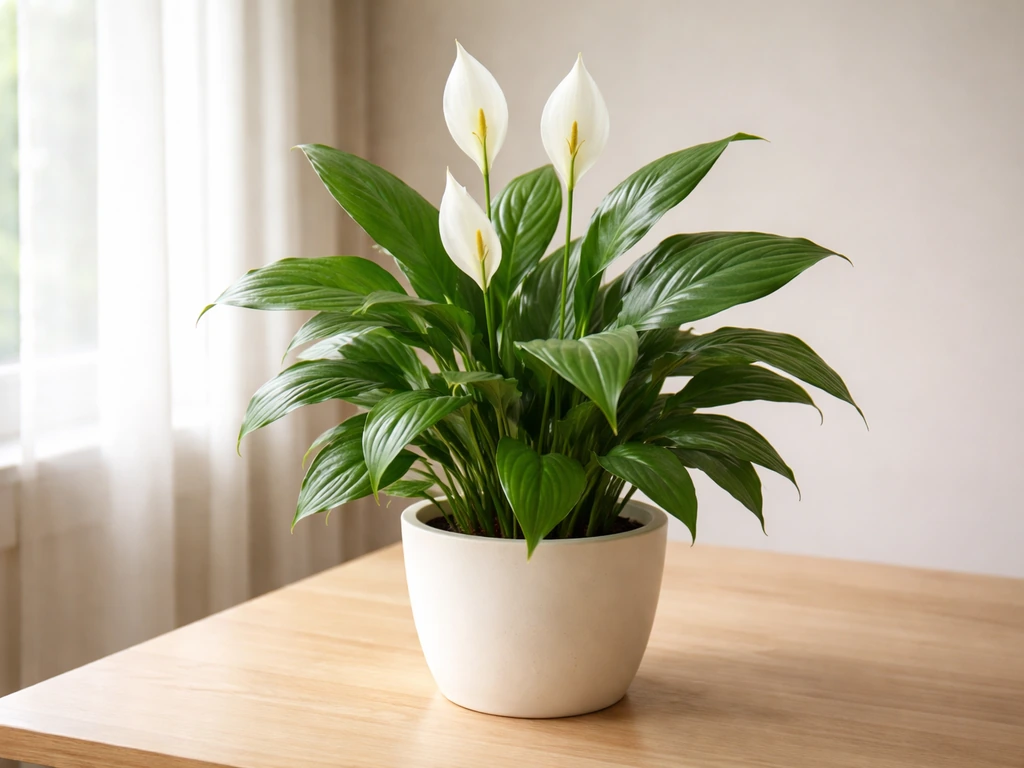
How Does Peace Lily Grow: Light, Water, Soil, Care Tips
Learn how peace lily grows with ideal light, watering, humidity, soil, and troubleshooting for drooping and yellow leave
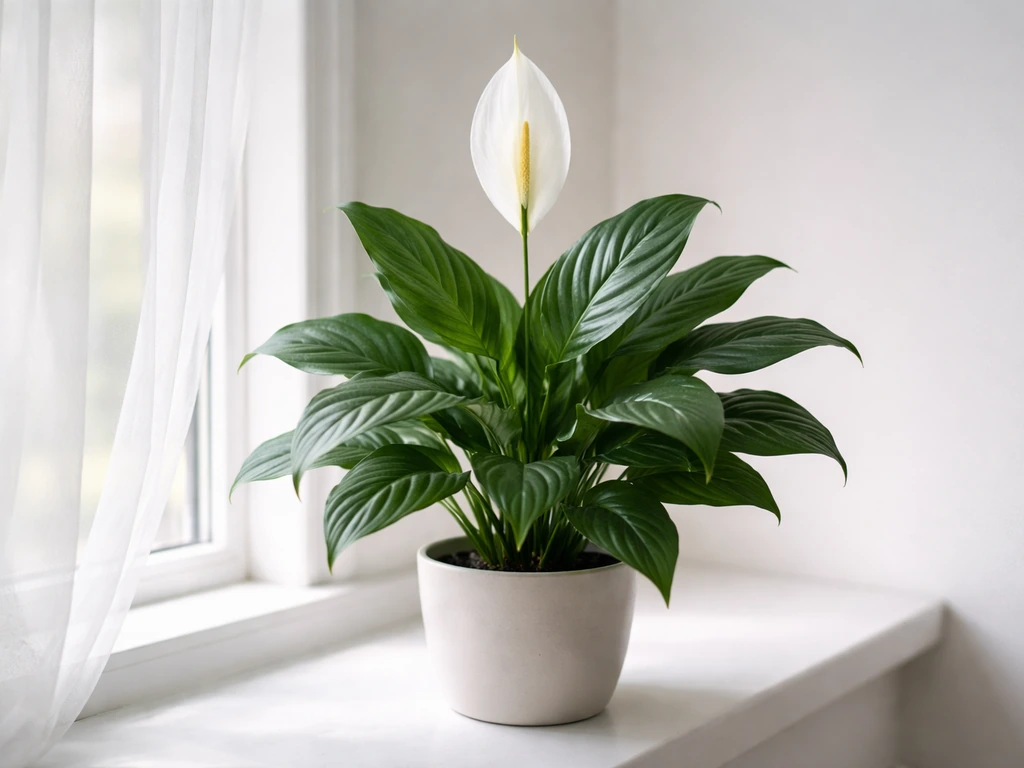
How Big Can Peace Lilies Grow Indoors and Out
Learn typical mature size of peace lilies indoors and outdoors, plus steps to grow bigger with light, pot, water, and ca