
Yes, canna lilies can grow in water without soil, but the answer comes with some important nuance. Standard garden cannas (the big, tropical-looking ones with bold leaves and bright flowers) can survive in water culture for weeks to months, and certain varieties like Canna glauca are actually native to wetland and aquatic environments. That said, "growing in water" means different things depending on what you're trying to do, and getting the setup right is what separates success from a rotten, smelly mess. Let me walk you through exactly how to do it.
Can Canna Lilies Grow in Water? Yes How to Do It
Marcus Hendricks
5 Apr 2026
So, can canna lilies actually grow in water?
The short answer is yes, with conditions. There are three different scenarios people usually mean when they ask this question, and each one has a different level of feasibility.
- Water culture / hydroponics: Suspending a canna rhizome or rooted plant above water so roots hang into a nutrient solution. This works well for short-term growing and propagation.
- Pond or bog planting: Growing aquatic canna varieties (especially Canna glauca) in shallow water, up to about 6 inches deep. This is a fully legitimate and proven method.
- Fully submerged rhizomes: Keeping the rhizome itself underwater. This is where most beginners run into rot problems and is the riskiest approach for standard varieties.
The distinction matters a lot. blank" rel="noopener noreferrer">Aquatic canna types like Canna glauca can genuinely thrive in still or slow-moving shallow water during the summer. Standard hybrid cannas tolerate wet, boggy conditions but don't want their rhizomes sitting submerged for extended periods. If the rhizome stays underwater, you're opening the door to fungal rot, and once rot sets in, it spreads fast. The key to making water culture work is keeping the rhizome at or above the waterline while letting the roots reach down into the solution below.
The best setup: hydroponic water culture for cannas
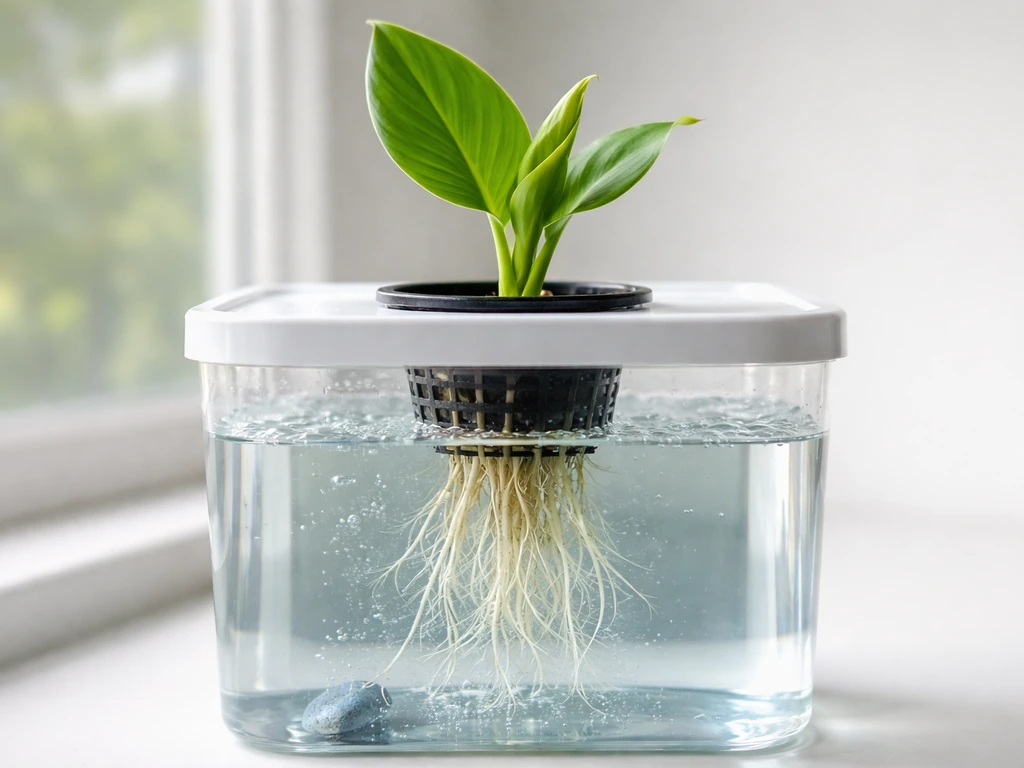
If you want to grow a standard canna in water without soil, a deep water culture (DWC) hydroponic setup is your best option. The idea is straightforward: the rhizome or plant sits in a net pot or is suspended by the container's rim, roots dangle into an aerated nutrient solution below, and an air pump with an air stone keeps the water oxygenated. This prevents the stagnant, low-oxygen conditions that cause root rot.
For aquatic canna varieties intended for a pond or water feature, the setup is simpler: place the rhizome in a mesh planting basket with aquatic planting media (like gravel or clay substrate) and submerge it so the crown sits at or just below the water surface, with water depth around 2 to 6 inches above the basket. These varieties genuinely tolerate being fully in water during warm months.
For most home gardeners just experimenting with water culture indoors, a simple glass jar, bucket, or tote with a small aquarium air pump is all you need to get started. You don't need an elaborate hydroponic system. The air pump is not optional, though. Stagnant water and canna roots are a bad combination.
Step-by-step: starting cannas in water
Starting from a rhizome (most common)
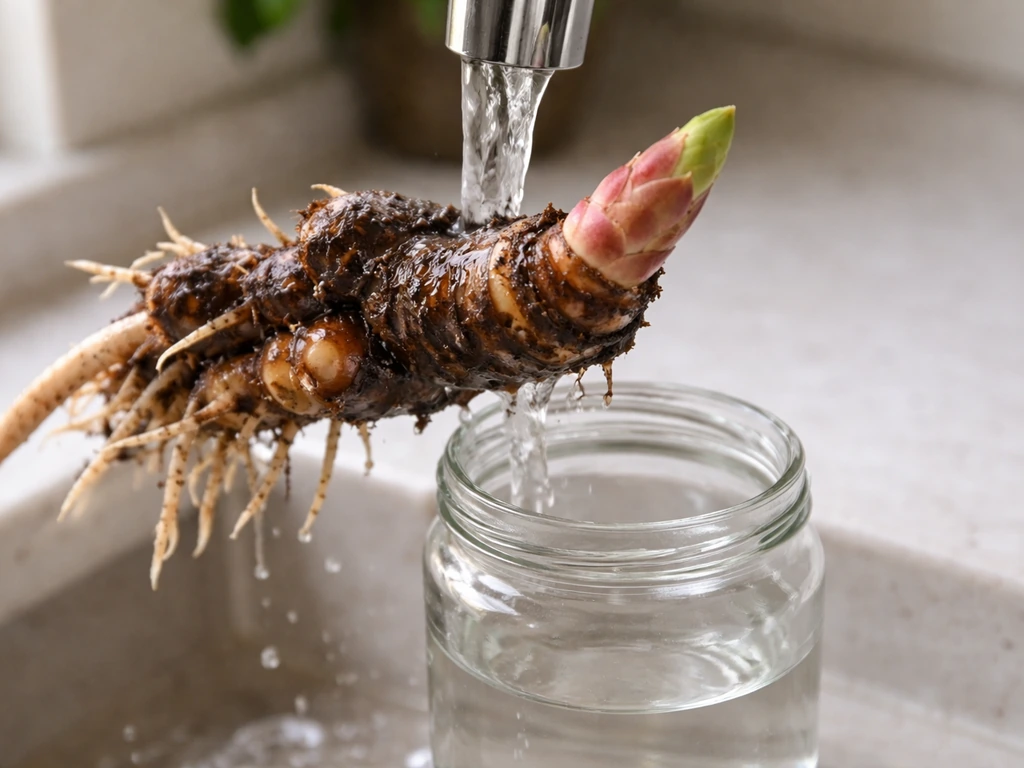
- Choose a healthy, firm rhizome with at least one visible growing eye (bud). Soft, mushy spots are a sign of existing rot, and that rhizome won't recover in water.
- Rinse the rhizome under cool water and let it dry for a few hours. Some growers dip rhizomes briefly in a diluted hydrogen peroxide solution (1 part 3% hydrogen peroxide to 3 parts water) to kill surface fungal spores before placing in water.
- Set up your container: use a clean glass jar, bucket, or opaque container. Opaque containers reduce algae growth significantly.
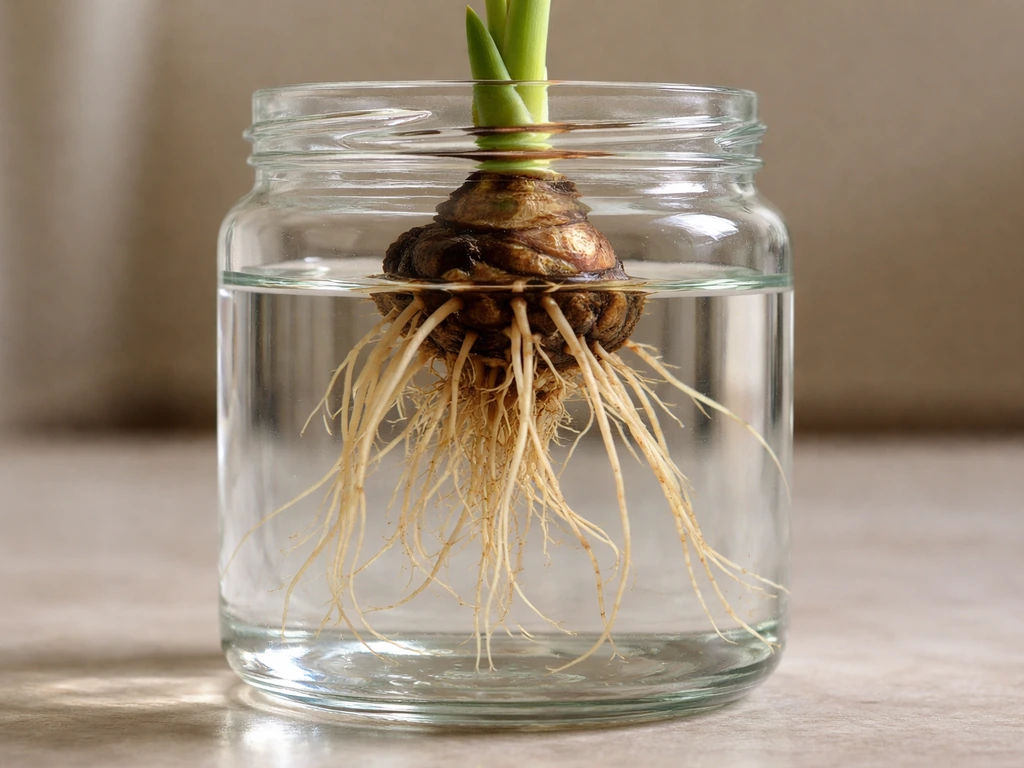
- Suspend the rhizome so it rests at or just above the water surface. You can use a net pot sitting in the container opening, toothpicks inserted into the rhizome and balanced on the jar rim (like sprouting an avocado seed), or a small wire rack. The growing eye should point upward.
- Fill with water until it barely touches the bottom of the rhizome, or ideally just misses it by about a quarter inch. The roots that emerge will reach down into the water on their own.
- Add a small aquarium air stone connected to an air pump. Set it to run continuously or at minimum several hours per day.
- Place in a warm, bright location. You should see root development within 1 to 2 weeks and shoot emergence within 2 to 4 weeks under good conditions.
Starting from an already-rooted plant
If you have a canna already growing in soil and want to transition it to water culture, gently remove it from its pot, shake off as much soil as possible, and rinse the roots thoroughly. Trim any dead or brown roots with clean scissors. Then place the plant in your hydroponic container so the roots hang into the nutrient solution and the base of the stem sits just above the waterline. Transitioning an established plant is actually easier than starting from a raw rhizome because you're not waiting for root development.
What about seeds?
Canna seeds can be germinated in water by soaking them in warm water for 24 to 48 hours (nick the hard seed coat first with a file or sandpaper to speed things up), then transferring to a damp medium or seedling tray. Pure water germination is less reliable for cannas than for some other plants. You're better off using a coco coir or perlite seedling mix slightly moistened, then moving the seedling into water culture once it has its first true roots. Seeds in pure water tend to rot before they sprout unless conditions are very carefully managed.
Light, temperature, and oxygen: the three things that determine success
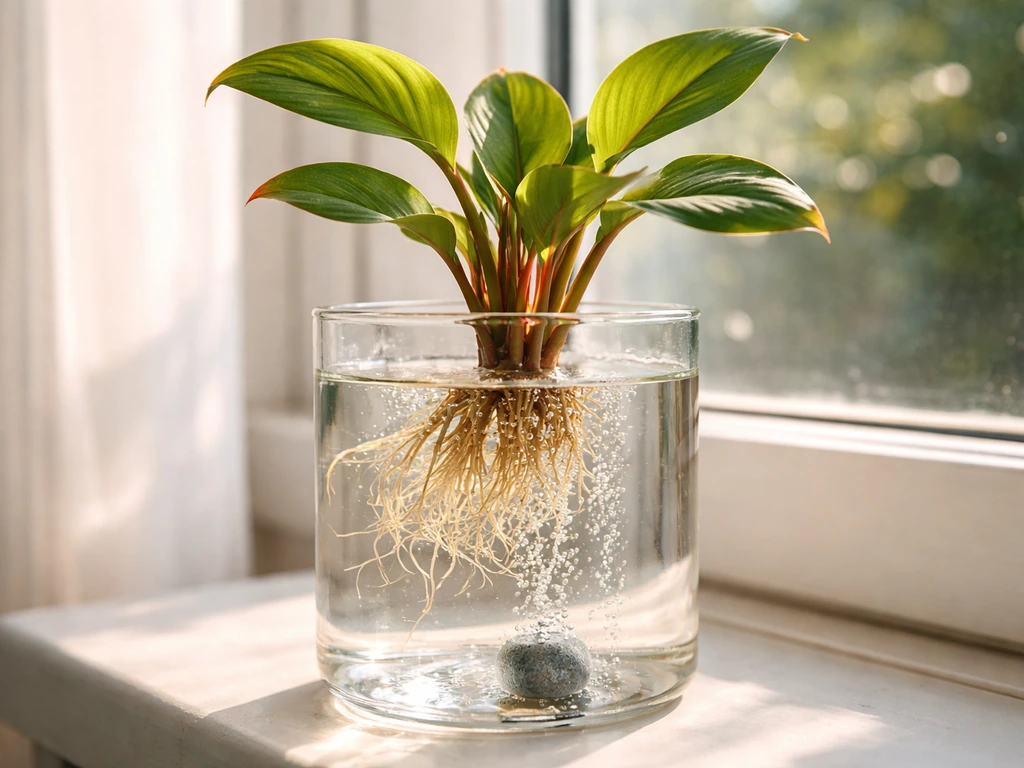
Cannas are sun-hungry, heat-loving plants, and growing them in water doesn't change that at all. Get these three environmental factors right, and your water-grown canna has a real shot. Get them wrong, and no amount of careful water management will save it.
Light
Cannas need at least 6 hours of direct sunlight per day, and more is better. Indoors, a south-facing window is your best option. If you're using grow lights, aim for a full-spectrum LED positioned 6 to 12 inches above the plant and run it for 14 to 16 hours a day. Insufficient light is one of the most common reasons water-grown cannas stay weak and spindly, pushing thin, pale stems rather than the bold tropical growth they're known for. If your water-grown canna looks etiolated (stretched and pale), it needs more light before anything else.
Temperature
Cannas want warmth, consistently. Night temperatures should stay around 65 to 70°F for active growth. Anything below 60°F slows them dramatically, and temperatures near 50°F (which is the recommended storage temperature for dormant rhizomes) essentially puts them back into dormancy. If your water setup is in a cool basement or garage, add a seedling heat mat under the container to keep the root zone warm. Water temperature matters too: cold water around the roots is as much of a growth stopper as cold air.
Oxygen
This is the piece most beginners skip, and it's the one that kills their plants. Roots in stagnant water quickly deplete the dissolved oxygen in the solution, creating hypoxic conditions that mimic the exact environment that causes rot. An air pump and air stone bubbling air through the nutrient solution continuously mixes and oxygenates the water, preventing this. Think of it like the difference between a stagnant pond and a running stream. Cannas evolved in environments with moving water and well-drained soils, not swamps. Even aquatic varieties handle oxygenated water better than stagnant water.
Root health and what goes wrong
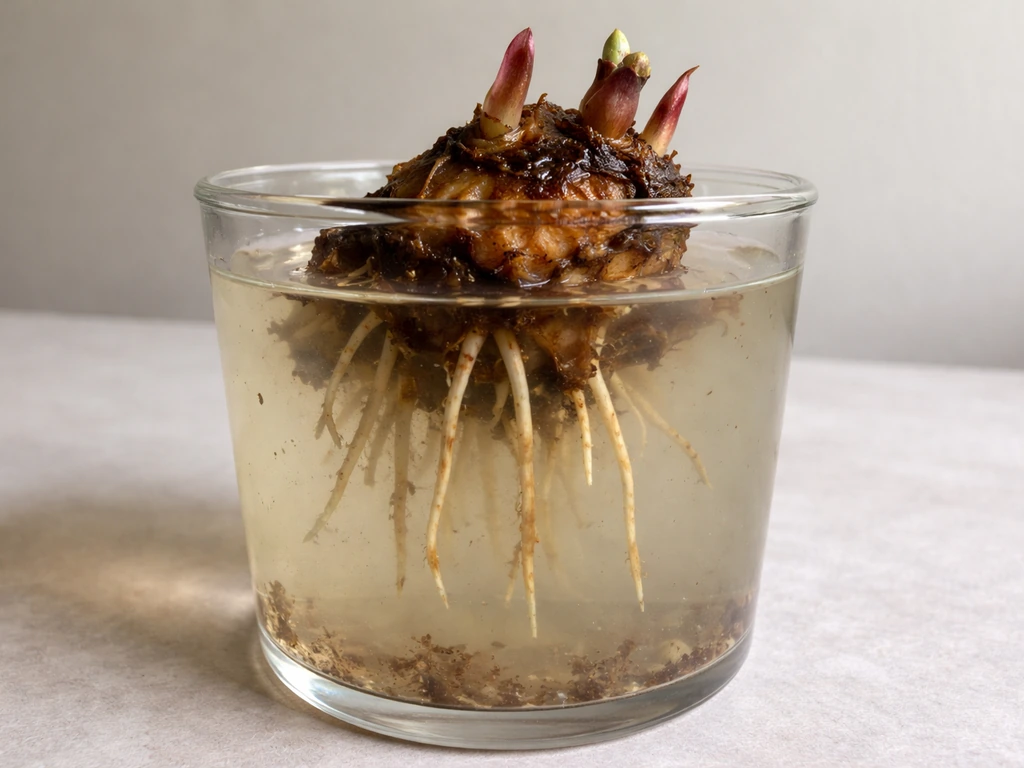
Most failures with water-grown cannas come down to three problems: rhizome rot, algae, and pests. Here's what to watch for and what to do about each.
Rhizome and root rot
Rot is the biggest risk. It shows up as brown, mushy tissue on the rhizome, slimy roots, and a bad smell in the water. The moment you see this, act fast. Remove the plant, trim away all affected tissue with clean, sterilized scissors, rinse the healthy tissue with diluted hydrogen peroxide, and start fresh with clean water. Also check your setup: is the rhizome sitting in the water rather than above it? Is your air pump working? Is the water temperature too cold? Addressing the root cause (pun intended) is the only fix that lasts. Healthy canna roots in water culture should be white or light tan and firm.
Algae buildup
Green algae will grow in your water container if light reaches the solution. Algae compete with your plant for nutrients and oxygen, and in large amounts they can cause real problems. The fix is simple: use an opaque container (black buckets are ideal), and if you're using a glass jar, wrap it in foil or place it inside a paper bag. Change the water more frequently if you notice green tinting starting. You can also add a very small amount of hydrogen peroxide to the water (about 1 ml per liter) to suppress algae growth without harming the plant.
Pests
Water-grown cannas, especially indoors, can still attract aphids, spider mites, and thrips on their foliage. Check the undersides of leaves regularly. A firm spray of water dislodges aphids. Neem oil solution works for persistent infestations. Japanese beetles are a common outdoor canna pest and less of an issue for indoor water setups, but if you move your plant outside for the summer, keep an eye out. Cannas are relatively easy to grow compared to many plants, but pest pressure increases when they're grown in warm, humid indoor conditions.
Nutrient deficiency
Plain water has no nutrients. If you're growing in water without adding fertilizer, your canna will use up whatever energy is stored in the rhizome and then stall out, showing yellowing leaves and weak growth. This is especially visible a few weeks in, once the initial burst from rhizome energy runs out. You need to add nutrients to the water, which I'll cover in the care tips section below.
How long can cannas live in water, and when should you move them?
Water-grown cannas can live for a full growing season in a well-managed hydroponic setup. Aquatic varieties planted in a pond or water feature can thrive there permanently during the warm months. But for standard garden cannas in indoor water culture, think of it as a temporary or transitional method rather than a permanent home.
Most gardeners use water culture to start rhizomes early in late winter or early spring, then transition the plants to soil or containers once the weather warms up and frost risk is gone. This mirrors the approach used by greenhouse growers who start cannas weeks ahead of the outdoor planting window. Timing when cannas start to grow is important here: in colder climates, starting rhizomes in water indoors 6 to 8 weeks before your last frost date gives you a meaningful head start on the season.
Signs that your water-grown canna is ready to move to soil include: roots that are dense and well-developed (several inches long with visible branching), a strong above-ground shoot with at least 2 to 3 leaf nodes, and active upward growth. Transition it gradually by potting it into a well-draining mix and keeping the soil consistently moist for the first week to help the roots adjust. Going from pure water to soil is a transition for the root system, so avoid letting it dry out immediately.
If you're wondering whether to keep your water-grown canna indoors long-term or move it outside, that decision mostly comes down to your climate and season. Cannas grow best in warm, sunny outdoor conditions, so once temperatures are consistently above 60°F at night, outdoor or semi-outdoor placement will produce much more vigorous growth than any indoor setup.
Water changes, fertilizing, and keeping things running smoothly
Changing the water
Change the water completely every 7 to 10 days. This prevents mineral buildup, flushes out any root exudates that can promote bacterial growth, and keeps the nutrient solution fresh. When you change the water, take a moment to rinse the container and check the roots and rhizome. Catching early rot at this stage is what saves plants. If the water smells bad or looks cloudy before 7 days, change it sooner. Good water culture is basically about staying on top of these regular checks.
Fertilizing
Once your canna has established some roots in the water (usually after the first week or two), start adding a balanced liquid hydroponic nutrient solution at every water change. Use a nutrient formulated for hydroponic systems, following the manufacturer's dilution instructions, which are usually lower than the recommended rate on the label for the first few weeks.
Monitoring pH and EC (electrical conductivity, a measure of nutrient concentration) is important if you want consistent results: cannas prefer a pH around 5. 8 to 6. 5 in hydroponic solution, and EC should stay in the moderate range appropriate for the growth stage, slightly higher once flowering begins. A basic digital pH meter and EC pen cost under $20 combined and are genuinely worth it.
Monitoring growth
Check your plant every couple of days during the first month. You're watching for: new root development (good), root color staying white or light-colored (good), any brown or slimy roots (act immediately), leaves yellowing from the bottom up (usually a nutrient issue), and any spotting or distortion on leaves (check for pests). Canna lilies can grow surprisingly fast once they're established, so what starts as a stubby rhizome can become a leafy plant with several feet of growth within a single season when conditions are right.
Water vs. soil: which is better for cannas?
If you're deciding between starting cannas in water versus soil, here's a quick comparison to help you choose.
| Factor | Water Culture | Soil / Container |
|---|---|---|
| Setup complexity | Moderate (needs air pump, nutrients, monitoring) | Low (pot, soil, water occasionally) |
| Rot risk | Higher if not aerated and managed | Lower with well-draining mix |
| Early season start | Excellent (fast root visibility, early jump) | Good but roots not visible |
| Long-term vigor | Good for a season; best transitioned to soil | Best for long-term and outdoor growth |
| Aquatic varieties (Canna glauca) | Excellent (native habitat) | Needs consistently wet soil |
| Beginner-friendly | Moderate (needs attention) | Easier overall |
| Cost | Low to moderate (air pump, nutrients) | Very low |
Recommendation: if you want to try water culture, use it as a propagation and early-season method rather than a permanent growing system for standard hybrid cannas. For aquatic varieties like Canna glauca, water planting in a pond or water feature is genuinely the ideal long-term home. If you're a beginner who wants the path of least resistance, soil or a well-draining container mix is still the most forgiving option.
A few more things worth knowing
If you're curious about growing cannas somewhere unusual, like indoors year-round, water culture can be part of that strategy. Growing canna lilies indoors is definitely possible, and water culture actually removes the mess of soil entirely, which some indoor growers prefer. Just keep the light requirements in mind: indoor cannas without a very bright window or supplemental grow lighting will struggle regardless of whether they're in water or soil.
One question I get from beginners is whether canna care in water is similar to other water-tolerant plants they've tried. If you've had experience with something like growing rain lilies indoors, you'll recognize some of the same principles: adequate light, warmth, and avoiding rot are universal challenges for bulbous plants in water. Cannas are bigger and faster-growing, though, so the system needs to be scaled accordingly.
Bottom line: yes, canna lilies can absolutely grow in water. Use an aerated setup with a hydroponic nutrient solution, keep the rhizome above the waterline, give them plenty of light and warmth, change the water every week or so, and you'll have healthy water-grown cannas without the rot problems that trip most people up. Start simple, stay on top of the checks, and transition to soil or outdoors once the plant is established and the weather cooperates.
FAQ
Will any canna rhizome rot if I just put it in a jar of plain water?
Most standard hybrid rhizomes will be at high risk if submerged without oxygenation. Even if it does not smell immediately, low oxygen and nutrient depletion cause rot and yellowing. Use an aerated container, keep the crown above the waterline, and add hydroponic nutrients once roots are established.
How much of the rhizome should be above the waterline for water culture?
Aim for the base of the stem or crown to sit at or just above the water surface, not fully submerged. The roots should dangle into the solution, but the rhizome tissue that stores energy should stay dry enough to avoid prolonged wet conditions.
Can I use tap water for water-growing cannas?
Usually yes, but let it stand out overnight if it is heavily chlorinated, and avoid water that is extremely cold. If you use nutrient solution, pH will drift depending on your water, so verify pH after mixing rather than relying on the tap-water pH.
Do I need to run the air pump 24/7?
For best results, keep aeration running continuously, especially in warm rooms where dissolved oxygen drops faster. Turning it off for long periods can recreate the stagnant conditions that lead to hypoxic rot.
What nutrient should I use, and can I use regular houseplant fertilizer?
Use a hydroponic nutrient formulated for water culture (water plants need nutrients in ionic form). Standard soil fertilizers can work inconsistently because they may be designed for slower-release uptake and different salts, which can push EC too high and burn roots.
How do I know if yellow leaves mean nutrients are missing or rot is starting?
Nutrient deficiency often shows gradual yellowing, frequently starting from older lower leaves, while rot shows slimy or brown tissue, a foul odor, and root discoloration. If leaves yellow plus you see brown, mushy roots or cloudy, bad-smelling water, treat it as rot immediately.
My water turns cloudy or smells bad after a few days, what should I do?
Change the water right away (do not wait for the weekly schedule), check that the crown is not submerged, confirm the air stone is producing bubbles, and inspect roots for slimy or brown areas. Cloudiness can be bacterial activity from low oxygen or decaying tissue.
Can I prevent algae without using an opaque container?
Yes, but you need to reduce light hitting the water. Keep the setup out of direct light, cover the outside of glass containers with foil or a sleeve, and limit how often the container is exposed. If algae begins, increase water changes and consider a small, measured peroxide dose as the article suggests.
Is water culture safe for pets and mosquitoes?
Water culture can attract larvae if it is outdoors and uncovered. Use covered totes or lids with a net pot, and for outdoor setups ensure water movement or filtration if mosquitoes are a concern.
Can I keep a water-grown canna in water all year?
Aquatic varieties can be permanent in warm-season pond conditions, but most standard hybrid cannas are better treated as a temporary or transitional method indoors. In cold climates, plan to transition to soil or store rhizomes appropriately so you are not forcing non-aquatic plants through winter cold.
When should I move a water-grown canna to soil, and what is the riskiest part of transitioning?
Move it when roots are well developed and the plant is actively growing, typically after several weeks of healthy root growth and multiple leaf nodes. The biggest risk is drying the roots during the switch or planting too deep, so pot into a well-draining mix and keep moisture consistent for about the first week.
Why do my water-grown cannas get spindly and pale even though they are in nutrients?
Usually light intensity is too low. Even with correct water and fertilizer, insufficient direct light or grow light distance leads to stretched, pale growth. Increase light duration or intensity before changing anything else, and check that the light is positioned at the correct height.
What is the ideal water temperature range for water-grown cannas indoors?
Keep the root zone warm, since cold solution slows growth and stresses roots. If your space is cool (like a basement or garage), a heat mat under the container helps stabilize temperatures so growth does not stall or tip into decay.
Next Articles
Can Calla Lilies Grow in Ponds? How to Set Up Successfully
Yes, with the right setup: water depth, substrate, anchoring, light, and overwinter care for pond or marginal calla lili
Are Calla Lilies Hard to Grow? Easy Guide for Success
Get a clear answer on are calla lilies hard to grow, plus exact light, temperature, watering, planting, and fixes.
Can Calla Lily Grow Outside? Outdoor Care by Climate
Yes, calla lilies can grow outside. Learn climate, light, soil drainage, planting timing, and fixes for no growth.