
Canna lilies grow best in full sun, warm climates, and rich, well-draining soil. They thrive in USDA zones 8–11 as reliable perennials, but gardeners in colder zones can grow them just as successfully by treating the rhizomes as annuals or digging them up before frost. Give them at least 6–8 hours of direct sun per day, soil that drains well but stays consistently moist, and a spot sheltered from harsh wind, and you'll get the towering, tropical-looking plants that make cannas so satisfying to grow.
Where Do Canna Lilies Grow Best? Ideal Sun, Soil, Zone
Marcus Hendricks
25 Apr 2026
Ideal climate and hardiness range for canna lilies
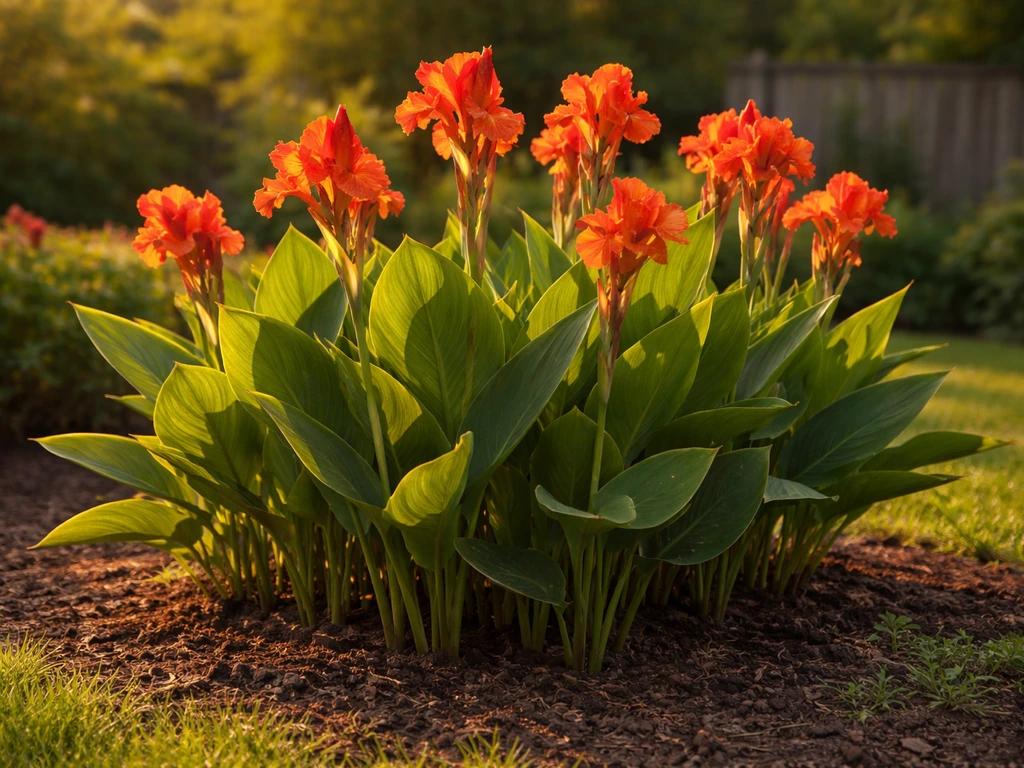
Cannas are heat lovers through and through. In zones 8–11, you can leave the rhizomes in the ground year-round and they'll come back on their own each spring. If you're in zones 3–7, you can absolutely grow them, but plan to either treat them as annuals or dig up the rhizomes in fall, dry them out, and store them somewhere cool and dark at around 41–50°F (5–10°C) through winter.
The temperature limits that matter most in practice: sustained temps below about 50°F (10°C) will stunt or stop growth entirely, and frost will kill the foliage back to the ground fast. In addition to temperature, you can expect canna lilies to start growing in spring once the soil warms up and there is no longer a risk of frost when do canna lilies start to grow. Real rhizome damage happens when temperatures drop to around 28–30°F. For spring planting, wait until the soil has warmed to at least 60°F (15.5°C) before putting rhizomes in the ground. Plant too early and they just sit there doing nothing, or worse, rot before they even sprout.
If you're in a borderline zone like 7b, a deep mulch layer (3–4 inches) over the root zone through winter can sometimes get you by without digging. But in zone 6 and colder, I'd plan on lifting them every fall. It takes maybe 20 minutes and guarantees you get to enjoy the same plants next year.
Best sun exposure and light conditions
This is the one condition cannas are least forgiving about. They need 6–8 hours of direct, unfiltered sunlight per day to bloom well. That's full sun, not bright indirect light, not morning sun with heavy afternoon shade. Full sun.
You can grow cannas in partial shade and they'll survive, but the flower count drops noticeably. If you've planted them somewhere that gets only 3–4 hours of direct light, don't expect much in terms of blooms. The foliage can still look decent, but the whole reason most people grow cannas is those bold, colorful flowers, and shade-grown cannas just won't deliver that. If your yard is heavily shaded, consider growing them in containers that you can move to your sunniest spot.
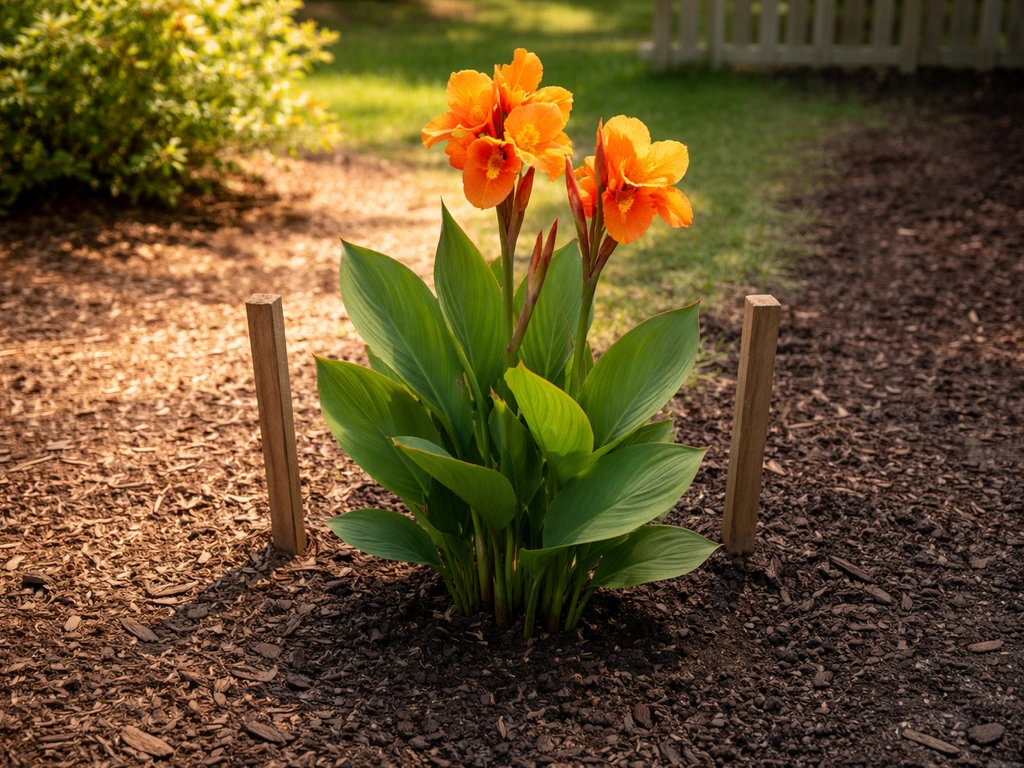
Wind is worth factoring in here too. Cannas can grow 4–8 feet tall depending on the variety, and they're not particularly wind-resistant at that height. A spot that gets full sun but also takes the brunt of prevailing winds will leave you with battered, flopped-over stems. A position near a fence, wall, or hedge that buffers wind while still allowing full sun exposure is ideal.
Soil type, pH, and drainage requirements
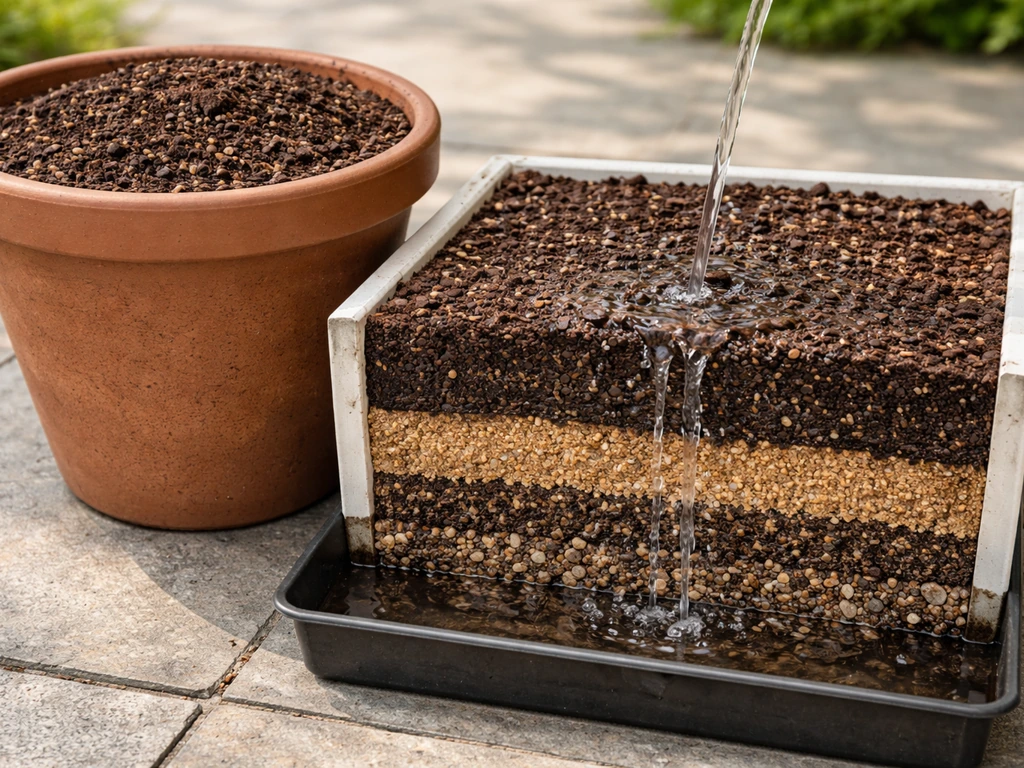
Cannas aren't picky about soil type the way some plants are, but they have two non-negotiable requirements: the soil must drain well, and it should be reasonably fertile. Loamy soil amended with compost is the sweet spot. Heavy clay that holds water for days after rain is asking for rhizome rot, and cannas in pure sand will dry out too fast and look stressed by midsummer.
For pH, aim for 6.0–6.5. That's a slightly acidic range that keeps nutrients available and suits cannas well. Most garden soils fall somewhere close to this without any intervention, but if you're on very alkaline soil (above 7.5), mixing in sulfur or acidic compost before planting helps. A simple soil test is worth doing if you're starting a new bed, because getting pH right from the start saves a lot of troubleshooting later.
Drainage is honestly the most critical soil factor. Waterlogged soil is one of the top reasons canna rhizomes rot, and it can happen shockingly fast. Before planting, assess whether your chosen spot holds water after heavy rain. If it does, you have two options: raise the bed by 6–8 inches with amended soil, or pick a different location. Adding a 2–3 inch layer of mulch after planting helps regulate soil moisture and temperature without creating the waterlogging problem.
Watering and moisture needs
Cannas want consistent moisture but absolutely cannot sit in wet soil. The practical rule for established plants in garden beds: water deeply, then let the top 2–3 inches of soil dry out before watering again. Stick your finger about 3 inches (roughly 8 cm) into the soil and if it still feels damp, hold off. If it's dry at that depth, water thoroughly.
During active growth in summer heat, that might mean watering every 2–3 days. In cooler stretches or after a good rain, you might go a week or more between waterings. Let the soil tell you, not the calendar.
Container watering vs. garden bed watering
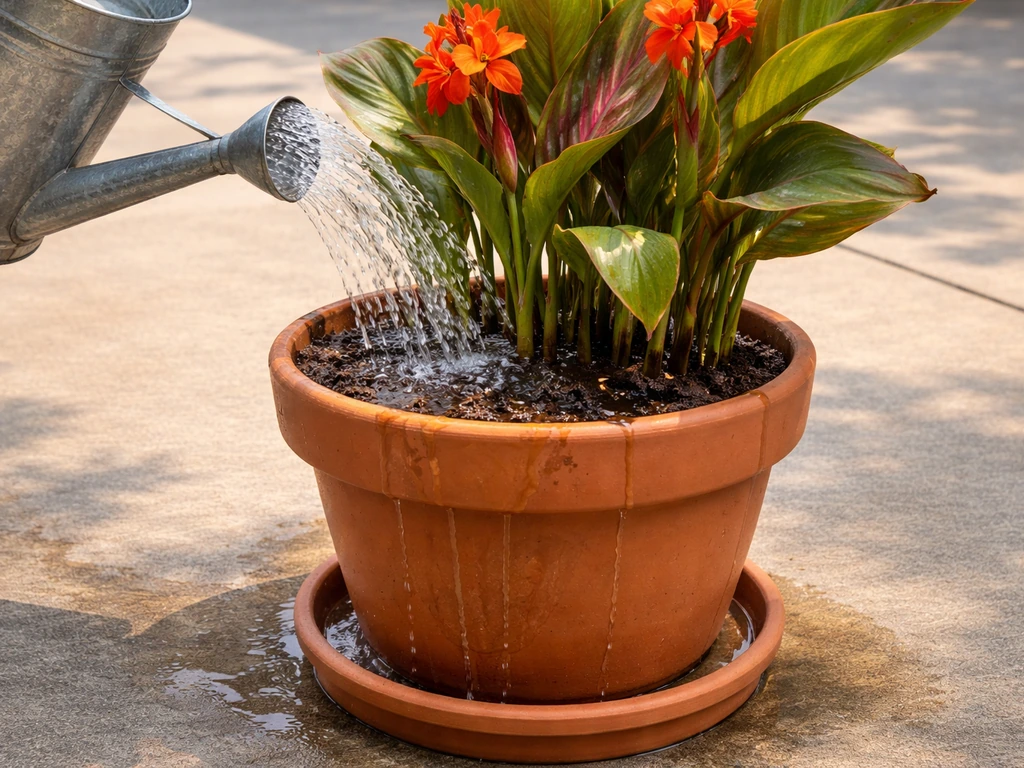
Containers dry out much faster than garden beds, especially in summer heat, so you'll likely need to water potted cannas daily or even twice a day during a heat wave. The flip side is that containers drain quickly by design, so overwatering is slightly less risky as long as you have drainage holes. Always make sure your pots have drainage holes. Without them, you'll essentially be drowning the rhizomes no matter how carefully you water. Roots sitting in stagnant, oxygen-poor water can't take up nutrients properly and will start to die back, which shows up as yellowing leaves and poor growth.
For garden beds, drip irrigation is worth considering if you have a large planting. It keeps moisture consistent at root level without wetting foliage, which reduces disease pressure. Overhead watering works fine too, but if you're in a humid climate, try to water in the morning so foliage dries before nightfall.
Choosing between outdoor beds, containers, and indoors
An outdoor garden bed in a warm, sunny spot is the gold standard for canna lilies. They have room to spread, the soil temperature stays consistent, and you're not fighting against a container's limited root space. Plant rhizomes about 4–6 inches deep and space them 12–18 inches apart. Closer spacing gives a denser, more jungle-like look; wider spacing lets each plant develop fully and improves airflow.
Containers are a genuinely good alternative, especially if you're in a cold zone and want to skip the annual dig-and-store routine, or if your yard just doesn't have a full-sun ground-level spot. Choose a container that's at least 12–16 inches deep and wide, use a rich potting mix, and plan on fertilizing regularly since nutrients flush out faster in pots. Dwarf canna varieties (those staying under 3 feet) are much better suited to containers than the tall 6–8 foot types.
Growing cannas indoors is possible but requires a real commitment to artificial lighting. Growing cannas indoors is possible but requires a real commitment to artificial lighting can rain lily grow indoors. Without a south-facing window that delivers several hours of direct sunlight, or a dedicated grow light setup, indoor cannas tend to get leggy and bloom poorly. They also need good air circulation indoors, which many indoor setups lack. If you're curious about indoor cultivation, it works better as a way to overwinter a container plant or start rhizomes early before moving them outdoors than as a permanent indoor growing situation. The topic of growing canna lilies indoors year-round is worth exploring separately if that's your situation. Can you grow canna lily indoors successfully? Yes, but you need enough direct light, warm temperatures, and careful watering to avoid leggy growth canna lilies indoors year-round.
One more thing: cannas are surprisingly tolerant of boggy conditions compared to most garden plants, and some gardeners do grow them at the edge of ponds or in shallow water. That's a different growing strategy with different considerations.
Microclimates, spacing, and mistakes that hold cannas back
Microclimates matter more than most gardeners realize. A south-facing wall reflects heat and light, creating a warmer pocket that cannas love. The same yard might have a frost pocket in a low-lying area where cold air settles, which could mean earlier frost damage to plants there than anywhere else on your property. Walk your yard at different times of day and note where the sun actually hits, where water pools after rain, and where wind funnels through. That ten-minute survey will help you pick a spot that performs.
Here are the most common mistakes I see people make with cannas, most of which come down to ignoring one of the core conditions covered above: For authoritative identification baselines, the UMass Amherst Extension plant identification page for canna lily can help confirm key traits of canna hybrids and related varieties.
- Planting too early in cold soil. If soil hasn't hit 60°F, rhizomes stall and rot risk goes up. Wait or start them indoors in pots.
- Choosing a shady spot and expecting blooms. Cannas in shade grow slowly, bloom minimally, and attract more pest and disease pressure.
- Planting in low spots where water collects. This is the fastest way to lose rhizomes. If water sits there after rain, pick a different location or build the bed up.
- Planting too deep. Going deeper than 6 inches delays emergence and stresses the rhizome. Four to six inches is plenty.
- Skipping mulch. A 2–3 inch mulch layer keeps soil moisture even and protects from temperature swings. It's an easy step that makes a real difference.
- Ignoring spacing. Crowded cannas compete for light and airflow. Space them at least 12 inches apart, and give taller varieties 18 inches or more.
- Overwatering in cool weather. Cannas slow down when temps drop and need far less water then. Keep watering as aggressively as you do in July and you'll get rot.
- Not accounting for wind when choosing a spot. Tall varieties in exposed spots get battered. A sheltered location with full sun is better than an exposed one, even if the sun hours are the same.
| Condition | Ideal Range | Notes |
|---|---|---|
| USDA Hardiness Zone | 8–11 (perennial); 3–7 (annual or dig and store) | Store rhizomes at 41–50°F in zones below 8 |
| Soil Temperature to Plant | 60°F (15.5°C) or warmer | Cold soil causes rot and slow emergence |
| Sunlight | 6–8 hours direct sun per day | Partial shade reduces blooming significantly |
| Soil pH | 6.0–6.5 | Slightly acidic; amend if soil is alkaline |
| Planting Depth | 4–6 inches (10–15 cm) | Shallower is better; deep planting delays sprouting |
| Spacing | 12–18 inches (30–45 cm) | Wider spacing for tall varieties and better airflow |
| Watering (established) | Water when top 3 inches of soil dry out | Never let rhizomes sit in standing water |
| Mulch | 2–3 inches after planting | Regulates moisture and soil temperature |
If you match the conditions in that table, cannas will reward you fast. They're not slow growers once conditions are right, and a well-sited planting can go from dormant rhizome to blooming plant in 10–12 weeks during a warm summer. Get the sun, drainage, and soil temperature right, and you're most of the way there.
FAQ
Can I keep canna lilies in the ground year-round, or do I have to dig them up?
Yes, but it depends on which “type” of canna you mean. If you are growing cannas in zones 8–11, they can overwinter in the ground. If you are in zones 3–7 and dig them up, treat them as annuals, store the rhizomes cool and dry (not damp), and replant only after soil temperatures warm to your target range, otherwise you risk rot or delayed sprouting.
How can I tell if a location has the drainage cannas need?
A simple way to check is to look for standing water or a “waterlogged” feel after a heavy rain. If water takes more than a day to soak in, plan on raising the planting bed 6–8 inches and adding amended soil, or choose a different spot. Avoid planting in low spots, even if they get good sun.
What if my yard gets bright sun, but not all-day direct sun, will cannas still bloom?
If you want the best blooming, aim for 6–8 hours of direct sunlight. If your yard only gets intense sun in short bursts, observe where the light lands on the planting area. Morning-only sun with fast afternoon shade often underperforms because blooms typically need sustained high light, not just bright indirect light.
Is mulch enough for cannas in a borderline zone like 7b, or should I still lift them?
Borderline zones can work, but temperature buffering matters. In zone 7b, heavy mulch can protect rhizomes from light cold, but it will not prevent frost killing foliage or guarantee survival if cold snaps run longer than expected. If you regularly see ground freezes, lifting and storing is the more reliable “where can I grow them safely” option.
Why do my cannas sit without sprouting even though nights are getting warmer?
Start times are usually controlled by soil temperature, not air temperature. Even if nights are warm, planting rhizomes into cool soil can lead to rot or dormancy. Wait until the ground is warm enough for active growth, and if you must plant early, consider warming the soil with a cloche or black plastic for a short period before planting (then remove it).
My cannas get tall and flop over, how do I fix it without losing flowers?
Stems can flop when the plants are tall and wind exposure is high. The easiest fix is location, choose a fence or hedge buffer while still providing full sun. You can also stake early when shoots are small, because waiting until they are fully tall makes damage and breakage more likely.
What changes when I grow cannas in containers instead of in a garden bed?
Containers often dry out quickly, especially in heat waves, so watering frequency usually increases. Also, because nutrients leach fast in pots, you will typically need more regular fertilizing than you would in-ground. Always confirm drainage holes are clear, because clogged holes can turn a container into an oxygen-poor “wet soil” environment even if you water correctly.
Can cannas grow near water or in shallow water, and do they need the same sun and soil conditions?
If you are trying to choose between a pond edge and an ordinary bed, remember that cannas can handle wetter conditions but they still need oxygen in the root zone. Use shallow, well-aerated conditions rather than stagnant muck, and expect different needs for spacing and sun exposure. The best pond-edge placements are still the sunniest spots you can find, since blooms depend heavily on direct light.
How do I troubleshoot canna problems that seem like “nutrient deficiency” but might be drainage?
The quickest clue is foliage yellowing and stalling growth, especially if the bed stays wet. Before adjusting fertilizer, check moisture at 2–3 inches down, and if it is consistently damp, fix the drainage (raise the bed, improve soil structure, or move the plants). Cannas tolerate moisture swings better than constant waterlogging.
If my yard has a shady or windy spot, can I use containers or moving plants to get the right growing conditions?
Yes, and it can be a good strategy if your property has a cold pocket or heavy wind. Place containers where you can move them into the sunniest area during the day, and shelter them during severe weather. This approach also makes overwintering easier if you dig and store rhizomes or bring plants indoors as an overwintering step rather than a permanent indoor setup.
Next Articles
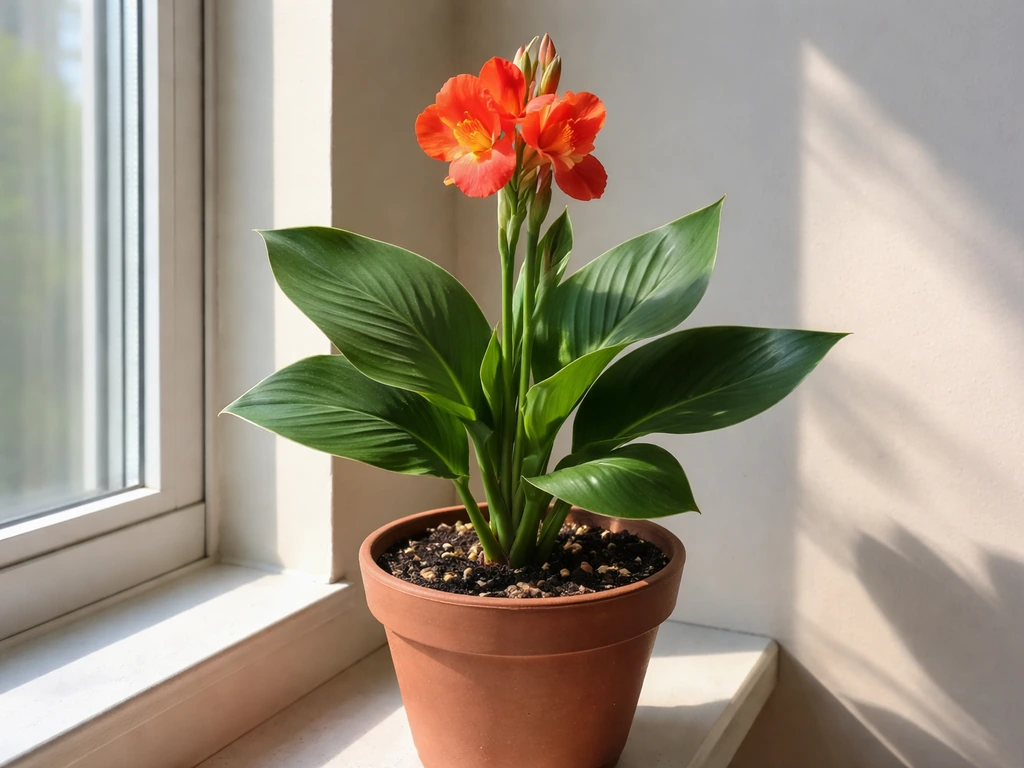
Can You Grow Canna Lily Indoors? How to Succeed
Yes, grow canna lilies indoors with strong light, warm temps, proper potting and drainage, plus watering and feeding tip
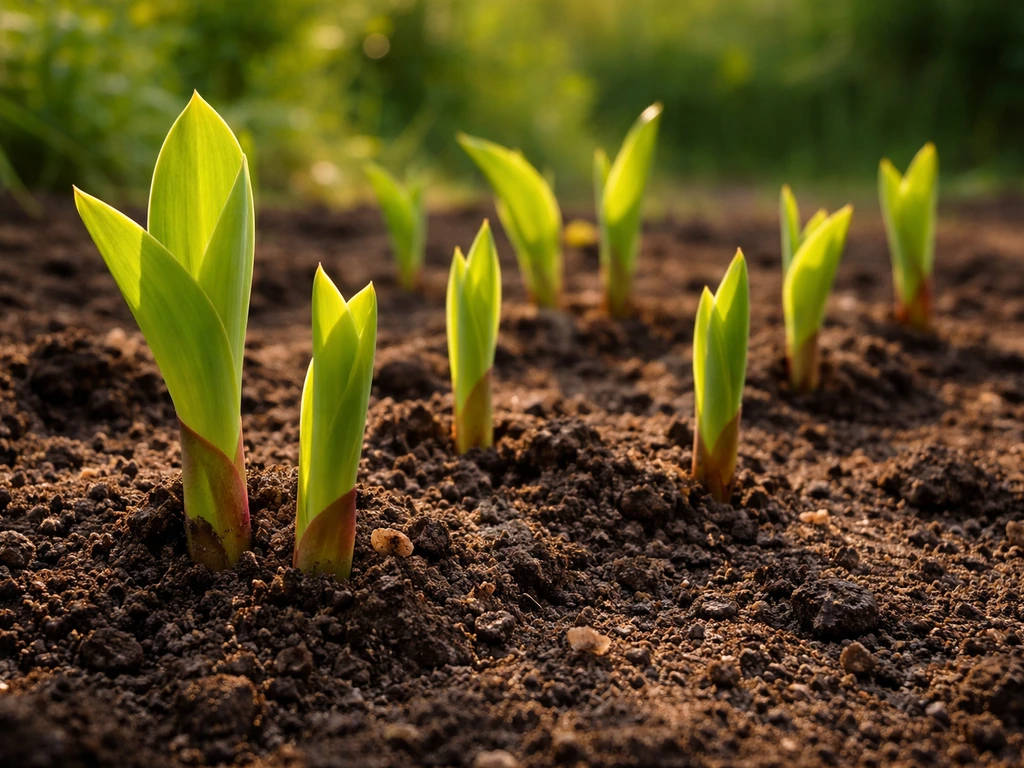
How Fast Do Canna Lilies Grow Learn Timing for Bulbs
Know when canna lily bulbs and plants sprout, how temperature affects growth, and tips to speed flowering.
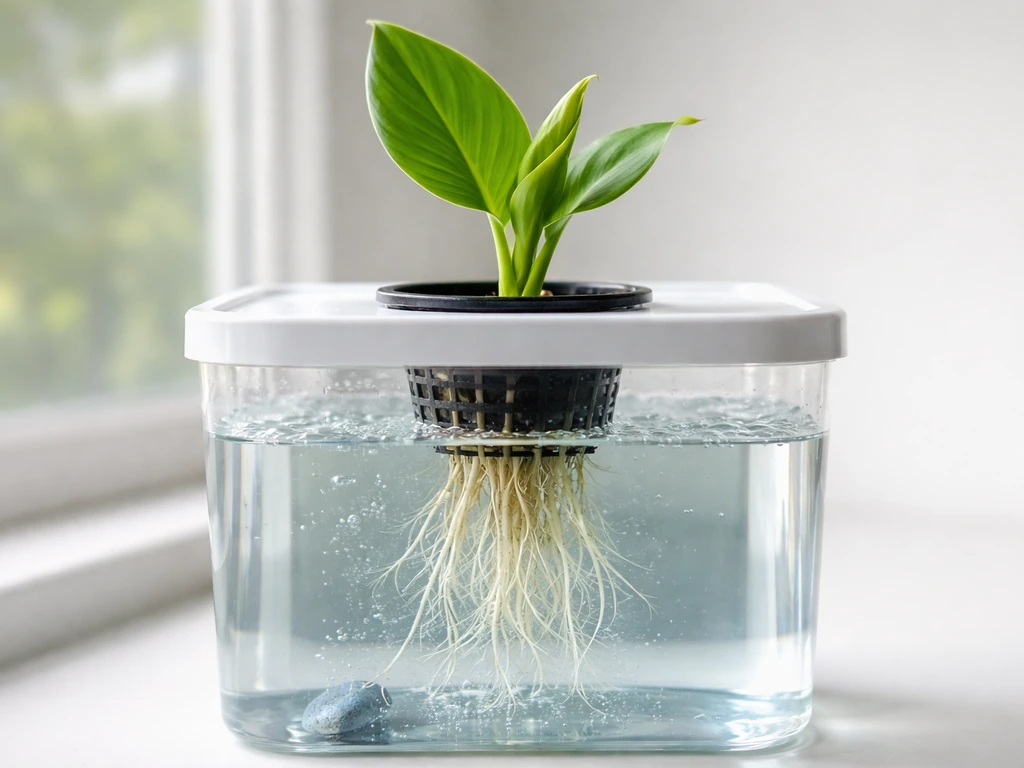
Can Canna Lilies Grow in Water? Yes How to Do It
Yes, canna lilies can grow in water. Learn water-culture setup, light, temperature, oxygenation, and fixes for rot and a