
Here's the short answer: plant a canna lily rhizome in warm soil and you'll see shoots poking through in about 1 to 3 weeks. From there, expect your first flower spikes somewhere between 8 and 12 weeks after planting. So from bare rhizome to blooms, you're looking at roughly 10 to 15 weeks total under good conditions. That's the timeline most home gardeners can realistically count on, and the rest of this guide is about what "good conditions" actually means and what to do when things aren't moving fast enough.
How Fast Do Canna Lilies Grow Learn Timing for Bulbs
Marcus Hendricks
10 Apr 2026
The typical canna lily growth timeline
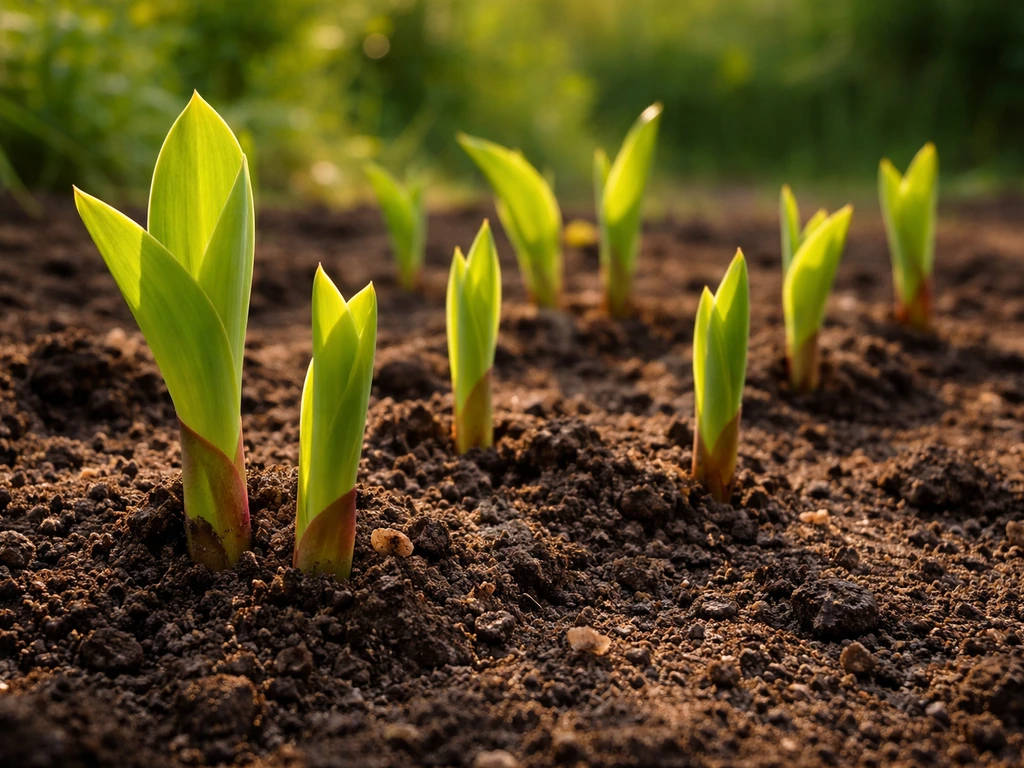
Canna lilies move fast once they get going, which is one of the reasons so many gardeners love them. Here's what the progression looks like from the day you put a rhizome in the ground:
- Planting to first shoots: 1 to 3 weeks in warm soil (60°F or above at a 4-inch depth)
- Shoots to established foliage: another 3 to 5 weeks of leafy growth as the plant develops its root system
- Foliage to first flower spike: approximately 8 to 12 weeks after initial planting
- Full bloom: typically midsummer to early fall, depending on when you planted
The 8-to-12-week window for flowering is the range I hear most from experienced growers, and it lines up with what I've seen in my own garden. If you planted in late April or early May after your last frost, you can reasonably expect blooms by mid to late July. Plant earlier indoors and you can push that forward by a month or more.
Rhizomes vs. established plants: does your starting material matter?
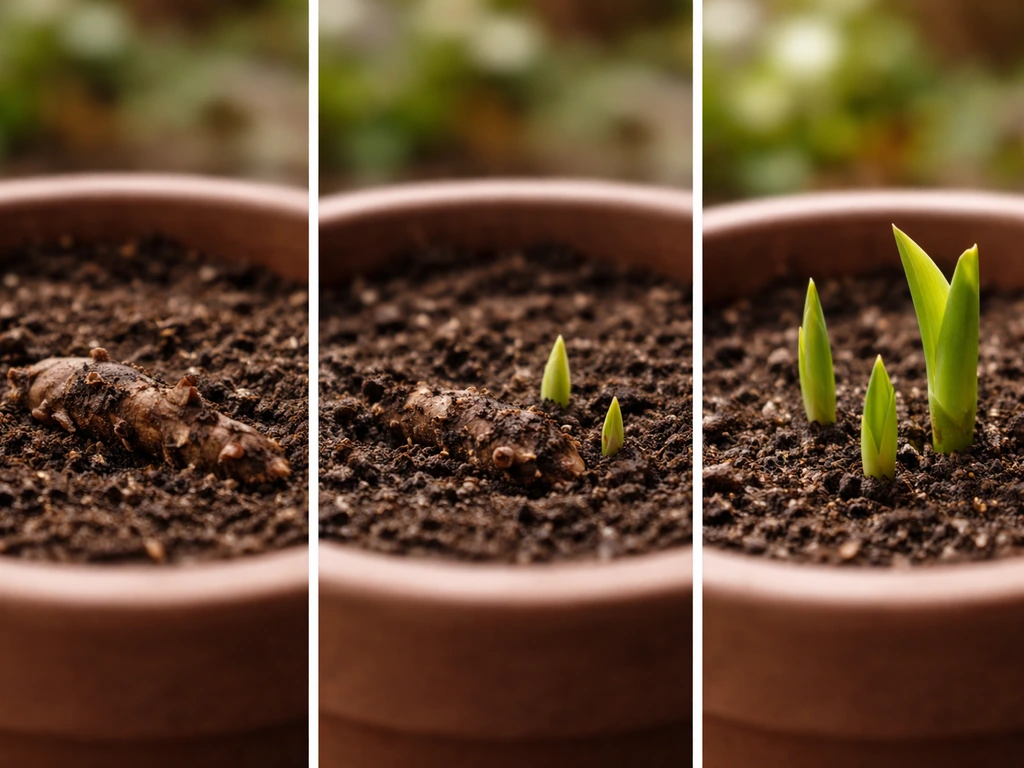
It absolutely does. Dormant rhizomes (the chunky, fleshy root sections you buy in a bag or save from last year) need to wake up from dormancy first, so that initial 1-to-3-week sprouting window is a real variable. A cold, dry rhizome planted in borderline-warm soil might take the full three weeks to show any sign of life. One that's been pre-sprouted indoors, or is already showing a small growing tip, can cut that wait dramatically.
If you start rhizomes indoors 4 to 6 weeks before your last frost date, you can have plants with several inches of growth ready to go into the ground the moment conditions are right outdoors. That head start means your outdoor blooming timeline could be shortened by a full month compared to planting cold, dormant rhizomes directly into the garden. Established container plants or nursery-grown starts move even faster since they're already past the rhizome-awakening stage. Understanding when canna lilies start to grow in the season is key to deciding whether to bother with an indoor head start or just direct-plant outdoors.
Temperature is the biggest lever you have
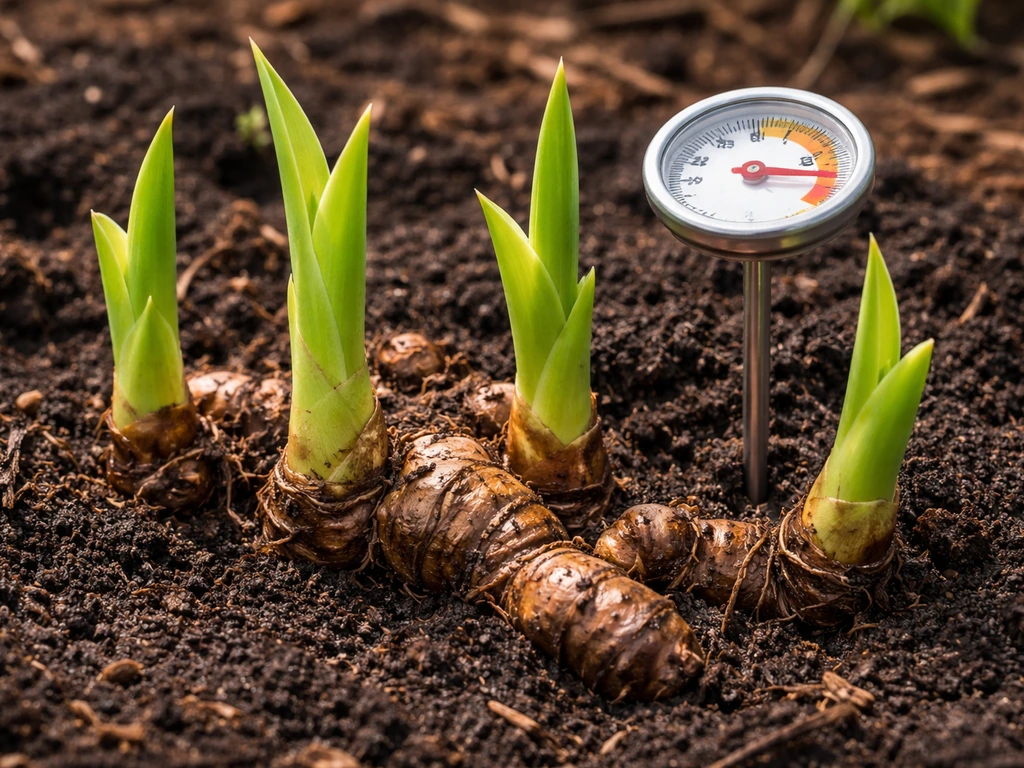
Canna lilies are heat lovers. Full stop. Cold soil doesn't just slow them down, it can actually halt rhizome metabolism entirely and increase the risk of rot. The guideline I always follow: don't plant outdoors until the soil at a 4-inch depth has held at 60°F or above for at least three consecutive days. If you plant before that threshold, you're essentially asking the rhizome to sit in conditions it can't respond to, and that's where a lot of gardeners lose their first planting of the season to rot before they ever see a shoot.
On the flip side, once temperatures climb into the 70s and 80s, cannas visibly accelerate. Warm nights matter almost as much as warm days. If you're in a hot climate or going through a warm stretch, you'll be at the fast end of every range in this article. If you're in a cooler zone with short summers, an indoor start isn't optional, it's your best tool for getting blooms before fall arrives.
For anyone starting rhizomes indoors or in a greenhouse setting, using a heat mat under your pots makes a real difference. Greenhouse propagation research from Oklahoma State University Extension confirms that added bottom warmth directly speeds up the rhizome-to-shoot process. Even a simple heat mat set to 70°F can shave days off that initial sprouting window.
How light, water, and soil control how fast your cannas grow
Light
Cannas need at least 6 hours of direct sun daily to perform well. Canna growth is associated with rapid, heat-loving performance when conditions are warm and sunlight is adequate, which is why full-sun, well-drained setups tend to produce the best results blank" rel="noopener noreferrer">at least 6 hours of direct sun daily. You can get foliage growth in partial shade, but if you want to know why a canna is taking forever to bloom after putting out leaves, insufficient light is often the answer. Six-plus hours of bright light is what triggers flowering, so a spot that seems sunny in spring might be getting shaded out by nearby trees or structures by midsummer. Placement matters more than most gardeners realize.
Water
Canna lilies like consistent moisture but they are not swamp plants in a standard garden bed. Waterlogged soil excludes oxygen from the root zone, which leads to rhizome rot and stalled growth. The practical rule: water when the soil is dry about 3 inches (roughly 8 cm) down. If you push your finger into the soil and it's still damp at that depth, hold off. This is especially important right after planting, when the rhizome is the most vulnerable. Soggy conditions at that stage are a fast track to nothing ever sprouting. (There's a separate nuance here for water gardens: growing canna lilies in water is actually possible under the right setup, but it requires managed aeration rather than just dunking rhizomes in a pond.)
Soil and planting depth
Plant canna rhizomes 2 to 4 inches deep with the growing tips (the knobbly, pointed ends) facing up. Going deeper than 4 inches is one of the most common reasons people wait weeks and never see a shoot. A rhizome buried too deep has to fight its way through more soil before it can reach light, and in marginal conditions, it may just rot trying. Rich, well-draining soil that warms up quickly gives you the best of both worlds: nutrients for fast growth and drainage to prevent rot.
Indoor vs. outdoor growing: timing and what to expect
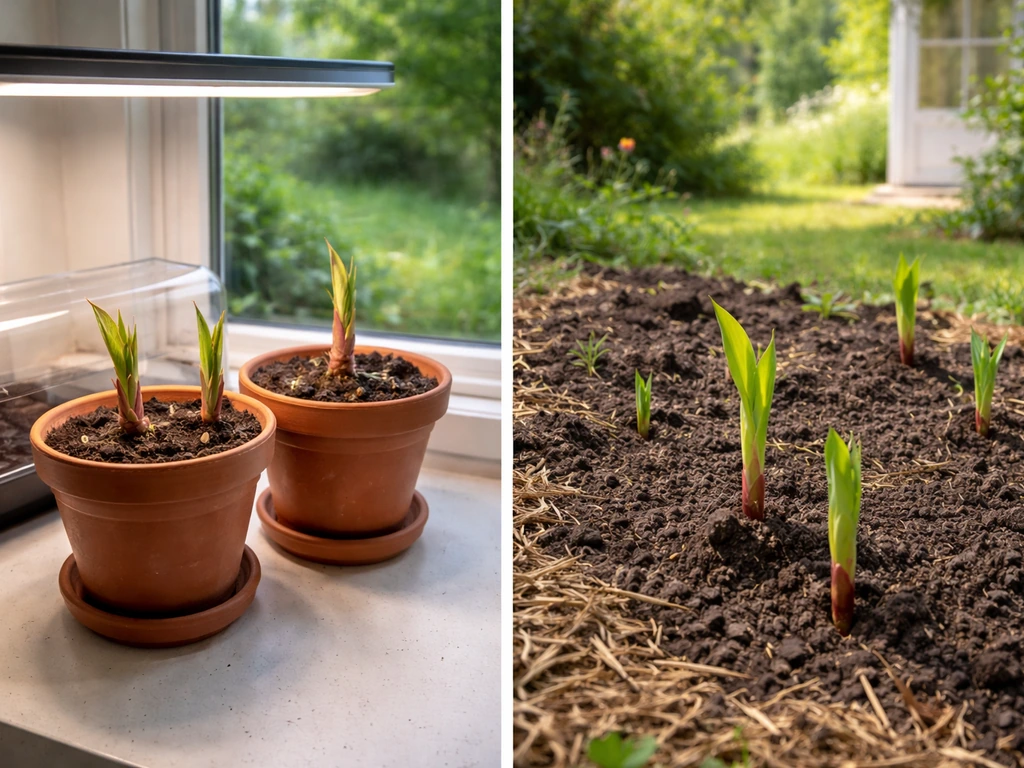
The indoor start strategy is straightforward. Get your rhizomes into pots about 4 to 6 weeks before your last average frost date. Use a well-draining potting mix, plant at 2 to 4 inches deep, water moderately, and place the pots somewhere warm (70°F or above). A sunny south-facing window or a grow light works well. You should see shoots within a couple of weeks, and by the time frost danger has passed, you'll have plants with real foliage ready to go out. Growing canna lilies indoors beyond just the head-start phase is also worth knowing about if you're in a colder climate and want to keep them going year-round.
Before you move those indoor-started plants outside, don't skip hardening off. Start by putting them outside in a sheltered, partially shaded spot for about 2 hours on the first day, then increase exposure by roughly 2 hours each day over a 7-day period. This process avoids transplant shock that can set your plants back by weeks. Most gardeners should begin hardening off about 1 to 2 weeks before they plan to transplant into the garden.
For outdoor direct planting, everything depends on your local last frost date and how fast your soil warms up. If you're in a warm zone (USDA zones 8 to 11), you may be able to plant as early as March or April. Gardeners in zones 6 and 7 are usually looking at May. The question of where canna lilies grow best ties directly into this: matching your planting window to your climate is the single biggest factor in how fast and successfully your cannas develop.
Indoor vs. outdoor growth timeline at a glance
| Growing Method | Start Date | Expected Shoots | Expected Blooms |
|---|---|---|---|
| Indoor rhizome start | 4–6 weeks before last frost | 1–2 weeks after potting | 8–12 weeks after planting (midsummer) |
| Direct outdoor planting | After last frost, soil ≥60°F | 2–3 weeks after planting | 10–14 weeks after planting (mid to late summer) |
| Nursery/container transplant | After last frost | Already sprouted | 6–8 weeks after transplant |
Why your cannas aren't sprouting yet (and what to fix)
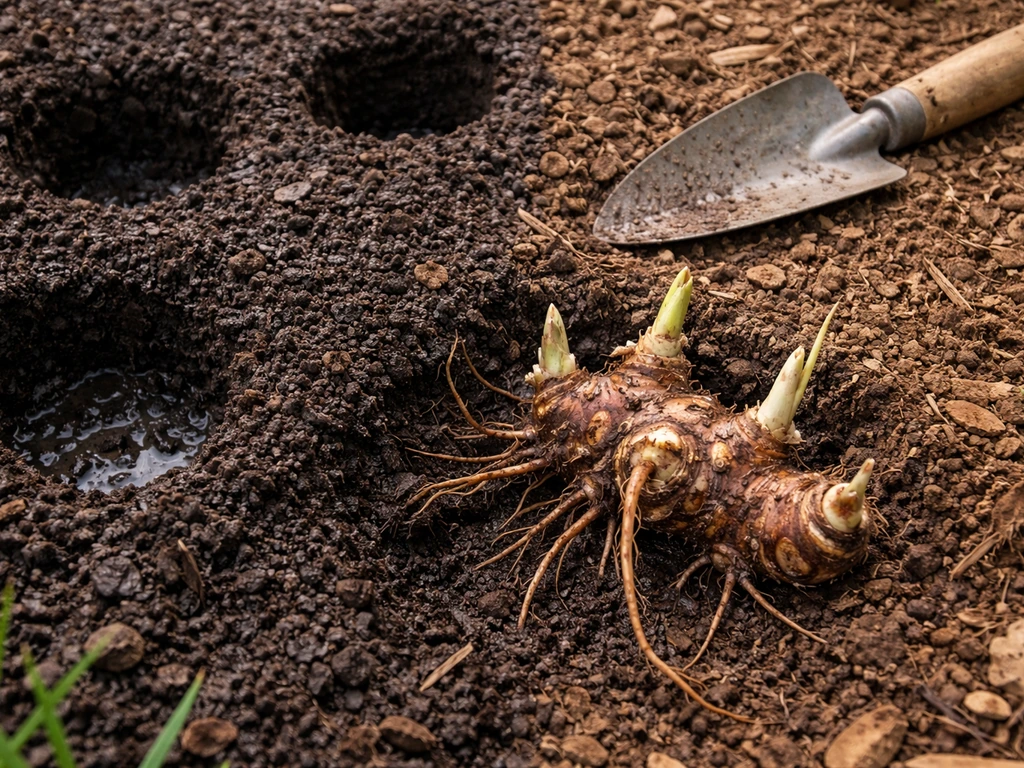
If it's been more than three weeks since planting and you haven't seen a single shoot, work through this checklist before you dig everything up in frustration. Most slow-sprouting problems trace back to one of four things.
- Soil temperature: This is the most common culprit. If the soil at a 4-inch depth isn't at least 60°F, the rhizome is essentially dormant. Use a soil thermometer to check. If it's too cold, a layer of black plastic mulch over the bed can raise soil temperature several degrees within a few days.
- Planting depth: If you buried the rhizome deeper than 4 inches, shoots may be struggling to reach the surface. Gently dig and check the depth. Re-plant at 2 to 4 inches with the growing tip pointing up.
- Overwatering and rot: Dig carefully around one rhizome and inspect it. A healthy rhizome is firm and pale-tan. A rotten one is soft, mushy, or discolored. If it's rotting, the soil stayed too wet. Let the bed dry out and check your drainage. Water only when the soil is dry 3 inches down.
- Insufficient warmth from above: Even with warm soil, a cold snap or extended cloudy stretch can pause surface-level growth. Be patient through a cold spell, and consider covering the bed with frost cloth at night if temperatures drop below 50°F.
- Old or damaged rhizomes: A rhizome that dried out too much in storage or was damaged by freeze may simply not be viable. If everything else checks out and nothing happens after 4 weeks, the rhizome itself may be the problem.
Once shoots do appear but growth seems stalled or very slow, the usual suspects are shade (add more sun exposure or move container plants), inconsistent watering, or compacted soil that's limiting root expansion. Cannas in the right conditions grow noticeably fast, so slow above-ground progress usually points to a root-zone issue underground.
Is growing cannas actually worth the effort?
Honestly? They're one of the easier large-flowering plants to grow once you understand their core needs: warm soil, good drainage, plenty of sun, and a frost-free window long enough to bloom. Canna lilies are genuinely easy to grow compared to many other showy garden plants, and that 8-to-12-week bloom timeline is hard to beat for the drama they bring. If you follow the depth and temperature guidelines in this article, you'll avoid the main failure points and have a good shot at flowers by midsummer even in shorter-season climates.
One last note: if you're curious whether a rain lily setup would work in a similar indoor timeline, it's worth knowing that rain lilies grown indoors follow a different set of rules than cannas, so don't assume the same schedule applies across all lily types. Every species has its own sweet spot, and knowing the differences saves you from expecting canna-speed growth from a plant that operates on a completely different cycle.
FAQ
What should I do if my canna rhizome is alive but not sprouting after the first 3 weeks?
If you planted recently but you see swelling instead of a clear sprout, that often means the rhizome is waking up but hasn't reached the point where it can push above the soil yet. Check soil temperature and depth (it should be around 4 inches, not just surface warmth), and confirm the rhizome wasn't buried deeper than 4 inches. Avoid digging to “check progress” during the first 1 to 2 weeks, since repeated disturbance can delay emergence or trigger rot.
Can I make canna lilies grow faster than the typical timeline?
Yes, you can speed things up, but only up to the point where the rhizome can metabolize. The most effective levers are (1) warmer soil consistently (not just a hot day), (2) correct planting depth (2 to 4 inches), (3) bottom warmth if starting in pots, and (4) stronger light after shoots appear so plants can build enough energy to form flower spikes. Fertilizer usually helps after active growth begins, but it will not replace the need for heat and oxygen.
How sensitive are canna lilies to cold snaps after I plant them?
A single cold night can slow emergence, but a longer cold spell is what increases the odds of rot. Use the soil temperature guideline from your 4-inch depth target, not the air forecast, and if you are forced to plant early, consider temporary protection like a cloche or row cover to keep soil temperatures steadier. If rot is the issue, the rhizome may become soft or smell off, and there is little “rescue” beyond removing the compromised pieces and replanting once conditions warm.
Why are my canna lilies growing leaves but not producing flower spikes?
If you only see leaves and no flowering, the most common causes are insufficient direct sun, planting too late for your frost-free season, or not enough time once conditions are warm. Cannas typically need bright light (at least 6 hours of direct sun) to trigger flowering, and the bloom window starts only after the plant gets going. For late-season starts, moving to an earlier indoor start next year is more reliable than trying to force blooms with extra fertilizer.
Do canna lilies grow faster in containers than in the ground?
Yes, containers can change the timing. In pots, soil warms faster in spring and dries out faster, so shoots often appear earlier, but the plant can also stall if the pot stays too wet or the rhizome dries out too much. Make sure the container has drainage, water based on dryness around 3 inches down, and use a pot size large enough to avoid root restriction, since crowded roots can reduce flowering performance.
Does the orientation of the rhizome affect how fast canna lilies sprout?
The direction to plant is important, but it is not usually the sole reason for total non-emergence. Make sure the knobbly growing tips face up and avoid burying too deep. Also check rhizome condition at purchase (hard, firm pieces are best). If you have confirmed warmth and correct depth and still see nothing after 3 weeks, the most likely culprits are cold soil, excessive moisture, or planting in poorly draining, compacted soil that limits oxygen.
If it is taking longer than expected, how can I diagnose whether I planted too early versus something else?
To tell whether you are truly “late,” compare to your local planting date and whether soil was warm enough from the start. If you planted into borderline-warm conditions, your 8 to 12 week bloom estimate can stretch, sometimes by several weeks. Use a heat-timing approach next season, and for now review the checklist: light (6+ hours), drainage, depth (2 to 4 inches), and whether the rhizome ever had stable warmth during the first few weeks.
Next Articles
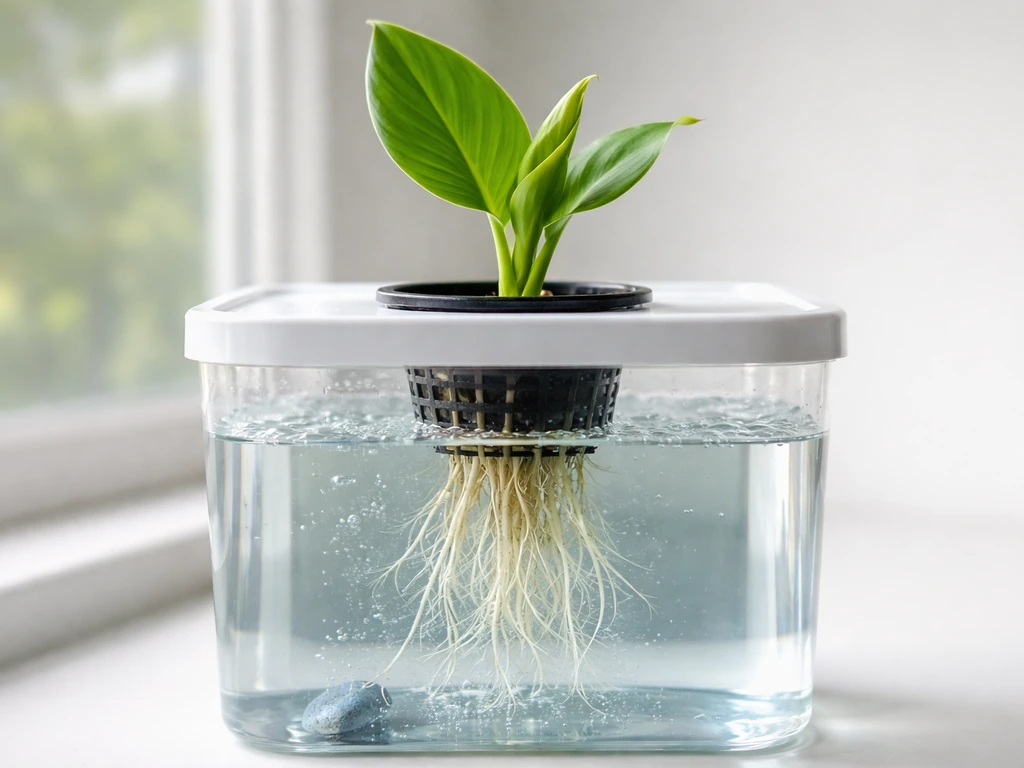
Can Canna Lilies Grow in Water? Yes How to Do It
Yes, canna lilies can grow in water. Learn water-culture setup, light, temperature, oxygenation, and fixes for rot and a
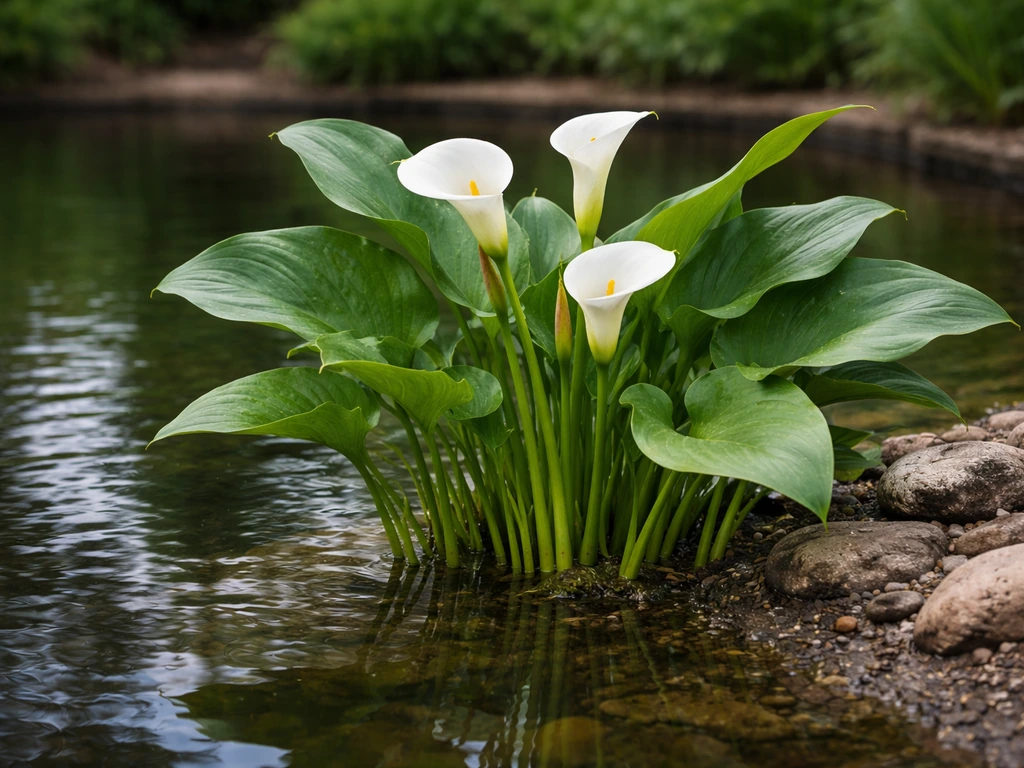
Can Calla Lilies Grow in Ponds? How to Set Up Successfully
Yes, with the right setup: water depth, substrate, anchoring, light, and overwinter care for pond or marginal calla lili
Are Calla Lilies Hard to Grow? Easy Guide for Success
Get a clear answer on are calla lilies hard to grow, plus exact light, temperature, watering, planting, and fixes.