
Plant a canna rhizome in warm soil and you can expect to see the first shoots pushing up within 2 to 4 weeks. That window assumes your soil is blank" rel="noopener noreferrer">at least 60°F (about 16°C) and you've planted the rhizome 2 to 4 inches deep. If the soil is colder than that, nothing will happen, and the rhizome just sits there getting more vulnerable to rot with every passing week.
When Do Canna Lilies Start to Grow? Timing Guide
Marcus Hendricks
1 May 2026
The typical timeline from planting to first shoots
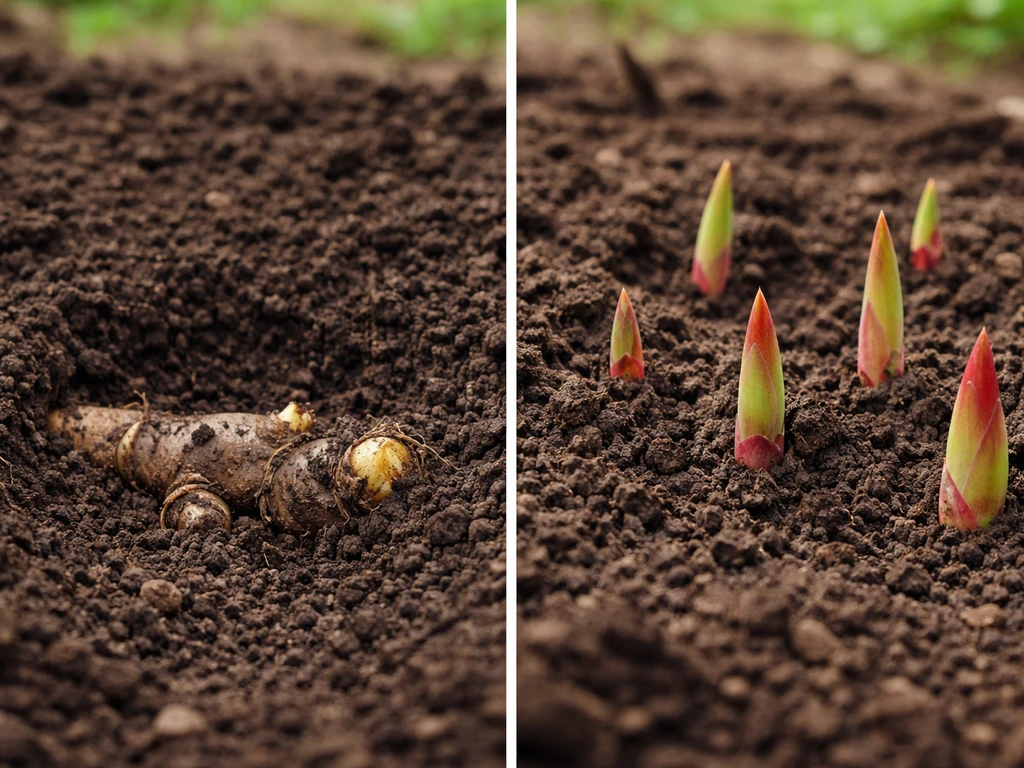
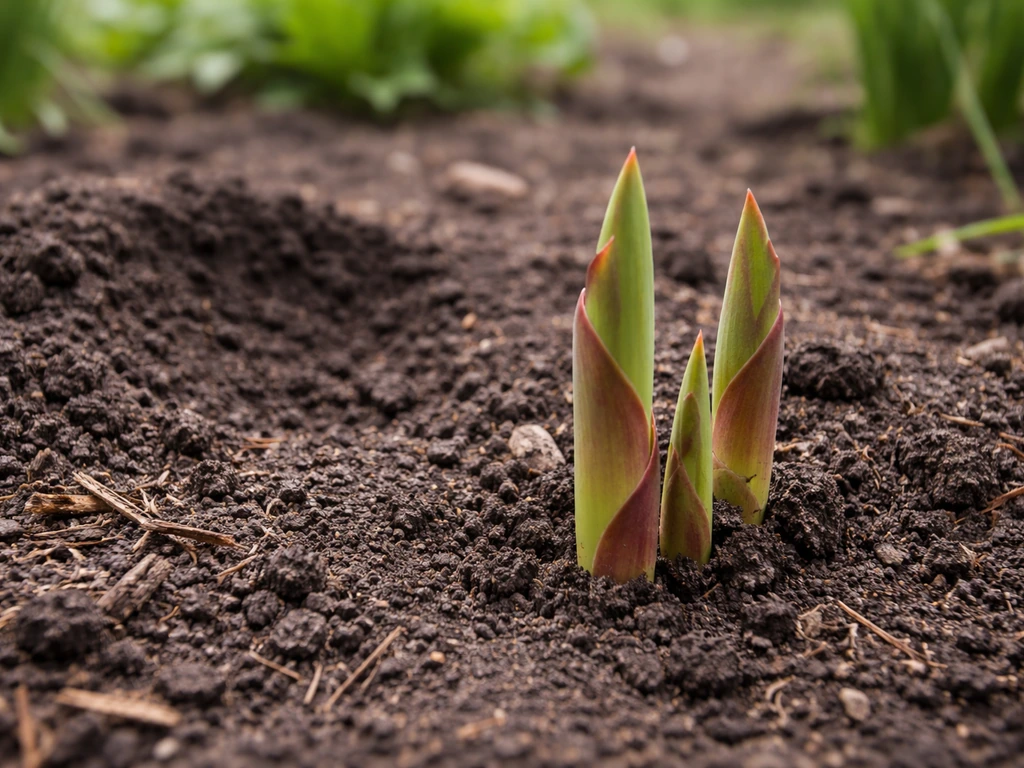
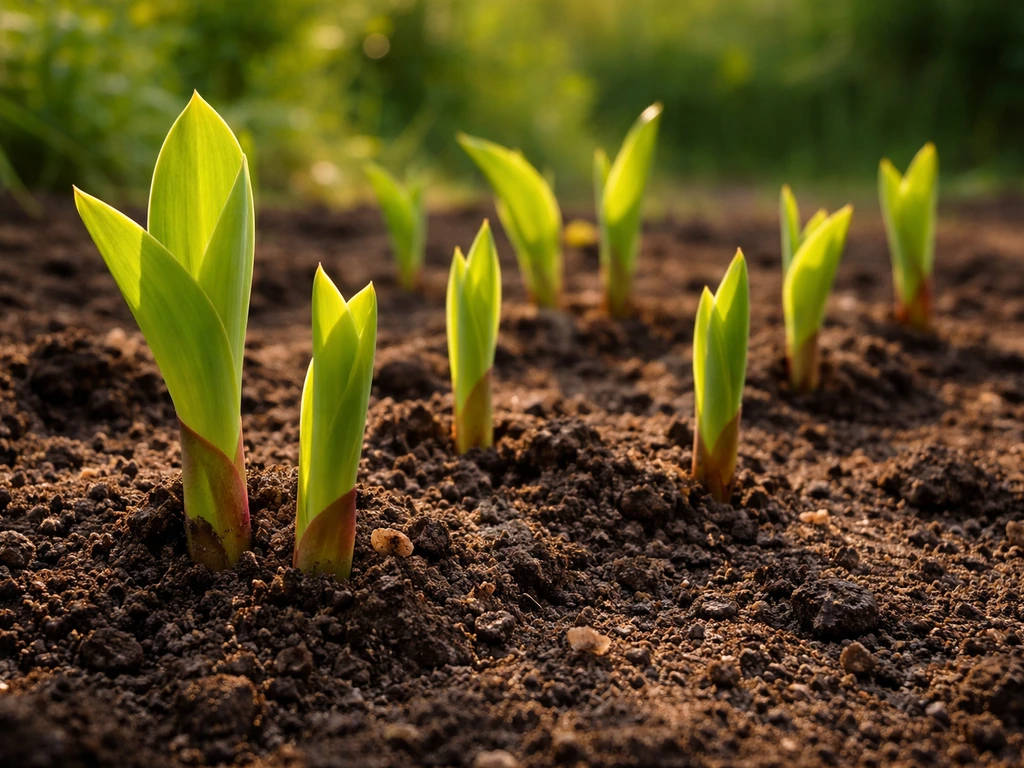
Under good conditions, most canna rhizomes send up their first visible growth between 2 and 4 weeks after planting. You won't see much at first, just a tight, pointed red or green tip breaking the soil surface. By week 4 to 6, that tip becomes a recognizable shoot with rolled, paddle-shaped leaves beginning to unfurl. Once the shoot appears, cannas tend to pick up speed fast, especially as soil temperatures climb through late spring and into early summer.
If you want the longer view from emergence to a mature plant, it helps to understand how fast do canna lilies grow once they get going. If you're planting in a region where the soil warms slowly, like the upper Midwest or the Pacific Northwest, your timeline shifts toward the later end of that window, sometimes closer to mid-June before you see anything.
What actually controls when cannas start growing
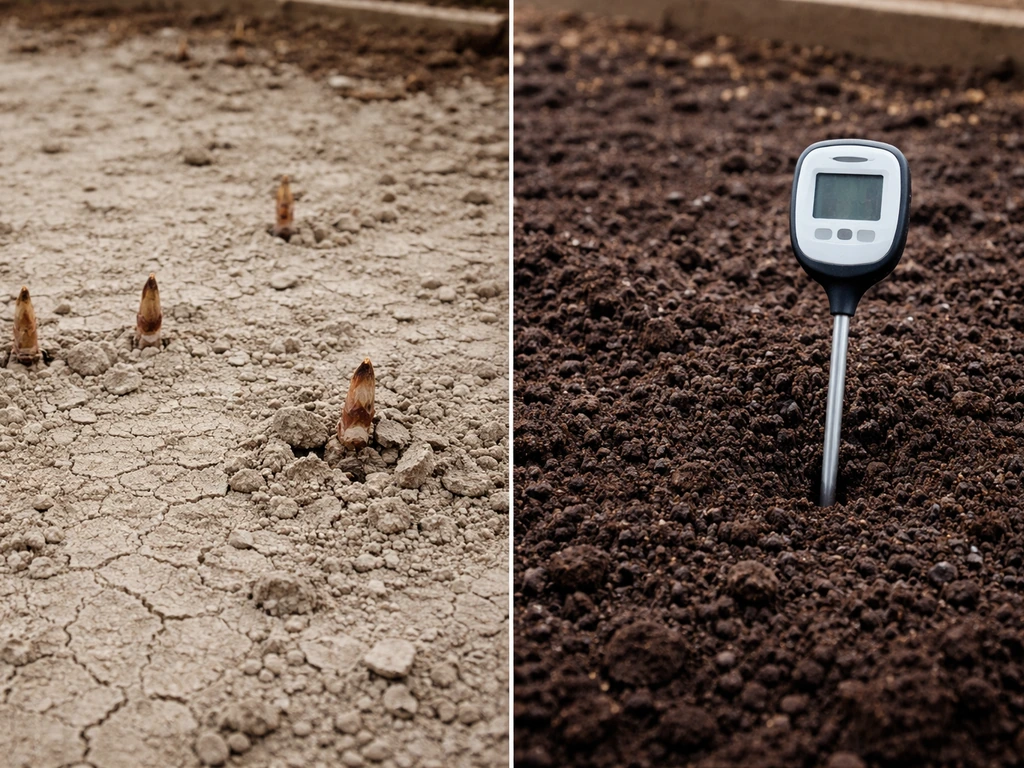
The single biggest trigger is soil temperature, not air temperature. A warm spring afternoon doesn't mean much if the ground is still cold six inches down. Cannas need soil at or above 60°F to break dormancy, with the optimal range being 68 to 77°F (20 to 25°C). At those warmer temps, growth kicks in quickly.
Below 60°F, the rhizome stays dormant, and pushing it doesn't help. A 2012 study on Canna indica rhizomes also reported dormancy timing in the experimental season window of November 11 to January 25 [Below 60°F, the rhizome stays dormant, and pushing it doesn't help. ](https://www. uaiasi.
ro/revistahorti/files/Nr12012/Vol-55-1_2012%20%2844%29. pdf). I've made the mistake of planting in early April during a warm spell only to have nothing happen for six weeks, because the soil never actually held that warmth. A cheap soil thermometer takes all the guesswork out of it.
Planting depth also matters more than most people realize. The sweet spot is 2 to 4 inches below the soil surface. Shallower than 2 inches and the rhizome can dry out too fast or get disturbed; deeper than 4 inches and the shoot has too far to travel before it sees light, which delays emergence noticeably. Keep it in that 2-to-4-inch range and you're giving the plant the best combination of warmth, moisture, and easy exit.
Rhizomes, seeds, and pre-sprouting: the timing is different for each
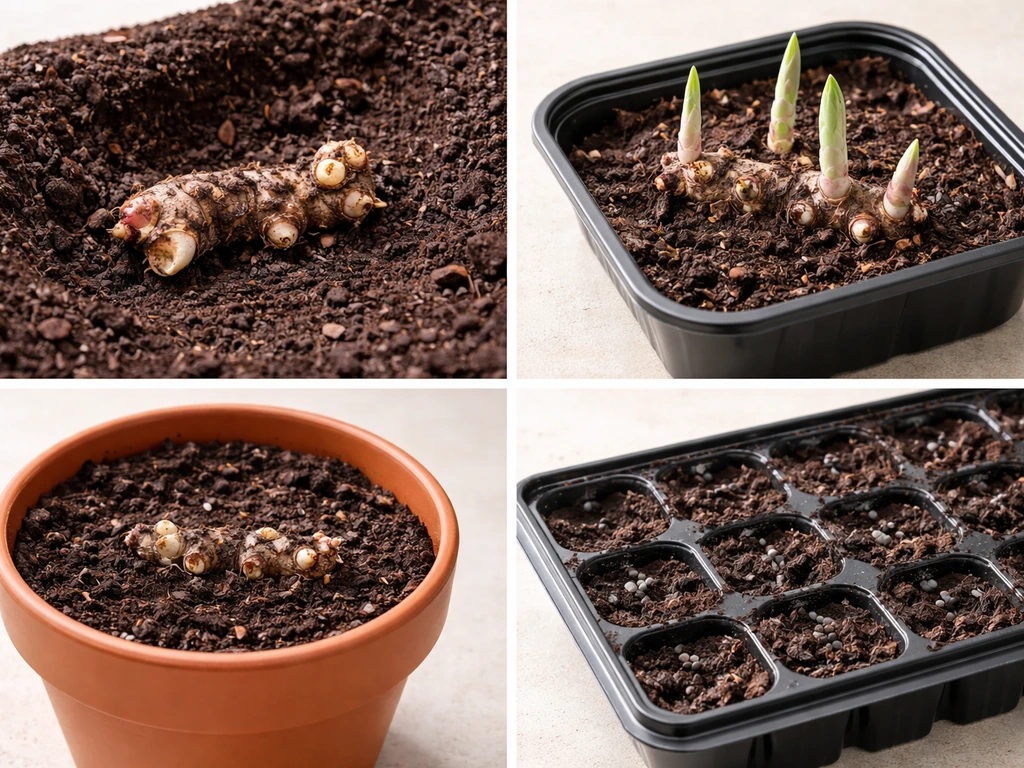
How you start your cannas changes the timeline considerably. Here's how each method stacks up:
| Method | Expected time to first sprout/emergence | Key requirement |
|---|---|---|
| Rhizome planted directly outdoors | 2 to 4 weeks | Soil at 60°F or warmer |
| Rhizome pre-sprouted indoors | 1 to 2 weeks after outdoor transplant (already sprouted) | Warmth, light, and 4 to 6 weeks indoor head start |
| Seeds (ideal indoor conditions) | 2 to 7 days at 64 to 73°F soil temp | Scarification or soaking, consistent warmth |
| Seeds (room temperature, no heat mat) | Up to 3 to 4 weeks | Patience; germination slows below optimal temps |
Growing from seed is genuinely the slowest route, but it can work. Canna indica seedlings typically emerge 20 to 30 days after sowing under normal conditions, and faster (sometimes within a week) if you use a heat mat and keep the germination medium at 64 to 73°F. The critical prep step for seeds is either scarifying the hard seed coat with sandpaper or soaking the seeds in warm water for 24 to 48 hours before sowing. Skip that and you might wait months for nothing.
Pre-sprouting rhizomes indoors is the strategy I'd recommend to anyone in zones 5 or 6 where spring drags on. Start them in shallow trays with just an inch or two of moist potting mix, keep them somewhere warm (around 65 to 70°F), and within a couple of weeks you'll have small shoots already forming. Transplant those outside after your last frost, once the soil is warm, and you're weeks ahead of your neighbors who planted bare rhizomes directly. This approach is especially worth considering if you're trying to get the most out of a shorter growing season.
Indoor vs outdoor timing: how your location changes everything
If you're in USDA zones 8 to 11, you can often plant canna rhizomes directly outdoors in late winter or early spring, sometimes as early as February or March, because the soil stays warm enough year-round. In zones 6 and 7, wait until late April to mid-May. In zones 4 and 5, late May to early June is usually the earliest safe window for direct outdoor planting, and the rhizomes you plant then are working against a shrinking warm season. That's where pre-sprouting indoors or growing cannas in containers (which you can bring inside earlier) really pays off.
Almanac's rule of thumb is simple: if it's warm enough to plant tomatoes, it's warm enough to plant cannas. That's a reliable shortcut if you're not sure about your exact timing. The "mid-June" reference some growers use is specifically for northern climates where soil warmth doesn't arrive until summer is nearly underway. Don't rush it just because the forecast looks warm for a few days.
If you're interested in whether cannas can grow indoors year-round, that's a separate but related question worth exploring, since their growth drivers indoors (consistent warmth, light, container size) are different from what you're managing outside. If you're specifically wondering, “can you grow canna lily indoors,” the answer is yes, but you’ll need consistent warmth, plenty of light, and the right container size.
Signs your canna is actually growing (what to look for)
Underground progress happens before you see anything above the soil. If you planted a healthy rhizome in warm conditions, here's what to watch for in sequence:
- Days 1 to 7: Nothing visible yet, but the rhizome is hydrating and root tips are forming at the growth points (the bumpy 'eyes' on the rhizome).
- Days 7 to 14: Small white roots extending into the surrounding soil. Still nothing above ground.
- Days 14 to 21: A tight, pointed shoot tip may just break the surface, often reddish or dark green, barely visible.
- Days 21 to 28: The shoot is clearly visible, an inch or more tall, and beginning to show the rolled leaf structure.
- Days 28 to 42: Leaves start unfurling. Growth accelerates noticeably as the plant establishes its root system.
If you're impatient around week two, you can carefully brush away the top inch of soil to check. Look for pale, cream-colored root tips and a firming-up of the rhizome itself. A healthy rhizome smells earthy and clean. Any softness, mushiness, or foul smell is a red flag worth acting on immediately.
Troubleshooting slow or stalled growth
If it's been more than 4 weeks and you're seeing nothing, something in the environment is working against you. Here are the most common culprits and how to fix them:
- Cold soil: This is the number one reason cannas fail to sprout. Check your soil temperature 3 to 4 inches down. If it's below 60°F, the rhizome is simply waiting. You can't rush this by watering more or fertilizing. Wait, or dig the rhizome and pre-sprout it indoors.
- Overwatering and poor drainage: A waterlogged rhizome is on its way to rotting. Water once after planting, then hold off until you see the shoot emerge. After that, only water when the soil is dry a few inches down. Well-draining soil is non-negotiable.
- Underwatering: The opposite problem exists too. Completely dry soil will stall growth. If the top 4 inches are bone dry and the forecast shows no rain, give the planting area a moderate soak.
- Planted too deep: If you went deeper than 4 inches, the shoot may be struggling to reach the surface. In extreme cases it can exhaust itself before emerging. This is hard to fix after the fact, but shallow plantings in subsequent seasons prevent it.
- Rhizome planted upside down: Cannas have a top side (the eyes or growth buds) and a bottom side (the older, knobby end). Eyes should face up. An upside-down rhizome can still eventually right itself underground, but it delays emergence by weeks.
- Rot: If you dug up a rhizome and it's soft, spongy, or smells off, that section is gone. Cut away any mushy areas back to firm tissue with a clean knife, dust the cut ends with sulfur powder or cinnamon, and let it dry for a day before replanting.
- Lack of light: Once shoots emerge, they need full sun, at least 6 hours daily. Cannas planted in deep shade will grow slowly, produce weak stems, and flower poorly.
What to do if nothing sprouts after 4 to 6 weeks
At the 4-week mark with nothing visible, do a quick soil temperature check first. If the soil is warm and you've been watering correctly, it's time to do a gentle dig to inspect the rhizome directly.
- Use your hands or a trowel to carefully unearth the rhizome from the side rather than directly above to avoid slicing through any emerging shoot.
- Hold the rhizome and press it lightly. Firm means healthy. Soft or spongy means rot has set in.
- Smell it. Clean and earthy: good. Foul or mushy: infected. Cut away any bad sections back to solid tissue.
- Check the eyes (growth buds). If they look plump and slightly swollen or show any hint of pale green, growth is coming. Rebury it at the correct 2-to-4-inch depth and give it more time.
- If the rhizome looks completely dead, shriveled, dried out, or entirely rotten with no firm tissue remaining, replace it. There's no saving a fully dead rhizome.
- If it looks healthy but still hasn't sprouted, move it somewhere warmer: try starting it in a pot indoors with a heat mat under it and see if warmth triggers the growth that outdoor conditions haven't.
Caring for cannas once they start growing
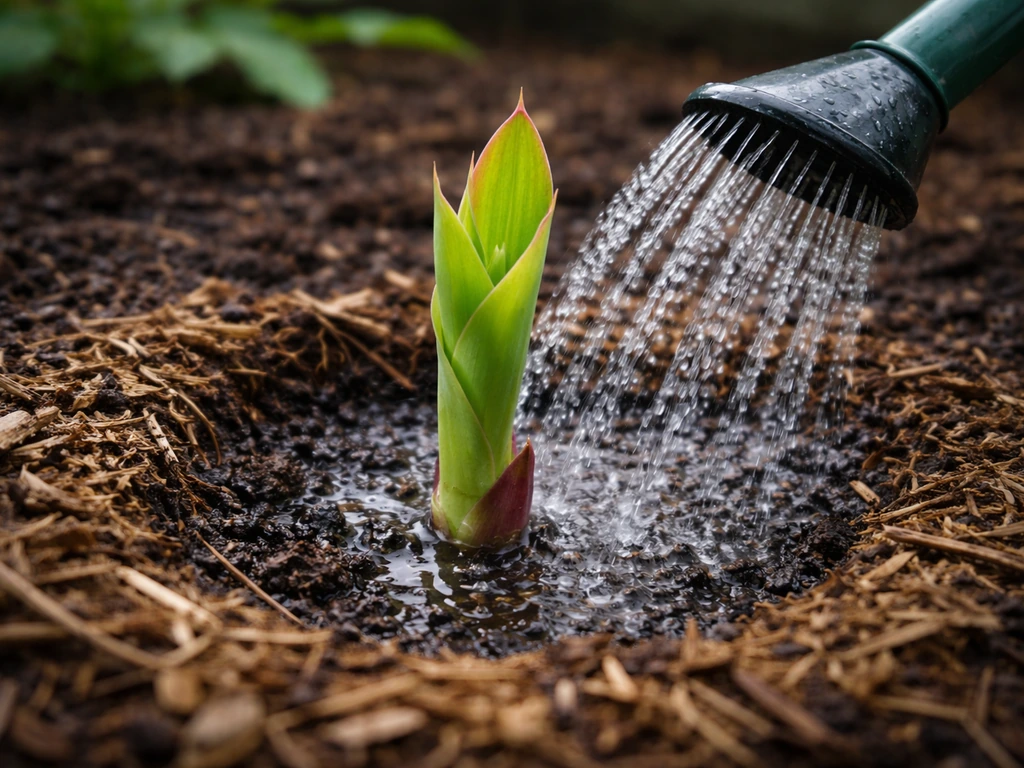
Once that first shoot pushes up, shift into active care mode. The plant is working fast and needs the right inputs to keep that momentum going.
Watering after sprouting
Once established and actively growing, cannas are fairly thirsty, especially during hot weather. Water deeply once or twice a week in spring and summer, aiming for about an inch of water each time. In extreme heat or if your cannas are in containers, you may need to water more frequently. The test is always the soil: check 2 to 3 inches down and water when it's dry at that depth.
Cannas grown in or near water (a separate topic worth looking into if you're considering bog or container water gardens) handle moisture very differently from those in standard garden beds. To learn more about whether canna lilies can grow in water, including how to set up a water garden safely, check the specific canna water-growing guide Cannas grown in or near water.
Sun requirements
Cannas want full sun, ideally 6 to 8 hours of direct sunlight per day. This is one place where cannas differ clearly from something like peace lilies or water lilies, which thrive in shade or filtered light. If your cannas are growing slowly even with warm soil and good watering, check the light exposure before anything else. Partial shade will produce plants, but they'll be leggy and reluctant to flower.
Feeding for fast, strong growth
Start fertilizing once the shoot is a few inches tall and clearly established. A balanced, slow-release granular fertilizer (something like a 10-10-10 or similar) worked into the soil around the plant every 4 to 6 weeks supports strong foliage and flowering. If you want to encourage blooming specifically, switch to a fertilizer with higher phosphorus (the middle number) once the plant is 12 inches or taller. Avoid overfeeding nitrogen early in the season, which pushes lush leaves at the expense of flowers. How fast your cannas grow from this point depends heavily on getting the feeding right, and if you want to understand the full speed potential of cannas once they're established, that's worth exploring on its own.
A quick note on canna growth vs other lily types
Cannas aren't true lilies, which matters when you're comparing care advice. Unlike Asiatic lilies or daylilies, which grow from true bulbs and follow different dormancy and temperature cues, cannas grow from rhizomes and are far more driven by sustained soil warmth than by day length or chilling requirements. That's why the soil temperature threshold matters so much for cannas, while other lily-type plants might be more forgiving in cooler conditions. Keep that in mind if you're managing a mixed garden bed with multiple lily varieties.
FAQ
If I don’t see any shoots after 4 weeks, should I assume the rhizome failed?
They usually start with tiny tips first, but you can still get a delay if the soil is warm near the surface and cold deeper down. Cannas respond to ground temperature around the rhizome, so check soil at planting depth (about 2 to 4 inches) rather than relying on air temperature.
What’s the safest way to check if my canna rhizome is still alive before digging it up
Before digging, confirm soil temperature. If it’s still near or below 60°F at rhizome depth, it may simply be too cold to break dormancy yet. If the soil is warm and you see rot signs (mushy texture or foul odor), remove the rhizome and replant with healthy stock.
Can I water my cannas early to make them sprout faster?
Yes, it happens especially in wet, cool springs. The most common mistake is keeping soil constantly saturated while the rhizome is still dormant. Water lightly enough that the planting area stays evenly moist, not soggy, and improve drainage if water sits after rain.
How does planting depth affect when canna lilies start to grow
Yes. If you planted too shallow, the rhizome can dry out, and if it rots you may not see growth at all. Staying within the 2 to 4 inch depth range helps stabilize moisture and temperature around the rhizome.
Will a warm week in spring guarantee my cannas will sprout on schedule?
If night temperatures dip and soil cools below the 60°F threshold, emergence can pause even after a warm spell. A short heat wave might make the top inch feel warm, but cannas need sustained warmth where the rhizome sits.
When do canna lilies start to grow if I start from seed instead of rhizomes
They can, but sprouting from seed usually takes longer and is less predictable than rhizomes. Typical emergence is about 20 to 30 days with proper conditions, and heat mats that keep the growing medium in the mid to upper 60s to low 70s can speed things up.
Can I pre-sprout rhizomes indoors and plant them out sooner than my frost date
Pre-sprouting indoors can work well, but you still need to transplant at the right time. Move seedlings or pre-sprouted rhizomes outside after your last frost and once outdoor soil is warm enough, or growth may stall during acclimation.
Do cannas in containers always sprout earlier than those in the ground
Container growth often shows earlier because the pot warms faster than garden soil. Still, the trigger remains rhizome-zone temperature, so keep containers in sun and avoid overwatering in cold weather.
My cannas sprouted, but growth slowed down, what should I check first
Give them full sun once shoots appear, but the first breakthrough is driven by soil warmth. If they sprout and then growth slows, check light exposure, then water depth (2 to 3 inches down dry) and feeding timing after the shoot is a few inches tall.
What should I do if the rhizome looks healthy at first but then starts to get soft
Canna rhizomes can look firm early on but fail if conditions turn cold and wet. If you dig and find softness or a bad smell, discard it rather than trying to “save” it, because replanting a compromised rhizome usually delays growth further and risks infecting the bed.
If I grow cannas indoors, will they start growing sooner than outdoors?
Yes, but only if you can provide enough light and consistent warmth. Without strong light and stable temperatures, indoor growth may be slow and leggy, and the plant may not reach the same emergence speed you’d get outdoors in warm soil.
Next Articles
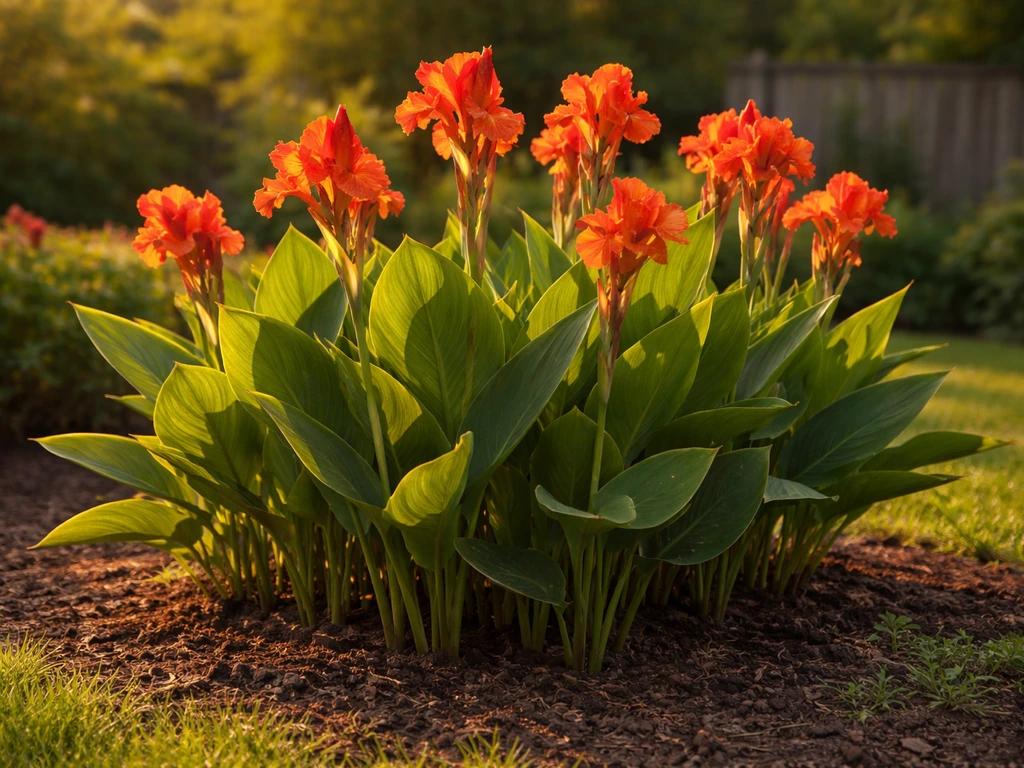
Where Do Canna Lilies Grow Best? Ideal Sun, Soil, Zone
Find where canna lilies thrive: best sun, soil drainage, moisture, and hardiness zones for beds or pots.
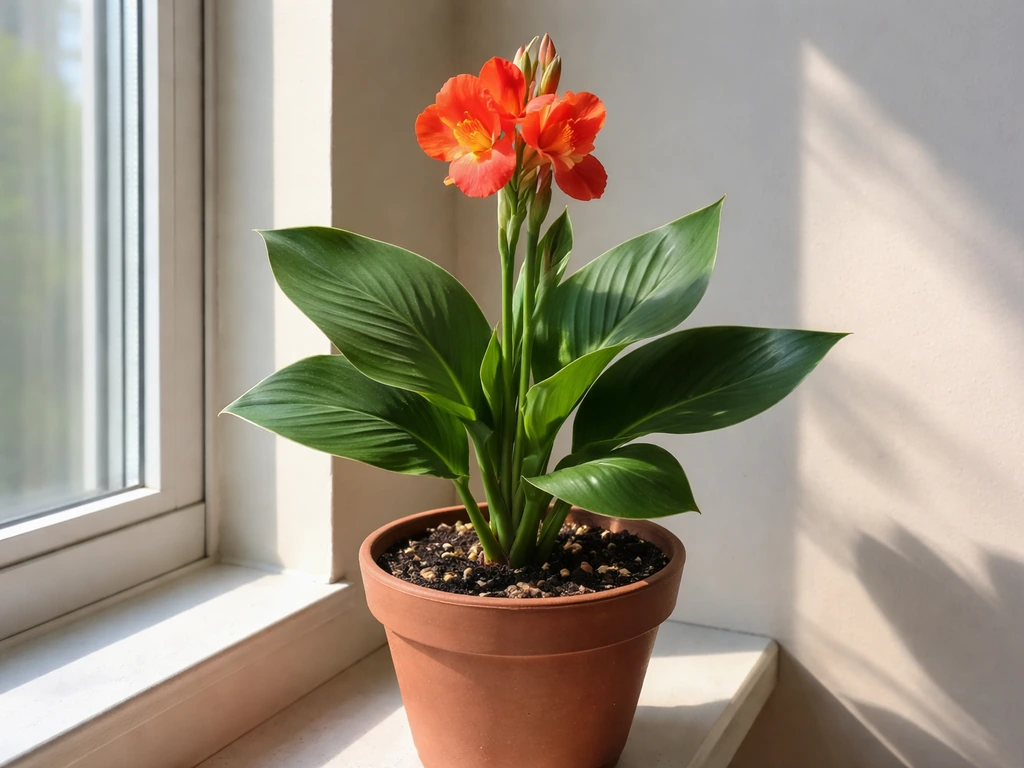
Can You Grow Canna Lily Indoors? How to Succeed
Yes, grow canna lilies indoors with strong light, warm temps, proper potting and drainage, plus watering and feeding tip
How Fast Do Canna Lilies Grow Learn Timing for Bulbs
Know when canna lily bulbs and plants sprout, how temperature affects growth, and tips to speed flowering.