
Yes, canna lilies are genuinely easy to grow, especially if you give them full sun, warm soil, and decent drainage. They are forgiving, fast-growing, and dramatic enough to make you look like a serious gardener with very little effort. That said, they do have two real failure points: cold soil at planting time and waterlogged roots. Get those two things right and cannas are about as close to foolproof as a tropical-looking plant gets.
Are Canna Lilies Easy to Grow? Simple Guide to Success
Marcus Hendricks
6 May 2026
Quick verdict: are canna lilies easy to grow?
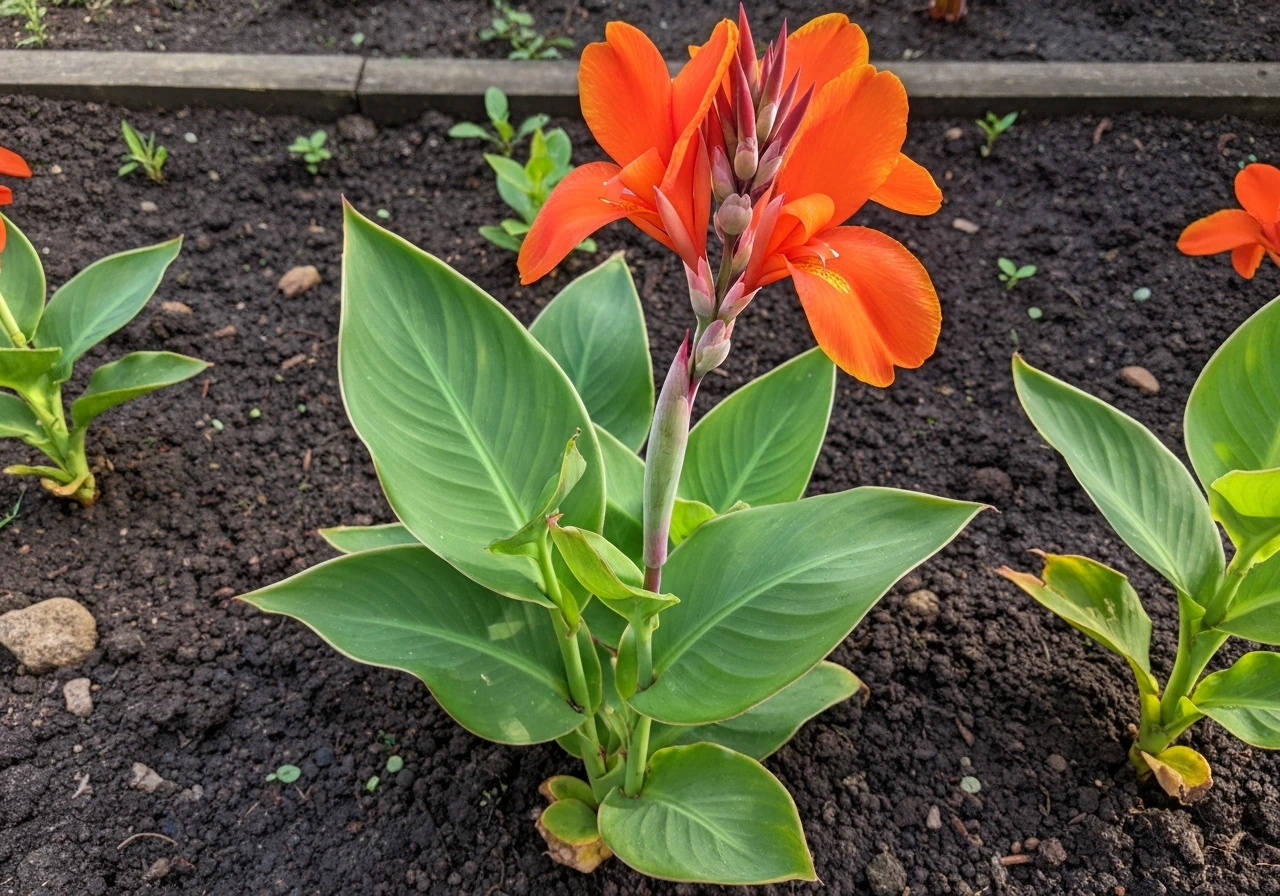
For most home gardeners in USDA zones 7 through 11, cannas are extremely low-maintenance. They come back on their own each year, they shrug off heat, they grow fast enough to be satisfying, and they produce those big, bold blooms without much fussing. Beginners in colder zones (zones 3 through 6) will need one extra step in fall: digging up the rhizomes and storing them indoors over winter. That adds maybe 30 minutes of work twice a year, which is a small price for plants this showy. The only people who genuinely struggle with cannas are those who plant them in deep shade or heavy clay soil that never dries out. If neither of those describes your garden, you are very likely going to succeed.
Ideal growing conditions: light, heat, and climate
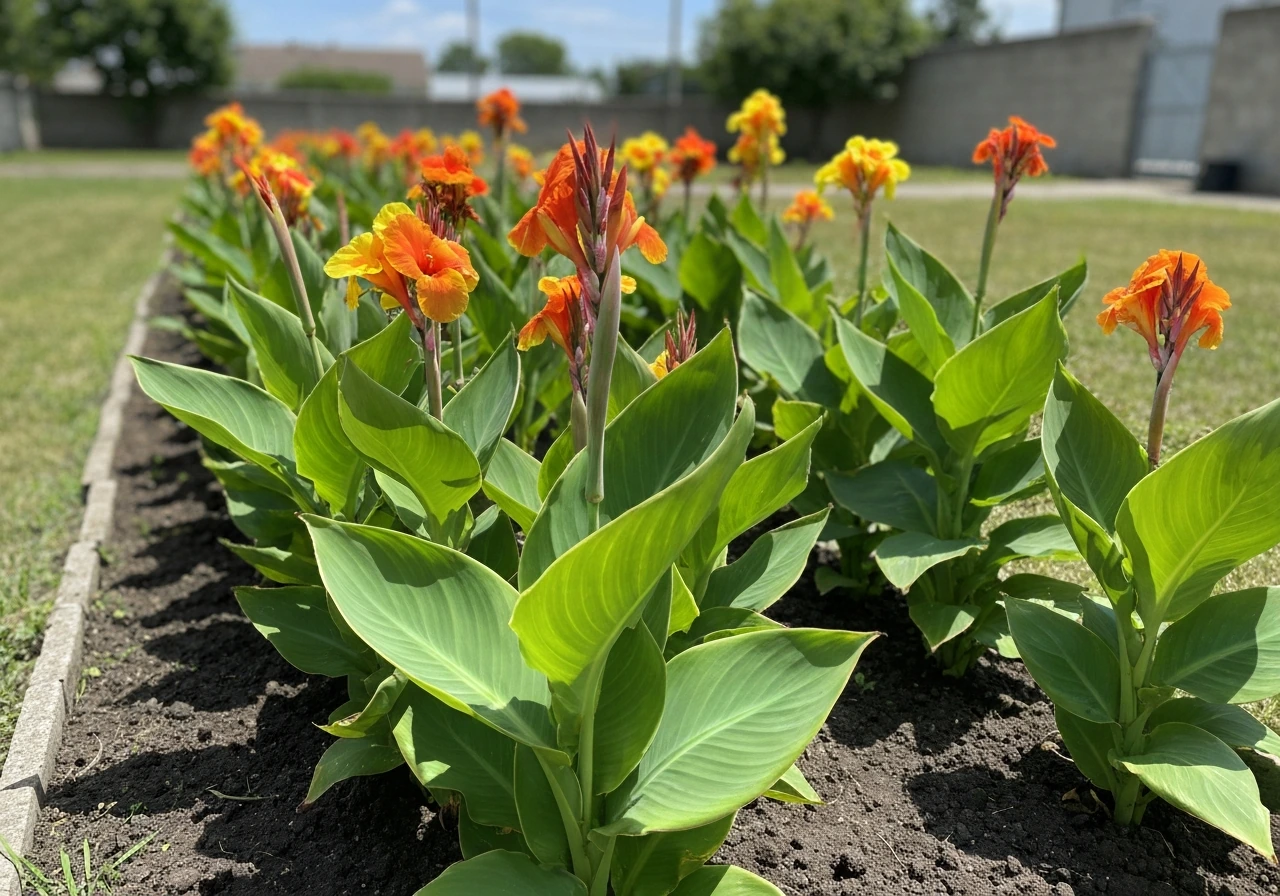
Cannas want sun. Lots of it. Full sun, meaning at least 6 hours of direct sunlight per day, is where they perform best. They will survive in part shade, but you will get noticeably fewer blooms, and the plants tend to stretch and look a bit leggy. If you are choosing a spot in your yard, pick the sunniest one you have.
Heat is equally important. Cannas are tropical plants at heart, and they simply do not move until the soil is warm. The practical rule is to wait until soil temperature reaches at least 60°F before planting rhizomes outside. Planting into cold soil does not kill them immediately, but they will just sit there doing nothing, which also makes them more vulnerable to rot. In most of the US, that means waiting until after your last frost date in spring, usually sometime between late March in zone 8 and late May in zone 5. In general, canna lilies start to grow once the soil warms up, so wait until spring temperatures and soil conditions are reliably warm before expecting sprouts when do canna lilies start to grow.
Climate-wise, gardeners in zones 8 and warmer can leave rhizomes in the ground year-round. If you are in zones 7 and below, plan to dig them up before hard frost hits in fall. The plants themselves are killed by frost, but the rhizomes are durable as long as they stay above freezing in storage.
Soil, watering, and drainage needs
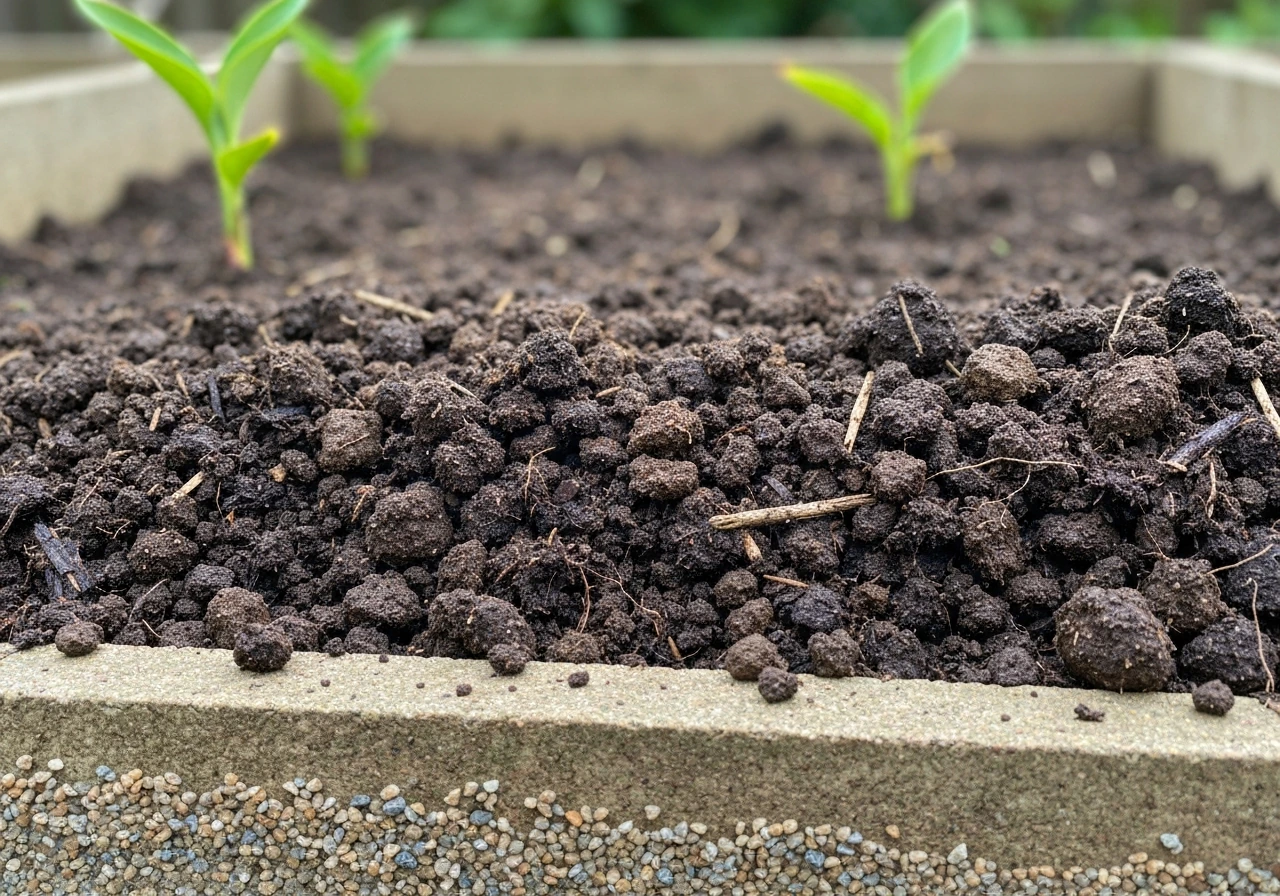
Cannas grow best in rich, organic soil. Think loose, loamy garden beds that have been amended with compost rather than tight, compacted clay. The ideal soil pH is around 6.5, which is slightly acidic and exactly what most garden soil already sits at naturally. If you are growing in containers, a quality potting mix with good drainage built in works perfectly.
Drainage is the single biggest soil issue with cannas. Poor drainage invites rhizome rot, which is caused by fungi like Sclerotium rolfsii and Fusarium that move in when roots sit in soggy conditions for too long. If your soil holds water after rain, either raise your beds, work in coarse sand or compost to improve structure, or grow cannas in containers where you control drainage entirely.
For watering, cannas like consistent moisture but not wet feet. A practical check: if the soil in the root zone feels dry and crumbly when you poke your finger a couple of inches in, it is time to water. During active summer growth, that might mean watering every few days in hot weather. Back off significantly in fall as plants slow down and head toward dormancy. Container-grown cannas dry out faster than those in garden beds, so check them more frequently, especially during heat waves.
How to plant canna rhizomes: depth, spacing, and timing
Canna rhizomes look a bit like lumpy ginger roots, and planting them correctly takes about two minutes once you know what you are doing. Spacing of 18 to 24 inches between cannas or rhizomes is commonly recommended to support healthy growth and airflow 18 to 24 inches apart. Here is the straightforward process:
- Wait until after your last frost date and soil has reached at least 60°F. If you want a head start, pot rhizomes indoors 4 to 6 weeks before last frost and place them on a sunny windowsill.
- Choose a spot with full sun and well-draining soil. Amend heavy soil with compost before planting.
- Lay the rhizome horizontally in the planting hole with the growing eye (the small bud or bump) facing upward.
- Cover with about 2 to 4 inches of soil. Deeper planting in cold or wet soil increases rot risk, so do not bury them too deep.
- Space rhizomes 18 to 24 inches apart. Cannas spread over time, and crowding them leads to competition and reduced flowering.
- Water in gently after planting. Do not saturate the soil; just settle it around the rhizome.
- Expect the first shoots to emerge within 2 to 3 weeks once soil is warm enough.
If you are planting in containers, use a pot at least 12 inches wide and deep with drainage holes. A free-draining compost-based potting mix works well. Container cannas are great for patios and can be moved indoors when temperatures drop, which makes them an excellent option if you want to skip the digging-and-storing routine entirely.
Fertilizing, mulching, and general upkeep
Cannas are heavy feeders and they respond visibly to regular fertilizing. At the start of the season, apply a 5-10-5 or 5-10-10 granular fertilizer to give them a strong foundation. During the growing season, keep feeding them with a balanced fertilizer once a month, or use a controlled-release fertilizer a couple of times a season so you do not have to think about it as often. The extra feeding pays off in bigger blooms and lusher foliage.
Mulching around your cannas is worth doing. A 2 to 3 inch layer of organic mulch keeps moisture in the soil, moderates root temperature, and suppresses weeds around the base of the plants. In colder zones, a thicker layer of mulch can also help protect rhizomes left in the ground during mild winters.
Deadheading spent flowers keeps the plants looking tidy and can encourage continued blooming, though cannas are not as bloom-dependent on deadheading as some other flowers. Simply snip off the spent flower cluster once it fades. When a full flowering stalk has finished, cut it back to the next set of leaves lower on the stem. Cannas will keep producing new stalks from the base all season long.
Pest pressure on cannas is generally light. The most common culprit is the canna leafroller caterpillar, which rolls itself inside leaves and chews through them. You will notice rolled or shredded leaves. Unrolling the leaf and removing the caterpillar manually works for small infestations, or use a Bt-based spray for larger problems. Clemson HGIC notes that lesser canna leafroller caterpillars can damage leaves in ways that may prevent leaves from unfurling or rolling, and Bt can be applied into rolled leaves when damage is advanced Bt-based spray. Japanese beetles can also visit cannas, but hand-picking them off in the morning is usually enough to manage them.
Growing cannas indoors and overwintering rhizomes
If you live in a cold climate, you have two good options: dig and store the rhizomes over winter, or grow cannas in containers that you move inside. Both work well.
Digging and storing rhizomes
After the first frost kills back the foliage, cut the stems down to about 6 inches and carefully dig up the rhizome clumps. Shake off loose soil, let them dry for a day or two, then pack them in boxes with slightly damp peat moss, vermiculite, or newspaper. Store them somewhere that stays around 45 to 50°F, like an unheated basement, attached garage, or root cellar. Check them once a month during winter; if they are shriveling, mist them lightly. If any look soft or rotten, cut away the affected section and dust the cut with sulfur powder before returning to storage.
Starting them early and growing indoors
You can pot stored rhizomes up in late winter, about 4 to 6 weeks before your last frost date, and treat them as houseplants in a warm, sunny spot until it is safe to move them outside. A south-facing window works well. This gives you a jump on the season and means your cannas may be blooming weeks earlier than your neighbors'. If you want to explore what indoor canna growing looks like long-term, that is a genuinely interesting route, though they do best with a warm, bright spot indoors and benefit from being moved outside for summer.
Common problems and how to fix them fast
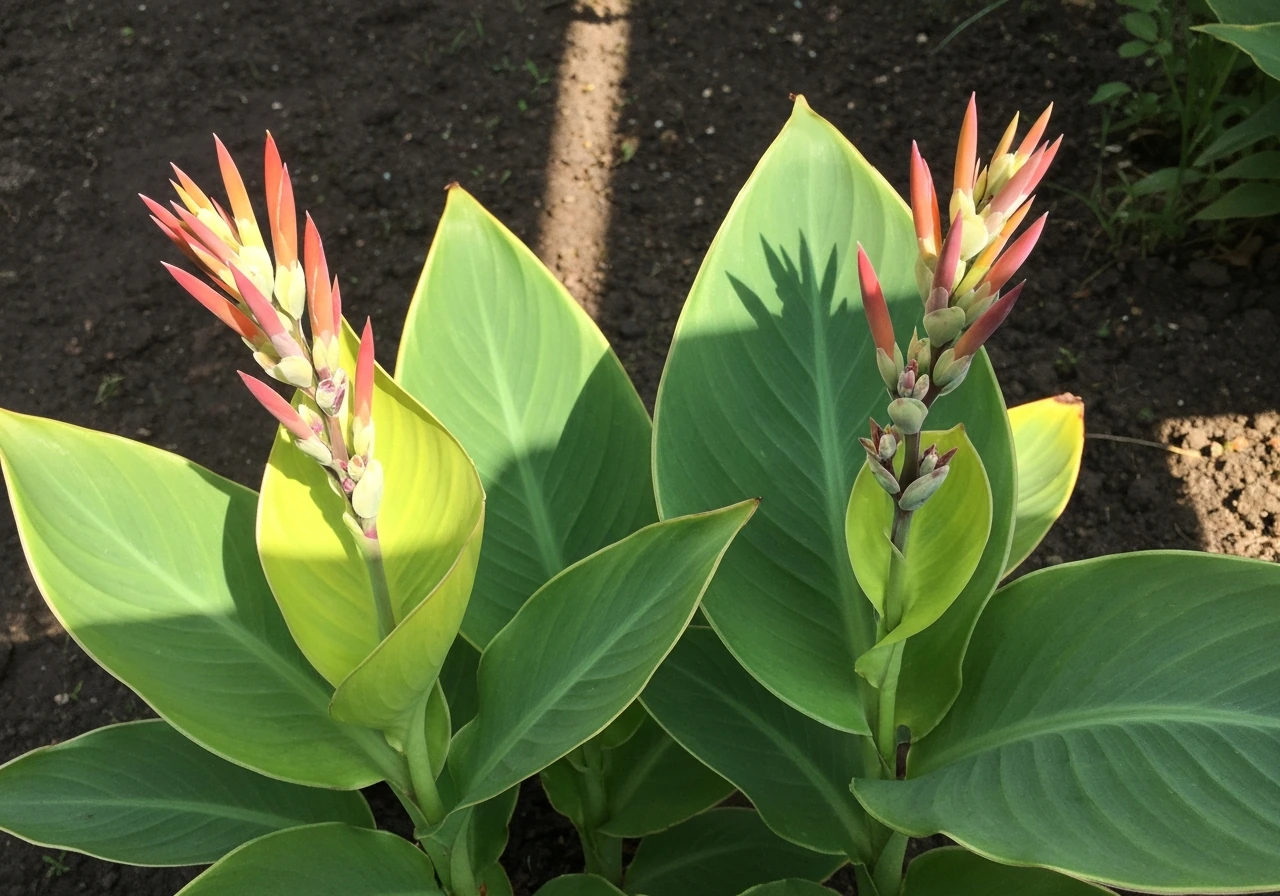
| Problem | Likely Cause | Fix |
|---|---|---|
| No blooms or very few flowers | Too much shade or not enough fertilizer | Move to a sunnier spot or add a balanced fertilizer; ensure at least 6 hours of direct sun daily |
| Yellowing leaves | Overwatering, poor drainage, or nutrient deficiency | Check drainage first; let soil dry slightly between waterings; apply a balanced fertilizer if soil is not waterlogged |
| Soft, mushy stem or base | Rhizome rot from waterlogged soil | Dig up rhizome, cut away rotten sections, dust with sulfur, replant in better-draining soil or a container |
| Rolled or shredded leaves | Canna leafroller caterpillar | Unroll leaves and remove caterpillars by hand; spray with Bt for larger infestations |
| Stunted growth after planting | Soil too cold at planting time | Be patient if weather is still cool; if soil was below 60°F, growth will resume once it warms |
| Rhizomes rotting in storage | Too much moisture or too warm in storage | Store at 45 to 50°F in barely damp medium; remove any rotted sections promptly and dust cuts with sulfur |
The good news about most canna problems is that they are either preventable with good site selection and drainage, or fixable once you diagnose what went wrong. Unlike some more finicky lily varieties, cannas rarely die from a single mistake. They bounce back readily once conditions improve, which is a big part of what makes them so satisfying to grow.
If you are still deciding whether cannas fit your space, it helps to think about where they grow best overall, how fast they grow in your conditions, and whether your specific setup lends itself to outdoor beds or indoor containers. If you are curious about how fast do canna lilies grow specifically, their growth speed mainly depends on warm soil, full sun, and consistent watering how fast they grow in your conditions. Those details can all shape how easy or demanding your experience ends up being. But for most gardeners who can give them sun, warmth, and decent soil, cannas are a genuinely rewarding plant to start with.
FAQ
If I’m a total beginner, are canna lilies easy to grow in my yard?
They can be, but only if you avoid the two common failure points. If your soil stays cold in spring or you tend to overwater, they will either sit without sprouting or rot at the rhizomes. For the easiest start, wait for soil to reach at least 60°F, then plant in a spot that drains well (or use a container).
Can I grow canna lilies in containers and still keep them low-maintenance?
Yes, as long as the containers drain freely and you provide enough light. Aim for at least 6 hours of direct sun, use a pot at least 12 inches wide and deep with drainage holes, and plan for more frequent watering because containers dry out faster.
What happens if I plant cannas in part shade or a dim corner?
If they are in deep shade, you might get weak growth and few blooms even if everything else is perfect. Cannas do best in full sun, at least 6 hours daily. If your space has only partial sun, expect less flowering and a leggier habit.
Do canna lilies survive if I plant them too early in spring?
Not immediately, but it usually leads to a slow, non-start that makes rot more likely. Cold, wet soil is the risky combo. If the forecast is still cool, wait to plant until the soil warms and canna-ready drainage is in place.
How often should I water canna lilies, and how do I know I’m not overdoing it?
Use a finger check at the root zone: water when the soil 2 inches down feels dry and crumbly. During active growth you may water every few days in heat, but in fall you should cut back as plants slow down.
Can I grow cannas in clay soil or wet ground?
Yes, but only if the soil dries between rains and you do not create soggy conditions. If your yard holds water after storms, raise beds, improve the bed with compost plus coarse material, or switch to container growing where you can control drainage.
How much fertilizer do canna lilies need, and what are common overfeeding mistakes?
A simple approach is to limit feeding to the schedule that matches the plant’s growth phase. Start with a 5-10-5 or 5-10-10 fertilizer early in the season, then feed monthly or use controlled-release. Too much nitrogen late in the season can encourage foliage at the expense of flowering.
What is the best temperature and moisture level for overwintering canna rhizomes?
Store them around 45 to 50°F, but do not let them freeze or stay consistently wet. After digging, dry them for a day or two, then pack with slightly damp peat moss or vermiculite. Check monthly, and if rhizomes shrivel, mist lightly.
When should I pot up rhizomes indoors, and how can I prevent legginess?
If you pot up stored rhizomes, potting too early or in low light can cause weak, stretched growth indoors. Pot in late winter, about 4 to 6 weeks before your last frost date, then place them in a warm, bright spot (a south-facing window works well).
Does deadheading actually increase flowering on canna lilies?
Yes. Deadheading helps the plants look tidy and can encourage continued production, but it is not the main driver of flowering. Cannas will keep sending up new stalks from the base after a stalk finishes, so focus on proper sun and drainage first if blooms are sparse.
My cannas grow well but barely bloom, what should I check first?
Some people fertilize heavily and get lots of leaves but few flowers. If that happens, check sun exposure first, then ensure you are not overfertilizing with nitrogen and that the rhizomes are not sitting in cold, wet soil early in the season.
What’s the easiest way to handle leafroller caterpillars or Japanese beetles on cannas?
For small infestations, hand removal is often effective. Unroll the leaf to remove canna leafrollers, and for larger problems a Bt-based spray can help. Japanese beetles are usually manageable by hand-picking in the morning.
Next Articles
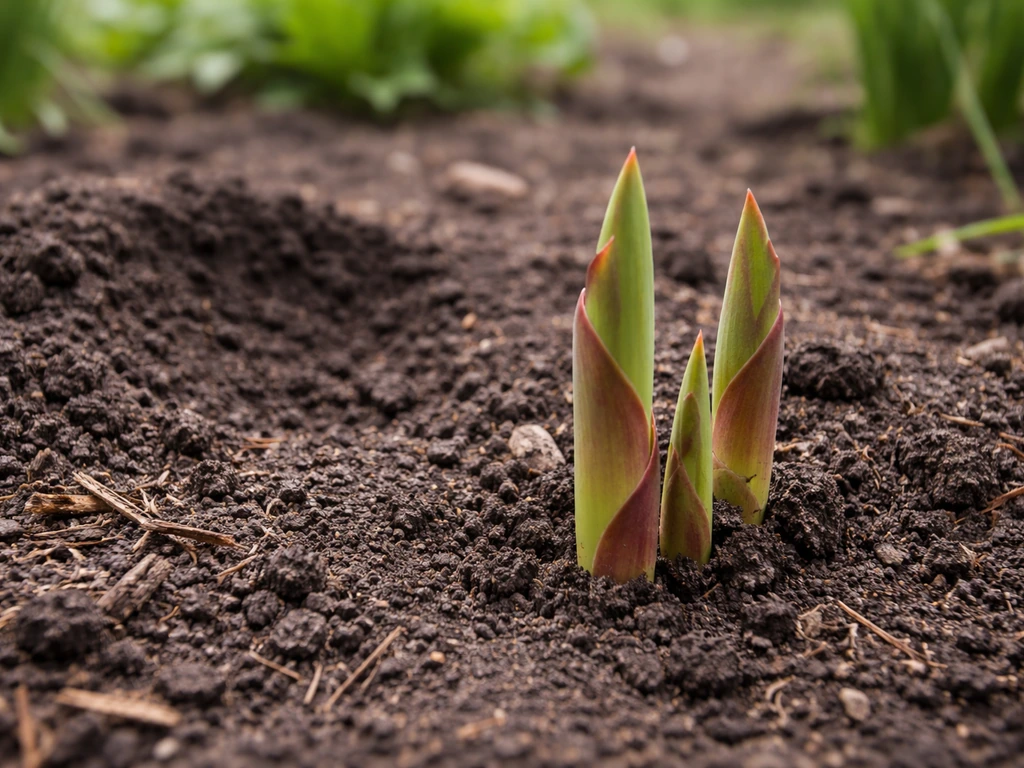
When Do Canna Lilies Start to Grow? Timing Guide
When canna lilies start to grow, including sprout timing, stage-by-stage expectations, and troubleshooting for cold soil
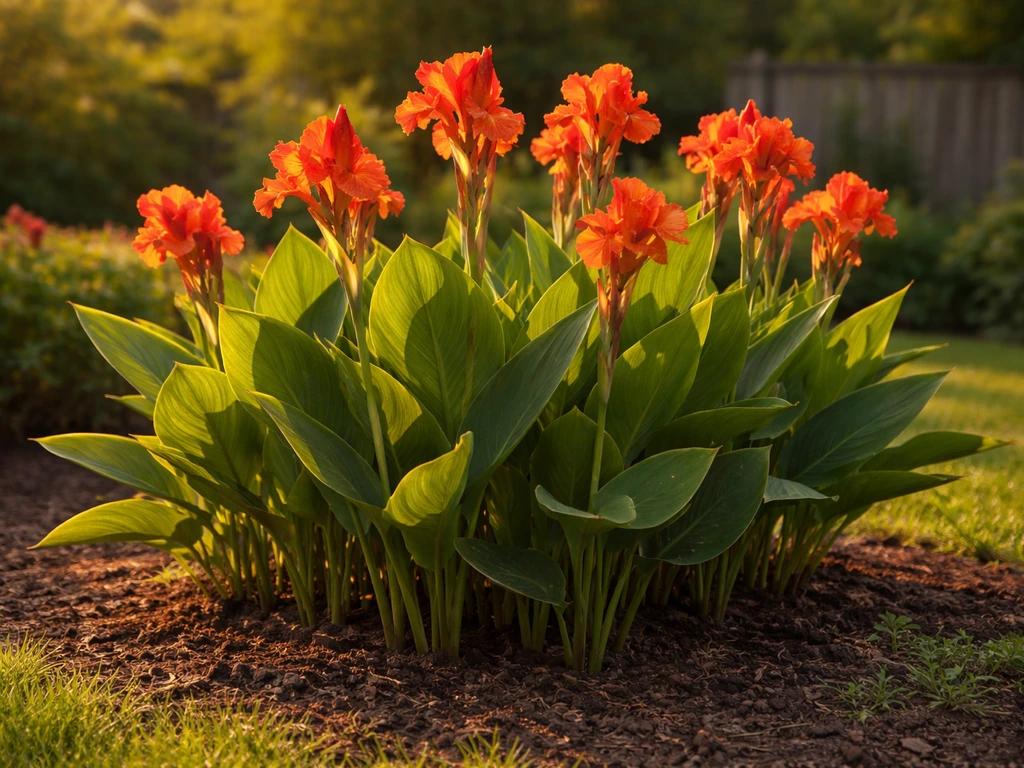
Where Do Canna Lilies Grow Best? Ideal Sun, Soil, Zone
Find where canna lilies thrive: best sun, soil drainage, moisture, and hardiness zones for beds or pots.
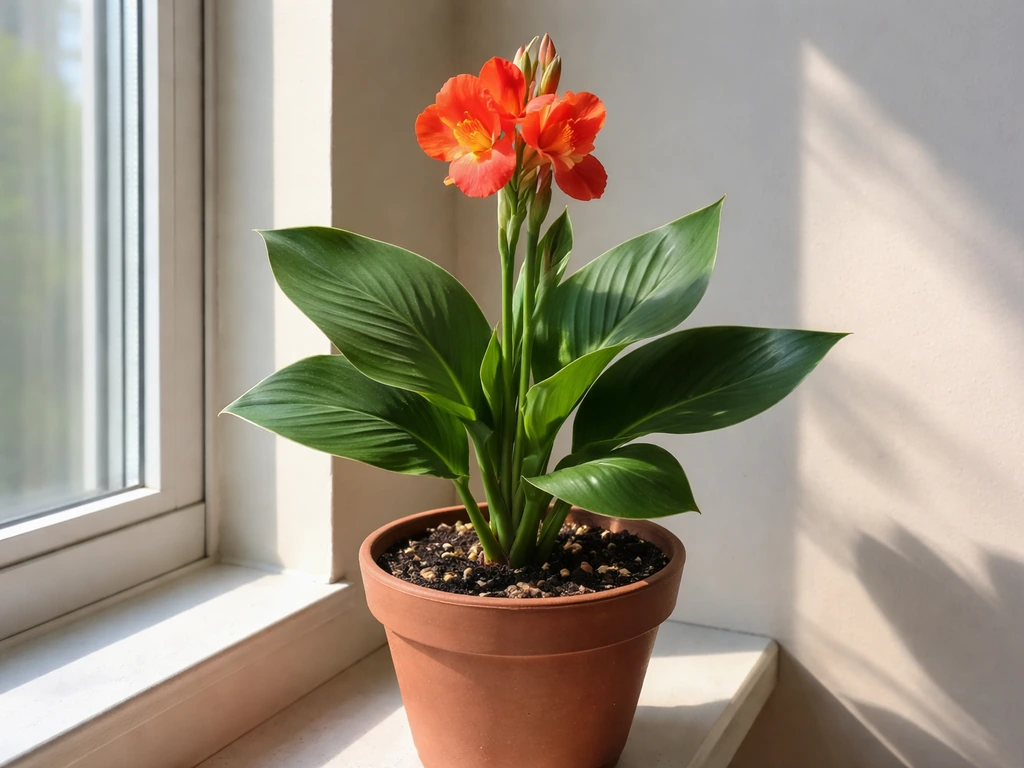
Can You Grow Canna Lily Indoors? How to Succeed
Yes, grow canna lilies indoors with strong light, warm temps, proper potting and drainage, plus watering and feeding tip