
Yes, rain lilies can absolutely grow indoors, and with the right setup they'll even bloom for you. The key things they need are a bright south-facing window (or a grow light running 6–8 hours a day), well-draining potting mix, and a watering routine that lets the soil partially dry between drinks. If you are also exploring other flowering bulbs, where do canna lilies grow best can help you compare the sun and watering requirements side by side. Get those three things right and you're most of the way there. Canna lilies typically start growing fairly quickly after planting, with new leaves and shoots emerging within a couple of weeks under good light and moisture grow indoors.
Can Rain Lily Grow Indoors? Care, Light, Water, and Blooming
Marcus Hendricks
11 May 2026
Wait, which 'rain lily' do you actually have?
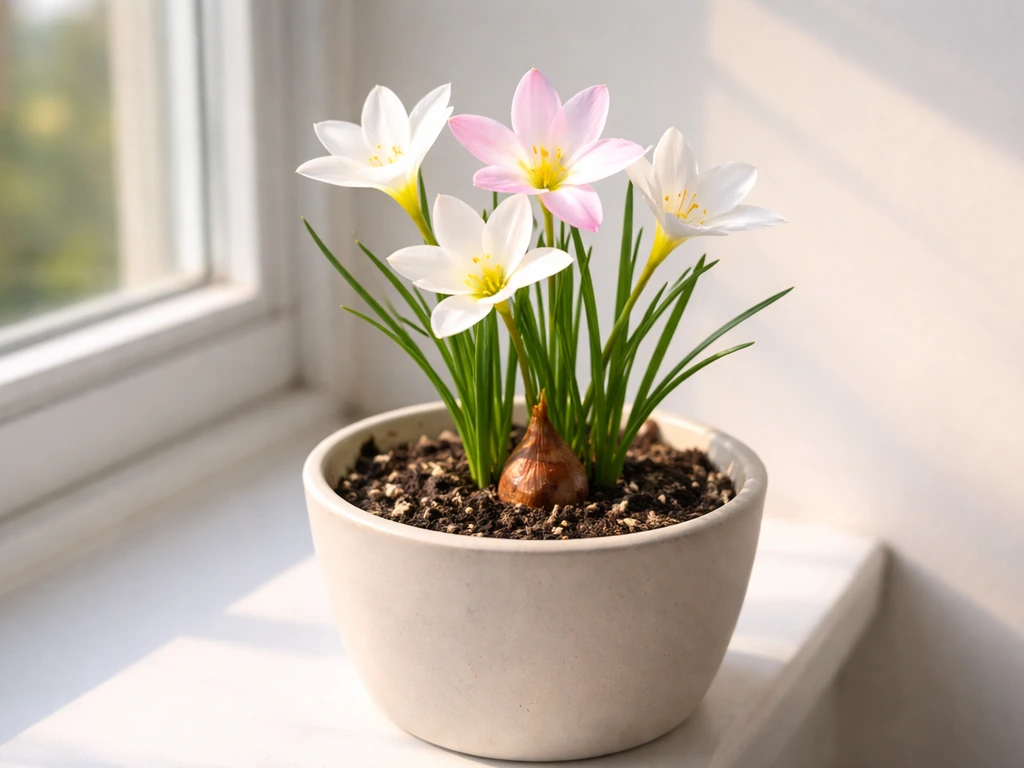
Before diving into care specifics, it's worth sorting out the name confusion. 'Rain lily' is one of those common names that gets slapped onto several different bulbs depending on who's selling it. The most likely candidates are Zephyranthes species (like the pink rain lily, Z. grandiflora, or white-flowered Z. candida, or yellow Z. citrina), but some sellers also label Hippeastrum (amaryllis) or even Hymenocallis as rain lilies. The care overlaps significantly since they're all in the Amaryllidaceae family and share similar cultural needs indoors, but it's worth checking your tag or asking the seller so you know what seasonal behavior to expect. For this guide, the core advice applies to all of them, with notes where they differ.
Are rain lilies actually a good fit for indoor growing?
Honestly, yes, though they're more work than a pothos. Rain lilies are bulb-based plants that are naturally adapted to cycles of moisture and drought, which makes them more forgiving of imperfect indoor conditions than a lot of tropical foliage plants. They're also compact, with grassy foliage and flowers that appear in flushes throughout the growing season (individual blooms only last a day or a few days, but the plant keeps pushing new ones). The main challenge indoors is light. These are plants that want full sun outdoors, so you'll need to put some thought into your window situation or invest in a grow light. If you can solve the light problem, the rest of the care is straightforward. Are canna lilies easy to grow is another question many people ask when choosing a new bulb or flowering plant for indoors or outdoors.
Light and temperature: what rain lilies need indoors
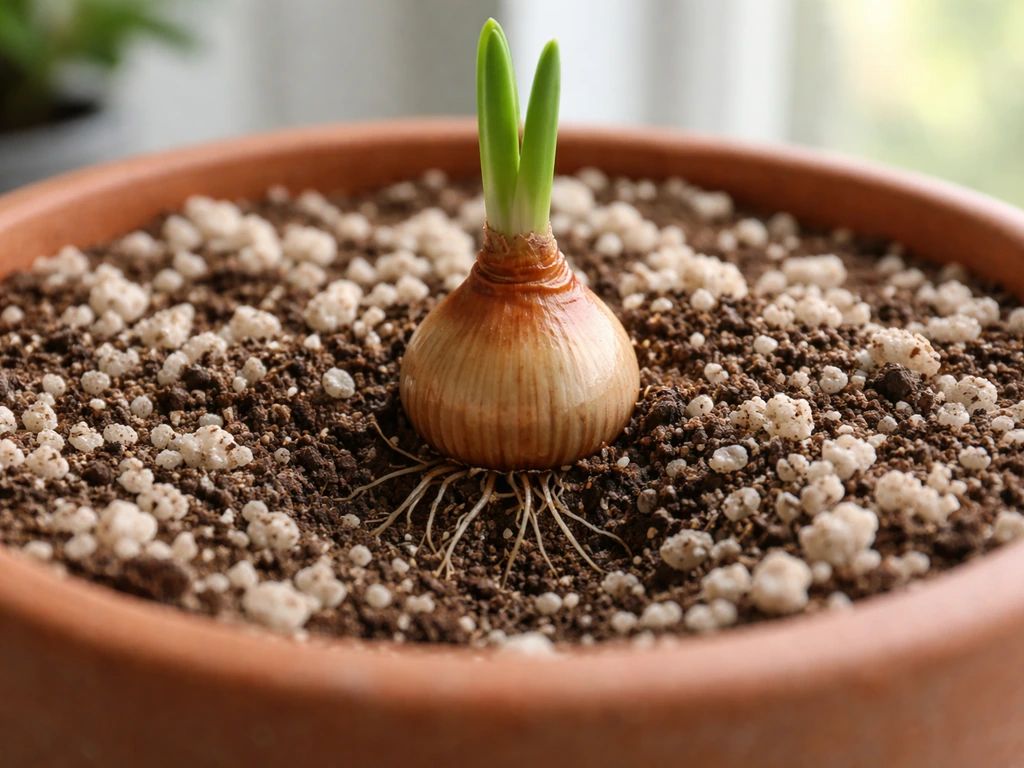
Rain lilies want 6–8 hours of direct or very bright indirect sunlight daily for good blooming. Outdoors that's full sun; indoors, a south-facing window is your best bet. East or west-facing windows can work for keeping the plant alive and growing foliage, but you're likely to see fewer flowers. The RHS categorizes Hippeastrum as needing bright, filtered light, and that description applies well to Zephyranthes too.
If your windows aren't cutting it, a full-spectrum LED grow light is a reliable fix. You're aiming for roughly 400–1,200 PPFD (micromoles of light per square meter per second) at the leaf level during the blooming phase. Most mid-range LED grow lights marketed for houseplants will hit that range at the recommended hanging distance. Run the light 6–8 hours per day on a timer and position the pot 12–18 inches below the fixture. Don't go purely by wattage when shopping for a grow light because wattage tells you energy consumption, not how much usable light actually reaches the plant.
Temperature-wise, rain lilies are comfortable in normal home temperatures during the growing season. Keep them in the range of 65–84°F (18–29°C) when actively growing. Avoid anything above 84°F (29°C), which is the upper limit Zephyranthes tolerates well. During their rest period (more on that in the seasonality section), they prefer cooler conditions around 45–55°F (7–13°C), so a cool basement, unheated garage, or a spare room with a cracked window in autumn can work well.
Container and potting mix: getting the foundation right
Container choice matters a lot with bulb plants. A pot that holds too much soil relative to the bulb will stay wet too long and invite rot. Go with a pot that's only a couple of inches wider than the bulb or bulb cluster, and make absolutely sure it has drainage holes at the bottom. No drainage holes is a non-negotiable dealbreaker with rain lilies; Illinois Extension is clear that containers without drainage holes dramatically increase root rot risk. If decorative covers or wrappers do not allow excess water to escape, Illinois Extension warns they can increase the risk of root rot decorative covers without drainage can increase root rot risk. Use a saucer underneath to protect your floor, but don't let water pool in the saucer between waterings.
For potting mix, you want something that drains fast and stays aerated. A standard commercial potting mix is usually fine as a base, but I'd cut it with about 25–30% perlite to open up the texture. NC State Extension recommends keeping sand or amendment additions to no more than one-third of the total mix and including perlite specifically to improve air space. A ready-made cactus/succulent mix blended 50/50 with standard potting mix also works well. The goal is a medium that stays moist briefly after watering but dries out relatively quickly rather than clinging to water.
Plant the bulbs with the tops just visible at the soil surface, similar to how you'd pot an amaryllis. UMN Extension recommends a pot at least 6 inches deep with drainage holes, and Faterra's Zephyranthes guidance specifically notes using a low, wide pot with bulb tops visible after the rest period. If you're planting multiple bulbs, you can cluster them fairly close together since bulb pots with crowded bulbs often bloom more readily.
Watering: the most important thing to get right
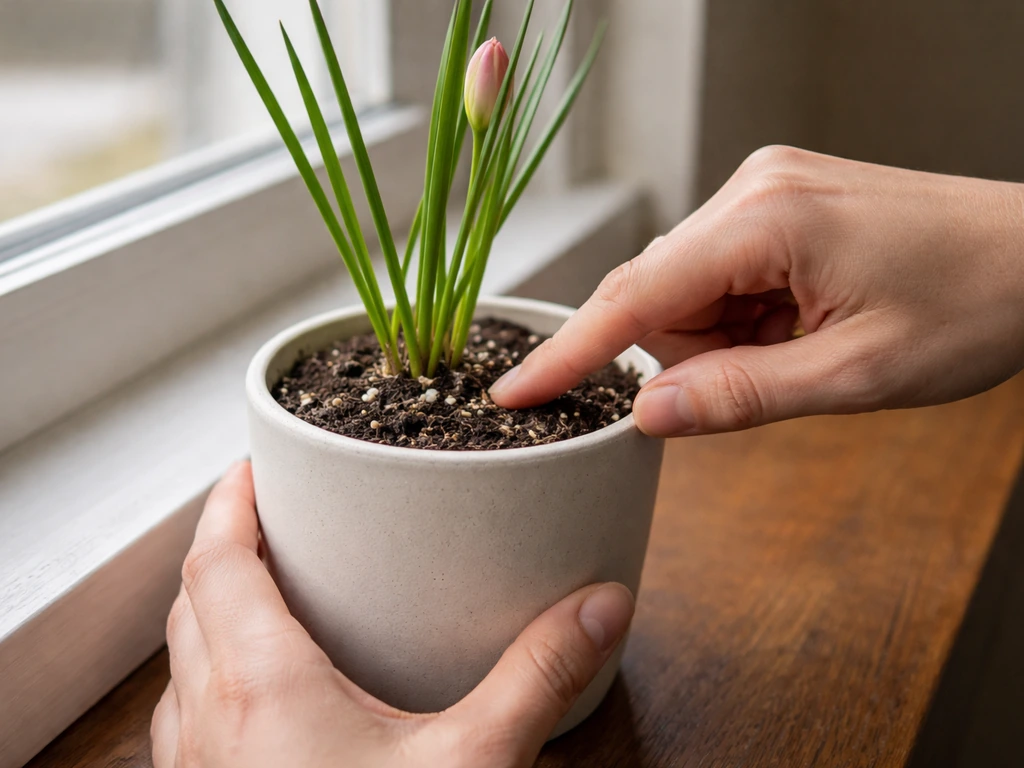
Wet feet kill rain lily bulbs. This is the number one cause of failure indoors, and I've seen it happen fast in winter when the plant isn't actively growing. The watering approach that works is simple: water thoroughly until water runs out the drainage holes, then wait. Illinois Extension also advises letting excess water drain out through drainage holes and avoiding waterlogged conditions, since reduced root oxygen can contribute to overwatering problems avoid overwatering/waterlogged conditions that reduce root oxygen. NYBG's guidance for Hippeastrum says to let the top half of the soil dry out between waterings. University of Maryland Extension gives similar advice: water thoroughly, then wait until the top of the soil is dry before watering again.
In practice, during the active growing season (spring through early fall), that might mean watering every 5–10 days depending on your pot size, soil mix, and indoor humidity. In winter when the plant is resting, you can drop to watering once every 3–4 weeks or even hold off almost entirely. To check soil moisture, push your finger about an inch into the soil. If it feels cool and damp, wait. If it's dry at that depth, go ahead and water.
Set the pot in the sink and water slowly until you see water flowing freely from the drainage holes, then let it drain completely before putting it back on the saucer. Never leave the pot sitting in standing water; UMN Extension is emphatic that letting bulbs sit in water promotes bulb and root rot and invites fungus gnats. While they grow best in a well-draining potting mix, they generally do not thrive long-term with roots sitting in water like true aquatic plants grow in water.
Feeding your rain lily and what to expect growth-wise
Rain lilies don't need heavy feeding, but regular fertilizing during the growing season does make a real difference in bloom production. Use a balanced liquid fertilizer (something like a 10-10-10 or a bloom-booster formula with higher phosphorus) diluted to half strength to avoid salt buildup in the pot. Apply it every 2–3 weeks from the time you see active growth through early fall. Chicago Botanic Garden advises not fertilizing while plants are in bloom, then resuming after flowers fade. Stop feeding entirely once the plant starts going into its rest period.
Indoors, expect a slightly slower pace than you'd see outdoors. Zephyranthes produces multiple bloom flushes across a season, but indoors you may get fewer flushes than a plant baking in a sunny garden bed. Each individual flower only lasts a day to a few days, which surprises some people, but the plant keeps pushing new ones if it's happy. Hippeastrum types are a bit different: they tend to produce one or two dramatic flower stalks per season with fewer but larger blooms. Either way, realistic indoor expectations mean enjoying the foliage as much as the flowers and being patient.
Troubleshooting common indoor problems
No blooms
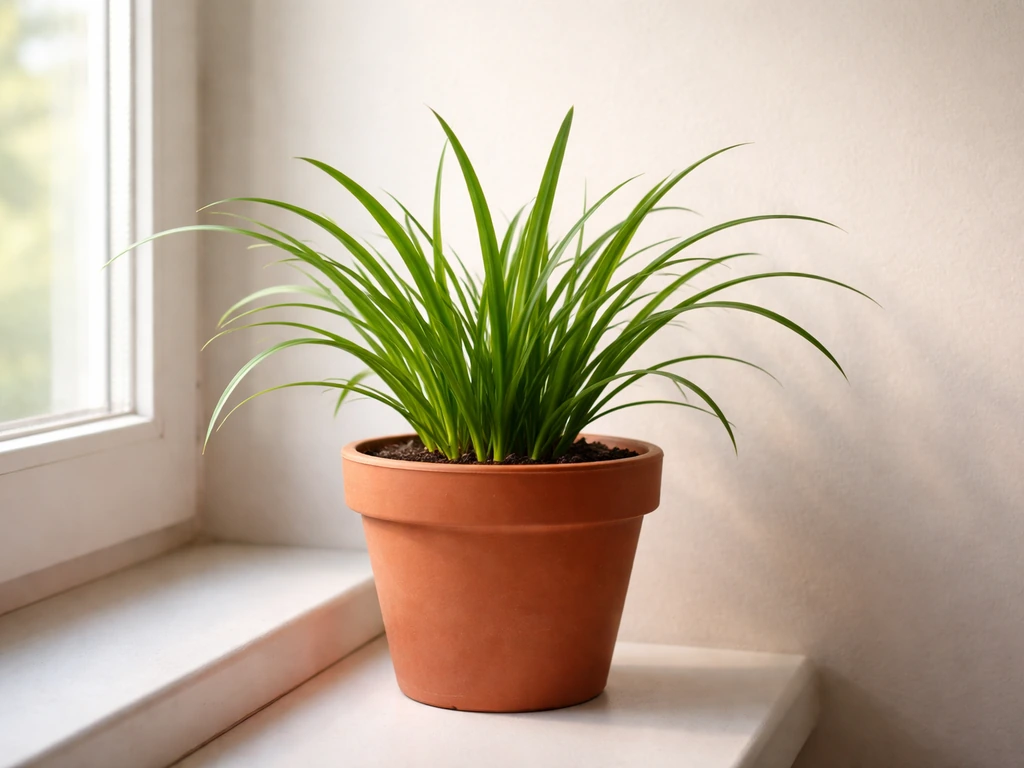
The most common cause is not enough light. If your plant is growing foliage but not flowering, move it to a brighter spot or add a grow light. The second most common cause is skipping or shortening the dormancy period. UK Houseplants notes that insufficient dormancy is one of the top reasons amaryllis and similar bulbs fail to rebloom. If you've been keeping the plant warm and watered year-round, it may never get the rest signal it needs to set new flower buds.
Yellowing leaves
Yellow leaves usually point to overwatering. UMN Extension lists yellowing leaves as a direct consequence of overwatering or letting plants sit in water. Check the soil, let it dry out more between waterings, and inspect the bulb for soft or mushy spots. Some yellowing is normal as the plant approaches dormancy in fall, so context matters. If leaves are yellowing during active growing season, water less.
Bulb rot
If you pull the bulb out and it feels soft, smells off, or has discolored patches, rot has set in. Hippeastrum is also susceptible to Stagonospora curtisii, a fungal disease that shows up as red or orange lesions on the bulb and foliage. Remove any soft or rotted sections with a clean knife, let the bulb dry for a day or two, dust the cut area with sulfur powder or cinnamon as a natural antifungal, and repot in fresh dry mix. Cut back on watering significantly going forward.
Pests
The main indoor pest suspects are mealybugs (look for cottony white clumps at leaf bases and in bulb crevices), thrips (tiny fast-moving insects that leave silvery streaking on leaves), and fungus gnats (small flies hovering around the soil, which signal the soil is staying too wet). RHS and Penn State Extension both flag mealybugs and thrips as common indoor sap feeders. For mealybugs and thrips, wipe leaves with a cotton swab dipped in isopropyl alcohol and follow up with neem oil or insecticidal soap spray. For fungus gnats, let the soil dry out more between waterings and consider a sticky trap near the pot.
Stalled growth
If the plant just sits there doing nothing during spring and summer, check light first, then soil temperature. Cold drafts from air conditioners near the pot can stall tropical bulbs even when indoor air temperatures seem fine. Make sure the pot isn't sitting directly against an air conditioning vent or a cold window in winter.
Managing dormancy, repotting, and the seasonal cycle
Rain lilies are seasonal growers, and respecting that cycle is what keeps them healthy and reblooming year after year. In late summer or early fall (typically August to September in the northern hemisphere), start cutting back on watering and stop fertilizing. The foliage will start to yellow and die back; that's normal and expected. Once the leaves die back, move the pot to a cool, dim location in the range of 45–55°F (7–13°C) for about 8–10 weeks. A cool basement, the back of a closet in a cool room, or an unheated spare room works. During this rest period, water only enough to keep the bulb from completely desiccating (once every 3–4 weeks, just a small amount). Faterra's guidance for Zephyranthes specifically says to reduce watering in winter so bulbs don't rot during rest.
After 8–10 weeks, bring the pot back to a warm, bright location. Water it lightly and within a few weeks you should see new growth pushing up from the bulb. After that rest period, new growth usually appears within a few weeks, so that's when your canna lilies start to grow. That's your cue to resume regular watering and fertilizing. Hippeastrum types typically push a flower stalk before leaves appear, which is one of the fun surprises of this family.
Repotting is best done at the end of dormancy, just before you bring the bulb back into warmth. This is the ideal time to inspect bulbs for rot, refresh the potting mix, and move to a slightly larger container if the bulb has been producing offsets (baby bulbs around the base). Don't go dramatically larger with pot size; a container just big enough to fit the bulb or bulb cluster with an inch or two of clearance around the sides is ideal. NC State Extension warns that containers with too much unfilled soil space retain excess moisture and increase rot risk. Use fresh potting mix and perlite rather than reusing old mix, which can harbor pathogens.
Quick reference: indoor rain lily care at a glance
| Care Factor | What to Do |
|---|---|
| Light | South-facing window or grow light; 6–8 hours of bright light daily |
| Temperature (growing) | 65–84°F (18–29°C) |
| Temperature (dormancy) | 45–55°F (7–13°C) for 8–10 weeks |
| Pot | Drainage holes required; only a couple inches wider than the bulb |
| Potting mix | Standard potting mix + 25–30% perlite, or 50/50 cactus mix and potting mix |
| Watering (active) | Water thoroughly, then let top half of soil dry before watering again |
| Watering (dormancy) | Once every 3–4 weeks, very lightly |
| Fertilizing | Balanced liquid fertilizer at half strength every 2–3 weeks during growing season; stop during dormancy |
| Repotting | End of dormancy, before new growth starts; refresh mix annually |
Your next steps today
If you're starting from scratch, source your bulb from a reputable seller and ask specifically whether you're getting Zephyranthes, Hippeastrum, or another variety marketed as rain lily. Set up your pot with drainage holes and a perlite-amended mix before the bulb arrives. Find your sunniest window or order a basic LED grow light. If you already have a rain lily that's struggling, check soil moisture first, then light levels, then look the bulb over for rot. Most indoor rain lily problems trace back to one of those three things. Get the light, drainage, and dormancy cycle right, and this is genuinely one of the more rewarding bulbs you can grow on a windowsill. If you're also wondering can you grow canna lily indoors, the same idea applies: choose bright light, a well-draining pot, and a consistent watering routine.
FAQ
Can rain lily grow indoors year-round, or does it need a rest period?
It can, but only if the plant gets enough light. A north window usually keeps rain lily too dim to bloom, you may see leaves with no flowers. If you use a window that is not south-facing, plan to supplement with a grow light for about 6 to 8 hours a day and keep the pot close enough to reach the leaf level.
Why does my indoor rain lily keep growing leaves but never blooms?
Yes, but you should treat it as seasonal. Most rain lily types need a cool, dim dormancy of roughly 8 to 10 weeks to rebloom reliably. If you keep it warm, bright, and watered all winter, it may stay green but often will not produce new flower flushes.
Should I fertilize my rain lily right away after it starts sprouting indoors?
Check the bulb and soil before adding more fertilizer. Overfeeding rarely fixes a light or watering problem, and it can worsen rot if the soil stays wet. If the bulb feels firm and the soil dries properly, then fertilize at half strength every 2 to 3 weeks during active growth, and stop once blooms are fading.
Can I leave water in the saucer under the pot to keep the humidity up?
Usually, no. After watering, empty any water that collects in the saucer after the pot finishes draining. Leaving the pot sitting in pooled water increases bulb rot risk and also attracts fungus gnats.
When is the best time to repot an indoor rain lily?
Yes, repot after dormancy ends, when you bring the plant back to warmth and light. This is the easiest time to inspect for softness or rot, refresh the mix, and separate offsets if you see small bulbs attached at the base.
My rain lily leaves are turning yellow, what should I do?
It is usually a sign of overwatering or slow-drying soil. Confirm by checking moisture about an inch down, if it feels damp or cool, wait longer before watering. Also verify the pot has drainage holes and that your mix includes perlite or another aerating component.
How do I get rid of fungus gnats on my indoor rain lily?
Fungus gnats indicate consistently wet soil. Let the top half of the soil dry more between waterings, consider a sticky trap near the pot, and avoid bottom-watering that leaves the mix constantly saturated.
How can I tell if my grow light is strong enough for indoor rain lily blooming?
Test your setup by observing the light distance and timing. Many houseplant LEDs are marketed by wattage, but you need enough intensity at the leaf level. Position the lamp so you get strong light on the plant and use a timer for 6 to 8 hours per day during the blooming phase.
What are the signs of bulb rot, and can I save the bulb?
Soft or mushy bulbs, a sour or unpleasant odor, and discolored patches are rot warnings. Remove affected sections with a clean knife, dry the bulb for a day or two, dust the cut areas (cinnamon works), and repot into completely fresh, dry mix before watering sparingly.
Next Articles
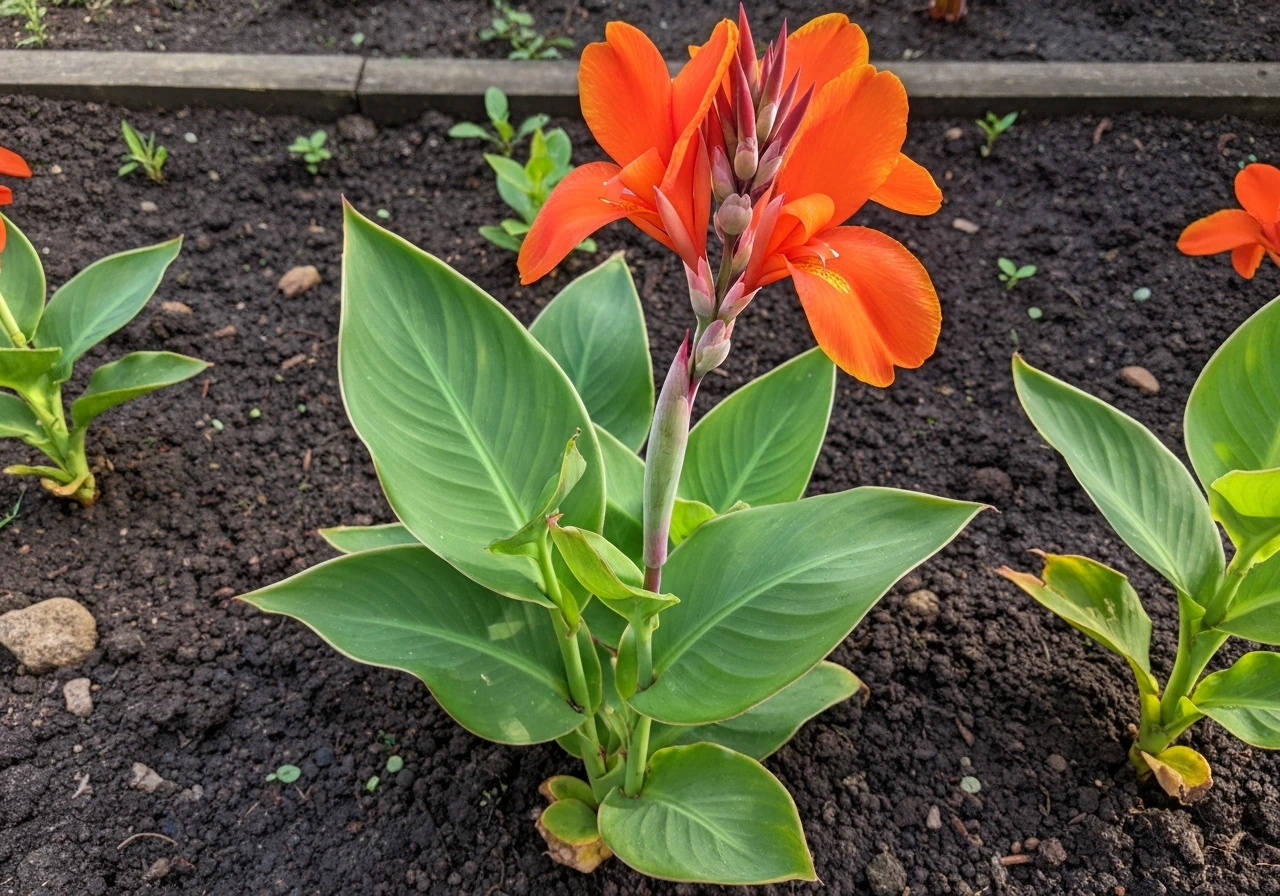
Are Canna Lilies Easy to Grow? Simple Guide to Success
Yes they can be. Learn light, warmth, soil drainage, watering, planting canna rhizomes, and fixes for blooms and yellow
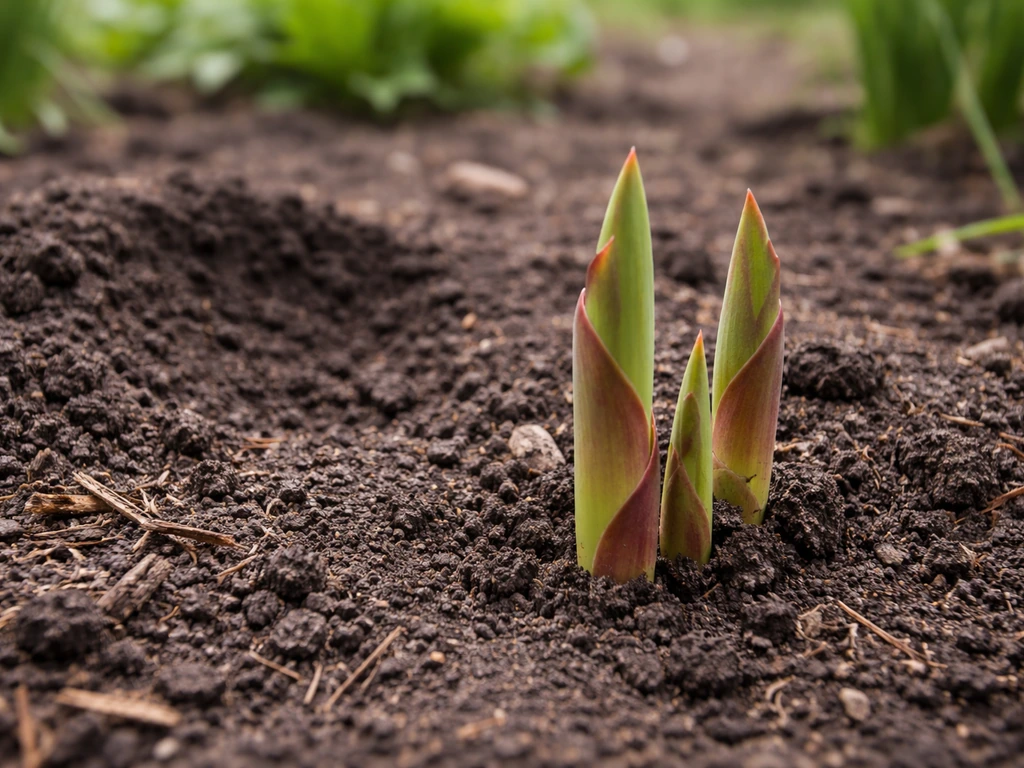
When Do Canna Lilies Start to Grow? Timing Guide
When canna lilies start to grow, including sprout timing, stage-by-stage expectations, and troubleshooting for cold soil
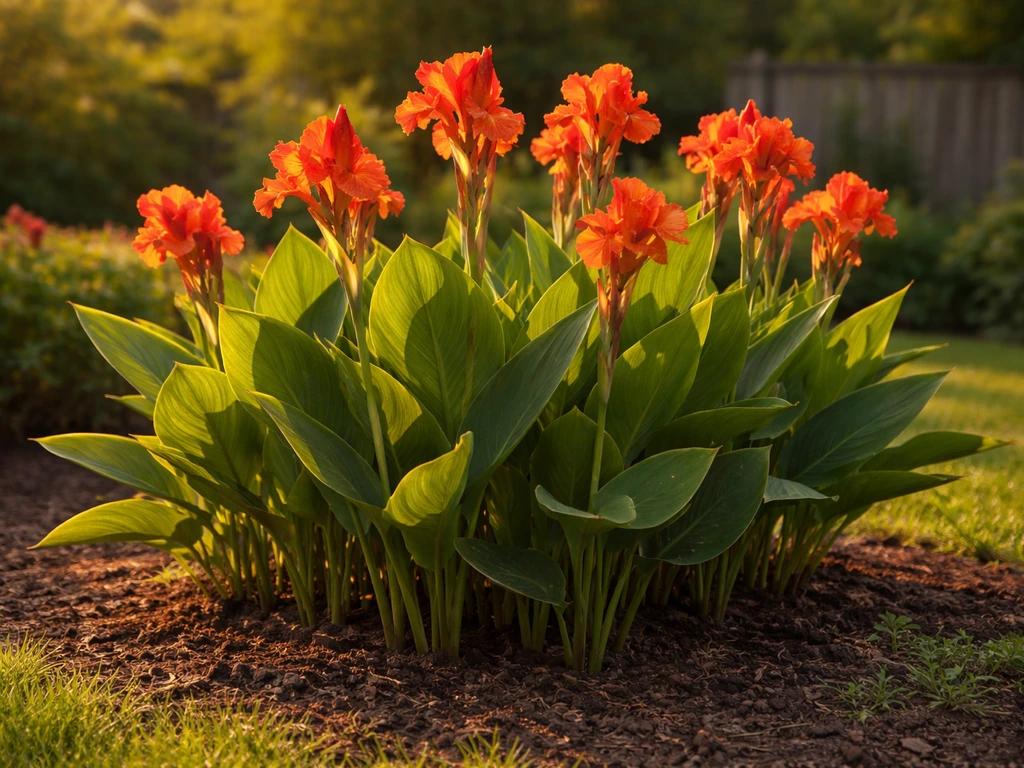
Where Do Canna Lilies Grow Best? Ideal Sun, Soil, Zone
Find where canna lilies thrive: best sun, soil drainage, moisture, and hardiness zones for beds or pots.