
Lily pads (true water lilies, genus Nymphaea) cannot grow in saltwater. If you are also wondering how fast lily pads grow under good conditions, growth rate depends mainly on temperature, light, and how quickly the plant can establish how fast do lily pads grow. If you're wondering what blooms appear on lily pads, true water lilies produce the familiar cup-shaped flowers above the surface what flowers grow on lily pads. They are freshwater plants, full stop. A little incidental salt, like a trace of mineral runoff in a pond, probably won't kill them outright, but anything approaching brackish conditions will stress them badly, and actual ocean or near-ocean salinity will kill them. If you're troubleshooting a setup where your lily pads are struggling or refusing to grow, salt in the water is one of the first things to check, and this guide will walk you through exactly how to diagnose it and what to do next.
Can Lily Pads Grow in Saltwater? Conditions to Try
First, make sure we're talking about the same plant
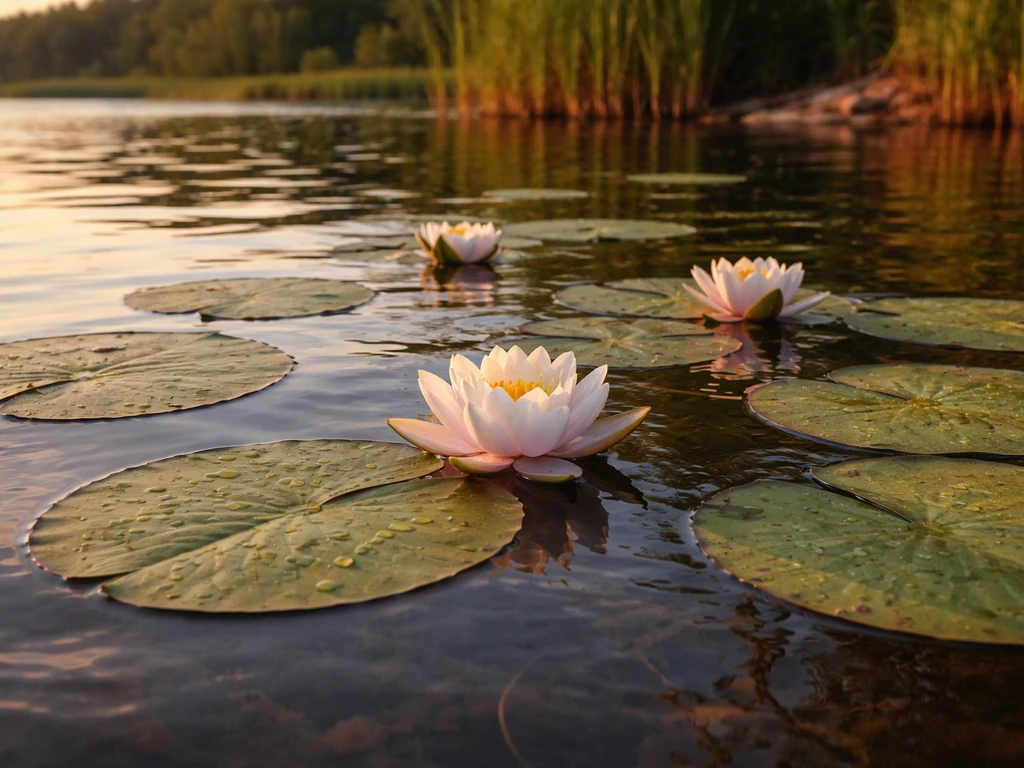
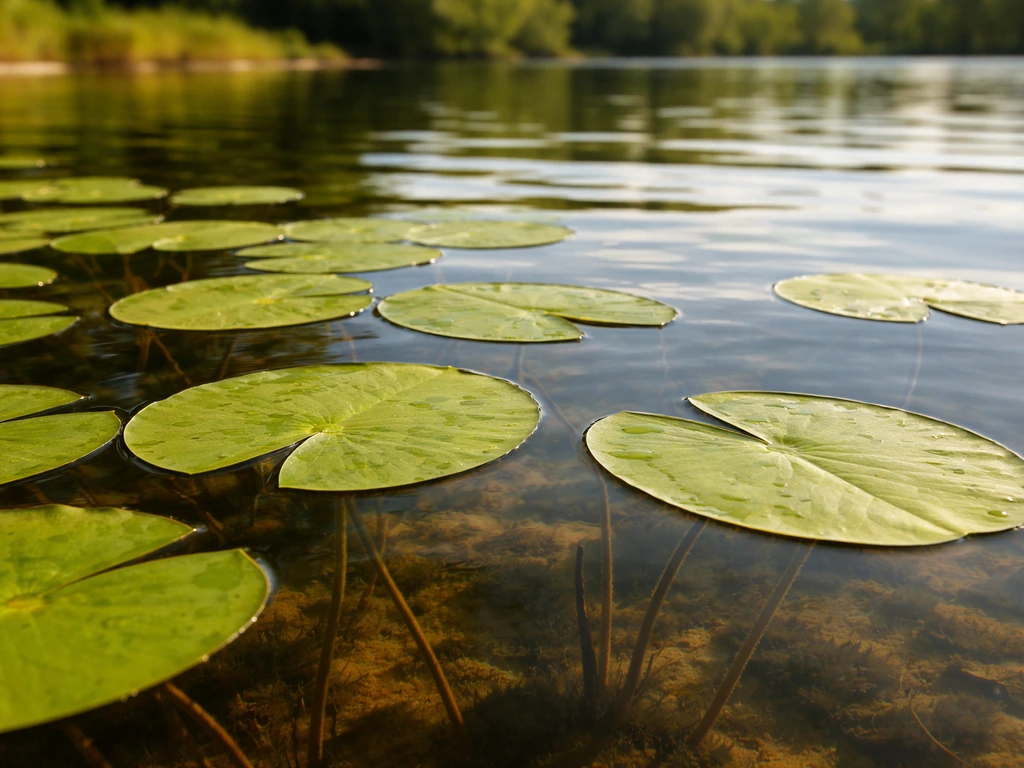
"Lily pads" specifically means the large floating leaves produced by true aquatic water lilies, plants in the genus Nymphaea (and closely related genera like Victoria). These are the pond plants with round, flat leaves that float on the surface and produce those classic cup-shaped flowers. That's what this article is about.
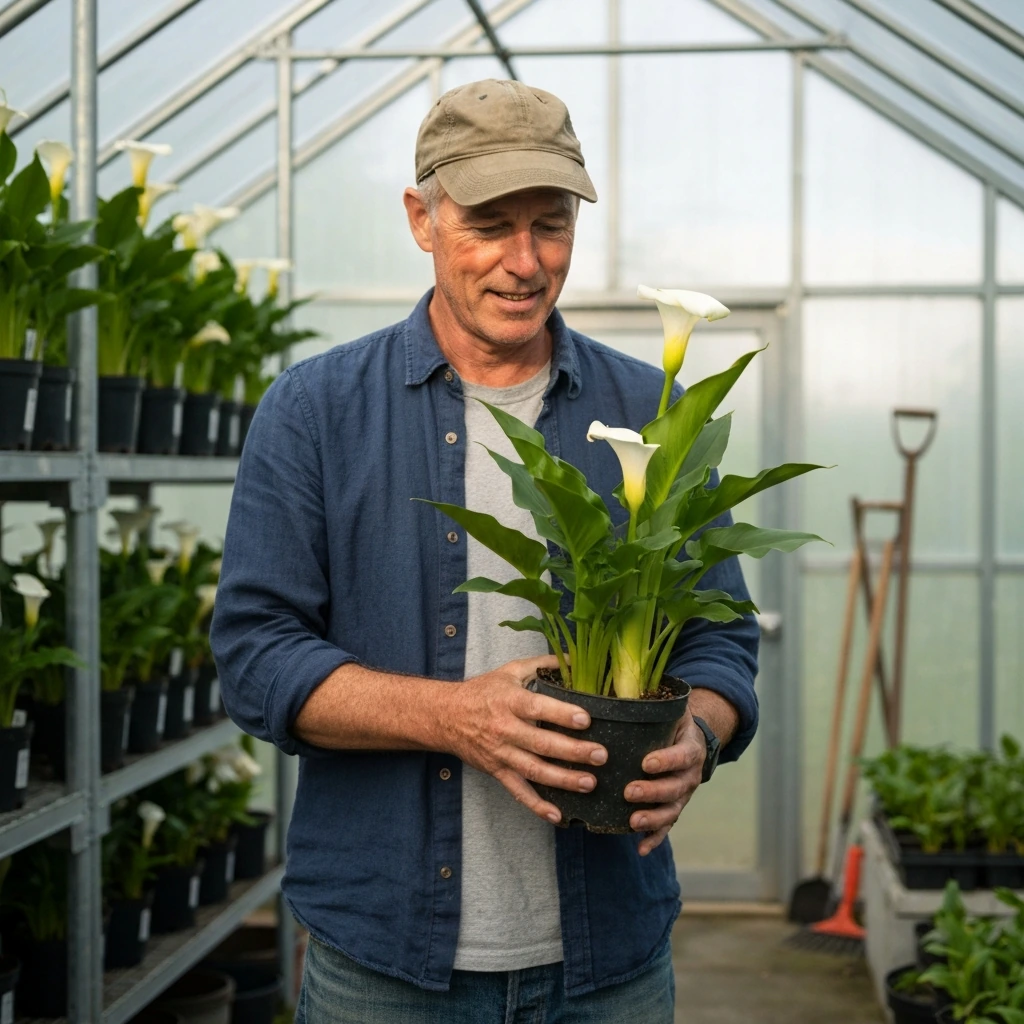
There's a lot of confusion because the word "lily" gets attached to completely different plants. Peace lilies, calla lilies, and daylilies are all terrestrial or semi-terrestrial plants with no floating leaf structure at all. They don't produce lily pads. If you're growing one of those and wondering about saltwater, the concern is different: calla lilies and peace lilies grow in potting mix and need humid, moist (but not waterlogged) soil, while daylilies are garden bed plants. None of them tolerate salty soil or water well either, but they're not aquatic plants and the same pond-salinity logic doesn't apply. The saltwater question is squarely about Nymphaea and its relatives growing in ponds or water features.
Freshwater vs. brackish vs. ocean: where lily pads actually stand
Water lilies are glycophytes, meaning they evolved in and depend on fresh water. They don't have the cellular machinery that halophytes (plants like mangroves that thrive in salty, coastal environments) use to manage salt toxicity. When salt enters the picture, two things happen to a water lily: osmotic stress makes it harder for roots to pull water in even when surrounded by water, and sodium and chloride ions accumulate in plant tissues to toxic levels while blocking uptake of nutrients the plant actually needs, like potassium, calcium, and nitrate.
Research on Nymphaea 'Colorado' showed that visible salt-stress symptoms appeared and increased as salinity was raised from 50 mM NaCl upward through 200 mM NaCl over 30 days, with significant inhibition of both leaf and root growth at high concentrations. A vegetation survey from Scotland found floating water lily leaves surviving at a salinity of about 1.3%, which is roughly a quarter of ocean salinity (seawater runs around 3.5%). That's the outer edge of documented survival, not a comfortable growing condition. At or above 100 mM NaCl, seed germination in Nymphaea is severely reduced, and even flushing the saline water out afterward doesn't fully reverse the damage.
| Water Type | Approximate Salinity | Lily Pad Outcome |
|---|---|---|
| Fresh water | 0–500 mg/L (0–0.05%) | Ideal growing conditions |
| Lightly brackish (e.g., mineral-rich well water) | 500–1,000 mg/L | Marginal, may show stress over time |
| Brackish (e.g., tidal influence, road salt runoff) | 1,000–10,000 mg/L (~0.1–1%) | Stress, poor growth, eventual decline |
| Moderately brackish to coastal | 10,000–20,000 mg/L (~1–2%) | Survival only at lower end; documented damage above 1.3% |
| Ocean / full seawater | ~35,000 mg/L (~3.5%) | Fatal |
For a comparison point: Nymphoides peltata, a fringed water-lily lookalike (not a true Nymphaea), doesn't occur in waters averaging above about 300 mg/L salinity. Even salt-tolerant aquatic plants like Vallisneria are typically limited to specific gravity no higher than about 1.003, which is roughly 10% of ocean salinity. True water lilies sit at the freshwater end of that spectrum.
How to test your water and figure out what you're dealing with
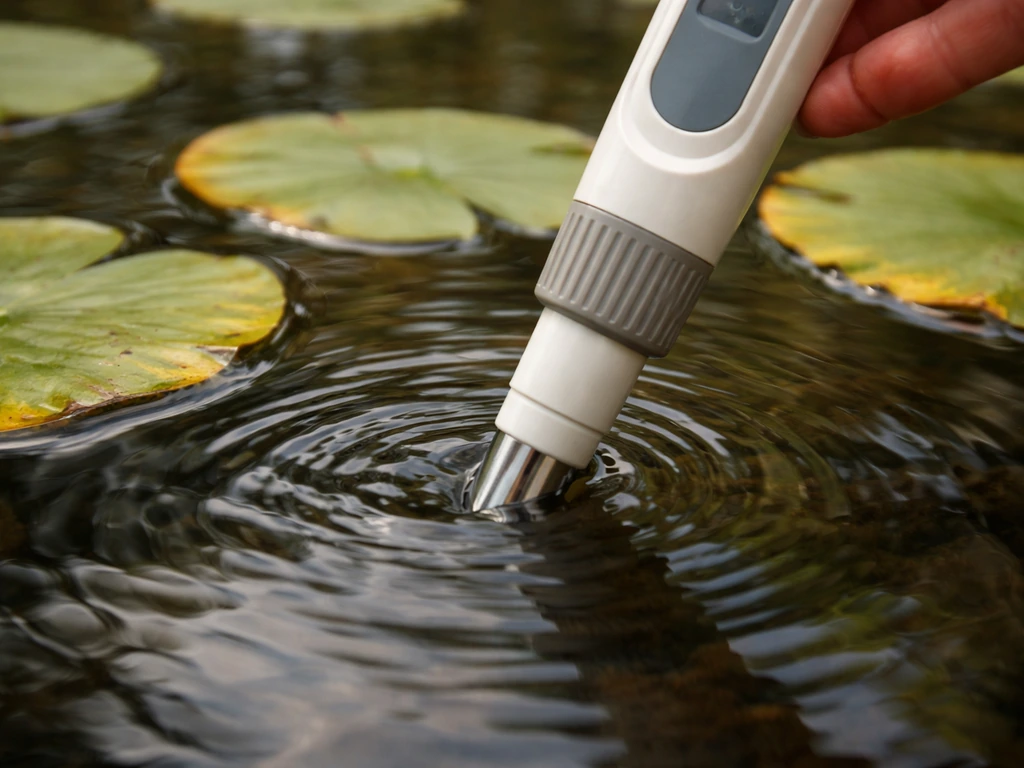
If your lily pads are yellowing at the margins and tips, wilting despite being surrounded by water, producing small or few leaves, or simply refusing to establish after planting, salinity is worth checking right away alongside light and depth issues.
The easiest tool is an EC (electrical conductivity) or TDS (total dissolved solids) meter, both of which are inexpensive and widely available. These meters give you a quick estimate of dissolved minerals in your water. EC is typically measured in microsiemens (µS/cm) or millisiemens (mS/cm), while TDS reads in milligrams per liter (mg/L) or parts per million (ppm). Salinity can be expressed in practical salinity units (PSU), parts per thousand (ppt), or percentage. A reading below 500 mg/L TDS is generally fine for water lilies. If you're seeing readings above 1,000 mg/L, your water has enough dissolved salts to cause stress over time.
If you don't have a meter, think about your water source. Well water in coastal or arid regions can carry naturally elevated minerals. Ponds near roads get road salt runoff in winter and spring. If you're filling a container or pond from a municipal supply and adding fertilizer, check that you haven't accidentally oversalted the water with fertilizer salts. Irrigation water from agricultural areas can also carry elevated salt loads. Any of these scenarios can push your pond into the problem zone without it looking or tasting salty.
To confirm salt-specific damage rather than a nutrient issue, look at where the symptoms show up. Salt stress typically causes yellowing that starts at leaf margins and tips and moves inward. General nutrient deficiency tends to show different patterns (pale overall color, yellowing between veins). Root damage from salt may not be visible above the waterline, but stunted growth and wilting despite apparent water availability are strong signals.
Getting the planting setup right: substrate, depth, and rhizome placement
Even with perfect water quality, a water lily planted incorrectly won't thrive. Here's what actually matters for the physical setup.
Substrate and containers
Use a heavy clay-based loam or a purpose-made aquatic planting mix in a wide, shallow basket or container. Avoid standard potting mix, which floats and falls apart underwater. Most growers line aquatic baskets with hessian or a similar material to keep soil from leaking into the pond while still allowing root growth. The container should be wide rather than deep, since water lily rhizomes grow horizontally.
Rhizome placement
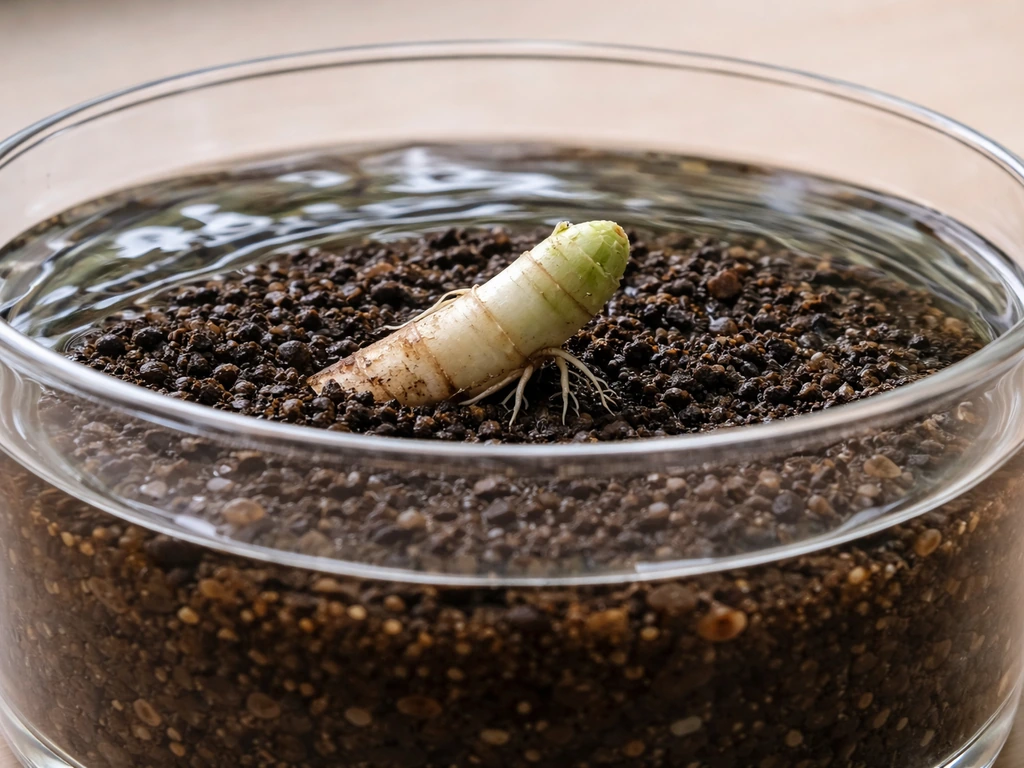
The growing tip (crown) of the rhizome should sit at or just barely below the soil surface, angled toward the center of the container. Burying the crown too deeply can kill the plant. This is one of the most common mistakes I see in new water gardeners: they pack the rhizome down thinking it needs to be fully covered, and then wonder why nothing comes up.
Water depth
Most Nymphaea varieties grow well with 15 to 60 cm (about 6 inches to 2 feet) of water above the soil surface, depending on the cultivar size. How deep lily pads grow depends on the cultivar, but most Nymphaea do best with about 15 to 60 cm of water above the soil surface. Miniature varieties do fine at shallower depths; larger varieties need more room. Placing a container too deep for a small lily in a large basket is a common setup mistake: the plant simply can't stretch its leaf stems far enough to reach the surface. Start shallower and lower the container gradually as the plant establishes.
Fertilization
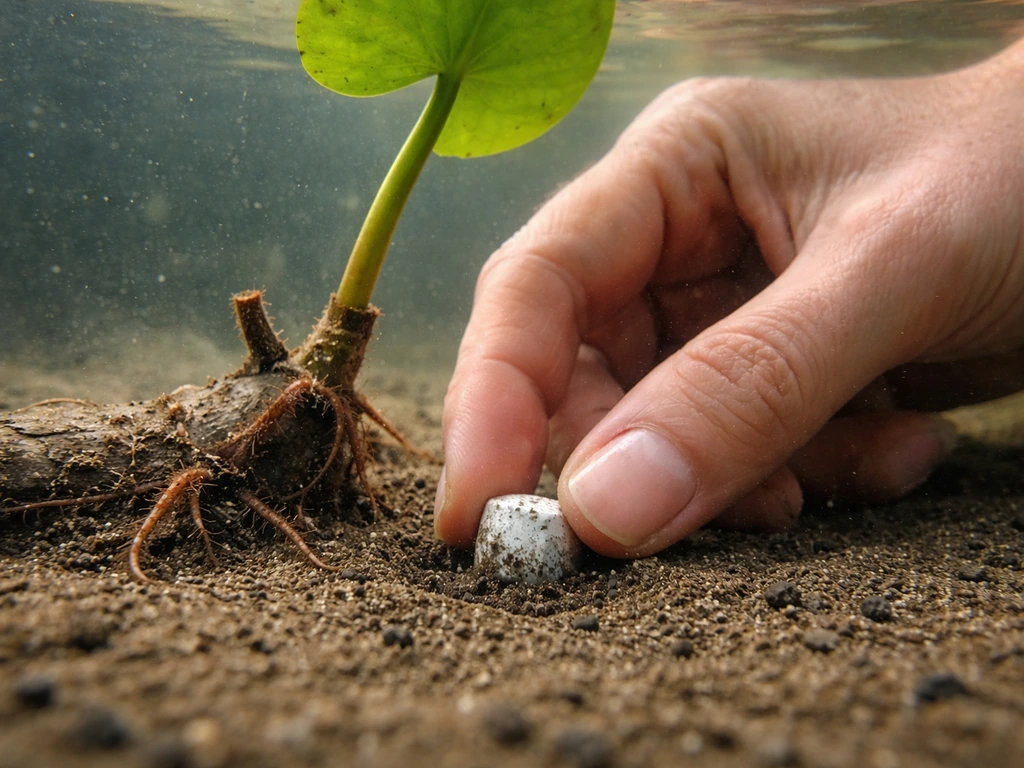
Use controlled-release aquatic fertilizer tablets (Osmocote aquatic tablets are widely recommended) pushed into the substrate near the rhizome, not dissolved into the water. About 3 to 5 tablets per plant is a reasonable starting point depending on pot size. These release over roughly 8 to 9 months, with faster release in warm summer water and slower release in cold conditions. Avoid adding liquid fertilizers directly to the water, since this encourages algae and doesn't efficiently feed the lily roots. And critically: if your water already has elevated salt or mineral content, adding more fertilizer salts on top makes the osmotic problem worse.
Other conditions that determine success as much as salinity
Salt is often the headline problem, but I've seen plenty of lily setups fail in perfectly fresh water because of these overlooked factors.
- Light: Water lilies need at least 6 hours of direct sunlight daily. Fewer than 5 hours and you'll get leaves but few or no flowers, and overall weak growth. Don't plant them under trees or in a shaded corner of the yard.
- Temperature: The RHS recommends a water temperature of at least 21°C (70°F) during the growing season for active growth and blooming. Tropical varieties need even warmer conditions. Cold water in spring slows establishment significantly.
- Water movement: Water lilies strongly prefer still water. Fountains, pumps, cascades, and waterfalls all stress them. The turbulence interferes with the floating leaves and reduces the still, warm surface layer the plants prefer. Keep your lily away from any active water movement.
- Oxygen and algae: High salinity indirectly encourages algal blooms by disrupting the normal nutrient balance, and algae competes with lilies. Salt also affects dissolved oxygen dynamics. A healthy, well-oxygenated freshwater pond with balanced nutrients supports lily growth; a saline, nutrient-spiked pond often sees algae win.
- Seasonal dormancy: Hardy Nymphaea varieties go dormant in winter. Don't mistake dormancy for death or salt damage. If your pond freezes, move containers to a frost-free location or sink them below the ice line.
Choosing the right variety: hardy vs. tropical, indoor vs. outdoor
No Nymphaea variety is truly salt-tolerant in the way a mangrove or saltmarsh grass is. But there are meaningful differences in general toughness that affect how well a lily handles marginal conditions, including mildly elevated minerals.
Hardy water lilies
Hardy varieties (most Nymphaea hybrids rated for temperate climates) are more forgiving of cool water and seasonal fluctuations. They go dormant in winter and return in spring. These are the best choice for outdoor ponds in temperate regions (roughly USDA zones 4 through 10, depending on variety). If you're in a region where road salt or agricultural runoff could affect your pond water seasonally, a hardy variety will at least survive brief spikes better than a delicate tropical.
Tropical water lilies
Tropical varieties typically need water temperatures above 21°C (70°F) year-round and are treated as annuals in cooler climates or grown indoors. They're more sensitive overall and will show salt stress more quickly. If you're running an indoor water feature or a greenhouse pond, tropical varieties can be stunning, but water quality control becomes even more important. Use fresh, ideally de-chlorinated water with no added minerals.
Indoor setups
A large indoor container (100+ liters) with a grow light providing 6+ hours of strong light, stable warm temperatures, and fresh water can support miniature tropical water lilies. Miniature varieties like Nymphaea 'Pygmaea Helvola' or similar small cultivars suit container depths of 15 to 30 cm. The big challenge indoors is maintaining water quality without dilution from rain, so monitor TDS regularly and do partial water changes if salinity or mineral content creeps up.
If saltwater is the reality: alternatives and how to convert your setup
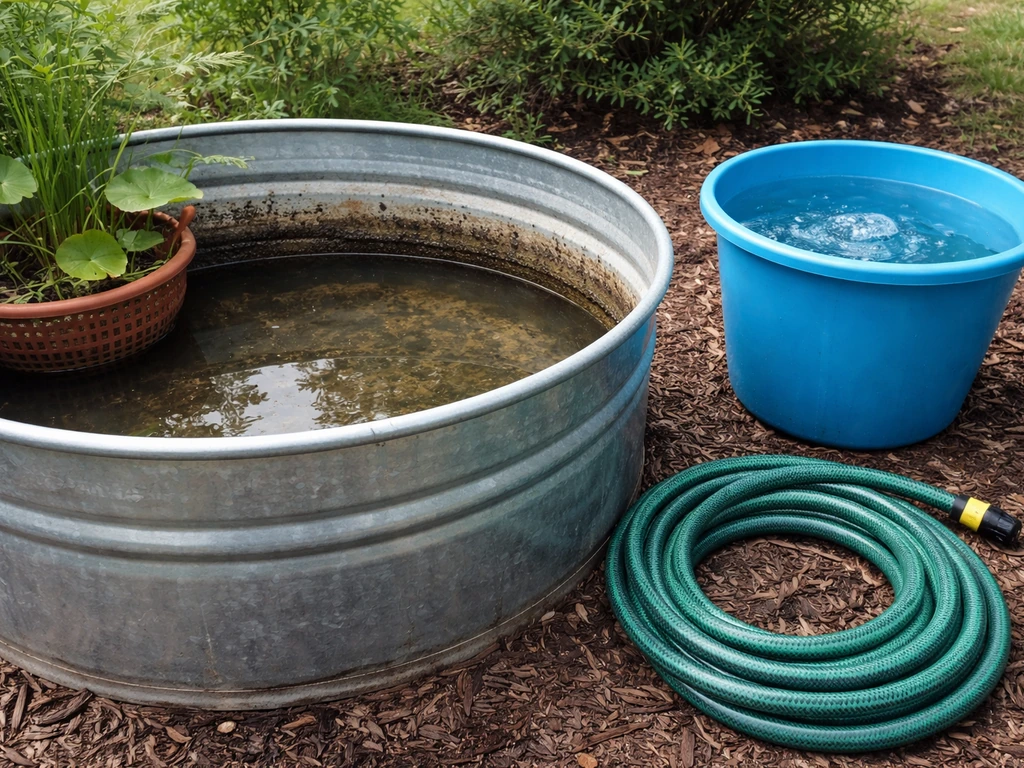
If you're dealing with a genuinely brackish water source, like a coastal pond with tidal influence or well water with high mineral content, you have two realistic options: fix the water or switch the plants.
Converting toward fresh water
For a container or small pond, the most practical fix is dilution and replacement. Drain a significant portion of the water, refill with fresh water, and repeat over a few cycles. For a pond connected to a saline groundwater source or one that gets ongoing brackish inflow, this is much harder to sustain. Reverse osmosis filtration can desalinate water for smaller setups, but it's expensive and slow for large volumes. If road salt is the seasonal culprit, letting the pond flush naturally with spring rain and waiting until TDS drops below 500 mg/L before introducing plants is a practical workaround.
Salt-tolerant aquatic alternatives
If true freshwater conditions aren't achievable, consider plants that actually evolved for brackish or variable-salinity environments. Ruppia maritima (widgeon grass) thrives in coastal brackish water bodies. Some Vallisneria species can handle water with a specific gravity up to about 1.003, which is around 10% of full ocean salinity. For purely decorative floating coverage, water hyacinth and water lettuce have more tolerance to variable conditions than Nymphaea, though they're considered invasive in warm climates and shouldn't be released into open waterways.
The honest bottom line: if you want true lily pads, you need fresh water. If you are wondering where do lily pads grow, the short answer is that they need fresh water rather than salt or brackish conditions. It's not about finding the right salt-tolerant Nymphaea variety, because that plant doesn't really exist at meaningful salinity levels. Fix the water first, then plant the lily. Get the depth right, give it full sun, keep the water still and warm, and fertilize in the substrate rather than the water column. Do those things in genuinely fresh water, and lily pads are a very achievable and rewarding plant to grow. If you want the step-by-step basics of how do lily pads grow in the first place, follow this guide next.
FAQ
What’s the difference between saltwater and brackish water for lily pads?
Saltwater is near ocean salinity, while brackish water is an intermediate mix of freshwater and seawater. Lily pads (Nymphaea) are adapted to fresh water, so even “kind of salty” brackish conditions can slow growth or prevent establishment. If you cannot measure, treat any pond influenced by tides, seawater intrusion, or frequent mineral-rich inflow as likely too salty.
My water isn’t salty, but my lily pads still look stressed. Could it be something other than salt?
Yes. Salt stress often shows yellowing starting at leaf margins and tips, then moving inward. Nutrient issues often look more uniform or show yellowing between veins, and poor root establishment can cause wilting even with enough water depth. If possible, check EC or TDS first, then compare symptom pattern and whether new leaves are smaller than normal.
How do I measure salt risk when I can’t use an EC/TDS meter?
Use a best-effort approach: test your water source label (municipal water reports), measure fertilizer dosing carefully (avoid overfeeding), and check whether the pond gets runoff from roads, salt-treated areas, or mineral-heavy well water. If you routinely add water topping off after evaporation or leaks, those make salinity rise over time, so monitor more frequently than you think you need to.
Does adding more fertilizer or more water make the salt problem better?
Generally no. Fertilizers add dissolved salts, which can worsen osmotic stress when salinity is already elevated. Also, topping off with the same source water keeps mineral levels from dropping. If you suspect salt-driven stress, prioritize reducing dissolved load (dilution and partial replacement) before adjusting fertilizer.
If my pond occasionally gets high salinity, can I save the lily pads?
Sometimes. If the spike is seasonal (for example road salt runoff in winter or early spring), consider flushing the pond and rechecking TDS before replanting or expecting recovery. If you already planted, you may still see poor regrowth until dissolved minerals come down, and restarting with fresh substrate in the basket can help if salts built up around the roots.
Can lily pads tolerate softened water or water treated with water softeners?
Not reliably. Water softening often increases sodium and other dissolved ions, which can push EC/TDS higher than expected even if the water doesn’t taste salty. If you use softened water for a pond, measure EC/TDS directly and avoid heavy salt-based softener settings when possible.
Do lily pads die quickly in salty water, or is it gradual?
It’s usually gradual. Roots are affected by salt stress, so growth slows first, leaves may get smaller, and symptoms like margin and tip yellowing can appear over weeks. Very high salinity can kill plants faster, but many “it stopped thriving” cases are the slow-stress pattern.
I think I’m seeing salt damage, but my TDS reading is below 1,000 mg/L. What else should I check?
Check where salts might be accumulating, not just the bulk pond value. Fertilizer tablets, mineral-rich substrate, and container setup can locally increase dissolved ions near the rhizome. Also confirm crown depth and basket orientation, because buried crowns or wrong water depth can mimic “something is wrong with the plant” even when salinity is acceptable.
Can I rinse or flush the roots to remove salt?
You can, but with limits. For small setups, draining and refreshing water helps, but salts can remain in the planting basket and substrate. If stress is severe, removing the plant from the basket, gently rinsing roots, and replanting in clean aquatic substrate is more effective than only doing partial water changes.
Are there any lily-like floating plants I can use if my water is brackish?
If your goal is floating aquatic coverage, consider plants adapted to variable salinity instead of Nymphaea. Widgeon grass (Ruppia maritima) is one example that tolerates coastal brackish conditions. Water hyacinth and water lettuce can handle more variable conditions than true lily pads, but they can become invasive in warm climates, so avoid release into natural waterways.
Citations
A vegetation survey (northern part of southeast island of Scotland) reported that floating leaves of a water lily (cited as “water lily plants”) could survive at a salinity of 1.3%.
https://pmc.ncbi.nlm.nih.gov/articles/PMC10058412/
The same paper describes experiments treating water lily plants (Nymphaea “Colorado”) with 0, 50, 100, 150, and 200 mM NaCl for 30 days, with visible salt-stress symptoms appearing as salinity increased.
https://pmc.ncbi.nlm.nih.gov/articles/PMC10058412/
For most Nymphaea species studied, salinization events reaching ≥100 mM NaCl significantly reduced recruitment from seeds, even if saline water was later flushed.
https://research-repository.uwa.edu.au/en/publications/increased-salinity-reduces-seed-germination-and-impacts-upon-seed/
The MDPI paper notes that high salt concentrations significantly inhibited both leaf and root growth in water lily plants during saline treatments.
https://www.mdpi.com/2311-7524/9/2/132
The study frames water lily roots as a key organ for salinity tolerance, investigating adaptive regulation of the root system under high salinity.
https://www.mdpi.com/2311-7524/9/2/132
Salt stress is explained as having at least (i) osmotic stress (reduced water uptake due to lower external water potential), and (ii) ion-specific toxicity (e.g., excessive accumulation of Na+ and Cl− in plant tissues).
https://pmc.ncbi.nlm.nih.gov/articles/PMC10179082/
The same source describes mineral nutrient imbalance under salinity: Na+ and Cl− can interfere with uptake of K+, Ca2+, and NO3−.
https://pmc.ncbi.nlm.nih.gov/articles/PMC10179082/
The paper summarizes that salt stress generally affects plants via toxic ion accumulation, osmotic stress, unbalanced nutrient uptake, and oxidative stress.
https://pmc.ncbi.nlm.nih.gov/articles/PMC10058412/
UC IPM states that root exposure to high sodium concentrations can cause wilted foliage and stunted plant growth, and that excess salts can concentrate toward leaf margins and tips (yellowing then browning).
https://ipm.ucanr.edu/PMG/GARDEN/ENVIRON/salttoxicity.html
NDSU Extension states that EC (electrical conductivity) or TDS meters can be used as quick estimates of dissolved minerals, and mentions that meters can provide salinity in units such as grams per liter, EC in μS, TDS in mg/L, or ppt depending on mode.
https://www.ndsu.edu/agriculture/extension/publications/using-electrical-conductivity-and-total-dissolved-solids-meters-field-test
NDSU Extension describes calibration guidance (including calibration solutions) and notes that EC/TDS-to-salinity conversion behavior is reliable above a threshold (its example notes the conversion factor doesn’t change much above 2,700 mg/L).
https://www.ndsu.edu/agriculture/extension/publications/using-electrical-conductivity-and-total-dissolved-solids-meters-field-test
This source states that surface-water salinity is commonly described using electrical conductivity (EC) units, and provides conversion for the units used to measure salinity.
https://www.landscape.sa.gov.au/mr/publications/measuring-salinity
A referenced conductivity/salinity guide describes that salinity is often expressed as Practical Salinity Units (PSU) and that PSU is dimensionless and linked to conductivity; it also provides the notion that unit relationships exist between PSU and salt content.
https://www.mt.com/dam/Analytical/pH-LabMeters/me-library/conductivity_guide_EN.pdf
YSI’s document differentiates conductivity measurement from salinity (psu ≈ ppt is discussed in its materials context).
https://prod.xylem.com/siteassets/brand/ysi/resources/technical-brochure/ysi-how-conductivity-sensors-work-presentation.pdf
US EPA notes that dramatic increases in salt in freshwaters can be caused by human activities including road salt application, wastewater, and fertilizer application; it also states that too much salt can be toxic/lethal to aquatic life.
https://www.epa.gov/risk/salt
The MDPI paper supports that high salt concentrations significantly inhibit water lily leaf and root growth, implying that failure in brackish conditions likely reflects osmotic/ionic stress pathways rather than “salt-free” nutrient issues alone.
https://www.mdpi.com/2311-7524/9/2/132
Salt marshes are described as experiencing regular tidal inundation with brackish or oceanic water, and porewater salinity varies seasonally with evapotranspiration and precipitation.
https://pmc.ncbi.nlm.nih.gov/articles/PMC6230441/
NC State extension describes Nymphaea (water lily) as aquatic plants growing in water; it also states they grow at depths (e.g., “from 3 inches to 2 feet deep depending on their size”).
https://plants.ces.ncsu.edu/plants/nymphaea/
The entry notes Nymphoides peltata (a “fringed water-lily”) is a freshwater species and says it does not occur in waters with an average salinity exceeding about 300 mg/L (i.e., typically low salinity), illustrating how “lily-like” aquarium/pond plants differ in salinity tolerance.
https://en.wikipedia.org/wiki/Nymphoides_peltata
This source explicitly claims water lilies (as glycophyte-type aquarium/pond plants) generally lack mechanisms to cope with marine salinity and warns that sustained exposure to brackish water generally leads to stress and eventual death (while low salinity may be tolerated briefly).
https://enviroliteracy.org/animals/why-do-water-lilies-live-in-freshwater/
The paper explains that osmotic stress reduces water uptake by making external osmotic potential more negative than inside roots under high salt conditions.
https://pmc.ncbi.nlm.nih.gov/articles/PMC10179082/
The paper notes salt stress effects include salt-toxin accumulation plus nutrient uptake disruption, which can translate into poor growth (fewer/maller leaves) even when the plant remains physically present.
https://pmc.ncbi.nlm.nih.gov/articles/PMC10058412/
A planting-instructions source states not to plant too deeply; it specifies that the growing end (crown) should be at or only slightly below soil level and warns covering the crown too deeply may kill the water lily.
https://www.lilyblooms.com/planting-instructions-for-hardy-waterlilies/
The nursery instructs that planting depth in relation to basket size matters; it provides an example where a large water lily in a ~20 cm basket at only ~15 cm depth (between soil and water surface) may result in little growth.
https://www.aquaticplants.org/how-to-grow-water-lilies/
This same source recommends Osmocote controlled-release tablets and suggests quantities “3 to 5 tablets” near the rhizome depending on lily size/depth context.
https://www.aquaticplants.org/how-to-grow-water-lilies/
The Osmocote product guidance page states that controlled-release tablets release nutrients over about 8–9 months, and releases slower in cold winter water and faster in warmer summer water.
https://www.aquaticplants.org/c/osmocote-fertilizer-for-aquatic-plants/
RHS states waterlilies prefer calm, still water and are best grown away from fountains, pumps, cascades, or other turbulence.
https://www.rhs.org.uk/plants/waterlilies/growing-guide
RHS states waterlilies need a water temperature of at least 21°C (70°F) during the growing season (for growth/blooming).
https://www.rhs.org.uk/plants/waterlilies/growing-guide
RHS’s waterlily growing guidance emphasizes selecting suitable cultivars for pond size/depth and includes broader care context for water lilies (species/pond compatibility as a key success factor).
https://www.rhs.org.uk/plants/waterlilies
A planting PDF instructs to line/keep substrate inside baskets (to prevent soil leaking into the pond) and describes using soil-filled basket systems for aquatic rhizomes.
https://watergardenparadise.com.au/forms/waterlily-deepwateraquatics_planting.pdf
This source claims that brackish water is typically marginal for water lilies and sustained brackish exposure leads to stress/death—supporting the thesis that salt is usually the limiting variable (not just nutrient deficiency).
https://enviroliteracy.org/animals/why-do-water-lilies-live-in-freshwater/
The Nymphoides page gives a concrete salinity ceiling example (“average salinity exceeding about 300 mg/L” it does not occur), illustrating a documented low-salinity limit for a lily-like aquatic plant (though not a true Nymphaea water lily).
https://en.wikipedia.org/wiki/Nymphoides_peltata
Vallisneria entry states it can tolerate brackish water but gives a numeric example: some vallisneria can tolerate brackish water “provided the specific gravity does not exceed 1.003 (around 10 percent the salinity of normal sea water).”
https://en.wikipedia.org/wiki/Vallisneria
Ruppia maritima is described as a salt-tolerant freshwater species found in coastal brackish water bodies such as marshes.
https://en.wikipedia.org/wiki/Ruppia_maritima
The halophyte definition distinguishes salt-tolerant plants growing in high-salinity environments (e.g., mangrove swamps/marshes/seashores), helping explain why true water lilies (often not halophytes) have different salt outcomes.
https://en.wikipedia.org/wiki/Halophyte
EPA ties salt to ecosystem impacts including toxicity to aquatic life; it also notes salt can contribute indirectly to harmful algal blooms and low dissolved oxygen via excess nutrients.
https://www.epa.gov/risk/salt
NC State extension provides the basic growth context that water lilies are aquatic and grow at particular depths; this supports setup logic for root/rhizome placement as part of success conditions.
https://plants.ces.ncsu.edu/plants/nymphaea/
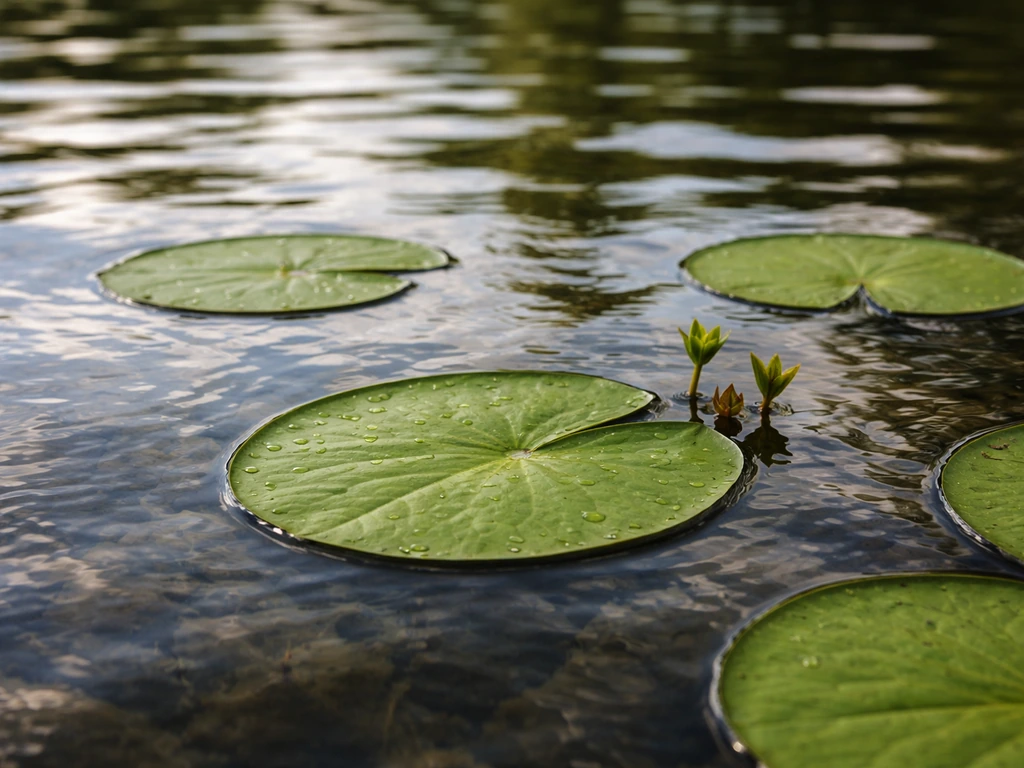
Learn how fast lily pads grow in ponds, what speeds or slows them, and how to fix no growth fast.
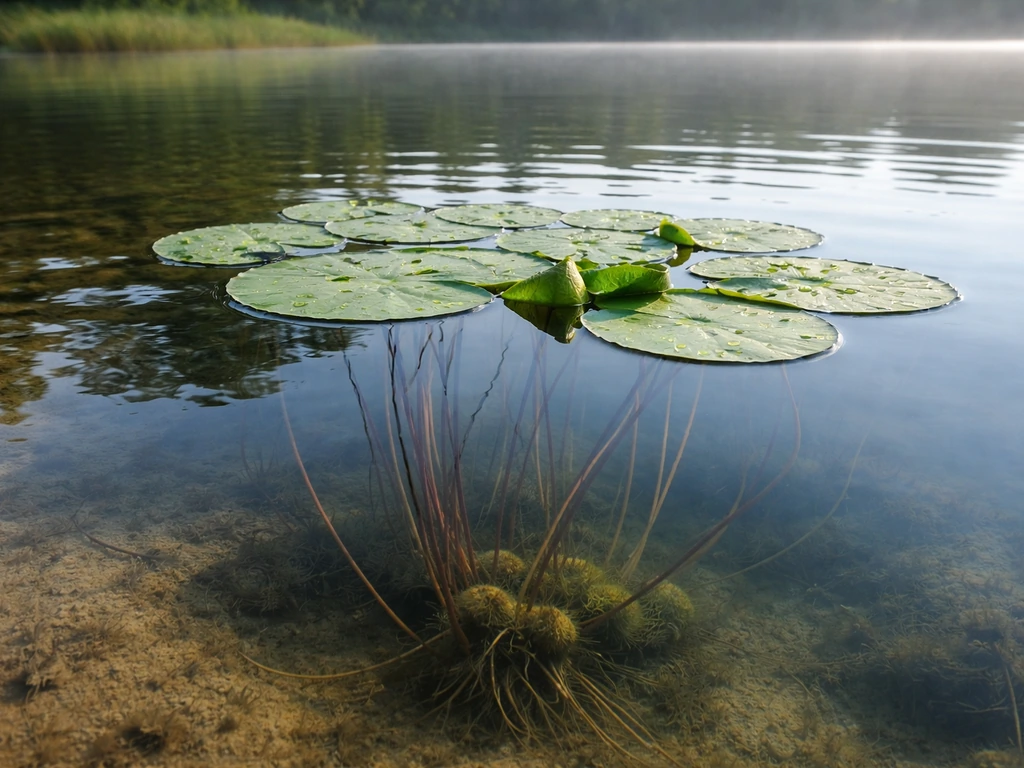
Learn lily pad water depth limits, what controls growth, and how to plant rhizomes plus expected leaf height
Find where lily pads grow worldwide and how to match sun, shallow still water, depth, and temperature for success.