
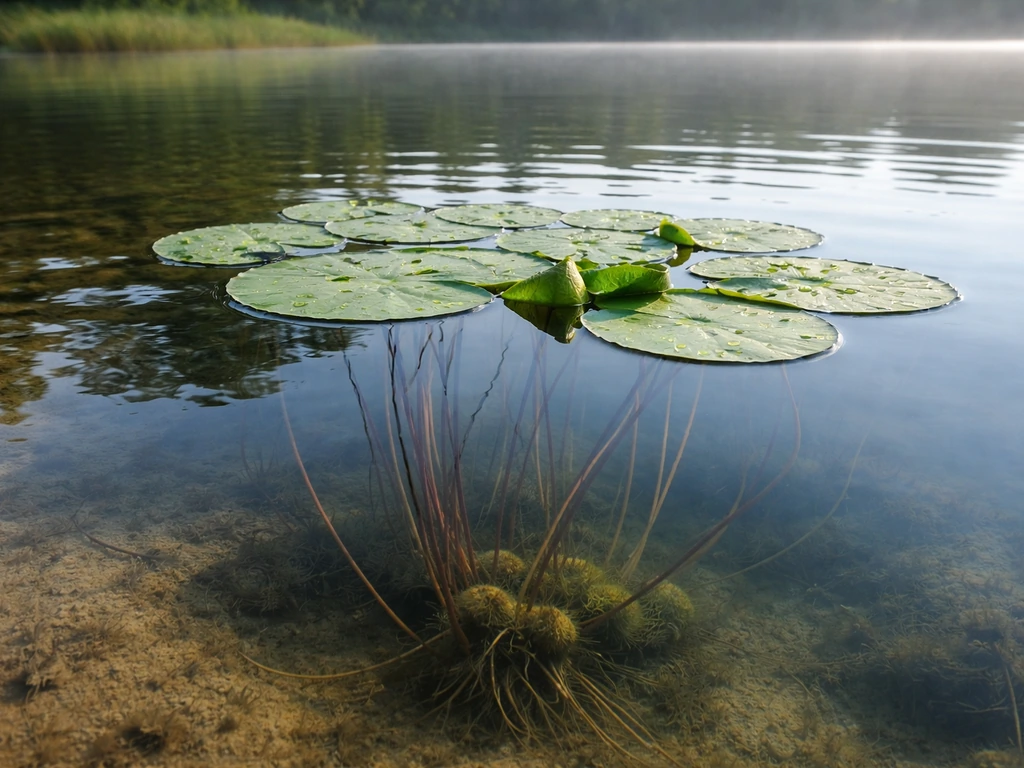
Lily pads (the floating leaves of water lilies, genus Nymphaea) can grow in water anywhere from about 6 inches to 36 inches deep, depending on the variety and how established the plant is. Lily pads can also grow in shallow land-like setups if you can keep their roots wet and the leaves able to reach the surface for light water lily. To understand how do lily pads grow successfully, focus on water depth, light reaching the leaves, and how quickly the plant becomes established. Lily pads (the floating leaves of water lilies, genus Nymphaea) can grow in water anywhere from about 6 inches to 36 inches deep, depending on the variety and how established the plant is lily pads grow successfully here are the conditions they need to thrive as well as where they grow best in ponds: where do lily pads grow. Most home gardeners should aim for 8 to 18 inches of water over the crown for reliable blooms and healthy leaves. That said, mature hardy varieties can handle depths up to 5 feet once they're fully established. The short version: shallower water means more flowers; deeper water can work, but only under the right conditions and not right away.
How Deep Can Lily Pads Grow? Depth Limits and Tips
Typical depth limits for lily pad growth
The standard guidance from most reputable sources lands in a consistent range. For new plantings, you want at least 6 inches of water above the crown (the growing point where leaves emerge). The sweet spot for most varieties is 8 to 12 inches over the crown or soil surface. Hardy water lilies, which are the ones most home pond gardeners work with, can gradually extend into depths of 18 to 36 inches as they mature. Some large hardy varieties, once fully established with strong root systems, can reportedly tolerate water as deep as 5 feet or more. Tropical water lilies, which are more sensitive, are generally kept at the shallower end: 6 to 12 inches over the crown is the typical recommendation.
One thing worth knowing: the 36-inch maximum you'll see on many product labels is specifically for mature, established plants. If you drop a newly potted water lily into 3 feet of water from day one, don't expect much to happen. The plant needs to build up stem length and root strength gradually before it can support leaves floating at the surface from that depth.
Can lily pads actually survive in deep water?
Technically yes, but with an important catch: the leaves still need to reach the surface to get light, and the roots need enough light penetrating down to support the plant's energy budget. Research from UF/IFAS on submerged aquatic plants notes that these plants generally can't grow at depths where light levels drop below 10% of what's available at the surface. Because can lily pads grow in saltwater depends mainly on how much light reaches the plant, the same light-limitation ideas still apply in brackish or salty ponds submerged aquatic plants. Water clarity plays a huge role here. In a murky or algae-heavy pond, that 10% threshold might be reached at just 12 to 18 inches. In clear water, light can penetrate much deeper, which is why you sometimes see lily pads thriving in natural lakes at surprising depths.
The practical implication for your pond: if your water has poor clarity, keeping your lily baskets at 12 to 18 inches will serve you far better than pushing deeper. If your water is consistently clear, a mature hardy lily at 24 to 36 inches has a real shot. I've seen gardeners struggle with lilies in deep garden ponds that had heavy tannin staining from leaf debris, and the plants just couldn't get enough energy to push leaves to the surface reliably. Cleaning up the water quality fixed the problem faster than anything else they tried.
How deep do the roots and rhizomes actually need to be planted?
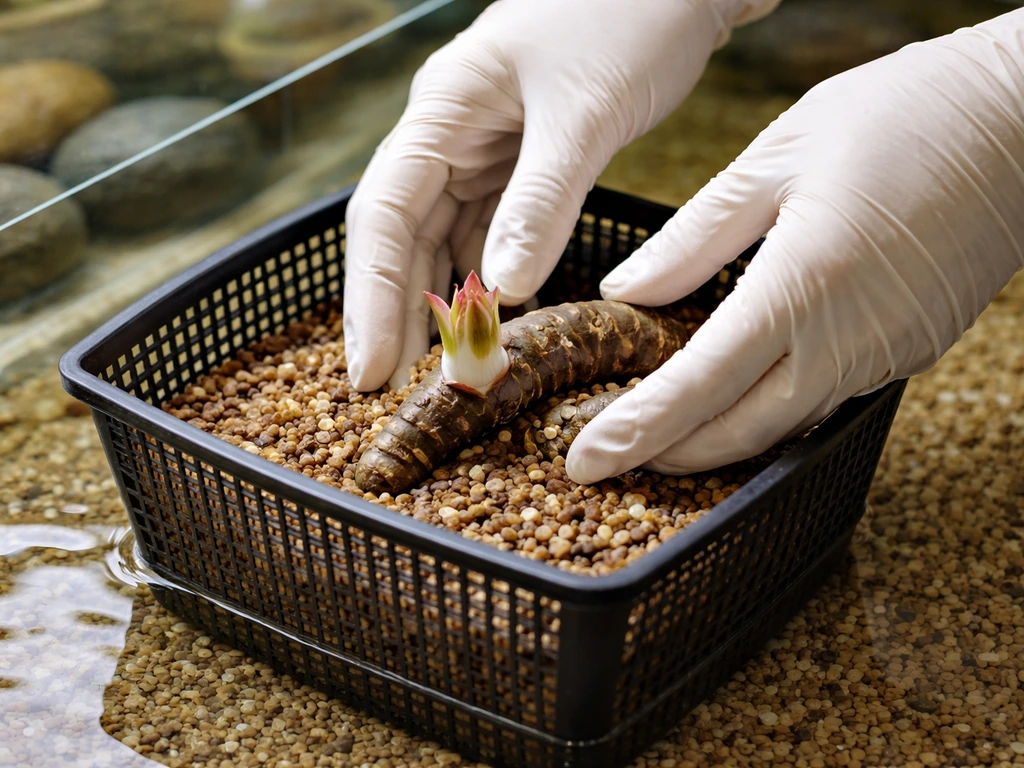
This is where a lot of beginners get confused, because 'depth' means two different things with water lilies. There's the water depth above the plant, and then there's how the rhizome (the horizontal root-like stem) is positioned in the pot or substrate. Getting both right is non-negotiable.
When you plant a water lily in a basket or container, the rhizome should be positioned at an angle (about 45 degrees) with the crown pointing upward and slightly above the soil surface. The crown must never be buried. Covering the crown too deep will kill the plant outright. The roots go into the soil, but the growing tip stays exposed. Then the whole basket gets lowered into the pond so there's water above the soil level.
For the water depth above the pot, here's a practical size-based guide adapted from common industry recommendations:
| Lily Size | Recommended Water Depth Over Crown/Soil | Notes |
|---|---|---|
| Small varieties | 8–20 inches (20 cm) | Best starting depth for new plantings |
| Medium varieties | 12–20 inches (50 cm) | Move deeper as plant matures |
| Large varieties | 18–36 inches (75 cm) | Only at maturity; start shallower |
| Tropical varieties | 6–12 inches | Keep shallower; less cold-water tolerance |
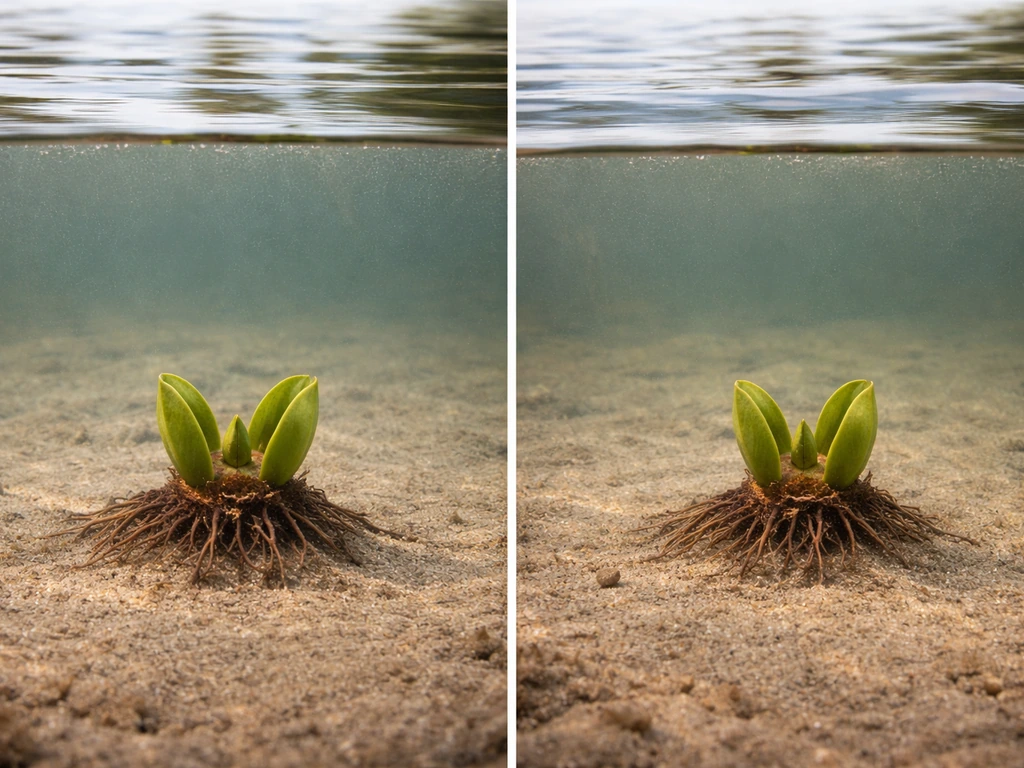
A common staging approach that works well: start a new plant at about 6 inches of water over the crown, then gradually lower the basket over several weeks as the plant grows, eventually settling it at its target long-term depth. This mirrors how UF/IFAS and several aquatic nursery guides suggest handling establishment, and it genuinely improves success rates compared to plunging a new plant straight to 24 inches.
What actually controls how deep (and how well) lily pads grow
Depth tolerance doesn't exist in a vacuum. Four main factors determine whether your lily thrives or struggles at any given water depth.
Light
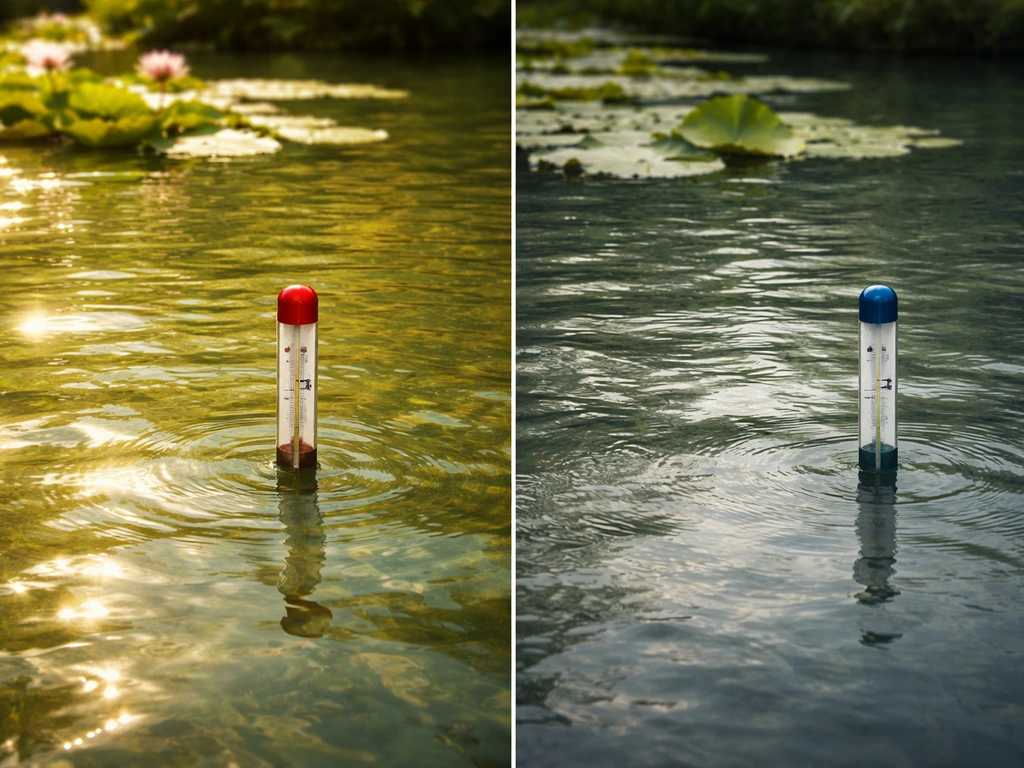
This is the biggest one. Most water lilies need a minimum of 4 to 6 hours of direct sunlight per day, and 6 hours is really the threshold for consistent flowering. Full sun gives you the most leaves and blooms. If your pond is partially shaded, your lily will grow more slowly, produce fewer pads, and may refuse to flower entirely. There are some shade-tolerant hardy varieties that can get by with 4 hours, but none of them love it. Light also determines effective depth: in turbid or shaded water, the plant simply can't build enough energy to extend stems from deep placements.
Water temperature
Tropical water lilies need consistently warm water, typically above 70°F (21°C), to actively grow. Hardy water lilies are more forgiving and can survive cold winters under ice, but they still grow best when water temperatures are in the 60s and 70s°F. Deep water in a home pond is often cooler, which can slow growth even if light isn't the limiting factor.
Variety
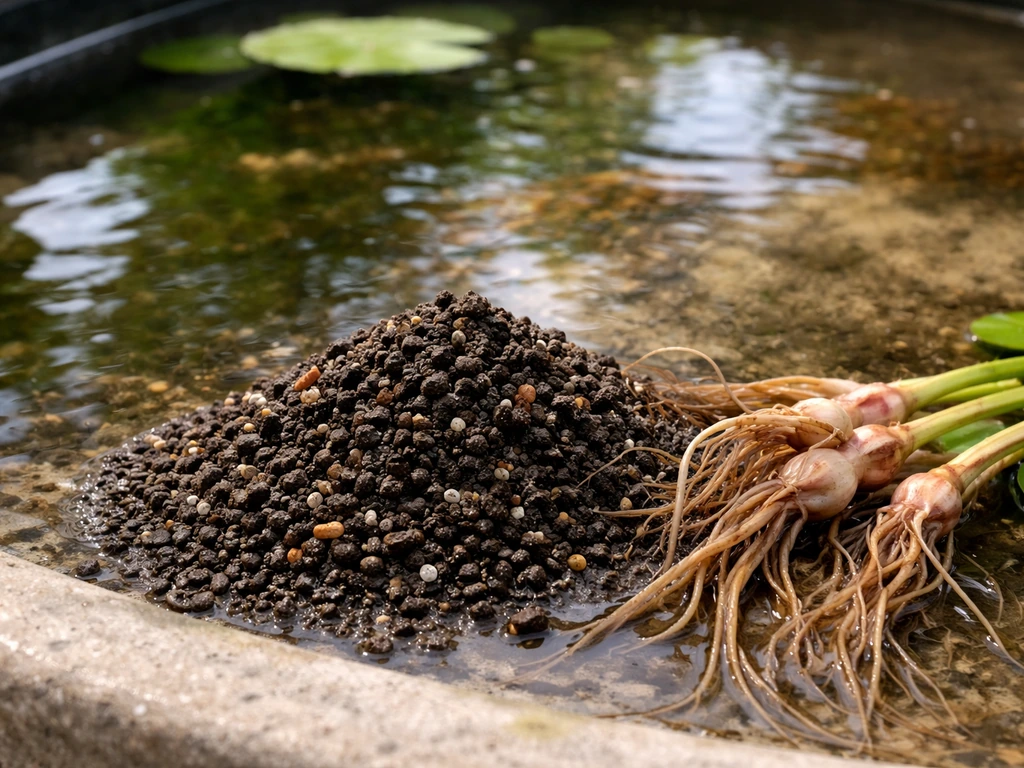
Not all Nymphaea varieties are equal when it comes to depth tolerance. Large-leaf hardy varieties like Nymphaea odorata are documented to handle a crown-to-surface depth of 6 to 24 inches, with shallower placements producing more flowers. Compact or 'pygmy' varieties max out at much shallower depths and work well in containers or small ponds. If you're working with a deep pond, choosing a large hardy variety is the right call over a small or tropical one.
Nutrients and water clarity
Nutrient-rich water (or a well-fertilized aquatic planting mix) supports stronger stem growth, which is what allows a plant to reach the surface from greater depth. But too many nutrients in the water column encourages algae, which then clouds the water and reduces light penetration, which limits depth tolerance. It's a balance. Use slow-release aquatic fertilizer tablets pushed into the planting basket rather than fertilizing the water directly. That way the plant gets fed without clouding things up.
How tall do lily pads and water lilies actually get?
The leaves of a water lily sit on the water surface, so their 'height' is really about how far the flowers and stems extend above the water line, plus how wide the pads spread. This varies quite a bit between hardy and tropical types, which is useful to know before you plan out a pond visually.
Hardy water lily flowers, like those of Nymphaea odorata, rest directly on the water surface or sit just slightly above it. The leaves of common pond water lilies measure roughly 8 to 16 inches across, and for Nymphaea odorata specifically, the flower stems typically extend only 2 to 12 inches (5 to 30 cm) above the water surface. The spread of the plant at the surface, measured by the spread of the floating pads, runs about 24 to 48 inches for a mature plant of that species.
Tropical water lilies behave quite differently. Their flowers stand 6 to 12 inches above the water surface on long, upright peduncles, which gives them a much more dramatic, vertical appearance. Some species push even higher: Nymphaea lukei flowers can extend up to 30 cm (about 12 inches) above the surface, and Nymphaea lotus blooms can stand 15 to 20 cm (6 to 8 inches) above the water. This above-water height difference is one of the most visually noticeable contrasts between the two groups and it's worth considering when you're designing how a pond will look.
| Type | Flower Height Above Water | Leaf/Pad Diameter | Spread at Surface |
|---|---|---|---|
| Hardy water lily (e.g., N. odorata) | 2–12 inches (5–30 cm), rests on or near surface | 8–16 inches | 24–48 inches |
| Tropical water lily (day-blooming) | 6–12 inches above surface | Often larger than hardy | Varies by variety |
| Nymphaea lotus (tropical) | 15–20 cm (6–8 inches) | Large | Wide spread |
| Nymphaea lukei | Up to 30 cm (12 inches) | Medium-large | Moderate spread |
How to grow lily pads in your pond or container: practical steps
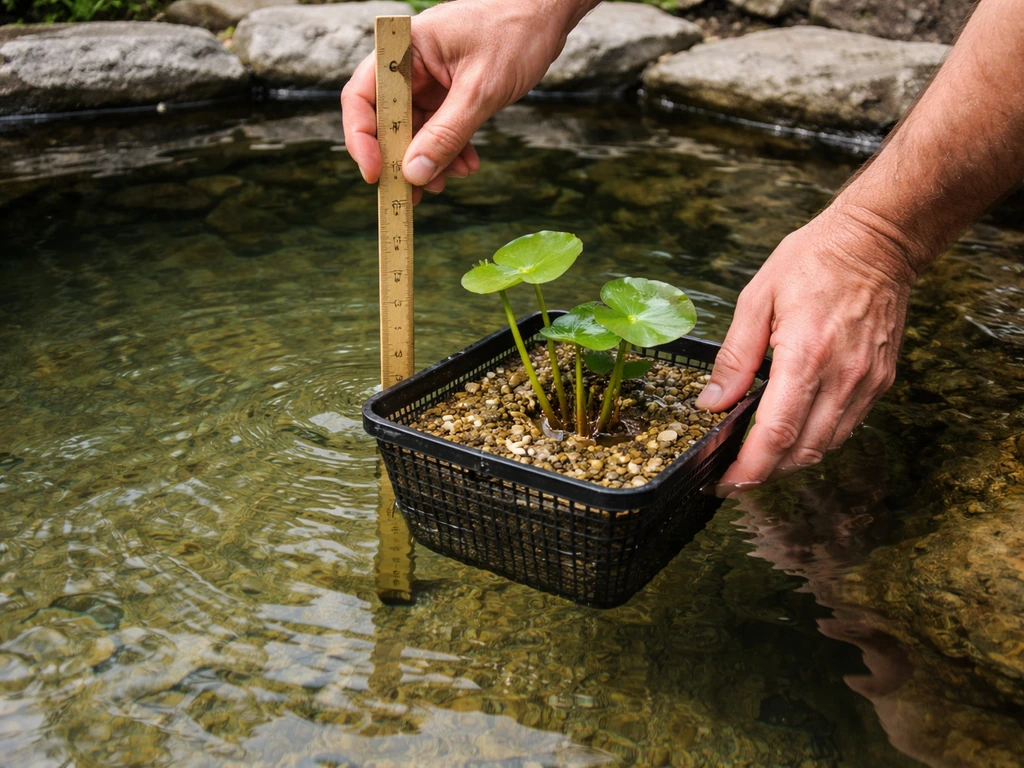
Whether you're working with a backyard pond or a large container, the process is straightforward once you understand the depth logic. Here's how to do it right from the start.
- Measure your pond depth and note the water clarity. If you can see the bottom clearly at 18 inches, you're in good shape. If visibility drops at 6 to 8 inches, plan to keep your lily baskets at 12 inches or shallower until clarity improves.
- Choose the right variety for your depth. Small ponds or containers under 18 inches deep: go with a compact or pygmy hardy variety. Ponds 18 to 36 inches deep: choose a medium or large hardy variety. Ponds shallower than 12 inches with warm summers: tropical varieties become a viable option.
- Use a wide, shallow aquatic planting basket (no drainage holes that are too large). Fill it with heavy garden soil or aquatic planting mix. Do not use regular potting mix as it floats and clouds the water.
- Plant the rhizome at a 45-degree angle with the cut end against the side of the basket and the crown pointing up and toward the center. Cover the roots with soil but leave the crown exposed above the soil surface.
- Add a layer of pea gravel over the soil surface to hold it down and keep fish from digging. Keep the crown clear.
- Lower the basket into the pond so the crown is sitting under 6 inches of water to start. Place it on bricks or an upturned pot if needed to hit that starting depth.
- As the plant grows and sends leaves to the surface, gradually lower the basket over several weeks until you reach your target long-term depth (8 to 24 inches depending on variety and pond clarity).
- Push 1 to 2 slow-release aquatic fertilizer tablets into the soil (not the water) every 3 to 4 weeks during the growing season to support stem and leaf development.
- Check sun exposure. If your pond gets fewer than 4 to 6 hours of direct sun daily, move the plant or manage surrounding shade. Poor sun is the number one reason lily pads fail to thrive or bloom.
- For tropical varieties, wait until water temperatures consistently exceed 70°F before planting outdoors. In most of the U.S., that means late spring to early summer.
Quick troubleshooting when things go wrong
If your lily pads are producing few leaves or failing to bloom, run through this checklist before doing anything drastic. Most problems trace back to one of three things: not enough sun, the crown planted too deep in the substrate, or the basket placed too deep in the water before the plant was established.
- Sparse leaves and no blooms: check sun first. Less than 4 hours of direct light daily will produce a weak, non-flowering plant. Move the basket if you can.
- Leaves reaching the surface but plant looks stunted: the basket may be too deep for the plant's current size. Raise it so the crown is at 6 to 12 inches below the surface and let the plant build strength before going deeper.
- Plant looks healthy but still not flowering: add aquatic fertilizer to the basket. Nutrient-deficient soil is a common second cause of bloom failure after light.
- Leaves yellowing or rotting near the crown: the crown may be buried under soil. Replant with the crown visibly above the soil surface.
- New planting producing no growth after 3 to 4 weeks: water temperature is likely too cold. Tropicals especially stall in water below 65 to 70°F.
- Murky water stunting growth at depths that should work: improve water clarity before pushing to deeper placements. Light attenuation in turbid water limits effective growing depth significantly.
Understanding what depth actually means for lily pads is half the battle. The leaves float, the roots go deep, and the right depth for your plant depends on variety, plant age, light, and water clarity all working together. Once you dial those in, growing lily pads is genuinely one of the more rewarding and lower-maintenance things you can add to a home pond. If you want the short answer on growth speed, most lily pads put on leaves and spread faster once they are established and getting enough sun and light penetration how fast do lily pads grow.
FAQ
Can lily pads grow in a very shallow pond, like less than 6 inches of water over the crown?
It can be possible only if the rhizome stays wet and the crown is positioned so the new leaves can float up and stay at the surface. If the water consistently drops below the minimum, the crown can dry out and the plant will stall or die, so most gardeners either raise the water level seasonally or use a container with controlled water depth.
Why does my lily leaf keep sinking instead of staying on the surface even though I planted at the right depth?
This usually means the plant is not getting enough light to fuel stem extension, or the crown was buried deeper than intended. Check that the crown is exposed (not covered by more substrate) and that water clarity allows light to penetrate, algae blooms and tannin staining can also reduce effective depth and cause leaves to fail to reach the surface.
What’s the safest approach if I want lily pads in a deep pond, say 30 to 36 inches?
Start shallow and stage the plant down over several weeks. Begin around 6 inches over the crown, then gradually lower the basket as the plant extends leaves, this reduces transplant shock because the rhizome and roots build strength before they need to support floating pads from deeper water.
Do I measure depth from the water surface to the crown, or from the water surface to the rhizome?
Use crown-to-surface as your main target, because the crown is the growing point that must not be buried. The rhizome’s position in the basket matters for stability, but if the crown is too deep or buried, the plant can fail even when the water depth seems correct.
How do I know if my pond has enough light to support deeper lily pads?
A practical test is to observe whether sunlight reaches a visible area of the bottom for a few hours each day, if you cannot clearly see the substrate in mid-water, effective light likely drops early and deep placements will struggle. For murky water, staying closer to the 12 to 18 inch range over the crown is usually more reliable than pushing deeper.
Can lily pads survive winter in deep water, and will deep placement help or hurt?
Deep water can be cooler and slow growth, but many hardy lilies survive winter under ice as long as the crown is not buried and the plant is established. If the pond is so deep that light penetration is poor in fall and early spring, growth may weaken, so clear the water and avoid heavy late-season fertilizing that feeds algae.
If my hardy lily is established, can I move it to deeper water immediately?
Sometimes, but success is less predictable than staging. A mature lily may tolerate deeper water better, yet moving a basket from shallow to deep in one step can still prevent new leaves from reaching the surface, so transition gradually, and avoid doing it during very hot or very cold weather.
Do tropical water lilies handle deep water better than hardies?
Generally no. Tropical lilies are more sensitive, they are typically kept at the shallower end because they need warmer conditions and consistent light for active growth. Even if a tropical can survive, it may not bloom or may gradually decline when placed too deep in cooler, clearer or cloudy water.
Can I grow lily pads in a big container on a patio or in a raised tub, and does depth work the same way?
Yes, containers work well as long as you control two things, correct crown height (it must stay exposed) and water depth above the crown. Container ponds often heat faster and can change water clarity, so you may need to adjust depth seasonally to keep enough light reaching the plant.
What are common fertilizer mistakes that affect depth tolerance?
The main mistake is fertilizing the water directly, which can trigger algae and cloudiness, that reduces light penetration and effectively lowers the depth at which your lily can grow. Use slow-release fertilizer tablets in the basket so you feed the plant without turning the whole water column green.
Find where lily pads grow worldwide and how to match sun, shallow still water, depth, and temperature for success.
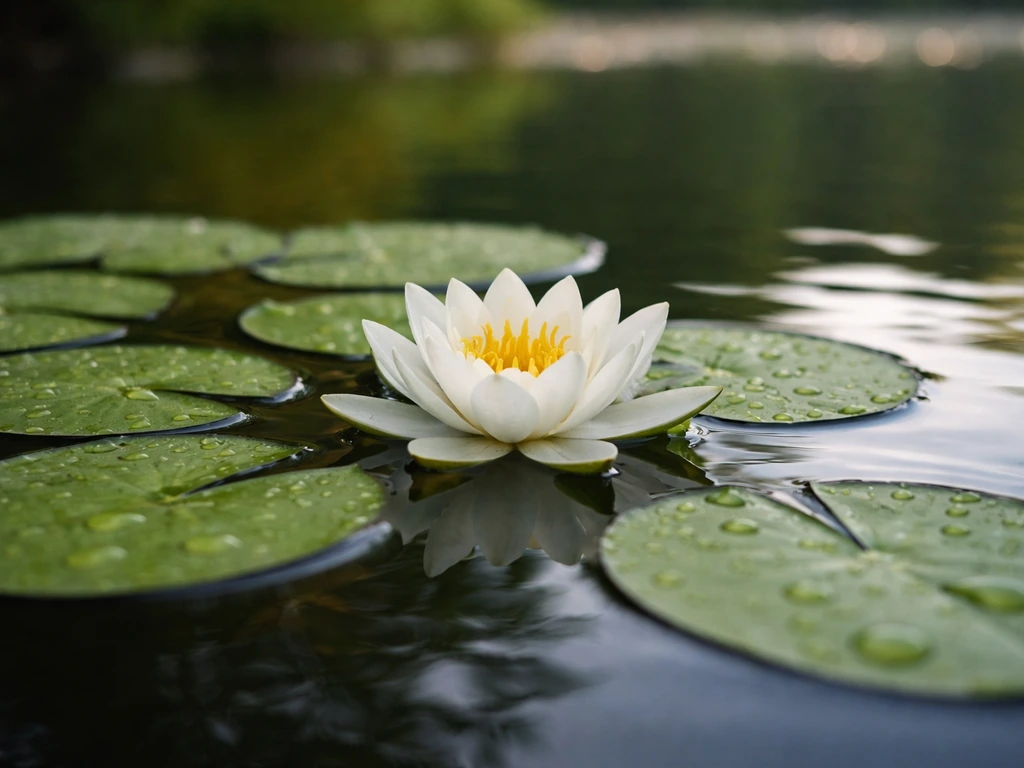
Learn if lotus blooms come from lily pads, what flowers float on lily-pad leaves, and how to confirm and grow them.
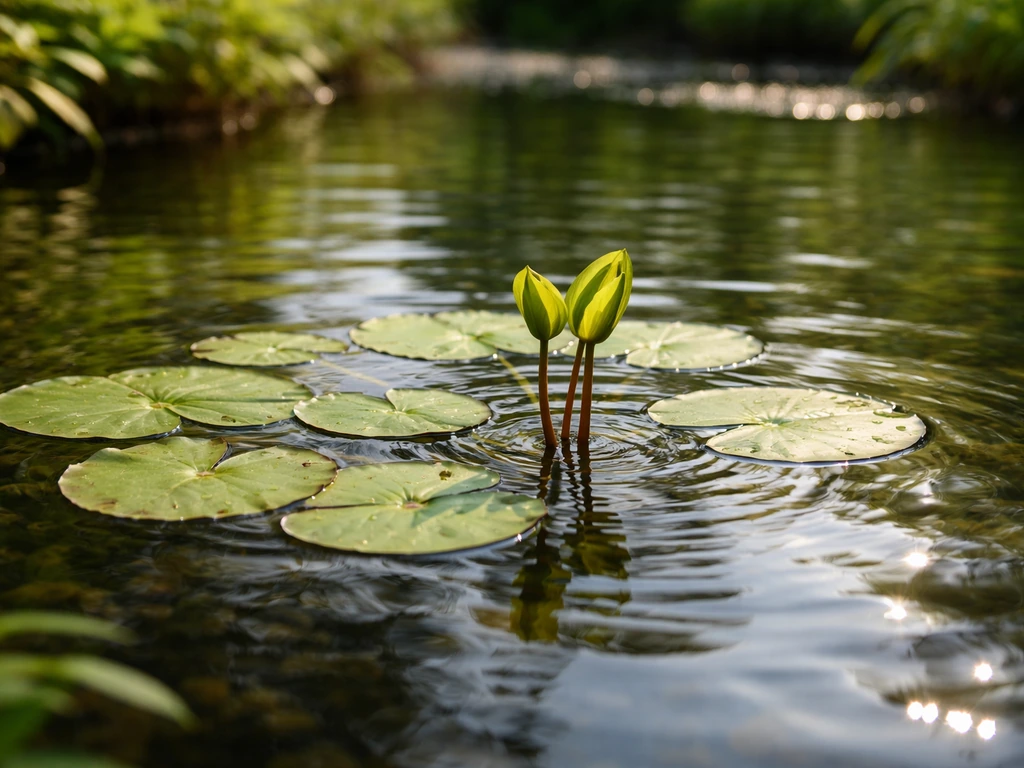
Learn how lily pads grow, from timing and sunlight needs to planting, water depth, and troubleshooting no-pads issues.