
Here's the short answer: if you plant a water lily rhizome in the right conditions, you'll see the first leaf shoots pushing up within 1 to 2 weeks, and pads floating on the surface within 2 to 4 weeks. From a newly planted hardy water lily, you can realistically expect blooms roughly 2 to 4 weeks after those first leaves appear. Seeds are a completely different story and take 6 to 12 months just to produce their first floating leaf. Those are the real numbers, not the optimistic ones on the plant tag.
How Fast Do Lily Pads Grow? Timelines and Tips
Marcus Hendricks
20 Apr 2026
What counts as a 'lily pad' and why timelines vary
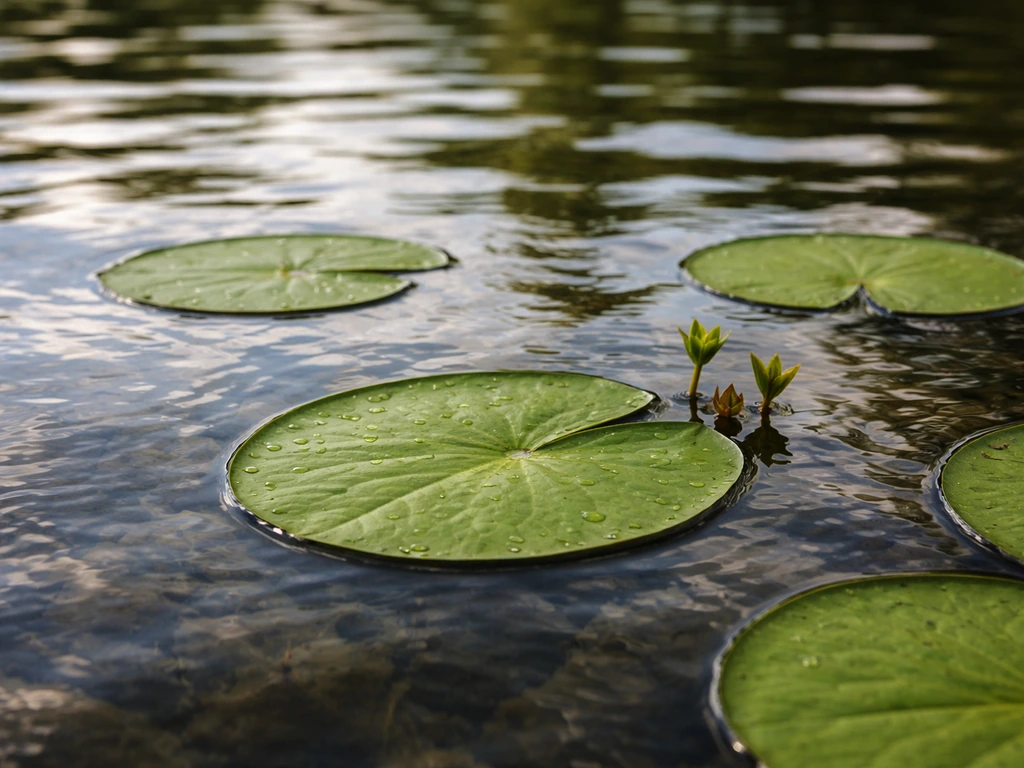
A true lily pad is the large, round, V-notched floating leaf produced by plants in the family Nymphaeaceae, the true water lilies. The genus Nymphaea covers most of the water lilies sold at nurseries, split broadly into hardy varieties (which survive cold winters and go dormant) and tropical varieties (which need warm water year-round and can't handle frost). Both produce the classic floating pads, but their growth speeds and seasonal patterns differ significantly.
This distinction matters because the word 'lily' gets attached to a lot of plants that have nothing to do with ponds. Peace lilies, calla lilies, daylilies, and Asiatic lilies are all dry-land or houseplant species. If you're growing one of those and wondering why your 'lily pad' hasn't shown up, it's because those plants don't produce lily pads at all. True lily pads are produced by aquatic water lilies in ponds, not by dry-land “lily” plants water lily.
Can lily pads grow in saltwater? It depends on the species, but many true water lilies prefer freshwater conditions and may struggle in brackish or salty ponds. The growth timelines in this article apply only to true aquatic water lilies planted in water.
Even within true water lilies, timelines vary based on whether you're starting from seed, a bare-root rhizome, or a nursery plug. Your water temperature, sunlight hours, planting depth, and whether you've fertilized all push that timeline forward or backward by weeks. That's why two gardeners can plant 'the same' lily and get wildly different results in the first month.
Seed vs. rhizome: what to expect week by week
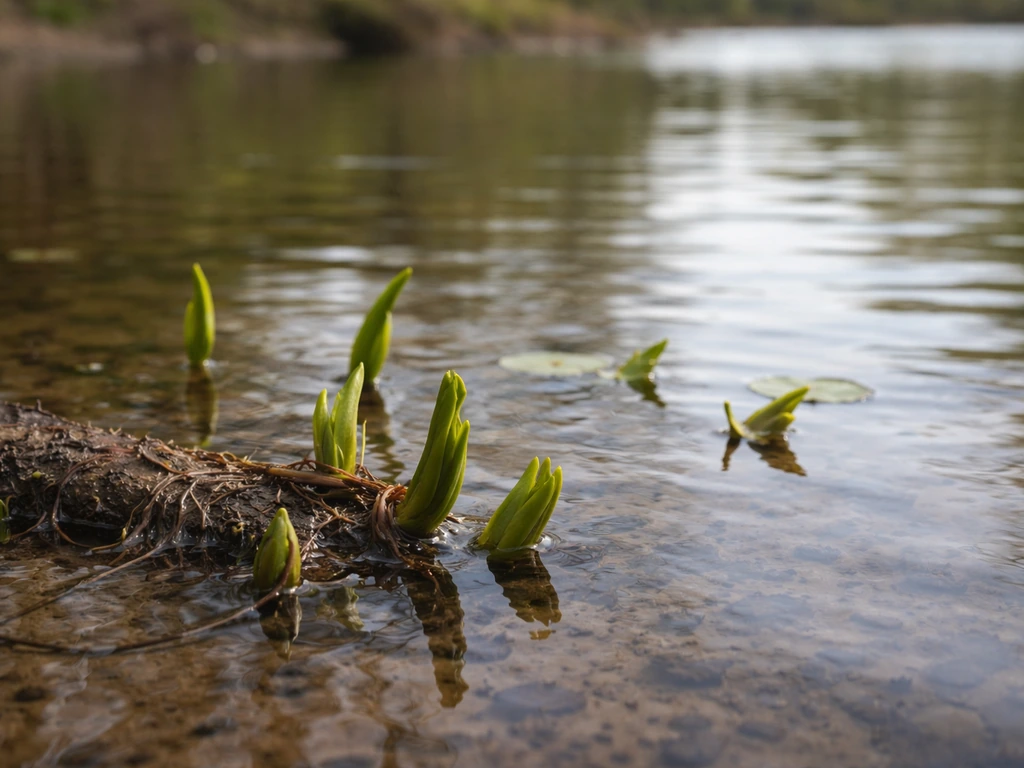
If you're starting from a rhizome or nursery plant (which is what most home gardeners do), here's a realistic week-by-week picture for hardy water lilies planted in spring under good conditions:
| Timeframe | What You Should See |
|---|---|
| Week 1–2 | Small leaf shoots emerge from the rhizome and push toward the surface |
| Week 2–4 | First pads reach the surface and begin floating |
| Week 4–8 | Multiple pads spread across the water surface; plant visibly establishing |
| Week 6–10 | First flower buds appear if conditions are strong |
| By end of first season | Full, dense coverage of pads and regular blooming on a healthy plant |
Tropical water lilies follow a similar rhizome timeline in warm conditions but are more sensitive to cool water slowing them down. Push the water temperature below about 60°F and everything stalls noticeably.
If you're starting from seed, reset all those expectations. Seed-grown water lilies may take 6 to 12 months before they send up their first floating leaf. For tropical water lilies started from seed, the PDF notes that after sowing you may need about 6 to 12 months for the first floating leaf to appear may take 6 to 12 months before they send up their first floating leaf. That's not a typo. Growing from seed is a patience project and genuinely not the practical route if you want a pond covered in pads this season. Start with rhizomes or plant plugs unless you're specifically interested in hybridizing or have a lot of time to wait.
The factors that actually control how fast lily pads grow
Sunlight
Light is probably the single biggest limiter for most home ponds. Hardy water lilies need a minimum of 6 hours of direct sun per day to grow well. Less than that and the plant will survive but grow slowly, produce fewer pads, and rarely bloom. If your pond sits under tree canopy or in a spot that gets morning shade plus afternoon shade, you're fighting the plant's basic biology every day. I've seen beautifully planted ponds that just sat there doing nothing for years simply because they were in the wrong spot.
Water temperature
Water temperature is the engine that drives growth. The optimal range for most cultivars is roughly 60 to 75°F. Below 60°F, especially for tropicals, growth slows dramatically. Hardy varieties tolerate cold water better and will begin waking up in early spring as pond temperatures creep up from winter dormancy. Tropicals are strictly warm-season plants and shouldn't even go into the pond until water temperatures are reliably above 60°F. Planting a tropical lily in 55°F water and then wondering why nothing's happening is a common mistake.
Planting depth
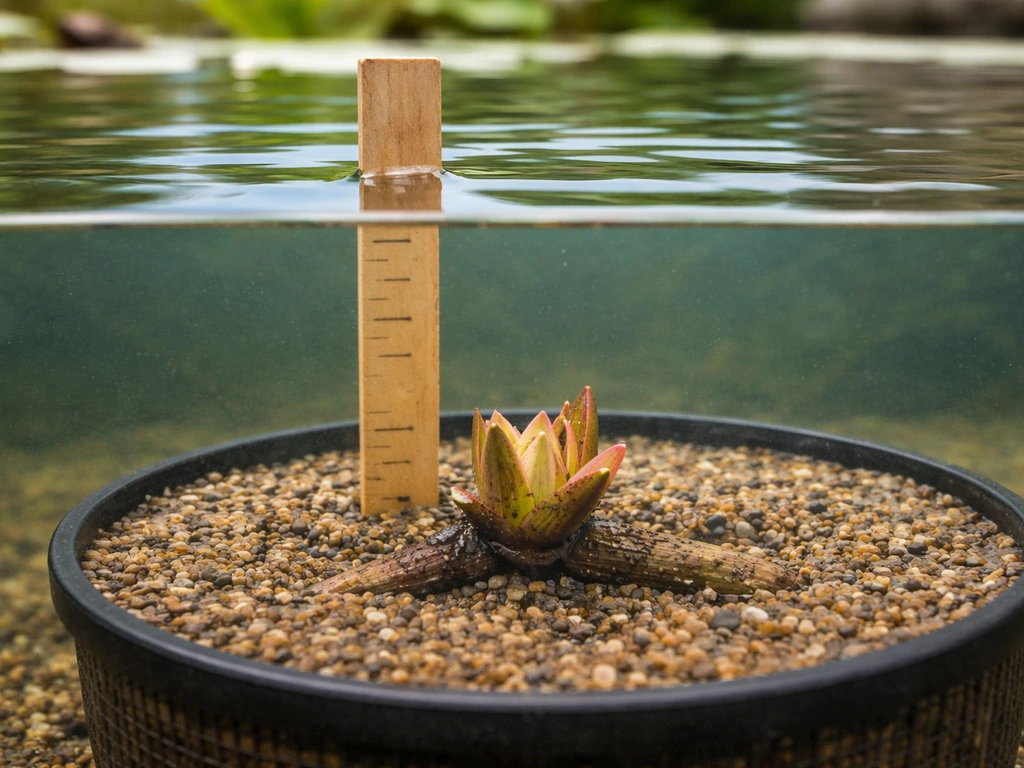
Depth controls how easily new leaves can reach the surface. The crown of the plant (where the growth point is) should sit with at least 6 inches of water above it, but burying it under 2 feet of water right from the start will force those first young leaves to travel much farther before they see light.
A common technique is to start the container on bricks or a shelf so the crown sits shallower, maybe 6 to 8 inches below the surface, and then gradually lower it as the plant gets established and produces longer stems.
For the hardy waterlily Nymphaea 'Indiana', the RHS recommends covering the basket so it is submerged under 15 to 25 cm of water, then lowering the plant to twice the initial depth as it establishes gradually lower it as the plant gets established.
Nutrients and fertilizer
Water lilies are heavy feeders and won't reach their growth potential without fertilization. The standard approach is aquatic fertilizer tablets pushed down into the soil around the rhizome, not sprinkled on the water surface where they'd leach out and feed algae instead. Start fertilizing at planting time and continue through the growing season, stopping before the first frost to let the plant prepare for dormancy. Skipping fertilizer in the first season is one of the most reliable ways to get a slow, underwhelming plant.
How to speed up growth in an outdoor pond
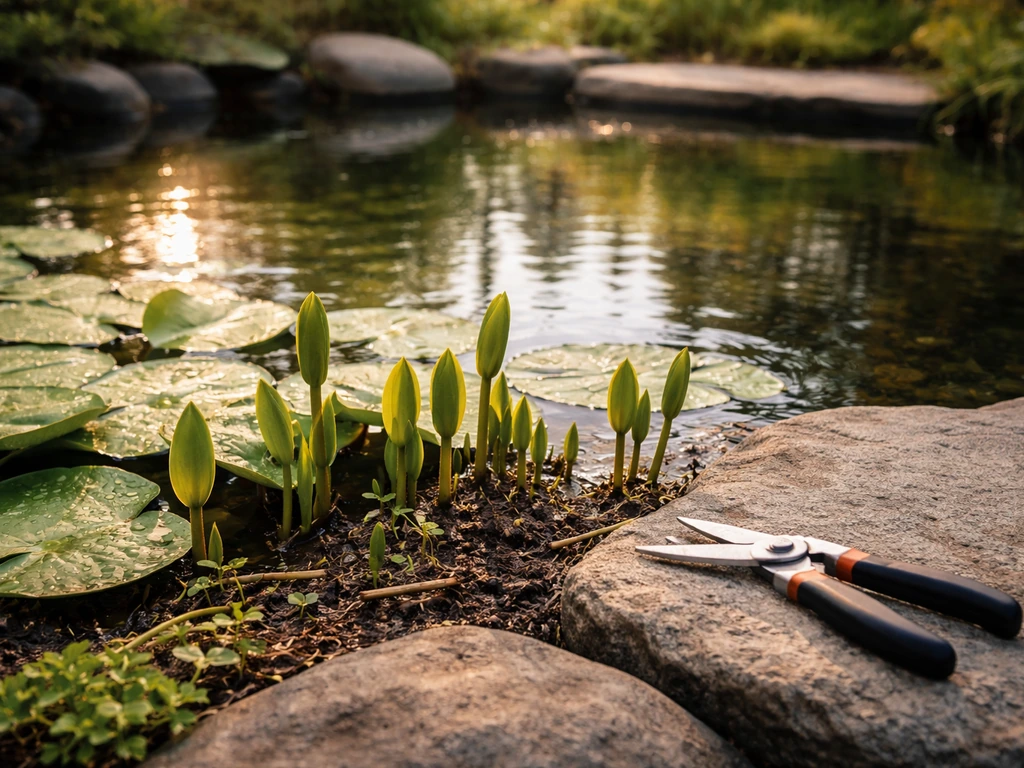
If you want to give your lily pads every possible advantage this season, do these things right now. If you want the full picture behind how do lily pads grow, start with the sun, temperature, depth, and fertilizing steps before you chase faster growth. First, check your planting location honestly: does it get 6 or more hours of direct sun? If not, moving the container to a sunnier spot is the highest-impact change you can make.
Second, if you planted in early spring and your water is still cold, consider temporarily raising the container closer to the surface where sun warms the water faster. Third, push aquatic fertilizer tablets into the soil at planting and plan to re-fertilize roughly every 3 to 4 weeks through summer.
Timing your planting also matters. Late spring is ideal for outdoor planting in most climates because water temperatures are rising, days are long, and the plant gets its most energetic growing period right after it establishes. Planting a rhizome in late summer means it's barely established before it heads into dormancy. If you're in the northern US and planting after August, manage your expectations for this season and think of it more as establishment for next year.
For hardy varieties, a late-winter or very early spring planting (just as water temperatures begin to rise) can give the plant a head start on the season. Bare-rooted rhizomes planted this way often hit their stride by mid-spring with visibly spreading pads well before summer.
Growing lily pads indoors or in smaller containers
You absolutely can grow true water lilies in containers indoors or on a patio, but the constraints get tighter. The container needs to hold enough water to maintain stable temperature and give the roots room to spread. A half-barrel planter or a large tub (at least 15 to 20 gallons) works for smaller or dwarf varieties. The crown of the plant should sit in heavy clay or aquatic soil in a container at the bottom, with water filled to the appropriate depth above it.
The hardest part of indoor growing is sunlight. Most indoor spaces simply don't deliver 6 hours of direct sun, so if you're keeping the container near a south-facing window or under a grow light, be realistic about what you'll get. Container water lilies on a sunny outdoor patio or deck often outperform true indoor setups significantly. If you're growing indoors, a strong grow light positioned close to the water surface can make the difference between a plant that thrives and one that just stays alive.
Water temperature in small containers fluctuates more than in larger ponds, which can stress the plant. In summer heat, a small dark container can overheat; in a cool room, it may stay too cold. Aim to keep container water in that 60 to 75°F sweet spot as consistently as you can. A small aquarium thermometer is worth the few dollars just to know what you're actually working with.
Troubleshooting: why your lily pads aren't showing up
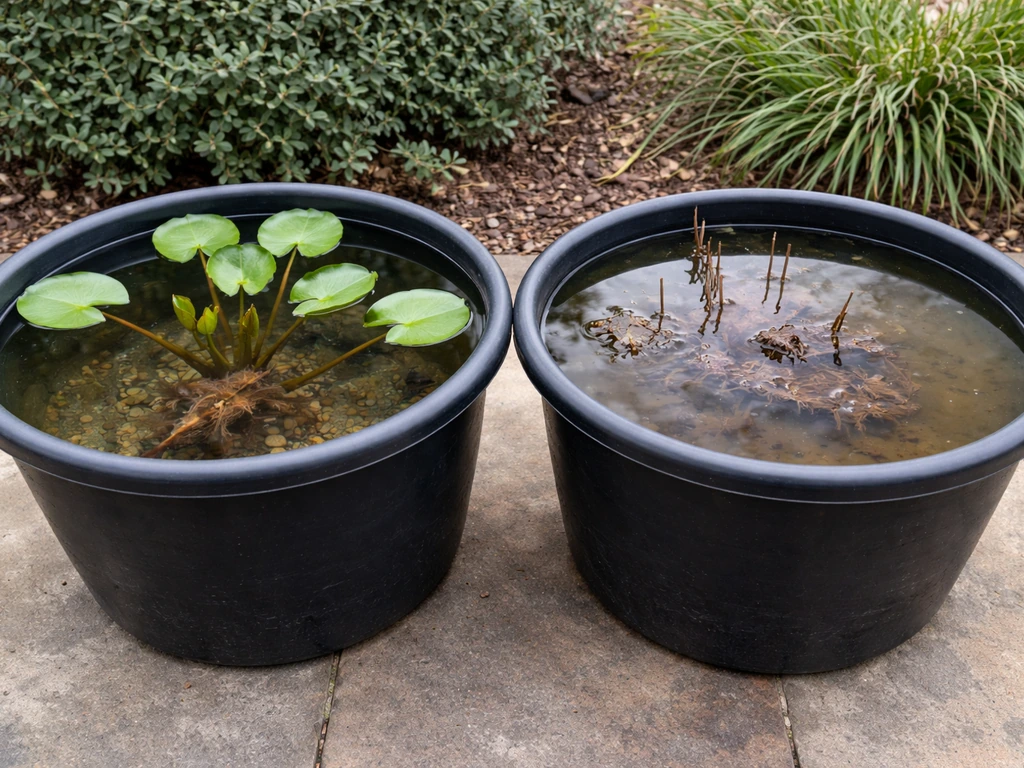
If it's been more than 4 weeks after planting a rhizome and you're seeing nothing at all, work through this checklist before giving up or replanting:
- Water temperature too cold: Check with a thermometer. If you're below 60°F, especially with a tropical variety, the plant is essentially dormant. Wait for the water to warm up naturally or temporarily move the container to a warmer, shallower spot.
- Insufficient sunlight: Count honest hours of direct sun, not just 'bright.' Dappled or reflected light doesn't count the same way. If you're under 6 hours, relocate.
- Planted too deep: If the crown is sitting more than 12 inches below the surface in early establishment, the young shoots may not have the energy to reach the top. Raise the container temporarily.
- Rotting rhizome: If the original rhizome was damaged, old, or sat in standing water before planting, it may have rotted at the base. Gently check by probing the soil. A healthy rhizome feels firm; a rotten one feels mushy and often smells bad.
- No fertilizer: Without nutrients, the plant has no fuel for the initial push. Add aquatic fertilizer tablets now, pushed into the soil around the rhizome.
- Wrong planting orientation: Hardy water lily rhizomes are typically planted horizontally with the growing tip (the pointed end) angled upward and toward the center of the container. Planting the tip face-down or sideways dramatically delays emergence.
- Newly disturbed rhizome transplant shock: If you recently repotted or moved an established plant, it can stall for 1 to 2 weeks while it adjusts. This is normal and usually resolves on its own.
If you've addressed all of the above and still see nothing after 6 weeks, the rhizome has likely failed. At that point, replanting with a fresh rhizome from a reputable nursery is the right call. Don't keep waiting on a dead rhizome all season.
Choosing the right variety for your setup
The single most important choice is hardy versus tropical, because it determines your entire seasonal timeline and whether you even need to think about overwintering. Hardy water lilies (most Nymphaea cultivars sold at garden centers) survive winters down to USDA zone 3 as long as the rhizome doesn't freeze solid. They go dormant, drop their leaves, and come back in spring. Tropical water lilies are strictly warm-climate plants and will die if exposed to frost. They need to be overwintered indoors in warm water or treated as annuals.
| Feature | Hardy Water Lilies | Tropical Water Lilies |
|---|---|---|
| Winter hardiness | USDA zones 3–10 (rhizome dormancy) | Zone 10+ outdoors; must overwinter indoors elsewhere |
| Ideal water temp | Tolerant of 50°F+ once established | Needs 60–75°F; stalls or dies below 60°F |
| Flower timing | Daytime blooms in summer | Daytime or night-blooming depending on variety |
| First-year growth speed | Fast once water warms; pads in 2–4 weeks | Fast in warm water; very slow if water is cool |
| Best for beginners | Yes, more forgiving | More demanding; better for warmer climates |
| Leaf/pad color variety | Mostly green pads | Often mottled or purple-tinged pads |
If you're in USDA zones 3 through 7, start with a hardy variety. It will forgive more mistakes, come back every year, and produce pads reliably without the overwintering stress. If you're in zones 9 or 10 and your pond water stays warm most of the year, tropicals are worth exploring because they often produce more dramatic flowers and some varieties bloom at night. For everyone in the middle, a hardy variety is the practical choice for consistent results.
Dwarf and miniature Nymphaea cultivars are worth knowing about if you're working with a small container or patio tub. They're specifically bred for smaller water volumes and shallower setups, and they tend to be more forgiving about container size than standard cultivars.
If you're curious how lily pads are structured, how deep they can grow, or whether there's a way to grow them somewhere unusual, those are genuinely interesting rabbit holes to explore once your plant is in the ground and doing its thing. Once your plant is established, the next question is how deep can lily pads grow in your specific pond setup.
If you're wondering where lily pads grow naturally and what conditions they need, look for calm, sunlit water with the right depth how lily pads are structured.
Bottom line: get a hardy rhizome into warm, fertilized, sunny water at the right depth this spring, and you'll have floating pads within two to four weeks. That's the real timeline, and now you have everything you need to hit it.
FAQ
My lily pad looks inactive, how long should I wait before assuming it’s not growing?
Not if the plant is truly a water lily rhizome. Hardy water lilies often look like they stop at first (no new leaves for a bit) when the water is still cold, but they should show some sign of new growth by around the first leaf window. If after about 6 weeks post-planting there is absolutely no green, no crown activity, and no stem or root growth, that’s the time to consider the rhizome failed rather than “waiting longer.”
Why is my lily taking longer than the 2 to 4 week floating-pad timeline?
It’s usually about cold, low light, or incorrect depth. If your pond has the right sun and temperature but the crown is buried too deep, the first young leaves take longer to reach light, which makes the timeline slip. Re-check that the crown has roughly 6 inches of water above it for starting, then adjust using a shelf, bricks, or a shallower placement.
What should I do if my water lily leaves are growing but not reaching the surface?
If you see leaf-like growth but it doesn’t float, it can be a depth or light issue, not necessarily a plant problem. New leaves may stay underwater longer when the crown is too deep or when there isn’t enough direct sun to power strong stem growth. Move the container to better sun or temporarily raise the crown toward the surface so the leaves can make it to light.
Can I just sprinkle fertilizer in the pond water to make pads grow faster?
Yes, but you need to fertilize the right way. Use aquatic fertilizer tablets pressed into the planting media or soil around the rhizome, not broadcast into the pond. In many ponds, surface-feeding fertilizer leaches nutrients that fuel algae instead of the lily, which can make the lily appear to stall while algae takes off.
Will lily pads grow faster in a small container than in a pond?
Most “lily pads” you see sold in ponds are container-friendly only if the cultivar is suited to smaller water volumes. For standard Nymphaea, a half-barrel or at least a 15 to 20 gallon tub is a practical starting point. The faster growth goal is hard to reach in smaller containers mainly because temperature swings are greater and root space is limited.
How can I tell if my pond really has enough sun for fast lily pad growth?
Direct sunlight matters more than shade tolerance, but “sun count” can be misleading. If your pond gets morning sun only or is shaded most of the day, the lily may survive but grow slowly and rarely bloom. Aim for at least about 6 hours of direct sun hitting the water surface, not just the general yard area.
I have a tropical lily, how do I avoid the slow-growth problem from cool water?
If you planted a tropical water lily too early, the common symptom is no visible progress because growth stalls below about 60°F. The plant might survive a short cold spell, but expecting rapid pad formation during cool water conditions is usually unrealistic. Delay planting until water temperature is consistently warm, or keep the container indoors until it is.
If I start from seed, can I speed up the timeline to get floating pads sooner?
Don’t assume seed-based plants will “catch up.” Seed-grown water lilies can take 6 to 12 months for the first floating leaf, and early progress is not a reliable indicator of how quickly pads will appear later. If your goal is pads this season, rhizomes or nursery plugs are the dependable route.
How can I tell if a rhizome is healthy before planting, and what early signs matter?
A healthy rhizome should be dense and firm at planting. If the rhizome is soft, hollow, or smells rotten, it’s likely already failed. For marginal cases, float or inspect after planting, confirm the crown position, and remember that a cold period can mask early growth, but it typically should not produce zero signs of activity for that entire window.
Will changing pond water, topping off, or cleaning the pond slow lily pad growth?
Yes, but water changes and disturbances can slow things down because they can drop temperature or remove stirred-up nutrients that the plant uses to establish. If you need to top off water, do it gradually and avoid replacing large amounts at once during cool periods. In small containers especially, small temperature shifts can be noticeable.
Next Articles
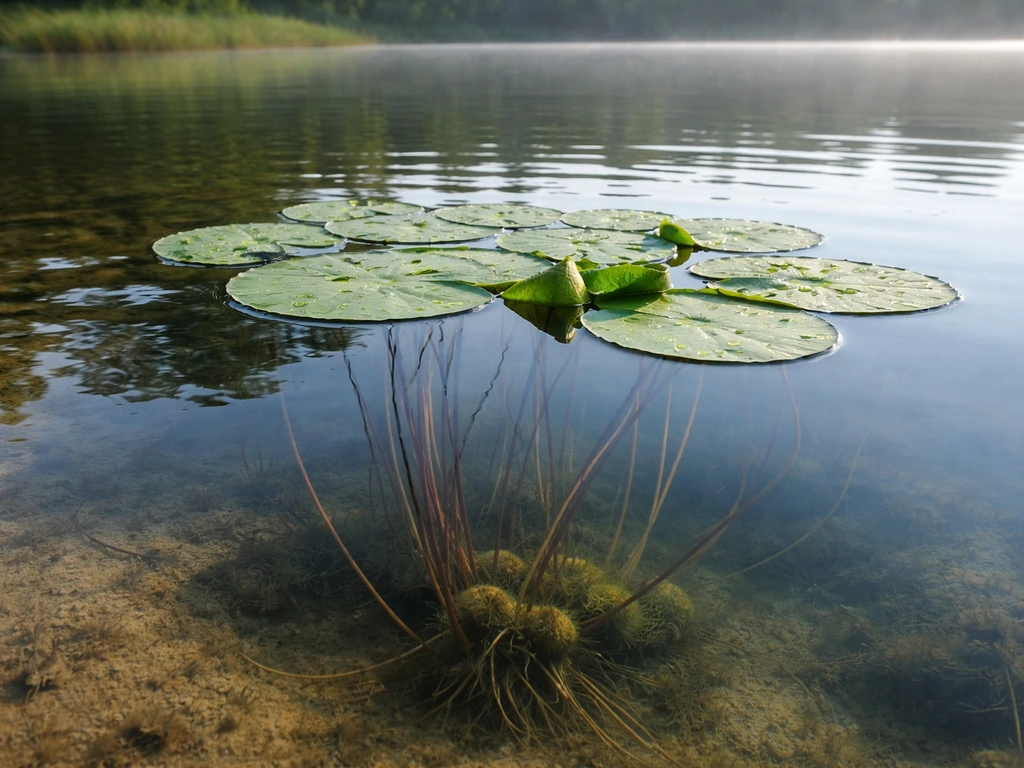
How Deep Can Lily Pads Grow? Depth Limits and Tips
Learn lily pad water depth limits, what controls growth, and how to plant rhizomes plus expected leaf height
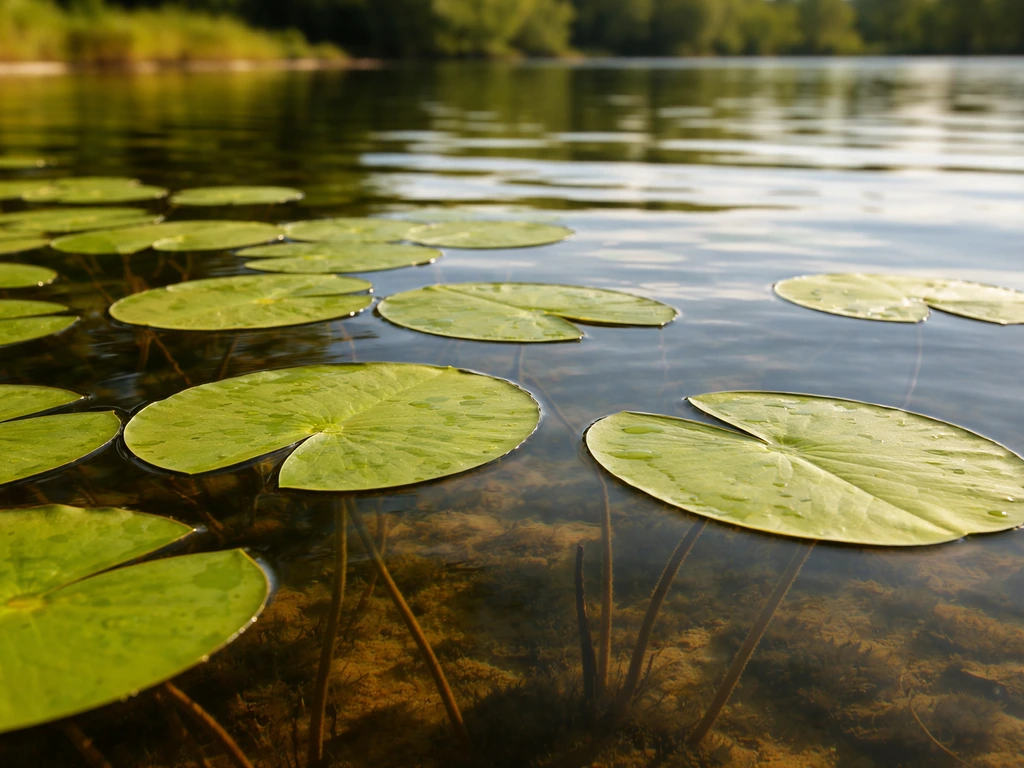
Where Do Lily Pads Grow? Habitats by Sun, Water, and Region
Find where lily pads grow worldwide and how to match sun, shallow still water, depth, and temperature for success.
What Flowers Grow on Lily Pads? Lotus vs Water Lilies
Learn if lotus blooms come from lily pads, what flowers float on lily-pad leaves, and how to confirm and grow them.