
True lily pads cannot grow on dry land. These are the floating leaves of aquatic water lilies (Nymphaea spp.), and their roots need to stay anchored in submerged soil or mud while the leaves float up to the water's surface. Take that water away entirely, and the plant dries out, collapses, and dies within days. That said, you can grow water lilies in containers, tubs, or marsh-edge setups without a full pond, as long as the root zone stays submerged and consistently wet. That's the workaround most home gardeners are actually looking for.
Can Lily Pads Grow on Land? Conditions, Methods, Fixes
Marcus Hendricks
27 May 2026
What people actually mean by "lily pads"
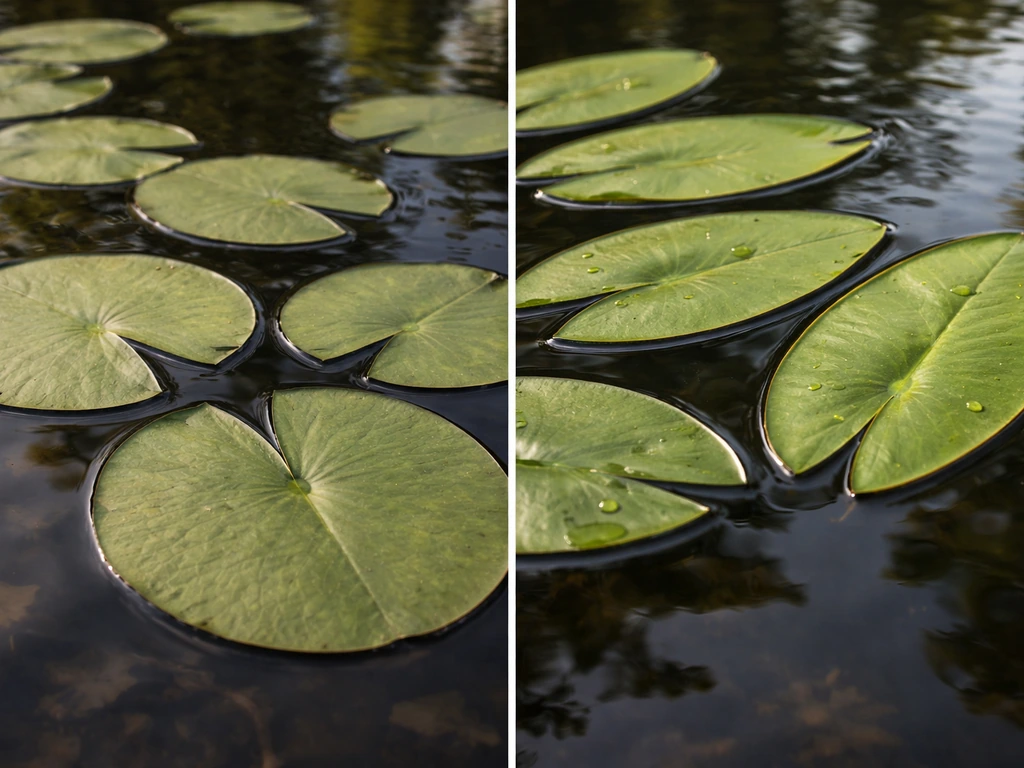
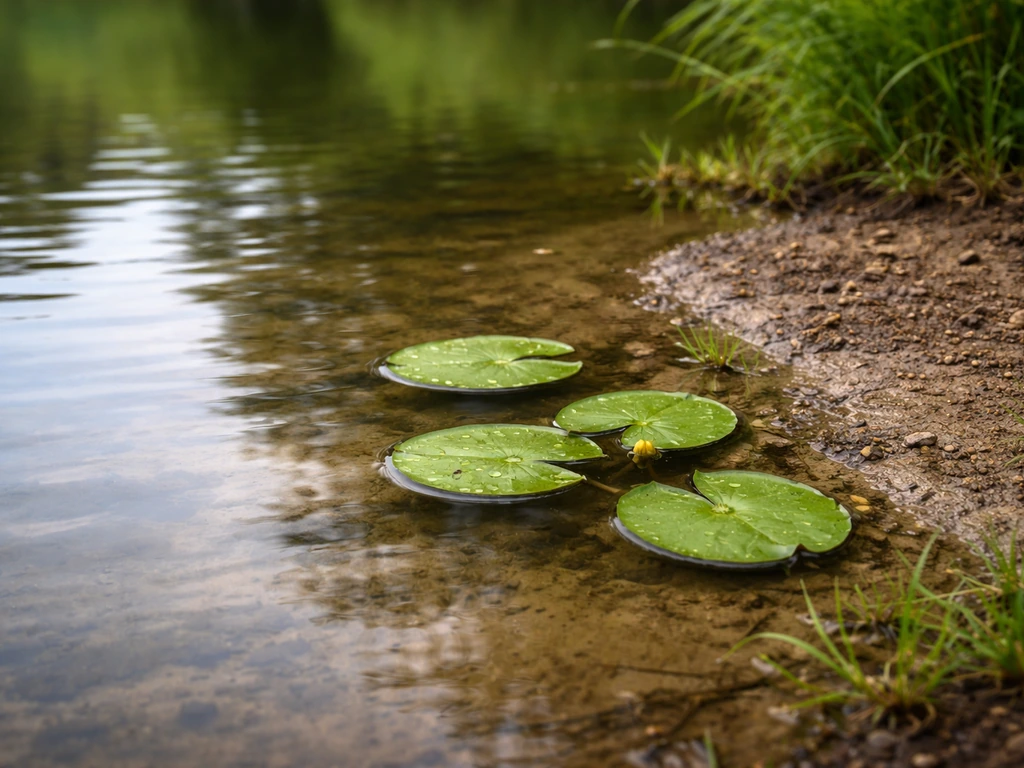
"Lily pad" is a common name for the broad, round floating leaves produced by water lilies, specifically plants in the genus Nymphaea (and sometimes Nuphar, the yellow pond lilies). These are true aquatic plants. Their rhizomes and adventitious roots are anchored in the sediment at the bottom of a pond or lake, while long leaf stalks extend up through the water column so the pads can float at the surface. This architecture is completely different from a terrestrial plant rooted in soil above water.
The confusion usually comes from the word "lily." True lilies (Lilium) are bulb plants that grow in well-drained garden soil and absolutely cannot tolerate standing water. Lotus (Nelumbo) is another plant often lumped in with lily pads in conversation, but lotus holds its leaves above the water surface on tall stems rather than floating them flat. All three are called "lily" in casual speech, but their growing requirements couldn't be more different. If someone tells you they want to grow lily pads on land, the first question to ask is: which plant are they actually thinking of?
Water lilies vs. lotus vs. terrestrial lilies: a quick comparison
| Plant | Root Environment | Water Requirement | Can Grow on Dry Land? |
|---|---|---|---|
| Water lily (Nymphaea) | Submerged in sediment/mud | Standing water, typically 12–48 inches deep | No |
| Lotus (Nelumbo) | Submerged rhizome in mud | Standing water, minimum ~12 inches deep | No |
| True lily (Lilium) | Well-drained garden soil | Regular watering, no standing water | Yes |
| Daylily (Hemerocallis) | Garden soil | Regular watering, good drainage | Yes |
If you want floating pads, you're committing to an aquatic setup. If your space is purely a garden bed with no water feature, a true lily or daylily is going to be a much better fit, and far less frustrating.
Exactly what conditions water lily pads need to grow
Water lilies need three non-negotiable things: standing water over their roots, a submerged soil medium to anchor in, and plenty of sunlight. Get any one of these wrong and the plant struggles fast.
Water depth
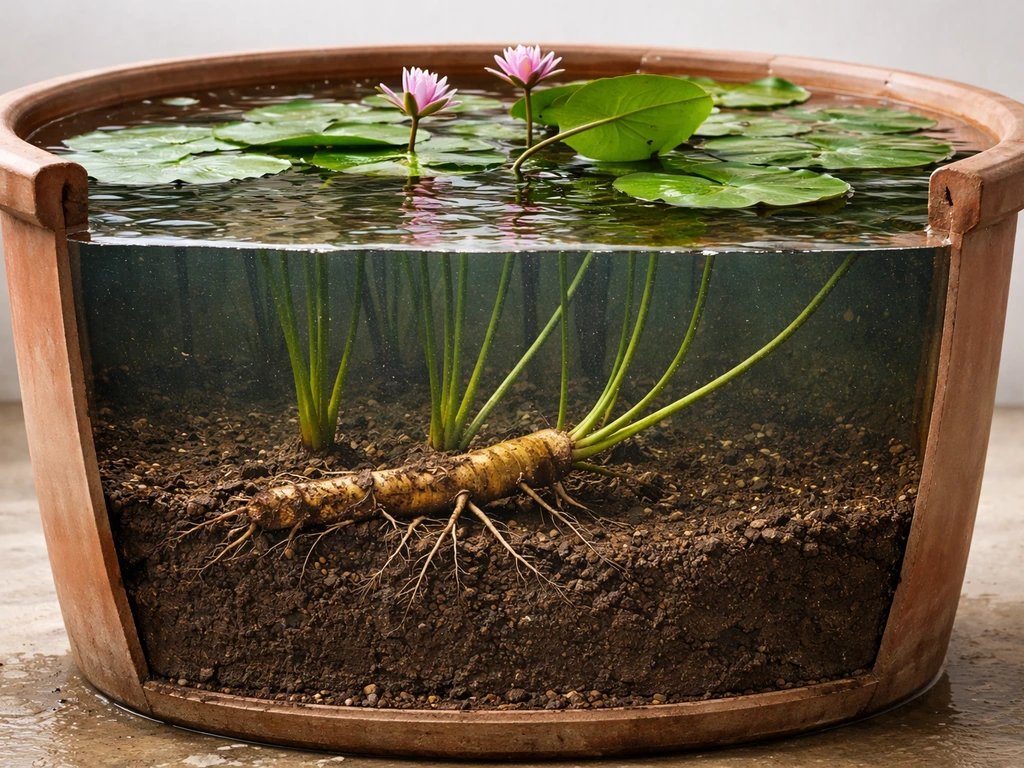
Depth requirements vary by cultivar size. A typical tropical water lily grows well in about 18 inches of standing water over the rhizome. Hardy varieties in containers thrive at blank" rel="noopener noreferrer">12 to 18 inches of water over the top of the pot, though they can manage with as little as 6 to 8 inches in full sun. Large cultivars in natural ponds may need 30 to 48 inches. The point is that the roots must stay submerged at all times, and the leaf stalks need enough water column above them to reach the surface.
Soil and anchoring
The rhizome needs to be planted in heavy loam or clay-based soil inside a pot or basket, then submerged. The growing tip of the rhizome should be angled upward at roughly 45 degrees and positioned just above the soil surface within the container. Light or peat-based potting mixes are a bad choice here because they float and disperse in water. A submerged root zone that can't anchor the plant leads to rhizomes drifting loose, which causes immediate stress.
Light
Water lilies are sun-hungry. The Royal Horticultural Society recommends full sun for best flowering, and in practice that means at least 6 hours of direct sun per day. Shady spots produce weak, stretched leaf stalks and almost no flowers. This is one area where water lilies and true terrestrial lilies actually agree: both want plenty of light.
Testing "land growth": the container and marsh-edge approach
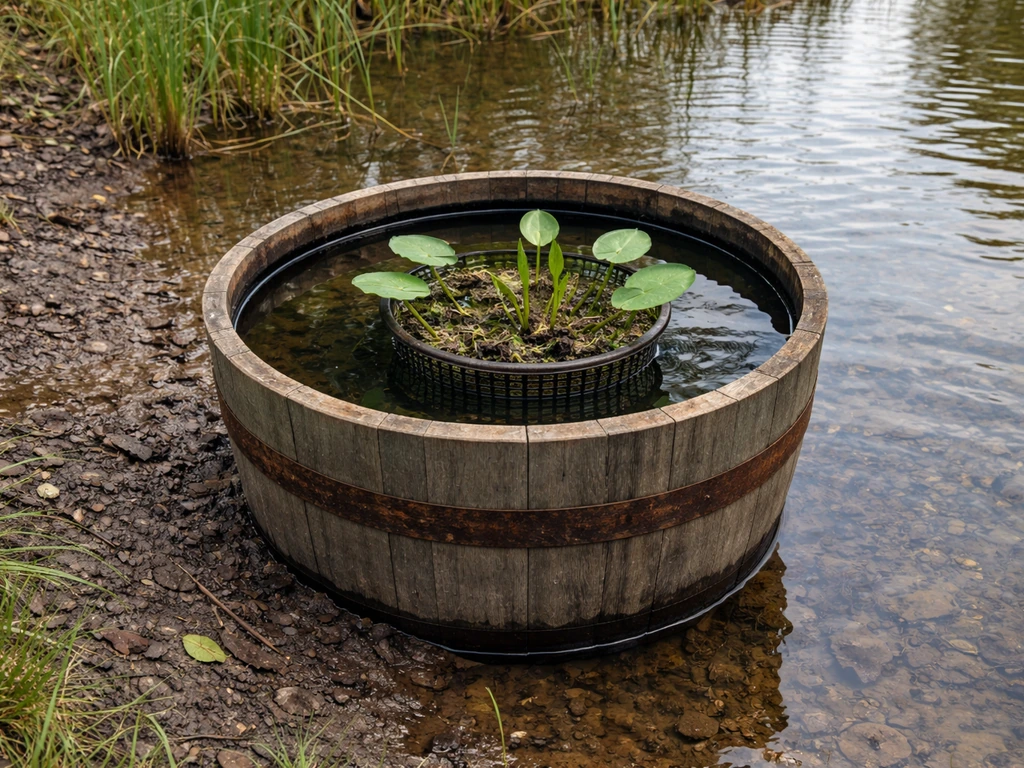
If you want the look of lily pads without a full in-ground pond, a container setup is the most practical option for most home gardeners. I've seen this work well even in small urban backyards. Here's how to do it safely.
- Choose a large, watertight container: a half whiskey barrel with a liner, a galvanized stock tank, or a rigid pond tub at least 18 to 24 inches wide and 12 to 18 inches deep.
- Fill the bottom 4 to 6 inches with heavy garden loam or a mix of clay-based soil and aquatic plant fertilizer tablets. Do not use regular potting mix.
- Plant the rhizome in a mesh aquatic basket set into this soil layer, with the growing tip angled up and just above the soil surface.
- Fill the container with water until there is at least 6 to 12 inches of water above the top of the basket.
- Place the container in a location that gets 6 or more hours of direct sun daily.
- Top up the water regularly since evaporation in a small container is significant, especially in summer heat.
For a marsh-edge or "near-land" look, you can place the pot at the very edge of a container so the pads hang slightly over the rim, giving the impression they are growing out of wet ground. The key rule is that the root zone must never be exposed to open air. Even partial drying of the rhizome zone causes rapid dieback.
What goes wrong when lily pads are kept off water
I've seen gardeners try to keep water lily rhizomes alive in just damp soil the way you would a moisture-loving houseplant. It doesn't work, and here's specifically why things fail. Common water-lily die-off can also happen when fungi trigger leaf spots and decay in plants kept under suboptimal conditions, not only when they are missing sun fungi can trigger leaf spots and decay.
- Drying and collapse: Water lily leaves have no waxy cuticle thickness for surviving dry air the way terrestrial plants do. Once the rhizome zone dries out, leaves wilt within hours and the rhizome can die within days. The rule is simple: don't let the rhizome freeze or dry out, ever.
- Overheating: Small containers sitting in full sun can heat up fast. Water temperatures that climb too high stress the plant and promote rot. Larger containers hold temperature more steadily, which is one reason to go bigger.
- Freezing damage: Tropical water lilies cannot tolerate freezing at all. Growth slows and stops once water temperature drops below about 50°F (10°C) and air temperature drops below 59°F (15°C). Freezing kills them outright. Hardy water lilies can survive winter if the rhizome stays submerged below the ice line and doesn't freeze solid or dry out.
- Crown and rhizome rot: Fungal rot is a real risk, especially if the rhizome is buried too deeply or the water circulation is poor. The growing tip should always stay just at or above the soil surface within the pot, not buried under it.
- Nutrient and oxygen deficiency: Water lily roots function in low-oxygen sediment and absorb nutrients directly from the substrate. A container with plain water and no nutrient-rich soil medium will produce weak, yellowing leaves relatively quickly. Use aquatic fertilizer tablets pressed into the soil around the root zone at the start of the season.
Practical setup options without a natural pond
Paludarium or marsh-pot setup
A paludarium approach keeps the root zone in standing water while the foliage sits above the waterline, which is essentially what water lilies do naturally. For a home setup, this means a watertight container with several inches of heavy substrate at the bottom, filled with water to about 12 to 18 inches above the substrate. The lily's pads float at the surface or just above the container rim. This is the closest you can get to a "land-grown" aesthetic without actually growing the plant out of water.
Raised beds with water trays or wicking systems
Wicking and self-watering systems draw water from a reservoir up into a growing medium, which works well for moisture-loving terrestrial plants. For true water lilies, this concept doesn't provide the standing water depth the roots need and doesn't replicate the oxygen-limited sediment environment. However, if your interest is really just a lush, water-loving plant for a raised bed or patio, this is where a different plant entirely makes more sense. Moisture-tolerant marginal aquatics like pickerelweed or iris can handle constantly wet soil with much less infrastructure than Nymphaea.
Stock tank or pondless container pond
A 100 to 150 gallon stock tank on a patio or deck is genuinely one of the best ways to grow water lilies without an in-ground pond. It's deep enough (typically 24 inches) for hardy varieties, holds temperature more consistently than smaller tubs, and can be dressed up with stone or wood edging to look like a naturalistic water feature. Add a small solar pump for gentle surface movement to reduce mosquito breeding. This setup lets the pads sit right at the rim visually, which reads as "near-land" from a few feet away.
Choosing the right lily for your space
Before you commit to any setup, be honest about what your space can realistically support. Here's a straightforward way to think about it.
Outdoor, garden with a pond or large container
If you're in USDA zones 3 to 10 and have space for a container or in-ground pond that stays at least 12 inches deep, hardy water lilies (Nymphaea varieties labeled hardy) are the most forgiving choice. They overwinter at the bottom of the pond as long as the rhizome doesn't freeze solid. Tropical water lilies give you more dramatic color and fragrance but need water consistently above 70°F and must be overwintered indoors in most of the US.
Outdoor, no pond and limited space
A stock tank or large tub on a sunny patio can absolutely host a hardy water lily. Go with a dwarf or small-pond variety (often labeled for ponds under 500 gallons). These handle the shallower water depths of containers (6 to 18 inches) better than large-growing varieties. Top up the water weekly during summer. If you live somewhere with hard freezes, either bring the container into an unheated garage over winter or choose a tropical variety and treat it as an annual.
Indoor growing
Indoor water lily culture is possible but genuinely difficult because of light. You need a very bright south-facing window or a strong grow light to hit the 6-plus hours of direct sun equivalent these plants demand. Most indoor setups fall short on light and end up with weak, non-flowering plants. If you want a lush, water-loving plant indoors, a peace lily (Spathiphyllum) is a far more practical choice for low-light indoor spaces, even though it has nothing to do with floating pads.
If your space is a garden bed with no water feature
Stop trying to make water lilies work in dry or even just moist garden soil. In general, can lily pads grow in saltwater? No, they typically need fresh water conditions to stay healthy and rooted. True lilies (Lilium) and daylilies (Hemerocallis) both prefer well-drained soil and give you spectacular flowers without any aquatic infrastructure. They are completely unrelated to water lilies despite sharing the "lily" name. North Carolina State Extension is explicit that Lilium actually suffers in overly moist soil, developing bulb rot. If you want the lily look in a border or raised bed, these are your plants.
Understanding how water lilies actually grow in a pond environment, what flowers they produce, how fast they spread, and how deep they can anchor are all connected questions worth exploring once you've settled on the right setup for your space. For the specific question of what flowers grow on lily pads, see the guide on the blooms water lilies produce and when to expect them what flowers they produce. In that same pond setup, you can also estimate how fast lily pads grow based on temperature, light, and how deep the rhizomes stay submerged. The core answer here stays the same no matter which direction you go: water lilies live in water, not on land, but you have real options to bring them very close.
FAQ
How long can water lily rhizomes sit out of water before they die?
No. If the rhizome and root zone dry out, even briefly, water lilies typically collapse within days. If you are trying a near-land look, build the setup so the substrate stays fully flooded, and use an overflow or check daily during hot weather to prevent the waterline from dropping below the root basket.
What should I put in the container under the rhizome, and what mix should I avoid?
Use a heavy, water-stable substrate in a pot or basket, then submerge the entire container bottom in water. Avoid light potting mixes and peat-heavy mixes that can float, break up, and stop the plant from anchoring properly, which leads to drifting rhizomes and stress.
Can I create a “paludarium” that lets lily pads grow like they are on dry ground?
Yes, but only indirectly. Floating pads can look “on land” visually, but the roots must remain submerged in the container or pond. A paludarium can help with the aesthetic by keeping foliage above the water while water surrounds the submerged substrate, not by growing the plant in damp soil.
Will lily-pad plants survive if the pond gets salty or brackish?
Saltwater is a bad fit for true water lilies, because their root zone needs fresh-water conditions to stay healthy and properly rooted. If you are using runoff, well water, or a pond that can get brackish, monitor salinity and err toward freshwater water changes if you see leaf yellowing or poor anchoring.
How do I maintain the right water depth during hot weather or drought?
Keep the rhizome submerged at all times, but expect summer water levels to drop through evaporation. Topping up weekly is a common baseline, but in hot, windy climates you may need more frequent top-offs so the waterline never exposes the growing tip or upper rhizome zone.
What are the most common reasons water lilies fail in containers?
Most “water lily” failures in containers come from insufficient light, too-shallow water for the cultivar, and wrong substrate that floats or disperses. If the plant grows weakly, stretches, or stops flowering, first confirm at least about 6 hours of direct sun and that the root zone stays fully submerged.
How should I overwinter water lilies in a stock tank or tub?
Hardy water lilies can overwinter outdoors if the container or pond stays deep enough that the rhizome does not freeze solid. If your climate has hard freezes, either move the pot to an unheated garage where the root zone stays from fully freezing, or choose a truly hardy variety rated for colder regions.
Do I need a pump or aeration for lily pad containers, and how strong should it be?
Let the water surface move gently if you add a pump, but avoid strong currents that batter pads and leaf stalks. Many gardeners use a small solar pump for mild circulation, which also helps reduce mosquito breeding without creating turbulent flow.
Will my water lily take over, and how can I control how fast it spreads?
Yes, but it depends on the cultivar and setup. Expect spreads faster in warm months with strong light and stable water depth. For predictable control, keep each plant in its own container, and divide rhizomes during dormancy when growth is slowed.
Can I grow water lilies indoors on a patio setup, and will they flower?
Yes, but indoor success hinges on light intensity. A bright south-facing window often still falls short of the direct-sun equivalent needed for flowering, so use a strong grow light positioned close enough to deliver consistent illumination, and plan that many indoor plants grow slowly and may not bloom.
Next Articles
Can Lily Pads Grow in Saltwater? Conditions to Try
Learn if true water lilies can live in saltwater, how to measure salinity, and what conditions enable growth.
How Fast Do Lily Pads Grow? Timelines and Tips
Learn how fast lily pads grow in ponds, what speeds or slows them, and how to fix no growth fast.
How Deep Can Lily Pads Grow? Depth Limits and Tips
Learn lily pad water depth limits, what controls growth, and how to plant rhizomes plus expected leaf height