
Lily pads grow from the underground rhizomes of water lilies (genus Nymphaea), sending up leaf stalks that eventually reach the surface and unfurl into those familiar round floating leaves. The whole process is driven by a combination of water temperature, sunlight, water depth, and nutrients. Get those four conditions right and you will see new pads emerging within a week or two of planting. Get even one of them wrong and the plant just sits there doing nothing, which is one of the most frustrating things in pond gardening.
How Do Lily Pads Grow: Timing, Conditions, and Steps
Marcus Hendricks
3 Apr 2026
What a lily pad actually is
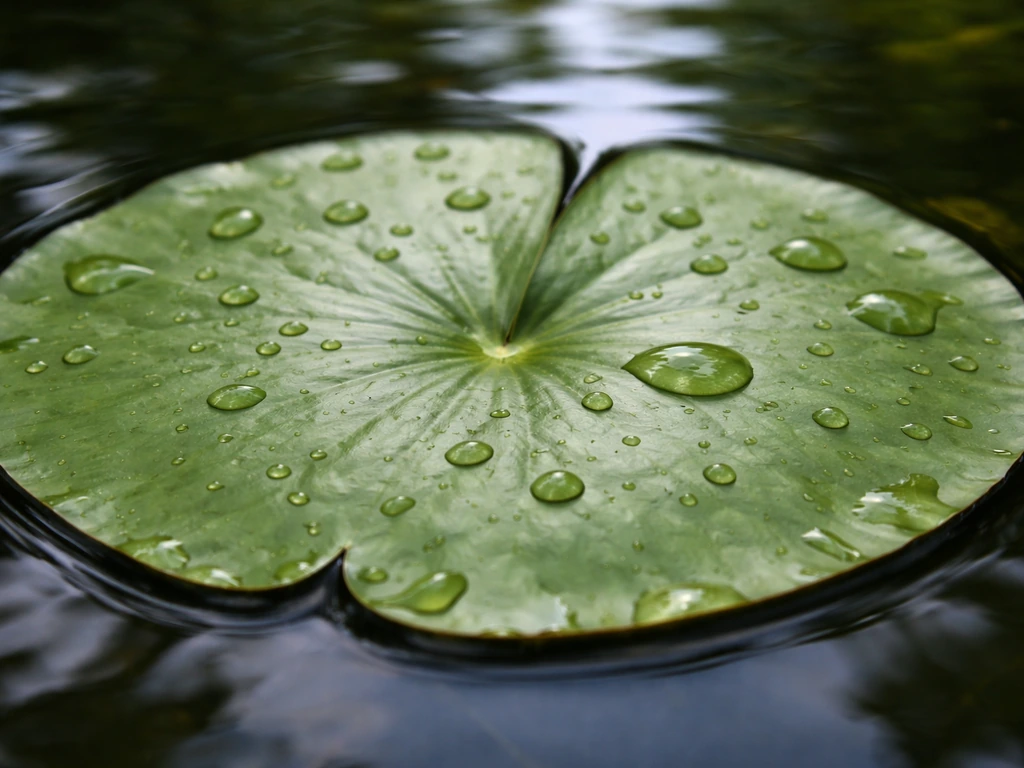
Before diving into the how, it helps to be clear on what we are talking about. A "lily pad" is simply the floating leaf of a true water lily, a plant in the Nymphaeaceae family. Each large, round leaf has its own individual stalk (called a petiole) that runs from the rhizome anchored in the sediment at the bottom all the way up to the water surface.
People sometimes use "lily pad" to mean any floating aquatic leaf, but technically it refers to Nymphaea and its close relatives. You can read more about what flowers grow on lily pads if you want to get into the bloom side of things, but for now the key point is that the pad itself is just the leaf, not the whole plant.
The two main groups you will encounter as a home gardener are hardy water lilies (which go dormant in winter and come back from the rhizome each spring) and tropical water lilies (which are treated as annuals in most climates or overwintered indoors). Both produce lily pads the same basic way, but their temperature requirements differ significantly, and that distinction matters a lot for timing your setup.
When lily pads start growing (season, temperature, and daylight)
Water temperature is the main trigger for lily pad growth, not the calendar date. Hardy water lilies start pushing new growth when pond water warms to around 60°F. That typically happens in late spring in most temperate regions, anywhere from March to May depending on your climate. Tropical water lilies are more demanding: they stall, sulk, and sometimes die if water temperatures drop below 70°F, and they really hit their stride between 70 and 75°F.
The North Carolina State Extension Gardener Plant Toolbox notes that tropical day-blooming water lilies prefer temperatures above 70°F and should not be planted too early in spring tropical water lilies need water temperatures above 70°F and should not be planted too early in spring.
If you plant tropicals too early in the season, they will just sit there looking miserable and may not recover.
Daylight plays a supporting role. Longer days mean more hours of photosynthesis, which fuels the energy the plant needs to push new leaves upward. The practical takeaway: do not rush planting in spring just because the air feels warm. Check your water temperature with a cheap pond thermometer first. I have planted hardy lilies two weeks too early before and watched them do absolutely nothing for a month while the pond temperature slowly climbed to where it needed to be.
What makes lily pads actually grow
Sunlight: this one is non-negotiable
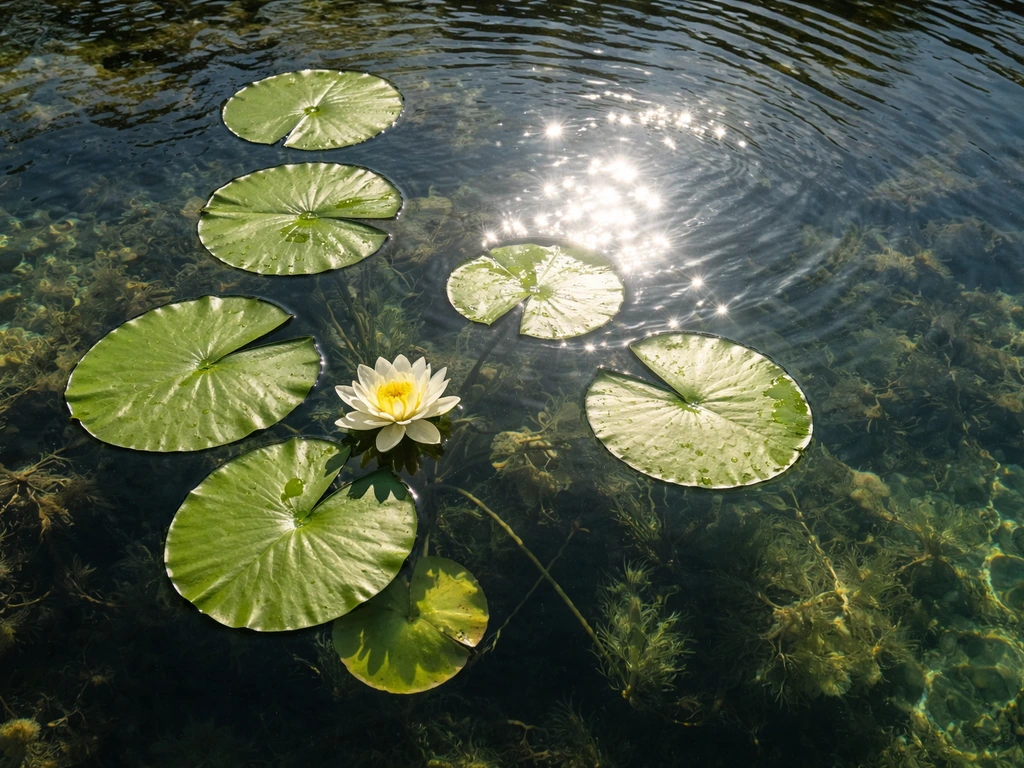
Water lilies need at least five to six hours of direct sunlight per day. Not dappled light, not partial shade: direct sun. This is the number one reason lily pads fail to appear in backyard ponds. People tuck their pond into a shady corner and then wonder why nothing grows. The Missouri Botanical Garden specifically recommends at least five hours of direct sun for a water garden to perform well. Missouri Botanical Garden also states that all water lilies require full sun and still water at least five hours of direct sun. If your pond site gets less than that, you will get weak, sparse growth at best and no pads at worst.
Water depth: not too shallow, not too deep
The crown of the plant (the growing tip of the rhizome) should sit 6 to 10 inches below the water surface. A Reddit user in r/ponds shared that their waterlily pads grew noticeably as they adjusted water depth from about 12 inches to 24 inches, though results can vary by setup a Reddit user shared that their waterlily pads grew as water depth went from about 12 inches to 24 inches.
Too shallow and the plant overheats and the rhizome can get exposed. Too deep and the young leaf stalks struggle to reach the surface, especially in the early weeks of growth. A practical approach for new plantings: start the pot at a shallower depth (around 6 inches of water over the crown) and gradually lower it as the plant establishes and leaf stalks lengthen.
If you are wondering about the range of depths where these plants can survive long-term, there is a good breakdown in this article on how deep lily pads can grow.
Still water matters more than you might think
Water lilies prefer calm, still water. Strong fountain jets or waterfall currents directed across the planting area can disturb the plant, cool the water unevenly, and physically damage emerging leaf stalks. If you have a fountain, position it away from the lily planting zone. A gentle filter outflow is fine, but turbulent water is not ideal for pad development.
Nutrients: feed the rhizome, get more pads
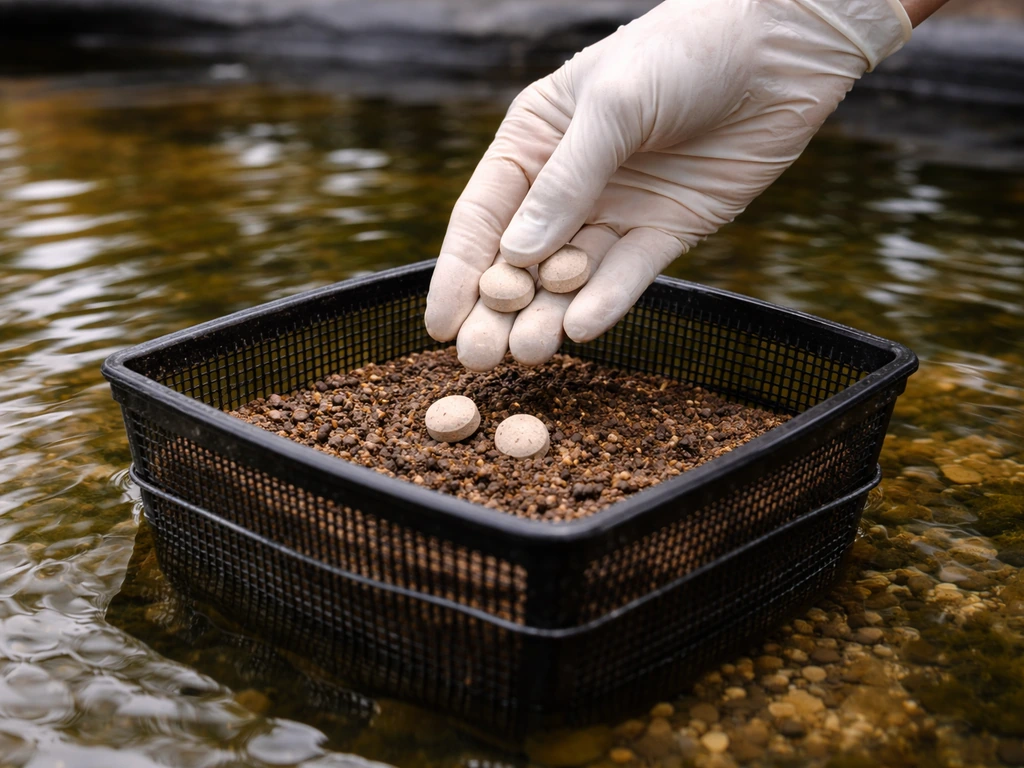
Water lilies are heavy feeders during the growing season. Once the first true floating leaves appear, fertilizing every four to six weeks with slow-release aquatic fertilizer tablets pushed into the soil around the rhizome makes a real difference in how quickly and consistently new pads emerge. Without adequate nutrients, the plant produces fewer leaves, and the ones it does produce tend to be smaller. Do not fertilize before you see active growth: pushing nutrients into a dormant or newly planted rhizome does nothing useful.
How lily pads grow from rhizome to floating leaf
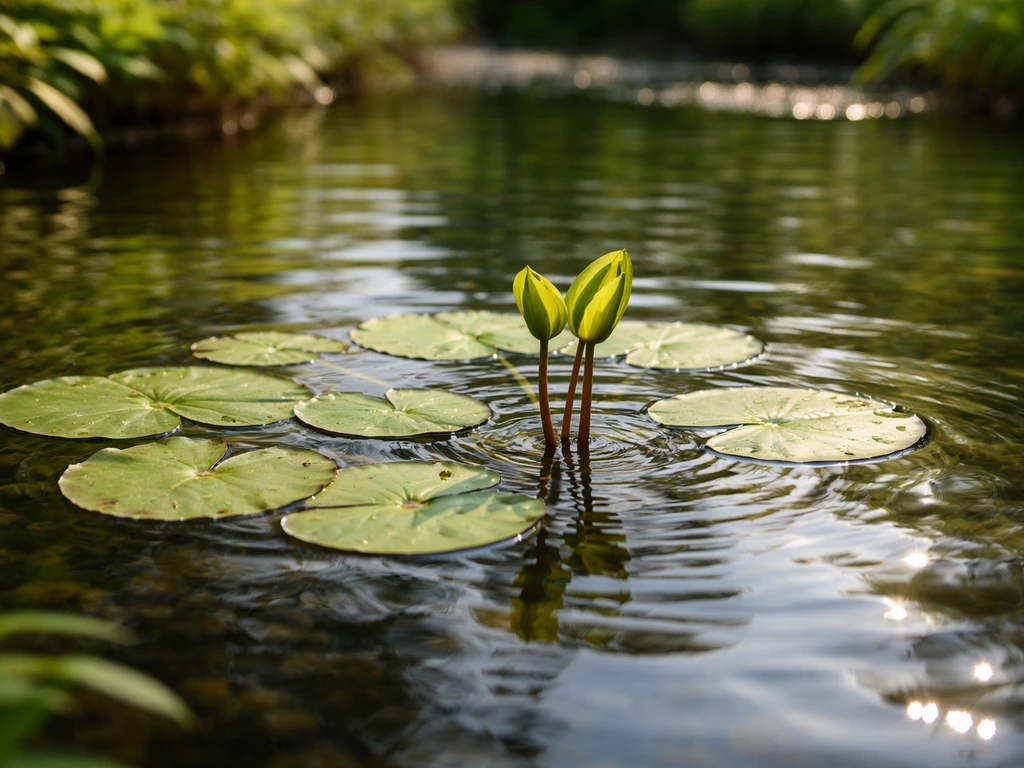
Here is the actual sequence of what happens underground and above. The rhizome (a horizontal, fleshy root-like stem anchored in the soil at the bottom of the pond or container) has growing points, sometimes called eyes or crowns, from which both roots and new shoots emerge. Flower buds also arise directly from the rhizome, so the same structure that produces your pads produces your blooms.
- The rhizome warms up as water temperature rises in spring and begins sending out new growth from its crown (growing tip).
- A new leaf primordium (basically a tightly rolled leaf bud) forms at the crown and starts extending upward on a lengthening stalk.
- Early growth stages may produce submerged leaves first, especially in deeper water or in plants grown from seed. These are smaller and look different from the classic round pad.
- As the stalk lengthens and reaches the surface, the leaf unfurls into the familiar round floating pad.
- Each pad is a separate leaf on its own stalk. A healthy plant in peak season will be continually producing new pads as older ones age and die back.
- The rhizome itself continues growing horizontally, extending the plant's footprint and creating new crown points for future leaves and flowers.
Under good conditions, you can expect to see the first leaf shoots within one to two weeks of planting a mature rhizome. Full floating pad development takes a few more weeks beyond that. Plants grown from seed take significantly longer, sometimes up to three months before producing true floating leaves. This growth timeline also depends on where the plant ends up: where lily pads grow in terms of geography and setting has a real effect on how quickly they establish. And if you are curious about the overall pace, the article on how fast lily pads grow goes deeper into timing expectations.
How to get lily pads growing today: practical steps
Setting up a pond
Choose a spot that gets at least five to six hours of direct sun daily. Place the plant in a planting basket or container filled with heavy clay or loam soil. Do not use standard potting mix: lightweight soils float apart in water, cloud the pond, and leave the rhizome with nothing to anchor into. Cover the roots with soil but leave the crown (the growing tip) sitting just above the soil surface. Not buried, not free-floating: right at the edge of the soil. Cover the soil surface with a layer of gravel or small stones to hold everything in place and prevent the soil from dispersing into the water.
Lower the container into the pond so there is at least 6 inches of water above the crown. If the plant is newly planted and the stalks are short, prop the container up on bricks so the crown sits closer to 3 to 4 inches below the surface initially. Lower it gradually over several weeks as the plant grows and stalks lengthen.
Setting up a container pond or patio water garden
Container water gardens work well for lily pads and are a great starting point if you do not have an in-ground pond. For tropical water lilies, aim for a container at least 20 inches in diameter and 10 inches deep. Hardy lilies can work in slightly smaller containers but still need room for the rhizome to expand. Place the container in full sun, fill it with water, and let it sit for a day or two before planting to let the water reach ambient temperature. Follow the same planting mechanics as a pond: heavy soil, crown exposed, gravel on top, correct water depth over the crown.
One thing worth knowing if you are experimenting with different setups: lily pads cannot grow on land, so any container approach still needs to be a genuine water environment, not just a moist soil planter.
Hardy vs. tropical: a side-by-side comparison
| Feature | Hardy Water Lily | Tropical Water Lily |
|---|---|---|
| Minimum water temp to plant | 60°F | 70°F |
| Ideal water temp range | 60–75°F | 70–85°F |
| Winter survival (in pond) | Yes, if rhizome does not freeze | No, must be brought indoors or treated as annual |
| When pads appear in spring | Late spring as water warms to 60°F | Early summer once water consistently hits 70°F |
| Sunlight requirement | 5–6 hours direct sun daily | 5–6 hours direct sun daily |
| Water depth over crown | 6–10 inches | 6–10 inches |
| Fertilizing schedule | Every 4–6 weeks once actively growing | Every 4–6 weeks once actively growing |
| Best for beginners? | Yes | More challenging due to temperature sensitivity |
If you are just starting out, go with a hardy water lily. They are more forgiving of temperature fluctuations and they come back year after year without you having to do much. Tropicals produce stunning blooms and pads, and some varieties bloom at night which is remarkable, but they require more management. Also worth noting: both types are freshwater plants. If your water source or environment has any salinity, that is a problem. The question of whether lily pads can grow in saltwater has a short answer: they cannot.
Why your lily pads are not growing (and how to fix it)
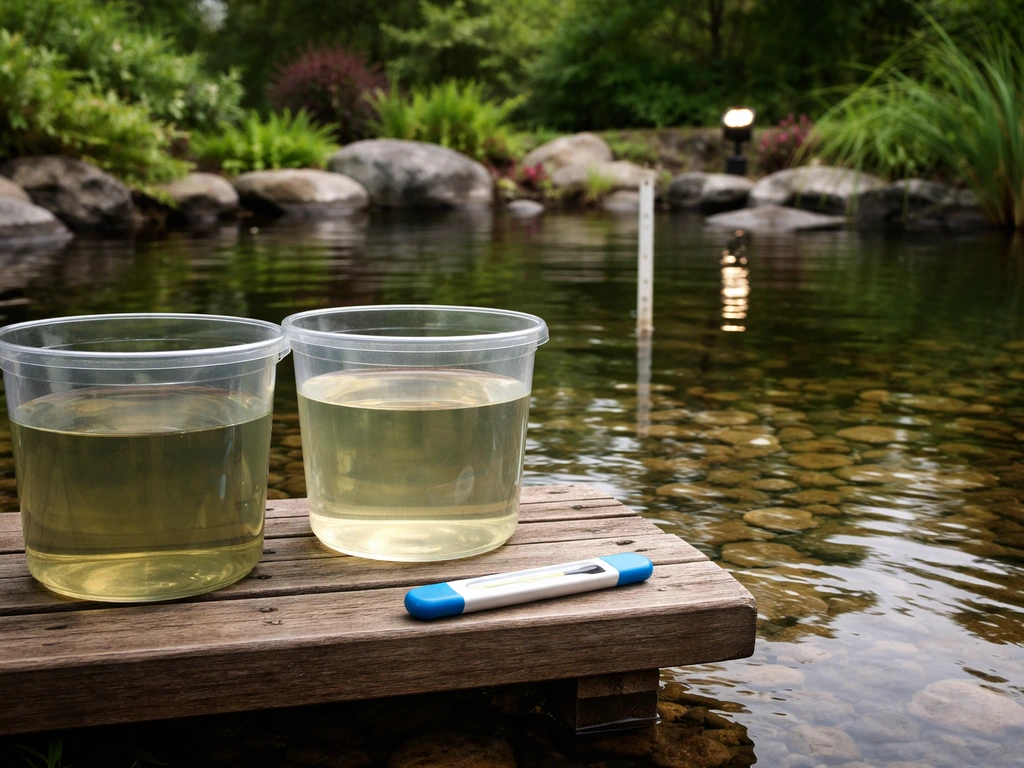
If you have planted a water lily and nothing is happening after two to three weeks, run through this checklist before assuming the plant is dead. Most of the time the fix is simple.
- Water is too cold: The most common reason. Check water temperature, not air temperature. If it is below 60°F for hardies or below 70°F for tropicals, the plant is dormant or stalled. Wait it out or move the container to a warmer location.
- Not enough sun: Count the actual hours of direct sun your pond or container receives on a clear day. If it is under five hours, the plant will not perform. Shade is a silent killer for water lily growth.
- Crown is buried: If the growing tip of the rhizome is covered with soil, the plant cannot push new shoots upward properly. Dig it up, reposition it with the crown just at or above the soil surface, and replant.
- Water depth is wrong: Too much depth early in the season means young stalks cannot reach the surface. Prop the container up to reduce depth temporarily.
- Rhizome is not anchored: A rhizome that shifts around in the container or floats loose cannot establish properly. Make sure the roots are covered with soil and the surface is weighted down with gravel.
- No fertilizer: If the plant has been in place for more than four to six weeks and has produced its first leaves but then stalled, nutrient deficiency is likely. Push two or three slow-release aquatic fertilizer tablets into the soil near the rhizome.
- Plant is too new or immature: A very small rhizome cutting or division needs time to establish before it pushes substantial pads. Give it a full growing season before worrying.
- Water quality issues: Heavily chlorinated tap water, extreme pH, or water fouled by debris can inhibit growth. Let tap water sit before use, and keep the pond clean.
If you are dealing with a hardy lily that went through winter in the pond and is not coming back in spring, the most likely cause is that the rhizome froze. In shallow ponds or in cold climates, winter ice can reach deep enough to damage or kill the rhizome. For next winter, either move the container to the deepest part of the pond before freeze-up, or bring the rhizome indoors and store it in cool, moist conditions (around 50 to 60°F) until spring returns.
Growing lily pads is genuinely one of the more satisfying things you can do in a water garden. Once you dial in the temperature, sun, and depth, the plant does the rest. Start with a hardy variety in a sunny spot, be patient through the first few cool weeks of spring, feed it once it gets going, and you will have pads covering the surface by midsummer.
FAQ
I planted a mature water lily rhizome, but no leaf shoots appeared after two or three weeks. What should I check first?
In most backyard ponds, you should see first leaf shoots from a mature rhizome within 1 to 2 weeks if conditions are right. If it has been longer, recheck water temperature first, then confirm the crown is not buried and that the site gets at least 5 to 6 hours of direct sun. Nutrients matter later, not immediately.
Why are my lily pads taking so long to show up, even though my pond is sunny?
Seed-grown water lilies take much longer, sometimes up to about three months before true floating leaves appear. If your plant came from seed and you are expecting quick pads, that timing alone can explain the delay, even with perfect sun and water depth.
How deep should I set the crown when I first plant, and can I adjust it later?
You can end up with stunted growth if the crown is too deep early on. A practical fix is to start with about 3 to 4 inches of water over the crown when stalks are short, then gradually lower the container depth over several weeks as leaf stalks lengthen.
Do I need to repot or divide lily pads if they outgrow their container?
Yes. If you notice the rhizome is getting crowded or you have fewer new leaves each season, moving to a larger container (or giving more space in a pond) helps the rhizome expand and produce additional growth points. For containers, use heavy soil and avoid lightweight mixes that separate in water.
When is the right time to fertilize lily pads, and what happens if I fertilize too early?
Fertilizing before active growth is a common mistake. Wait until you see the first true floating leaves, then use slow-release aquatic fertilizer tablets every 4 to 6 weeks. Also avoid overfeeding, since algae can surge if nutrients leach or the pond is out of balance.
Can I run a fountain or waterfall in a pond with lily pads?
Yes, but only to a point. Lily pads can handle normal backyard circulation, yet strong jets aimed at the planting area can physically disrupt emerging stalks and cool parts of the pond unevenly. If you have a fountain, redirect flow so it is not hitting the lily zone directly.
I covered the top of the soil with gravel, but the crown is near or slightly buried. Is that a problem?
If you are using a container, top-dressing with gravel helps keep the soil in place, but the crown must stay at the correct boundary. If you cover the crown with soil or bury it to secure it, the plant can overheat, struggle to reach the surface, or fail to establish.
Can I grow tropical lily pads outside during the same months as hardy lilies?
Hardy water lilies and tropical water lilies both produce floating leaves, but temperature tolerance differs. If you plant a tropical too early and water stays below about 70°F, growth often stalls or the plant can die off, so timing and water temperature checks are critical.
What if my pond has a little salt or brackish influence, will lily pads still grow?
Usually not reliably. Lily pads are freshwater plants, and salinity is a problem. Even if the water is not fully saltwater, adding salt for algae control or topping off with brackish water can harm the rhizome and stop pad production.
My hardy lily came through winter but did not return in spring. What is the likely cause and what can I do next winter?
In many climates, the simplest rescue is to protect the rhizome from freezing. For hardy lilies that fail to return after winter, the most likely cause is rhizome damage from ice reaching too deep, next winter either move the container to a deeper spot before freeze-up or overwinter it indoors around 50 to 60°F in cool moist conditions.
Next Articles
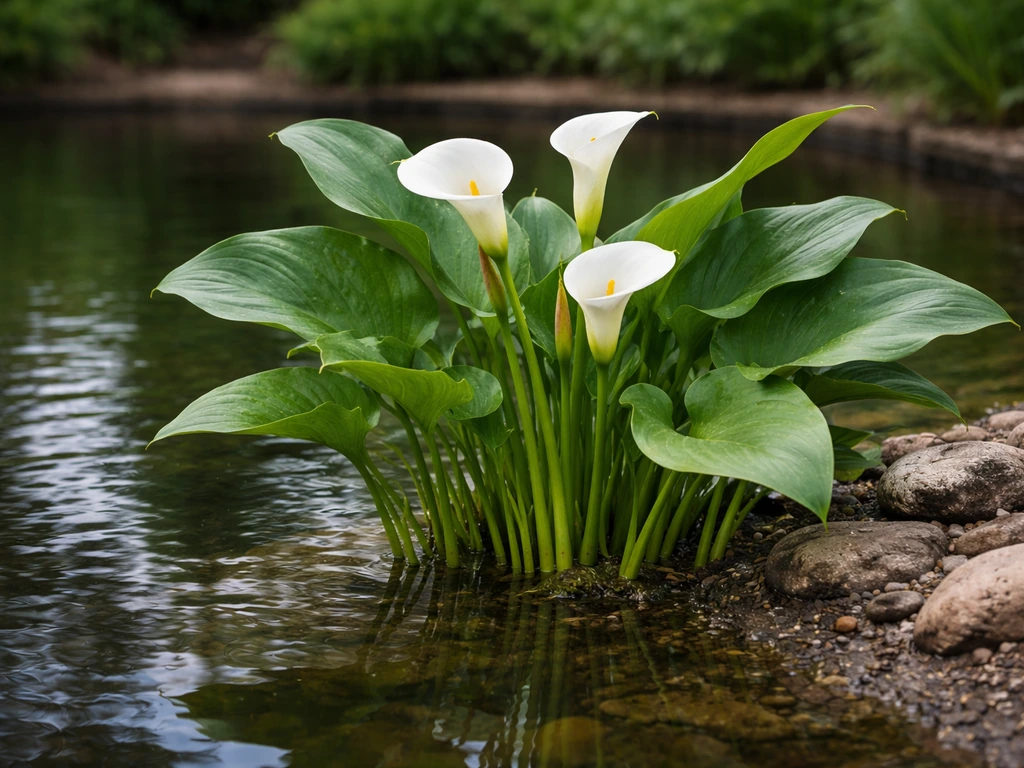
Can Calla Lilies Grow in Ponds? How to Set Up Successfully
Yes, with the right setup: water depth, substrate, anchoring, light, and overwinter care for pond or marginal calla lili
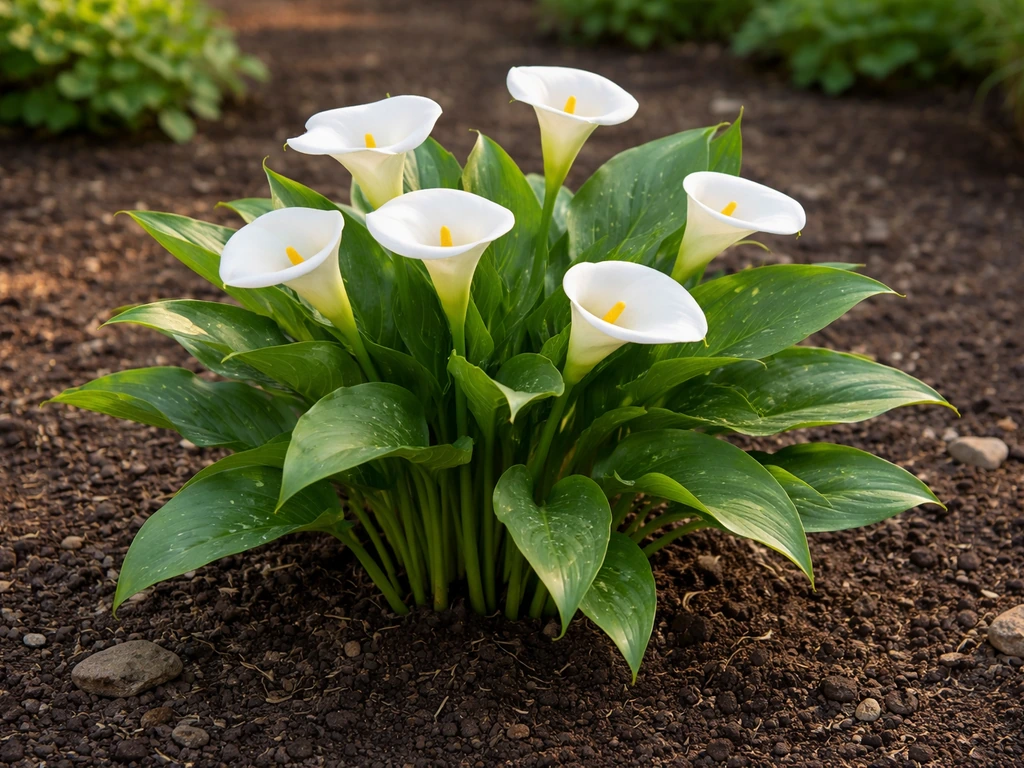
Are Calla Lilies Hard to Grow? Easy Guide for Success
Get a clear answer on are calla lilies hard to grow, plus exact light, temperature, watering, planting, and fixes.
Can Calla Lily Grow Outside? Outdoor Care by Climate
Yes, calla lilies can grow outside. Learn climate, light, soil drainage, planting timing, and fixes for no growth.