
Lily pads grow in quiet, shallow freshwater with plenty of direct sunlight. That's the short answer. The longer answer is that "lily pads" covers a range of species, and the conditions that make them thrive vary enough that getting them wrong is one of the most common reasons gardeners end up frustrated. This guide walks through where they grow naturally, how that looks around the world, and exactly what you need to replicate those conditions at home.
Where Do Lily Pads Grow? Habitats by Sun, Water, and Region
Marcus Hendricks
9 Apr 2026
What lily pads actually are (and what people mix them up with)
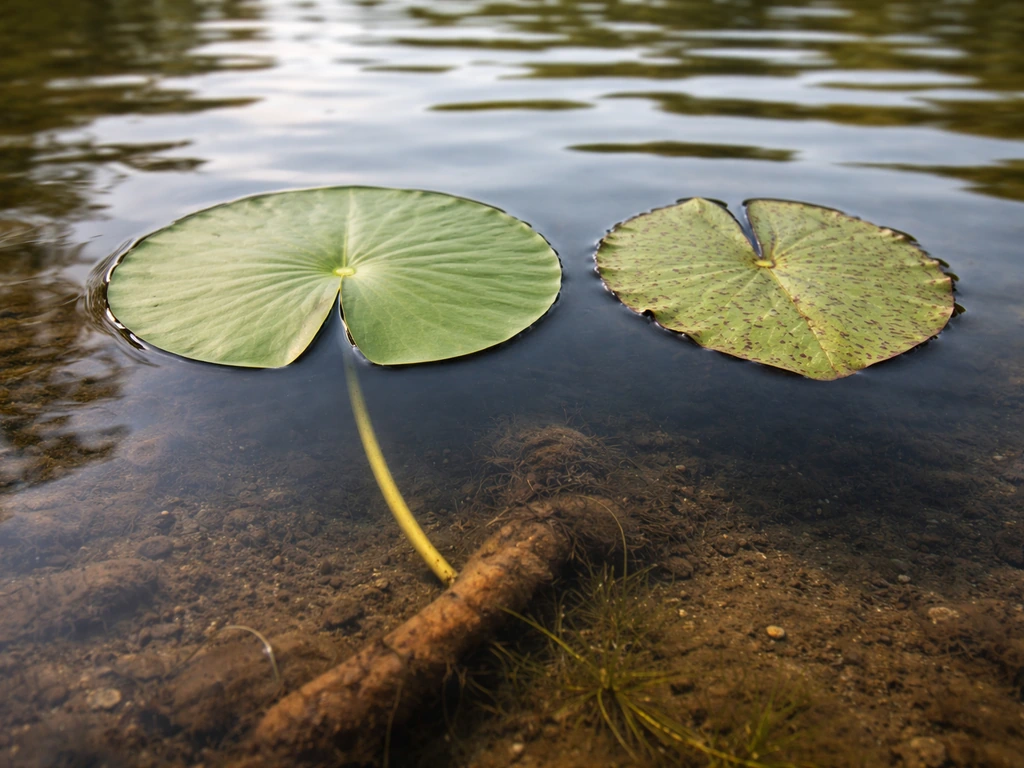
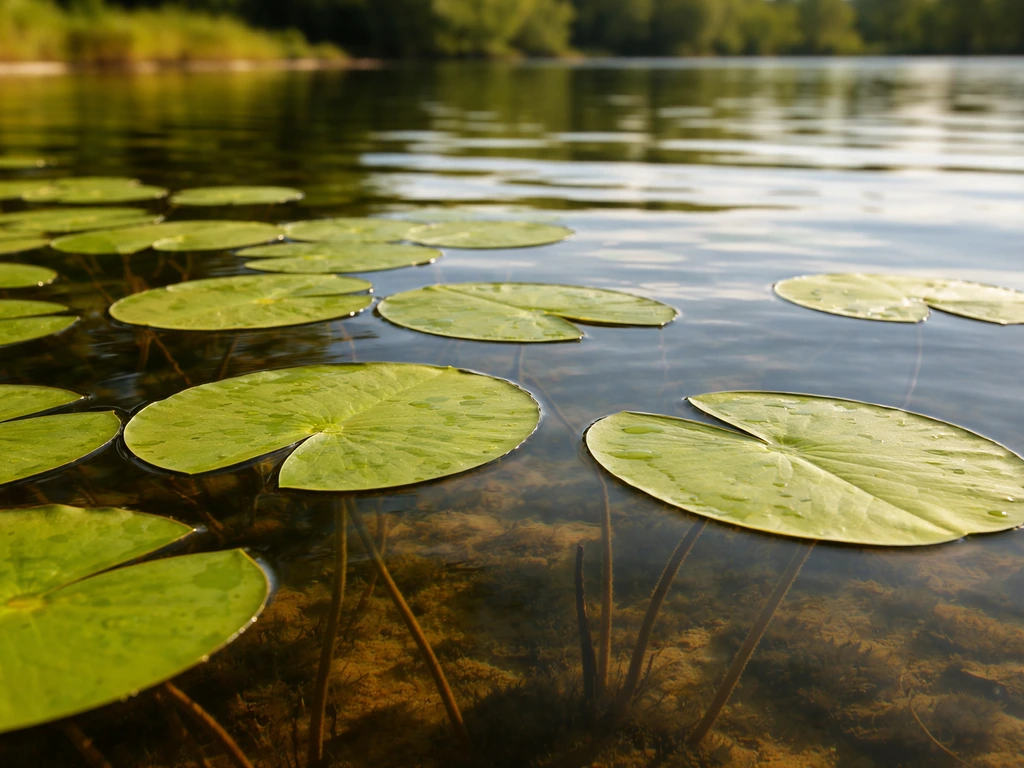
True lily pads are the floating leaves of water lilies in the genus Nymphaea. The plant itself is anchored in underwater mud or sediment, and it sends up long flexible petioles (leaf stems) that allow the round or broadly oval leaf blades to float right on the water surface. The leaves have palmate primary venation and often a distinctive notch or slit at the base where the petiole attaches. That combination of anchored roots, submerged rhizome, and floating leaf is the defining structure of a true water lily.
Several other plants get called lily pads in casual conversation, and it's worth knowing the difference before you shop or plant. Spatterdock (Nuphar species) is probably the most common lookalike. Its leaves float similarly, but the flowers are small, yellow, and slightly closed-looking rather than the fully open blooms you get on Nymphaea. Spatterdock leaves also show faint pinnate venation if you look closely, whereas Nymphaea leaves are palmate.
Lotus (Nelumbo) is another frequent mix-up: the leaves are notched differently and often held above the water surface rather than floating on it. Fringed water-lily (Nymphoides peltata) has wavy-margined floating leaves and produces small clusters of flowers rather than the single, showy blooms of a true water lily. Water lettuce (Pistia stratiotes) is completely different in structure, forming a free-floating rosette of thick, spongy, crinkled leaves that looks more like a head of romaine than anything else.
The key point: if you're trying to grow what you picture when you hear "lily pad," you want Nymphaea.
The natural habitat basics: what lily pads need to survive
In the wild, Nymphaea species consistently turn up in the same kinds of places: shallow lakes, ponds, slow-moving streams, marshes, and other freshwater bodies with still or very gently moving water. Still water is important because even moderate current can stress the petioles and prevent leaves from laying flat on the surface. The plants are rooted in substrate, usually soft mud or silty bottom, at depths ranging from about 1 to 3. 5 feet (roughly 0.
3 to just over 1 meter) for most hardy species. Fragrant water lily (Nymphaea odorata), one of the most common North American wild species, grows at a median depth of about 3 to 3. A study of Nymphaea odorata experimentally tested how different water depths affect germination and early seedling growth and morphology, including transitions between submerged and emergent growth forms [Nymphaea odorata grows at a median depth of about 3 to 3. ](https://www.
sciencedirect. com/science/article/abs/pii/S0304377011001768). 5 feet and shows no strong preference for turbidity or sediment type as long as it can anchor its rhizome.
Sun is non-negotiable. Lily pads can persist in part shade, but if you want flowering, you need full sun: at least 6 hours of direct sunlight per day. Less than that and the leaves will still spread, but the plant puts its energy into foliage rather than flowers. Water temperature matters too. Most hardy water lilies grow actively when water temperatures reach roughly 60 to 70°F and perform best as water warms into the 70s. Tropical species prefer warmer water still, typically 75°F and above.
Where lily pads grow around the world
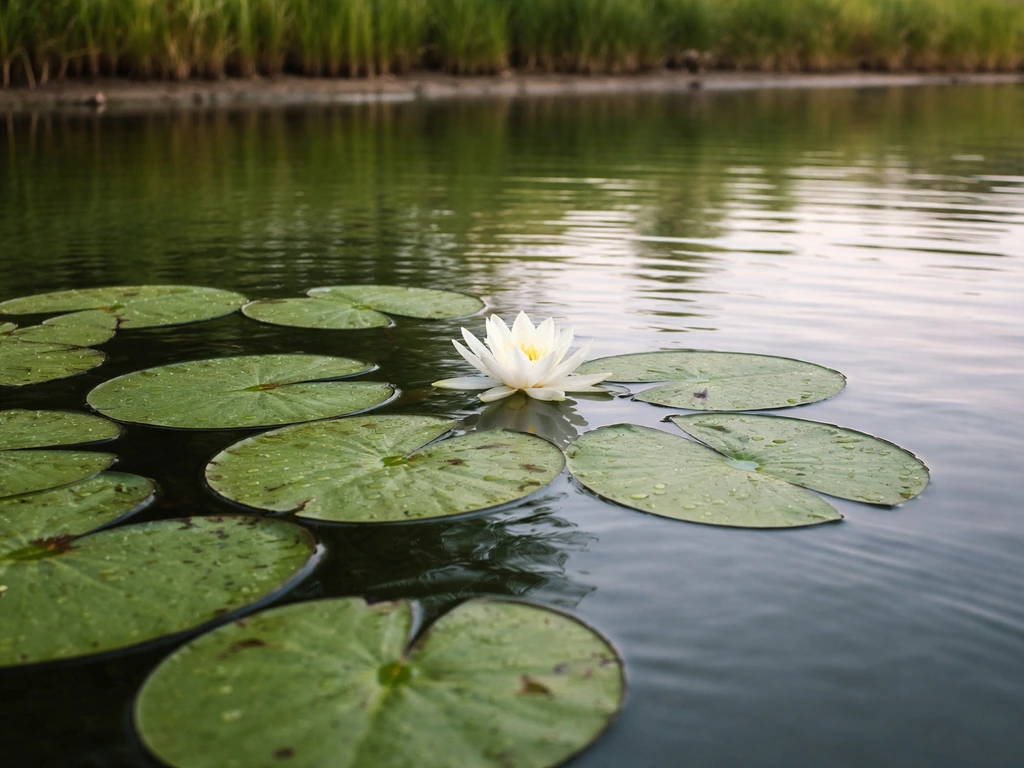
The genus Nymphaea is almost cosmopolitan, meaning you can find native or naturalized species on every inhabited continent. That's actually unusual for a single plant genus and speaks to how adaptable these plants are within freshwater habitats. That said, some regions have far greater natural diversity than others.
In North America, Nymphaea odorata is the classic wild species, ranging from Central America all the way north to Canada. Missouri Department of Conservation notes that fragrant white water lily (Nymphaea odorata) occurs sporadically nearly statewide in Missouri, excluding cultivated non-natives Nymphaea odorata occurs sporadically nearly statewide in Missouri.
It shows up in quiet bays of lakes, beaver ponds, slow backwaters, and coastal plain wetlands. In Europe, Nymphaea alba is the native white water lily, found across the continent from the UK and Scandinavia south through the Mediterranean into North Africa, and eastward into temperate Asia. Africa and South America have the highest habitat suitability for Nymphaea species overall, supporting a greater diversity of native taxa.
In Australia, native Nymphaea species are concentrated in tropical and subtropical regions, particularly from the Kimberley region in Western Australia across the northern coast to northern New South Wales, growing in lakes and swamps. Some introduced species have also naturalized in temperate Australian states.
One broad pattern holds across all of this: lily pads favor freshwater, warm seasons, and still water. They're not a cold-climate plant by nature, though several hardy cultivars have been developed specifically for gardeners in temperate zones. If you're in USDA zones 4 through 10, there's almost certainly a Nymphaea variety suited to your conditions.
Giant lily pads: a different beast entirely
When people talk about those enormous circular pads you see in botanical gardens, they're usually referring to Victoria amazonica, the giant water lily of the Amazon basin. This is a separate species from garden-variety Nymphaea and comes with very different requirements. Victoria amazonica is native to the still and slow-moving waters of the Amazon River system and related northern South American drainages, and it can grow in water as deep as about 17 feet (5.25 meters), though it's typically found much shallower. The pads themselves can exceed 6 feet in diameter, with upturned rims that make them look like giant shallow platters.
The thermal requirements are strict. Optimal growth happens in water temperatures between 85 and 90°F (29 to 32°C), and even mature plants do best above 75°F. This is a tropical plant, not a temperate one. Growing it outside a conservatory in most of the continental United States or Europe means treating it as an annual and starting it fresh each season from seed, which requires warm germination conditions and a long head start indoors. If you want to see what flowers grow on lily pads including the spectacular blooms of Victoria amazonica, you're best off visiting a botanical garden unless you live in a frost-free tropical climate and have a large, warm pond.
Recreating lily-pad conditions at home
Pond planting
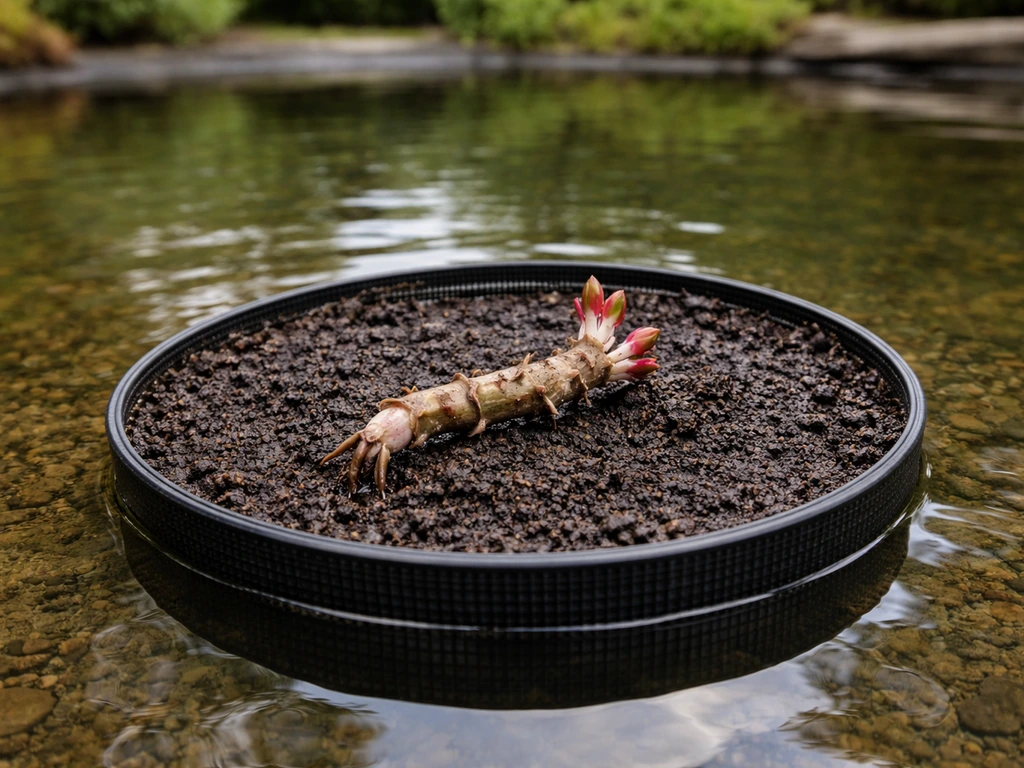
A garden pond gives you the most control over depth, substrate, and water stillness. For most hardy water lily cultivars, plant the rhizome in a basket or container filled with heavy loam or aquatic planting soil, and position it so the growing tip is just barely above the soil surface. Start shallow: keep only about 6 inches of water between the soil surface and the water surface for the first few weeks.
As the plant establishes and petioles lengthen, gradually move the basket deeper. Large and medium-sized hardy varieties typically end up at a final water depth of 18 to 30 inches (45 to 76 cm) over the basket, while smaller or dwarf varieties do fine at 12 to 18 inches. Don't skip the shallow-start phase: dropping a new rhizome straight to its final depth shocks it and can stall or kill growth.
Understanding how deep lily pads can grow matters because getting depth wrong in either direction causes problems. Too shallow and the water overheats and fluctuates wildly in temperature; too deep and new growth can't reach the surface before the plant exhausts its energy reserves. Fertilize regularly once the plant is established. Push 3 to 5 aquatic fertilizer tablets (something like Osmocote tabs) down about 3 to 4 inches into the substrate near the rhizome every 3 to 4 weeks during the growing season. Don't surface-feed; dissolved fertilizer mostly benefits algae, not your lily.
Container growing
You don't need a full pond to grow lily pads. A large container, think 20 gallons or bigger, filled with water and positioned in full sun works well for dwarf and small-to-medium water lily varieties. Use a heavy aquatic soil in a basket inside the container, follow the same shallow-start technique, and keep the container away from fountains, drippers, or any constant water movement.
The main challenge with containers is temperature: small volumes of water heat up and cool down quickly, which stresses the rhizome. Darker containers in full sun can get very warm in summer, which tropical varieties will love but may stress hardy types. If you want to understand the full growth process, it helps to read about how lily pads grow from rhizome to floating leaf so you know what to expect at each stage.
Pond vs. container: a quick comparison
| Factor | Garden Pond | Container/Tub |
|---|---|---|
| Suitable variety size | All sizes including large | Dwarf and small-to-medium only |
| Water temperature stability | High (larger volume buffers fluctuations) | Low (small volume heats/cools quickly) |
| Depth control | Easy to adjust basket depth | Limited by container height |
| Overwintering hardy types | Rhizome can stay below frost line | Move indoors or insulate container |
| Cost and setup | Higher upfront | Low cost, very accessible |
| Best for | Serious growers, multiple varieties | Beginners, small spaces, patios |
How to tell if your site is actually right
Before you buy anything, spend an afternoon evaluating your site honestly. The three things that matter most are sunlight, water stillness, and temperature.
- Count sun hours on the water surface specifically, not the surrounding area. Lily pads need 6 or more hours of direct sun. Dappled light under trees doesn't count. If your pond gets shaded by a fence or building in the afternoon, measure from when direct sun hits the water to when it leaves.
- Check your water source. Lily pads need freshwater. Hard tap water is usually fine; well water can work depending on mineral content. Do not attempt to grow Nymphaea in saltwater or brackish conditions.
- Monitor water temperature. Use a simple aquarium thermometer. Hardy water lilies become active around 60°F and grow well in the 70s. If your water stays cold (below 55°F) well into June, you need cold-hardy cultivars.
- Assess water movement. If your pond has a strong waterfall, powerful fountain, or fast inlet, consider whether lily pads will have a calm area away from the current. They need still or very slow water to establish.
- Think about timing. Most gardeners in temperate zones plant water lilies from late spring through early summer, once water temperatures reliably stay above 60°F. Planting too early in cold water delays establishment significantly.
One thing worth understanding before you buy is how fast lily pads grow under good conditions versus poor ones. In warm, sunny water with regular fertilization, a well-established hardy water lily can spread noticeably within a single season. In suboptimal conditions, the same plant may barely move for months, which can make it look like something's wrong when the plant is actually just waiting for better conditions.
Why lily pads sometimes don't grow (and what to fix)
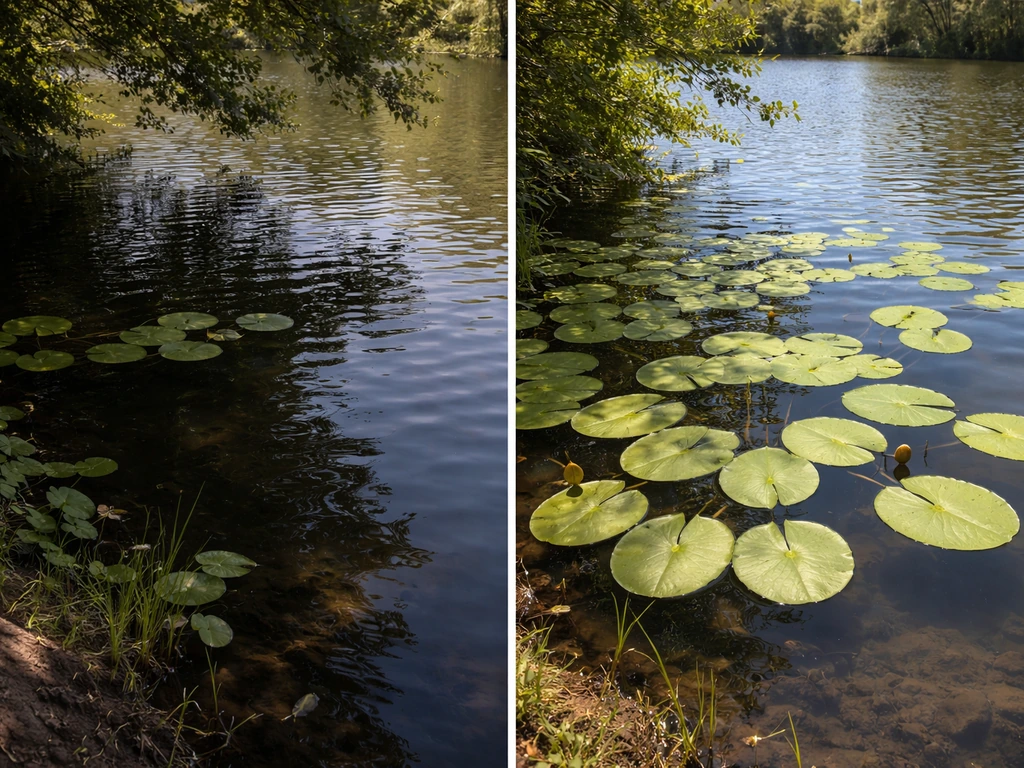
If you've planted water lilies and aren't seeing pads spread, or seeing leaves but no flowers, here are the most common causes and what to do about each.
- Not enough sun: This is the number-one issue. If pads are growing but flowers never appear, insufficient light is almost always the culprit. You need 6 full hours of direct sun. Consider trimming overhanging branches or relocating the container to a sunnier spot.
- Planted too deep too soon: New rhizomes planted at final depth right away often stall or rot. Pull the basket up to 6 inches below the surface and let the plant establish before moving deeper over several weeks.
- Water too cold: If you planted in early spring and water temps are still in the 50s°F, the plant is essentially dormant. Be patient, or wait until water warms before planting.
- No fertilizer: Water lilies are heavy feeders. Without regular fertilizer tabs pushed into the substrate, growth is slow and sparse, especially in containers that don't have naturally rich sediment.
- Too much water movement: Current or constant rippling from a fountain can prevent pads from resting flat on the surface and stresses the plant. Move the basket to the quietest part of your water feature.
- Water quality issues: Extremely murky, chemically treated (high chlorine), or polluted water can slow growth. Let tap water off-gas for 24 hours before adding to a container, and avoid using water from sources treated with algaecides.
- Wrong species for your climate: Tropical water lilies will not survive outdoors through a cold winter and won't thrive in water below 70°F. If you're in Zone 6 or colder and bought a tropical variety expecting it to behave like a hardy cultivar, that's the mismatch.
One less obvious issue: some gardeners assume that a pond location automatically works, without realizing that some ponds are too shaded, too deep, or affected by water chemistry factors like salinity if they're near coastal areas. It's worth ruling out each variable systematically rather than assuming the plant is defective.
There's also the occasional question of whether an alternative setup might work better: whether lily pads can grow on land is a real question beginners ask, and the short answer is no, not true Nymphaea. They are aquatic plants through and through, and their entire growth structure depends on being anchored in submerged substrate with leaves floating on a water surface. No water, no lily pads.
The good news is that once you nail the basic conditions, lily pads are genuinely rewarding. Most problems trace back to light, depth, temperature, or timing, and all of those are fixable with a little observation and adjustment. Get those four right, and the pads will follow.
FAQ
Do lily pads grow in ponds that have fish or do they need to be fish-free?
They can, but heavy fish populations can uproot new rhizomes and increase turbidity, which reduces light reaching the leaves. If you have fish, plant in a basket with sturdy weight, keep the pond initially shallow for establishment, and consider adding a physical barrier until pads anchor and stabilize.
Can lily pads grow in slightly brackish water near the coast?
Most true water lilies prefer freshwater, and brackish conditions can slow growth or prevent flowering. If you are near the coast, test salinity, and if it is elevated, dilute with freshwater and avoid locations where tides or runoff regularly raise salinity levels.
How much shade can lily pads tolerate if the pond gets afternoon sun but is shaded in the morning?
For flowering, aim for at least 6 hours of direct sun, but more sun usually means better blooming. If you only have partial sun, expect leaf growth without many or any flowers, then adjust by relocating baskets to the brightest part of the pond or trimming shade sources.
Why do my lily pads float during the day but sink or curl at other times?
This usually points to insufficient anchoring depth, fluctuating water level, or temperature stress that affects petioles. Recheck that the growing tip is just above the substrate, keep water depth stable, and avoid places with strong surface agitation or frequent splash back into the pond.
What water depth is too shallow or too deep for new rhizomes, and when should I move them deeper?
Do not start at your final depth, it can shock the rhizome. Begin with about 6 inches between the soil surface and the water surface for the first few weeks, then gradually increase depth as petioles lengthen, finishing within the typical range for your cultivar size.
If lily pads spread slowly, should I add fertilizer immediately or wait?
Wait until the plant is established and actively pushing growth. Applying tablets too early or too heavily can encourage algae that competes for light and makes conditions worse. Once you see new leaves, use the planned frequency and keep fertilizer in the substrate near the rhizome.
Do lily pads need still water, or will a quiet pond with a filter flow work?
Gentle circulation is usually fine, but direct current can stress petioles and prevent leaves from settling flat. Use the filter returns to create mixing away from where you plant, and keep a calm area at the bottom where the rhizome basket sits.
Can I transplant lily pads from one pond to another, and what is the safest time of year?
Transplanting can work, but the safest timing is when temperatures support active growth for your species. In temperate regions, handle rhizomes when water is warming and plants are restarting, then keep newly planted rhizomes shallow at first to reduce stress.
Will lily pads grow if I start them from seed instead of rhizomes?
Some species will, but it is slower and often requires controlled warm germination conditions, especially for tropical types. If your goal is pads and blooms within a practical timeframe, rhizomes generally give faster, more predictable results than seed.
Are giant pads like Victoria amazonica actually the same thing as lily pads in local ponds?
No. Victoria amazonica has much stricter heat requirements and can need long warm conditions, often beyond what outdoor temperate ponds provide. It is best treated as a separate, tropical project, commonly requiring a conservatory or a frost-free warm pond.
Next Articles
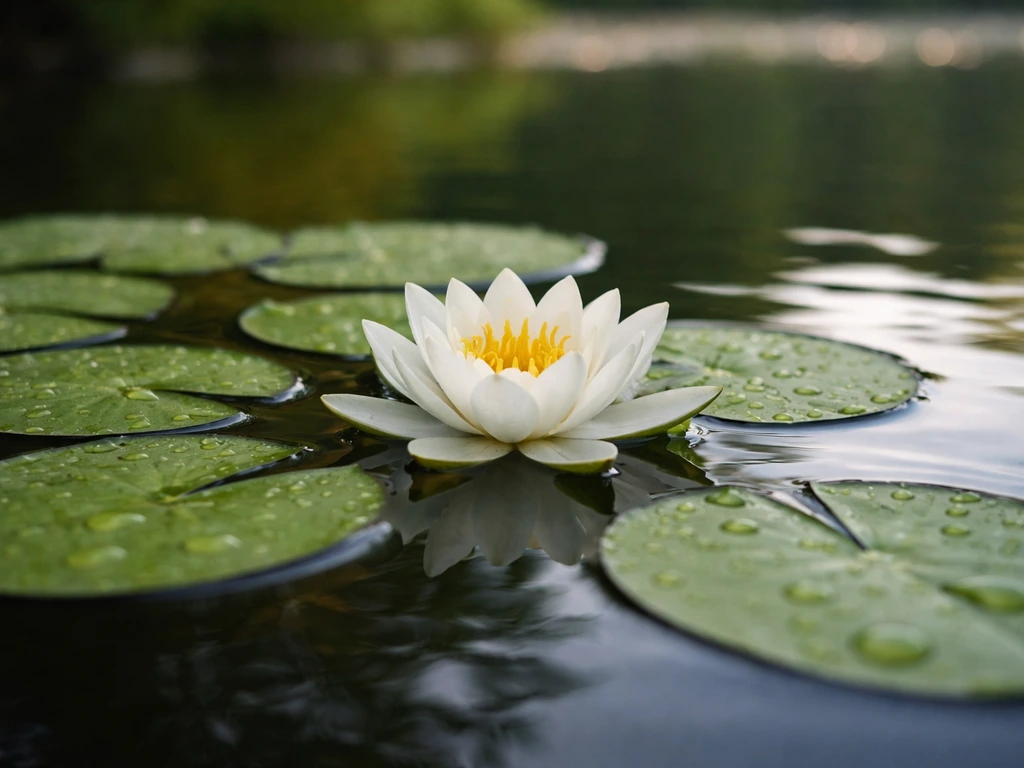
What Flowers Grow on Lily Pads? Lotus vs Water Lilies
Learn if lotus blooms come from lily pads, what flowers float on lily-pad leaves, and how to confirm and grow them.
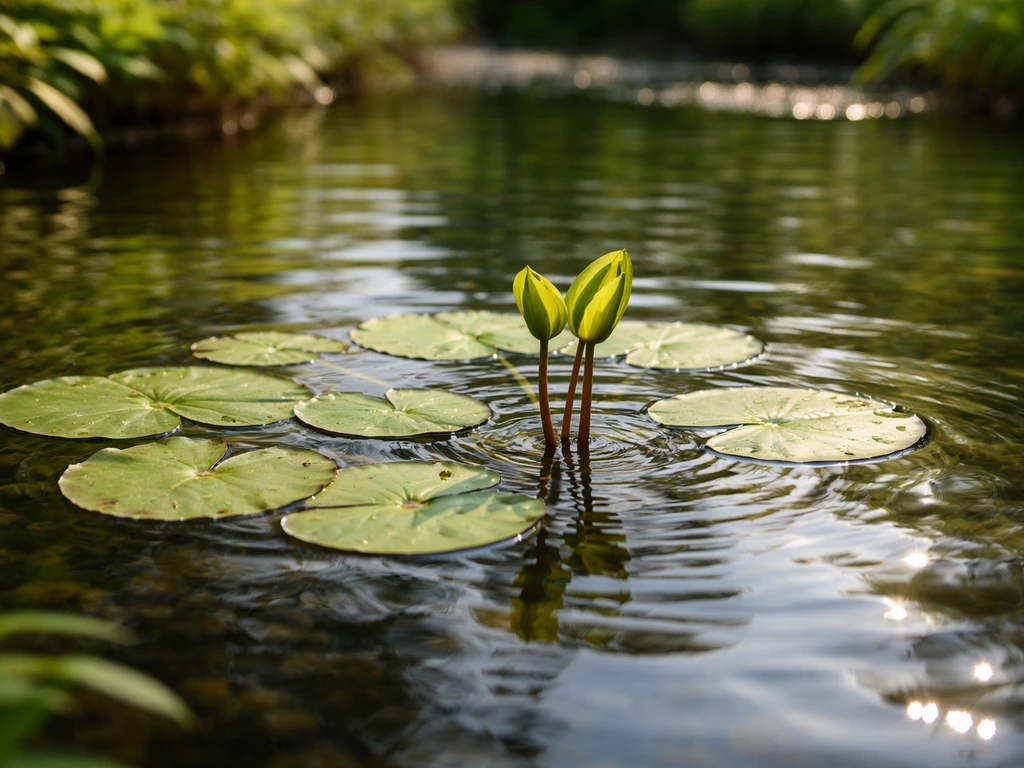
How Do Lily Pads Grow: Timing, Conditions, and Steps
Learn how lily pads grow, from timing and sunlight needs to planting, water depth, and troubleshooting no-pads issues.
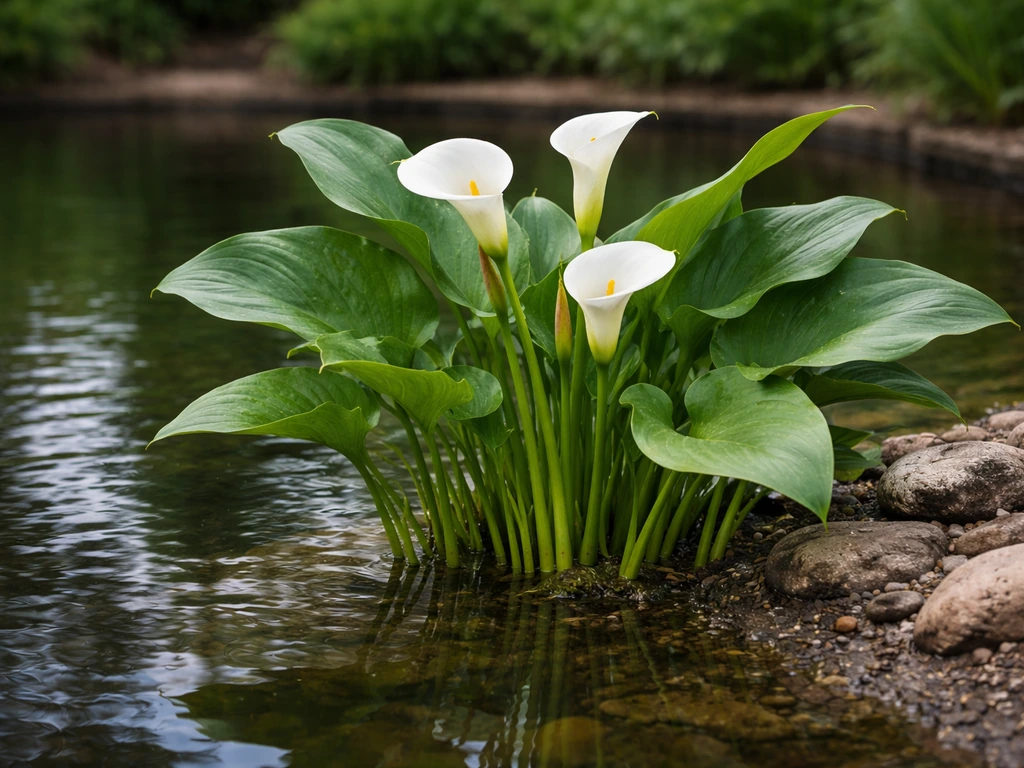
Can Calla Lilies Grow in Ponds? How to Set Up Successfully
Yes, with the right setup: water depth, substrate, anchoring, light, and overwinter care for pond or marginal calla lili