
Yes, Easter lilies (Lilium longiflorum) can absolutely grow outside, and many of them do beautifully once you get them out of the gift-plant stage. The short answer: if you live in USDA zones 7–9, you can plant yours directly in the ground and expect it to come back year after year. In zones 5 and 6, you can still grow them outside with some winter protection. Below zone 5, treat them as annuals or plan to dig the bulbs and bring them in before hard frost. Either way, getting the plant outside is almost always the right move once it's done blooming indoors.
Will Easter Lilies Grow Outside? Conditions and Care Steps
Marcus Hendricks
16 Apr 2026
The quick zone and climate answer
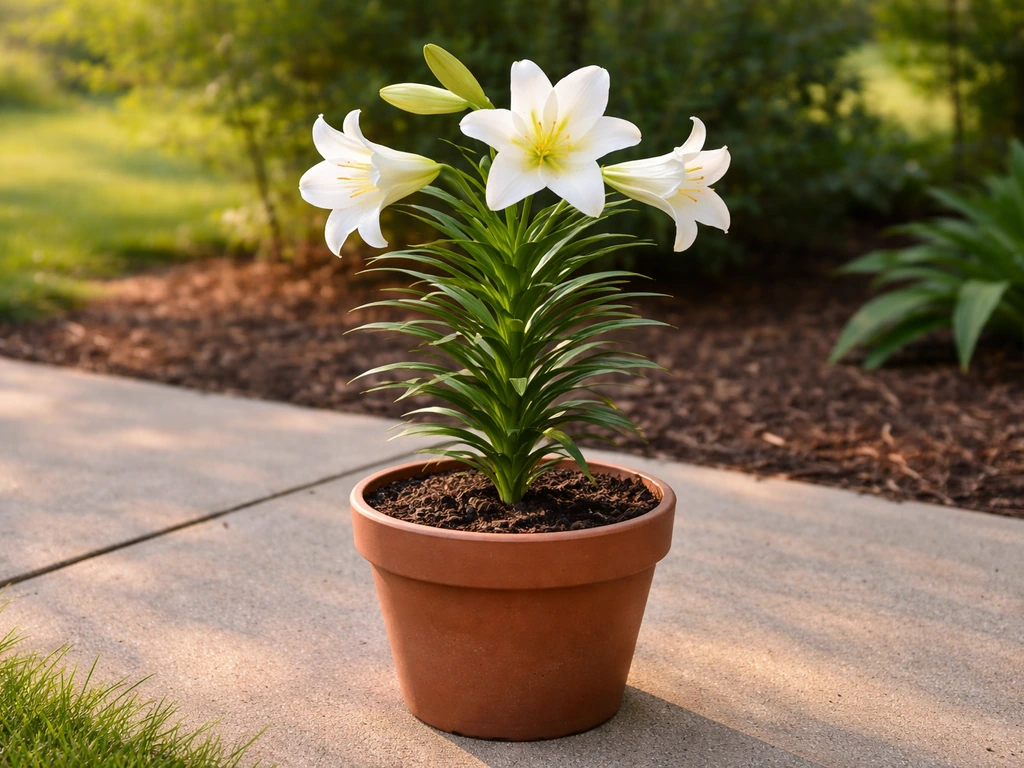
blank" rel="noopener noreferrer">Lilium longiflorum is native to the Ryukyu Islands of southern Japan and Taiwan, where it grows on coastal slopes in a mild, subtropical climate. That background tells you a lot about what it wants: warmth, good air movement, and soil that never stays soggy. In terms of USDA hardiness, most sources put it firmly in zones 7–9 for reliable outdoor perennial performance.
Some cultivars push hardiness into zone 5 or 6 with mulch protection, but others are only reliably hardy to zone 7, so it depends a bit on which bulb you have. If you're gardening in zones 5 or 6 and want to try it outside, you can, but go in knowing you'll need a thick mulch layer (3–4 inches) over the planting site every fall.
If you're in a warmer region, it's worth knowing that heat is just as much of a threat as cold. Above roughly 82°F (28°C), growth and reproduction start to decline, and serious damage can happen when temperatures push past 86–92°F (30–35°C). I've seen Easter lilies melt in a Texas summer. In zone 10 or 11, they'll survive but often bloom poorly because the heat disrupts the bulb's cycle. The sweet spot for active growth and flowering is 65–75°F (18–24°C). Growing Easter lilies in Florida is one of those situations where heat and humidity management become the main challenge rather than cold hardiness.
Timing your outdoor planting matters too. The best windows are spring (after the last frost date) and fall (while the soil is still workable but temperatures are dropping). Avoid planting in the dead of winter or at the peak of summer heat. If you have a bloomed-out Easter lily sitting on your windowsill right now in mid-April, wait until your overnight lows are consistently above 40°F before moving it outside permanently.
Best outdoor conditions: sun, wind, and temperature
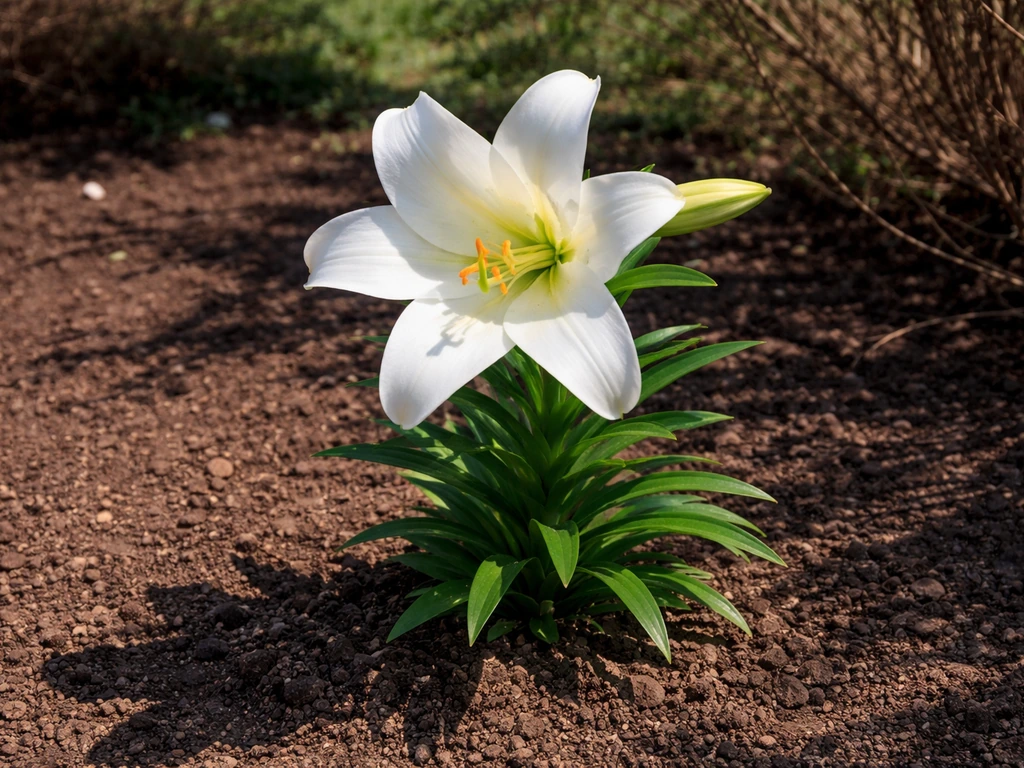
Easter lilies do best in full sun, which means at least 6 hours of direct sunlight per day. That said, they tolerate part shade, and in hot climates (zones 8–9), afternoon shade is actually beneficial because it keeps the root zone cooler during the hottest part of the day. Morning sun with afternoon shade is the ideal setup in the South. In cooler northern zones, go for as much sun as you can give them.
Wind is something most gardeners overlook. These are tall plants with big, trumpet-shaped flowers on stems that can reach 2–3 feet, and they snap in strong winds. Plant them near a fence, wall, or shrub border that breaks wind without blocking light. If you're in a consistently breezy spot, staking the stems early (before the plant needs it) saves a lot of heartbreak later.
On temperature: soil temperature matters almost as much as air temperature. Research on Lilium longiflorum cultivation points to an optimum soil temperature during rooting of around 54–55°F (12–13°C), and temperatures above about 59°F (15°C) during the growing cycle can reduce quality. This is why getting the bulb in the ground before the soil heats up gives you a better-rooted plant going into summer. If you're planting a containerized gift plant, doing it in late April or early May in zones 6–7 hits that window well.
Soil, drainage, and the container vs. in-ground decision
This is the one non-negotiable: drainage. In their native habitat, Easter lilies grow on sharply drained, mineral soils derived from volcanic ash and basalt. The Lilium Species Foundation puts it plainly: soil structure matters more than climate. If water pools around the bulbs, they rot. Full stop. I learned this the hard way by planting into a low spot in my yard that looked fine in spring but held water after summer thunderstorms. Every single bulb rotted by August.
For in-ground planting, work in plenty of compost or grit to improve drainage before planting. The target soil pH is 6.5–7.0 (slightly acidic to neutral). Plant the bulb with its base about 6–8 inches deep so the crown sits at the right depth for root development and temperature buffering. If you can do a simple drainage test (dig a hole 12 inches deep, fill it with water, and see if it drains within an hour), do it before committing to a spot. If water is still sitting there an hour later, raise the bed or choose a different location.
Containers are a great alternative, especially in zones where winter digging is necessary or where your native soil is heavy clay. For a single bulb, a 6–8 inch pot works, but a larger container (around 1 foot in diameter) gives you more soil mass, which buffers both temperature and moisture better. Use a fast-draining potting mix and make sure the container has adequate drainage holes. One important container-specific warning: soil in plastic pots can run 10–20°F hotter than the surrounding air temperature on a sunny day, which pushes right into that heat stress zone for the bulb. Light-colored ceramic or fabric pots handle this much better than black plastic.
| Factor | In-Ground | Container |
|---|---|---|
| Drainage control | Depends on native soil; amendment needed | Full control with mix selection |
| Winter survival (zones 5–6) | Possible with 3–4 inch mulch layer | Must bring indoors or insulate heavily |
| Root zone heat | Naturally buffered by soil mass | Significant risk in plastic pots; use light-colored containers |
| Planting depth | 6–8 inches to bulb base | Same depth; choose pot deep enough |
| Portability | None | Can move for weather or season |
| Best for | Zones 7–9 with well-drained soil | Colder zones, clay-heavy soils, renters |
Watering and fertilizing once you're outside
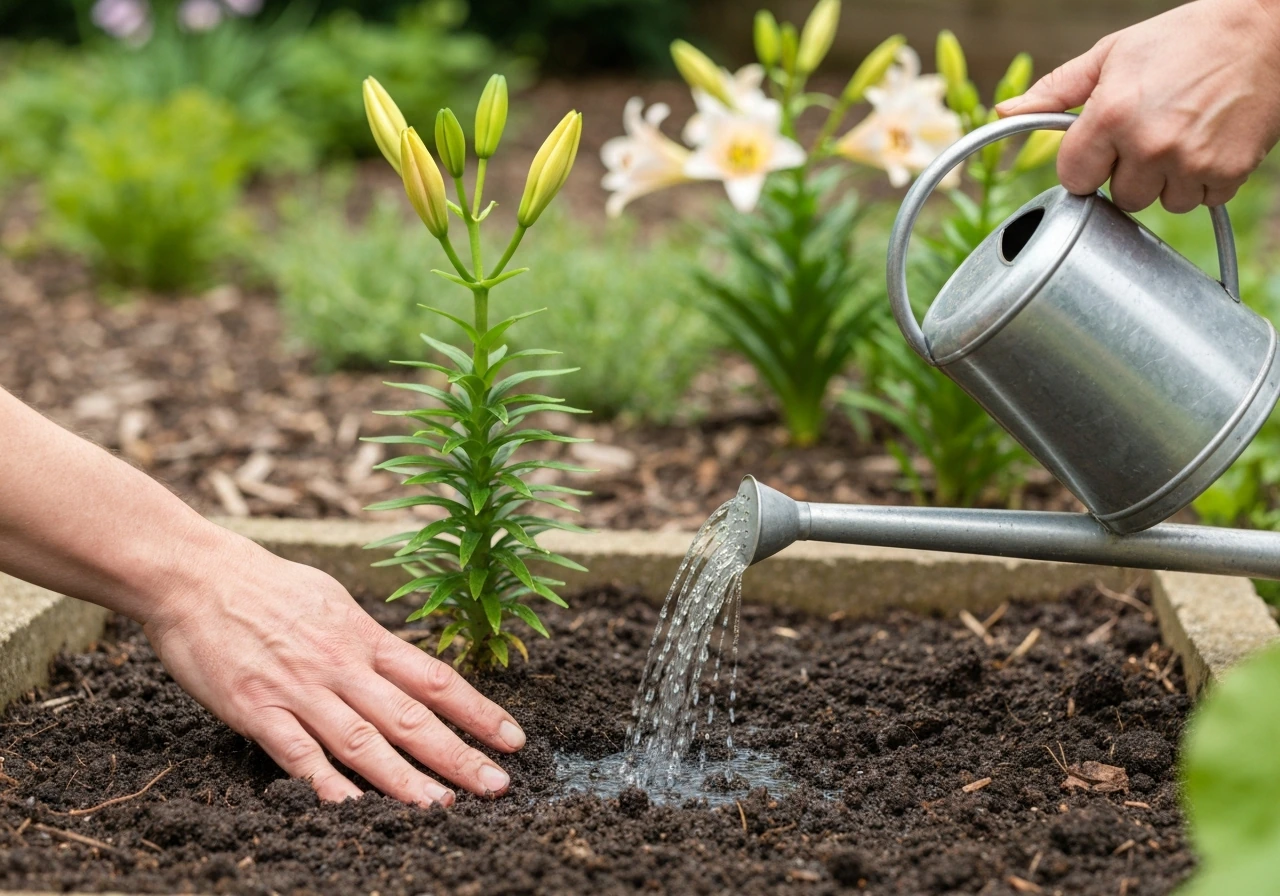
The watering rule for Easter lilies outside is simple: keep the soil consistently moist but never wet. Water when the top inch of soil feels dry to the touch. When you do water, water deeply so moisture reaches the root zone rather than just wetting the surface. Always water at the base of the plant, not overhead, and do it in the morning so any foliage that gets wet has time to dry before nightfall. Wet foliage sitting overnight is one of the main triggers for fungal problems.
If water pools around your plant after a heavy rain and doesn't drain within an hour or two, that's a red flag. Persistent waterlogging leads directly to bulb rot, which is silent and lethal. Fix the drainage before it becomes a problem, not after the plant starts looking sick.
For fertilizing, a dilute balanced fertilizer applied once or twice a month during the growing season works well. Apply at the base of the plant, not splashed onto leaves. Some gardeners use a slow-release granular at planting time and then supplement with liquid fertilizer monthly. Stop fertilizing about 6 weeks before your expected first frost to avoid pushing tender new growth late in the season. If you're growing a plant that just finished blooming indoors, the bulb has burned through a lot of energy, so consistent feeding through the summer is especially important to rebuild the bulb for next year's flowers.
Light management and temperature tips for a healthy plant
Before you move your Easter lily from indoors to outside, you have to harden it off. This is not optional. These are greenhouse-raised plants that have never experienced direct outdoor sun, wind, or temperature swings. Put the plant in a sheltered, shaded outdoor spot for 2–3 days first, then move it to morning sun for a few days, then gradually introduce more sun over one to two weeks.
Penn State Extension describes hardening (hardening off) as transitioning plants from protected indoor or greenhouse conditions to harsher outdoor conditions with fluctuating temperatures, wind, and full sun exposure harsher outdoor conditions including fluctuating temperatures, wind, and full sun exposure. Cornell Extension research shows that plants moved from indoors to full outdoor sun without hardening, especially when temperatures hit above 90°F, suffer serious heat stress and stunting.
I've seen it happen with Easter lilies specifically: they look wilted and burned within 48 hours of an abrupt move. Slow acclimation costs you two weeks but saves the whole plant.
Once established outdoors, growing lilies outside comes down to managing the extremes. Mulch the root zone with 2–3 inches of organic mulch (shredded bark or straw work well) to keep soil temperatures stable and reduce moisture evaporation. In hot climates, this mulch layer is the difference between a struggling plant and a thriving one. In colder zones, that same mulch layer over the bulb site is your winter protection strategy.
Humidity is less of an issue outdoors than indoors, but air circulation matters. Dense planting or placing Easter lilies against a wall with no airflow creates the humid, stagnant conditions that Botrytis and other fungal problems love. Give each plant some breathing room.
Common outdoor problems and how to handle them
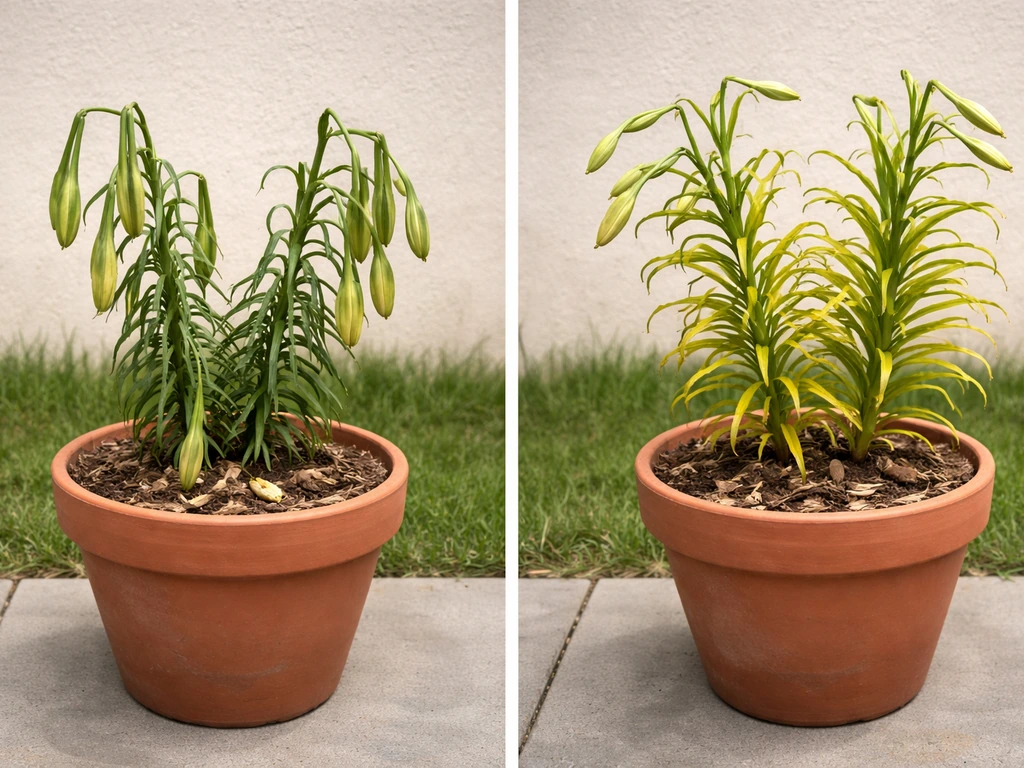
No flowers (or buds that drop)
If your Easter lily doesn't flower outdoors the first year after being transplanted from a pot, that's actually normal. The bulb used a lot of energy forcing those early blooms indoors. Outdoors, it typically flowers in July or August (not at Easter), and first-year transplants sometimes skip blooming entirely to rebuild the bulb. Feed it regularly, keep it watered, and don't panic. Bud drop specifically is usually triggered by a sudden temperature swing, overwatering, or moving the plant abruptly. If buds are forming and then dropping off, check your watering consistency and whether the plant got hit by a late frost or sudden heat event.
Yellowing leaves
Yellow leaves on the lower portion of the stem as the plant matures is normal and nothing to worry about. If yellowing starts at the top or spreads quickly across the whole plant, check for overwatering first (pull back and check for soggy soil), then check for pests. Widespread yellowing combined with stunted growth can also indicate a pH problem. If you haven't tested your soil, a simple pH test from a garden center can rule that out fast.
Gray mold (Botrytis)
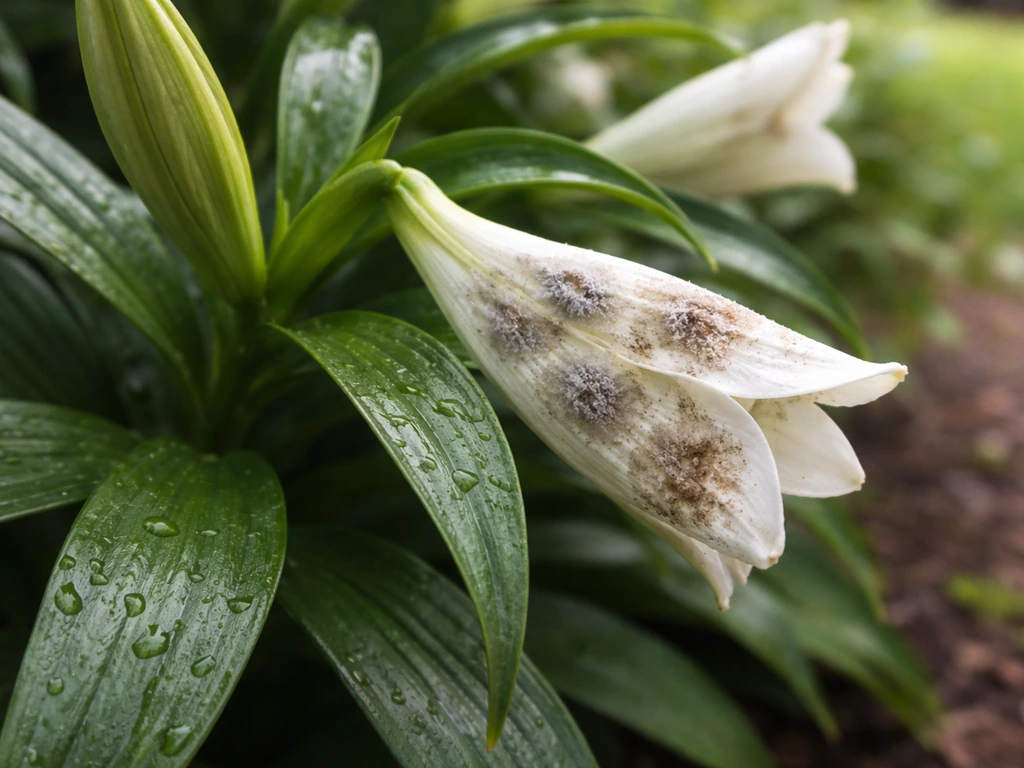
Botrytis cinerea, also called gray mold, shows up as gray fuzzy patches on leaves, stems, or flowers, especially during cool, damp weather. The fix is mostly cultural: improve air circulation, water at the base (never overhead), remove and bin any infected plant material immediately, and thin out crowded planting areas. For home gardeners, fungicides are generally not necessary to manage Botrytis in the flower garden, unlike in commercial production. Good sanitation and airflow handle most cases.
Lily leaf beetles
These bright red beetles and their disgusting larvae (which coat themselves in their own frass) are increasingly common in North America and feed on true lilies including Lilium longiflorum. The UConn Home Garden Education Office notes that the lily leaf beetle (Lilioceris lilii) lays eggs and develops only on true lilies (Lilium species) and fritillaria (Fritillaria species) lily leaf beetle (Lilioceris lilii) develops only on true lilies and fritillaria. If lily leaf beetles attack early in the season, they can leave you with undersized bulbs that won't flower the following year. Check the undersides of leaves regularly starting in May and remove beetles and egg clusters by hand. Neem oil or spinosad sprays work for heavier infestations.
Bulb rot
If your plant collapses suddenly and the base of the stem is mushy, it's bulb rot from overwatering or poor drainage. Unfortunately, once the bulb is fully rotted, it's gone. The prevention is everything here: never let water sit around the root zone, and if you're in a heavy-clay soil, either raise the bed or plant in a container. If you catch it early (the base is soft but the rot hasn't spread), you can sometimes dig the bulb, cut off the rotted section, dust with sulfur powder, let it dry for a day, and replant in better-draining soil. No guarantees, but it's worth trying.
Getting started: your step-by-step plan from today
If you have an Easter lily in a pot right now and you want to move it outside, here's exactly what to do, broken into phases.
- Finish blooming indoors: Let the plant finish flowering inside. Remove spent flowers as they fade. Keep it in a bright window at cool temperatures (no higher than 68°F during the day) to prolong the blooms.
- Cut the flower stalk after all blooms are done, but leave the foliage intact. The leaves are still feeding the bulb.
- Start hardening off (2 weeks before outdoor planting): Move the pot to a sheltered, shaded outdoor spot on mild days (above 50°F), bringing it in at night if temperatures drop. Do this for 3–4 days.
- Increase sun exposure gradually over the next 10–14 days, moving the pot into morning sun, then partial sun, then a full sun spot. Never rush this if a heat wave is forecast.
- Prepare your planting site: Choose a well-drained spot in full sun (with afternoon shade if you're in zone 8+). Test drainage. Amend with compost if needed. Target pH 6.5–7.0.
- Plant after your last frost date: In most of zones 6–7, that's late April to mid-May. Set the bulb 6–8 inches deep (base of the bulb). If using a container, choose a pot at least 6–8 inches wide with drainage holes and use fast-draining potting mix.
- Mulch the planting area with 2–3 inches of organic mulch to buffer soil temperature and retain moisture.
- Water deeply right after planting, then water when the top inch of soil is dry. Begin fertilizing every 2–4 weeks with a dilute balanced fertilizer.
- Watch for July–August blooms outdoors (the plant's natural bloom time, not Easter).
- After foliage dies back in fall: In zones 7–9, leave bulbs in the ground with a mulch layer. In zones 5–6, add a heavier 4-inch mulch layer. In zones 4 and colder, dig the bulbs before hard frost, store them in dry peat or sawdust in a cool (35–45°F) spot, and replant in spring.
What to expect in the months ahead
To understand where Easter lilies grow in the wild helps explain why patience is part of the deal. These plants are used to a slow, seasonal rhythm, not the forced rush of greenhouse production. After transplanting outdoors, the first season is about root establishment and bulb recovery, not performance. You may get blooms in July or August, or you may get a strong leafy plant that stores energy for a spectacular show next year. Both outcomes are wins.
If you're trying to figure out what zone lilies grow in across different species for comparison, Easter lilies fall on the warmer end of the spectrum compared to many other Lilium species. They're less cold-hardy than Asiatic lilies, which push reliably into zone 3, but more heat-tolerant than many Oriental hybrids. Understanding where your particular species sits on that spectrum helps you set realistic expectations and make smarter decisions about whether to grow in-ground or in containers.
Speaking of Orientals, if you've had success with growing stargazer lilies outside, you'll find Easter lilies broadly similar to manage, though Easter lilies are generally more forgiving of heat and less prone to some of the cold-zone failures that trip up Orientals. Both want excellent drainage and similar sun exposure, so if you've already dialed in a good lily spot in your garden, your Easter lily should be right at home there. Similarly, where stargazer lilies grow overlaps considerably with Easter lily territory, making them natural companions in the same bed.
One last thing worth mentioning: if outdoor conditions really aren't workable for you right now, either because of climate, timing, or space, keeping oriental lilies inside is one common comparison people make when deciding between indoor and outdoor growing for lily species generally. Easter lilies can persist indoors longer than most people think, though they really do perform best once they're in the ground. The outdoor route is almost always worth the effort if the conditions are even remotely suitable. And if you're curious how stargazer lilies handle Florida's climate, that same heat-and-drainage logic applies directly to Easter lilies in the Southeast, so the lessons transfer cleanly.
FAQ
Will Easter lilies grow outside year after year, or are they usually treated as annuals?
In USDA zones 7 to 9, they are commonly reliable as outdoor perennials. In zone 5 to 6, they can come back if you consistently use winter mulch (about 3 to 4 inches) and the planting site drains well. Below zone 5, they are typically grown as annuals unless you dig bulbs before hard freezes and store them cool and dry.
Can I plant an Easter lily right after it finishes blooming indoors?
Yes, but time it to your outdoor nights. Wait until overnight lows are consistently above about 40°F (4°C), and avoid planting during late cold snaps or heat waves. If the plant is still in a decorative pot with no drainage, remove it and replant into soil with strong drainage rather than leaving it in the same container system outdoors.
What’s the best way to test drainage if I’m unsure about my soil?
Do a drain test in the exact spot, not a nearby area. Dig a hole about 12 inches deep, fill it with water, and check how long it takes to drop. If the water is still sitting after about an hour, choose a different location or plant in a raised bed or container.
How deep should I plant the bulbs so they don’t rot or fail to regrow?
Plant the bulb so the base sits about 6 to 8 inches deep, which buffers temperature and helps avoid crown drying or rot. If you plant shallower in a wet or cold site, the bulb is more likely to fail, especially through freeze-thaw cycles.
Is full sun required, or will afternoon shade affect flowering?
Full sun (roughly 6 hours of direct light) is ideal, but afternoon shade can improve results in hot areas by keeping the root zone cooler. If you do provide shade, prioritize morning sun and protect from the strongest late-day heat, especially when temperatures regularly climb into the 80s°F.
Can I grow Easter lilies in a pot outdoors instead of planting in the ground?
Yes, containers are often the safest option for heavy clay or areas where you need to protect bulbs. Use a pot with real drainage holes and fast-draining mix, and consider increasing pot size (around 1 foot in diameter) so moisture and temperature stay more stable. If using plastic, remember the soil can overheat on sunny days, so light-colored ceramic or fabric pots are often cooler.
How often should I water Easter lilies outdoors?
Water when the top inch of soil feels dry, then water thoroughly so moisture reaches deeper roots. Avoid overhead watering to keep foliage from staying wet overnight. If rain causes standing water that doesn’t clear within 1 to 2 hours, stop watering and fix drainage immediately because bulb rot can start quietly.
What fertilizer schedule works best for outdoor growth?
Use a dilute balanced fertilizer once or twice per month during active growth, applying it at the base rather than on leaves. Stop feeding about 6 weeks before your first expected frost so the plant doesn’t push tender growth that can’t harden off. For indoor-forced plants, consistent feeding through summer helps rebuild bulb energy for next year.
Do I need to harden off an Easter lily before putting it outside permanently?
Yes. Gift plants are typically accustomed to greenhouse or indoor conditions, so moving them straight into sun and wind can cause heat stress, stunting, or leaf burn. Harden off over about 1 to 2 weeks by starting in sheltered shade, then increasing morning sun gradually.
My buds are forming then dropping. What should I check first?
Start with recent temperature swings and watering consistency. Bud drop commonly follows a sudden heat event, a late frost, or a cycle of overly wet and overly dry soil. If buds drop after an abrupt outdoor move, go back to partial shade for several days while you stabilize the plant’s conditions.
Are yellow leaves normal on Easter lilies outdoors?
Yellowing lower down on the stem as the plant matures is usually normal. If yellowing spreads quickly, starts at the top, or comes with weak growth, check for overwatering and soggy soil first, then consider soil pH issues if the plant looks generally off.
How do I handle gray mold (Botrytis) if it shows up?
Remove affected leaves or flowers promptly and bag or trash them, then improve airflow by spacing plants and avoiding dense placement near walls. Keep watering at the base and in the morning so any moisture on foliage dries quickly. Most backyard situations improve without fungicides when sanitation and airflow are handled early.
What are lily leaf beetles, and how do I manage them?
They can chew foliage and, if early feeding is heavy, may reduce the energy stored in the bulb for next year. Inspect leaf undersides from May onward, remove beetles and egg clusters by hand, and use targeted sprays like spinosad or neem only if needed and according to label directions.
If my lily collapses and the base is mushy, can the bulb be saved?
If the base is mushy, that strongly suggests bulb rot from poor drainage or constant wetness. If you catch it early and the rot is localized, you may sometimes salvage by digging up the bulb, cutting away the rotted area, dusting with sulfur powder, letting it dry briefly, and replanting in drier, well-draining soil. If the bulb is extensively rotten, replacement is usually the realistic outcome.
If my Easter lily doesn’t bloom outdoors the first year, does that mean I did something wrong?
Not necessarily. Forced indoor blooms use up stored energy, and outdoor planting often shifts the first season into root establishment and bulb recovery. Many plants skip flowers or bloom later in summer (like July or August) while they rebuild strength.
What’s the simplest way to make winter protection work in colder zones?
In zones 5 to 6, mulch can be your main tool. After the plant has naturally finished and cooled, apply about 3 to 4 inches of organic mulch over the bulb area, and make sure the site drains well so the mulch does not trap moisture and worsen freeze-thaw stress.
Next Articles
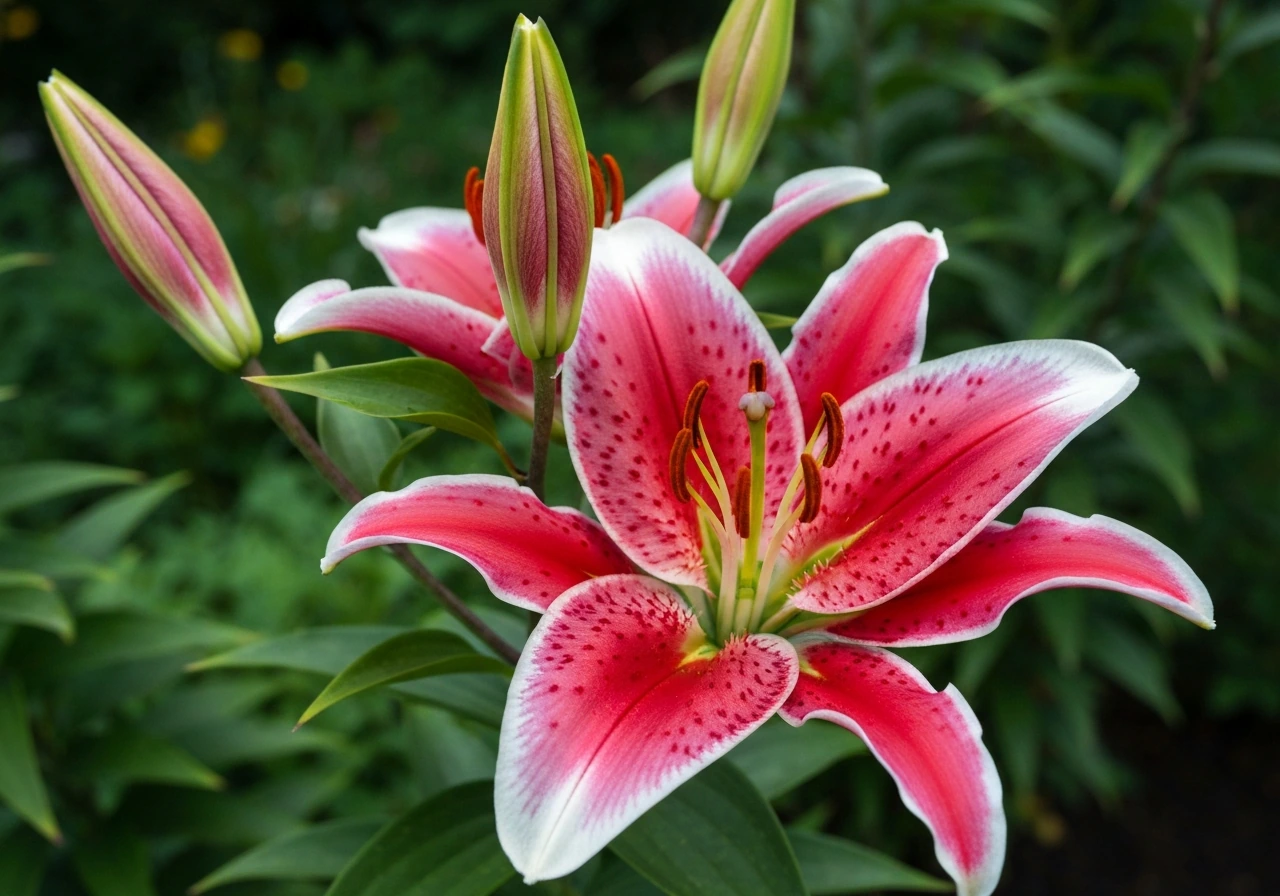
Where Do Stargazer Lilies Grow Best? Zones and Care Guide
Learn where Stargazer lilies grow best by climate and light, plus soil, watering, and planting steps for success.
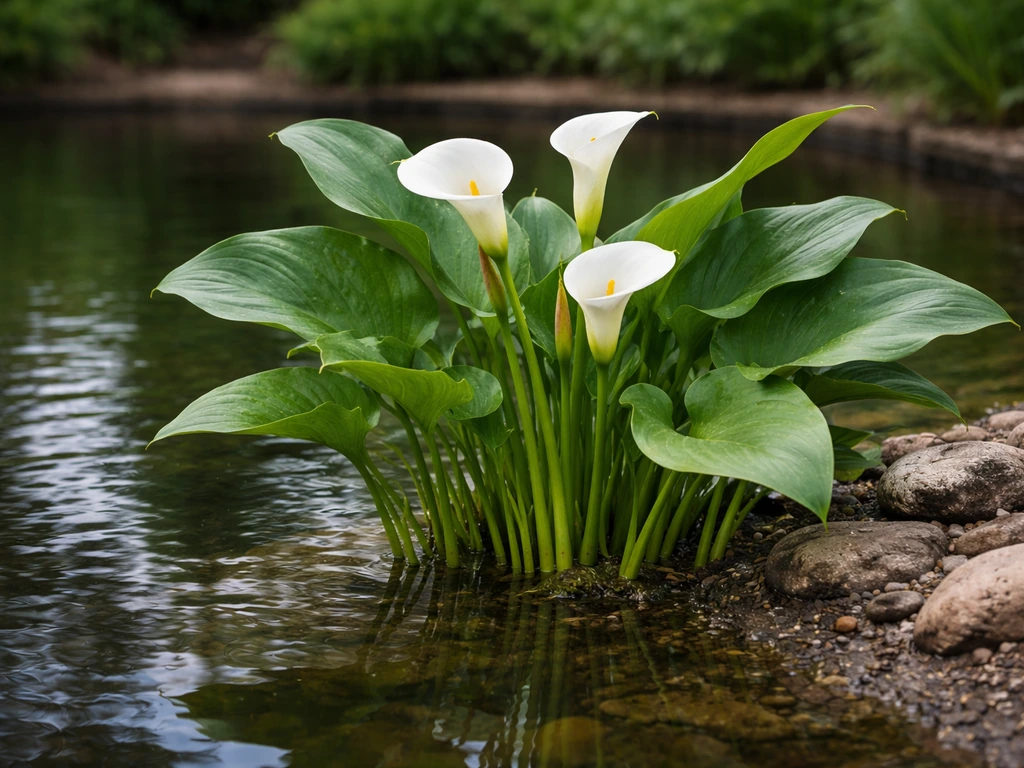
Can Calla Lilies Grow in Ponds? How to Set Up Successfully
Yes, with the right setup: water depth, substrate, anchoring, light, and overwinter care for pond or marginal calla lili
Are Calla Lilies Hard to Grow? Easy Guide for Success
Get a clear answer on are calla lilies hard to grow, plus exact light, temperature, watering, planting, and fixes.