
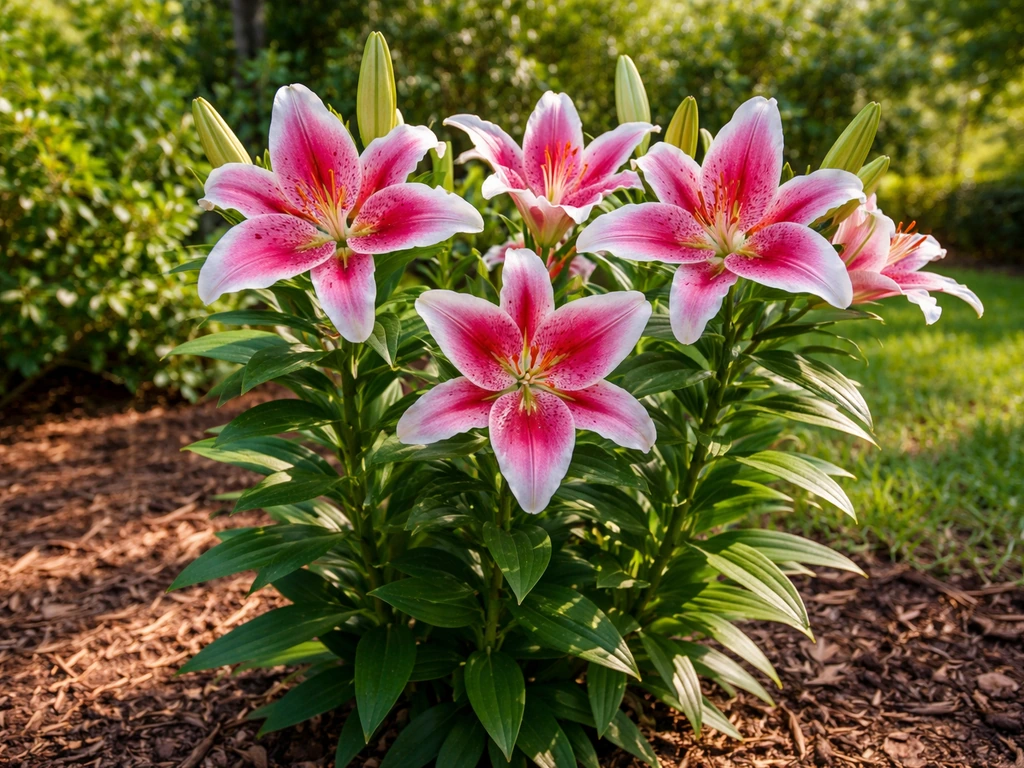
Yes, stargazer lilies can grow in Florida, but it takes some honest adjustments to make them happy here. In North and Central Florida (zones 8a through 9b), you have a real shot at growing them in-ground with good drainage and the right timing. In South Florida (zones 10 and above), containers are your best strategy because the winters are too warm to give bulbs the chill they need to rebloom reliably. Either way, this is not a set-it-and-forget-it plant in Florida's heat and humidity, but with the right setup, you can absolutely get those fragrant blooms.
Can Stargazer Lilies Grow in Florida? Planting and Care
Marcus Hendricks
23 May 2026
Quick Verdict: In-Ground or Container?
If you're in North Florida (zones 8a to 9a, think Pensacola, Tallahassee, Jacksonville), growing stargazer lilies in-ground is workable. Winters get cold enough to give bulbs a dormancy period, and summer heat, while intense, is manageable if you get drainage right. Central Florida (zone 9b, Orlando area) is borderline. You can do it in-ground, but drainage becomes even more critical and you may get inconsistent reblooming year to year.
South Florida (zones 10a and above, Miami, Fort Lauderdale, the Keys) is where I'd skip in-ground entirely and go straight to containers. The winters simply don't get cold enough to trigger proper dormancy, so you treat stargazers more like annuals that you replant each season or grow in pots you can move and manage.
| Florida Region | USDA Zones | Best Method | Rebloom Reliability |
|---|---|---|---|
| North Florida | 8a – 9a | In-ground or containers | Good |
| Central Florida | 9b | Containers preferred, in-ground possible | Moderate |
| South Florida | 10a – 11b | Containers only | Low (treat as annual) |
How Florida's Climate Affects Stargazer Lilies
Stargazer lilies (Lilium 'Stargazer') are Oriental hybrids. They evolved to thrive in cool, mountainous climates with cold winters and moderate summers, which is basically the opposite of Florida. [The USDA hardiness zone map is built around average annual extreme minimum winter temperatures](https://www. sare.
org/wp-content/uploads/planthardinesszones. pdf), and it tells us a lot about why this matters. Zone 8a sees winter lows of 10 to 15°F. Zone 9b dips to 25 to 30°F.
Zone 10a only gets down to 30 to 35°F, and Zone 11b barely touches below 45°F. Stargazer bulbs need a cold dormancy period to build energy for next year's bloom. The warmer your zone, the less reliable that natural cycle becomes. If you're wondering what zone lilies grow in, the USDA hardiness zone for your location is the key starting point before you plant what zone do lilies grow in.
Beyond winter cold, Florida's summer heat and humidity create two other problems: fungal diseases love the warm, wet conditions that Florida's rainy season delivers from June through September, and soil that stays moist too long will rot bulbs fast. Heat above 90°F, which is basically every Florida summer, can also stress plants during their active growth period. None of this is a dealbreaker, but you have to design your setup around these realities from the start.
Planting Basics: Timing, Depth, Spacing, and Bulbs
Timing is everything in Florida. The goal is to get bulbs in the ground when temperatures are cooling down, not heating up. In North and Central Florida, plant bulbs in late October through December. If you are wondering will easter lilies grow in Florida, focus on the same timing and drainage basics that stargazers need to survive the heat and humidity. This lets roots establish during the mild winter months and positions the plant to bloom in late spring before the brutal summer heat arrives. In South Florida, aim for November through January if you're attempting it at all, and plan to treat them as annuals.
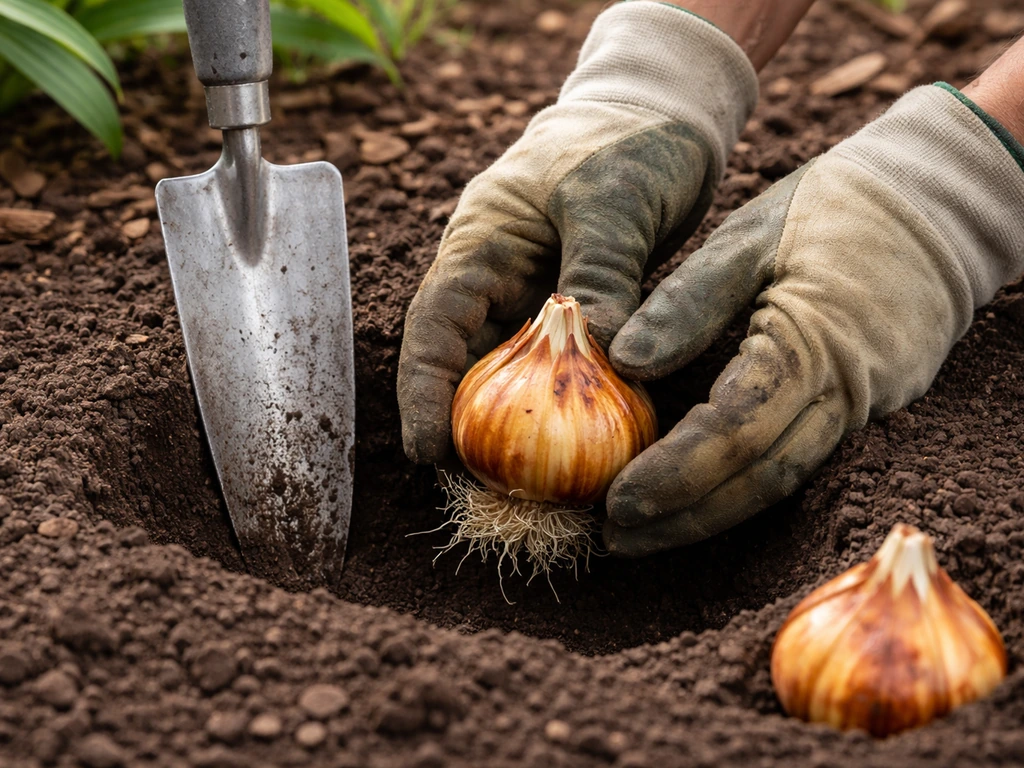
Plant bulbs 6 inches deep, measuring from the base of the bulb. Spacing should be 8 to 12 inches apart. The depth matters because it insulates bulbs from Florida's surface heat and helps keep them stable in moist soil. Don't skimp on it. For bulb sourcing, buy fresh bulbs each season if you're in Central or South Florida. In North Florida, healthy in-ground bulbs may come back, but inspect them each fall and replace any that feel soft or show mold. Mail-order bulbs from reputable growers in the Pacific Northwest or cooler climates tend to arrive in better condition than whatever has been sitting under fluorescent lights at a big-box store.
Light and Watering Strategy for Florida
Stargazer lilies want full sun, ideally 6 to 8 hours of direct sunlight per day. In Florida, that's easy to get, but there's a catch: intense afternoon sun combined with heat can scorch foliage and stress the plant during summer. The practical fix is to position plants where they get full morning sun (6 or more hours) but catch some light afternoon shade, especially from June onward. East-facing beds or spots shaded by a taller shrub or fence on the west side work well. Container growers have an advantage here because you can simply move the pot.
Watering strategy in Florida is less about adding water and more about managing what nature dumps on you. During the dry winter planting season, water once or twice a week to keep soil consistently moist but never soggy. Once Florida's rainy season kicks in, you may barely need to water at all, but you absolutely need to make sure excess water drains away from bulbs within an hour or two of heavy rain. If your beds stay waterlogged for longer than that, you're going to lose bulbs to rot. Containers should have large drainage holes and be elevated slightly off the ground so water moves freely.
Soil and Drainage: The Make-or-Break Factor
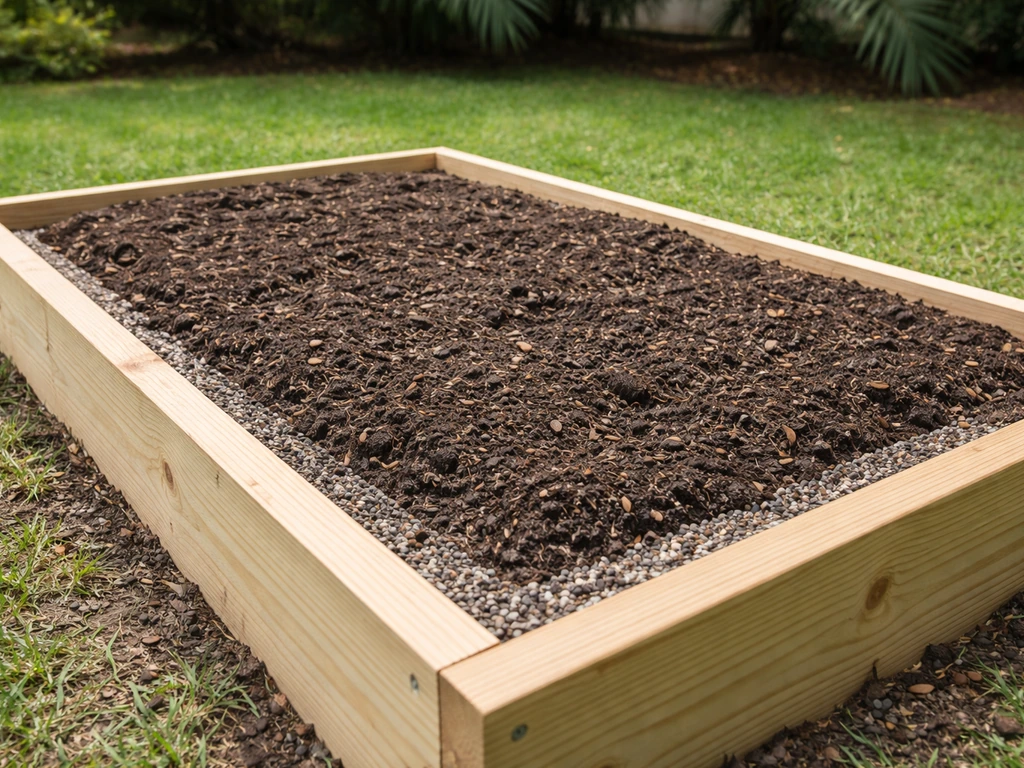
This is where most Florida gardeners lose their stargazers. Oriental lilies are extremely rot-prone, and Florida's heavy clay soils in some areas, combined with the rainy season, create the perfect conditions for bulb loss. The fix is aggressive soil amendment before you plant anything.
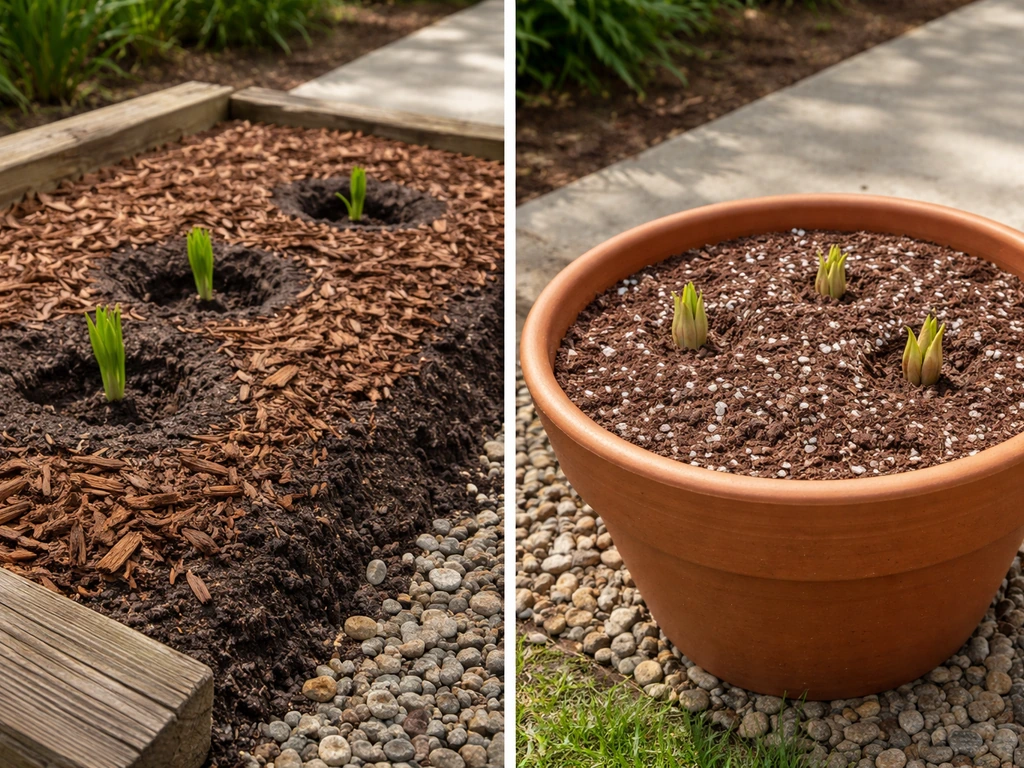
For in-ground beds, raise the planting area by at least 6 to 8 inches using a mix of native soil, coarse sand, and compost. The goal is a loose, well-draining mix that holds some moisture but never stays saturated. A soil pH of 6.0 to 6.5 is ideal. Avoid heavy peat-based mixes that stay wet. If your yard is naturally low or has any history of standing water, skip in-ground entirely and go with raised beds or containers.
For containers, use a premium potting mix blended with about 20 to 25 percent perlite to boost drainage. A pot that's at least 12 inches deep and 12 inches wide per bulb gives roots enough room to develop. Terra cotta pots help wick excess moisture away from roots better than plastic, which is a real advantage in Florida. Make sure every container has multiple drainage holes, not just one small one at the bottom.
Florida Pests and Diseases to Watch For
Florida's warm, humid climate means fungal issues are your biggest ongoing threat with stargazers. Botrytis blight (gray mold) shows up as brown spots on leaves and can spread fast during humid stretches. Lily mosaic virus causes streaked, distorted foliage and is spread by aphids, which are common in Florida. Root rot from Fusarium and Pythium pathogens will destroy bulbs if drainage isn't right.
- Botrytis blight: Improve air circulation by not overcrowding plants and avoid overhead watering. Remove affected leaves immediately. A copper-based fungicide spray can help prevent spread.
- Aphids: Check the undersides of leaves regularly. A strong stream of water knocks them off. Neem oil or insecticidal soap works well for persistent infestations.
- Thrips: Tiny insects that cause silvery streaking on petals. Spinosad-based sprays are effective. Keep the area around plants free of debris where thrips overwinter.
- Lily leaf beetles: Bright red beetles that defoliate plants quickly. Hand-pick adults and egg masses. Neem oil helps deter them.
- Bulb rot: Prevent it with proper drainage, not with treatments after the fact. Once a bulb is rotting, it's gone. Dig it out before it spreads to neighbors.
- Snails and slugs: Florida's moisture makes this a year-round problem. Iron phosphate bait (safe around pets and wildlife) works well applied around the base of plants.
Care Plan from Planting Through Bloom
Fall to Early Winter (October to December): Planting Time
Prepare your bed or containers, amend soil for drainage, and plant bulbs 6 inches deep with 8 to 12 inches between them. Water in gently and apply a 2-inch layer of mulch over the bed to regulate soil temperature and hold moisture without trapping it. Use pine bark or shredded leaves, not thick layers of grass clippings that mat down and stay wet.
Winter (December to February): Root Development
Bulbs are establishing roots underground. You won't see much action above ground yet. Water lightly once a week if there's no rainfall. Don't fertilize yet. In North Florida, if a hard frost is forecast, cover container plants or bring them inside. In-ground plants are generally fine in zones 8 and 9.
Spring (February to May): Active Growth and Bloom
Stems will emerge and grow quickly in the warming temps. Once plants are 6 inches tall, apply a balanced slow-release fertilizer (something like 10-10-10) according to package directions. Stake taller stems early so they don't snap in spring storms. Stargazers typically bloom in May to June in Florida if all goes well. Enjoy the blooms and deadhead spent flowers to keep energy directed into the bulb. Do not cut back foliage while it's still green. Those leaves are feeding the bulb for next year.
Summer (June to September): Rainy Season Survival
This is the hardest stretch for Florida stargazers. Foliage will yellow and die back after bloom, which is normal. Stop watering as frequently and make sure drainage is still working. If you have containers, move them to a covered area where they get light but are protected from constant rain hammering the soil. In-ground, the mulch layer helps buffer heavy rainfall. Watch for fungal issues and treat quickly if you see spotting.
Fall: Evaluate and Decide
In North and Central Florida, dig up in-ground bulbs in September or October, inspect them, and store any healthy ones in a cool, dry spot (a paper bag in an air-conditioned room works) until replanting time in November. In South Florida, plan to source fresh bulbs for the new season. Container bulbs can stay in their pots through this period as long as they're in a dry spot.
If Your Stargazers Aren't Thriving: Troubleshooting
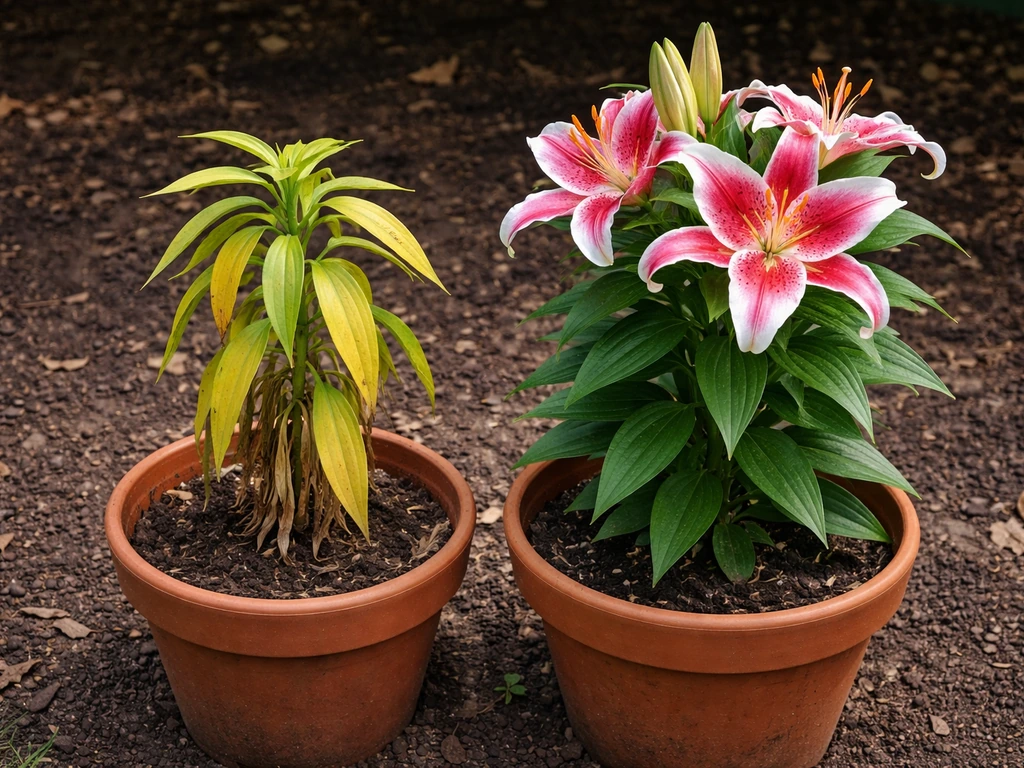
No blooms at all usually means one of three things: the bulbs didn't get enough winter chill (common in South Florida), they were planted too late and the heat hit before they could flower, or the bulbs were already stressed or low-quality when you bought them. USDA’s blank" rel="noopener noreferrer">Plant Hardiness Zone Map is based on average annual extreme minimum winter temperatures, which is why it helps estimate whether plants can overwinter in a given location. If you're in South Florida and getting no blooms, try pre-chilling bulbs in the refrigerator (away from fruit, which releases ethylene gas that can damage bulbs) for 6 to 8 weeks before planting. It's not a perfect substitute for real cold, but it helps.
Yellowing leaves before blooming usually points to overwatering or poor drainage causing early root stress. Wilting despite moist soil often signals root rot, in which case dig the bulb up and check. Mushy brown tissue means it's too far gone. If the bulb feels firm but you find soggy soil, improve drainage immediately and hold off on watering for a week or two. Stunted stems with distorted leaves point to aphids or mosaic virus. Check for bugs first, and if the virus is confirmed by a pattern of yellow streaking on leaves, remove and discard the affected plant.
Worth knowing: stargazer lilies are trickier in Florida than more forgiving lilies like daylilies, which handle heat and humidity with much less fuss. If you've struggled repeatedly with stargazers and want fragrant blooms with less management, consider whether an Easter lily or an Asiatic lily hybrid might be a better fit for your zone and setup before you try again.
That said, if you get the drainage right, time your planting correctly, and choose the right spot with good morning sun, stargazers in Florida are genuinely doable and completely worth the effort when those big, fragrant flowers open up. Oriental lilies can grow indoors, but they still need cool rest and very bright light to perform well can oriental lilies grow inside.
If you’re wondering can lilies grow outside in Florida, stargazers can, but only if you match the right zone, drainage, and planting timing.
FAQ
What’s the fastest way to tell if my yard has the drainage stargazer lilies need in Florida?
Do a simple soak-and-drain test, dig a hole about 12 inches wide and 12 inches deep, fill it with water, and time how long it takes to empty. If it still looks wet or won’t drain down significantly within about 1 to 2 hours after filling, bulbs are at high risk of rot, and you should switch to raised beds or containers.
Can I grow stargazer lilies in Florida if I only have afternoon sun?
You can try, but aim to protect the foliage during peak heat. If you only get strong west or afternoon sun, use a spot that gets full morning light or provide afternoon shade (for example, a shade cloth during June through September) because scorching and heat stress can reduce or stop flowering.
Should I mulch stargazer lilies in Florida, and what type actually helps?
Yes, mulch helps regulate soil temperature and reduce moisture swings, use about 2 inches. Choose pine bark or shredded leaves that don’t mat down, avoid thick grass clipping layers because they hold moisture and can keep the bulb zone wet during Florida’s rainy months.
When do I stop watering after bloom in Florida?
Once the flowers fade, keep watering only as needed for mild dryness, then reduce gradually as foliage yellows. The key is to stop creating persistently wet soil, especially during rainy season, and make sure the bulb zone can drain quickly after storms.
How can I protect containers during heavy Florida rain without losing drainage?
Elevate the pot so water can flow out freely, ensure there are multiple large drainage holes, and use a saucer that doesn’t trap runoff. If thunderstorms are frequent, move containers under cover that still allows light (not a fully enclosed dark area) so the soil dries between downpours.
Is it okay to fertilize right after planting in Florida?
Usually no. Wait until plants are actively growing, once you see stems around 6 inches tall, then apply a balanced slow-release fertilizer at the label rate. Early fertilizing on fresh bulbs can stress roots if conditions stay cool-wet.
Do stargazer lilies need to be deadheaded in Florida?
Yes, deadhead spent flowers so the plant stops investing in seed, but leave green foliage intact. Do not cut back leaves early, because Florida-grown bulbs still depend on that foliage to recharge for the next cycle.
Why are my stargazers sending up leaves but no flowers in Florida?
The most common causes are inadequate cold rest, planting too late (heat arrives before flowering), or buying bulbs that were already stressed or low-quality. If you are in South Florida, pre-chilling for 6 to 8 weeks can help, but it’s not a perfect replacement for true winter chill.
What’s the best way to handle frost for container stargazers in North Florida?
If frost is forecast, bring containers indoors or cover them with breathable fabric, not plastic. Keep them in bright light if you bring them inside, and then return them outside once temperatures rise, to avoid weak growth from low light.
If I notice brown spots or gray mold on leaves in Florida, what should I do immediately?
Improve airflow around plants and remove heavily affected leaves so spores aren’t constantly re-inoculating new growth. Also check watering habits, avoid overhead watering, and act quickly during humid streaks because botrytis can spread fast under Florida summer conditions.
Can I re-use the same container mix for stargazer lilies next season in Florida?
It’s safer to freshen it rather than reuse old mix, because old soil can keep disease pressure high and may compact over time. At minimum, dump and replace most of the mix, confirm drainage remains excellent, and inspect bulbs for soft spots before replanting.
Next Articles
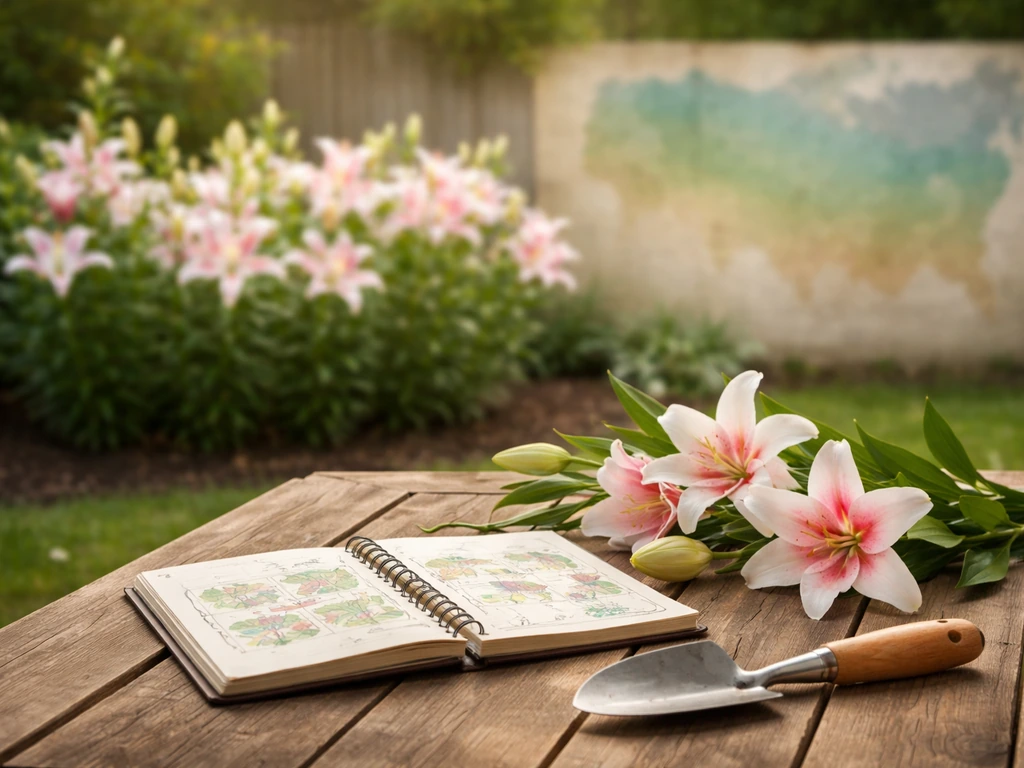
What Zone Do Lilies Grow in USDA Guidance and Planting Tips
Find your USDA hardiness zone for lilies and match Asiatic, Oriental, and more to light, soil, and winter survival.
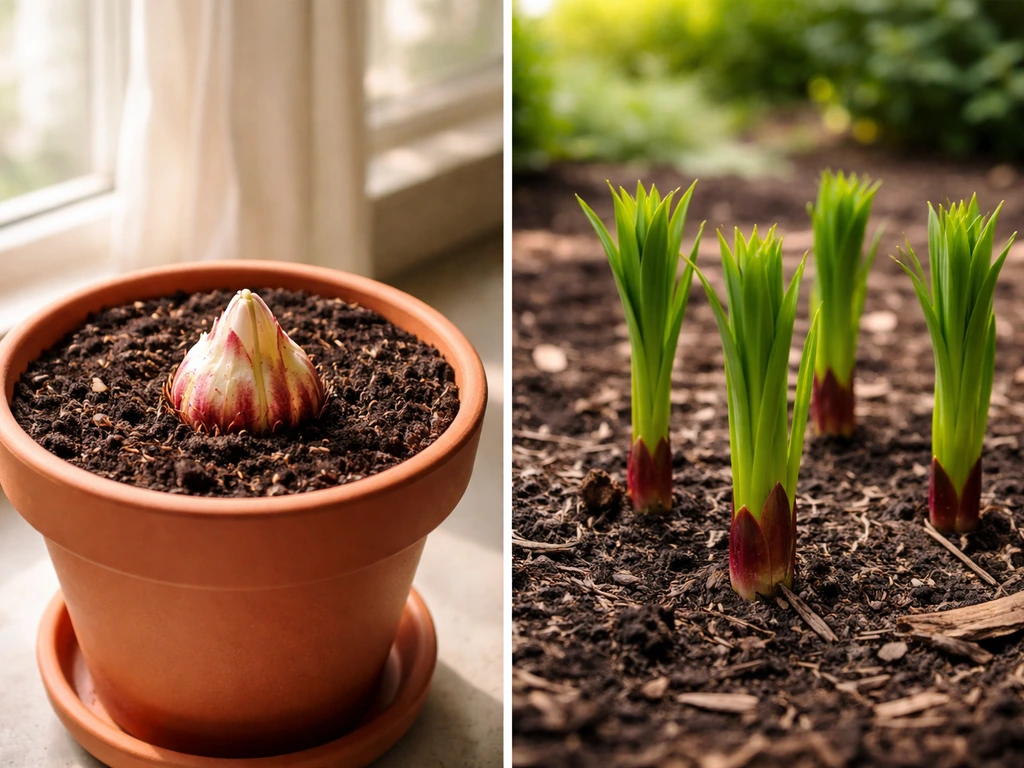
Can Oriental Lilies Grow Inside? Indoor vs Outdoor Guide
Yes. Learn exact light, pot, soil, watering, and temperature needs to grow oriental lilies indoors or outdoors.
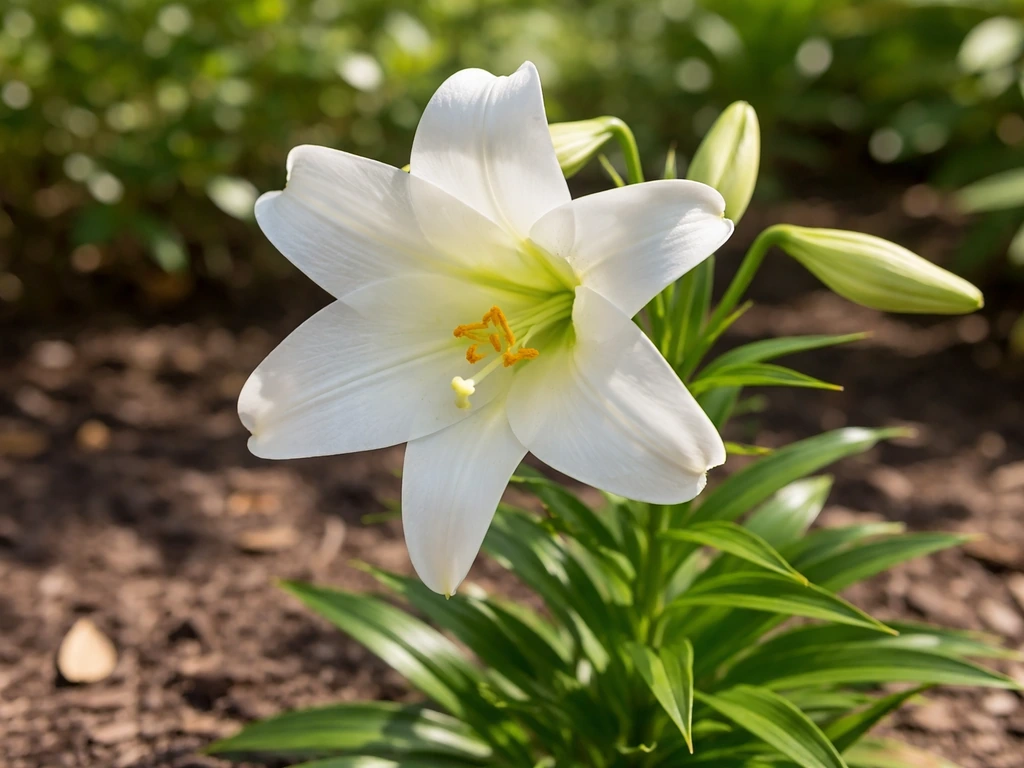
Will Easter Lilies Grow in Florida? Yes and How
Learn if Easter lilies grow in Florida and get step-by-step outdoor and pot care, heat and chill needs, and troubleshoot