
Most true lilies (Lilium species) grow best in USDA hardiness zones 3 through 8, though the exact range depends on which type you're planting. Asiatic lilies are the cold-hardiest, surviving zone 3 winters without much fuss. Oriental lilies prefer zones 5 to 8. Trumpet lilies land somewhere in the middle at zones 4 to 9.
What Zone Do Lilies Grow in USDA Guidance and Planting Tips
Marcus Hendricks
17 May 2026
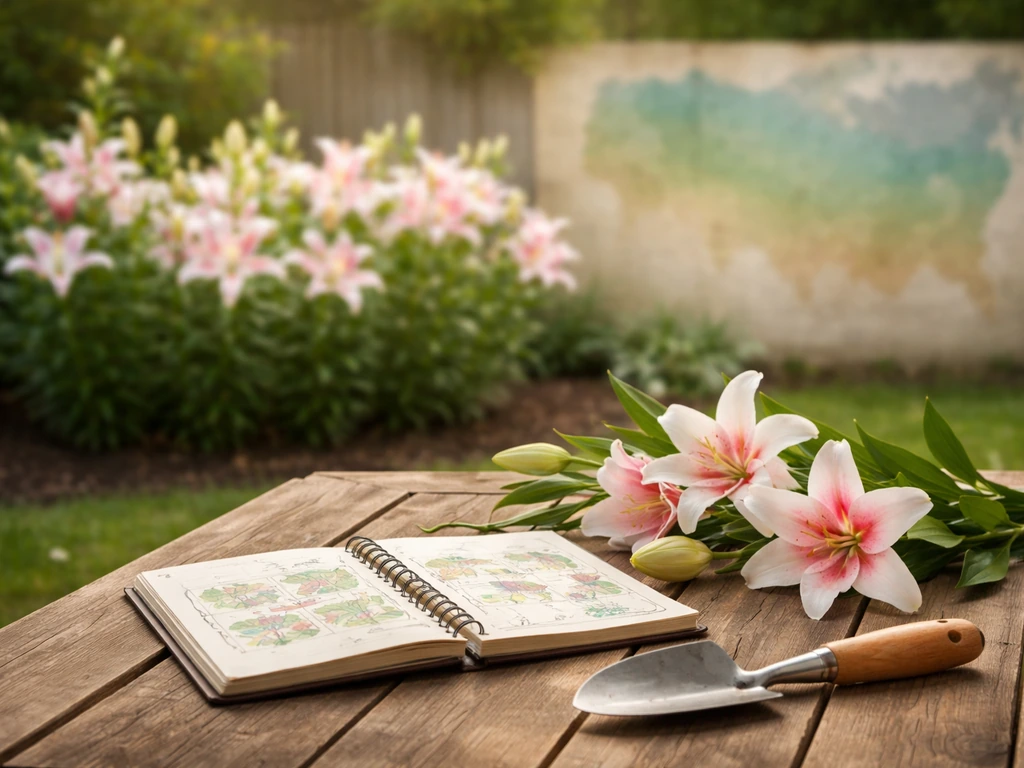
If you're growing something called a "lily" that isn't a true Lilium, the zone picture looks completely different: peace lilies are tropical houseplants, daylilies handle zones 3 to 9, calla lilies struggle below zone 8, and water lilies have their own set of depth and climate rules. The first thing to do is figure out which lily you're actually dealing with, then find your zone. If you're wondering will easter lilies grow outside, the key is matching the plant to your local temperatures and whether you can offer protection in cold snaps.
If you’re wondering can lilies grow outside, the answer depends on whether you have true Lilium lilies or one of the “lily” lookalikes.
Find your USDA zone first, then use it as a starting point
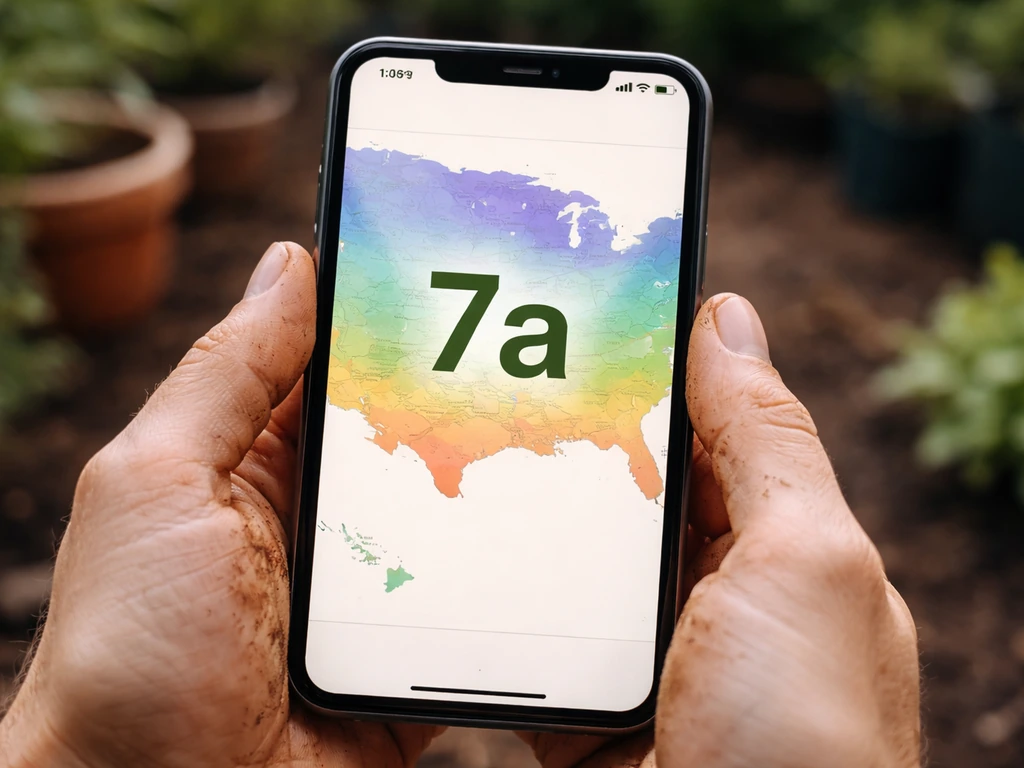
The USDA Plant Hardiness Zone Map is the standard tool for figuring out what will survive winter in your yard. You just go to the USDA's official map site, blank" rel="noopener noreferrer">enter your ZIP code, and it tells you your zone. The map was last updated in 2023 using climate data from 1991 to 2020, so it reflects fairly current temperature patterns. It's also interactive: you can zoom down to about half a mile resolution to see whether your specific neighborhood is in a slightly warmer or cooler pocket than the surrounding area. The USDA’s Plant Hardiness Zone Map is an interactive GIS map where you can blank" rel="noopener noreferrer">zoom down to about half a mile resolution.
What the zone actually measures is the average annual extreme minimum temperature, meaning the coldest it typically gets in your area over a winter. Zones run in 10-degree increments (like zone 6), and each zone is split into an "a" and "b" subzone that each represent a 5-degree difference. So zone 6b is slightly warmer than 6a. The USDA itself is clear that these maps are general guides, not hard rules. A zone 5 garden with a south-facing wall and good snow cover can protect bulbs that technically shouldn't survive there. Your zone is your starting point, not your final answer.
One thing the zone map does NOT tell you: summer heat, humidity, rainfall, or how long your growing season is. A zone 7 garden in the Pacific Northwest is very different from a zone 7 garden in central Virginia. Both will keep Asiatic lily bulbs alive through winter, but the summer conditions affect bloom quality, disease pressure, and how fast bulbs multiply. Keep that in mind as you read the zone recommendations below.
True lilies (Lilium) and which zones they actually prefer
When someone asks what zone lilies grow in, they usually mean true lilies from the genus Lilium. These are bulb-forming perennials that come back year after year when planted in the right zone. Here's how the major groups break down.
| Lily Type | Hardiness Zones | Cold Tolerance | Heat Tolerance | Notes |
|---|---|---|---|---|
| Asiatic Lilies | 3–8 | Excellent | Moderate | Easiest for cold climates; shorter stems, no fragrance |
| Oriental Lilies | 5–8 | Good | Low–Moderate | Fragrant, large blooms; dislikes hot humid summers |
| Trumpet/Aurelian Lilies | 4–9 | Very Good | Good | Tall and fragrant; more heat-tolerant than Orientals |
| LA Hybrids (Longiflorum × Asiatic) | 5–8 | Good | Good | Vigorous, disease-resistant, wide color range |
| OT (Orienpet) Hybrids | 5–9 | Good | Very Good | Large blooms, more heat-tolerant than pure Orientals |
| Martagon Lilies | 3–7 | Excellent | Low | Shade-tolerant; very cold-hardy but slow to establish |
| Tiger Lilies (L. lancifolium) | 3–9 | Excellent | Good | Tough and adaptable; spreads readily |
Asiatic lilies are the workhorses for northern gardeners. I've seen them come back reliably in zone 4 gardens with almost no special care, even after brutal winters. Oriental lilies, by contrast, are pickier. They want cold enough winters to go dormant properly but cool enough summers to bloom without stress. That's why they perform so well in the Pacific Northwest and parts of the Northeast, but can struggle in zone 8 gardens in the South where summer heat arrives early and stays long. If you're in a warmer zone and love the look of Orientals, OT hybrids (sometimes called Orienpets or tree lilies) are a better bet because they carry the Oriental's big fragrant blooms with better heat tolerance.
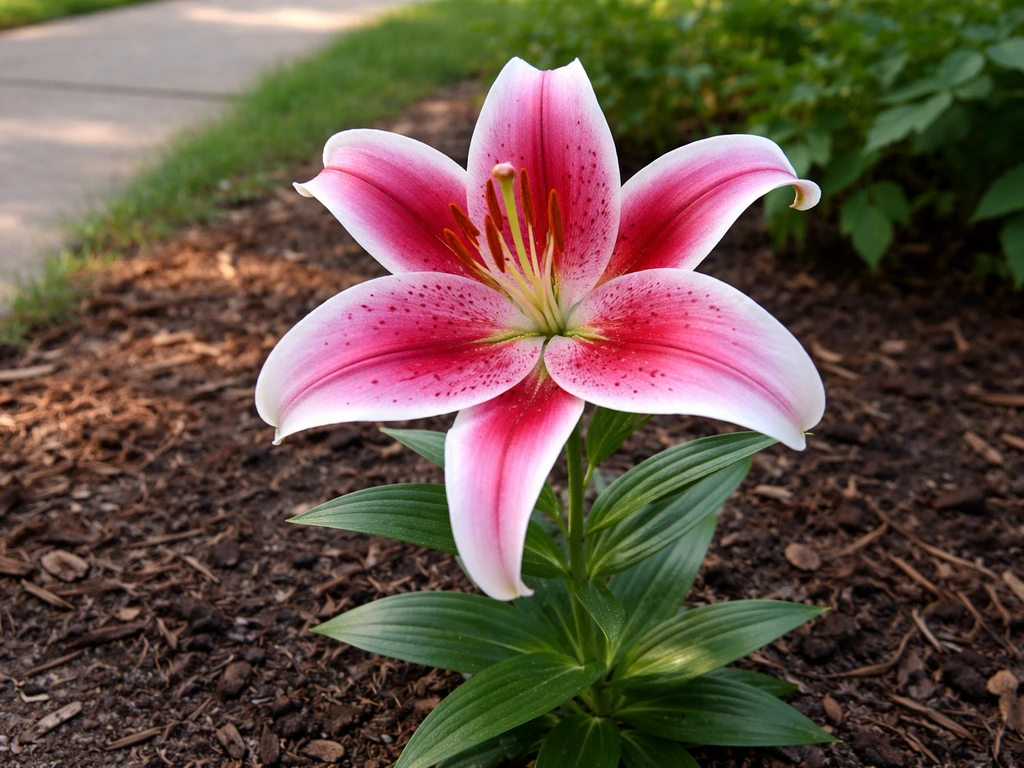
Stargazer lilies, one of the most popular Orientals, are a good example of this zone nuance. They're technically rated for zones 4 to 9, but in hot zone 8 or 9 summers they may bloom poorly or decline faster than in a zone 6 or 7 garden. If you're looking at Stargazers specifically, conditions within your zone matter as much as the zone number itself. If you're wondering can stargazer lilies grow outside, keep your zone and sun conditions in mind just like you would for other Lilium types.
"Lilies" that aren't true Lilium: very different zone rules
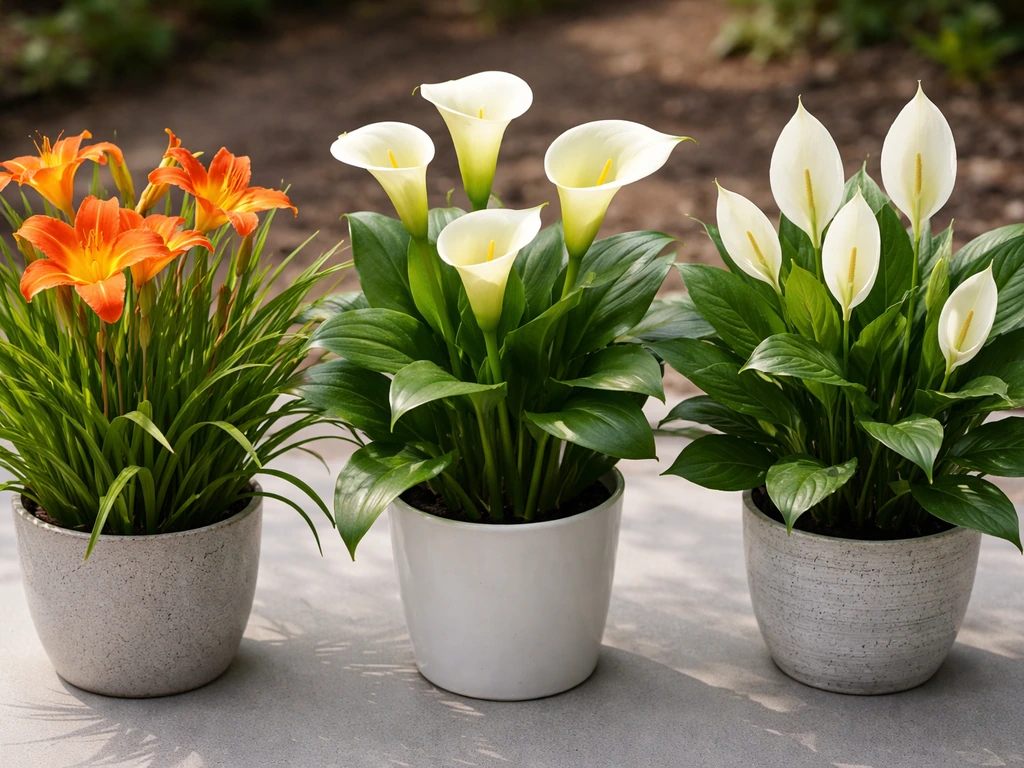
Here's where a lot of gardeners run into trouble. Several popular plants go by "lily" names but belong to completely different plant families with completely different climate needs. If you're searching for zone info on a peace lily or calla lily and applying true-Lilium guidance, you'll get burned.
| Common Name | Botanical Name | Outdoor Zones | Indoor/Container? | Key Difference from True Lily |
|---|---|---|---|---|
| Peace Lily | Spathiphyllum spp. | Zone 11–12 only | Yes, popular houseplant | Tropical; no cold hardiness at all, not a bulb |
| Calla Lily | Zantedeschia spp. | Zones 8–10 (some to 7) | Yes, great in pots | Rhizome-based; must be lifted in cold climates |
| Daylily | Hemerocallis spp. | Zones 3–9 | Rarely needed | Extremely tough; not a true lily, but grows like one |
| Water Lily | Nymphaea spp. | Zones 3–11 (varies by type) | Pond/container water garden | Aquatic; zone depends on hardy vs. tropical variety |
| Easter Lily | Lilium longiflorum | Zones 4–8 (outdoor) | Sold as houseplant | True Lilium but usually sold as forced indoor plant |
Peace lilies are about as far from a zone-hardy perennial as you can get. They're tropical plants from Central and South America that want temperatures above 60°F year-round. Outside in a zone 10 or 11 garden in South Florida or Hawaii, they'll grow fine. If you mean Easter lilies specifically, the answer for Florida depends on your location's conditions and whether you treat them as an annual or plan for bulbs to survive and rebloom will Easter lilies grow in Florida. Everywhere else, they're houseplants. I made the mistake early on of treating peace lily care advice like it applied to my outdoor lily beds. It doesn't. Not even close.
Calla lilies sit in an interesting middle spot. Hardy in zones 8 to 10 without any lifting, they can actually be grown as far north as zone 7 with some protection, or in zone 5 and 6 gardens if you dig the rhizomes in fall and store them indoors. Unlike true lily bulbs, callas grow from rhizomes, and they love consistently moist soil rather than the well-drained conditions that Asiatic or Oriental lilies need. Comparing them helps illustrate why "what zone do lilies grow in" doesn't have a one-size answer.
Daylilies (Hemerocallis) are the toughest of the bunch and not fussy about zones at all. Zones 3 through 9 with almost no help from you. They're not true lilies botanically, but they look like relatives and thrive in similar garden spots. Water lilies need a different framework entirely: hardy water lilies (Nymphaea odorata and related species) survive frozen ponds down to zone 3 as long as their roots don't freeze solid, while tropical water lilies are annual outside zones 10 and 11.
When your zone isn't ideal: practical ways to make it work anyway
Your USDA zone is a guide, not a locked door. Gardeners push zones all the time with good results, and lilies are especially responsive to a few smart strategies.
Mulching for cold protection
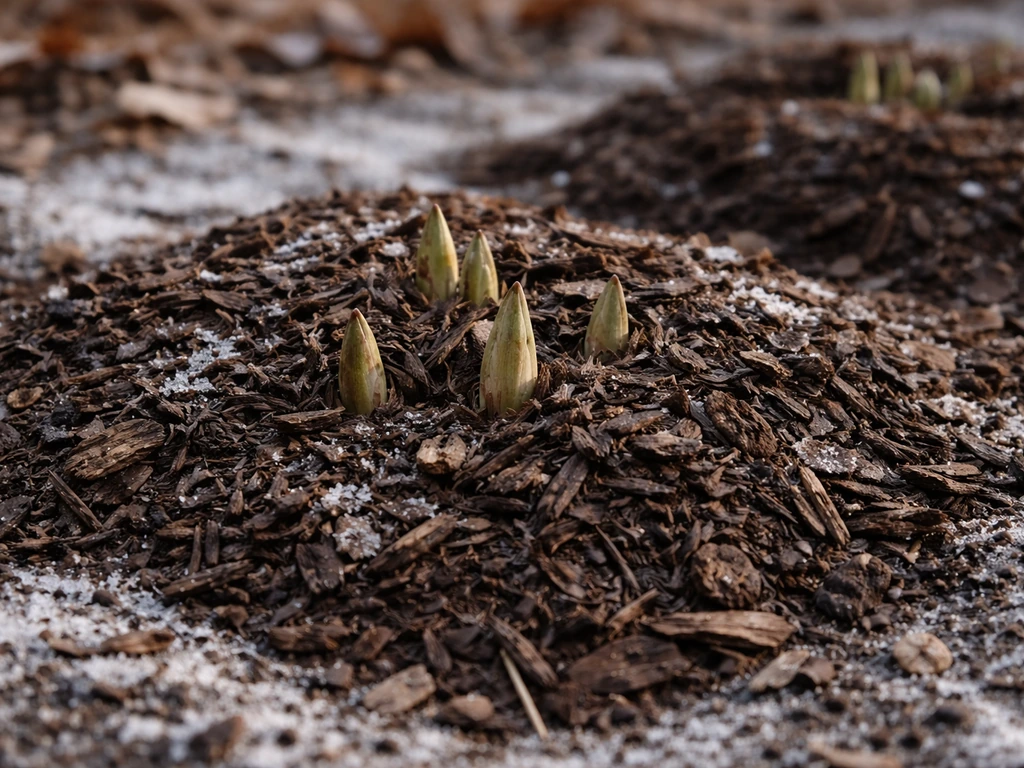
If you're at the cold edge of a variety's range (say, trying Oriental lilies in zone 4), a thick layer of mulch after the ground freezes can make the difference. Apply 4 to 6 inches of straw, shredded leaves, or wood chips over the planting area after the first hard freeze. This insulates the bulbs against the most extreme temperature swings rather than preventing freezing entirely. Pull the mulch back in early spring before new shoots are blocked.
Lifting and overwintering bulbs
For varieties that simply can't survive your winters in the ground, like calla lilies in zone 6 or tender tropical lilies anywhere north of zone 9, digging and storing bulbs or rhizomes is the move. After the first frost kills the foliage, dig carefully, brush off the soil, let them dry for a few days, and store them in paper bags or mesh bags filled with peat or vermiculite in a cool, dry, frost-free spot (around 40 to 50°F). A basement or attached garage often works. Replant after your last frost date in spring.
Container growing
Containers are one of the most flexible solutions for zone-challenged gardeners. Asiatic and Oriental lilies both grow beautifully in large pots (at least 12 inches deep and wide for most varieties). In cold zones, you can move the entire container into an unheated garage or shed for winter, which keeps bulbs at a stable cool temperature without exposing them to the worst freezes. In very hot zones, containers let you move plants to shadier spots during heat waves. Calla lilies in pots are practically made for this approach.
Growing indoors
Peace lilies are already a permanent indoor situation for most of North America. Oriental lilies can be forced indoors in pots for winter blooms, though they prefer to spend their summers outside. Easter lilies are regularly sold as potted indoor plants and can be transitioned outdoors after blooming if you're in zone 4 to 8. Easter lilies (the real ones sold as bulbs) will grow outside in suitable zones, but they need the right outdoor conditions after blooming will easter lilies grow outside. For true Lilium types, indoor growing works as a temporary or supplemental approach rather than a permanent setup, since they need a cold dormancy period to rebloom well.
Light, soil, and water: the conditions that make or break lily success in your zone
Getting the zone right is half the battle. The other half is matching the plant's needs for light, soil drainage, and water. A zone 6 garden can still kill Asiatic lily bulbs if the soil stays soggy in winter, and a zone 7 garden can frustrate Oriental lilies if they're planted in full afternoon sun.
Light requirements
True lilies want at least 6 hours of direct sun per day, and ideally 8. Morning sun with some afternoon shade is the sweet spot for Oriental and Stargazer types in warmer zones because it reduces heat stress during bloom. In zones 3 to 5, full sun all day is usually fine since summer temperatures are naturally more moderate. Martagon lilies are the exception: they're one of the few true Lilium types that actually prefer partial shade and will do well under deciduous trees. Peace lilies are at the opposite end of the spectrum, thriving in low to medium indirect light, which is why they work so well inside.
Soil and drainage
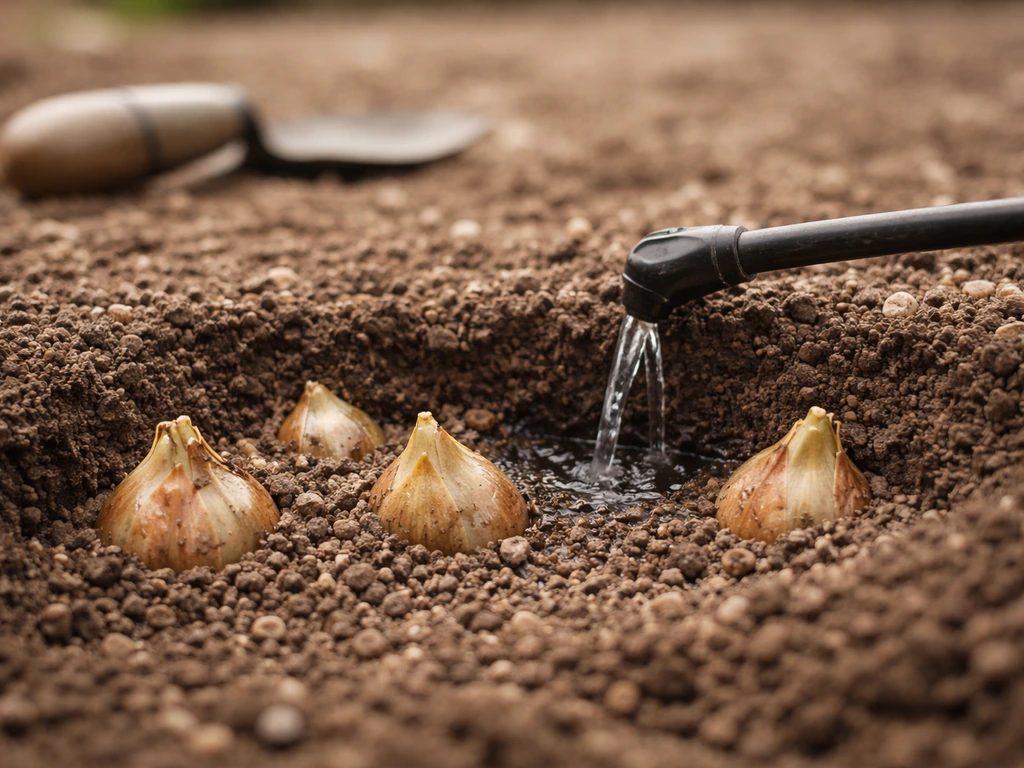
Well-draining soil is non-negotiable for true lilies and especially for bulbs overwintering in the ground. Bulbs sitting in waterlogged soil will rot before they get a chance to bloom. Amend heavy clay with compost and coarse sand to improve drainage, or raise your beds by even 4 to 6 inches to keep bulbs drier in wet winters. Daylilies are more forgiving of heavier soils. Calla lilies actually want consistently moist soil, which puts them at the opposite end from most true Lilium varieties. Water lilies are in a category of their own: they need their roots submerged, with most varieties planted at a depth of 12 to 18 inches of water for best results.
Watering
During the growing season, true lilies want consistent moisture, roughly 1 inch of water per week, but they absolutely don't want to sit wet. Water at the base, not overhead, to reduce the risk of botrytis and other fungal diseases that love wet foliage. Once the foliage dies back in fall, stop watering and let the soil dry down. In zone 8 and warmer, where rain continues through winter, soil drainage becomes even more critical because bulbs never get a fully dry rest period.
Pick the right lily for your yard with this quick checklist
Use this process before you buy anything. It takes five minutes and will save you from planting something that's doomed from the start.
- Find your USDA hardiness zone: go to the USDA Plant Hardiness Zone Map, enter your ZIP code, and note your zone and subzone (like 6b or 7a).
- Confirm what kind of lily you're actually buying: is it a true Lilium (Asiatic, Oriental, Trumpet, Martagon, etc.), a daylily (Hemerocallis), a calla lily (Zantedeschia), a peace lily (Spathiphyllum), or a water lily (Nymphaea)? Each has its own zone and care profile.
- Check the cultivar's specific zone rating on the plant tag or nursery description. A variety rated for zones 4 to 8 will behave differently at the cold end (zone 4) than at the warm end (zone 8).
- Assess your site: does the planting spot get 6 or more hours of direct sun? Does the soil drain well after heavy rain? Is there a wall or structure nearby that creates a warmer microclimate?
- Decide on your approach based on your zone fit: if you're in the ideal zone range, plant directly in the ground. If you're one zone too cold, try mulching heavily or containers. If you're two or more zones too cold, plan to lift bulbs each fall or grow in containers you can bring inside.
- Check your last frost date (available from the Farmer's Almanac site by ZIP code) and plant bulbs accordingly: spring-blooming types go in fall, summer-blooming types (most true Lilium) go in early spring after your last frost.
- After your first season, observe: did the plants bloom well? Did any foliage show stress or disease? Adjust sun exposure, drainage, or variety choice for the following year.
If you're in zones 3 to 5 and want a true lily that practically takes care of itself, start with Asiatic lilies. They're forgiving, come in every color imaginable, and laugh at cold winters. If you're in zones 6 to 8 and want fragrance, OT hybrids or Trumpet lilies will serve you better than pure Orientals in most climates.
In the warmest zones (9 and up), true lilies become more of a cool-season or container project, while daylilies and calla lilies take over as the easier workhorses. And if someone gifts you a peace lily, just keep it inside: it's one of the best low-light houseplants around, and it has no business being in your garden bed north of South Florida.
FAQ
I’m in USDA zone 8, can I still grow Oriental lilies outdoors?
Sometimes, but “zone 8” depends heavily on how hot your summers get and whether the bulbs get enough cool to go dormant. If your area has early, long heat, Orientals often bloom poorly or decline faster. A practical approach is to try OT hybrids (Orienpets) or Trumpet lilies first, or give Orientals morning sun and afternoon shade, plus extra drainage so they do not sit wet during the shoulder seasons.
What’s the difference between zone 6a and 6b for lilies?
The “a” and “b” split is a 5-degree difference in average annual extreme minimum temperatures. That difference can matter most at the cold edge of a lily’s rating (for example, trying Orientals in the low end of their range). If you are borderline, prioritize insulation from mulch after a hard freeze and confirm your soil drains fast enough to prevent winter rot.
Can I trust what the plant tag says for zones, or should I only use my USDA zone?
Use your tag as the variety’s target range, then compare it to your USDA zone, but adjust for microclimates. A sheltered south-facing spot, wind protection, and consistent snow cover can improve survival beyond the zone number. Conversely, low spots that hold cold air and wet soil can reduce success even if the label seems to fit.
Do lilies need winter cold even if my USDA zone is warm?
Many true lilies rely on a cold period to reset properly for the next bloom. In warmer zones, they may survive but underperform, especially Orientals and Stargazers. If you live in zone 9 or higher, consider container culture so you can manage overwinter conditions (for example, a cool, protected place) and expect that blooms may be less reliable than in cooler regions.
What’s the best way to protect lilies in a borderline zone without causing rot?
Apply mulch only after the first hard freeze, using a breathable layer like straw, shredded leaves, or wood chips (about 4 to 6 inches). The goal is to reduce temperature swings, not trap moisture. Remove or thin the mulch in early spring before shoots emerge so bulbs do not sit damp during warming weather.
How do I know if a “lily” is actually a true Lilium versus a lookalike?
Start by checking botanical genus names on the tag or product description. True lilies are Lilium species, while peace lilies are Spathiphyllum, callas are Zantedeschia (rhizomes), and daylilies are Hemerocallis. If you see instructions that involve low-light indoor care (peace lily) or consistently wet soil (calla), treat it as a different climate requirement than USDA zone recommendations for Lilium.
My lilies survived the winter but didn’t bloom, what does that usually mean?
Common causes include insufficient sun (less than about 6 hours of direct light), summer heat stress, or bulbs sitting in soggy soil that reduces energy storage. For Orientals and Stargazers, hot-zone summers are a frequent reason. Also check spacing and drainage, since overcrowding and waterlogged beds can prevent robust flowering even when bulbs live through winter.
Can I grow true lilies in containers in any zone?
Yes, containers help manage both winter freezes and summer heat. Use a large pot (at least 12 inches deep and wide for most varieties) and ensure excellent drainage holes. In cold zones, you can overwinter the container in an unheated garage or shed to keep conditions stable, and in hot zones, move it to shade during heat waves to protect bloom quality.
Do lilies require overhead watering, or should I water differently?
Water at the base, not overhead, to reduce fungal disease risk from wet foliage. Keep soil consistently moist during the active growing season, then stop watering once foliage dies back in fall so bulbs can dry down. In zones with winter rain, drainage becomes even more critical because bulbs still need a rest period.
If I dig up bulbs for storage, what conditions help them stay healthy?
After first frost kills foliage, dig carefully, remove excess soil, and let bulbs dry for a few days before storage. Store in paper or mesh bags with a lightly insulating medium like peat or vermiculite in a cool, dry, frost-free spot around 40 to 50°F. Avoid sealing bulbs in plastic, since trapped moisture increases rot risk.
Why do my lilies rot in winter even though I’m within their zone?
Zone only reflects winter minimum temperatures, not wetness. Rot usually comes from waterlogged soil, poor drainage, or mulch that traps moisture around bulbs. If your area gets frequent rain and your bed holds water, amend heavy clay and consider raising beds by about 4 to 6 inches, so bulbs do not sit in saturated ground during cold months.
Next Articles
Can Oriental Lilies Grow Inside? Indoor vs Outdoor Guide
Yes. Learn exact light, pot, soil, watering, and temperature needs to grow oriental lilies indoors or outdoors.
Will Easter Lilies Grow in Florida? Yes and How
Learn if Easter lilies grow in Florida and get step-by-step outdoor and pot care, heat and chill needs, and troubleshoot
Can Stargazer Lilies Grow Outside? Outdoor Guide and Care
Yes. Learn outdoor conditions, planting depth, drainage, frost protection, pot overwintering, and fixes for pests and ro