
Yes, stargazer lilies can absolutely grow outside, and for most gardeners in USDA hardiness zones 4 through 9, they do best outdoors in the ground. They're Oriental lily hybrids that thrive with real sunlight, good drainage, and a proper dormancy period in winter. If you're asking where do Easter lilies grow, they generally prefer bright light and consistently cool, evenly moist conditions that match their native climates. The main reasons people struggle with them outside come down to three things: waterlogged soil that rots the bulbs, not enough sun, or winters that are colder than zone 4 without any frost protection. Get those three things right, and growing stargazers outdoors is genuinely straightforward.
Can Stargazer Lilies Grow Outside? Outdoor Guide and Care
Marcus Hendricks
30 Apr 2026
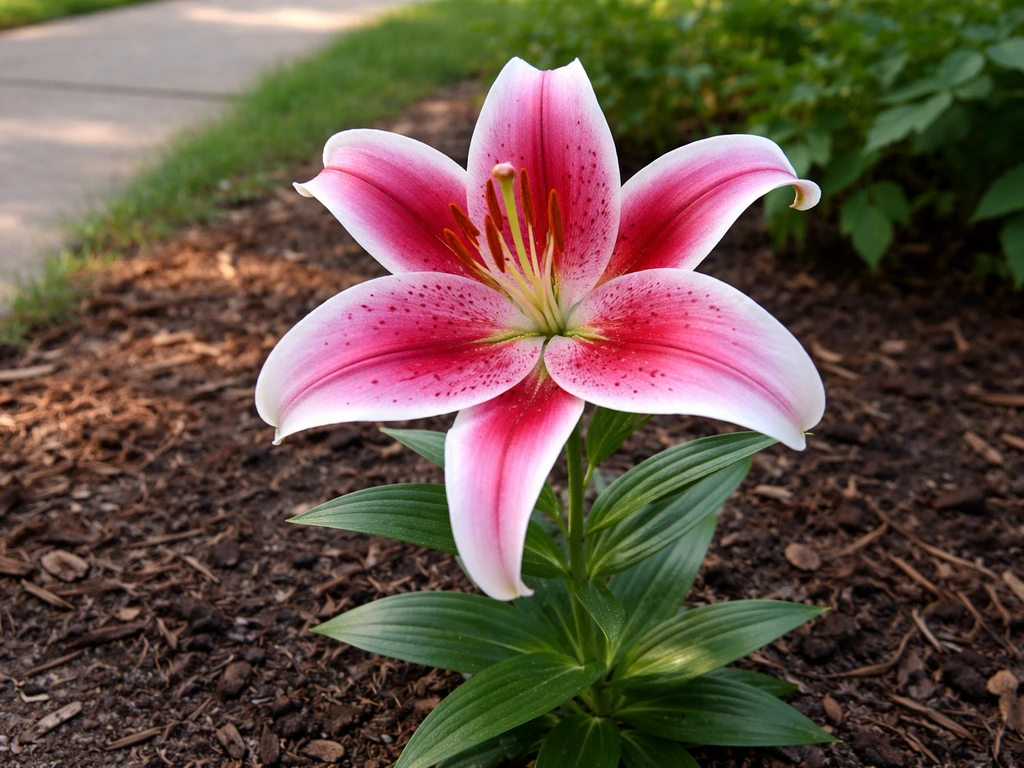
Can stargazer lilies grow outside where you live?
Stargazer lilies are hardy in USDA zones 4 to 9. That covers a huge chunk of North America, from Minnesota and Maine all the way down through the Southeast and most of the Pacific Coast. If you're in that range, you can leave your bulbs in the ground year-round with minimal fuss.
If you're in zone 3 or colder, you can still grow them outside seasonally, but you'll need to either mulch heavily or lift the bulbs before hard frost hits. If you're in zone 10 or warmer (parts of South Florida, for example), stargazers struggle because they need a cold dormancy period to reset and bloom again the following year. Gardeners in those areas often treat them as annuals or use a chilling method in the fridge before replanting.
For a deeper look at growing stargazers specifically in warm climates, the topic of growing stargazer lilies in Florida covers that scenario in more detail. If you're specifically wondering will Easter lilies grow in Florida, the key is whether you can provide the right cold dormancy period growing stargazer lilies in Florida.
The fastest way to check your fit: look up your zip code on the USDA Plant Hardiness Zone Map, confirm you're in zones 4 to 9, and then check that your summers get at least a few weeks of warm temperatures above 60°F for the bulbs to mature properly. If both boxes are checked, you're good to plant outside.
Picking the right outdoor spot: sun, shade, and airflow
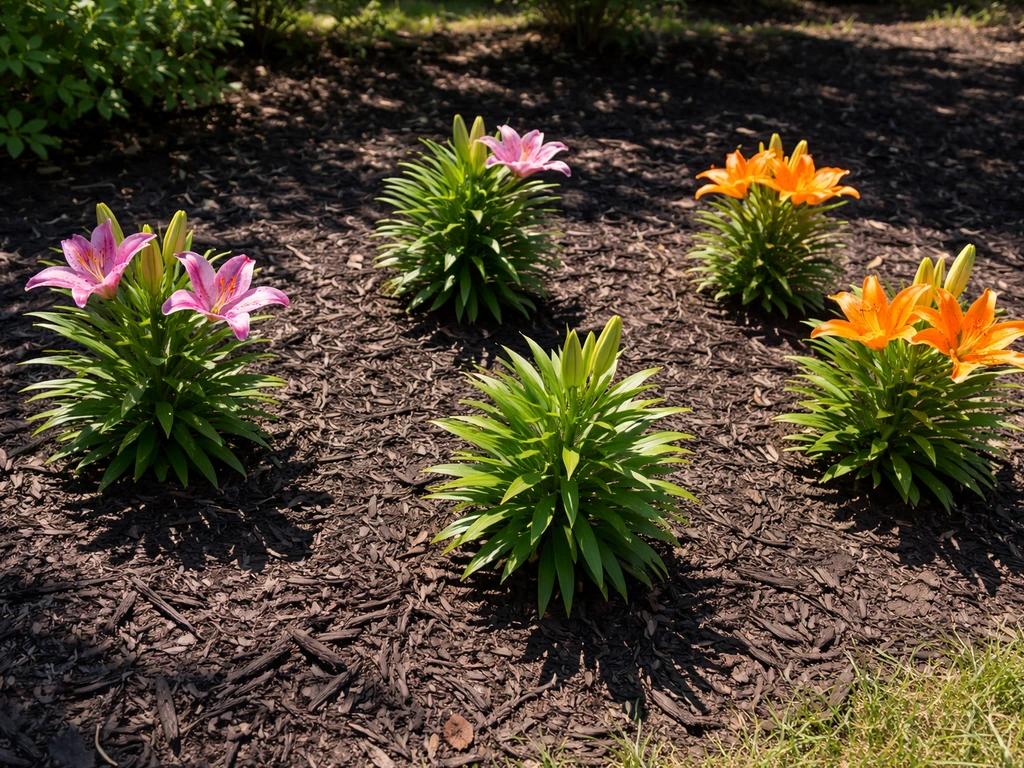
Stargazers want a lot of light. Full sun is ideal, meaning at least 6 hours of direct sunlight per day. In the Midwest and other regions with hot summers, they'll tolerate partial shade and actually appreciate a bit of afternoon relief if temperatures regularly push past 90°F. In the Pacific Northwest or other cloudier climates, err toward the sunniest spot you have. North Carolina State Extension describes optimal conditions for Oriental lilies including stargazers as full sun to light shade, and that's a good practical range to work with.
Airflow matters more than most people expect. Stargazers are prone to botrytis (a fungal disease) when leaves stay damp and air is stagnant. Plant them where there's a natural breeze, not tucked into a corner against a fence or surrounded tightly by dense shrubs. That said, strong prevailing winds can snap the tall stems, which regularly reach 3 to 4 feet, so some shelter from severe gusts is smart. A spot that gets morning sun and gentle air movement but is shielded from strong afternoon winds is close to perfect.
- Minimum 6 hours of direct sun daily; more is better in northern zones
- Afternoon shade is acceptable in zones 7 to 9 where summers are intense
- Good air circulation around the stems reduces fungal disease risk
- Avoid low-lying spots where cold air pools in spring and fall
- Avoid exposed windy corners that can snap tall stems at flowering
Soil and drainage: the non-negotiables for healthy bulbs
Bulb rot from poor drainage is the number one way stargazer lilies die outside. Bulbs sitting in soggy soil after rain or irrigation will rot within weeks, and there's no saving them once it starts. You want well-draining loam: soil that holds some moisture but never stays waterlogged. A simple drainage test before planting saves a lot of heartbreak. Dig a hole about 12 inches deep, fill it with water, and watch. If it drains within an hour, you're fine. If it's still sitting there two hours later, you need to amend or choose a different spot.
Stargazers prefer a slightly acidic to neutral soil pH, roughly 6.0 to 6.5. Most garden soils fall naturally in that range, but if yours is alkaline (above 7.0), worked-in sulfur or acidic compost will help. Before planting, dig the bed 12 to 15 inches deep and work in a generous 3 to 4 inch layer of compost plus a slow-release bulb fertilizer. This gives the bulbs immediate nutrition and loosens the soil structure so roots can establish quickly. If your soil is heavy clay, raising the bed by even 6 inches, or mixing in coarse horticultural grit, makes a real difference.
How to plant stargazer lily bulbs outside
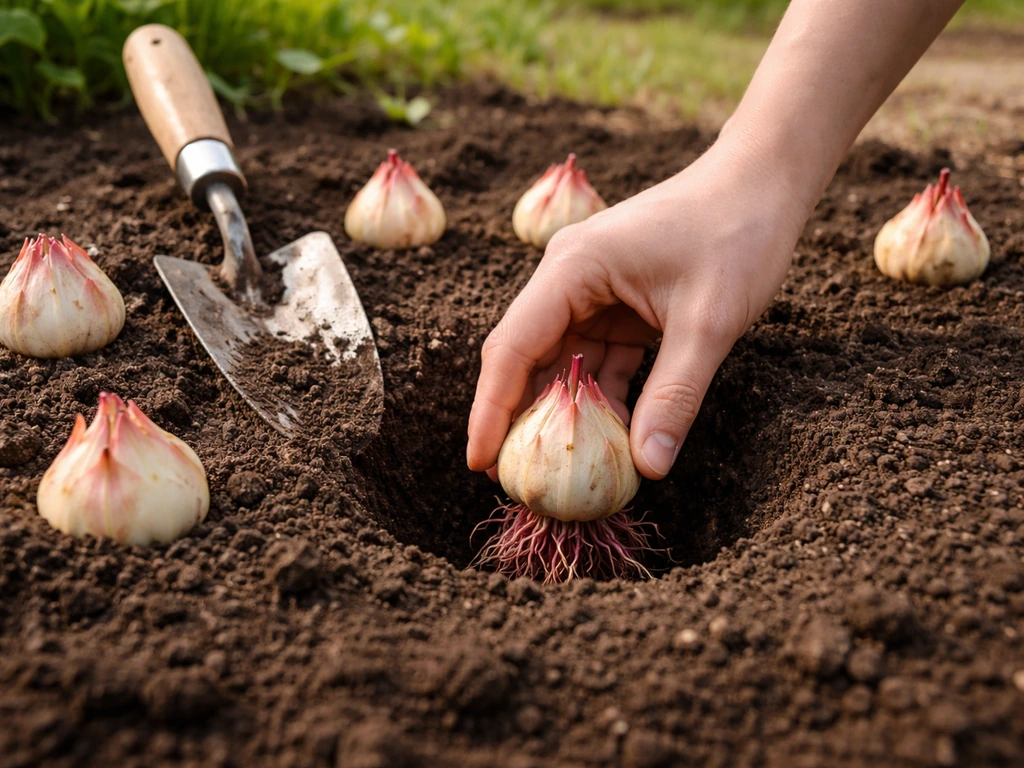
Timing depends on your zone. In zones 4 to 6, plant in spring once the ground has thawed and soil temperatures are consistently above 40°F, usually late March through May. In zones 7 to 9, fall planting from September through November works well because the bulbs get a cool establishment period before winter. Either way, plant them pointy side up, which is surprisingly easy to get wrong with lily bulbs since they look almost symmetrical. If you genuinely can't tell which end is up, plant it sideways and the shoot will find its own way up.
- Dig a hole 6 to 8 inches deep (three times the bulb's diameter is the rule of thumb, and most stargazer bulbs are 2 to 3 inches across)
- Set the bulb in with the flat basal plate down and the pointed tip up
- Space bulbs 12 to 18 inches apart to allow airflow and room for mature clumps
- Backfill with your amended soil mix, firming gently to remove air pockets
- Water in thoroughly after planting
- Apply a 2 to 3 inch layer of mulch, keeping it a couple of inches away from where the stem will emerge, to retain moisture and regulate soil temperature
If you have potted stargazer lilies that were grown indoors or forced for indoor bloom, you can move them outside once all frost risk has passed and temperatures stay reliably above 50°F at night. If you are trying to grow Oriental lilies indoors, the key is providing strong light, the right container, and consistent care so the bulbs can thrive can oriental lilies grow inside. Acclimate them gradually over 7 to 10 days: start with a shaded, sheltered spot for a few hours per day, then slowly increase sun exposure. Skipping this step and moving them directly into full outdoor sun will scorch the leaves badly.
Watering and feeding through the seasons
During the active growing season, spring through late summer, stargazers want consistent moisture. Aim for roughly 1 inch of water per week from rainfall or irrigation combined. The key is even moisture, not feast and famine cycles. Water at the base of the plant, not overhead. Wet foliage overnight is an open invitation to botrytis and other fungal problems. A soaker hose or drip line is genuinely the best investment you can make for lily beds.
Feeding is straightforward. Apply a balanced slow-release bulb fertilizer at planting, then top-dress with a low-nitrogen, higher-phosphorus fertilizer (like a 5-10-10 or similar) when shoots first emerge in spring. A second light feeding right as buds form encourages strong blooms. Once flowering is finished, switch to a potassium-rich feed to help the bulb store energy for winter. Stop all feeding once the foliage begins to yellow and die back naturally in fall. After that, the bulb just needs to rest.
As the plants go dormant in fall, reduce watering significantly. You're not trying to keep the soil bone dry, but you don't want to keep pushing moisture into soil around a bulb that's shutting down. If you get regular fall rain, you likely don't need to water at all after September in most zones.
Overwintering and protecting bulbs from frost
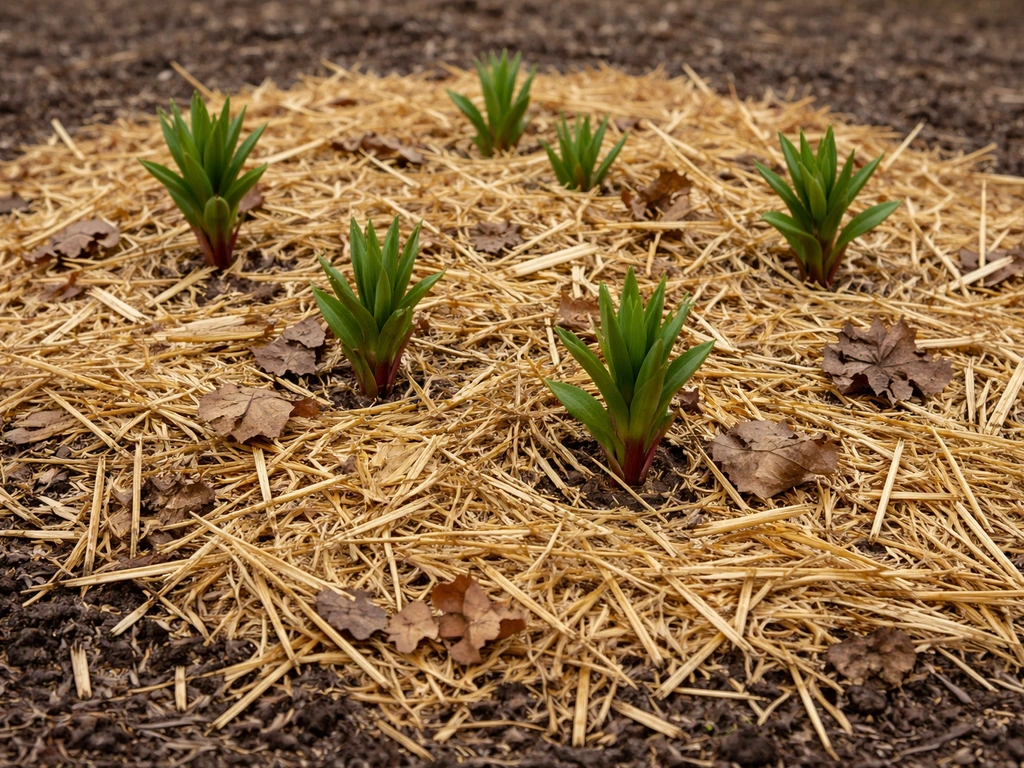
In zones 5 to 9, the simplest overwintering approach is to leave bulbs in the ground and apply 3 to 4 inches of mulch (straw, shredded leaves, or wood chips) over the bed after the first hard frost kills back the foliage. The mulch insulates the soil and protects the bulbs from freeze-thaw cycles, which do more damage than steady cold does. Remove the mulch in early spring once the worst frost risk has passed.
In zone 4, the in-ground approach works but you want 4 to 6 inches of mulch and ideally some leaf mold or extra organic matter worked into the soil before winter sets in. Some gardeners in zone 4 have good luck leaving bulbs in place for years; others find that particularly brutal winters, especially those with no reliable snow cover, can damage them. If you've had winter losses before, lifting bulbs is worth the extra effort.
In zone 3 or colder, lift your bulbs after the first fall frost kills the foliage back. Dig carefully, brush off excess soil, and let them dry in a cool, ventilated spot for a week. Then store them in paper bags or mesh bags filled with barely damp peat or vermiculite at around 35 to 45°F, somewhere like an unheated garage or basement. Check monthly for rot. Replant in spring after the last frost.
Growing in containers outside
Containers are a great option if your garden soil drainage is poor or you're in a borderline zone. Use a pot that's at least 12 inches deep and 12 to 15 inches wide per bulb, with drainage holes. Fill with a gritty, well-draining potting mix, never straight garden soil in a pot. The overwintering strategy for containers is different from in-ground: pots freeze solid much faster than garden beds, so you can't rely on the soil mass for insulation.
Either move containers into an unheated shed or garage for winter (they just need to stay above about 20°F and stay dormant), or wrap pots in burlap and bubble wrap and tuck them against a sheltered wall. In spring, move them back out gradually as temperatures warm.
Common outdoor problems and how to fix them
| Problem | Likely Cause | Practical Fix |
|---|---|---|
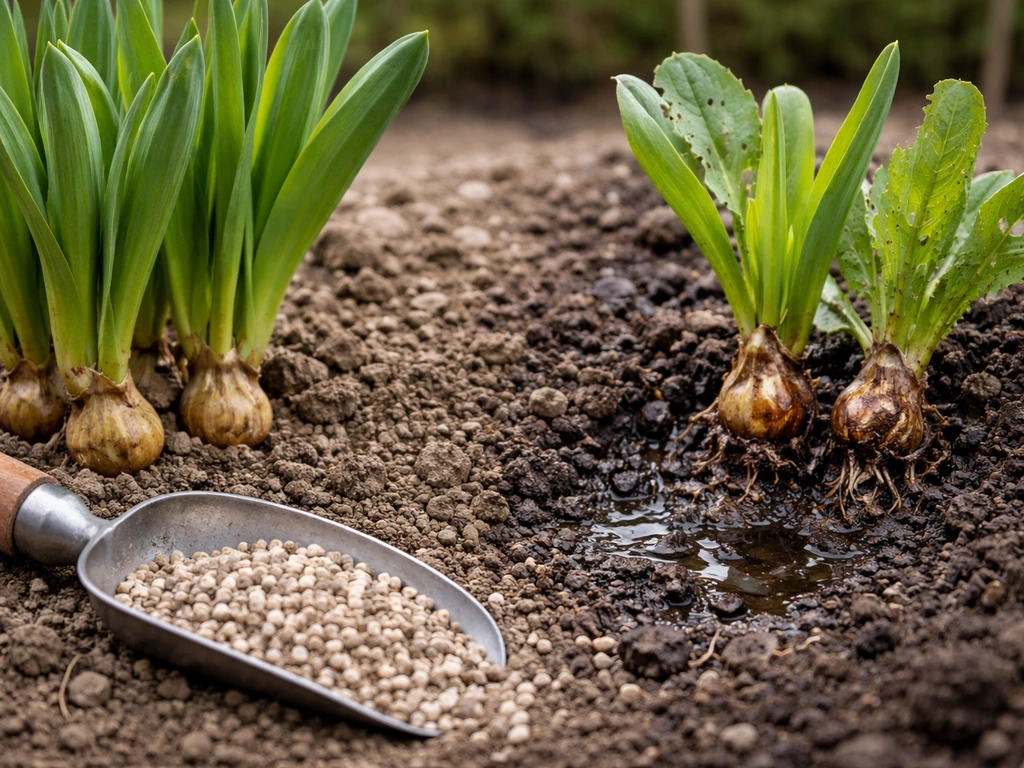
| Bulbs rotting before or after planting | Waterlogged soil, poor drainage | Improve drainage with grit or raised beds; never plant in low-lying wet spots |
| Yellowing leaves mid-season | Overwatering, nitrogen deficiency, or natural lower leaf die-back | Check soil moisture; apply balanced feed if new growth looks pale; lower leaf die-back is normal |
| Gray moldy patches on leaves and stems | Botrytis (gray mold fungal disease) | Improve airflow by spacing plants wider; remove infected tissue immediately; water at base only |
| Bright red beetles eating foliage | Lily leaf beetle (Lilioceris lilii) | Hand-pick adults and larvae daily; neem oil or pyrethrin spray for heavier infestations |
| Ragged holes in leaves, slime trails | Slugs or snails | Slug pellets or diatomaceous earth around the base; remove mulch from direct stem contact |
| Distorted new growth, sticky residue | Aphids | Blast off with water; insecticidal soap spray; encourage beneficial insects like ladybugs |
| Failure to bloom | Too much shade, bulbs planted too shallow, or immature bulbs | Move to a sunnier spot; check planting depth; some bulbs take a full season to establish before blooming |
| Stems collapsing or flopping | Insufficient sun, wind damage, or over-fertilizing with nitrogen | Stake tall stems; reduce nitrogen; choose a more sheltered but still sunny location |
Your quick outdoor checklist before you plant
Here's the honest pre-plant checklist I'd run through before putting any stargazer bulbs in the ground. The USDA also provides downloadable resources for the Plant Hardiness Zone Map on its official “Map Downloads” page. If you can answer yes to all five, you're in great shape.
- Zone check: are you in USDA zones 4 to 9? If yes, plant in ground. If zone 3, plan to lift bulbs in fall. If zone 10 or higher, use a container and consider a refrigerator chilling period.
- Sun check: does your chosen spot get at least 6 hours of direct sun per day in summer?
- Drainage check: does a hole filled with water drain within an hour? If not, amend with grit or raise the bed.
- Soil prep: have you worked in compost and a slow-release bulb fertilizer to at least 12 inches deep?
- Frost timing: have you checked your last frost date so you know the earliest safe planting window for spring planting, or confirmed soil temps are cooling for fall planting?
If your yard doesn't meet the sun or drainage requirements, containers with a well-draining mix are almost always the better path than trying to fight a difficult site. Stargazers grown in good conditions are genuinely rewarding plants: intensely fragrant, dramatic blooms that appear in mid to late summer, often reaching 3 to 4 feet tall. They're worth getting the setup right.
If you're also exploring whether other lily types suit your outdoor space, the broader question of whether lilies in general can grow outside, or how Easter lilies specifically handle outdoor conditions, are worth looking into alongside this guide. If you're wondering where do stargazer lilies grow best, focus first on climate (USDA zones 4 to 9) and then match the right sun and drainage.
FAQ
Can stargazer lilies grow outside in areas with rainy winters or lots of spring rain?
Yes, but only if you manage risk during the wet season. If your area has heavy spring or fall rains, plant in a raised bed and make sure the planting depth plus amended, gritty soil drains quickly (your 12-inch water test should empty in about an hour). Avoid planting right before prolonged rainy spells, because bulbs can rot before roots establish.
Will stargazer lilies bloom well outside if my summers are cool and short?
They will grow, but you should expect fewer, smaller blooms and possibly weaker stems. Stargazers generally need at least several weeks of warm conditions above about 60°F for proper bulb maturation, and in cooler summers the flowers may not fully form before the plant goes dormant.
What if I’m above zone 9 or below zone 4, can I still grow stargazer lilies outside year-round?
If you live outside zones 4 to 9, you can still try, but “success” depends on whether you can provide cold dormancy and avoid freezing-and-thawing damage. In zone 10 and warmer, treat them as annuals or pre-chill the bulbs before planting, because without a real cold period they often fail to bloom the next year.
How much shade is too much for stargazer lilies grown outside?
Not ideal. Stargazers tolerate some afternoon relief in extreme heat, but too much shade usually means weak growth and poor flowering. Aim for at least 6 hours of direct sun, and if you must use partial shade, choose morning sun rather than a fully shaded afternoon site.
How often should I water stargazer lilies outside, and what are common watering mistakes?
Overwatering is the main mistake, and the fix is to change the watering pattern, not just add more mulch. Water deeply to meet the roughly 1 inch per week target, then let the top layer dry slightly before watering again. Also make sure water is delivered at the soil line (drip or soaker) so foliage does not stay damp.
Should I leave mulch on stargazer lily beds all year, and when should I remove it?
They typically do fine, but don’t let mulch stay trapped on top of the shoots as they emerge. In spring, remove or pull mulch back as soon as the worst frost risk passes so shoots can break through without staying cold and wet too long.
Can I grow stargazer lilies outside in containers if my soil drains poorly?
Yes, and it’s often the safest approach if you have heavy clay or drainage problems. Use a deep pot with drainage holes and a gritty potting mix, then protect the container in winter because pots freeze solid faster than in-ground beds. Keep it dormant above about 20°F if you bring it indoors or into a shed.
I planted the bulb and I’m not sure which way is up, will stargazer lilies still grow?
A sideways planting can work, but it can delay emergence because the shoot still has to locate upward. If you’re unsure, plant sideways rather than flipping it repeatedly, and keep the bulb covered with the proper planting depth in well-draining soil.
If my outdoor stargazer lilies develop spots or rot, can I save them?
Sometimes, but it depends on timing and the cause. For botrytis, the priority is airflow and keeping leaves dry, then remove badly affected foliage. For rotting bulbs, salvage is usually only possible if the rot is limited and you replant into fresh, drier amended soil, otherwise the bulb may already be failing.
Next Articles
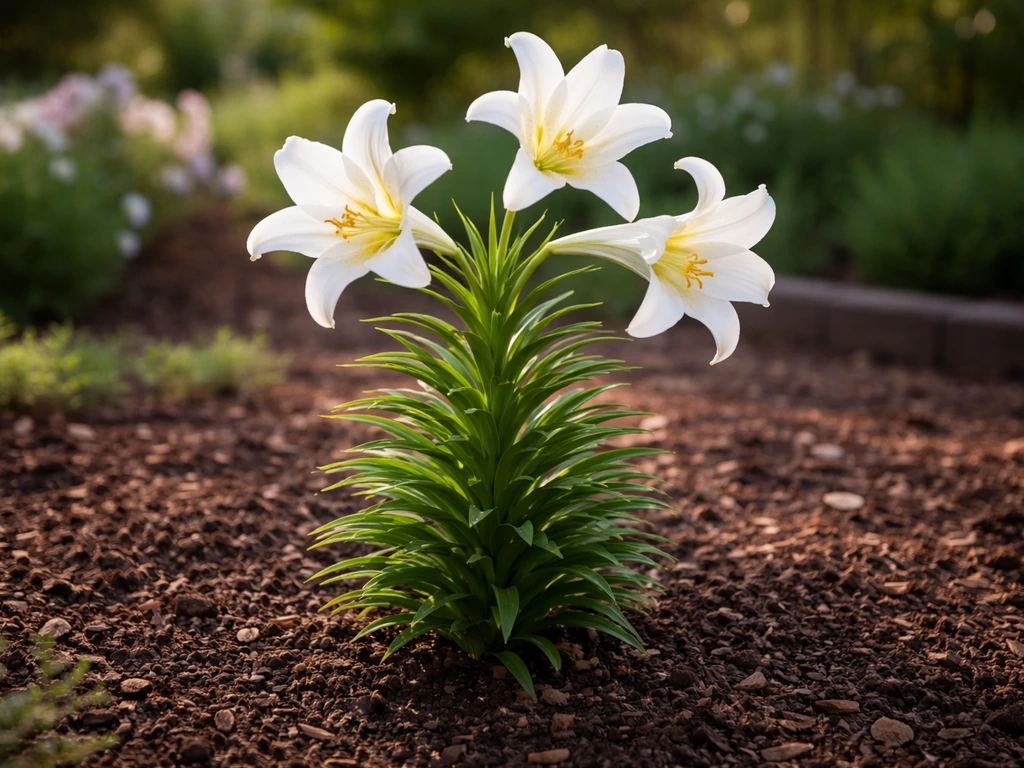
Where Do Easter Lilies Grow Best: Soil, Light, Climate Tips
Discover where Easter lilies thrive and how to match light, soil, temperature, and watering for indoor or outdoor succes
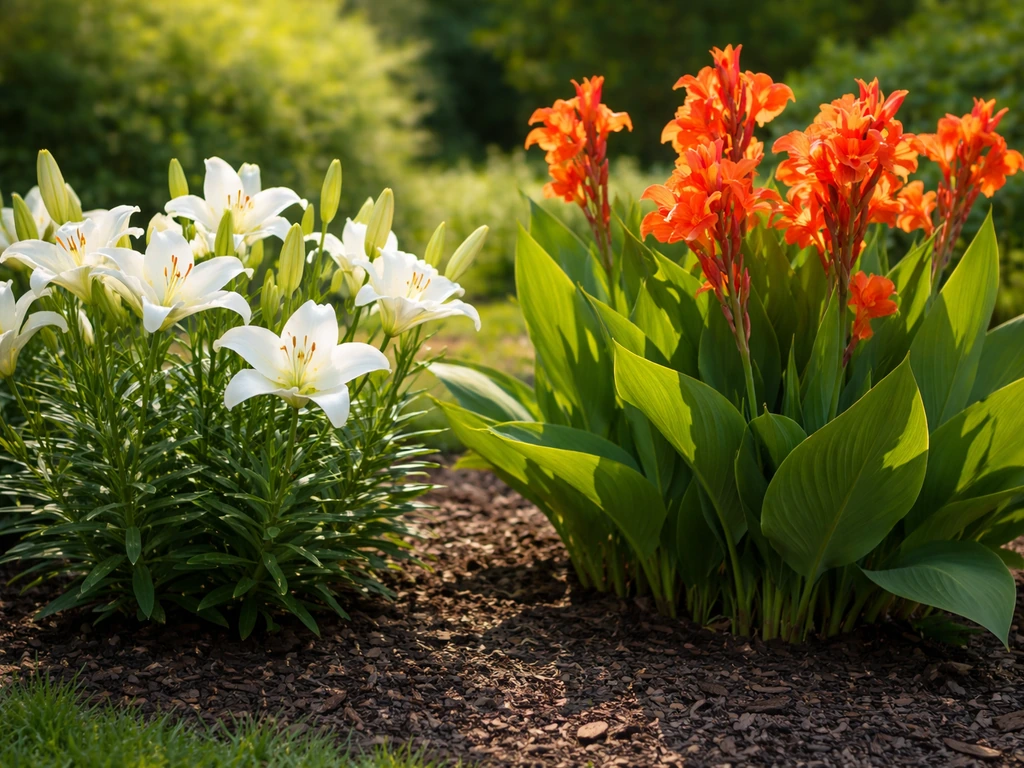
Can Lilies Grow Outside? True Lilies and Canna Guide
Learn if lilies and canna lilies can grow outside, with planting, light, soil, and watering tips for your climate.
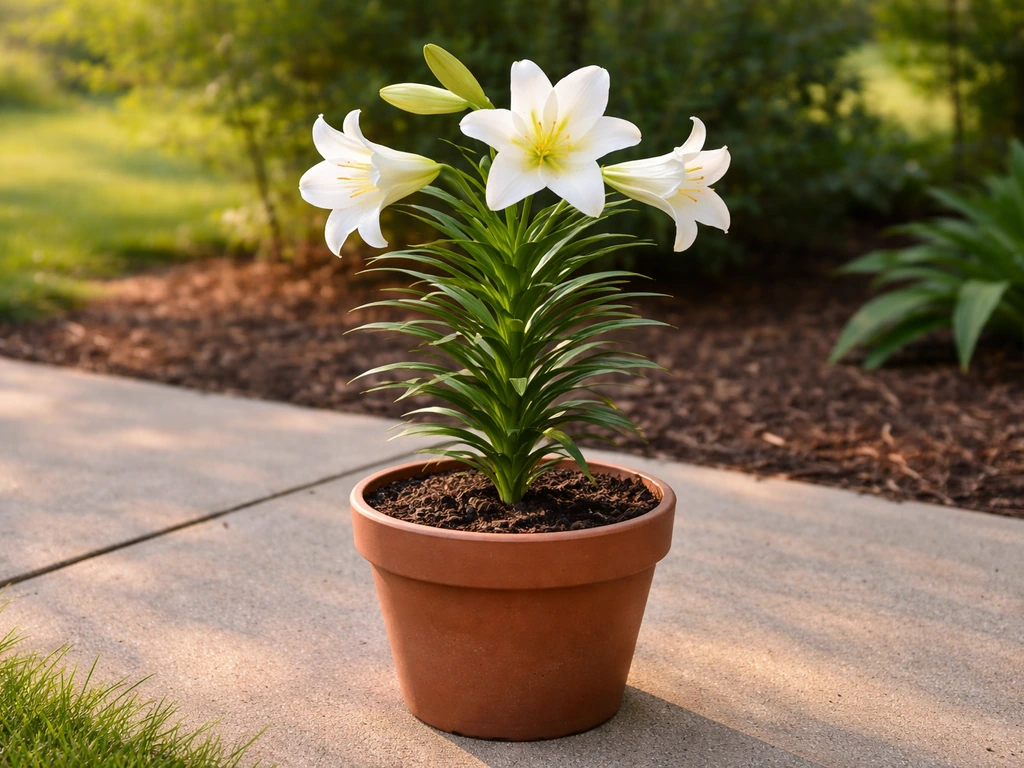
Will Easter Lilies Grow Outside? Conditions and Care Steps
Learn if Easter lilies can grow outside and how to move, water, soil, and troubleshoot, or keep them thriving indoors.