
Yes, most lilies can absolutely grow outside, and many of them actually prefer it. True lilies (the genus Lilium, which includes Asiatic, Oriental, Easter, and Stargazer types) are outdoor bulb plants at heart and thrive in garden beds across a wide range of climates. If you're wondering can stargazer lilies grow in Florida, the answer is yes, as long as you give them full sun, fast-draining soil, and enough winter chilling or mulch protection Stargazer types. Canna lilies grow outside beautifully too, though they're tropical plants that need a little extra help in colder zones. The trickier cases are peace lilies, which are tropical houseplants that need protection outdoors, and water lilies, which need a pond, not a garden bed. The real question isn't just 'can they grow outside' but 'can they grow outside where you are, and do you have the right setup?' That's what this guide is here to help you figure out.
Can Lilies Grow Outside? True Lilies and Canna Guide
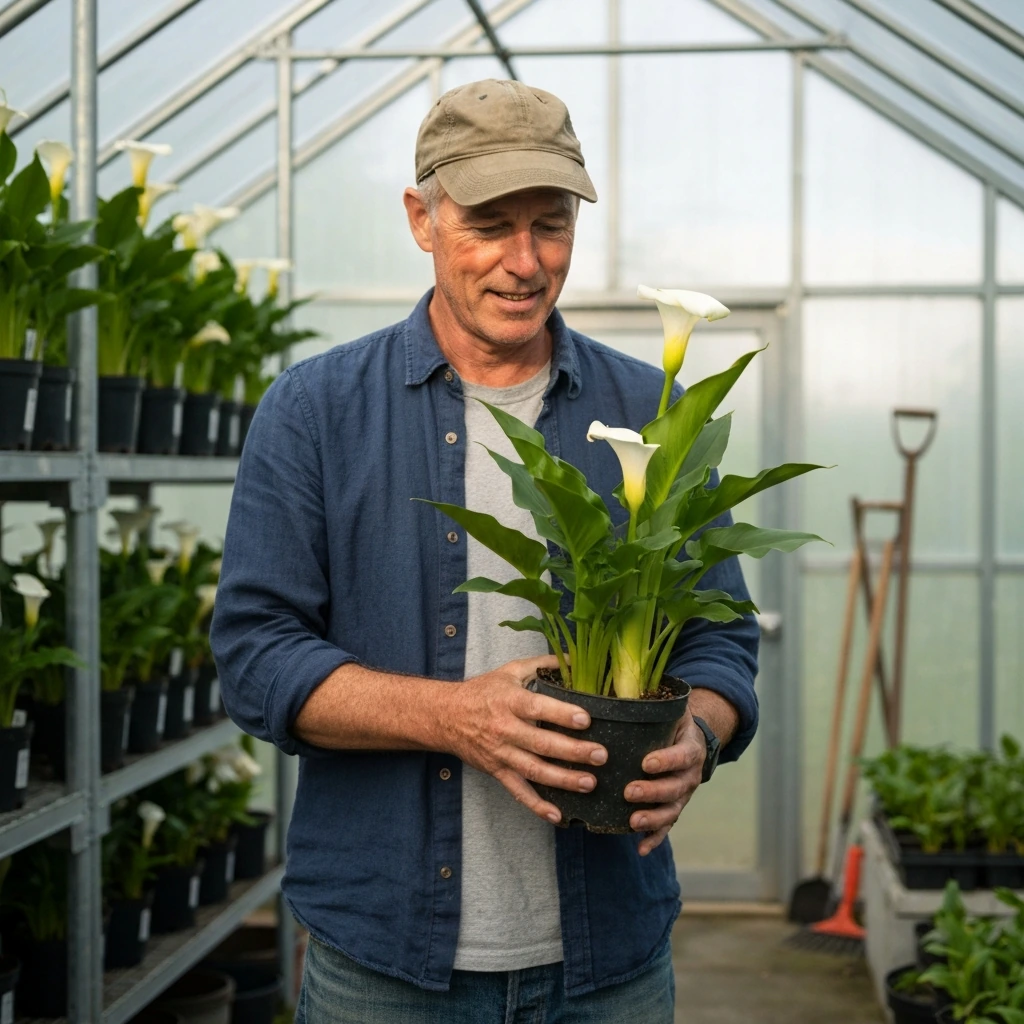
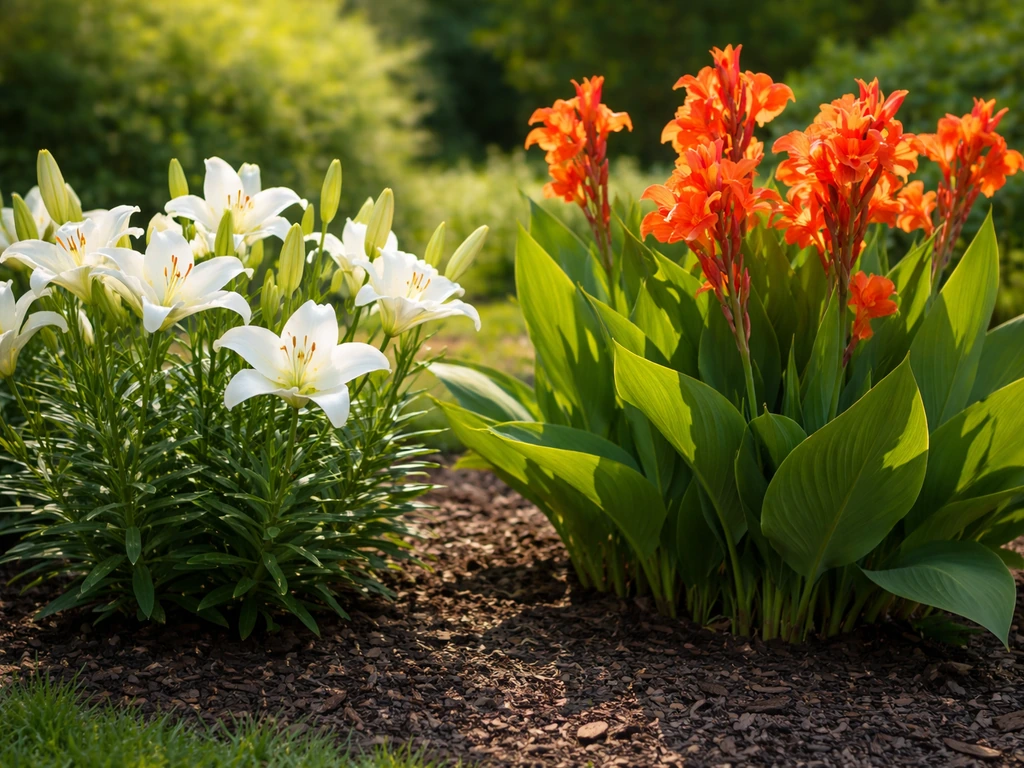
Which lily type do you actually have?
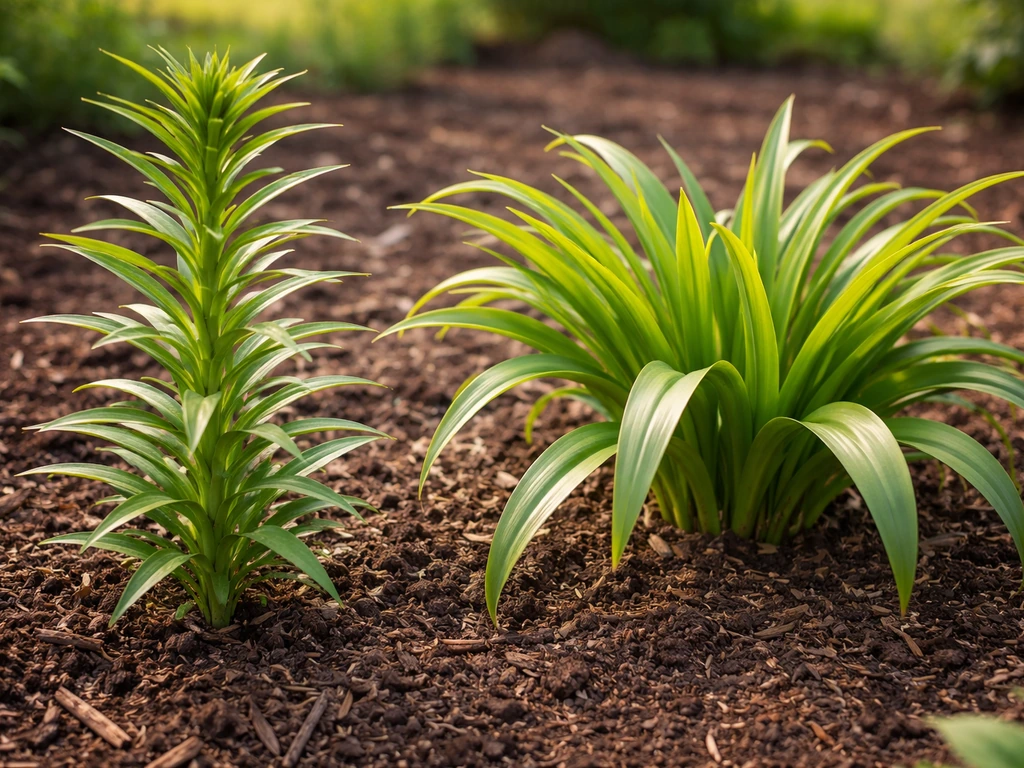
Before you can answer the outdoor question, you need to know what you're working with. The word 'lily' gets applied to a surprisingly wide range of plants that have very different needs. Here's a quick breakdown of the most common ones gardeners ask about.
| Plant Name | True Lily? | Genus | Natural Habit | Can Grow Outside? |
|---|---|---|---|---|
| Asiatic Lily | Yes | Lilium | Garden bulb | Yes, in zones 3–9 |
| Oriental / Stargazer Lily | Yes | Lilium | Garden bulb | Yes, in zones 5–9 |
| Easter Lily | Yes | Lilium longiflorum | Garden bulb | Yes, in zones 5–11 (zone 4 with protection) |
| Daylily | No | Hemerocallis | Hardy perennial | Yes, very tough outdoors |
| Canna Lily | No | Canna indica | Tropical rhizome | Yes, in zones 8–11 year-round; zones 6–7 with digging |
| Peace Lily | No | Spathiphyllum | Tropical houseplant | Only in frost-free climates or as a summer annual |
| Calla Lily | No | Zantedeschia | Tender bulb/rhizome | Yes, outdoors in zones 8–10; dig up in colder zones |
| Water Lily | No | Nymphaea / Nuphar | Aquatic plant | Yes, but needs a pond or water garden |
One thing worth flagging: daylilies are not true lilies, even though they're sold everywhere as 'lilies.' Each individual daylily bloom only lasts a single day, which is one tell. True Lilium bulbs look different too, more like a cluster of overlapping scales, while daylilies grow from fibrous root clumps. Knowing the difference matters because their care is genuinely different outdoors.
Can canna lilies grow outside?
Cannas are dramatic, tropical-looking plants and they love being outside in warm weather. They're reliably hardy outdoors year-round in USDA zones 8 through 11, where the ground never freezes hard. If you want the exact zone, lilies are typically hardy in USDA zones 3 through 9 depending on the specific type what zone do lilies grow in. In zones 6 and 7, they'll grow beautifully all summer but you'll need to dig up the rhizomes before hard frost arrives in fall, dry them off, and store them indoors at 41–50°F (5–10°C) in dry peat or vermiculite. In zone 5 and colder, cannas are treated as annuals or you start them indoors for a head start before the warm season. They're not hard to manage, just a bit more work than a true perennial lily if you're in the colder half of North America.
Outdoor light and temperature requirements by lily type
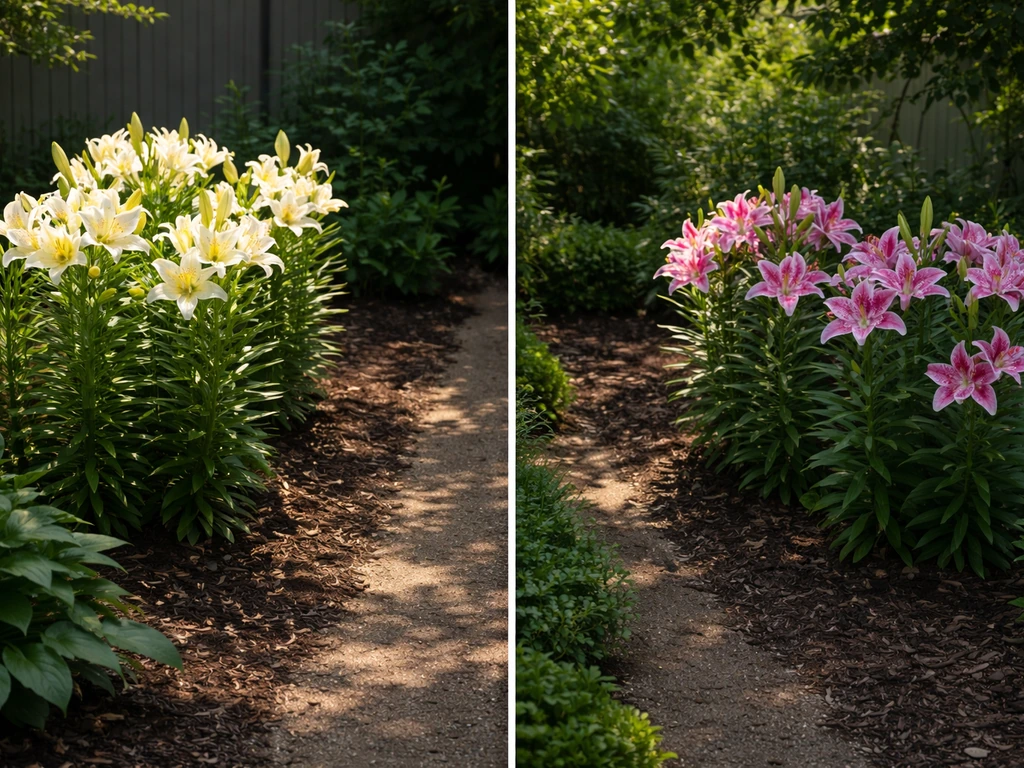
Light and temperature are the two biggest factors that determine whether your lily thrives or struggles outside. Get these right and everything else is easier.
True lilies (Asiatic, Oriental, Easter, Stargazer)
True lilies want full sun to very light partial shade: aim for at least 6 hours of direct sun per day. They're tolerant of a wide temperature range once established. Easter lily is cold-hardy from zones 5 through 11, and can survive in zone 4 with a good layer of mulch over winter. If you still want the broader answer of where do easter lilies grow, this guide’s next sections on outdoor light, soil, and planting depth are the best place to start. If you mean Easter lilies specifically, they are cold-hardy and can grow outside when you plant them in well-draining soil and give them enough sun <a data-article-id="D8D44001-A918-4505-AD53-154A03B69EA0"><a data-article-id="7455080B-9F71-4641-A395-BE25BED9D4D7">will easter lilies grow outside</a></a>. If you're asking will easter lilies grow in Florida, remember they still need the same basics like full sun and well-draining soil to succeed outdoors. Asiatic lilies are among the hardiest, reliably surviving zone 3 winters. Oriental types like Stargazers are slightly less cold-tolerant and do best in zones 5–9. All true lilies appreciate cool soil around their roots, which is why the classic trick is to plant low-growing ground covers or annuals in front of them so the stems and flowers get sun while the root zone stays shaded and cool.
Daylilies
Daylilies are among the toughest outdoor plants you can grow. Most varieties handle zones 3–9 without complaint, tolerate both heat and cold, and will grow in full sun or partial shade (though they bloom best with 6 or more hours of sun). If you have a spot that's difficult and you want something that'll survive neglect, daylilies are a strong choice.
Canna lilies
Cannas are sun-lovers. Plant them in full sun (6 or more hours) and they'll reward you with big, lush foliage and bold flower spikes. They're heat-tolerant and actually perform better in warm summers than cool ones. Below 50°F they start to slow down, and frost will kill the above-ground growth quickly. If you're in a zone where summers are long and hot, cannas will thrive.
Peace lilies and calla lilies
Peace lilies are shade-tolerant houseplants that can be moved outside in summer in most climates, but they need temperatures that stay above about 60°F and should never see direct, harsh sun outdoors or they'll scorch. They're only truly outdoor perennials in frost-free zones. Calla lilies are a bit tougher, preferring partial shade to full sun and thriving outdoors in zones 8–10. In colder zones they're grown as seasonal bulbs that you dig up after the first frost.
Soil, drainage, and watering when growing lilies outside
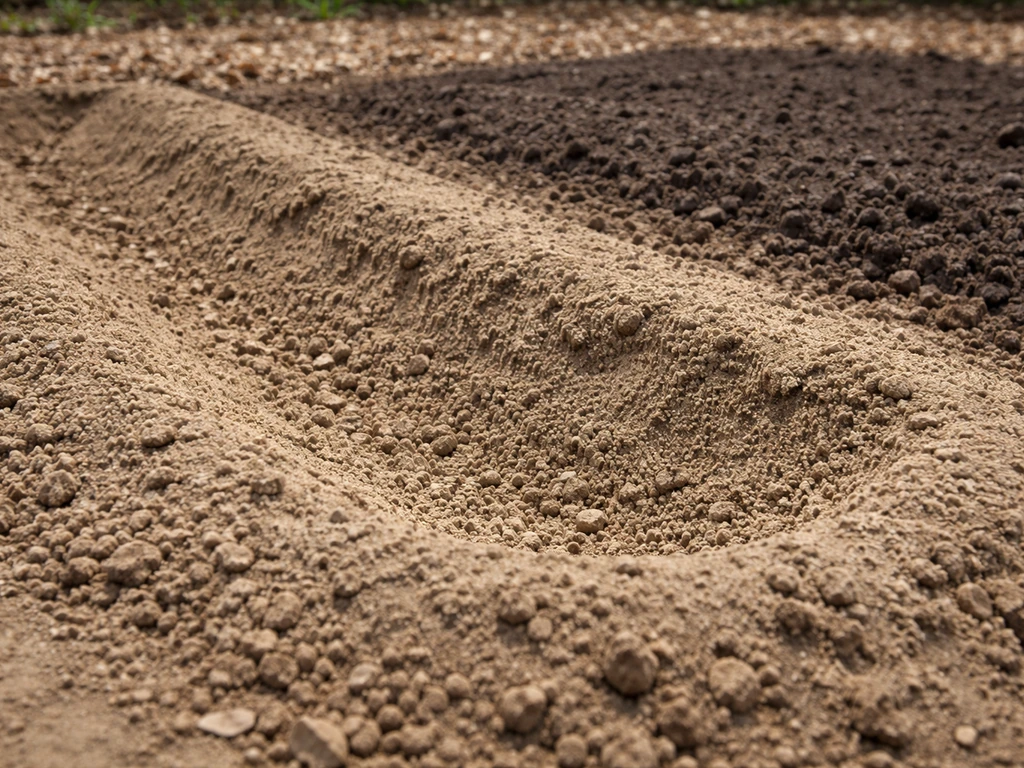
Here's where I see gardeners go wrong most often: lilies do not want wet feet. True lily bulbs are especially vulnerable to rot in poorly drained soil, and this is probably the single most common reason for failure. The North American Lily Society is direct about it: if water collects or stands where you've planted, your bulbs will rot. Period. Good drainage isn't a nice-to-have, it's the foundation of successful lily growing.
For true lilies, the ideal soil is a sandy loam rich in organic matter with a pH between about 5.5 and 6.5. If your soil is heavy clay, amend it generously with compost and coarse sand, or build a raised bed. After planting, mulching the surface helps retain moisture while preventing the kind of soggy waterlogging that rots bulbs. The goal is soil that stays evenly moist but drains freely after rain or irrigation.
Canna lilies are more tolerant of moist conditions and actually enjoy consistent moisture, but overwatering is still a risk. Waterlogged soil cuts off oxygen to the roots, which leads to the same rot problems you see with true lilies. Water deeply but let the top inch or two of soil approach dryness between waterings rather than keeping the ground constantly saturated.
Peace lilies outdoors in summer prefer consistently moist, well-draining soil and will wilt noticeably when they need water, which makes them easy to read. Calla lilies want steady moisture during active growth but less once the foliage starts to die back. Water lilies, obviously, live in water. They need at least 6 inches of water above the crown and prefer still or slow-moving ponds with full sun.
When and how to plant lilies outside
True lily bulbs
Plant true lily bulbs in fall or early spring. Fall planting gives bulbs time to establish roots before winter, which often leads to stronger first-year blooms. Spring planting works well too, especially for gardeners in very cold climates who prefer to wait. Planting depth should be roughly three times the height of the bulb. In sandy soil, go a little deeper; in heavy soil, plant slightly shallower. After planting, water immediately and thoroughly so the soil settles around the bulb and eliminates air pockets. One practical tip: mark where you planted them. True lily shoots are brittle in spring and easy to snap if you forget where the bulbs are and accidentally dig into them.
Canna lilies
Wait until all frost danger has passed and your soil has warmed to at least 60°F before planting cannas outside. In most of the continental US, that means late April through May depending on your zone. Plant rhizomes about 2–3 inches deep and space them 18–24 inches apart to give the foliage room to spread. If you want earlier blooms, start rhizomes in pots indoors 4–6 weeks before your last frost date and transplant them outside once conditions are right.
Daylilies, peace lilies, and calla lilies
Daylilies can be planted in spring or fall and are very forgiving about timing. Space them 18–24 inches apart and plant so the crown sits just at or slightly below soil level. Calla lilies go in after frost risk passes in spring, about 3–4 inches deep. Peace lilies should only go outside after temperatures are reliably above 60°F and should be placed in a sheltered spot with filtered light, not full sun.
Feeding your lilies
For true lilies, scratch a balanced 10-10-10 fertilizer into the soil around the base after shoots emerge in spring, then follow up with smaller supplemental feedings through the season. Cannas are heavy feeders and benefit from a balanced slow-release fertilizer at planting plus regular liquid feeding during the growing season to support their large foliage.
Indoor vs outdoor growing, and how to move plants between the two
True lilies belong outside. If you're wondering can oriental lilies grow inside, note that true lily bulbs generally belong outside for best results. They don't make great permanent houseplants and will decline if kept indoors long-term. Easter lilies are a partial exception since they're commonly sold as potted plants, but once they finish blooming indoors, the best move is to plant them in the garden where they can naturalize and come back year after year.
Peace lilies are the opposite: they're fundamentally indoor plants that can summer outside in the right conditions. Calla lilies sit in the middle and can work well as container plants that move between indoors and outdoors. Cannas are outdoors plants by nature but can be started indoors in pots and transitioned outside once the weather cooperates.
Transitioning any plant from indoors to outside requires a hardening-off period, especially if you're moving something that has lived in a controlled indoor environment. Here's how to do it without shocking the plant:
- Start about 7–10 days before your planned outdoor planting date.
- Set the plant outside in a sheltered, shaded spot for 1–2 hours on the first day.
- Gradually increase outdoor time by an hour or two each day.
- After a few days, introduce some direct morning sun if the plant tolerates it.
- By day 7–10, the plant should be able to handle full outdoor conditions for its type.
- Avoid transitioning during a heatwave, cold snap, or windy period.
The hardening-off step matters most for peace lilies and indoor calla lilies. True lily bulbs planted directly in the garden don't need it since they emerge from the soil already acclimated. Cannas started indoors benefit from a gentle hardening-off week before going into the ground, especially their leaves, which can sunburn if moved directly from a dim windowsill to a sunny garden bed.
What to do if you can only grow indoors
If you're limited to indoor growing, peace lilies are your best friend among lily-named plants. They're genuinely adapted to low-light indoor conditions, prefer indirect light, and only need watering when the top inch of soil is dry. Calla lilies also do well in containers indoors given a bright window (not harsh direct sun through glass). True lilies and cannas can technically be grown in large containers indoors near a very bright, sunny window, but they'll never perform as impressively as they do outside and you'll likely be disappointed. If outdoor space simply isn't available and you want a true lily experience, a container on a sunny balcony or patio is a good compromise.
Your next steps based on what you're growing
Use this as your quick decision checklist before you go any further:
- Asiatic or Oriental lily bulbs: Plant outdoors in a sunny, well-drained bed. Check your zone (zones 3–9 for Asiatics, 5–9 for Orientals). Depth: three times the bulb height. Water immediately after planting.
- Easter lily: Plant outdoors after blooming indoors, in zones 5–11. Mulch heavily in zone 4–5 for winter protection. Related: see the guide on will Easter lilies grow outside for more detail.
- Stargazer lily: Treat like other Oriental lilies. For zone-specific questions, the guide on can Stargazer lilies grow outside goes deeper.
- Canna lily: Wait for 60°F soil temps, plant 2–3 inches deep, space 18–24 inches. In zones 6–7, plan to dig rhizomes in fall and store at 41–50°F.
- Daylily: Plant almost anywhere in zones 3–9, sun or partial shade, minimal fuss.
- Peace lily: Keep indoors unless you're in a frost-free zone. Move outside in summer only after hardening off, in shade.
- Calla lily: Outdoors in zones 8–10. Dig and store rhizomes if you're in colder zones.
- Water lily: You need a pond or large container water garden with still water and full sun.
The most important thing is matching the plant to your climate zone and getting the drainage right. Almost every lily failure I've seen traces back to one of those two things: the wrong plant for the climate, or bulbs sitting in soggy soil. Nail both of those and you'll have a much better time than most first-time lily growers.
FAQ
Can lilies grow outside in pots instead of the ground, and do they still need the same drainage?
Yes, many true lilies and cannas do well in containers outdoors, but drainage is even more critical than in beds. Use a pot with drainage holes, a loose potting mix that drains fast, and avoid saucers that collect runoff. For true lilies, keep the container in full sun and water thoroughly, then let the top layer approach dryness before watering again.
How can I tell if my lily is getting enough winter protection in cold zones?
Check both mulch thickness and soil dryness. In colder regions, add a protective mulch layer after the ground starts to cool, not while it is still warm. If your area has freeze-thaw cycles with wet soil, prioritize a raised bed or amended drainage, because wetness during winter is a bigger rot risk than cold itself.
Do lilies need to be watered differently once they start blooming?
During active growth and flowering, keep moisture steady but never waterlogged. A good rule is to water deeply when the top inch or two begins to dry, then stop once excess drains away. Avoid frequent light watering that keeps the bulb zone constantly damp, since rot often starts under the soil surface.
Can I grow stargazer lilies outside if my summers are hot and humid?
Often yes, as long as you protect the root zone from excess heat while maintaining dry drainage. Use low ground cover or a mulch layer to keep the soil cooler, and ensure morning sun with afternoon protection if your summers are scorching. If the soil stays soggy after storms, raise the planting area or amend with coarse material.
What’s the best way to plant lilies when my soil is heavy clay?
Don’t rely on regular amendments alone. Build a raised bed or create a planting mound, then set bulbs slightly shallower in heavy soil if drainage is poor. Mix in compost plus coarse sand or grit so water moves through quickly, and keep mulch from trapping standing moisture over the bulb.
Why do my lily buds fail or turn brown before opening?
This is commonly caused by inconsistent moisture or cold snaps during bud formation. If the ground swings between very dry and very wet, buds can abort. Keep watering regular, avoid planting where cold winds hit, and consider temporary frost protection when temperatures dip unexpectedly.
Can daylilies be planted in the same spot where a previous true lily rotted?
You can plant daylilies, but don’t reuse the same soil condition. If the area stayed waterlogged, fix drainage first, because the underlying site problem will affect any lily-like bulbs you try next. Also remove rotted plant material and consider improving organic matter and aeration before replanting.
Should I fertilize lilies in fall if I’m growing them outside?
For most true lilies, it is safer to stop feeding by late summer so new growth can harden off before winter. Instead of fall fertilizer, focus on mulch and maintaining dry, well-drained conditions. If you want to fertilize again, do it only if your specific local schedule supports it and plants are still actively growing.
How do I separate lilies or divide them after they’ve been outside for a few years?
If you grow true lilies and want to multiply them, wait until after blooming and let foliage die back naturally. Then lift bulbs carefully, separate offsets or daughter bulbs if present, and replant promptly at the correct depth with fresh drainage. Dividing too early can reduce next year’s blooms.
Are peace lilies and calla lilies safe to leave outside overnight?
Not always. Peace lilies should not be exposed to sustained temperatures below about 60°F, and they burn easily with direct outdoor sun. Calla lilies can tolerate outdoors better than peace lilies but still prefer stable conditions, protect them from cold nights in shoulder seasons, and avoid harsh direct sun for long periods.
What’s the most common mistake when transitioning a lily from indoors to outdoors?
Skipping hardening off. Indoor plants, especially peace lilies and indoor calla lilies, can scorch when moved directly into stronger sunlight and wind. Increase outdoor exposure gradually over several days, start with filtered light or morning sun, and keep watering consistent during the transition.
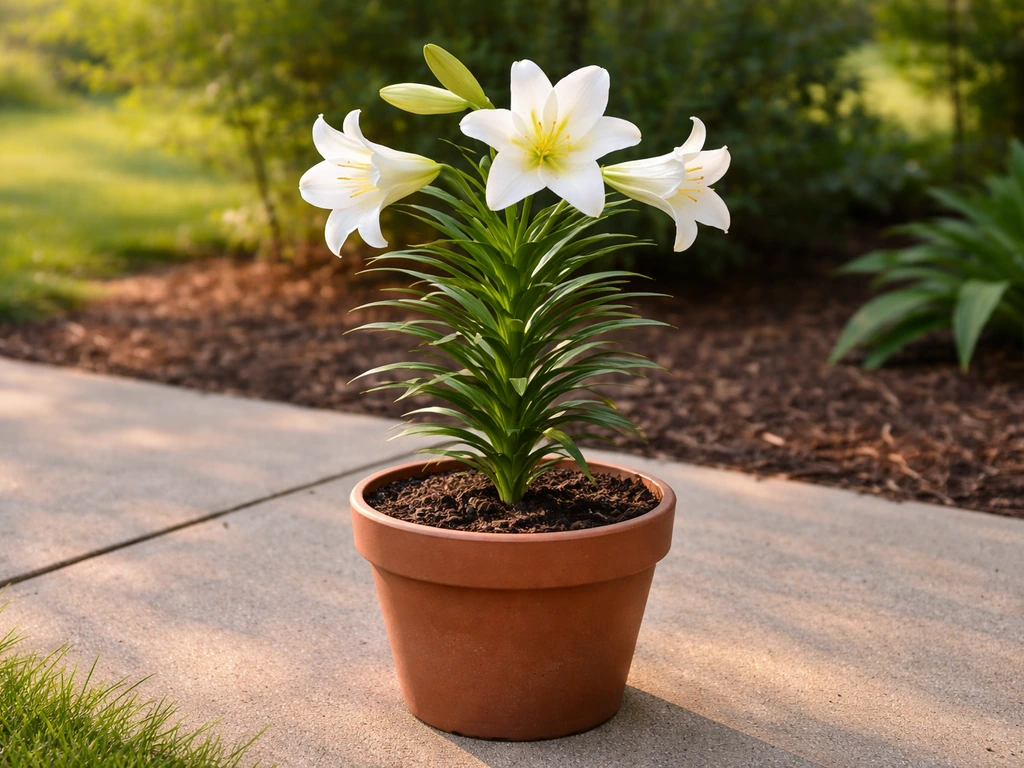
Learn if Easter lilies can grow outside and how to move, water, soil, and troubleshoot, or keep them thriving indoors.
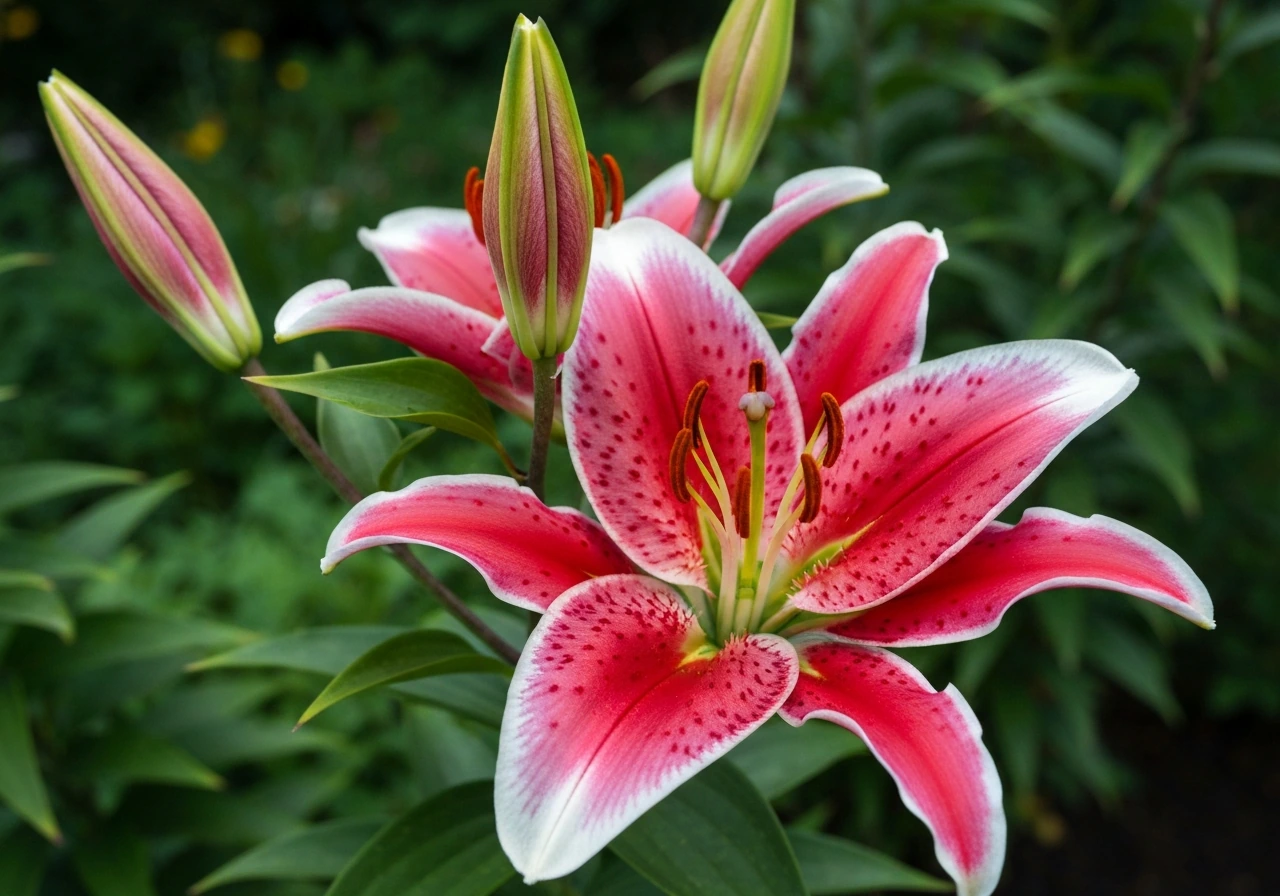
Learn where Stargazer lilies grow best by climate and light, plus soil, watering, and planting steps for success.
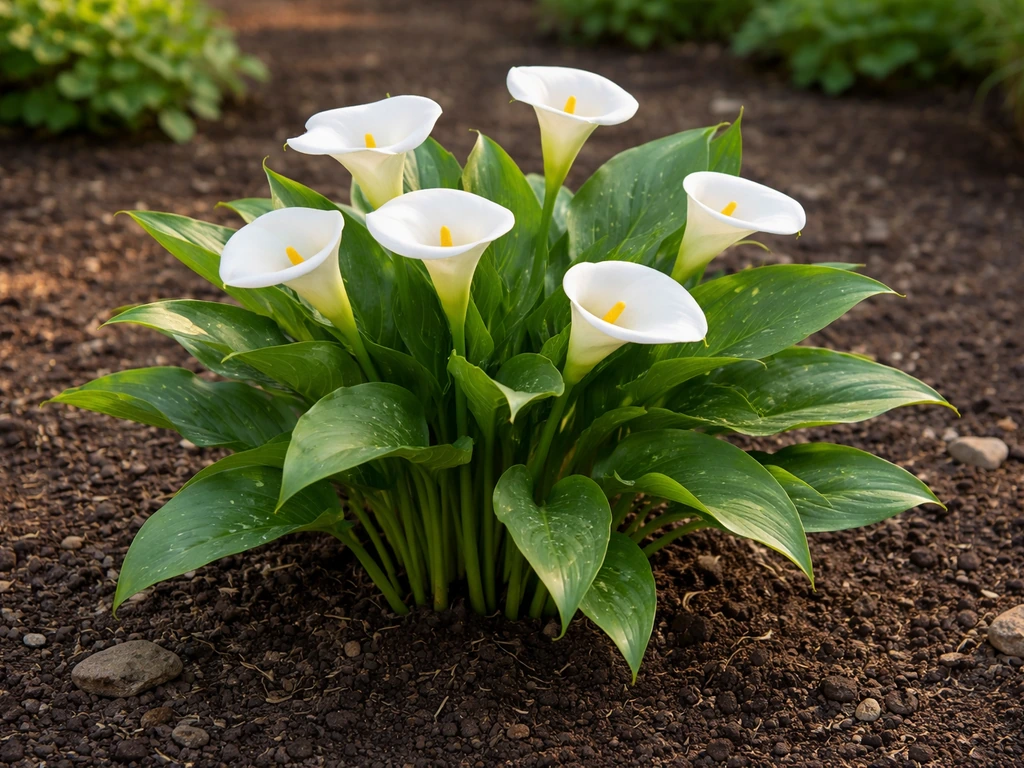
Get a clear answer on are calla lilies hard to grow, plus exact light, temperature, watering, planting, and fixes.