
Easter lilies (Lilium longiflorum) grow best outdoors in USDA zones 5 through 8, in a spot with full sun to partial shade, well-drained slightly acidic soil, and consistent moisture without waterlogging. If you're in that range and you just got a potted Easter lily from the store, you can absolutely plant it outside after it finishes blooming and expect it to come back. If you're outside that range or growing one indoors as a holiday plant, the rules shift a bit, but they're still very manageable. Oriental lilies can sometimes be grown indoors, but they still need the right light, temperature, and drainage to stay healthy growing one indoors.
Where Do Easter Lilies Grow Best: Soil, Light, Climate Tips

Marcus Hendricks
26 Apr 2026
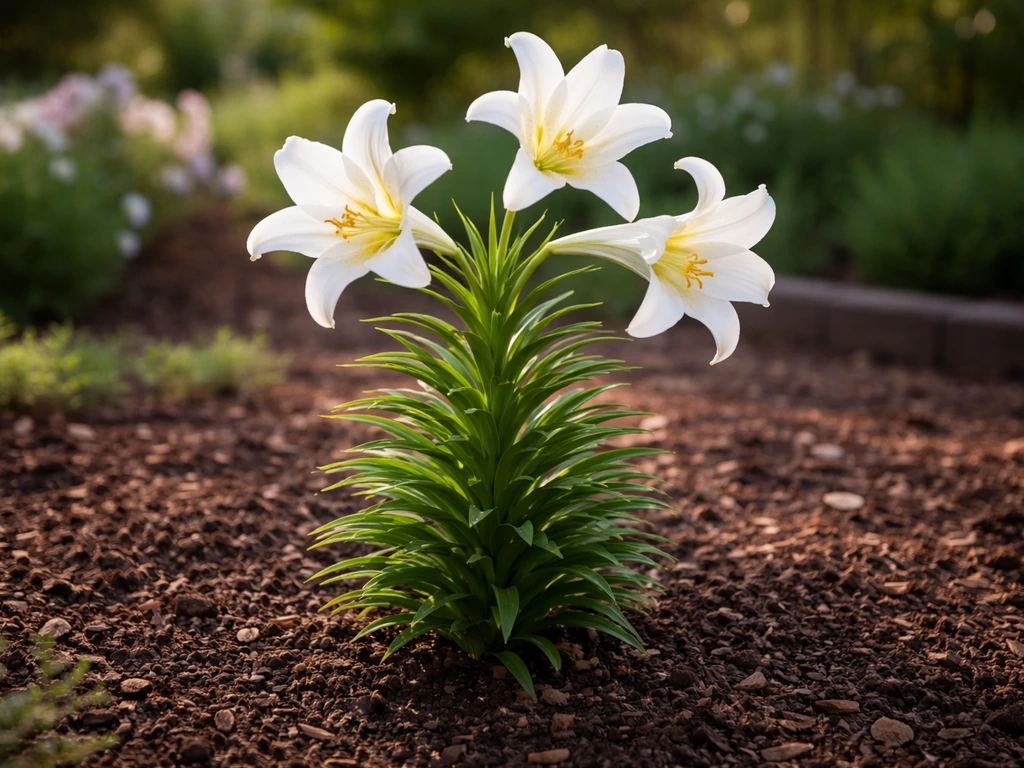
What Easter lilies actually are and where they come from
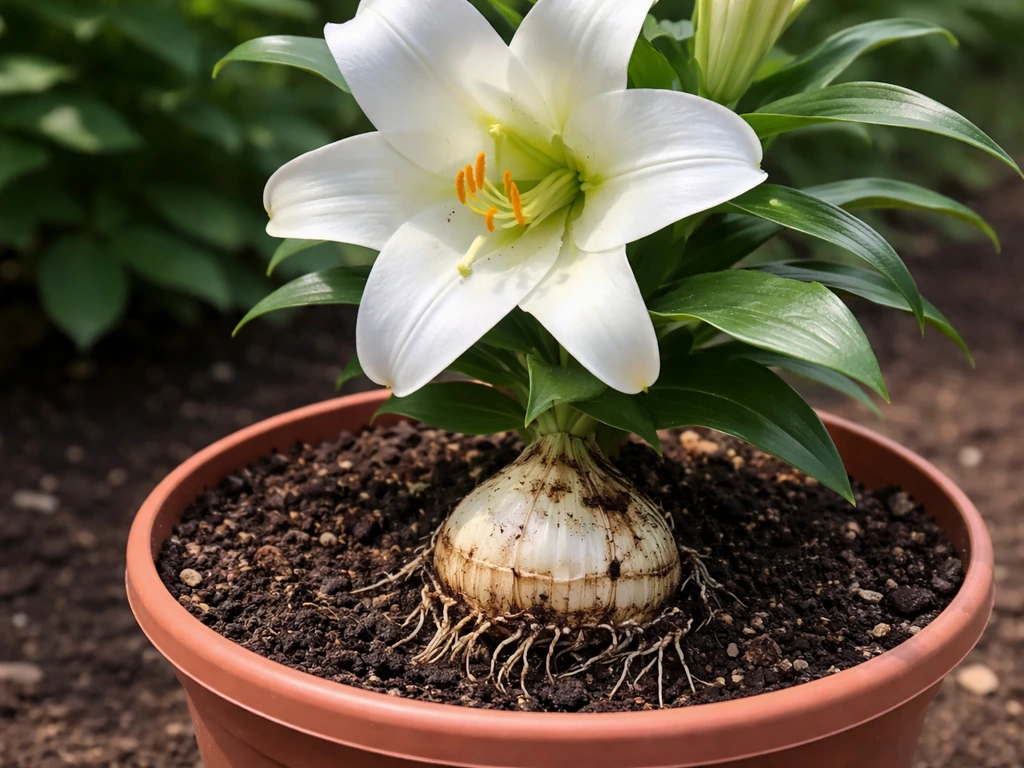
Lilium longiflorum is native to the Ryukyu Islands of southern Japan and Taiwan. That's it. These are subtropical island environments, which tells you a lot about what the plant actually wants: warmth, humidity, and decent drainage. The large, outward-facing white trumpet flowers you see in grocery stores every spring are the result of heavily controlled greenhouse forcing, not what the plant naturally does in a field somewhere. Genetic research confirms the species is endemic to that small island chain, which explains why it doesn't behave quite like other lilies when you try to grow it in, say, Minnesota or central Texas.
This is worth knowing because Easter lilies often get lumped in with Asiatic lilies, Stargazer lilies, or daylilies in garden advice, and those are genuinely different plants with different needs. If you’re also curious about Stargazer lilies, the growing conditions are different from Easter lilies, including where they thrive outdoors. Easter lilies are true bulb lilies (genus Lilium), but their subtropical background gives them a different tolerance for cold and humidity compared to hardier Asiatic types. If you've been treating yours like an Asiatic lily and it keeps struggling, this is probably why.
Where Easter lilies thrive outdoors: climate and hardiness zones
The general consensus from extension programs puts Easter lily hardiness at USDA zones 5 through 8, with some cultivars stretching into zones 4 or as warm as zone 11 depending on the variety. The University of Wisconsin extension lists zones 5 through 11, while University of Georgia extension calls it zones 4 through 8. In practice, I'd treat zones 6 through 8 as the sweet spot where they come back reliably with minimal intervention. That covers a lot of the mid-Atlantic, Southeast, Pacific Northwest coast, and parts of the Midwest.
In zone 5 and especially zone 4, you can still grow them outdoors, but you'll want to mulch heavily in fall to protect the bulbs through winter. Iowa State Extension confirms they can survive and bloom for a few years in colder zones if you give them a thick mulch layer before the ground freezes. In zones 9 and warmer, the chill requirement for the bulb becomes the limiting factor, and you may need to treat them more like an annual or manage chilling artificially.
If you're in a warm climate and wondering about growing Easter lilies specifically in Florida, that's a different enough situation that it deserves its own conversation around chill hours and timing. That said, in most of Florida you will likely need to focus on adequate chill and careful timing for the best chance of blooms Easter lilies specifically in Florida.
Light: what 'bright' actually means indoors vs outdoors
Indoors
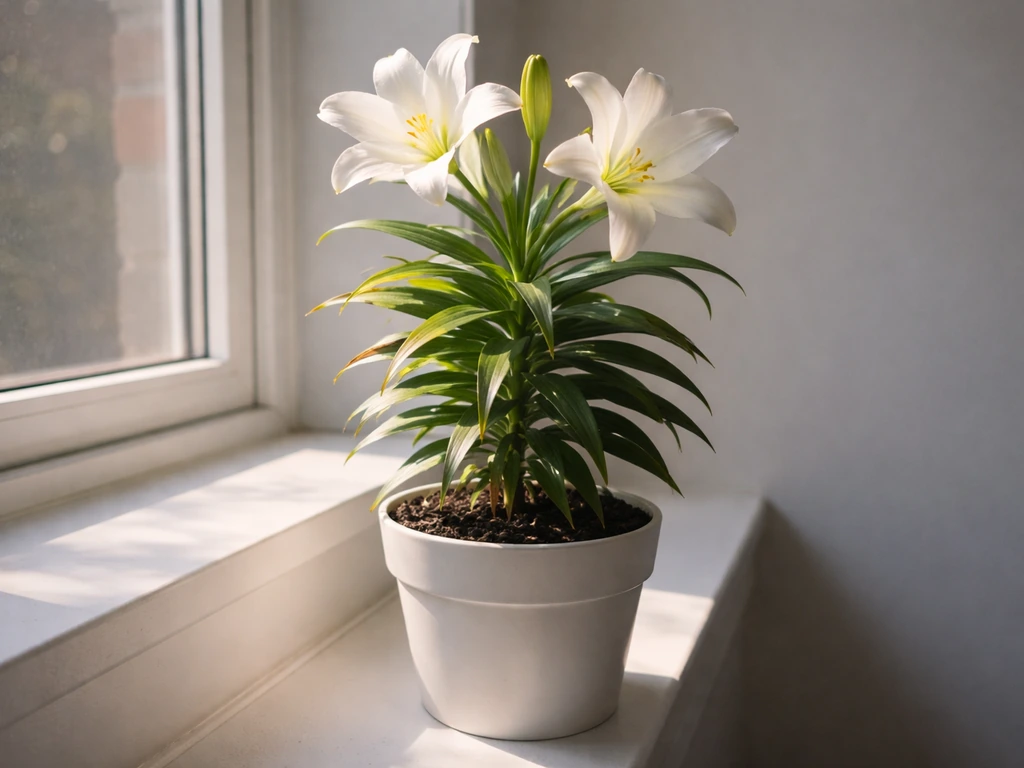
For a potted Easter lily you're keeping indoors, the University of Minnesota extension recommends bright, indirect light, and specifically warns against strong afternoon sun. A sunny east-facing window works well. A south or west window in direct afternoon sun will stress the flowers and shorten how long they stay open. The goal indoors isn't to make the plant grow vigorously, it's to keep the blooms fresh as long as possible. Direct sun heats up the foliage, speeds up bloom fade, and stresses a plant that's already been through the artificial forcing process.
Outdoors
Once you move the lily outside (either a potted plant you're transitioning or a bulb you're planting in the ground), it can handle significantly more sun. Kansas State extension recommends full sun to partial shade for garden plantings. As a general rule, morning sun with some afternoon shade suits them well in hotter climates, while full sun works in cooler zones. If you're setting a container outside temporarily, K-State suggests sinking the pot into the soil up to the brim and placing it in dappled shade, which also cuts down on how often you need to water.
Soil and drainage: the part most people get wrong
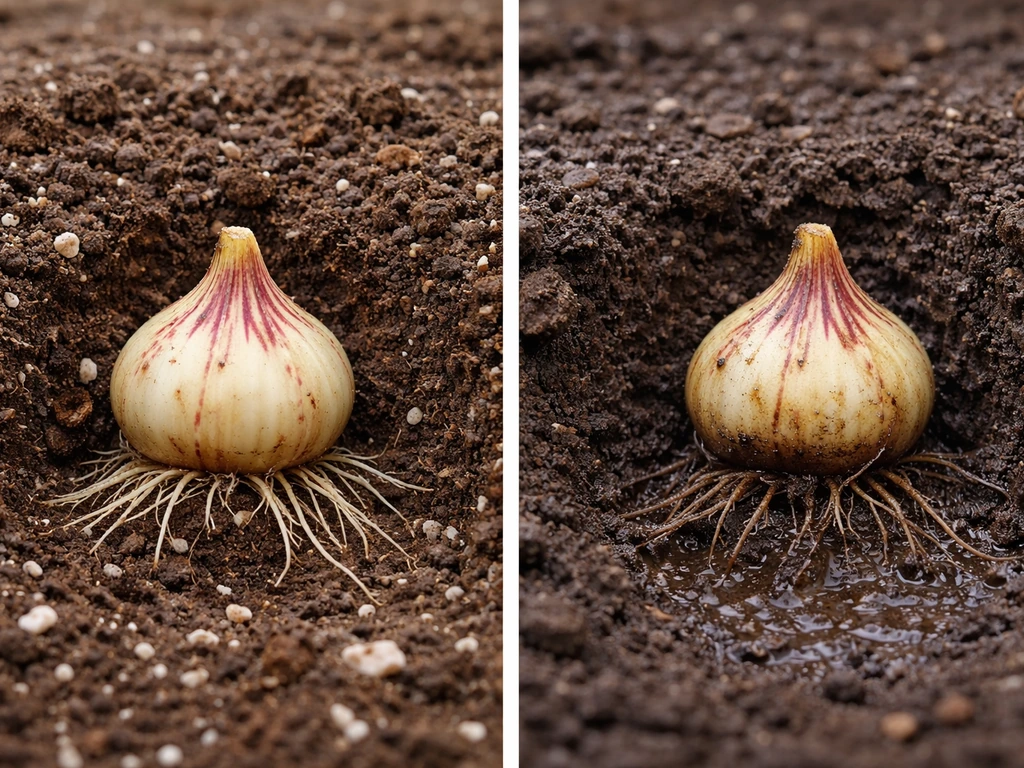
Easter lilies want well-drained soil with a slightly acidic pH, somewhere in the 5.5 to 6.5 range. They are genuinely susceptible to bulb rot and fungal disease when they sit in soggy conditions, and this is probably the most common reason people lose them. Missouri Botanical Garden specifically flags bulb rot and Botrytis as key disease risks tied to wet, poorly drained soil, and UC IPM reinforces that damp conditions are a primary driver of fungal problems like gray mold.
In the garden, work in compost to improve both drainage and moisture retention if you're dealing with heavy clay. K-State extension also emphasizes that good drainage is vital for lilies, and recommends incorporating compost or other organic matter to improve drainage and water holding capacity. In containers, use a quality potting mix that doesn't compact (not garden soil), and make sure the pot has drainage holes. K-State is straightforward on this: improving drainage isn't optional, it's the single most important structural thing you can do to keep Easter lilies healthy.
Watering, humidity, and temperature: the environmental sweet spot
Water potted Easter lilies when the top of the soil feels dry to the touch. Kansas State extension puts it exactly that way: dry to the touch, then water. You want the soil evenly moist but never sitting in water. This is different from letting it fully dry out between waterings, which stresses bulbs, but it's equally different from keeping it constantly wet, which causes rot. UC IPM's guidance for cultural disease prevention is consistent: allow the soil to dry partially before watering again.
Temperature matters more than most people realize. K-State's indoor care guidance flags that daytime temperatures above 68°F accelerate bloom fade significantly. Keeping your potted Easter lily in a cooler room, away from heating vents, fireplaces, and sunny south windows, will noticeably extend how long the flowers last. During greenhouse production, Easter lilies are grown at 60 to 62°F after their cooling period for exactly this reason.
On humidity: the main risk isn't low humidity, it's the wrong kind of humidity. UMass Amherst notes that Botrytis (gray mold) becomes a much bigger problem after warm days followed by cool evenings, because condensation forms on leaves and petals. If you have a potted lily near a window that gets cold at night, make sure there's good air circulation around it.
How to grow Easter lilies at home: containers, timing, and what to do after bloom
Keeping a holiday potted plant alive
If you bought or received a potted Easter lily as a holiday plant, treat it like this: bright indirect light, cool room (below 68°F if possible), water when the top inch of soil feels dry, and remove spent flowers as they fade. Don't remove the foliage while it's still green. The leaves are feeding the bulb below, which you may want to plant outside later.
Transitioning it outdoors after bloom
Once the flowers are done and the risk of frost has passed in your area, you can plant the bulb outside. If you're wondering whether Stargazer lilies can grow outside as well, the same general ideas about planting depth, sun, and drainage still apply plant the bulb outside. Remove it from the pot, plant it about 3 inches deeper than it was sitting in the container, and choose a spot with morning sun and afternoon shade or dappled light.
Water it in well. The foliage will likely yellow and die back over the summer, which is normal. Mark the spot so you don't accidentally dig it up. In zones 6 through 8, there's a reasonable chance it will come back the following year, often blooming in summer rather than spring (since it won't be forced anymore).
Container growing as a long-term strategy
If you're in zone 4 or 5, or if your garden soil is heavy clay that drains poorly, keeping Easter lilies in containers long-term is a smart move. Use a container with drainage holes, a well-draining potting mix, and move the pot to a sheltered, unheated space (like a garage or cool basement) over winter once the foliage dies back. Wisconsin extension notes that potted bulbs can be stored dormant and replanted outdoors the following season. This approach gives you control over soil quality and lets you override your zone's limitations.
Winter protection for in-ground plants
After the first frost, cut back the dead foliage and apply 4 to 6 inches of mulch (straw, shredded leaves, or bark) over the planting area. This is especially important in zones 4 and 5. In zones 6 and warmer, a lighter mulch layer is still helpful but the bulbs are generally fine without heavy protection.
Is your Easter lily in the right spot? A quick checklist
Run through this before blaming the plant. Most Easter lily failures come down to one or two fixable conditions.
- Yellowing leaves early in the season: usually overwatering or poor drainage. Check that water is draining freely and let the soil dry slightly between waterings.
- Flowers fading fast indoors: almost always too warm or too much direct sun. Move to a cooler spot (under 68°F) and away from afternoon sun.
- Brown spots or gray fuzzy patches on leaves or buds: Botrytis fungal infection, triggered by high humidity with poor air circulation or cold nights near a drafty window. Improve airflow and avoid wetting the foliage.
- No regrowth after planting outside: either planted too shallow, the zone is too cold without enough mulch, or the bulb rotted from wet soil. Check drainage first.
- Outdoor plant blooming in summer instead of spring: completely normal for a formerly forced holiday plant. It's now on its natural cycle.
- Plant looks fine but never re-blooms: the bulb may need more sun than it's getting, or soil pH may be off. Aim for 5.5 to 6.5 pH and at least a half-day of direct sun.
- Wilting despite watering: overwatering is more likely than underwatering in most cases. Check roots for softness or rot, which signals the drainage needs to be addressed.
Your next step is simple: figure out your USDA zone, assess your soil drainage, and decide whether you're keeping the plant in a container or putting it in the ground. Even if it can grow outdoors in the right conditions, can stargazer lilies grow outside also depends heavily on your climate and winter protection needs.
If you're in zones 6 through 8 with well-draining soil and a spot that gets morning sun, just plant it and let it do its thing. If you're colder, plan for mulch. If you're in a warmer or wetter climate, containers with good drainage mix give you the most control. Easter lilies aren't fussy once they're in the right conditions, and getting those three things right (drainage, light, temperature) will solve the vast majority of problems before they start.
FAQ
Can I keep a potted Easter lily indoors year-round?...
Yes, but only if you can match the plant’s light and temperature limits. In most homes, that means a bright east window and keeping the pot away from afternoon sun, heating vents, and fireplaces (daytime above about 68°F will shorten bloom life). If your indoor space runs warm all day, plan on treating it as a short-term holiday plant and move it outdoors after frost.
How do I know if my Easter lily pot is staying too wet?...
For a bulb in a pot, “soggy” is the failure mode. Use a potting mix that stays airy (not compacting), confirm drainage holes, and water only when the top layer dries. If you ever see standing water in the saucer, dump it right away, because constant moisture is what drives bulb rot and Botrytis.
When should I mulch my Easter lilies for winter?...
Mulch is most important in colder zones, especially zone 4 and 5. Apply about 4 to 6 inches after the ground has cooled but before hard freezes, and pull back some mulch the moment the worst winter weather starts to lift in spring so shoots do not struggle through a thick, wet layer.
What’s the best workaround if my yard is in a colder zone or has heavy clay?...
If you are not in zones 6 to 8 sweet spot conditions, use a simple control strategy: containerize it with excellent drainage and move it to a cool, sheltered, unheated location after the foliage dies back. You can then store it dormant and replant next season, which reduces the risk from poor natural drainage or insufficient chill.
Will a store-bought potted Easter lily come back if I plant it outside?...
Yes, but timing and placement matter. Remove the spent flowers, keep watering gently while leaves are still green, then plant outdoors after frost danger passes. Plant about 3 inches deeper than it sat in the pot, water in well, and expect leaves to yellow and die back over summer as the bulb rebuilds.
If my Easter lily survives winter, why didn’t it bloom at Easter?...
Not always. In zones where they can overwinter reliably, Easter lilies often bloom the season after planting, sometimes in summer rather than spring, because they are no longer greenhouse-forced. If your bulb survives but does not bloom the next spring, it can still be establishing. Give it at least one full growing season before deciding it failed.
My Easter lily is declining, what are the most common reasons?...
Start by checking drainage and cold-protection before blaming the bulb. The most common causes of failure are waterlogged soil, weak light (especially indoors), and temperature swings that promote fungal issues (warm days then cool nights). Improve drainage, use morning sun or dappled shade, and keep air circulating for potted plants near windows.
Why are my Easter lilies not blooming in hot or mild winter regions?...
If you live in a warm climate, the limiting factor is chill. In zones 9 and warmer, many bulbs will not meet their cold requirement reliably, even if they flower once. If you want consistent blooms, plan on variety-specific chill needs, consider controlled pre-chilling if appropriate, or keep expectations for more limited or less reliable flowering.
How often should I water an Easter lily in a container?...
If you are growing bulbs in a container for extra control, aim for evenly moist but never wet soil. Water when the top of the mix feels dry to the touch, then water thoroughly until excess drains out. Let the pot drain completely, and avoid keeping the plant constantly damp.
What should I do if my Easter lily gets gray mold (Botrytis)?...
If you spot gray, fuzzy mold on leaves or petals, increase airflow and reduce leaf wetness, because Botrytis is strongly tied to damp conditions and condensation from temperature changes. Remove affected parts if possible, then adjust care so evenings are less likely to cool the foliage near a window, and avoid letting the pot sit in water.
Next Articles
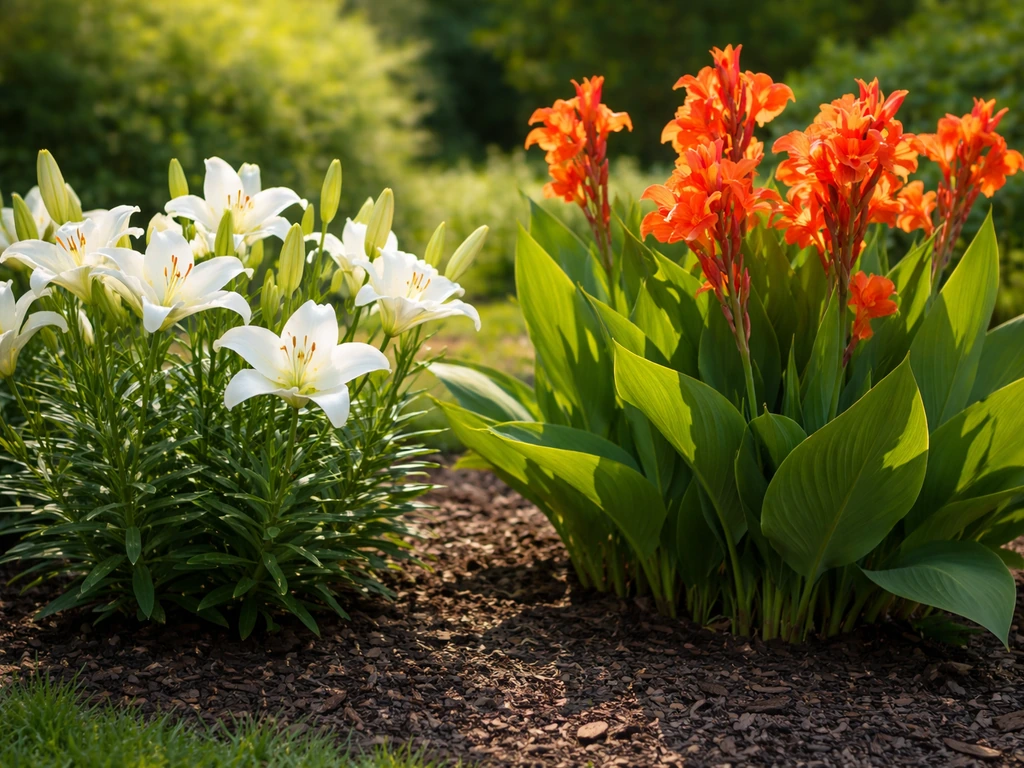
Can Lilies Grow Outside? True Lilies and Canna Guide
Learn if lilies and canna lilies can grow outside, with planting, light, soil, and watering tips for your climate.
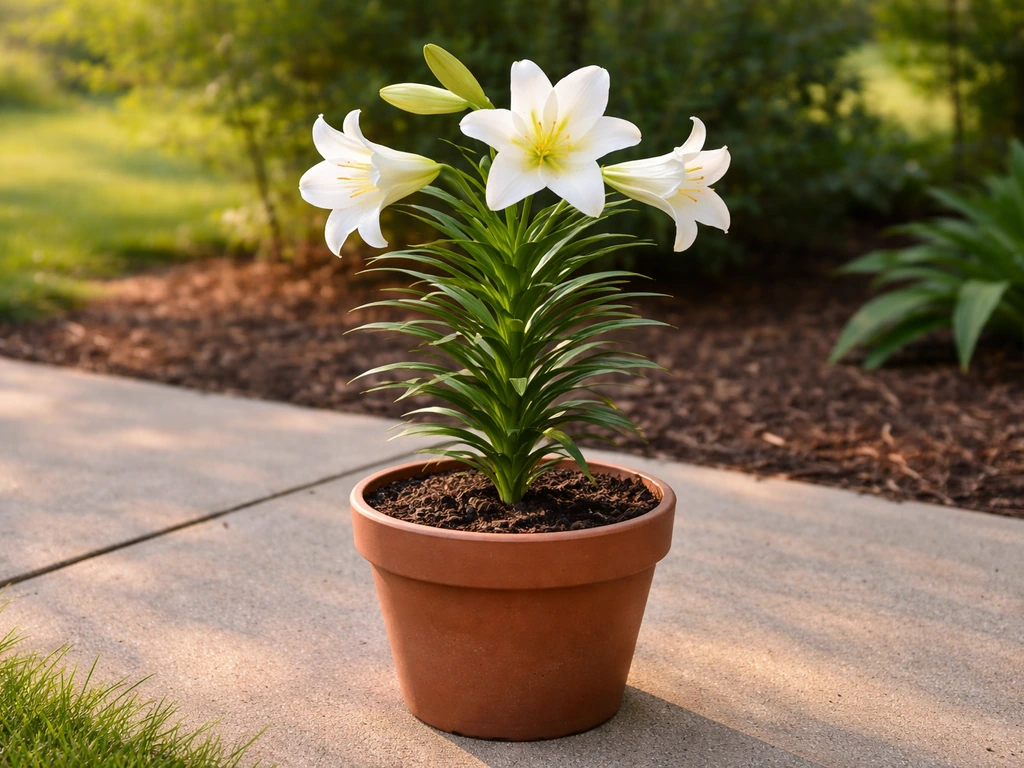
Will Easter Lilies Grow Outside? Conditions and Care Steps
Learn if Easter lilies can grow outside and how to move, water, soil, and troubleshoot, or keep them thriving indoors.
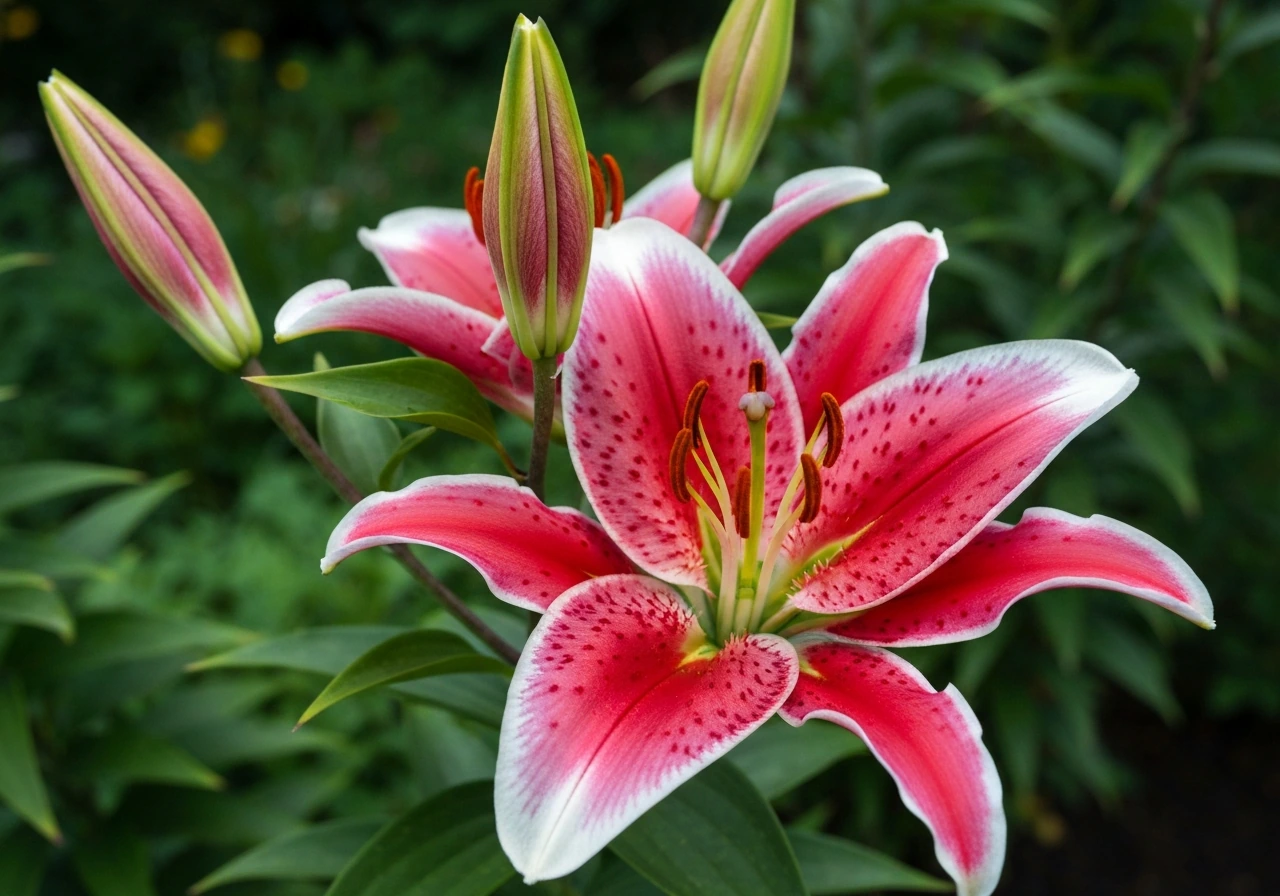
Where Do Stargazer Lilies Grow Best? Zones and Care Guide
Learn where Stargazer lilies grow best by climate and light, plus soil, watering, and planting steps for success.