
Yes, oriental lilies can grow indoors in pots, and they absolutely thrive outdoors in the right climate. Indoors, they need a bright south- or west-facing window, a deep container with excellent drainage, and a cold treatment before forcing them to bloom. Outdoors, they want full sun, well-drained soil, and a spot in USDA zones 4 through 9. Neither setup is complicated once you know the rules, but skipping the cold treatment indoors or planting in soggy soil outdoors are the two fastest ways to end up with a pot of nothing.
Can Oriental Lilies Grow Inside? Indoor vs Outdoor Guide
Marcus Hendricks
15 May 2026
Can You Actually Grow Oriental Lilies Indoors?
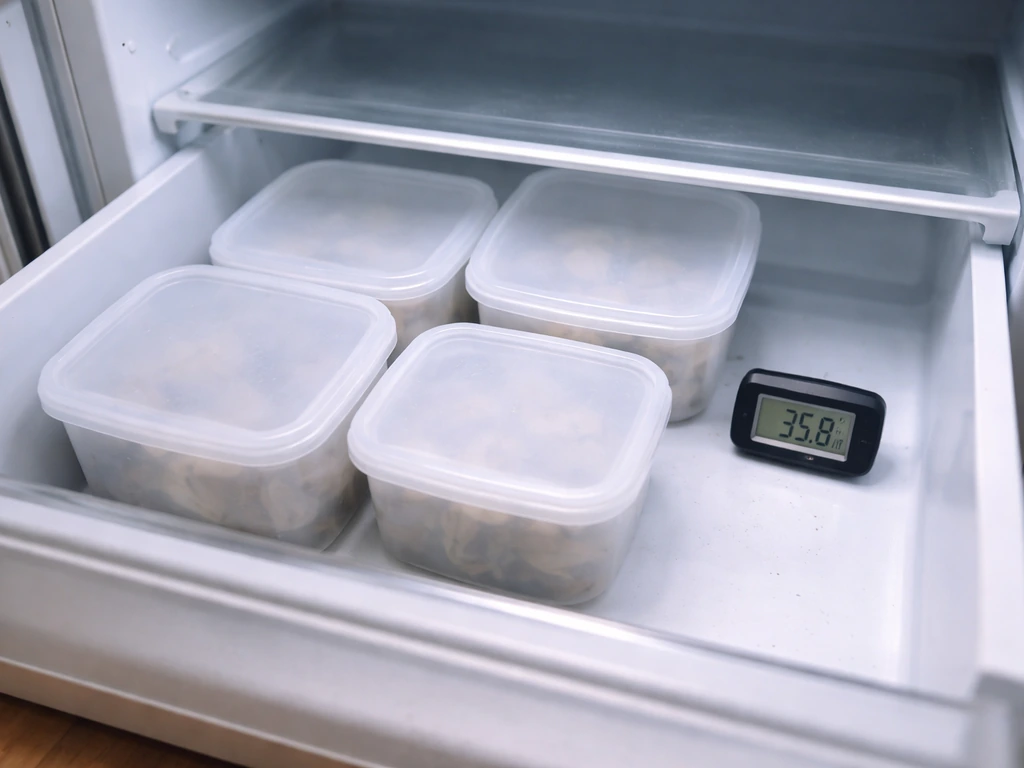
You can, but you need to be honest with yourself about one thing: oriental lilies require a cold dormancy period to bloom. This is the step most beginners skip, and it's why their bulbs sit in pots doing nothing for months. Oriental lily bulbs need a minimum of 8 weeks of cold treatment (around 35 to 48°F, which is basically your refrigerator vegetable drawer) before they'll reliably flower indoors. Some guides push this to 12 to 14 weeks for the best results. Without that chill period, the bulb may sprout weak, leggy growth and never set a bud. Plan that cold treatment into your timeline before you buy bulbs.
Once the cold requirement is met, oriental lilies are genuinely rewarding container plants. Varieties like Stargazer are popular for indoor pot culture precisely because they're compact enough to manage in a container, and the fragrance indoors is incredible. If you're wondering can stargazer lilies grow outside, keep in mind they generally follow the same outdoor rules as other oriental lilies, especially full sun and well-drained soil. After chilling ends, you're typically looking at another 2 to 6 weeks of growing time before blooms open, depending on light levels and temperature. Total timeline from refrigerator to flowers: roughly 3 to 5 months, which is worth building into your schedule.
Light, Placement, and Daily Schedule for Indoor Oriental Lilies
Oriental lilies want as much bright light as you can give them indoors. A south-facing window is ideal, giving them 6 or more hours of direct or intense indirect light per day. West-facing windows work well too. East-facing windows are marginal, and north-facing windows aren't going to cut it. If your home doesn't have strong natural light, supplemental grow lights can genuinely help and have been shown to reduce forcing time by 3 to 4 weeks when they extend the daylength. A full-spectrum LED grow light on a timer set for 14 to 16 hours per day does the job without heating the room.
Keep plants away from heating vents and drafty windows. Consistent temperature matters a lot here. You also want some airflow around the foliage to reduce humidity buildup, which helps prevent fungal issues like Botrytis leaf spot. A small fan running on low nearby works well for this. Don't crowd multiple pots together in a tight corner where moisture sits on leaves overnight.
Potting Setup: Soil, Drainage, Container Size, and Watering
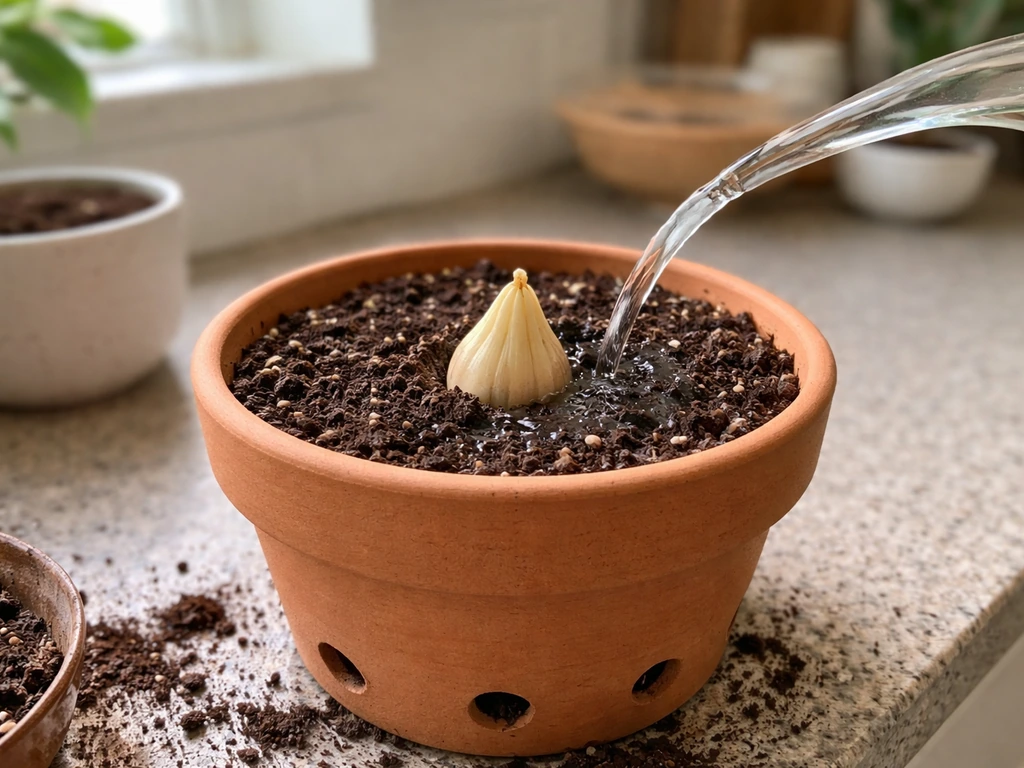
Container choice and planting depth are where most indoor oriental lily attempts go wrong. Oriental lilies are stem-rooting, meaning they produce roots from the stem above the bulb as they grow, not just from the base of the bulb. That means they need a deep pot, not a shallow one. The general rule is to plant the bulb at a depth of roughly two and a half times the height of the bulb itself, which typically puts a standard-sized oriental lily bulb about 4 to 6 inches deep in the container. A pot that's at least 12 inches deep and 10 to 12 inches wide works for a single bulb. For multiple bulbs, go wider but keep that depth.
Drainage holes are non-negotiable. Pythium root rot, the main disease killer for lilies in containers, is directly caused by roots sitting in waterlogged soil. Every pot needs drainage holes, full stop. If you want to use a decorative outer pot, place the planted pot inside it on a layer of gravel so the inner pot isn't sitting in any collected water. Illinois Extension also advises that if you use a decorative outer pot, the inner pot should not sit in collected water and any pooled water should be drained. Check that outer pot regularly and dump it if water pools. A 5 cm (about 2 inch) layer of gravel or crocks at the base of clay pots adds another layer of protection before you fill with potting mix.
Use a well-draining potting mix rather than garden soil, which compacts in containers and kills drainage. A mix of regular potting soil cut with about 20 to 25 percent perlite or coarse grit works well. Water thoroughly when the top inch or two of soil feels dry, then let it drain completely before the pot sits back in any tray. Never let the pot stand in water. During active growth, that typically means watering every 3 to 5 days depending on your home's humidity and the pot size. Back off noticeably once blooms finish and the plant begins to die back.
Temperature, Fertilizing, and Avoiding the Most Common Indoor Problems
Once out of cold storage and actively growing, oriental lilies prefer temperatures between 60 and 75°F. Keep them below 82°F if you can. Heat stress above roughly 82 to 86°F impairs bud development and can cause flower buds to fail before they open, especially if that heat hits during the budding stage. This is a real problem on sunny south-facing windowsills in summer when the glass traps heat. A sheer curtain during peak afternoon heat can protect buds without cutting too much light.
For fertilizing, start a balanced liquid fertilizer (something like a 10-10-10 or similar) once shoots are a few inches tall, applying every two weeks through the growing and flowering period. Calcium matters more than most growers realize: oriental lilies can develop upper leaf necrosis, which shows up as brown, dead-looking leaf tips and margins on upper leaves. Using a fertilizer that includes calcium nitrate, or occasionally applying a foliar spray of calcium chloride, helps prevent this. It's a common issue in greenhouse production and can happen in home containers too.
The other major indoor problem is Botrytis, a gray mold that attacks foliage and buds when humidity is high and air circulation is poor. You'll see gray fuzzy patches on leaves or browning bud tips. The fix is better airflow (that small fan again), watering at the base of the plant rather than overhead, and keeping the area around the pots tidy. Remove any dead leaves promptly. Also, when you buy bulbs, inspect them carefully and reject any showing blue or green powdery mold on the surface before you plant them.
Growing Oriental Lilies Outdoors
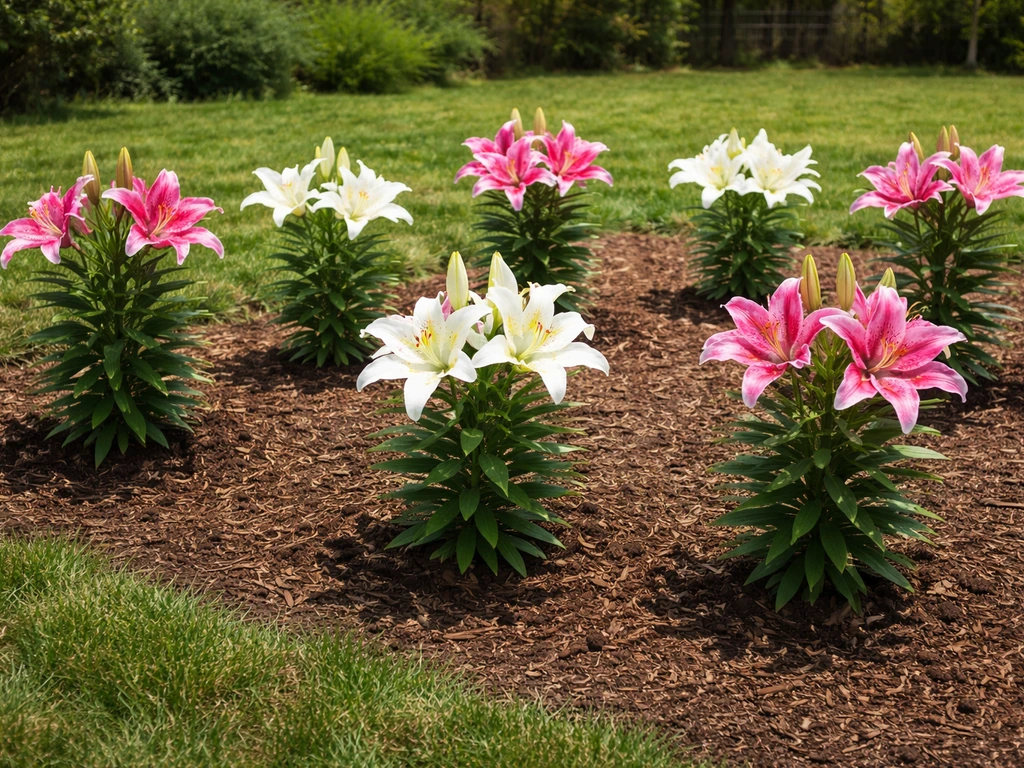
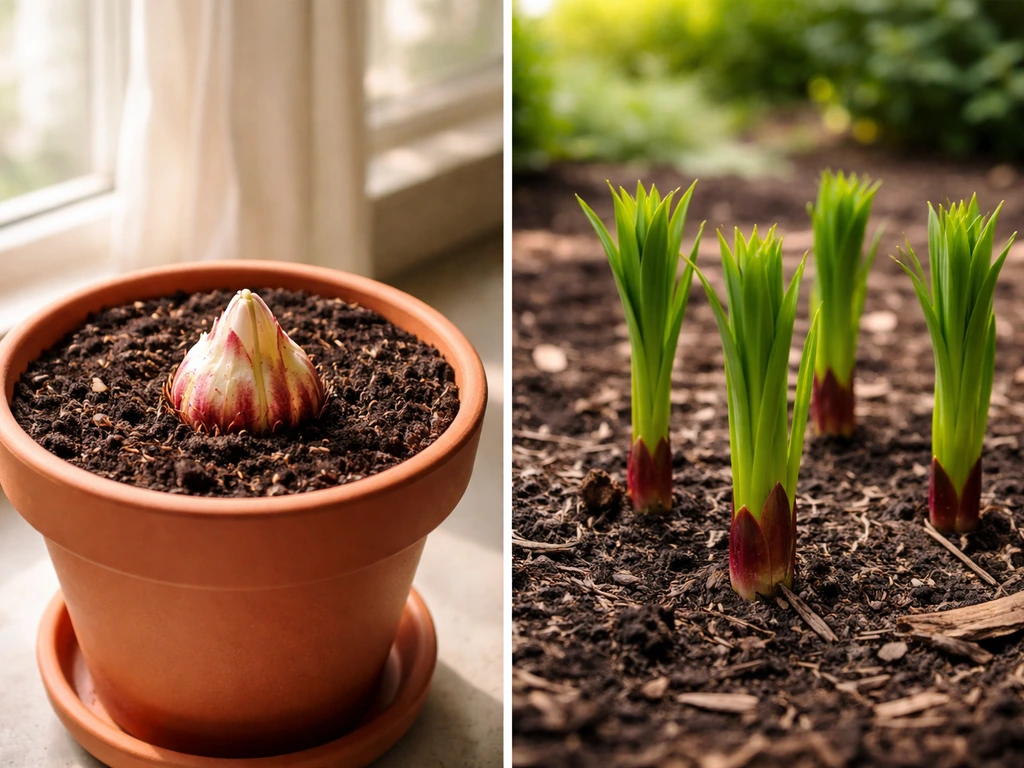
Outdoors is honestly where oriental lilies are happiest, and if your climate allows it, planting them in the ground is easier and more reliable than container growing indoors. Oriental lilies are hardy in USDA zones 4 through 9. If you want to know where Stargazer lilies grow best, check your USDA zone and aim for the same conditions USDA zones 4 through 9. If you're in a colder zone, they'll need winter protection or you can treat them as annuals or dig and store bulbs. If you're in a warmer zone above 9, the chilling requirement becomes a problem because winters don't get cold enough for bulbs to properly go dormant. In Florida, that warmer-zone issue means you might need extra help to get will easter lilies grow in Florida results, like treating bulbs with proper chilling before planting. This is a similar challenge you'll run into with other true lily types, including Easter lilies and Stargazer lilies in warm climates.
Oriental lilies bloom in mid- to late summer outdoors, later than Asiatic lilies, with some of the most dramatic and fragrant flowers in the lily world. They're worth the wait, but you need to set expectations: planting spring bulbs means waiting until July or August for flowers.
Outdoor Planting Basics: Sun, Soil, Depth, and Watering
Oriental lilies want full sun, which means at least 6 hours of direct sunlight daily. They can tolerate light afternoon shade, which actually helps in hot climates by protecting blooms, but a shady spot will give you weak, flopping stems and few or no flowers. If you are trying to figure out can stargazer lilies grow in Florida, use the same full-sun but afternoon-shade logic to keep stems and blooms from struggling in heat. If you're in a hot southern zone, a spot with morning sun and dappled afternoon shade is a solid compromise.
Soil drainage is the single biggest outdoor success factor. Oriental lilies will rot in soggy or clay-heavy soil. Before planting, work compost into the planting area to improve both drainage and fertility. If your native soil drains poorly, build a raised bed or amend heavily with grit or coarse sand. The soil should feel loose and crumbly, not compacted or sticky after rain.
Plant bulbs in early fall for best results. Planting depth outdoors follows the same general rule as containers: about two and a half times the bulb's height, typically 6 to 8 inches deep for a standard oriental lily bulb. Deeper planting keeps bulbs cool in summer and stable through winter. Space bulbs 12 to 18 inches apart to allow for good airflow and room for the stems to develop. After planting, water well, then water again only when the top 2 inches of soil are dry. Oriental lilies don't like constant moisture but also hate drying out completely during active growth.
Mulching around the planting area with 2 to 3 inches of shredded bark or straw keeps soil moisture even, suppresses weeds, and helps keep the root zone cool during summer heat. Just keep mulch pulled slightly away from the emerging stems.
Troubleshooting Common Problems and Your Next Steps Toward Blooms
If you're not getting blooms, here's how to diagnose the most common culprits quickly:
| Symptom | Most Likely Cause | Fix |
|---|---|---|
| No growth after planting indoors | Bulb skipped cold treatment or wasn't chilled long enough | Chill bulbs at 35 to 48°F for at least 8 weeks before forcing |
| Leggy, weak stems with no buds | Insufficient light | Move to brightest window or add a grow light on a 14-16 hour timer |
| Buds form but drop before opening | Heat spike or dramatic temperature swing | Keep temps below 80°F; shield from direct afternoon glass heat |
| Brown, dead-looking upper leaf edges | Calcium deficiency (upper leaf necrosis) | Use calcium-containing fertilizer; try a foliar calcium chloride spray |
| Wilting despite regular watering | Root rot from poor drainage or overwatering | Check for mushy roots, repot in fresh mix with drainage holes |
| Gray fuzzy patches on foliage or buds | Botrytis mold from high humidity and low airflow | Improve air circulation, water at the base, remove affected leaves |
| No outdoor blooms in summer | Wrong zone, too much shade, or bulbs planted too shallow | Verify zone 4-9, ensure 6+ hours of sun, plant at correct depth |
If you're starting fresh today, the most practical path depends on your setup. If you have a garden in zones 4 to 9, buy bulbs this fall and plant them outdoors at 6 to 8 inches deep in well-drained soil with full sun. You'll have blooms by mid-to-late summer next year with minimal fuss. If you want to grow indoors this season, buy bulbs now, put them in paper bags in your refrigerator vegetable drawer for 8 to 10 weeks, then pot them up in a deep container with good drainage and your brightest window. If you are wondering where do Easter lilies grow, look for the same type of cool, bright start that helps them establish before flowering refrigerator vegetable drawer. Mark the calendar so you know when to take them out and start watching for shoots. Either way, the key is taking the cold requirement seriously and never letting roots sit in standing water.
FAQ
If I chill oriental lily bulbs in the fridge before planting, is that enough to make them bloom indoors?
Yes, but treat it as a cooling step, not a substitute for dormancy. If your goal is flowers, you typically still need at least 8 weeks of consistent chilling, then you must pot into a deep container and give bright light. Brief fridge cold without an actual dormancy period often leads to green growth but no buds.
How often should I water indoor oriental lilies after they sprout, and how do I avoid overwatering?
Use the same approach as outdoors, aimed at keeping the root zone dry enough to breathe. Let the top 1 to 2 inches dry before watering, and always empty any drainage tray. In practice, many growers find indoor lilies need less frequent watering than they expect once temperatures drop after blooming.
My indoor oriental lily has brown leaf tips. Does that mean it needs more water?
If you see leaf tips turning brown while growth continues, it often points to calcium-related stress rather than simple underwatering. Check that you are using a balanced fertilizer that includes calcium nitrate, or add calcium through an appropriate supplement plan, then keep fertilizer consistent instead of switching products mid-season.
What window setup works best for indoor oriental lilies, and when should I use a grow light?
Choose based on the light you can reliably provide. A window is usually only enough if it is truly bright for most of the day. If your home is dim, a full-spectrum LED on a timer (14 to 16 hours) helps prevent leggy stems and can reduce the forcing time compared with window-only growing.
Can I grow oriental lilies in a shallow pot or decorative planter?
Yes, especially if you are trying to use only a shallow container. Because oriental lilies produce stem-rooting above the bulb, shallow pots can restrict roots and reduce bud formation. Stick with a deep pot (around 12 inches deep for a single bulb) and plant at roughly two and a half times the bulb height.
What should I do if I notice mold on the bulb or gray spots on the leaves?
In most cases it is safer to replace, not rescue. If you already planted and you see fuzzy gray mold or repeated bud collapse, remove affected leaves, improve airflow, and water at the base. If the bulb itself shows blue or green powdery mold before planting, discard it rather than trying to treat.
Why are my indoor oriental lilies rotting, even though I’m watering carefully?
Waterlogged soil is the main cause of container root rot. If the pot stays heavy, wet, or slow to drain, repot into fresh, well-draining mix with perlite or coarse grit, and ensure drainage holes are unobstructed. Decorative outer pots are fine, just keep the inner pot out of pooled water.
My yard soil is heavy clay, can oriental lilies still grow outdoors?
For outdoor planting, yes, you can use a raised bed or heavy amendments if your soil holds water. The key is drainage that feels loose and crumbly after rain, and planting in early fall. If you cannot get drainage to improve, indoor forcing might be more reliable than leaving bulbs in soggy ground.
Why do oriental lilies fail to flower in warmer regions, and what can I do?
If you plant outdoors and it is too warm for winters to cool the bulbs properly, they may fail to go dormant and may not flower. In that case, you may need extra pre-chilling before planting or use a container setup where chilling can be controlled more predictably.
My oriental lily blooms but the stems flop over. How can I fix that next season?
Stems that flop often result from inadequate light, too much nitrogen, or planting too shallow. Increase light first, avoid high-nitrogen feeding, and confirm the planting depth is around two and a half times the bulb height. If needed, stake early to prevent bud damage while stems strengthen.
Next Articles
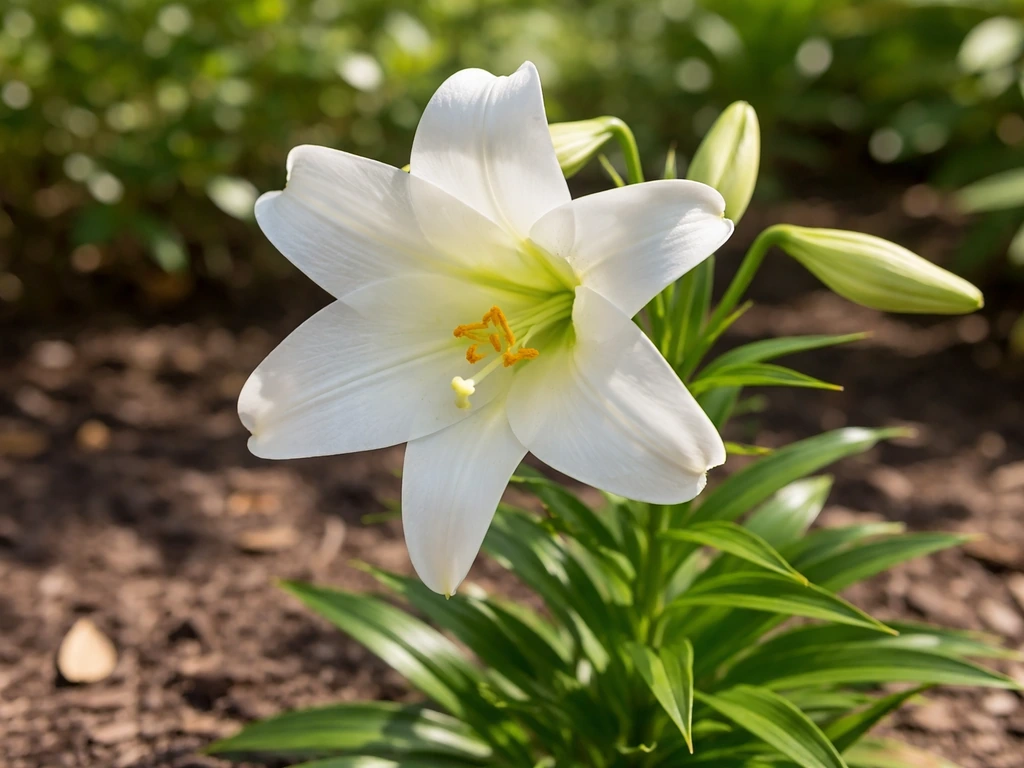
Will Easter Lilies Grow in Florida? Yes and How
Learn if Easter lilies grow in Florida and get step-by-step outdoor and pot care, heat and chill needs, and troubleshoot
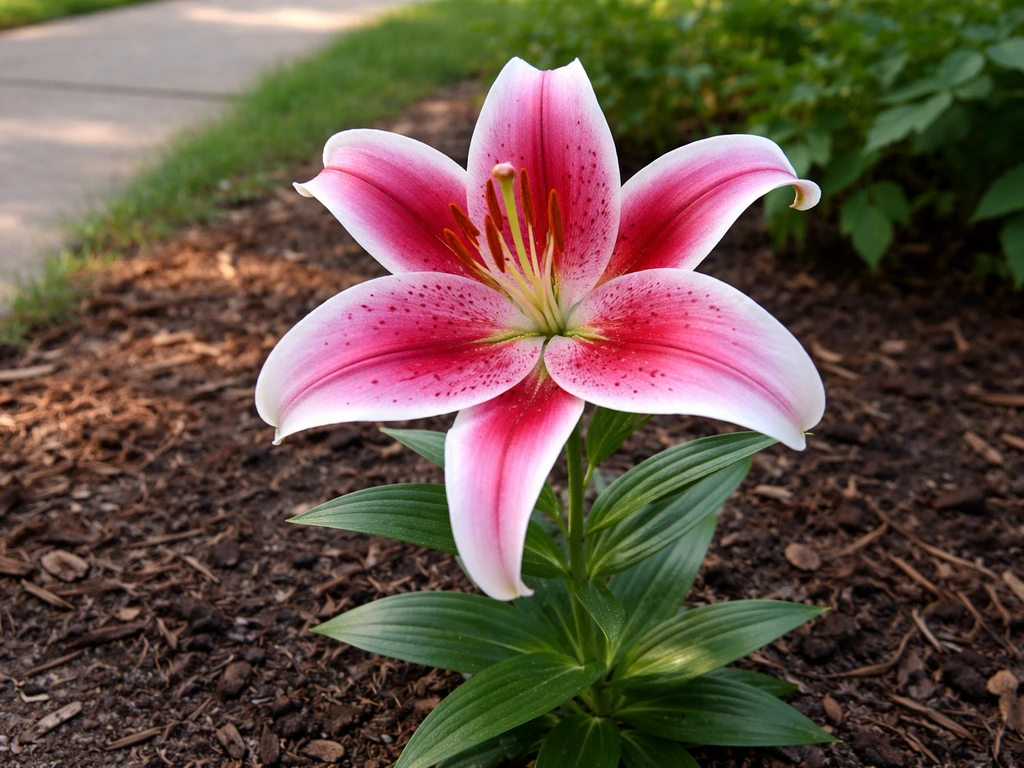
Can Stargazer Lilies Grow Outside? Outdoor Guide and Care
Yes. Learn outdoor conditions, planting depth, drainage, frost protection, pot overwintering, and fixes for pests and ro
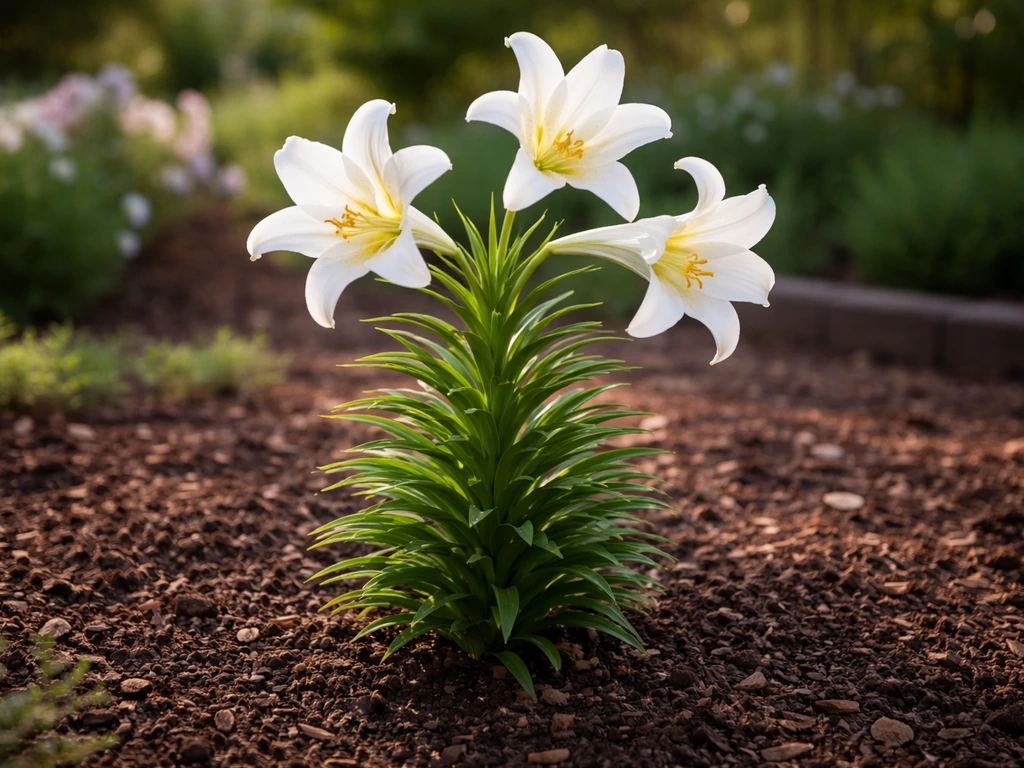
Where Do Easter Lilies Grow Best: Soil, Light, Climate Tips
Discover where Easter lilies thrive and how to match light, soil, temperature, and watering for indoor or outdoor succes