
Easter lilies can grow in Florida, but whether they'll bloom reliably year after year depends heavily on where in the state you are. In North Florida (Zone 8a–8b), you have a real shot at keeping them as outdoor perennials if you nail drainage and give them some summer shade. In Central Florida (Zone 9), it gets tricky but still doable in containers. In South Florida (Zone 10a–10b), honest answer: outdoor perennial success is unlikely because the winters simply don't get cold enough to trigger the bulb into flowering again. If you're wondering can stargazer lilies grow outside, the same outdoor climate considerations like winter cold and drainage also decide whether they behave as true outdoor perennials. But for a single season of blooms, or with a little DIY chilling, you can make Easter lilies work almost anywhere in Florida.
Will Easter Lilies Grow in Florida? Yes and How
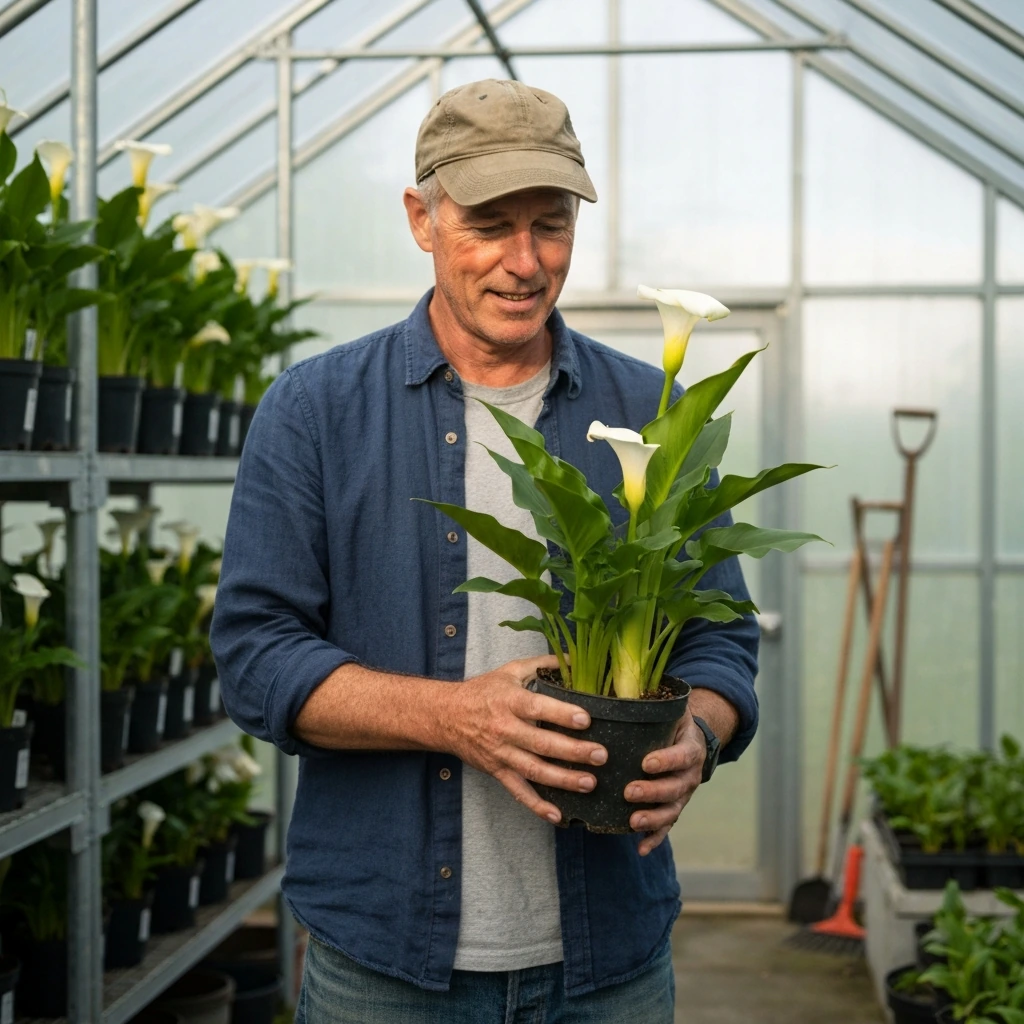
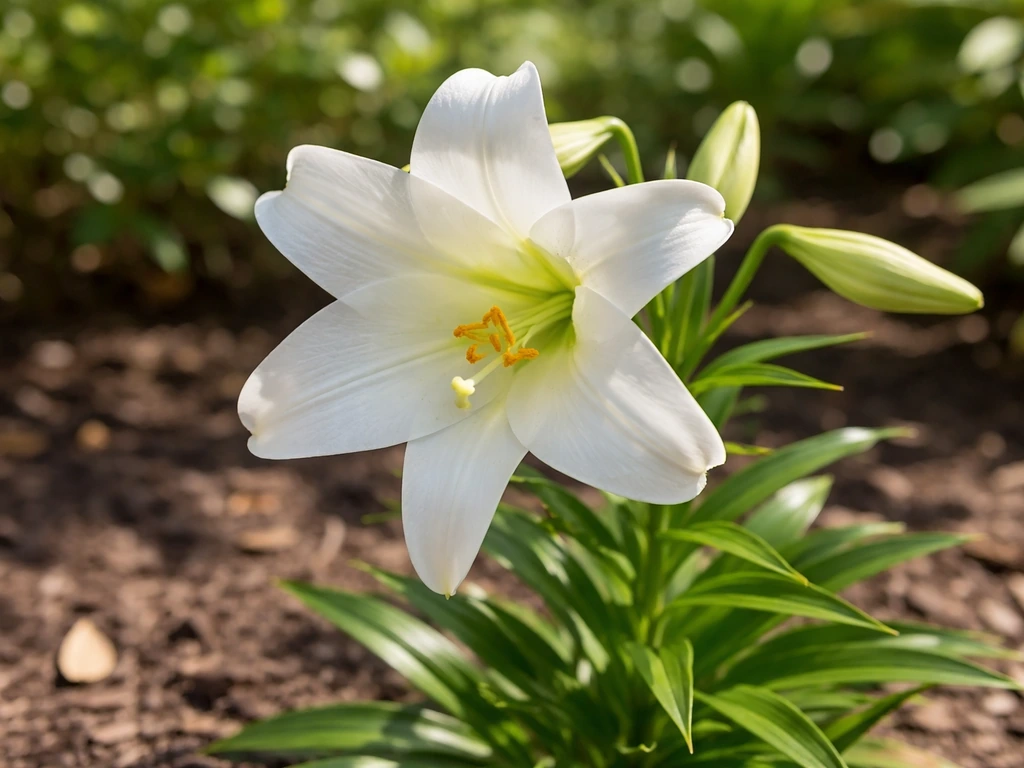
Easter lily basics and what "growing in Florida" really means
Easter lily (Lilium longiflorum) is a true lily, not just a plant with "lily" in the name. That distinction matters because true lilies grow from bulbs that have a cold requirement, meaning they need a sustained period of cool temperatures to produce flowers. Commercially, growers force Easter lilies to bloom on schedule by refrigerating the bulbs at around 35–45°F (4.5–7.5°C) for roughly six weeks in moist conditions. That cold exposure is what unlocks blooming. Skip it, and the plant just grows foliage. Research has confirmed this in a pretty stark way: bulbs held at a constant 77°F (25°C) with no cold treatment stayed purely vegetative for over 15 months without ever flowering. So when someone asks "will Easter lilies grow in Florida," there are really two separate questions buried in there: will the plant survive Florida's climate, and will it bloom again on its own without intervention? The answer to each is different.
Easter lilies are listed as hardy in USDA Zones 5–11, which technically covers all of Florida. If you are wondering what zone do lilies grow in for outdoor planting, look at USDA zones and match them to your local winter temperatures. But hardiness just means the bulb survives winter temperatures, it doesn't mean the plant will rebloom. Florida's challenge isn't winter cold killing bulbs; it's winter not being cold enough to fulfill the flowering requirement, and summer being hot and wet enough to rot them. Keeping both of those problems in mind will shape every decision you make.
Florida climate check: chill requirements, zones, and where it can work
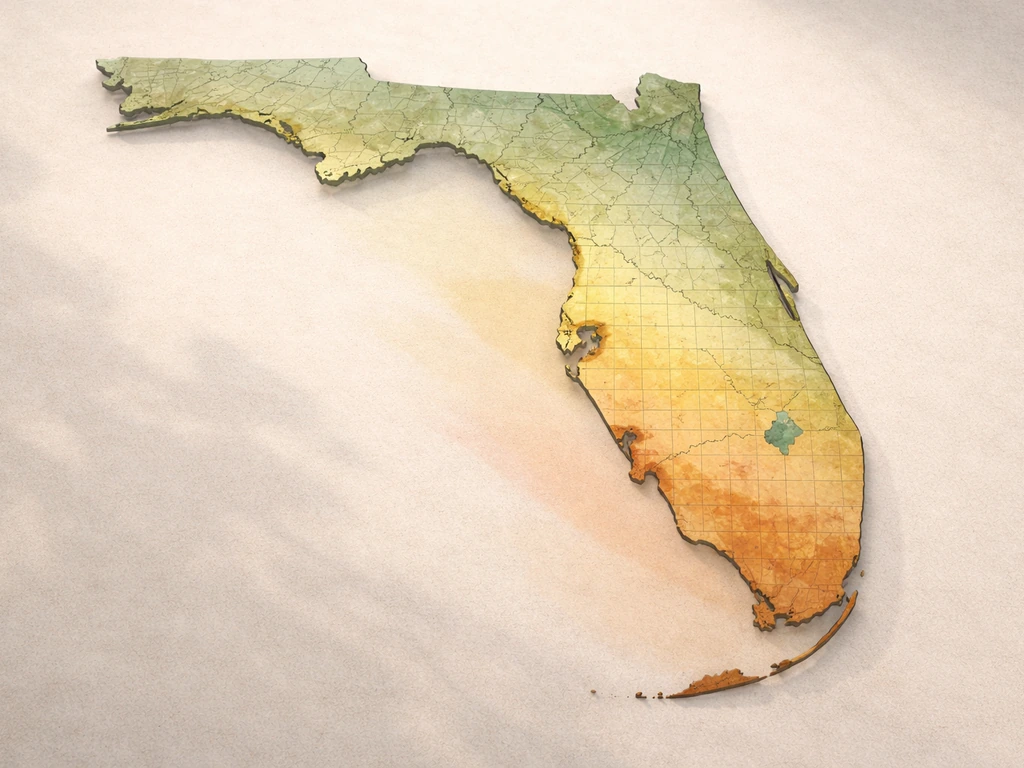
Florida spans USDA Zones 8a through 10b, running from the Panhandle in the north to the Keys in the south. That range matters enormously for Easter lilies. The six-week cold exposure that saturates the flowering response needs temperatures in the 40–45°F (4.5–7.5°C) range. In the Florida Panhandle and parts of North Florida (Zones 8a–8b), winter nights regularly dip into that range, and you can realistically accumulate enough chilling hours outdoors. Move into Central Florida (Zone 9a–9b, think Orlando and Tampa), and winters are milder. You might get some chilling, but not consistently or reliably enough to bank on outdoor rebloom every year. In South Florida (Zone 10a–10b, think Miami and the Keys), winters are too warm, bulbs simply don't receive enough cold to trigger the flowering response without intervention.
| Florida Region | USDA Zone | Outdoor Chill Potential | Perennial Rebloom Likelihood |
|---|---|---|---|
| Panhandle / North Florida | 8a–8b | Good — winters regularly reach 40–45°F | Moderate to good with proper drainage |
| Central Florida | 9a–9b | Inconsistent — some years enough, some not | Unreliable; container + DIY chilling recommended |
| South Florida | 10a–10b | Poor — winters rarely reach target chill temps | Very unlikely outdoors; treat as annual or force-chill bulbs |
If you're in Central or South Florida and want rebloom, your best move is to dig the bulbs after the foliage dies back, put them in a paper bag with slightly moist peat, and refrigerate them at around 40°F for six weeks before replanting. It's a bit of extra work, but it mimics what a northern winter naturally provides, and it's exactly what commercial growers do.
Best light setup in Florida: outdoor vs. indoor
Easter lilies want six to eight hours of sunlight for the strongest stems and biggest blooms. In a northern or Midwestern garden that's straightforward, just plant them in full sun. In Florida, direct midday sun in summer is a different beast. Air temperatures above 82–86°F (28–30°C) start to stress the plant and interfere with flower bud development, and Florida regularly blows past that threshold from May through September. The practical fix outdoors is to position plants where they get full morning sun and filtered afternoon shade. An east-facing bed, or a spot under a canopy that opens up in the morning, works well. Avoid planting in full western exposure where they'll bake in the hottest part of the day.
Indoors is actually a great option in Florida, especially for Central and South Florida gardeners. You can also use similar indoor care steps to see whether oriental lilies can grow inside your home Indoors is actually a great option in Florida. A bright south- or east-facing window that gets four to six hours of indirect-to-direct light keeps the plant comfortable without frying it. The bonus is that indoor temperatures are controlled, and you can time things better. If you're growing a store-bought Easter lily inside, keep it away from heating/cooling vents and out of direct afternoon sun through glass, which amplifies heat significantly. Once the blooms fade, you can move it to a shadier spot while the foliage finishes its cycle.
Soil and drainage: what to use to prevent rot
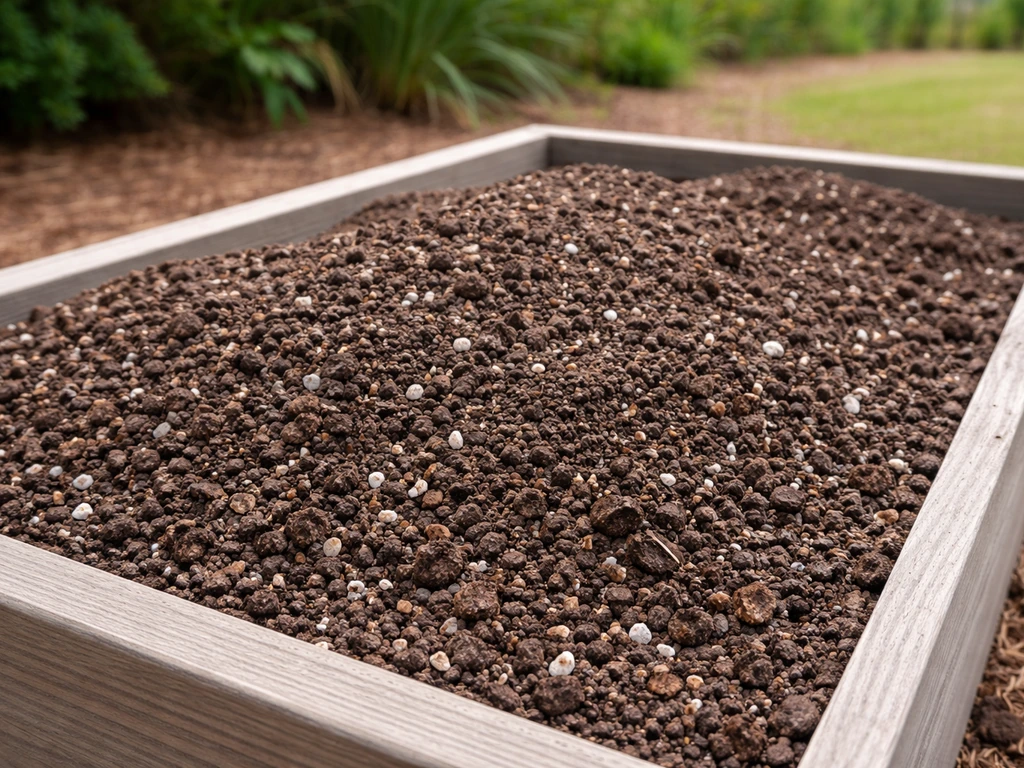
This is the single most common reason Easter lilies die in Florida. The bulbs are extremely sensitive to waterlogged conditions, and Florida's combination of clay-heavy soils in some areas, summer thunderstorms, and high humidity creates a perfect rot scenario. Easter lilies will not perform in dense clay or in any soil that holds water around the bulb. Period. Even brief periods of standing water near the bulb can trigger Pythium root rot, which shows up as soft, brown, mushy roots, and Fusarium bulb rot, which you usually don't notice until the plant collapses.
For outdoor planting, raised beds are the best solution in Florida. Build up the bed at least 8–12 inches with a mix of topsoil, coarse sand, and compost. The goal is a fast-draining medium that holds just enough moisture for roots to drink but never stays soggy. Sloped planting sites help too, since water runs off rather than pooling. If your native soil is sandy (common in much of Florida), you're already ahead, just amend with some organic matter to improve nutrient retention.
For containers, which I strongly recommend for Central and South Florida growers, use a well-draining potting mix and make sure the pot has multiple drainage holes. A terracotta pot is actually a solid choice here because it wicks moisture away from the soil faster than plastic. Plant the bulb about 3 inches deep, with the pointy end up. Don't use a saucer that holds standing water underneath, especially in summer. If you want extra insurance, mix a little perlite or coarse sand into your potting mix to improve drainage further.
Watering and humidity management for Florida heat
Easter lilies like medium, consistent moisture, not drought, not sogginess. In Florida's rainy season (roughly June through September), outdoor plants often get more than enough water from rainfall alone, which means your main job is making sure the excess drains away quickly. If you're in a particularly rainy stretch, holding off on supplemental watering for a week or two is perfectly fine. Check the top inch or two of soil with your finger; if it still feels moist, wait.
For container plants, water when the top inch of soil feels dry, then water thoroughly until it drains out the bottom. Don't let the pot sit in collected runoff. Florida's humidity is high enough that fungal problems, particularly Botrytis gray mold on the stems, leaves, and flowers, are a real risk if you're misting the foliage or watering overhead. Always water at the base of the plant and keep foliage as dry as possible. If you see fuzzy gray patches on leaves or flowers, that's Botrytis moving in, and it's encouraged by exactly the wet, humid conditions Florida delivers.
During Florida's dry season (roughly November through May), when Easter lilies are either dormant or gearing up to bloom, water less frequently. The bulb needs some moisture to stay viable, but overwatering a dormant bulb in winter is one of the fastest ways to lose it.
Planting and potting timing, fertilizing, and after-bloom care
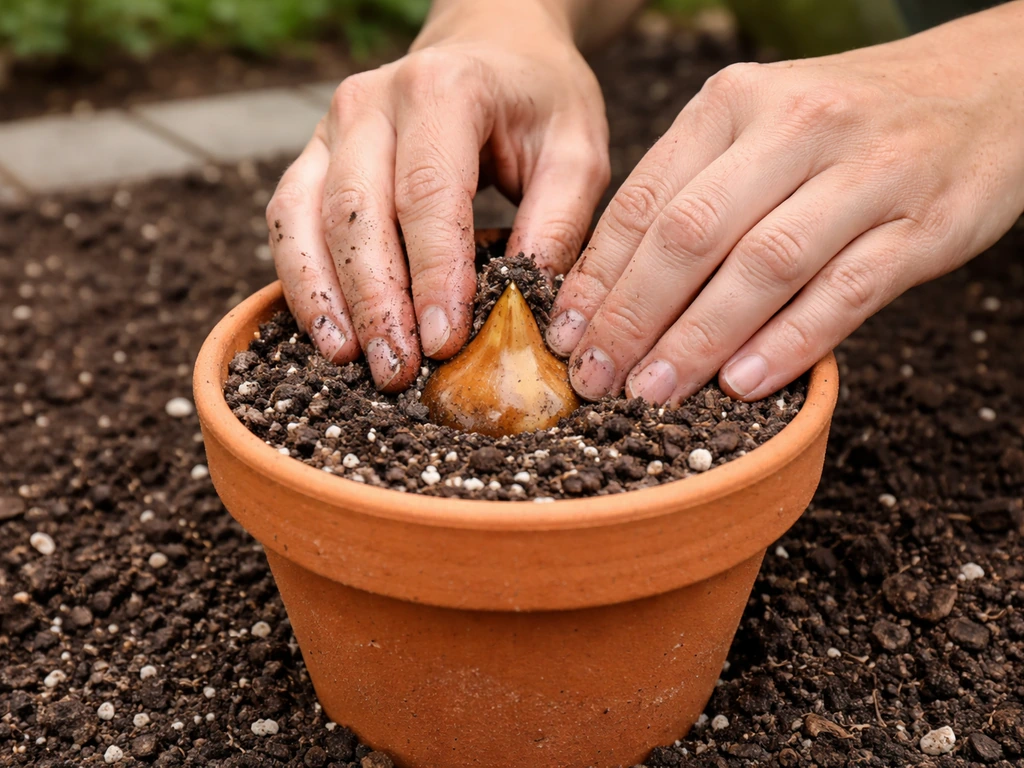
When to plant
If you're transplanting a store-bought Easter lily from a pot into the garden, wait until after any frost risk has passed, in most of Florida that's a non-issue, but in the Panhandle wait until March at the earliest. For bulbs you've chilled yourself and want to plant outdoors, late fall to early winter works for North Florida, where outdoor temperatures will finish the chilling process naturally. In Central and South Florida, plant chilled bulbs in late winter (January to February) so they bloom in spring before the worst heat hits.
Fertilizing basics
A balanced fertilizer like 5-10-5 applied in early spring as growth begins and again when flower buds form works well. For container plants, apply a balanced fertilizer once a month during the growing period, keeping it at least 2 inches away from the stem to avoid burning. Don't over-fertilize with nitrogen-heavy products; that pushes leafy growth at the expense of blooms.
After-bloom care: the step most Florida gardeners skip
Once the flowers fade, cut off the spent flower stalk but leave the foliage completely intact. The leaves are still photosynthesizing and pumping energy back into the bulb, which is what fuels next year's bloom. Cutting everything down right after flowering is one of the most common mistakes. Let the foliage die back naturally over several weeks, then cut it down. In Central and South Florida, once the foliage has died back completely, dig the bulbs, lightly dust them with a fungicide powder, and store them in a paper bag with slightly moist peat moss in your refrigerator at around 40°F for six weeks. Then replant. In North Florida, bulbs can sometimes stay in the ground through winter if your drainage is excellent and temperatures are in the right range.
Troubleshooting: why Easter lilies fail in Florida and how to fix it
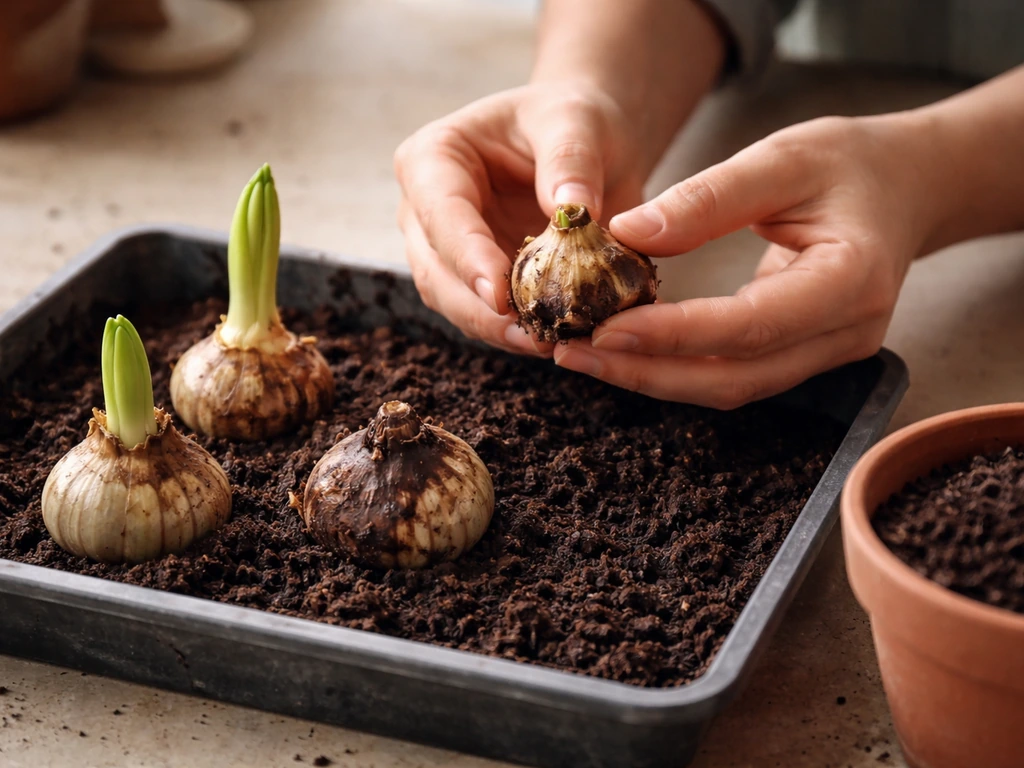
Most Easter lily failures in Florida come down to a handful of predictable causes. Knowing them ahead of time saves a lot of frustration.
| Problem | Likely Cause | Fix |
|---|---|---|
| Plant grows leaves but never blooms | Insufficient chilling — bulb never hit 6 weeks at 40–45°F | Refrigerate bulbs for 6 weeks before planting next cycle |
| Bulb turns mushy and plant collapses | Root rot (Pythium or Fusarium) from waterlogged soil | Switch to raised bed or container with fast-draining mix; improve drainage immediately |
| Gray fuzzy patches on leaves or flowers | Botrytis gray mold from humid, wet conditions | Water at base only; improve air circulation; remove affected material |
| Yellowing, wilting leaves in summer | Heat stress — temperatures above 82–86°F damaging the plant | Move to afternoon shade or bring indoors during peak summer heat |
| Holes chewed in leaves or buds | Lily leaf beetle (feeds specifically on true lilies including Easter lily) | Hand-pick beetles; use neem oil or insecticidal soap; check regularly May through September |
| Bloomed once, never rebloomed | No chilling provided after first bloom + South Florida heat stress | Treat as annual, or commit to digging, chilling, and replanting each year |
One thing worth being honest about: if you're in South Florida and hoping Easter lilies will just grow and rebloom like they would in the Carolinas or Pacific Northwest, they won't do that without active management. The UF/IFAS research on Easter lily as a South Florida perennial reflects the real limits here. That doesn't mean you can't enjoy them, it just means treating them more like a seasonal flowering plant that needs a little help each year rather than a set-it-and-forget-it perennial.
So what's the best approach for your situation?
Here's how I'd frame the decision depending on your goal and location. If you just want Easter lily blooms this season, buy a potted plant from a nursery (already forced and blooming), enjoy it indoors, then follow the after-bloom care steps above if you want a shot at keeping the bulb alive. If you're in North Florida and want to try outdoor perennials, plant in a raised bed with excellent drainage, give them morning sun with afternoon shade, and see how the winters treat you, Zones 8a–8b give you a real chance. If you're in Central or South Florida and want year-after-year blooms, commit to the refrigerator chilling method each fall. It's the only reliable way to replicate what northern winters do naturally. And if the whole process feels like too much work for your situation, stargazer lilies and daylilies tend to be far more forgiving in Florida's heat and don't have the same cold requirement.
The bottom line: Easter lilies are absolutely worth growing in Florida, but they reward growers who understand the chilling requirement and take drainage seriously. Get those two things right and you can have beautiful blooms even in a subtropical climate.
FAQ
Will Easter lilies grow in Florida if I just plant the bulb outside and do nothing else?
In North Florida, some bulbs may survive and occasionally bloom if drainage is excellent and winter nights provide enough cool hours. In Central and especially South Florida, most bulbs will only produce foliage or fail to repeat bloom without the cold-chilling step.
What exact temperatures do my bulbs need to bloom, and how do I judge that in Florida?
For flowering, the bulbs typically need a sustained chilling period around 40 to 45°F. Florida winters vary a lot by neighborhood and year, so if you are in Zone 9 or 10, plan on intervention (refrigeration) rather than relying on outdoor cold.
Can I trick Easter lilies into reblooming by chilling them for less than six weeks?
Shorter chilling can reduce or eliminate bloom because the flowering response needs time in the cool range. If you want consistent results, follow the full window (about six weeks) and avoid letting the bulbs warm up during the process.
How do I know if my drainage problem is severe enough to kill the bulb?
If water pools for more than a few hours after a heavy rain, or if the soil stays wet when the surface looks dry, the bulb is at risk for rot. Raised beds or a container setup with coarse, fast-draining mix is the safer choice when you suspect slow-draining soil.
Is it safe to plant Easter lilies in clay soil in Florida if I add compost?
Amending clay helps nutrients but often does not fix water-holding enough to prevent bulb rot. The more reliable approach is a raised bed with a fast-draining blend and a site that slopes so water runs away from the bulb.
What pot size and depth works best for Easter lilies in Florida containers?
Use a deep pot that can accommodate bulb depth (about 3 inches) plus root space, and choose multiple drainage holes. Terracotta is helpful, but the key is that the mix drains quickly and the pot never sits in runoff during Florida’s wet months.
Should I water Easter lilies during Florida’s rainy season even if it keeps raining?
Often you should not add extra water during the wet season, your main job is preventing sogginess. Check the top inch or two of soil, if it is still moist, wait, and always water at the base rather than overhead to reduce fungal pressure.
Why are my Easter lily leaves turning brown or collapsing even though the soil isn’t obviously flooded?
Rot can start with brief wetness at the bulb, not just long standing water. Also watch for crown or root issues that can look like sudden collapse, especially in humid conditions or when watering gets onto foliage repeatedly.
If I grow Easter lilies indoors in Florida, do I still need chilling to get flowers again?
Chilling is mainly about rebloom, not first bloom if your plant is already forced and ready. If you want the bulb to flower again later outdoors or indoors from the same bulb, you likely still need the cold-chilling period to satisfy the flowering requirement.
Can I keep an Easter lily outdoors year-round in Florida once it finishes blooming?
In Zones 8a to 8b, it can sometimes work when drainage is excellent and winter cold is adequate. In Central and South Florida, treat it as a seasonal bloom that needs refrigeration management if you expect repeat flowering.
When should I cut the stalk after flowering, and when should I dig the bulbs?
Remove the spent flower stalk after blooms fade, but leave foliage intact until it naturally dies back over several weeks. Dig bulbs after the foliage fully dies back (especially if you plan to refrigerate), so the bulb has time to recharge energy.
Should I fertilize Easter lilies before or after the cold-chilling period?
Apply fertilizer when growth begins and again around bud formation, using a balanced formula rather than nitrogen-heavy feed. If you are chilling bulbs, fertilize only after replanting and you see active growth, not during storage.
What should I do if I see fuzzy gray spots on leaves or flowers?
Fuzzy gray patches are often Botrytis in humid conditions. Stop misting and switch to base watering, improve airflow, remove heavily affected parts, and avoid keeping foliage wet, because the humid Florida environment makes flare-ups easy.
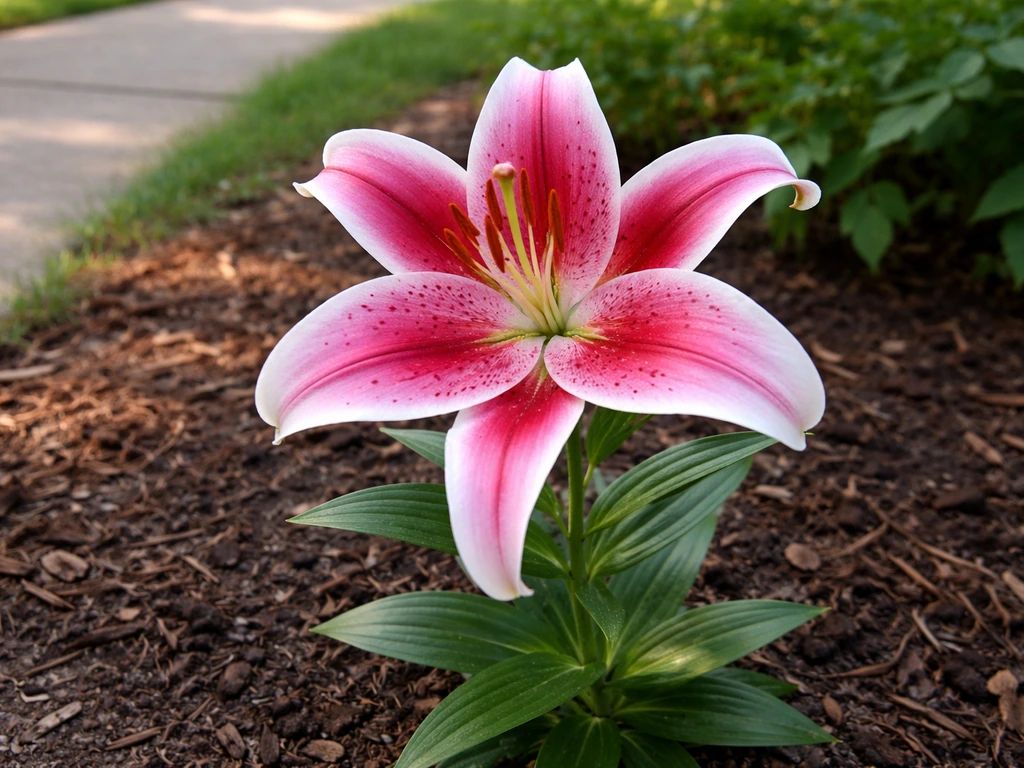
Yes. Learn outdoor conditions, planting depth, drainage, frost protection, pot overwintering, and fixes for pests and ro
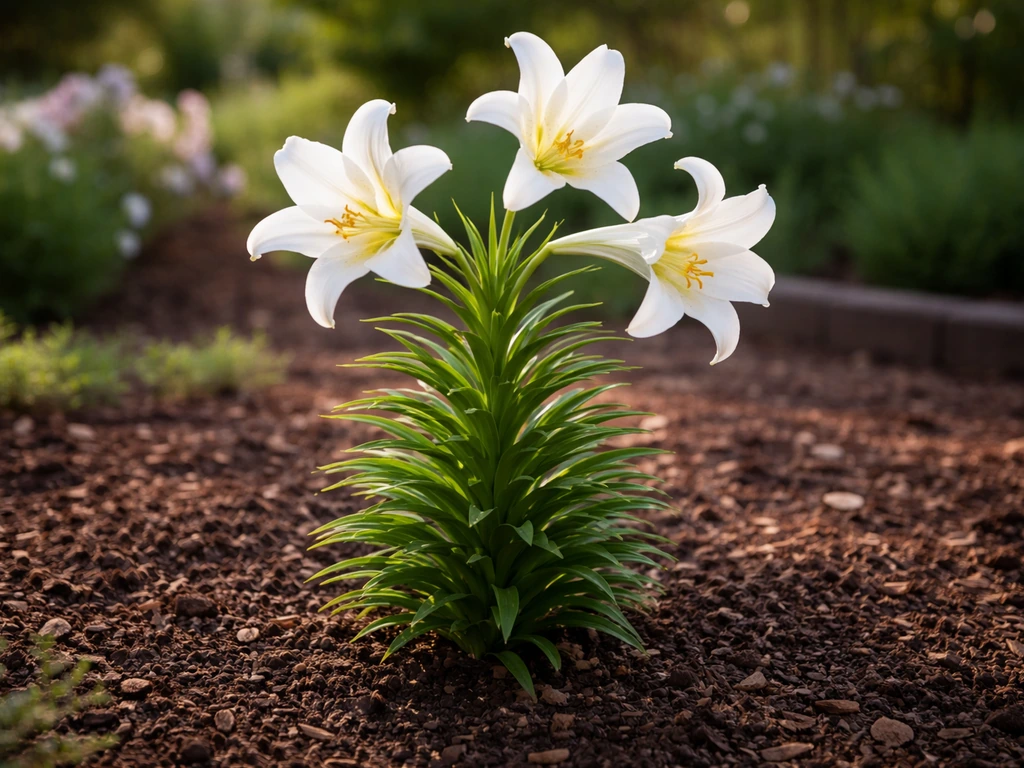
Discover where Easter lilies thrive and how to match light, soil, temperature, and watering for indoor or outdoor succes
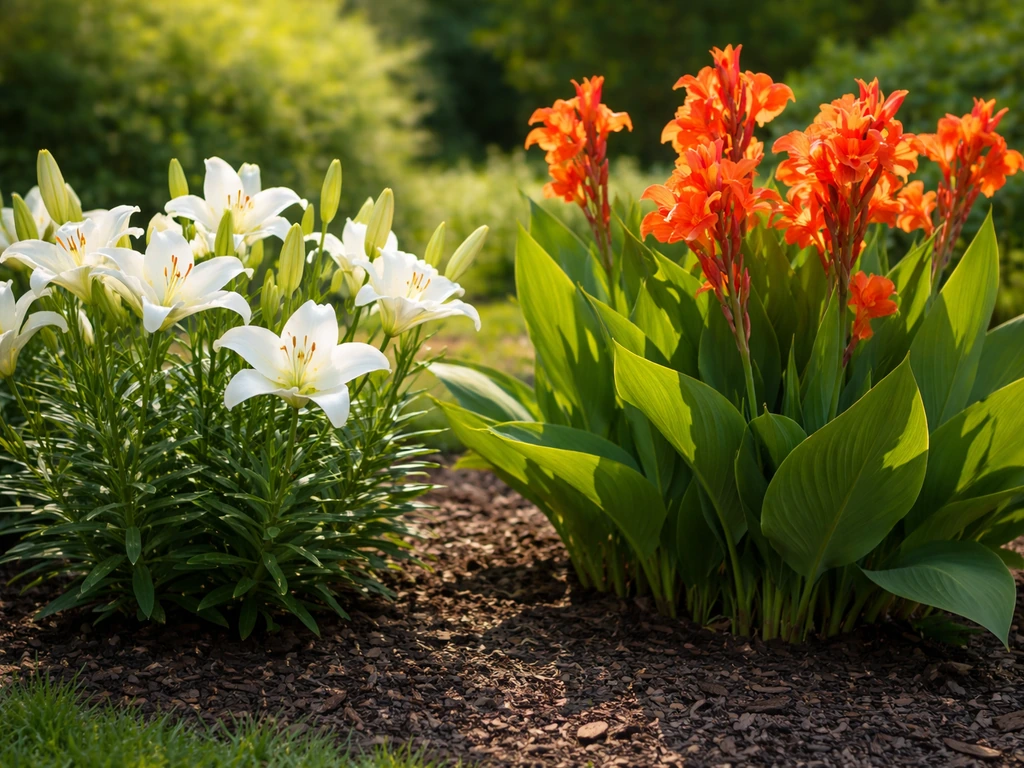
Learn if lilies and canna lilies can grow outside, with planting, light, soil, and watering tips for your climate.