
Lilies grow on almost every continent in the Northern Hemisphere, from cool temperate woodlands in North America and Eastern Asia to the tropical forest floors of Central America and the banks of streams in southern Africa. But here is the catch: the word "lily" covers wildly different plants that need completely different conditions. True lilies (Lilium) are sun-loving bulb plants for temperate gardens. Peace lilies (Spathiphyllum) are tropical shade dwellers that belong indoors. Water lilies (Nymphaea) live in ponds. Calla lilies (Zantedeschia) come from streambanks in southern Africa. Daylilies (Hemerocallis) are tough Eurasian perennials that grow almost anywhere. So before you ask where lilies grow, you need to pin down which lily you are talking about.
Where Does Lilies Grow? Native Habitats and Best Conditions
Where lilies come from naturally

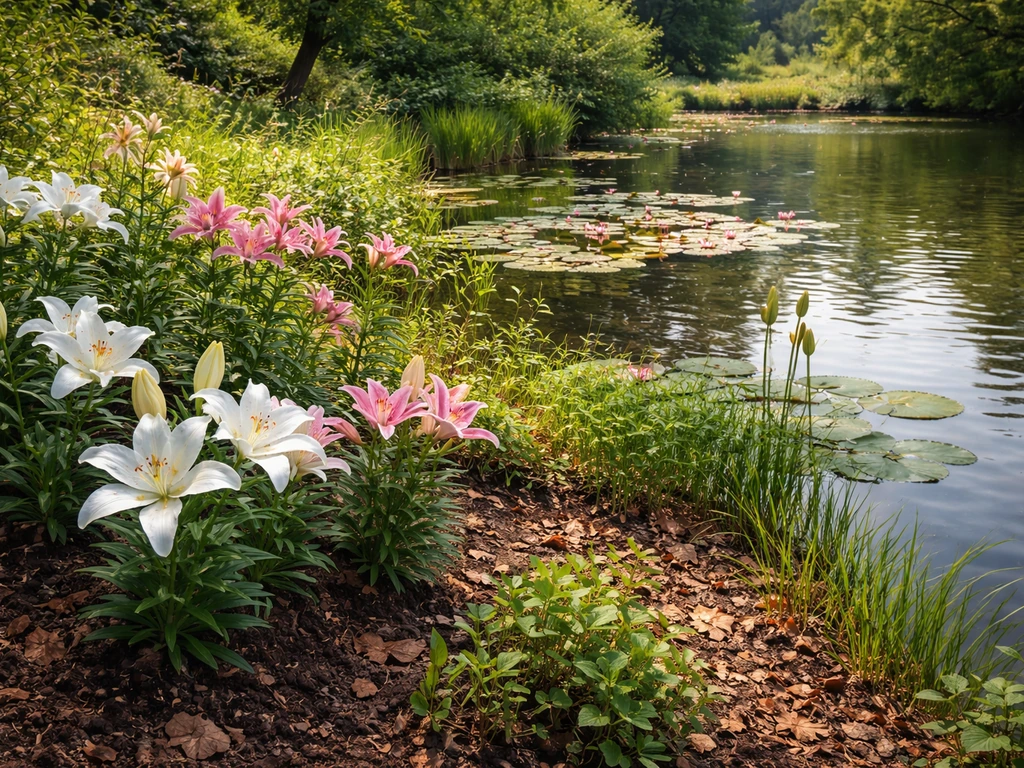
True lilies (Lilium) evolved across the temperate Northern Hemisphere. There are roughly 100 species worldwide, and the two major centers of diversity are Eastern Asia and North America. Most species come from woodland and montane habitats: cool, partially shaded slopes with well-drained, humus-rich soil. The Columbian lily, for example, grows in mountain woodlands of the Pacific Northwest. If you want to understand the deep logic of where lily species grow in the wild, the short answer is: cool, moist but well-drained ground, with at least some tree canopy overhead during the hottest part of the day.
Peace lilies are native to the humid tropical forests of Central America and northern South America, growing on shady forest floors near rivers and streams. They are understory plants, which means they evolved under a canopy that blocks direct sun.
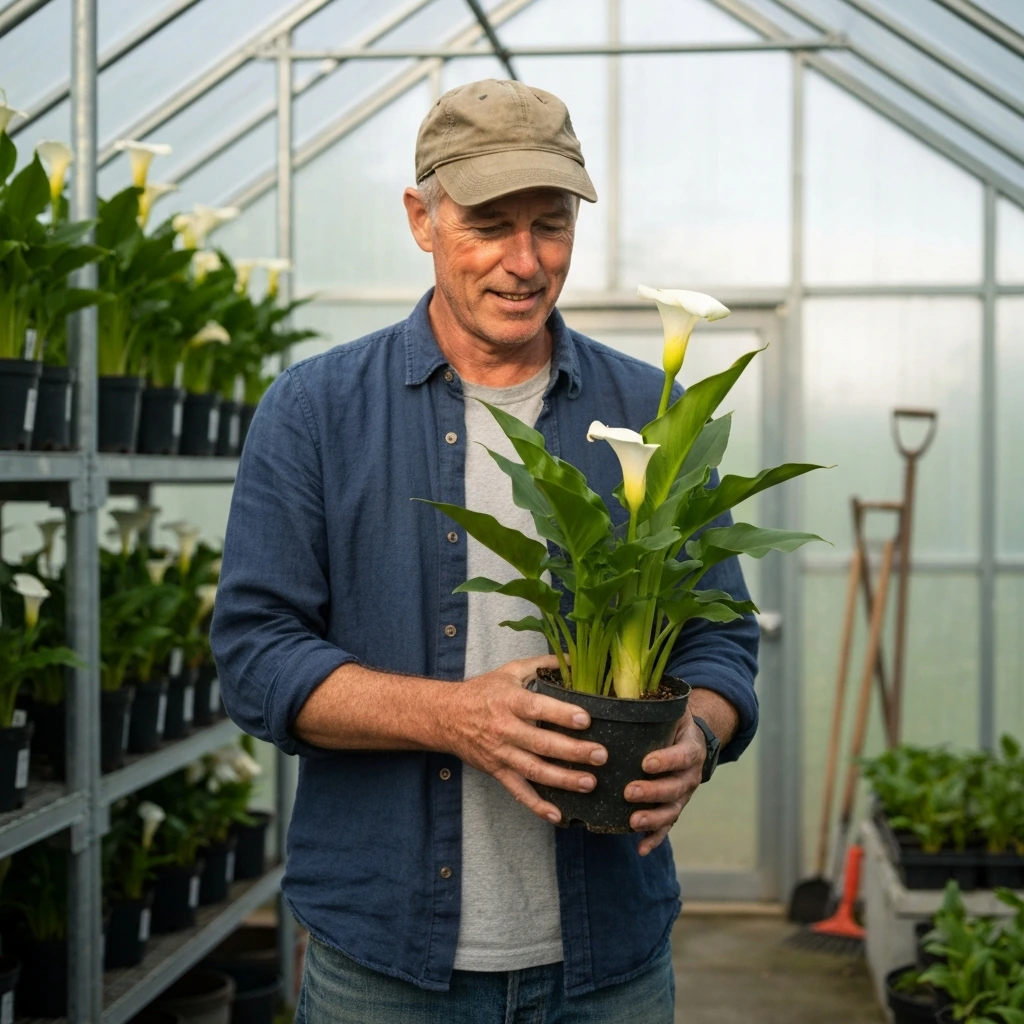
Water lilies span a huge native range: Nymphaea alba grows in European and North African ponds and canals, Nymphaea tetragona inhabits lakes and quiet streams in boreal regions above 50 degrees North latitude, and Nymphaea heudelotii is found in shallow streams and wet savannahs in Africa. Calla lilies (Zantedeschia) are native to southern Africa, from South Africa northeast to Malawi, growing along the banks of streams and ponds.
Daylilies (Hemerocallis) are native across Eurasia, with species like Hemerocallis middendorffii coming from meadows, open woods, and mountain slopes in the Russian Far East, China, Korea, and Japan.
Where each lily type actually grows: matching plant to place
This is the section most gardeners really need. The five "lily" types behave so differently that treating them as one group will get you in trouble fast. Here is a practical breakdown of where each one grows and what that means for your garden.
True lilies (Lilium): temperate garden stars
Asiatic lily cultivars are among the toughest, performing as perennials in USDA Hardiness Zones 3 through 9. Oriental lilies are a little more particular, with most performing best in Zones 4 and up. L. A.
hybrids (crosses of Longiflorum and Asiatic types) also thrive in Zones 3 to 9. These are outdoor garden plants that need real winter cold to cycle through dormancy properly. If you live in a mild-winter climate (Zone 10 or warmer), true lilies struggle to perform as perennials and often need to be treated as annuals or pre-chilled.
Thinking about when lilies grow through the season matters here too: they push up in spring, bloom in summer, and die back in fall, following a classic temperate bulb cycle.
Peace lilies (Spathiphyllum): indoor tropical plants
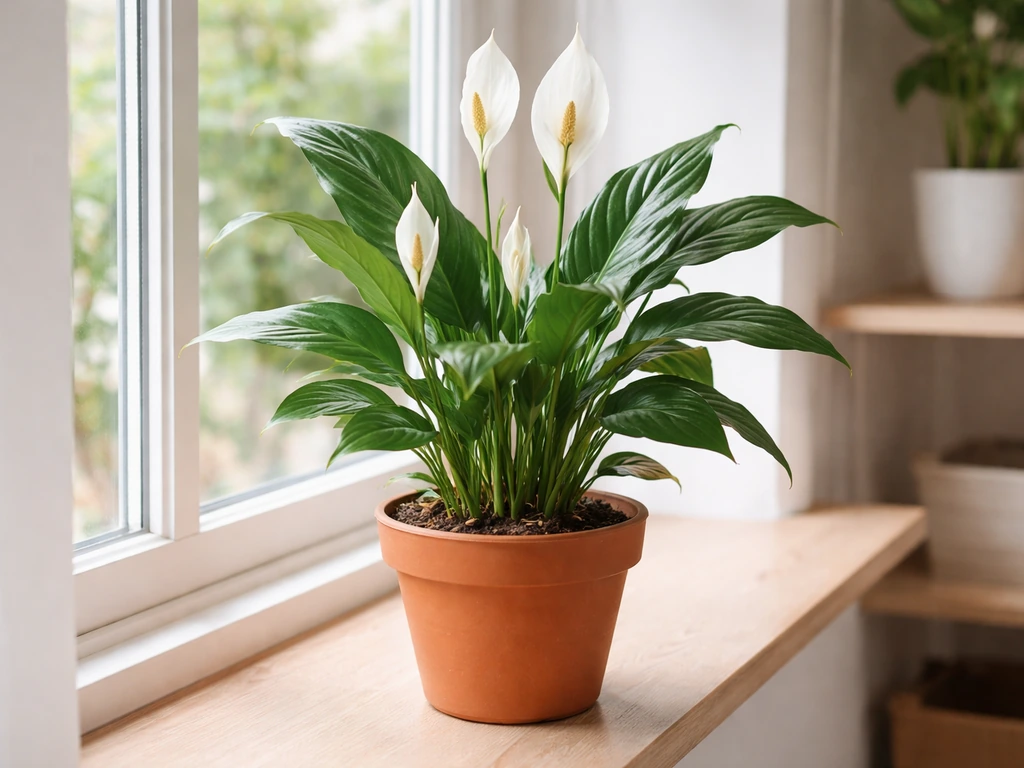
Peace lilies are not outdoor garden plants in most of North America or Europe. They are houseplants, full stop, unless you live in a frost-free tropical or subtropical climate (Zone 11 or warmer outdoors). Their native habitat is the shaded, humid forest floor, which is why they do brilliantly in low-light rooms but rot or freeze the moment temperatures drop. I killed three batches before I understood that "bright indirect light" is not just a preference for this plant, it is a hard requirement. Keep them away from direct sun and cold drafts.
Water lilies (Nymphaea): pond plants only
Water lilies need standing or slow-moving fresh water. They grow rooted in the muddy bottom of ponds, lakes, or containers filled with water, with leaves and flowers floating on the surface. North Carolina State Extension Gardener Plant Toolbox notes that Nymphaea (water lily) needs full sun, with at least 6 hours of direct sunlight per day [Nymphaea (water lily) needs full sun (6+ hours of direct sunlight a day)](https://plants. ces.
ncsu. edu/plants/nymphaea/common-name/water-lily/). Hardy varieties like Nymphaea alba survive cold winters in the pond as long as the roots do not freeze solid. Tropical varieties need warm water year-round and must either be grown in warm climates or overwintered indoors in a heated tank.
There is no soil bed in your garden that will substitute for actual water.
Calla lilies (Zantedeschia): warm-season perennials or annuals
The common calla lily (Zantedeschia aethiopica) is hardy to USDA Zone 8 and can survive Zone 7 winters with protection. In colder zones, you either treat it as an annual or dig the tubers up in fall and store them in a cool, frost-free space (a garage or shed works well) through winter, then replant in spring after the last frost. Unlike daylilies, calla lilies really do not like hard freezes, so zone matters a lot. In warm coastal climates with mild winters, they can stay in the ground year-round and even naturalize. The colorful hybrid zantedeschias (yellows, pinks, purples) are generally more tender than the white common calla and almost always need to come indoors over winter.
Daylilies (Hemerocallis): the nearly-anywhere perennial
Daylilies are the most forgiving of the group. Hardy in Zones 3 through 9, they tolerate a huge range of soil and moisture conditions. They came from meadows and open woods across Eurasia, and that heritage shows: they handle drought once established, bounce back from neglect, and naturalize along roadsides without any care. If you are a beginner or gardening in a tough climate, daylilies are almost always a safe starting choice. There is a reason you see them in abandoned lots and old farmsteads, they just do not quit.
A quick comparison across the five lily types
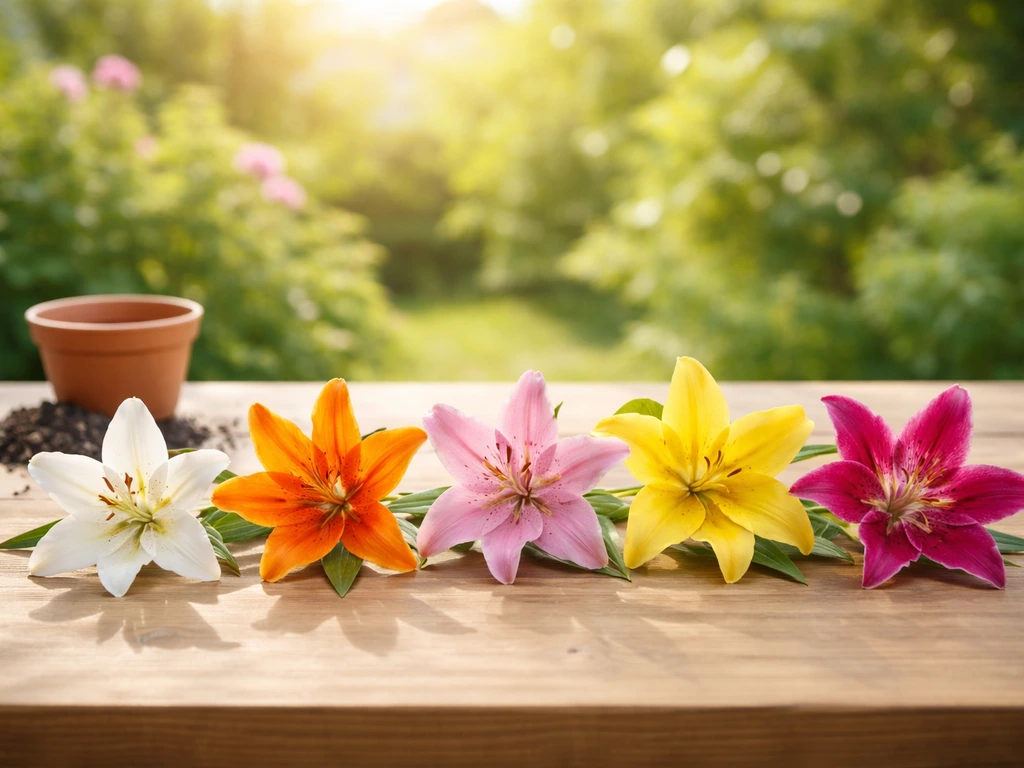
| Lily Type | Native Region | USDA Zones | Indoor or Outdoor | Key Habitat Need |
|---|---|---|---|---|
| True lily (Lilium) | Temperate N. Hemisphere | 3–9 (varies by type) | Outdoor | Well-drained soil, sun |
| Peace lily (Spathiphyllum) | Tropical Americas | 11+ outdoors | Indoor | Shade, humidity, moist soil |
| Water lily (Nymphaea) | Worldwide | Varies by species | Outdoor pond | Fresh water, full sun |
| Calla lily (Zantedeschia) | Southern Africa | 8+ (aethiopica) | Outdoor/store in winter | Moist soil, partial shade in heat |
| Daylily (Hemerocallis) | Eurasia | 3–9 | Outdoor | Adaptable, sun to part shade |
Climate and growing zones: where lilies thrive by region
For true lilies, the sweet spot is anywhere with a genuine winter. The temperate zones of the northeastern and northwestern United States, most of Canada, the UK, and northern Europe are all prime lily territory. Gardeners in the deep South (Zones 9 and 10) often find Asiatic lilies struggling to return reliably because winters do not get cold enough for proper dormancy. You can sometimes work around this by refrigerating bulbs for 6 to 8 weeks before planting, essentially giving them an artificial winter.
Calla lilies are the opposite: they come from a mild, frost-light climate in southern Africa. Zone 8 and warmer is their comfort zone. Pacific Northwest gardeners in Zone 8 often get beautiful naturalized stands of white calla lilies with zero effort. Zone 6 and 7 gardeners can grow them, but plan on lifting and storing the tubers every fall. I have found that wrapping them in barely damp newspaper inside a paper bag and keeping them in a cool garage (around 45 to 50 degrees Fahrenheit) gets them through winter reliably.
Daylilies are one of those plants that almost defies zone restrictions. Zone 3 through 9 covers everything from Minnesota to central Texas. They do slow down at the extremes: in very cold zones they may be late to emerge, and in very hot humid zones (Zone 10) some cultivars go semi-evergreen but struggle with the lack of chill. If you are gardening in a zone where more delicate lilies like lily of the valley are hard to grow, daylilies are often the reliable backup that actually delivers results.
Light, water, and soil: the conditions where lilies actually thrive
Sun: more than you might think
True lilies want at least half a day of direct sun, and more is usually better. If they are in too much shade, they lean toward the light source and the stems weaken. Six or more hours of direct sun is the practical target for Asiatic, Oriental, and LA hybrid lilies. Daylilies are similarly sun-hungry, though they tolerate light dappled shade better than true lilies. Calla lilies actually prefer partial shade in hot climates (anything above Zone 9) because full sun scorches the foliage during peak summer. Peace lilies want no direct sun at all, just bright indirect light from a window.
Drainage: the single most important factor for true lilies
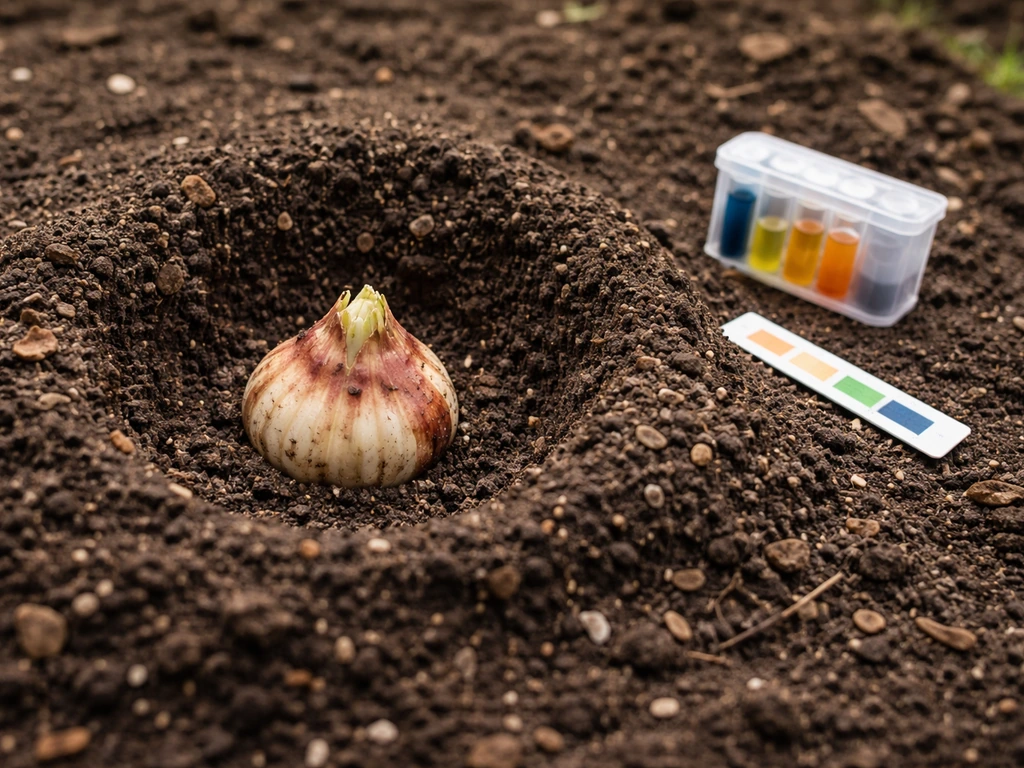
If there is one rule I would tattoo on the back of my hand for growing true lilies, it is this: drainage first, everything else second. Lily bulbs sitting in wet soil rot fast, and the Pythium root rot that kills most lily plantings is directly caused by excessive irrigation combined with poor drainage. The RHS puts it plainly: plant in well-drained soil to prevent bulbs rotting. That is not a soft suggestion. Raised beds, sandy loam, or even a gravel layer under the planting hole can make the difference between a lily that perennializes and one that disappears after the first wet winter.
Soil pH: slightly acid is the target
For true lilies and most lily types, aim for a soil pH between 6.0 and 6.8. Mississippi State University Extension is specific about this: a pH of 6.0 is optimal for healthy lilies. At the correct pH, nutrients are readily available to the roots. Go too alkaline and you start seeing yellowing leaves from iron deficiency. A simple soil pH test from any garden center costs a few dollars and takes 10 minutes. It is the cheapest diagnostic tool in your kit. For potted lilies, use a loamy, well-draining mix and aim for pH around 6.0, a target consistent with White Flower Farm's planting guidance.
Water: enough but not too much
True lilies need consistent moisture during the growing season (spring through bloom), but they absolutely must dry out somewhat between waterings. Peace lilies, by contrast, want the top inch of potting mix to dry out between waterings, then a thorough soak. Water lilies live in the water itself, rooted in aquatic soil with their crowns submerged and leaves floating. Calla lilies in active growth like reliably moist soil, which reflects their native streambank habitat, but they still need some drainage or the rhizomes rot. Daylilies, once established, handle drought better than almost any other plant on this list.
Cool roots, warm tops: the true lily sweet spot
One detail that surprises many first-time lily growers is that true lilies want their roots to stay cool even while the top growth basks in sun. This is why mulching around lily stems (but not piling mulch directly against the stem) is so effective. A 2 to 3 inch layer of organic mulch keeps the soil temperature down during summer and conserves moisture.
This also mimics the conditions lilies evolved in: sunny patches in partly shaded woodlands where leaf litter kept the ground cool. Some gardeners plant low ground covers or annuals around lily stems for the same cooling effect. If you want to go deeper on the philosophy behind this, the phrase consider the lilies how they grow takes on a genuinely practical meaning when you understand what these plants actually evolved to do.
How to pick a lily variety that fits your location
Start with your USDA Hardiness Zone. Look it up on the USDA Plant Hardiness Zone Map if you are not sure. Once you know your zone, the decision tree is pretty simple:
- Zones 3 to 9 outdoors: Asiatic lilies, daylilies, and L.A. hybrid lilies are all safe bets as perennials. Oriental lilies work from Zone 4 up.
- Zones 8 to 10: Calla lilies (especially Zantedeschia aethiopica) can stay in the ground year-round. Hardy water lilies also work well in outdoor ponds.
- Zones 6 and 7: You can grow calla lilies, but plan on lifting them in fall. Tropical water lilies need to come indoors.
- Any zone, indoors: Peace lilies work anywhere as long as you have a warm room (above 60 degrees Fahrenheit), indirect light, and a bit of humidity.
- Zone 10 and warmer: True lilies are difficult as perennials. Focus on peace lilies, tropical water lilies, and calla lilies instead.
Beyond zone, think about your specific microclimate. A south-facing slope that drains well in Zone 5 might grow Asiatics beautifully while a flat, clay-heavy Zone 6 garden kills them every time. A shaded courtyard in Zone 9 is perfect for peace lilies in a pot. Match the plant to the actual spot, not just the zip code. There is also a cultural and historical dimension to how people have thought about lilies in different landscapes, and for some readers interested in that angle, the concept of how lilies grow in biblical and historical references offers an interesting parallel to their real-world habitat story.
How to set up your garden so lilies can actually grow there
Once you have picked your lily type, the setup work is straightforward. For true lilies, the most important step before you even put a bulb in the ground is to solve drainage. The North American Lily Society also emphasizes solving drainage before planting true lilies, warning against planting where water collects or stands solve drainage. If your soil is heavy clay, either amend it deeply with coarse grit and compost, or build a raised bed at least 12 inches deep. Clay soil that stays wet in winter will kill lily bulbs reliably. Test your pH and adjust with sulfur (to lower it) or garden lime (to raise it) before planting. Target that 6.0 to 6.8 range.
For planting depth, most true lily bulbs go in 6 to 8 inches deep, measured to the base of the bulb. The exception is Madonna lily (Lilium candidum), which is planted shallowly with just an inch or two of soil covering it. Plant bulbs in fall for spring emergence, or in early spring as soon as you can work the soil. After planting, mulch the surface and mark the spots so you do not accidentally dig into the bulbs while the ground is bare.
For calla lilies in colder zones, follow this annual rhythm: plant tubers after last frost in spring, enjoy blooms in summer, dig them up before the first hard freeze in fall, dry them out for a week, then store in a cool dry place until the following spring. For colorful hybrid zantedeschias especially, this is non-negotiable unless you are in Zone 8 or warmer.
For peace lilies indoors, the setup is about the pot and the environment more than the soil. Use a well-draining potting mix, a pot with drainage holes (never a sealed decorative pot without a draining insert), and place it in a room that stays between 65 and 80 degrees Fahrenheit with no cold drafts. A bathroom with a frosted window or a bright north-facing room both work well. Group it with other houseplants to naturally raise humidity around the foliage.
Simple tests you can do right now
- Drainage test: Dig a hole 12 inches deep, fill with water, and check how long it takes to drain. If it takes more than an hour, you have a drainage problem that needs fixing before you plant lily bulbs.
- pH test: Buy a basic soil test kit at any garden center. Test your bed, and if pH is above 6.8, add sulfur; if below 6.0, add garden lime. Retest after 6 to 8 weeks.
- Sun count: Stand in your potential lily spot and count the actual hours of direct sun on a clear day in late spring or early summer. Less than 4 hours means only peace lilies or shade-tolerant daylily varieties will work well there.
- Frost date lookup: Search your zip code on the USDA frost date tool to know your last spring frost and first fall frost. This tells you exactly when to plant and when to lift tender bulbs.
- Zone confirmation: Look up your USDA Plant Hardiness Zone to make sure you are matching the right lily type to your actual cold hardiness baseline.
Growing lilies successfully is really a matter of matching the plant's evolutionary history to the conditions you can actually offer. True lilies from cool temperate woodlands want sun, drainage, and cold winters. Peace lilies from humid tropical forests want warmth, shade, and moisture. Water lilies want a pond. Calla lilies want mild winters and moist soil. Daylilies want almost nothing and still deliver. Figure out which of those conditions you can provide, and you will have found the lily that belongs in your garden.
FAQ
Why do my “lilies” fail even though the plants are labeled correctly at the store?
Plant tags often use “lily” loosely, so confirm the Latin genus. True lilies are Lilium, peace lilies are Spathiphyllum, water lilies are Nymphaea, calla lilies are Zantedeschia, and daylilies are Hemerocallis. If you cannot identify the genus, treat the plant as the type you can realistically grow in your climate (for example, peace lilies are typically houseplants unless you are in a frost-free tropical area).
Can I grow true lilies indoors, or do they need to be planted outside?
You can grow true lilies in containers indoors, but they still need winter dormancy behavior. If your home lacks real winter chill, bulbs may bloom once and then stall. Use a cool location for dormancy (near freezing but not freezing solid), keep strong light during growth, and prioritize a very free-draining mix and drainage holes to prevent rot.
How much sun is “too much” for true lilies versus daylilies?
True lilies tolerate heat better when their roots stay cool, so full sun works best if the soil does not bake. If daytime temperatures are extreme, use mulch to cool the root zone and ensure irrigation reaches the root area rather than just wetting the surface. Daylilies usually take hotter conditions better, but individual cultivars still vary, especially if they are marginally hardy for your zone.
What causes lily flowers to be short, deformed, or skipped, even when the plant survives?
The most common causes are insufficient chill (for hybrids that need dormancy), planting in shade that reduces bloom energy, and uneven moisture during the growing and bud-forming period. Bulbs that sit too wet also weaken them, leading to weak stems or fewer blooms. Check your drainage first, then adjust light and watering consistency.
Do true lilies need a specific watering schedule after they bloom?
Yes. After blooming, continue moderate moisture until the foliage yellows naturally. Premature cutting or letting the soil stay bone-dry too early can reduce the bulb’s ability to store energy for next year. Once the foliage dies back, reduce watering so the dormant bulb is not kept wet.
Is it safe to plant lilies in the same spot year after year?
Often not indefinitely. Replanting in the same bed can increase disease pressure, especially rot-related issues. Rotate away from the exact spot when possible, refresh the planting medium in containers, and avoid consistently wet conditions. If bulbs have repeatedly failed, rebuild the drainage solution rather than just adding fertilizer.
How do I prevent Pythium or other bulb rots if my soil is naturally heavy clay?
The reliable fix is drainage, not more watering control. Raised beds, deep amended beds, and planting in coarse, well-structured media reduce how long bulbs stay saturated. Improve the soil before planting, and avoid planting late when the soil is already cool and wet.
Do peace lilies need fertilizer, and when should I start?
They grow slowly and can tolerate low fertility, so start with a light dose after active growth begins (typically spring). Overfeeding can cause brown tips or weak growth without improving flowering. Use a balanced houseplant fertilizer at a reduced rate, and flush the pot with water occasionally to reduce salt buildup.
What light should I use for peace lilies if “bright indirect” keeps confusing me?
A practical test is whether you can read comfortably near the plant for most of the day without glare. If leaves are stretching and leaning, light is too dim. If you see bleaching or scorched patches, the plant is getting too much direct sun, even if it is only a few hours of sun.
How do I overwinter calla lilies in Zone 6 or Zone 7 without losing the tubers?
Lift tubers before a hard freeze, let them dry briefly (about a week), then store them cool and dry. Use breathable packing (paper bag or similar) rather than sealed plastic, and keep them in a consistent cool temperature range. Check occasionally for shriveling or rot and remove any soft spots immediately to protect the rest.
What is the fastest way to figure out which “lily type” I actually have?
Look at the growth form and where it belongs. Peace lilies have glossy, evergreen, leaf rosettes and are sold as indoor foliage plants. Water lilies have floating leaves and come from pond plants. Daylilies often look like grassy clumps with strap-like leaves and many scapes, while true lilies typically have scaly bulbs and upright stems with lily-type flowers. Calla lilies have arrow-shaped leaves and tubers or rhizomes, often sold for seasonal displays.
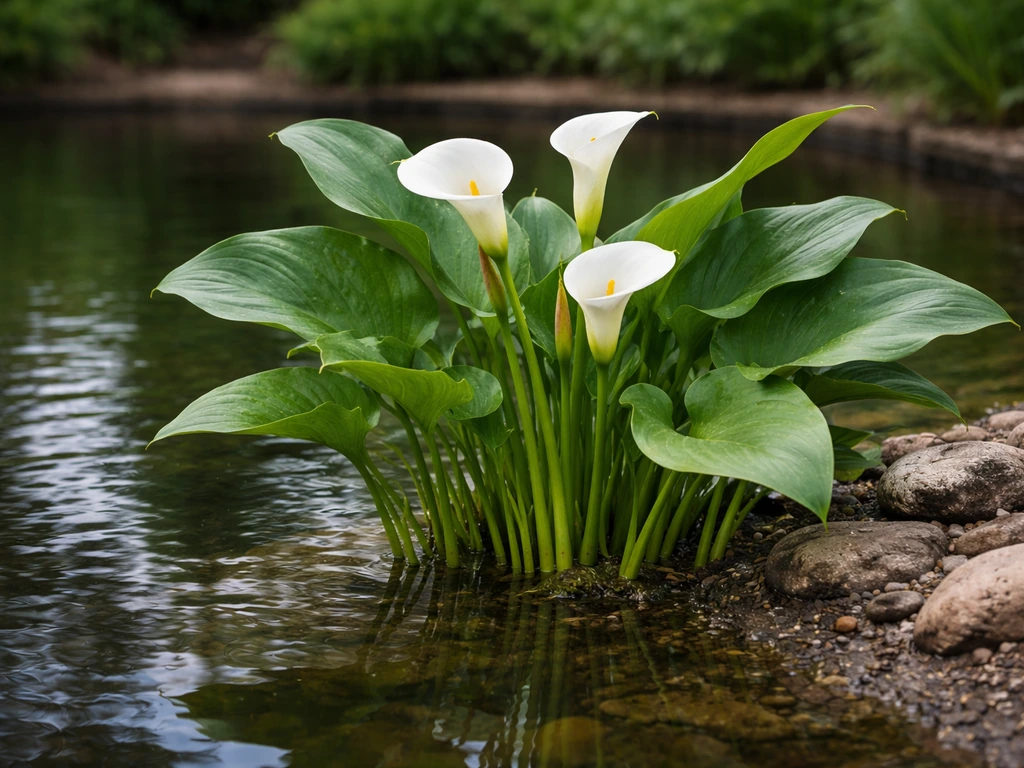
Yes, with the right setup: water depth, substrate, anchoring, light, and overwinter care for pond or marginal calla lili
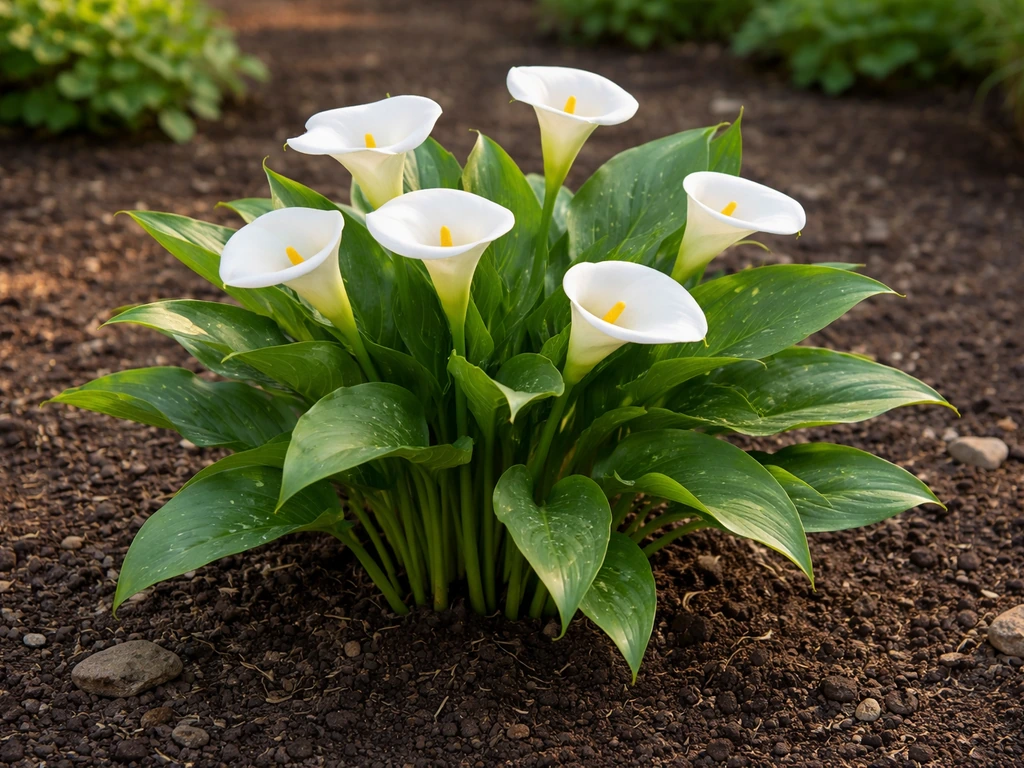
Get a clear answer on are calla lilies hard to grow, plus exact light, temperature, watering, planting, and fixes.
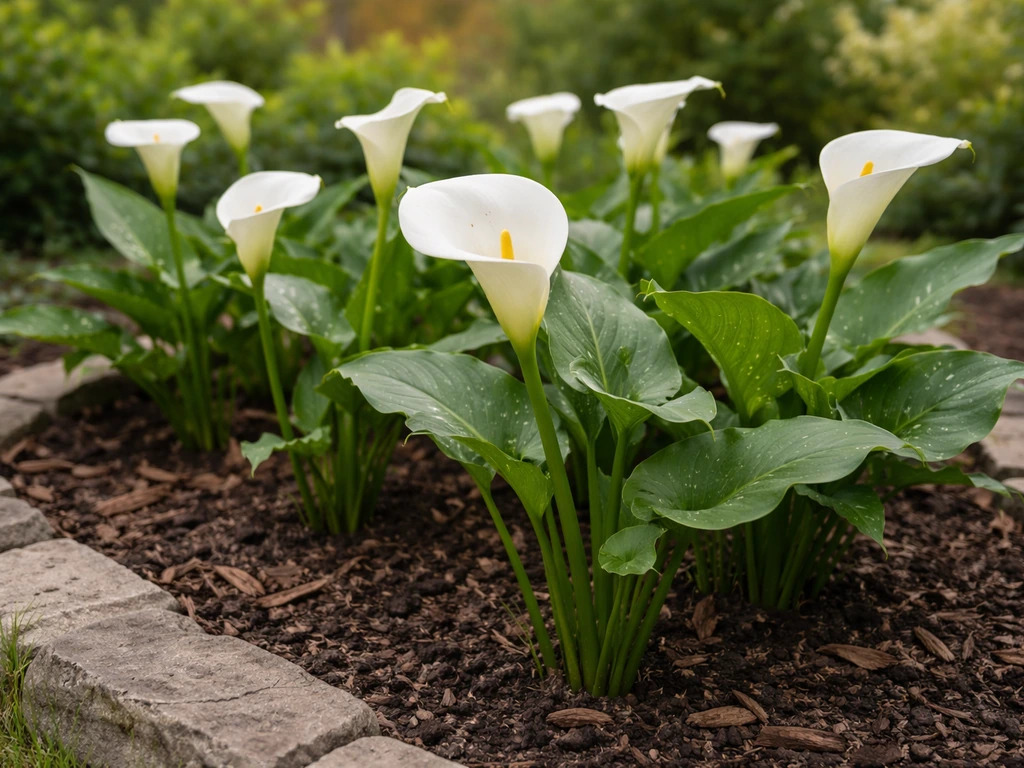
Yes, calla lilies can grow outside. Learn climate, light, soil drainage, planting timing, and fixes for no growth.