
Lilies will grow in a surprisingly wide range of places, but only if you match the right type of lily to the right conditions. That's the catch most beginners miss. The word "lily" gets slapped onto several completely different plants, and what works beautifully for one will kill another fast. So before you dig a single hole, let's get clear on what kind of lily you actually have, then figure out exactly where it will thrive.
Where Lily Grow: Best Conditions and Locations for Lilies
Marcus Hendricks
4 Apr 2026
True lilies vs. peace lilies, calla lilies, and water lilies
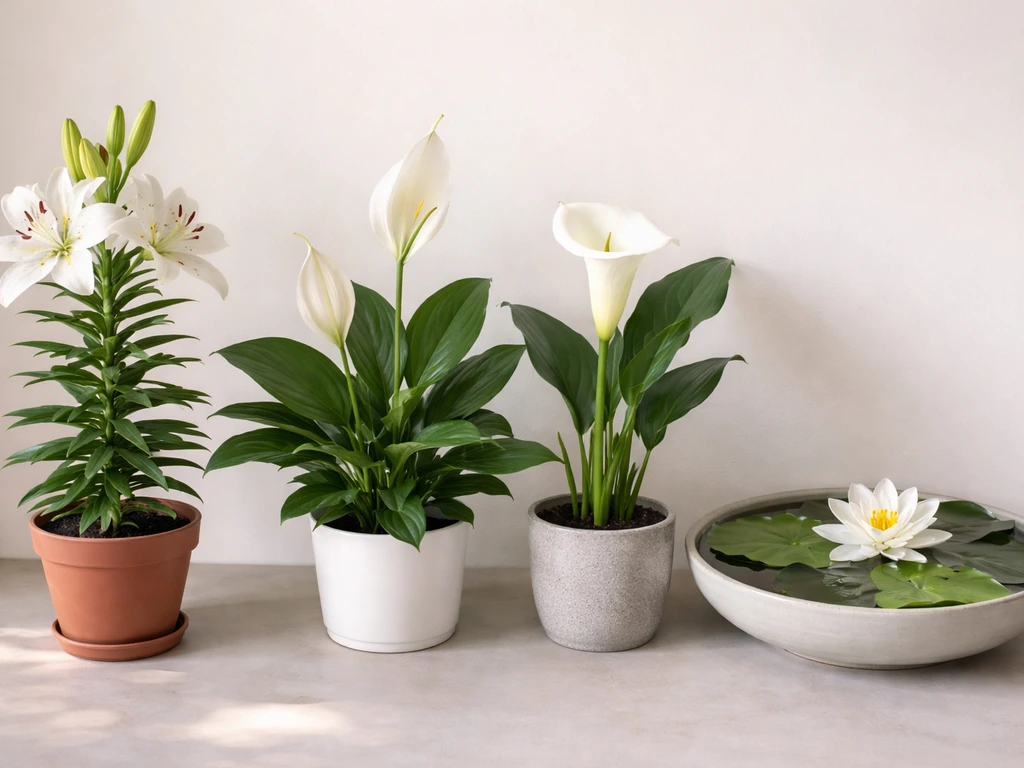
This is the most important clarification in the whole article, so I'm putting it first. True lilies belong to the genus Lilium, and that's what most people mean when they talk about garden lilies: Asiatic lilies, Oriental lilies, trumpet lilies, and species like Canada lily (Lilium canadense). These grow from scaly bulbs and are typically cold-hardy perennials.
The plants that cause the most confusion are peace lilies (Spathiphyllum), calla lilies (Zantedeschia), and water lilies (Nymphaea or Victoria). None of these are true lilies. They're entirely different genera with completely different growing requirements. Calling them lilies is just a common naming tradition, not a botanical fact. If you want to know more about how people have thought about lilies throughout history and culture, there's a surprisingly interesting rabbit hole around how lilies are described in the Bible, where the term was used just as loosely.
Here's why this matters practically: peace lilies are tropical houseplants that hate cold drafts. Calla lilies prefer moister conditions than true lilies and can't be treated like hardy bulbs in colder climates. Water lilies are fully aquatic and need pond depth, not garden soil. If you treat any of these like a Lilium bulb, you'll be frustrated fast. Keep this distinction in mind throughout the article.
Where lilies grow naturally and what that tells you about your yard
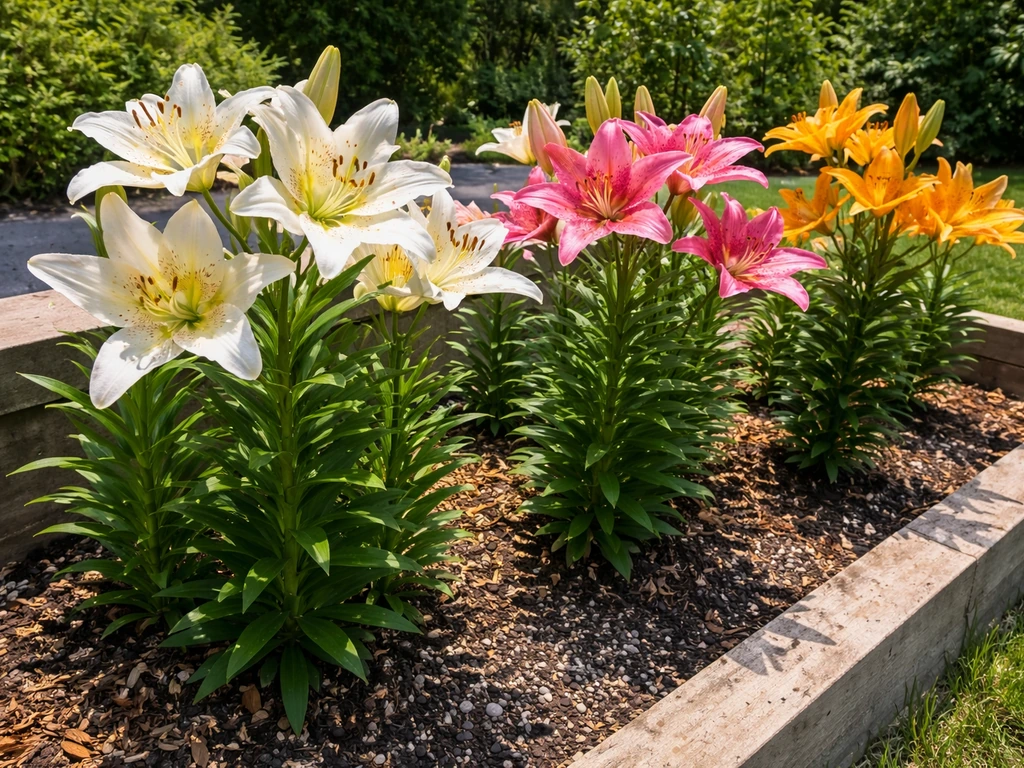
True lilies (Lilium) are native across a huge geographic range, from Europe through much of Asia all the way to Japan, and across North America. That range gives you a clue: they're adaptable, but not infinitely so. In the wild, Lilium species divide roughly into two habitat camps: woodland edge and montane meadows (think cooler, partly shaded spots with well-drained, organic-rich soil) versus open grasslands and meadows (more sun, better drainage, moderate moisture). Understanding which camp your lily variety comes from helps you pick the right spot.
North American native lilies are a good illustration. Lilium canadense, the Canada lily, is native from Ontario and Nova Scotia south to Georgia and Alabama, and it grows in moist meadows and forest edges. Meanwhile, Lilium philadelphicum is much pickier, preferring cooler high-elevation meadows and forest openings in the southern Appalachians. And Lilium superbum is one of the few true lilies comfortable in swamps, wet woods, and wet meadows. So "where do lilies grow" doesn't have one single answer even within the Lilium genus, which is exactly why understanding where different lilies grow by species matters so much.
For garden purposes, most popular hybrid lilies, including Asiatics, Orientals, and LA hybrids, are treated as perennials in USDA Hardiness Zones 3 through 9. That covers most of the continental United States and a good chunk of Canada. Outside that range, either the winters are too brutal or the summers are too hot and dry to support reliable perennial growth.
Light and temperature: the fastest way to tell if your spot works

Here's the quick test: stand in your proposed planting spot and count how many hours of direct sun it gets on a typical summer day. Most true lilies want at least six hours of direct sun, and they'll do best with full sun. They'll tolerate partial shade, but flowering drops off noticeably. The exception to keep in mind is that in very hot climates, some shade in the afternoon actually helps prevent scorching and stress.
The RHS recommends an ideal setup where the lily stems get full sun but the base of the plant stays cooler, either naturally shaded by neighboring plants or by a layer of mulch. This mimics the woodland edge conditions many species evolved in, where the canopy shades the ground but gaps let light reach the upper stems and flowers.
Temperature is where the lily types really diverge. True Lilium bulbs are built for winter cold. In fact, chilling is part of their growth cycle. Peace lilies (Spathiphyllum) are the opposite: temperatures between 40 and 60°F will slow their growth noticeably, and a cold draft from a window can stress them significantly. Calla lilies sit somewhere in between, tolerating more warmth than true lilies but not the indoor conditions that peace lilies prefer. Don't assume your experience with one carries over to another.
Soil and drainage: where lilies thrive and where they fail
If there's one rule that experienced lily growers repeat more than any other, it's this: drainage matters more than almost anything else. True lilies will rot in waterlogged soil. Full stop. I've watched gardeners lose entire beds of beautiful Asiatic bulbs over winter not because of cold, but because the soil held water around the bulbs during dormancy. The RHS is blunt about this: lilies must be planted in well-drained soil and must not be left waterlogged.
The ideal soil for most true lilies is well-drained, moderately fertile, and slightly acidic, with a pH of around 5.0 to 6.5. Enriching it with leaf mould or well-rotted organic matter improves both drainage and nutrient availability. If your native soil is heavy clay that holds moisture, you have two practical options: amend it heavily with grit or organic matter to improve percolation, or build a raised bed. The North American Lily Society specifically recommends raising the bed when drainage is naturally poor, and this is genuinely the most reliable fix.
When you plant, depth matters too. A general rule is to plant bulbs at a depth of about three times their height. So a 2-inch bulb goes in roughly 6 inches deep. This buffers the bulb against temperature swings and gives the stem roots that many lily varieties produce room to develop. For container growing, aim for at least 1 to 2 inches of soil beneath the bulb, though matching outdoor depth isn't always possible in pots.
Water needs by lily type: dry-to-moist vs pond conditions
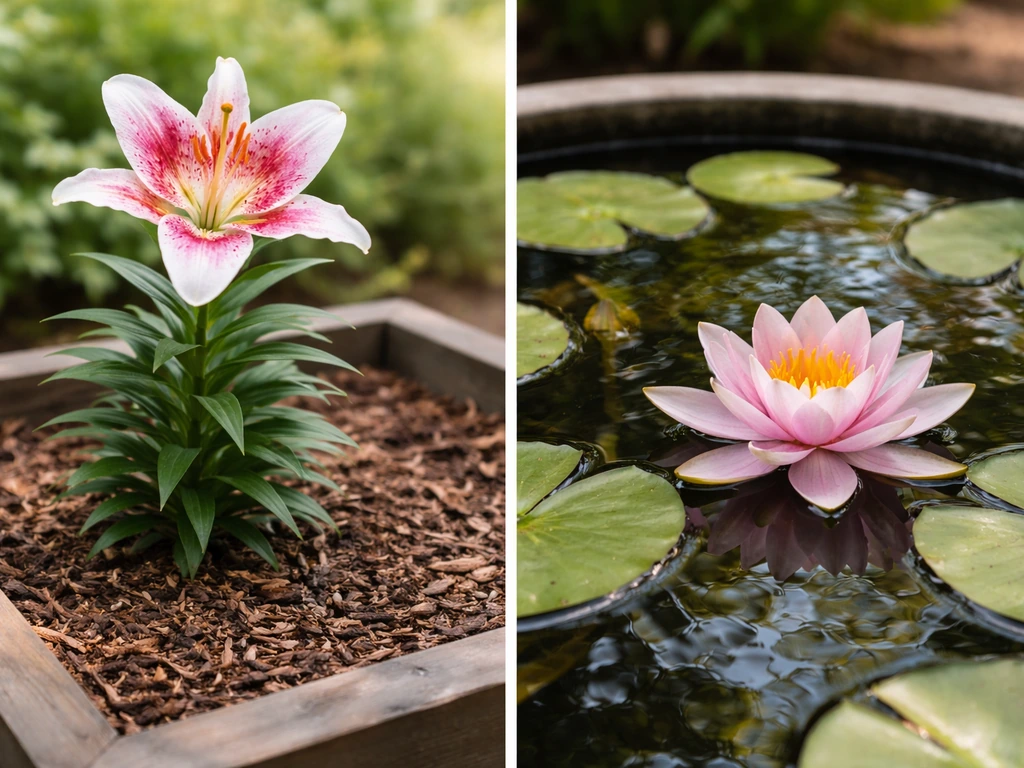
Water requirements split sharply along lily type lines, and getting this wrong is one of the most common gardening mistakes I see.
| Lily Type | Genus | Water Preference | Key Rule |
|---|---|---|---|
| True lilies (Asiatic, Oriental, etc.) | Lilium | Dry to moderately moist; never waterlogged | Well-drained soil is non-negotiable |
| Peace lily | Spathiphyllum | Consistent indoor moisture; water from below works well | Do not let it sit in cold water or dry out completely |
| Calla lily | Zantedeschia | Moist conditions; more moisture-tolerant than Lilium | Not as drought-tolerant as true lilies; prefers some humidity |
| Water lily | Nymphaea / Victoria | Fully aquatic; needs pond depth | Crown must be at least 6 inches below water surface; 8–10 inches is a safe range |
For true lilies, the goal is soil that drains freely between waterings but doesn't dry out to the point of stress during active growth. Think of it as moderately moist, not soggy and not bone dry. During dormancy, dryness is actually preferable to dampness.
Water lilies (Nymphaea) are a completely different situation. These are aquatic plants grown by setting their rhizomes or roots into pond soil media, then submerging them so the crown sits at least 6 inches below the water surface, with 8 to 10 inches being a comfortable working range for hardy varieties. They are not houseplants, and they won't grow in regular potting mix. If you want that floating-leaf pond look, you need an actual pond or large water feature. Whether lily of the valley is hard to grow is a question I get alongside water lilies a lot, and the answer for both comes down to getting the moisture environment exactly right.
Indoor vs outdoor growing: where lilies work in pots, containers, and rooms
True Lilium bulbs in containers
True lilies can absolutely be grown in containers, both outdoors on a patio and forced indoors for a display. For container growing, drainage is even more critical than in the ground because pots retain moisture differently. Mix in grit or peat-free amendments to keep the mix open and draining well. Plant the bulb with at least 1 to 2 inches of soil beneath it, keep the pot in a cold but non-freezing location like an unheated shed or cold frame during the chilling period, then bring it into warmth to trigger flowering. About six weeks after bringing the pot indoors into warmth is a reasonable target for seeing blooms, though timing varies.
Peace lilies indoors
Peace lilies are almost exclusively indoor plants in most climates. They evolved as tropical understory plants, so they prefer bright indirect light rather than direct sun, consistent warmth above 60°F, and regular moisture. Watering from below works well for them. Keep them away from cold windows and air conditioning vents. Unlike true lily bulbs, they don't want or need a cold dormancy period. If you've been wondering when lilies actually grow and you're asking about a peace lily, the answer is year-round with the right indoor conditions.
Calla lilies indoors and outdoors
Calla lilies (Zantedeschia) can go either way depending on your climate. In warmer zones, they're grown outdoors in garden beds or patio containers. In cooler climates, the rhizomes are often dug up for winter and stored, or grown as indoor/greenhouse plants. Light preference is full sun to partial shade, with afternoon shade being particularly helpful in hot climates. Unlike true lilies, they're more tolerant of moist conditions, but they still shouldn't sit in standing water.
How to choose the right lily for your location
This is really the practical core of everything above. Before you buy anything, work through these questions honestly. The answers will tell you which lily type and variety actually belongs in your space. Thinking about what lilies need to grow well is really about matching plant to place, not the other way around.
- What is your USDA Hardiness Zone? Most true lily hybrids (Asiatic, Oriental, LA) thrive in Zones 3–9. If you're outside that range, you'll need to treat them as annuals or grow them in containers you can bring inside.
- How many hours of direct sun does your planting spot get? Six or more hours is ideal for true lilies. Less than four hours and you'll see reduced flowering. Peace lilies want bright indirect light, not direct sun.
- What's your soil drainage like? Dig a hole about 12 inches deep, fill it with water, and see how long it takes to drain. If it's still holding water after an hour, you have a drainage problem. Fix it with raised beds or amendments before planting Lilium bulbs.
- What's the soil pH? Aim for 5.0 to 6.5 for most true lilies. A basic soil test (available at garden centers or through your local extension office) takes the guesswork out.
- Do you have a pond or water feature? If yes, water lilies (Nymphaea) are a real option. If not, don't try to fake it with containers of standing water—water lilies need proper pond depth and pond soil media.
- Are you growing indoors or outdoors? If indoors and you want low-maintenance, peace lilies are the practical choice. If you want true lilies indoors, container forcing is doable but requires a chilling period and more attention to drainage.
- What's your climate like in summer? Very hot, dry summers stress many true lily species. Look for heat-tolerant Asiatic hybrids, or choose a spot with afternoon shade if you're in Zone 8–9.
If your spot fails more than two of these checks, don't force the issue. Either fix the problem first (raise the bed, improve drainage, add a shade structure) or choose a different lily type that fits your actual conditions. Matching the plant to the place is always more reliable than trying to reshape your garden around a plant that doesn't belong there.
One last practical note: if you're drawn to true lilies but your conditions aren't quite right yet, it's worth exploring the full range of Lilium species before giving up. Some, like Lilium superbum, tolerate wetter conditions than most hybrids. Others, like Lilium canadense, are naturals in cooler eastern climates. The variety you pick should be driven by your habitat conditions first, flower color second. Get that order right and lilies can be some of the most rewarding plants you grow.
FAQ
How do I know if my yard has enough sun for where lily grow, especially if my shade changes through the day?
Measure sun during the season when the lily will be actively growing (typically spring through early summer). A spot that gets 5 to 6 hours in spring but becomes more shaded in midsummer can reduce flowering even if it looks fine earlier.
What’s the best way to test drainage so I don’t plant where lily grow in waterlogged soil?
If your soil stays wet for days after rain, treat it as poor-drainage rather than “moderately moist.” For true lilies, that usually means you should amend heavily with grit and organic matter or switch to a raised bed before planting, because winter rot often starts while bulbs are dormant.
When is the worst time to plant lily bulbs in the ground, given the drainage issue?
Most true lilies don’t like sitting in cold-wet soil, so avoid planting right before a prolonged rainy period. If you must plant during wet weather, raise the bed and make sure the planting area is on a slope or has extra grit so water clears quickly from around the bulb.
Do lilies need to be planted in acidic soil, and what should I do if my soil pH is too high?
For true lilies, slightly acidic pH (around 5.0 to 6.5) supports nutrient availability. If your pH is consistently higher, you can lower it over time with acidifying amendments, but focus first on drainage and planting depth because those prevent the most common failures.
How exact does planting depth need to be, and what changes if I have heavy clay?
Planting depth matters, but the “three times the bulb height” rule can be adjusted for heavy soils. In dense clay, plant a bit shallower only if you’re raising and improving drainage, otherwise rot risk rises. When in doubt, prioritize well-drained media and raised beds.
Can true lilies be forced in containers, and what are the most common container-specific mistakes?
Yes, but you need more controlled chilling and drainage than in the ground. Keep containers cold but non-freezing, use a very free-draining mix with grit, and ensure excess water can drain completely. When you bring it into warmth, don’t move it into harsh direct sun immediately, acclimate over several days.
How should watering change from active growth to dormancy for where lily grow best?
For true lilies, water during active growth so the soil is moist but empties freely between waterings, then let it dry more during dormancy. If you water on a strict schedule without checking soil moisture, you’re more likely to create soggy conditions that lead to bulb rot.
If I see conflicting advice online about lilies outdoors, how can I tell whether my plant is a peace lily versus a true lily?
Because peace lilies are not hardy “lily bulbs,” the outdoor temperature and drafts are the deciding factors. They typically do best indoors with bright indirect light and stable warmth, so any plan based on USDA cold hardiness for garden lilies usually fails.
How do I overwinter calla lilies if my climate is cooler, and what storage conditions prevent rot?
Calla lilies can be grown outdoors in warm regions, but they still dislike standing water. In cooler climates where they are dug up or grown in pots, store rhizomes in a cool, dry, frost-free area. If they are kept too wet during storage, they can rot before the next season.
Where lily grow in water, what depth and setup do I actually need for water lilies?
Water lilies require pond depth and pond soil media, they will not thrive in regular potting mix. As a quick rule, hardy water lilies are usually happiest with the crown set at least several inches below the surface, and deeper placement can help stabilize temperature and reduce algae stress.
Next Articles
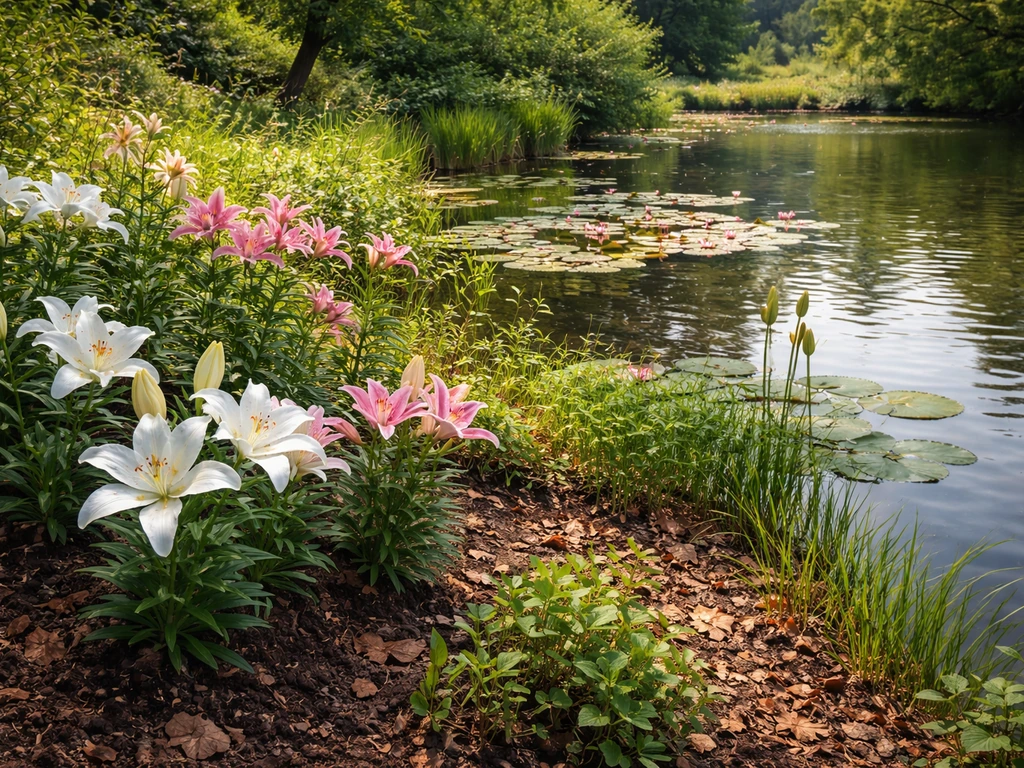
Where Does Lilies Grow? Native Habitats and Best Conditions
Find where lilies grow naturally and best thrive, plus tips to match true lilies and lookalikes to your climate and soil
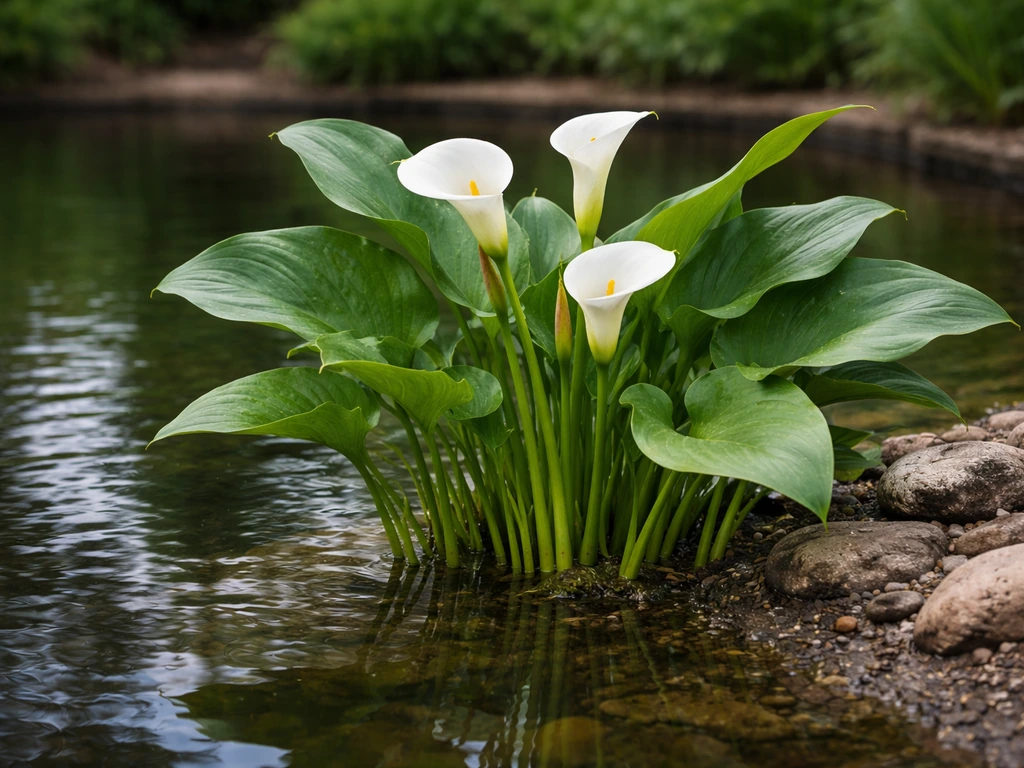
Can Calla Lilies Grow in Ponds? How to Set Up Successfully
Yes, with the right setup: water depth, substrate, anchoring, light, and overwinter care for pond or marginal calla lili
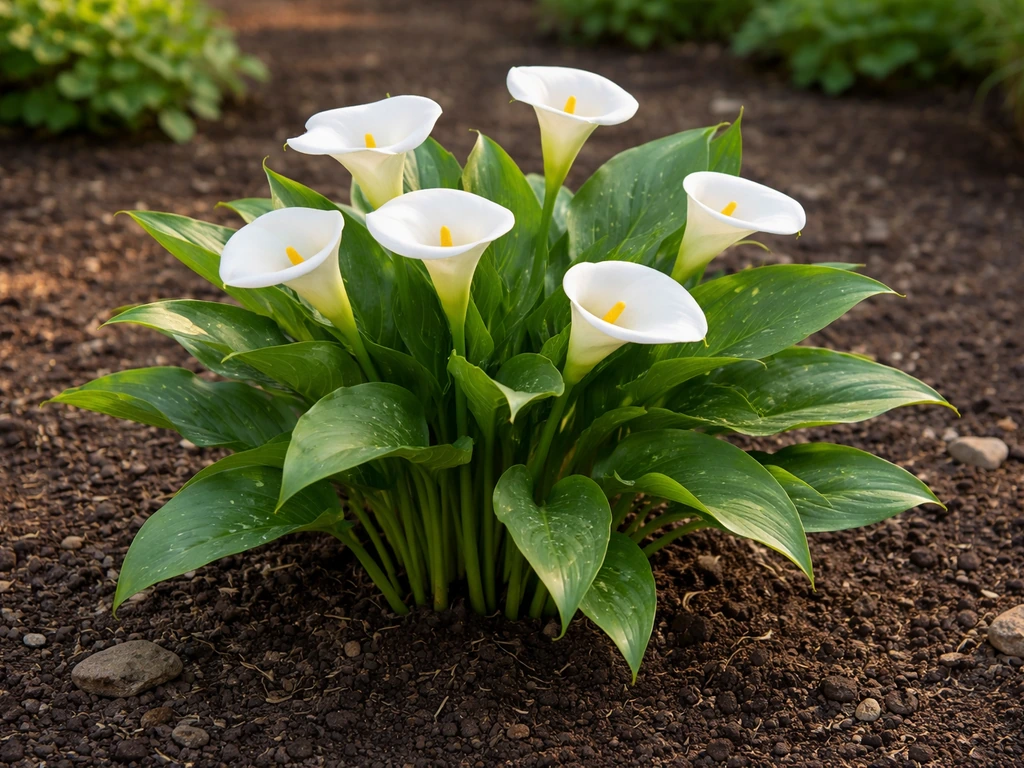
Are Calla Lilies Hard to Grow? Easy Guide for Success
Get a clear answer on are calla lilies hard to grow, plus exact light, temperature, watering, planting, and fixes.