The short version: if you live in USDA Hardiness Zones 3 through 8, have a shady or partly shady spot, and can keep the soil consistently moist without waterlogging it, lily of the valley is about as close to a 'plant it and forget it' perennial as you'll find. Outside those conditions, it becomes a battle you'll likely lose. Keep reading and I'll walk you through exactly what setup makes this plant thrive.
Light, shade, and where to actually put it
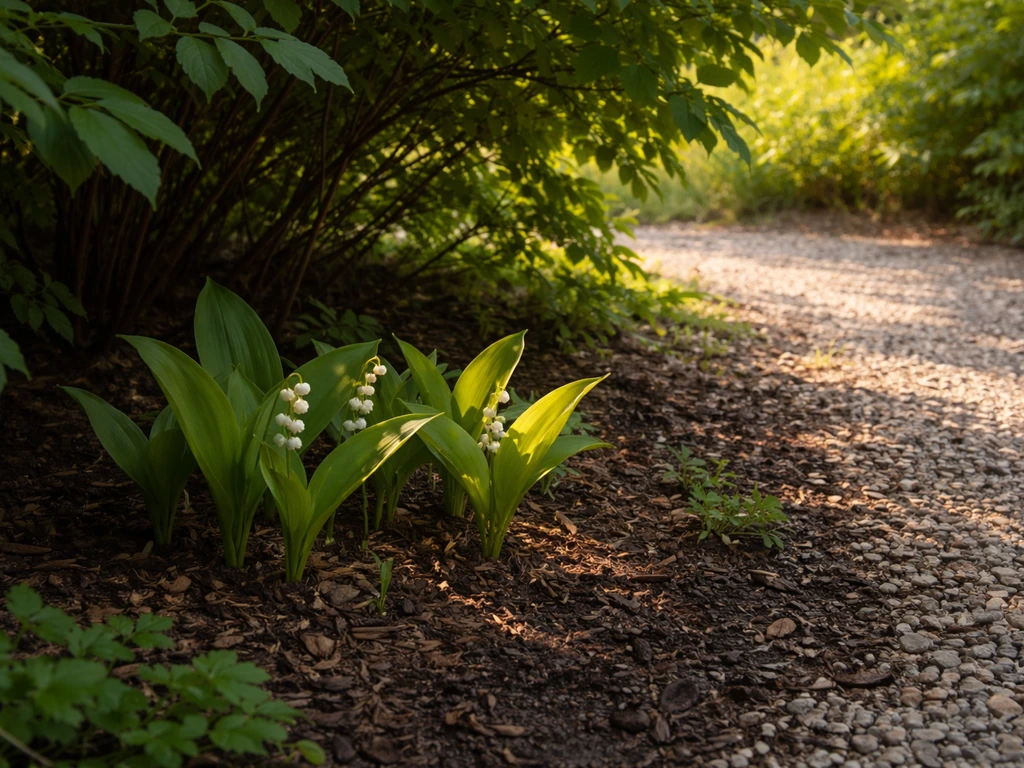
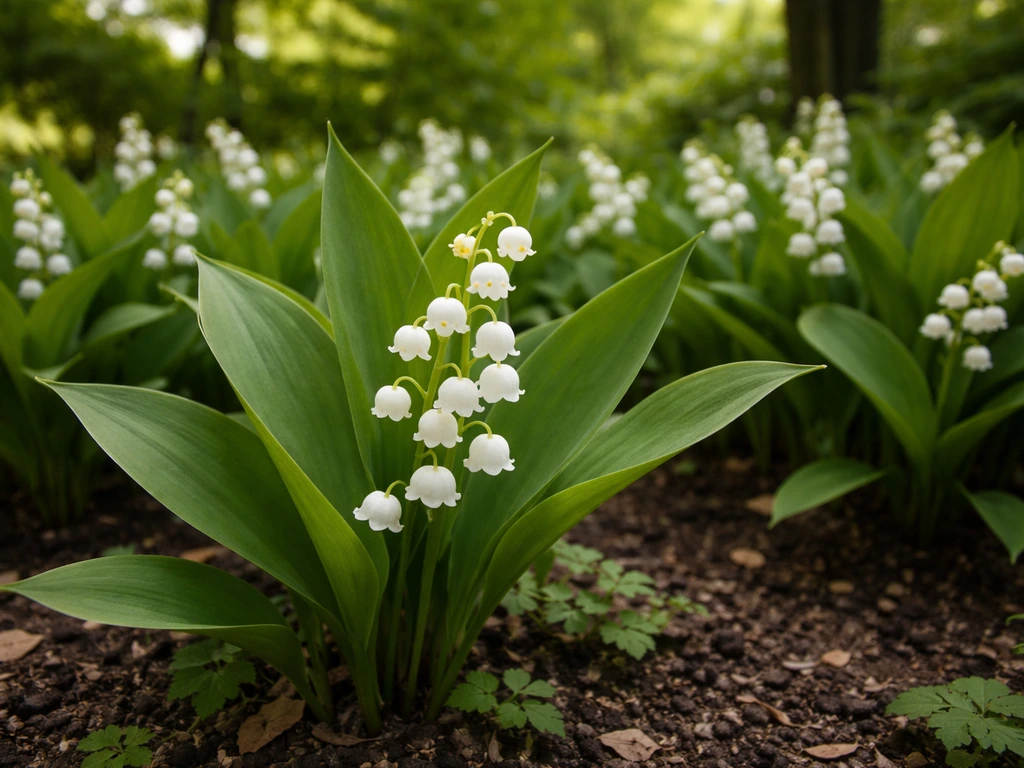
Lily of the valley wants shade or part shade. Full sun is the fastest way to kill it or at least make it miserable. Think of it as a woodland plant, because that's exactly what it is in the wild. You can also adjust where lily grow based on your yard, aiming for filtered woodland-style light rather than direct sun woodland plant. A spot under deciduous trees, on the north or east side of a building, or anywhere that gets morning light and afternoon shade is ideal. If you want to know where lily grow best, aim for that cool, shaded spot with steady moisture and rich soil. If you can give it dappled light for most of the day, even better.
A common mistake is assuming 'part shade' means a couple of hours of midday sun. For lily of the valley, part shade means something closer to filtered light or a few hours of gentle morning sun, not direct afternoon exposure. In hotter climates, even morning sun can stress the plant if temperatures are climbing. The rule I follow: if the soil dries out within a day in that spot during summer, it's too much sun.
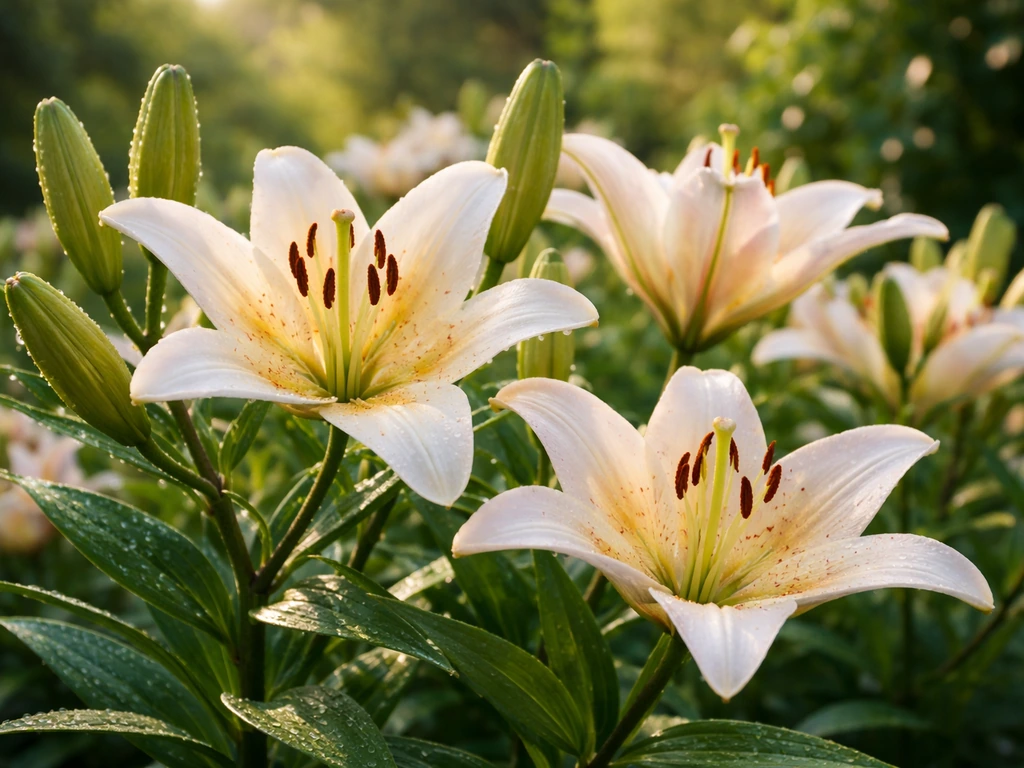
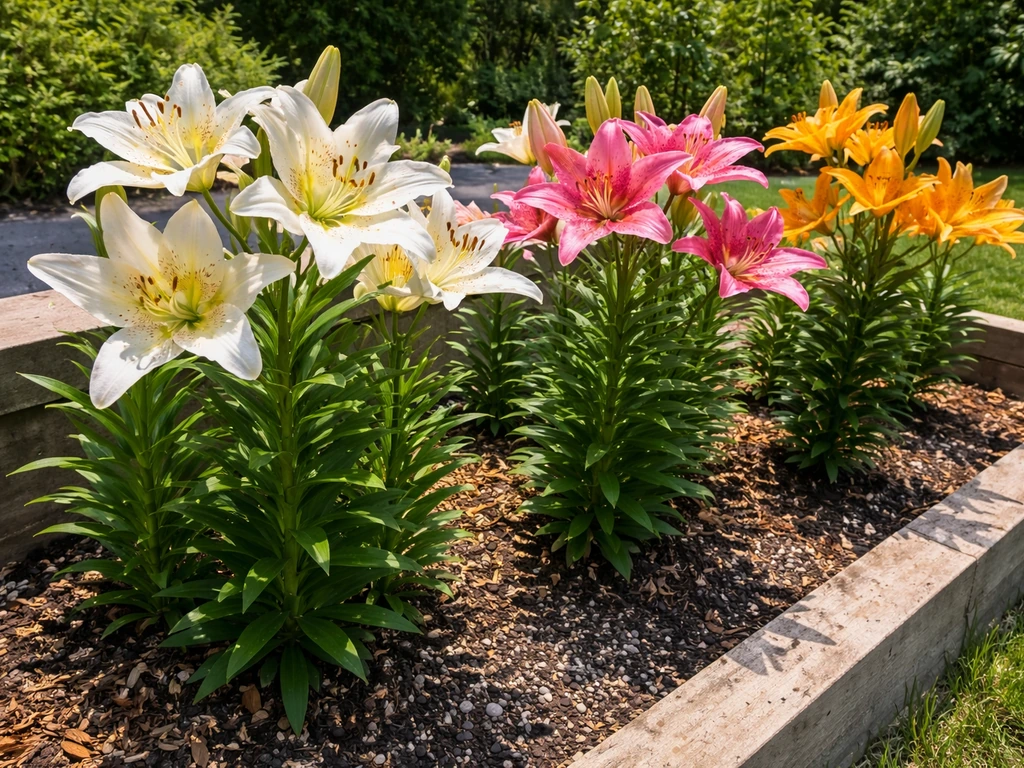
One real benefit of this shade tolerance is that lily of the valley fills in spaces where most other flowering plants refuse to grow. It's one of the better options for dry shade under established trees, though it does still need consistent moisture to flower well. If you're comparing it to other plants across this site's coverage, it's notably more shade-tolerant than Asiatic lilies or daylilies, which need full sun to bloom reliably.
Soil, moisture, and getting the watering right
Lily of the valley likes rich, humus-heavy soil that holds moisture but drains well. A target pH of 6.0 to 6.5 is the sweet spot, though the plant is actually fairly forgiving of pH and can grow in both acidic and alkaline soils as long as organic matter is present. If your soil is heavy clay or sandy and poor, amend it with compost before planting. That one step solves most of the 'it just won't establish' complaints I hear.
Moisture consistency is everything with this plant. The soil should feel evenly moist during active growth, from spring through early summer especially. A good baseline is a deep watering about once a week, then adjusting based on rainfall and temperature. In a shady spot with decent organic matter in the soil, you may barely need to water at all after the first season.
Overwatering is just as damaging as drought. If the soil stays soggy for extended periods, the roots can't get enough oxygen and they begin to die off. You'll see yellowing leaves, poor growth, and no flowers. The fix is usually improving drainage before planting, whether that means raising the bed slightly or working in gritty compost. Once you've waterlogged a planting for a season, recovery is slow. It's much easier to get drainage right from the start.
Planting basics: timing, depth, spacing, and using pips
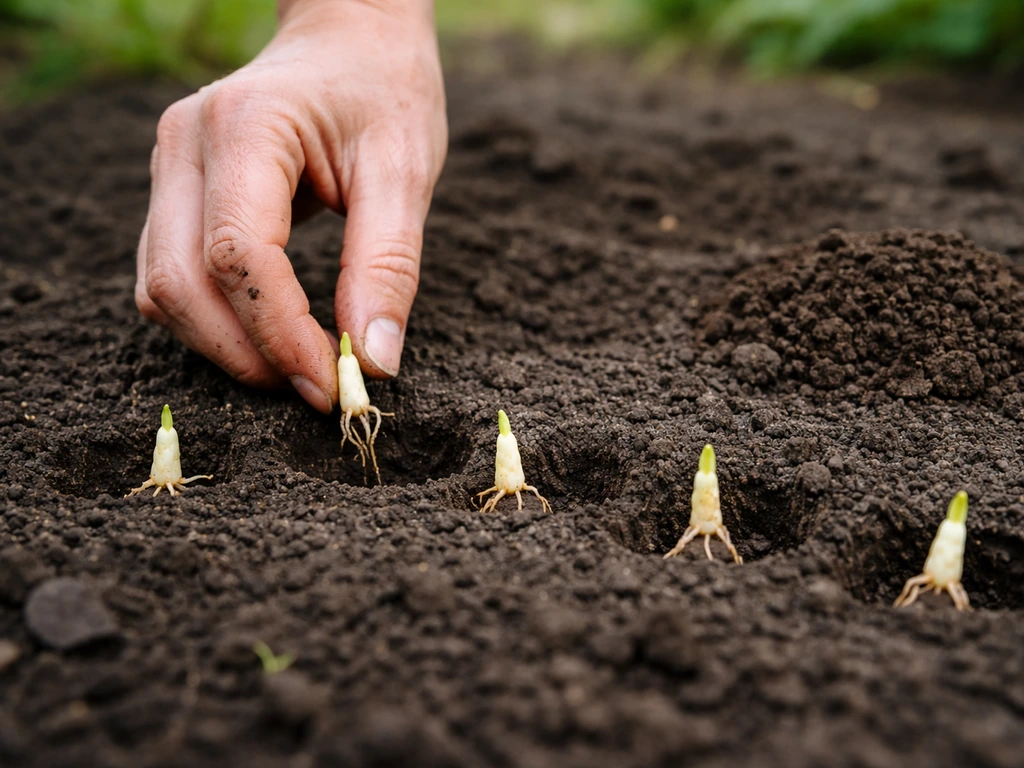
The best times to plant lily of the valley are fall or early spring, when the soil is workable but temperatures are cool. Fall planting gives the rhizomes time to settle in before winter, and spring planting (as soon as the ground is workable and frost risk is low) gives you flowering the same or following season. Avoid planting in summer heat because the plant goes dormant and establishment is poor.
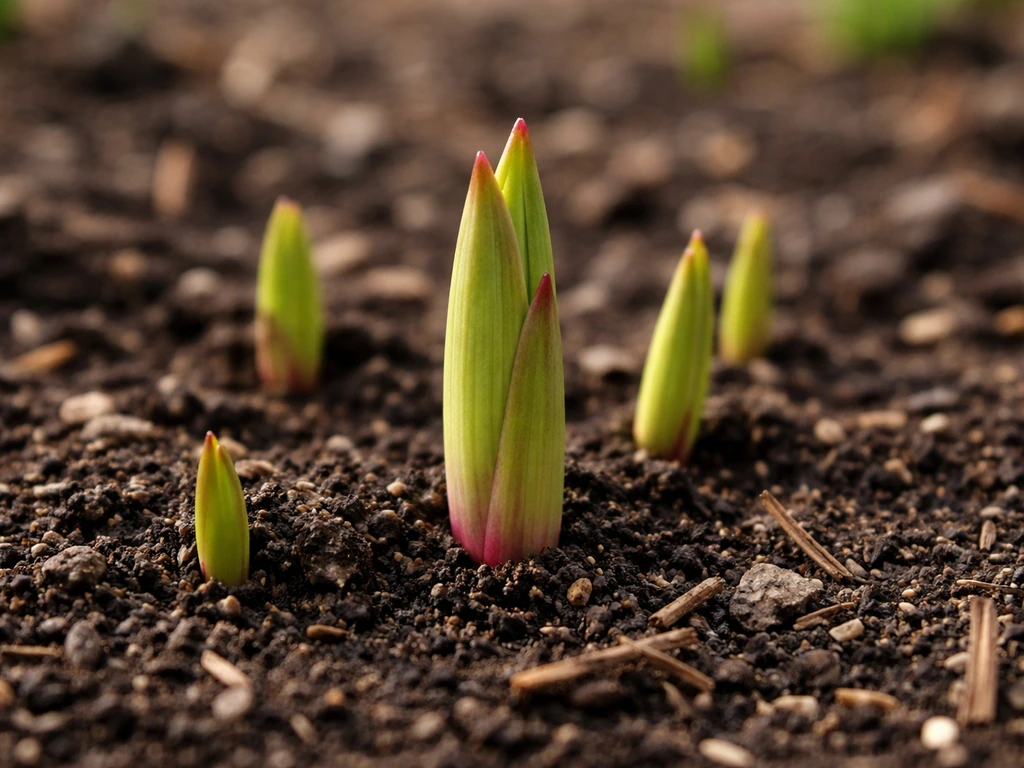
Most gardeners start from 'pips,' which are small rhizome pieces with a visible shoot tip. These are much faster to establish than growing from seed (seeds can take years to produce a flowering plant, while pips typically flower within a season or two). Plant pips about 2 to 3 cm deep, with the shoot tip just barely below the soil surface. Space them around 15 to 20 cm apart (roughly 6 to 8 inches). They spread on their own through underground rhizomes, so you don't need to pack them in tightly. Give them room and they'll fill the space.
One thing to know about rhizome propagation: a mature plant produces around 3 to 5 new pips per year. So if you start with even a small patch, you'll have divisions to share or spread to new areas within a few seasons. Division is also the best way to rejuvenate a crowded planting that's stopped flowering well.
Climate and hardiness: where it thrives and what to do at the edges
Lily of the valley is cold-hardy to an impressive degree. Most sources put it at Zones 3 through 8, and some university plant databases rate it hardy all the way to Zone 2, meaning it can handle temperatures down to around -46°C (-50°F). Cold winters are not this plant's enemy. In fact, it needs a period of winter chill to bloom reliably. That's one reason it struggles in warmer climates.
In mild-winter areas (Zone 9 and above), lily of the valley often fails to go fully dormant, which means it doesn't get the cold period it needs to set flower buds. You may get foliage but few or no flowers. If you're in a mild climate and want to try it anyway, look for a spot that gets the coldest air on your property, keep it well-mulched in fall, and accept that flowering may be inconsistent.
On the other end, it handles hot summers better than you might expect as long as shade is provided. The plant goes dormant in summer heat anyway, so the foliage may yellow and die back, which is normal, not a crisis. In warmer zones within its range (Zones 7 and 8), afternoon shade is non-negotiable. One thing worth noting: in mild winters, lily of the valley can flower as early as March. In cooler climates or typical UK conditions, May through June is more common. Wikipedia notes that lily of the valley spreads by extensive colonies via underground rhizomes, and it typically flowers May to June in Britain but can flower earlier in mild winters blank" rel="noopener noreferrer">flower as early as March. Lilies typically grow in phases that depend on temperature, light, and consistent moisture when do lilies grow. Lilies typically grow in phases that depend on temperature, light, and consistent moisture, which is a useful comparison when you are researching how do lilies grow bible where do lilies grow bible. So flowering timing is a useful signal of how mild your local winter has been.
| Zone / Climate | Expected Performance | Key Adjustment Needed |
|---|
| Zones 3–5 (cold winters) | Excellent, very reliable flowering | Mulch for first winter; minimal ongoing care |
| Zones 6–7 (moderate) | Very good; consistent flowering in shade | Ensure afternoon shade; keep moisture steady |
| Zone 8 (warm summers) | Good with care; summer dormancy normal | Deep shade, consistent watering, extra mulch |
| Zone 9+ (mild winters) | Inconsistent; foliage likely, few flowers | Choose coldest microclimate; manage expectations |
| Zone 2 (extreme cold) | Survives but may need protection | Heavy mulch through winter; sheltered spot |
Feeding, mulching, and keeping it flowering year after year
Lily of the valley is not a heavy feeder, and over-fertilizing is a real thing with this plant. A light application of balanced fertilizer in early spring, just as new growth emerges, is all it usually needs. If your soil is already rich in organic matter and you're adding compost periodically, you may not need to fertilize at all most years.
Mulching is more important than feeding. A 2 to 3 inch layer of organic mulch (shredded bark, leaf mold, or compost) does three things at once: it holds moisture in the soil, regulates soil temperature through the seasons, and suppresses weeds that would otherwise compete with the shallow rhizomes. Apply it in fall after the foliage has died back, and refresh it in spring before new growth pushes through.
For long-term vigor, let the plant go dormant naturally in late summer and fall. Leave the foliage in place until it dies back on its own, then cut it back in early spring just before new growth starts. Cutting it back too early interrupts the plant's ability to store energy in the rhizomes, which directly affects next year's flowering. I've seen gardeners tidy up their patch in August thinking they were helping and then wonder why there were no flowers the next spring. Patience here pays off.
Two 'gotchas' you should know before you plant
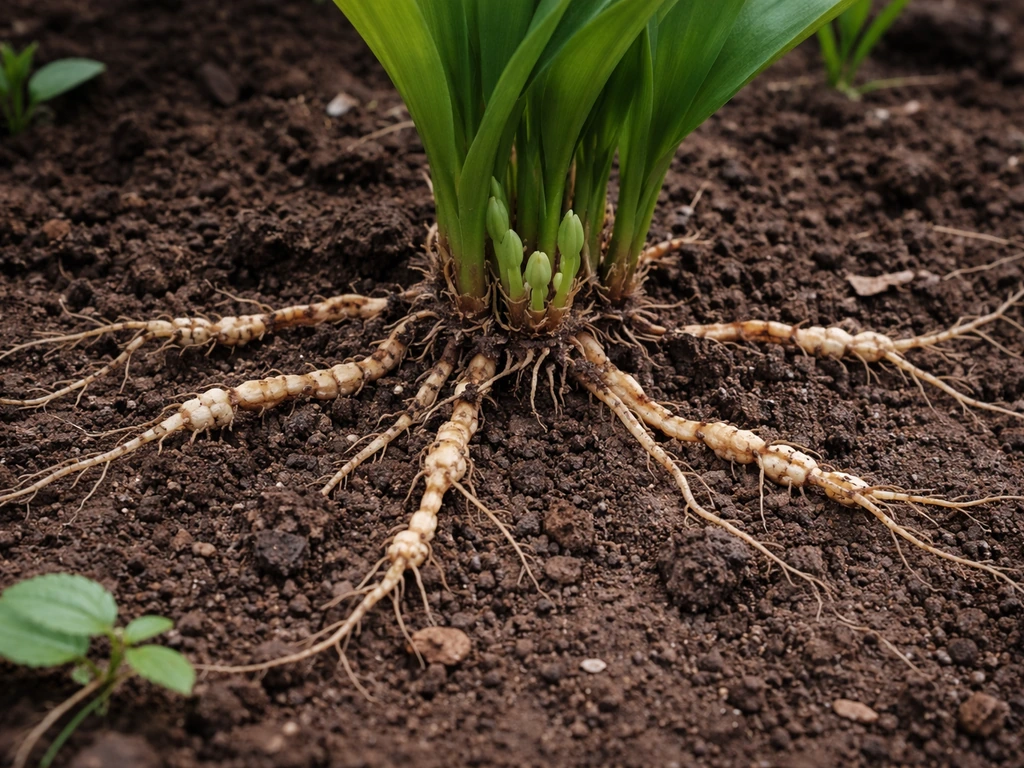
First, lily of the valley spreads aggressively. The underground rhizomes creep outward every season, and small fragments left in the soil can regrow on their own. This is fantastic if you want a groundcover that fills in quickly under trees. It's a problem if you want it contained next to other plants. Plant it where spreading is welcome, use a physical root barrier if you want to limit it, or be prepared to dig and divide regularly. Trying to remove an established patch is genuinely difficult because even tiny rhizome pieces left behind will resprout.
Second, every part of Convallaria majalis is highly poisonous if ingested. This includes the berries, leaves, and flowers. If you have young children or pets that spend time in the garden, that's a serious consideration for placement. Handle the plant with gloves if you have sensitive skin, and keep it away from spaces where kids or pets tend to explore.
Why it's not working: the most common problems and fast fixes
No flowers, just leaves
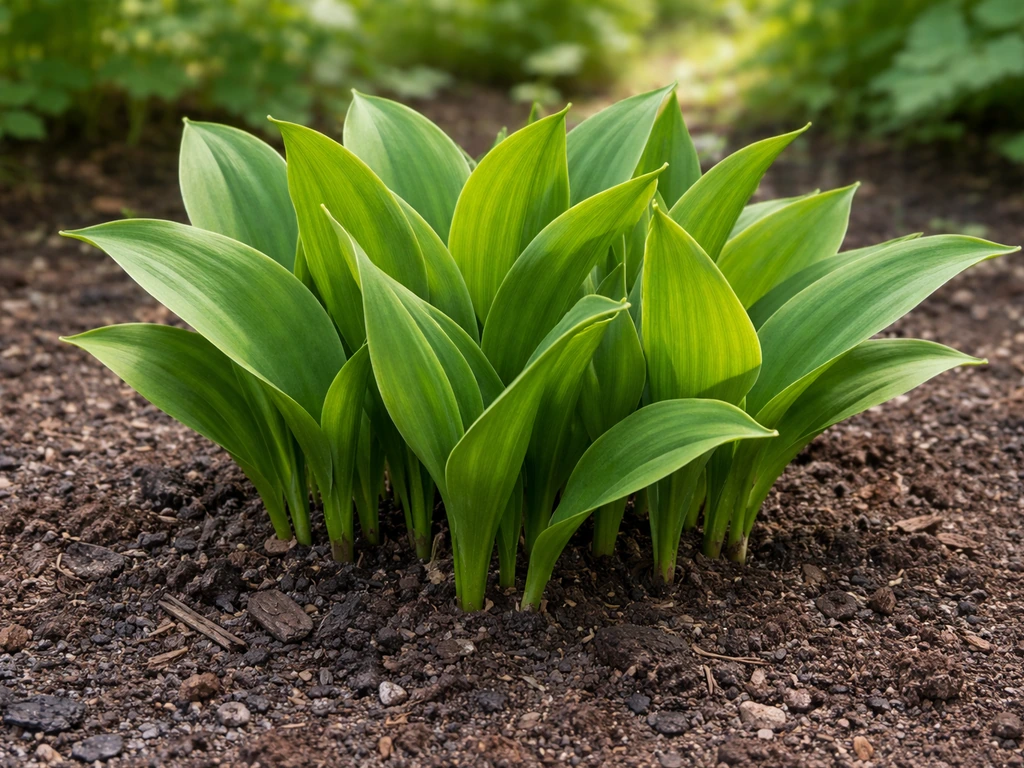
This is the most common complaint. Nine times out of ten, it comes down to one of three causes: too much sun, not enough cold in winter, or a congested planting that needs dividing. Check the light first. If the spot gets more than three to four hours of direct sun, move the plant. If you're in a warm-winter climate, that's likely the culprit and your options are limited. If the patch is old and dense, dig it up in early fall, divide the rhizomes, replant with more spacing, and amend the soil with fresh compost.
Yellow leaves during growing season
Yellowing leaves in spring or early summer usually points to overwatering or waterlogged soil. Check whether the bed drains within a day of heavy rain. If water sits on the surface or the soil feels soggy a few inches down, drainage is your problem. In severe cases, you may need to lift the rhizomes, improve the soil structure, and replant. Yellowing in late summer is normal dormancy and not a problem.
Won't spread or establish
If your lily of the valley just sits there without spreading, the most likely issues are too much sun, soil that's too dry, or pips planted too deep. Check depth first: the shoot tip should be just at or barely below the soil surface. If it's more than 3 cm down, it will struggle to push through. Also check moisture: in a dry shady spot (under a large tree with surface roots, for example), you may need to water more consistently than you'd expect in a 'shade' location.
Quick reference: problem and fix
| Symptom | Most Likely Cause | Fix |
|---|
| No flowers | Too much sun, no winter chill, or overcrowding | Relocate to shadier spot; divide congested clumps; check climate suitability |
| Yellow leaves (spring/summer) | Overwatering or poor drainage | Improve soil drainage; reduce watering frequency |
| Yellow/dying leaves (late summer) | Normal summer dormancy | No action needed; leave foliage to die back naturally |
| Won't spread or establish | Pips too deep, too dry, or too sunny | Replant at 2–3 cm depth; increase watering; move to shadier spot |
| Patch dying out over years | Rhizome overcrowding, nutrient depletion | Divide in early fall; refresh soil with compost; replant with spacing |
Lily of the valley is one of those plants that makes a lot more sense once you stop fighting its natural preferences and start working with them. Give it shade, moisture, a cold winter, and room to spread, and it will outlast most other plants in your garden with almost no help from you.