
True garden lilies (Lilium) start putting on new growth in spring, typically when soil temperatures creep above 40°F and nighttime lows stay consistently above freezing. In most of the U.S., that window falls somewhere between late March and early May depending on your climate zone. If you planted bulbs last fall and you're staring at bare soil right now wondering if anything is happening down there, the short answer is: yes, probably. The bulbs just need a bit more warmth before those first red-tipped shoots push through.
When Do Lilies Grow? Signs, Timing, and Grow-Back Tips

Marcus Hendricks
8 Apr 2026
First, figure out which "lily" you actually have
This matters more than most gardeners realize. When people ask "when do lilies grow," they're usually thinking about true bulb lilies like Asiatic or Oriental types. But "lily" gets applied to a wide range of plants that behave completely differently: peace lilies are tropical houseplants with no dormancy, where lilies grow can vary dramatically depending on whether you're talking about a water lily in a pond versus an Asiatic lily in a garden bed. Calla lilies grow from rhizomes, not true bulbs, and are planted just 2 inches deep according to NC State Extension guidelines. Daylilies are technically not lilies at all (they're Hemerocallis). Each of these has its own growth calendar.
For the rest of this article, I'll focus on true Lilium bulbs since that's what most gardeners mean when they ask about timing. I'll flag where daylilies, callas, or other relatives behave meaningfully differently so you're not left guessing.
When lilies actually start growing: seasonal cues and real timelines
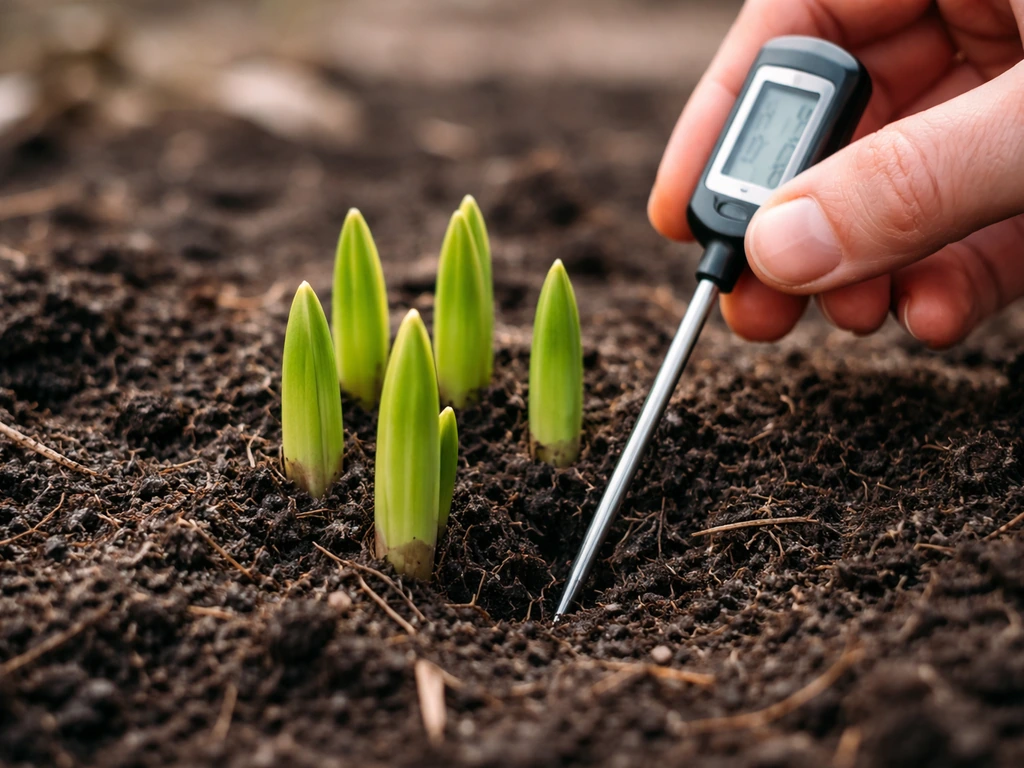
True lily bulbs are triggered by soil temperature, not the calendar. Once the ground thaws and soil consistently holds above 40°F, the roots that formed last fall start pulling in moisture and the shoot begins its push upward. In USDA Zones 4 to 6, that typically happens in late March to mid-April. In Zones 7 to 9, you might see shoots as early as late February or early March. In Zone 3 and colder, late April or May is more realistic.
Asiatic lilies are the earliest movers. They tend to emerge two to four weeks ahead of Oriental lilies, which prefer slightly warmer soil to kick into gear. Easter lilies are a special case: if you're transitioning an Easter lily gift plant outdoors, Iowa State Extension recommends waiting until the danger of frost has fully passed before planting it outside. Once in the ground, it may not rebloom the same year, but the foliage will grow through summer and the bulb will naturalize for future seasons.
If you planted bulbs last fall, here's a rough timeline to set expectations: bulb roots establish in fall (which is exactly why SDSU Extension recommends fall planting and applying mulch to delay soil freezing and give roots more development time). Dormancy holds through winter. Shoot emergence happens in spring as described above. Full foliage and bud development follows over 6 to 10 weeks. Bloom arrives roughly 70 to 100 days after first emergence for most Asiatic types, and a few weeks later for Orientals.
What new lily growth actually looks like
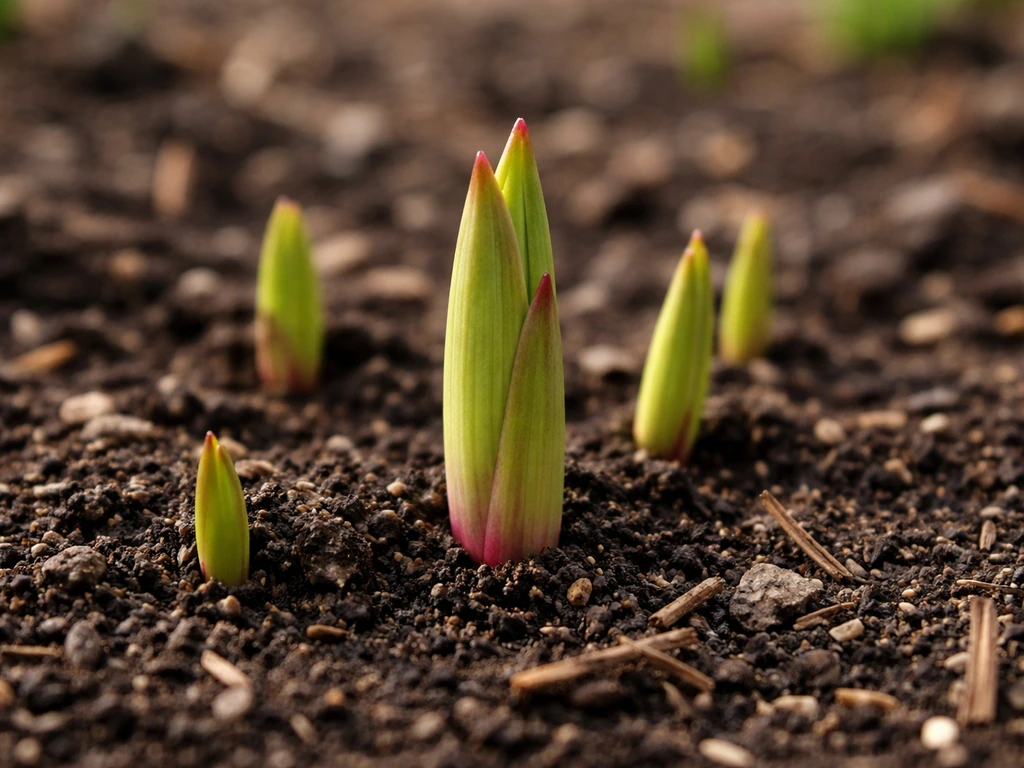
The first thing you'll see is a pointed, often reddish or purplish tip pushing straight up through the soil. It almost looks like a fat asparagus spear at first. Within a week or two, that tip opens into tightly wrapped leaves arranged in a spiral around a central stem. Asiatic lilies tend to show green or slightly bronze shoots; Oriental lilies often push up a deeper burgundy-green. Don't confuse these early shoots with weeds: lily shoots are always singular, straight, and emerge from a single point.
If you mulched your beds heavily over winter, you might not see shoots until they've already pushed an inch or two above the mulch surface. That's fine, but it's worth gently pulling mulch back around your bulb locations in early spring so you can spot emergence earlier and so the shoots aren't fighting through a thick mat. Once you see those first spears, resist the urge to dig around them. The root system is fragile at that stage.
When lilies grow back: dormancy, cutting back, and regrowth windows
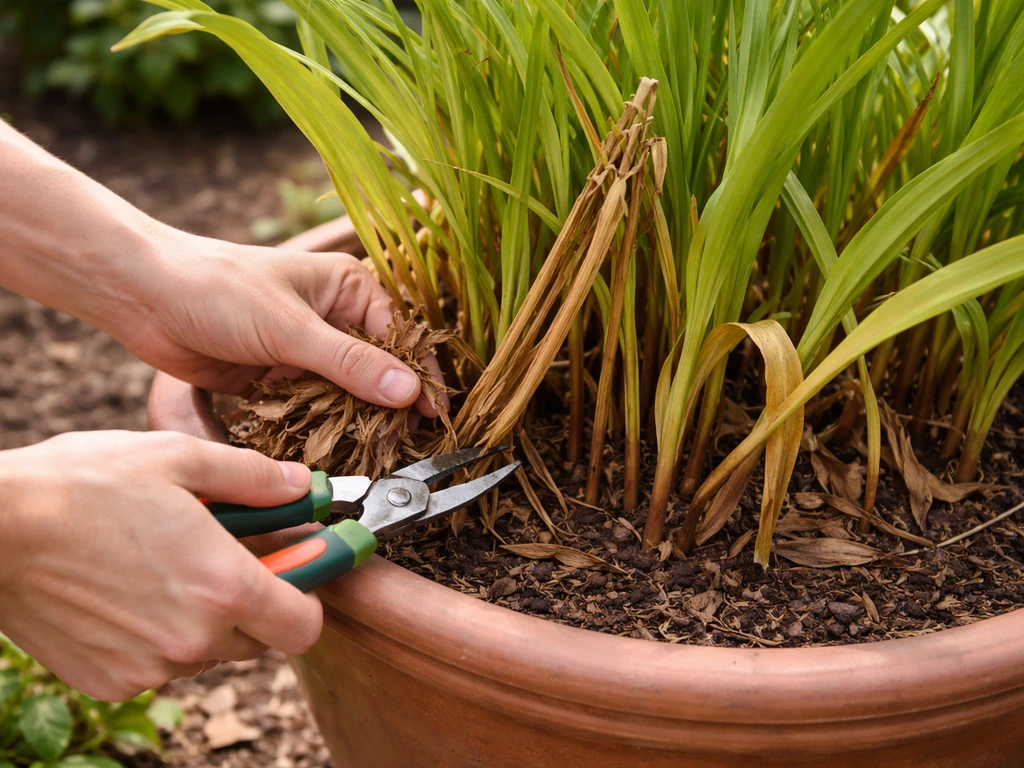
After bloom, lily stems and leaves don't just sit there looking pretty. They're doing critical work. SDSU Extension is clear on this: the foliage is the most important component for next year's performance because the leaves are manufacturing and storing energy in the bulb for the following season's growth and flowering. This is why you should never cut lily foliage to the ground right after bloom. Let it yellow and die back naturally, which usually takes 6 to 8 weeks after the last flower fades.
Once foliage has browned and dried, you can cut stems to the ground. After that, the bulb enters full dormancy through winter. Regrowth the following spring follows the same soil-temperature-triggered timeline described above. If you're wondering whether a lily you cut back mid-season (say, from damage or an accident) will regrow the same year: probably not with new blooms, but the plant may push new basal foliage if the cut happened early enough in the season. The bulb won't be damaged, but that year's energy store will be reduced, which can mean smaller blooms the next year.
For daylilies and lily relatives, regrowth timing differs. UC Cooperative Extension notes that if you have stored or overwintered daylilies and don't see growth by late winter, you can try replanting them in the garden around the first of March and see what happens. That "see what happens" advice isn't dismissive; it reflects that daylilies are remarkably tough and will often surprise you. Where lily grow conditions are right, even a struggling plant can bounce back fast once it's in soil with the right drainage and light.
What speeds up or slows down growth
Light
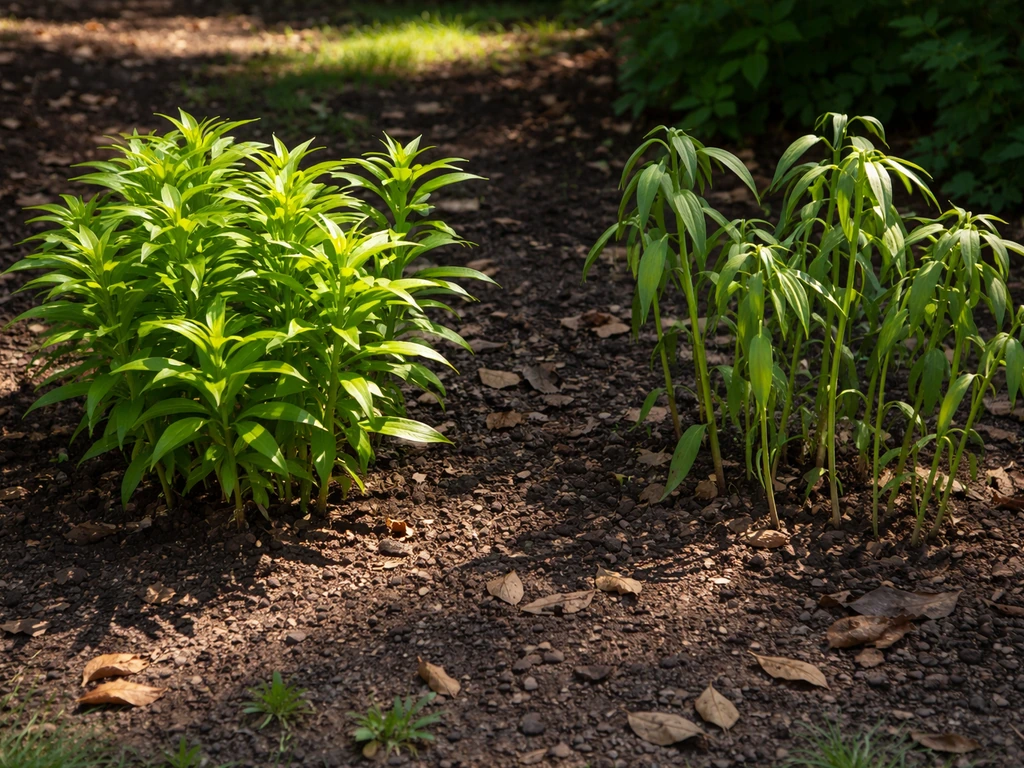
Lilies want at least 6 hours of direct sun daily. Less than that and they'll grow leggy, produce fewer buds, and the foliage won't manufacture enough energy to store for the following year. Morning sun with some afternoon shade is acceptable, especially in hot climates (Zone 7 and warmer) where intense afternoon heat can stress Oriental lilies. But don't try to grow true lilies in full shade; they'll decline within a season or two.
Water and soil
Lilies need consistent moisture during active growth but hate sitting in waterlogged soil. Well-draining soil is non-negotiable. A bed that pools water after rain will rot bulbs faster than almost any other problem. Plant bulbs at the right depth: Iowa State Extension's rule of thumb is three times the bulb's diameter, which for a typical lily bulb works out to about 4 to 6 inches deep. During the growing season, aim for about an inch of water per week, either from rainfall or irrigation. Cut back watering once foliage starts yellowing in late summer.
Temperature
One real risk with spring growth is a late frost after shoots have emerged. Iowa State Extension notes that when plants break dormancy early due to unseasonably warm spells, new foliage can be damaged by a subsequent frost, but regrowth typically emerges again once normal temperatures return. If a hard frost is forecast after your shoots are up, cover them with a frost cloth or a loose layer of straw overnight. They're more resilient than they look, but a hard freeze on tender new shoots will set them back by a few weeks.
Comparing growth factors across common lily types
| Lily Type | Spring Emergence | Light Need | Soil/Water Note | Dormancy? |
|---|---|---|---|---|
| Asiatic Lily (Lilium) | Late March to mid-April (Zones 5-6) | 6+ hrs direct sun | Well-drained; drought-tolerant once established | Yes, full winter dormancy |
| Oriental Lily (Lilium) | Mid-April to early May (Zones 5-6) | 6+ hrs direct sun | Well-drained; slightly acidic preferred | Yes, full winter dormancy |
| Easter Lily (Lilium longiflorum) | Spring after frost risk passes | 6+ hrs direct sun | Well-drained; consistent moisture | Yes, full winter dormancy |
| Daylily (Hemerocallis) | Early March to April | 6+ hrs preferred | Tolerates poor soil; very adaptable | Semi-dormant to evergreen by variety |
| Calla Lily (Zantedeschia) | After last frost, started indoors 4-6 wks prior | Partial to full sun | Plant rhizomes 2 inches deep; moist soil | Tender; not cold-hardy in most zones |
| Peace Lily (Spathiphyllum) | Year-round indoors (no dormancy) | Low to medium indirect light | Consistent moisture; no cold drafts | No true dormancy |
Dormancy vs. a dead bulb: how to actually tell the difference
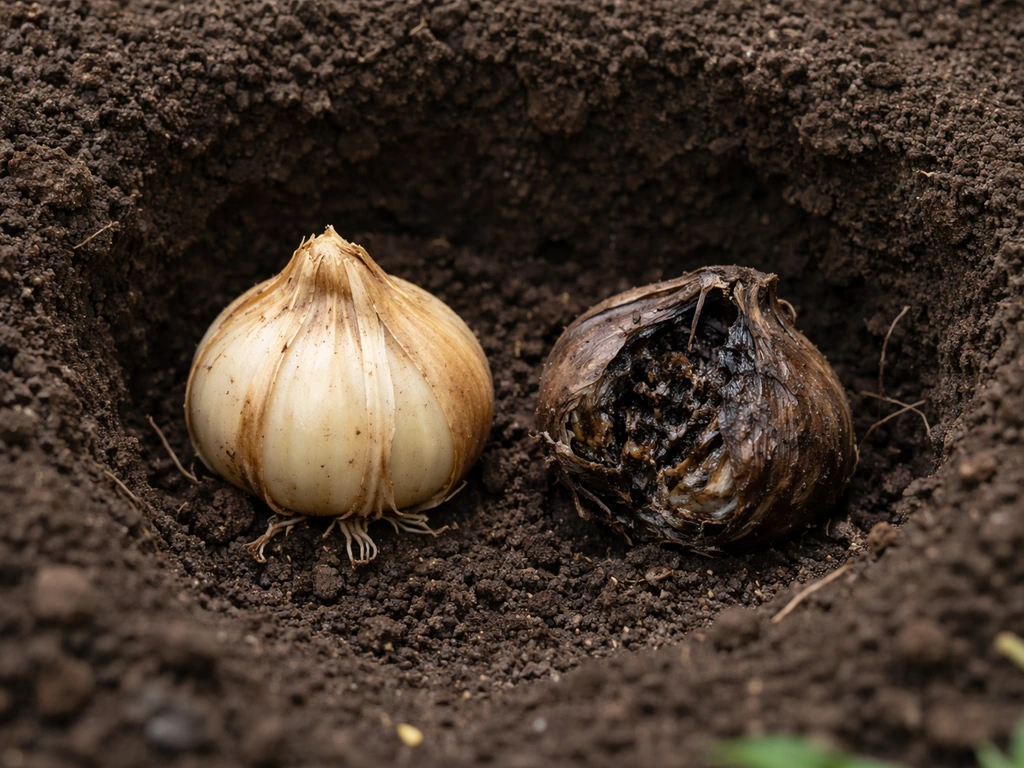
This is the question I get most from beginners, and honestly it tripped me up for years. The honest answer is that patience is your first diagnostic tool. If it's mid-spring, soil temps are above 40°F, and you still see nothing from a lily planted last fall, don't panic until you've waited until at least late April (or mid-May in Zones 4 and colder). Lilies, especially Oriental types, can be late.
If you want a more concrete check, carefully dig down a few inches and feel the bulb. A healthy dormant bulb feels firm and solid, almost like a head of garlic. It may have small white root stubs already forming. A dead or rotted bulb is soft, mushy, may smell bad, and will fall apart when handled. If that's what you find, the culprit is almost always one of three things: waterlogged soil over winter, planting too shallow (freezing damage), or disease.
There's another growth-delay culprit worth knowing about if you're in the Northeast or Pacific Northwest: lily leaf beetle. Utah State University Extension describes how these bright red beetles and their larvae feed on leaves, stems, and developing buds, causing holes, notches, and in severe cases complete defoliation. If your lily shoots emerged fine but growth suddenly slowed or foliage looks chewed, check the undersides of leaves for small orange-red eggs ([females lay about 12 eggs per clutch on average](https://extension. usu.
edu/planthealth/research/lily-leaf-beetle. php)) and knock adults off into soapy water. This won't stop growth permanently, but heavy infestation will stress the plant and reduce the energy stored for next year. If you've been paying attention to how they grow season over season, you'll notice the difference between a year with beetle pressure and a clean season pretty quickly.
One more thing to rule out: lily of the valley, which some gardeners confuse with true Lilium species, is actually a much tougher spreader and is slow to emerge in its first year after transplanting. If you've been wondering whether lily of the valley is hard to grow, the short version is no, it isn't, but it does need a full season to establish before it really takes off.
What you can do right now and what to expect next
Here's a practical checklist based on where you are today, April 8, 2026. Most of the country is in prime lily-emergence season right now.
- Go check your beds today. If you planted Asiatic lilies last fall in Zones 5 through 7, you should already see shoots or they're days away. In Zone 4, you may still be a few weeks out.
- Pull mulch back gently (2 to 3 inches away from where bulbs are located) to let soil warm faster and to give emerging shoots room to push through without fighting a thick layer.
- If you have no shoots yet and the ground is thawed, do a gentle dig to check your bulbs. Firm bulb equals dormant and fine. Soft or mushy bulb means trouble.
- If you overwintered daylilies indoors and still haven't replanted them, get them in the ground now. Waiting longer into spring only cuts into their growing season.
- If you have an Easter lily gift plant from Easter weekend sitting indoors, keep it in bright indirect light, keep the soil moist, and plan to transplant it outside once your last frost date has passed.
- For any bed where growth looks slow, check drainage first. Dig a small test hole, fill it with water, and see how quickly it drains. If it's still sitting after an hour, your soil is too compacted or clay-heavy for lilies.
- Start watching for lily leaf beetle adults (bright red, about half an inch long) now if you've had them before. Early hand-picking makes a real difference before egg-laying begins.
From here, if conditions are right, here's your expected timeline going forward: new shoots are up now or within 2 to 4 weeks. Foliage fully develops over the next 4 to 6 weeks. Asiatic lilies bloom roughly in June through July. Orientals follow in July through August. After bloom, leave all foliage standing for 6 to 8 weeks, then cut stems to the ground. Bulbs re-enter dormancy and will repeat the same cycle next spring.
Understanding the full cycle is what makes the difference between lilies that improve every year and ones that slowly decline. The wisdom about how lilies grow that has been passed down for generations always circles back to the same principle: respect the foliage, give it sun and drainage, and the bulb will take care of itself. SDSU Extension's reminder that lilies are perennials that require their full leaf area to store energy for the following year is the single most important thing to internalize. Let the leaves do their job all season, and next spring's emergence will be faster, stronger, and more reliable than this year's.
FAQ
If my lilies are late to emerge, should I water more to “wake them up” sooner?
Usually no. Once bulbs are planted, extra watering during cool spring weather can worsen rot if the bed stays saturated. Instead, confirm drainage, then keep moisture modest until shoots appear, and wait for soil temperatures to rise above about 40°F consistently.
How can I tell the difference between a lily shoot and a weed when they first emerge?
Lily shoots come from a single point and grow straight up as one spear. Weeds more often branch early or have multiple thin stems emerging separately. If you see multiple stems from different spots, you likely have volunteers rather than lilies.
What’s the best way to check if my lily bulb is alive without damaging it?
Gently dig only a few inches near the bulb location, then feel for a firm, solid bulb like a head of garlic. Healthy bulbs may also have small white root stubs. If it’s mushy, soft, or smells bad, it’s likely rotted and won’t regrow.
Can I move or transplant lilies after they start growing?
It’s best to avoid moving once shoots are up, because the early root system is fragile. If you must relocate, do it very carefully and be prepared for reduced blooms, since the plant needs that growing season’s foliage to rebuild energy.
Will lilies bloom in the same year if I plant bulbs late in the season?
Often not. If soil stays cool and the plant doesn’t build enough leaf area before winter, the bulb may focus on survival and produce foliage instead of flowers. Earlier planting and full-season leaf growth increase the odds of that year’s bloom.
Do lilies need fertilizer when they start sprouting, or can I wait?
You’ll usually get better results by fertilizing after growth is clearly underway, not while bulbs are still dormant. A light feeding early in the active growth stage supports leaves, but avoid heavy nitrogen that can create lush foliage with fewer blooms.
My lilies came up, then a frost hit, will they die or recover?
New shoots can be damaged, but they often recover if the frost was short-lived. Covering shoots overnight with a loose straw layer or frost cloth helps. Expect slower timing and possibly fewer buds if the hit was hard.
How deep should I plant lilies, and what happens if I plant too shallow?
Planting depth is roughly three times the bulb’s diameter, which commonly lands around 4 to 6 inches for typical bulbs. Too shallow increases freeze damage and heaving, so shoots may emerge weakly or later, and bulbs can decline over time.
Can I cut lily stems immediately after flowering for bouquets?
Only after the flowers fade, but keep most of the stem and all foliage whenever possible. Cutting all foliage right after bloom prevents the bulb from storing energy. If you need flowers, take stems leaving healthy leaves attached above the bulb.
What if I see only leaves but no buds this year?
This often points to insufficient sun, stress from waterlogging, or weak energy reserves from cutting foliage early or damage from pests. Check that you’re getting at least 6 hours of direct sun, then avoid disturbing the plant so next season can rebuild reserves.
Should I remove mulch as soon as shoots appear?
You can thin it back around the bulb so the shoots are visible, especially if the mulch is thick. But avoid digging into the planting area. Once shoots are established, you can leave a lighter mulch layer to moderate soil temperature and moisture.
How do I respond if lily leaf beetles show up after emergence?
Check the undersides of leaves for orange-red eggs and inspect for chewing or notches. Hand-picking adults and removing heavily damaged leaves can reduce the impact, but heavy infestations can still delay flowering by stressing the plant’s energy storage for next year.
Is it safe to confuse daylilies or calla lilies with true lilies when planning timing?
No. True Lilium bulbs are triggered by soil temperature and follow a dormancy cycle. Daylilies (not true lilies) and callas can follow different calendars and emergence patterns, so using true-lily timing for them can lead to incorrect expectations.
Next Articles
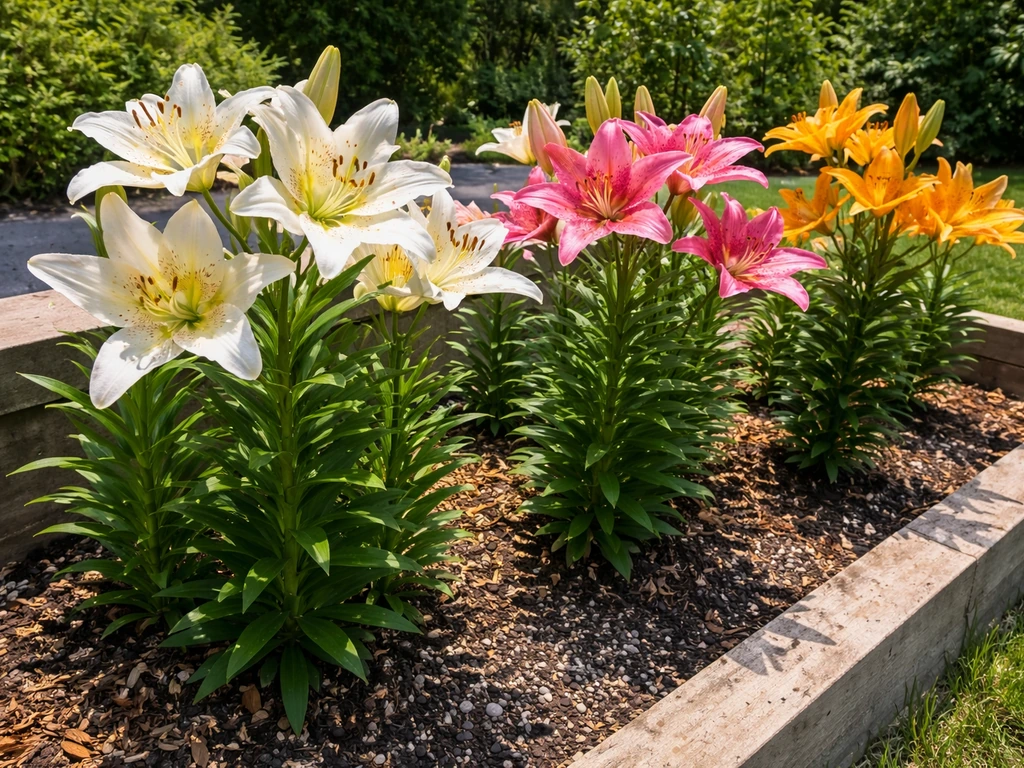
Where Lily Grow: Best Conditions and Locations for Lilies
Where lily grow: natural ranges plus how to match light, soil, drainage, and moisture to grow garden, water, and calla t

Where Does Lilies Grow? Native Habitats and Best Conditions
Find where lilies grow naturally and best thrive, plus tips to match true lilies and lookalikes to your climate and soil
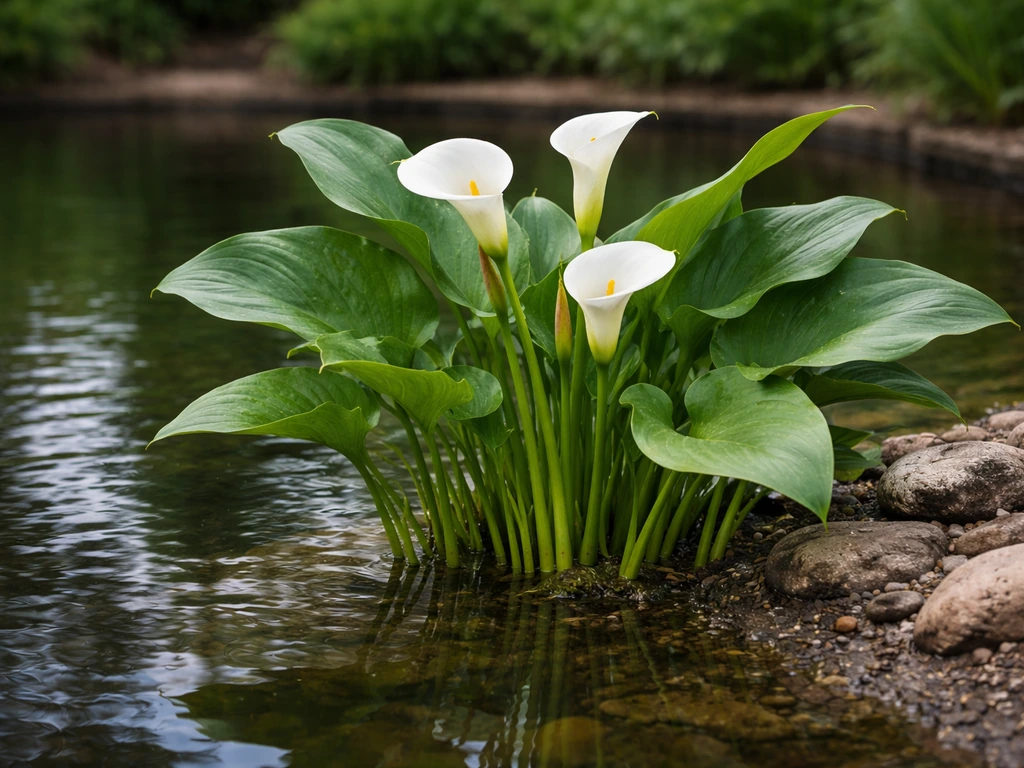
Can Calla Lilies Grow in Ponds? How to Set Up Successfully
Yes, with the right setup: water depth, substrate, anchoring, light, and overwinter care for pond or marginal calla lili