
The phrase "consider the lilies how they grow" comes from the Bible, specifically Matthew 6:28 in the Sermon on the Mount. It's Jesus asking his listeners to stop worrying and instead look closely at how wildflowers thrive without stress or labor. But if you're a gardener who landed here, you're probably also wondering: how do lilies actually grow? What do they need? And which kind of lily are you even dealing with? This article tackles both questions directly.
Consider the Lilies How They Grow: Meaning and How to Grow
Marcus Hendricks
9 Apr 2026
What "consider the lilies how they grow" actually means
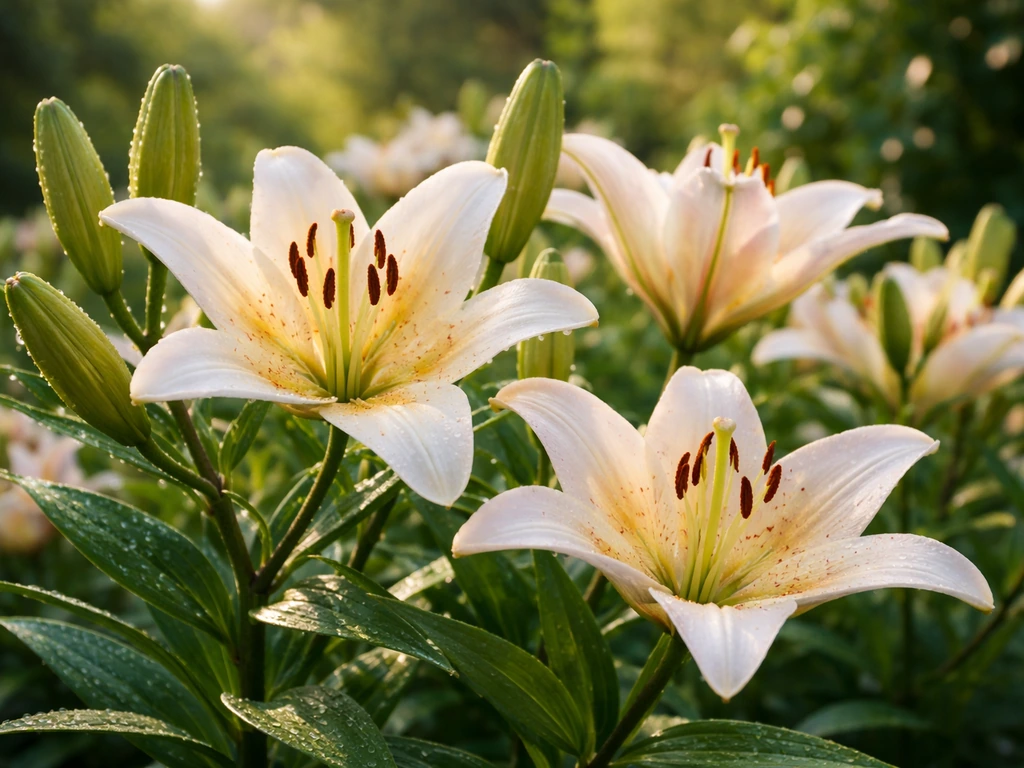
In plain language, the phrase is a gentle instruction to pay attention. The word "consider" in this context doesn't mean a quick glance. It means observe carefully, reflect deliberately, and let what you see teach you something. The full verse (ESV) reads: "And why are you anxious about clothing? Consider the lilies of the field, how they grow: they neither toil nor spin." The King James Version says it slightly differently: "Consider the lilies of the field, how they grow; they toil not, neither do they spin." Either way, the message is the same: look at these flowers. They're not striving. They're just growing, and they're magnificent.
The spiritual point is about releasing anxiety over material things. If wildflowers in a field are clothed in beauty without working for it, how much more will people be provided for? It's one of the most quoted passages in the New Testament for good reason. It's direct, visual, and emotionally resonant. You can read more about how lilies are referenced in the Bible if you want to go deeper on that context.
Where the verse is and what it's teaching
Matthew 6:28 sits inside the Sermon on the Mount, one of the most famous teaching passages in the Bible. The broader section (Matthew 6:25-34) is entirely about worry: don't be anxious about food, drink, or clothing. The lilies illustration is Jesus pointing to nature as evidence. A nearly identical version of the phrase also appears in Luke 12:27, where the wording is "Consider the lilies, how they grow: they neither toil nor spin." Scholars consider the Matthew account (6:28-29) the more familiar version, coming from the Sermon on the Mount context.
What makes this verse stick is how concrete it is. Jesus doesn't say "don't worry" in the abstract. He says: go look at a flower. Consider it. How does it grow? It doesn't labor. It doesn't manufacture its own beauty. And yet it outshines Solomon's finest clothing. The word "consider" is deliberate. It's an invitation to study, not just glance.
Now let's actually consider how lilies grow
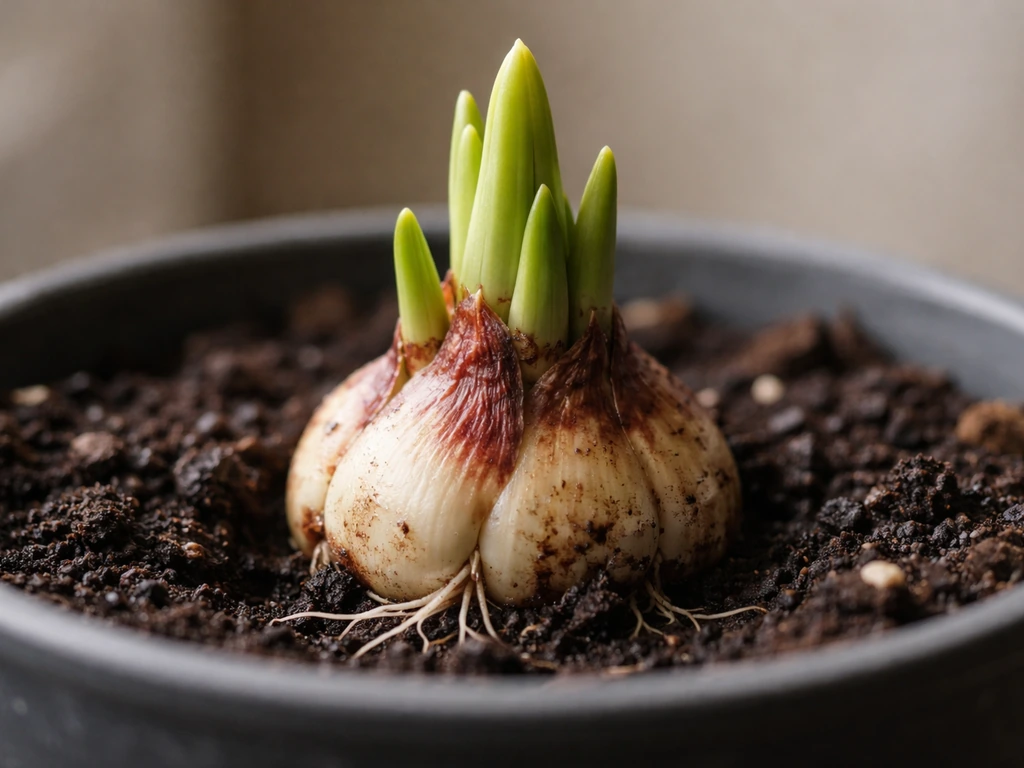
Taking the verse's own advice: let's look at how lilies grow. And right away, we hit an important wrinkle. "Lily" is one of the most overused words in gardening. True lilies (Lilium species, like Asiatic and Oriental lilies) grow from scaly bulbs. But many popular plants called lilies, including peace lilies, calla lilies, daylilies, and water lilies, are botanically unrelated. They have completely different growth habits, soil needs, and climate requirements. Lumping them together leads to dead plants. So the first job is knowing what you actually have.
In general terms, most lily types follow a seasonal growth cycle: dormancy in winter, emergence in spring, active growth and flowering in summer, then a slow decline back into dormancy by fall. True bulb lilies go completely underground in winter. Daylilies die back but their crowns survive. Tropical types like peace lilies don't go dormant at all. Understanding when lilies grow through the seasons helps you time planting, fertilizing, and dividing them correctly.
Light, water, and soil by lily type
This is where the real differences show up. I've grown most of these and I can tell you that getting light and water wrong is how you lose a plant fast. Here's how the major types compare:
| Lily Type | Light Needs | Water Needs | Soil Preference |
|---|---|---|---|
| Asiatic Lily | Full sun (6-8 hrs/day) | Moderate, well-drained | Slightly acidic, loamy, amended |
| Oriental Lily | Full sun to part shade (6+ hrs/day) | Moderate, never waterlogged | Acidic (pH 5.5-6.5), rich, well-drained |
| Daylily | Full sun preferred (6+ hrs/day) | Moderate, drought-tolerant once established | Tolerant of most soils, prefers loam |
| Peace Lily | Low to medium indirect light | Consistent moisture, no standing water | Rich, well-draining potting mix |
| Calla Lily | Full sun to part shade (4-6 hrs/day) | Moist but not soggy | Rich, slightly acidic, well-drained |
| Water Lily | Full sun (6+ hrs/day) | Submerged in still or slow water | Heavy clay or aquatic soil in containers |
Asiatic lilies are the most forgiving. Give them 6-8 hours of direct sun and soil that drains well, and they perform. Oriental lilies are showier but pickier: they want acidic soil (pH 5.5-6.5), they hate wet feet, and they bloom later in summer. Daylilies are nearly bulletproof once established. I've seen them growing through cracked clay with almost no care. Peace lilies are the opposite. They want humid, indirect indoor light, consistent moisture, and they'll punish you with brown tips the second the air gets too dry. I killed three batches before I started misting them daily and moved them away from heat vents. Calla lilies like rich moist soil but rot fast if they sit in water. Water lilies are their own category entirely: they live submerged, need full sun (at least 6 hours), and grow in heavy clay-based aquatic soil placed in baskets at the bottom of a pond or container. For example, the RHS instructs that waterlilies should be planted into an aquatic basket with mesh sides filled with peat-free aquatic compost or heavy clay-based loam, then grown in still water in good sun water lilies are their own category entirely.
Planting depth, timing, and climate
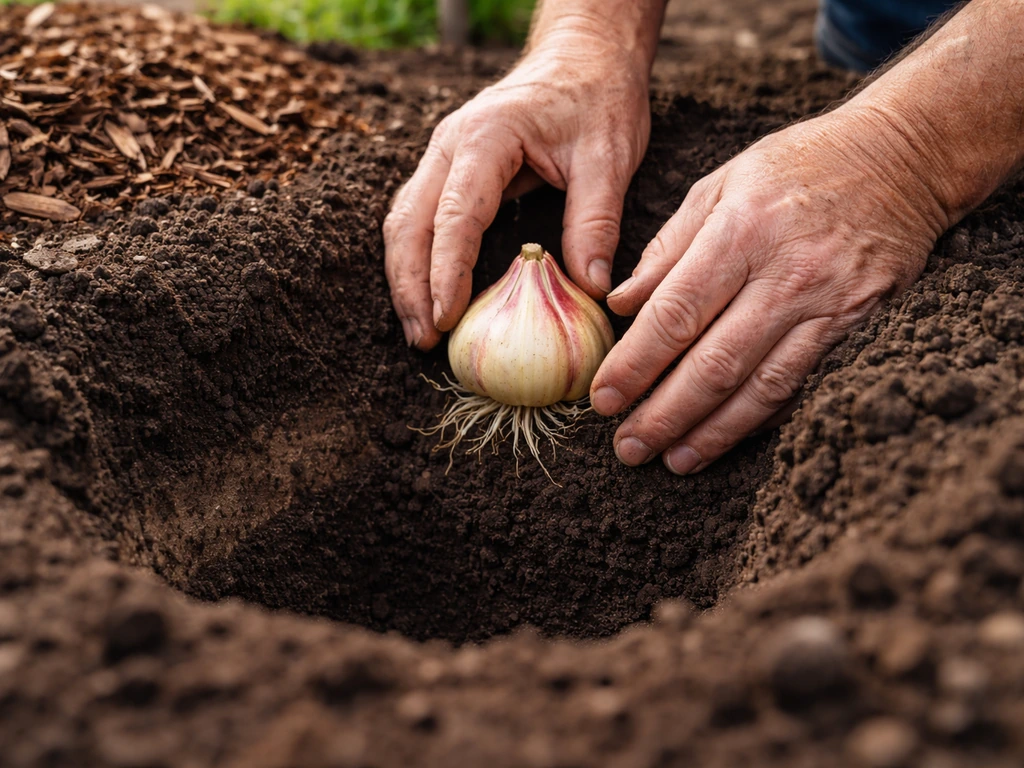
Planting depth matters more than most people realize, especially with bulb types. The general rule for true lily bulbs (Asiatic, Oriental) is to plant them 3 times as deep as the bulb's diameter. For a 2-inch bulb, that's 6 inches deep. For Asiatic and Oriental lilies, Gardening Know How recommends planting them about 6, 8 inches deep and 8, 12 inches apart in its bulb-depth table, varying by bulb type and variety plant them about 6–8 inches deep and 8–12 inches apart. This protects bulbs from frost heave in winter and from drying out in summer heat. Daylily crowns go shallower, about 1 inch below the soil surface. Calla lily rhizomes go 3-4 inches deep.
Timing depends on your climate. True lily bulbs go in the ground in fall (in USDA zones 4-8) or in early spring after the last frost in colder zones. Daylilies can be planted in spring or fall. Calla lilies are frost-sensitive: in zones 8-10 you can leave them in the ground year-round, but in zones 7 and colder you dig them up after the first frost and store them indoors over winter. Peace lilies are strictly indoor plants in most of North America since they can't tolerate any frost. Water lilies go into ponds in late spring once water temperatures reach at least 60°F. Knowing where lilies grow best by climate zone prevents the frustration of replanting every year in the wrong spot.
Spacing is another area where people crowd plants. Asiatic and Oriental lilies need about 12-18 inches between bulbs to allow airflow and prevent fungal issues. Daylilies should be spaced 18-24 inches apart since they spread into clumps over time. Calla lilies want 12-18 inches. Peace lilies in pots don't need spacing, but repot them when roots start circling the bottom of the container.
Feeding, containers vs. ground, and what goes wrong
Fertilizing without overdoing it
True lilies and daylilies benefit from a balanced slow-release fertilizer (10-10-10 or similar) applied in early spring when shoots emerge, and a second light application just before bloom. Avoid high-nitrogen fertilizers mid-season since they push foliage at the expense of flowers. Peace lilies in pots want a diluted liquid balanced fertilizer every 6-8 weeks during the growing season (spring through early fall), nothing in winter. Calla lilies appreciate a fertilizer higher in phosphorus (the middle number) to support blooming. Water lilies in ponds use aquatic fertilizer tablets pushed directly into the soil of their planting basket, roughly once a month during the growing season.
Container vs. in-ground care
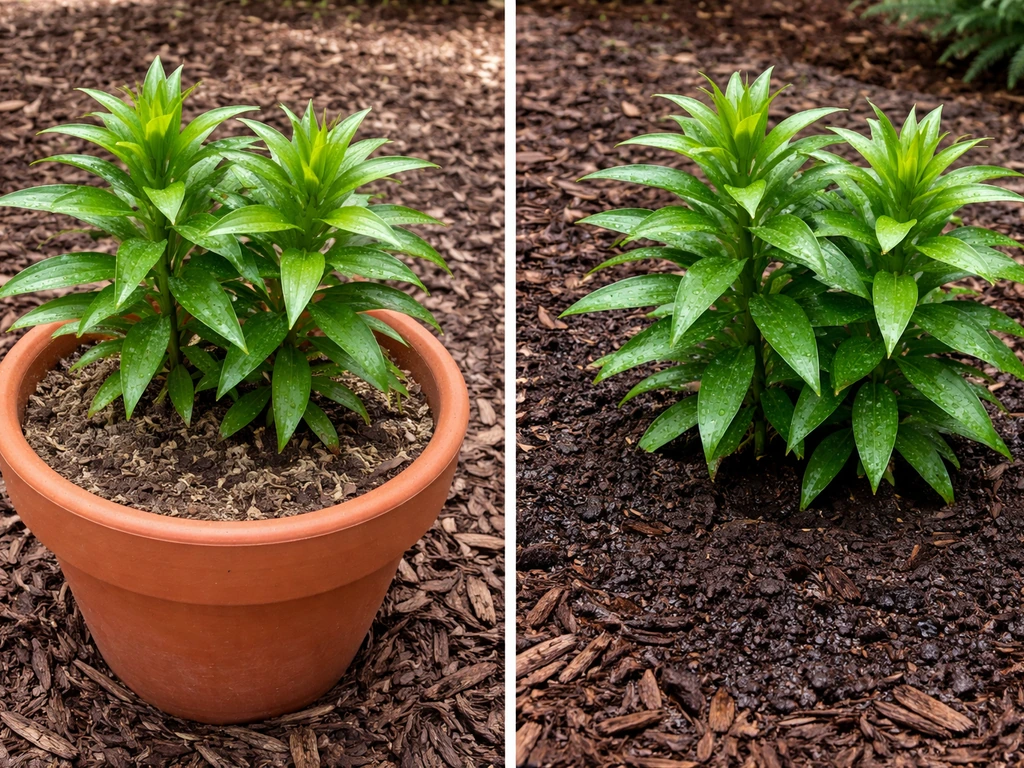
Most lily types can go either way, but containers demand more attention. Potted lilies dry out faster, need more frequent watering, and benefit from repotting every 1-2 years to refresh the soil. Use pots with drainage holes, always. In the ground, the main risks are poor drainage (bulb rot) and competition from weeds. A 2-3 inch layer of mulch around in-ground lily plantings keeps moisture consistent, moderates soil temperature, and cuts down on weeding. Don't mulch right up against the stem though: leave a little breathing room.
Common problems and how to spot them
- Yellow leaves on peace lilies: usually overwatering or low light, not a disease. Let the soil dry slightly between waterings and move the plant closer to a bright window.
- Botrytis (gray mold) on Asiatic or Oriental lilies: brown spots on leaves and stems, common in wet cool springs. Improve airflow by spacing plants properly and avoid overhead watering.
- Red lily beetle: bright red insects that skeletonize lily leaves fast. Hand-pick them or use neem oil early in the season.
- Calla lily rot: soft mushy base means the rhizome is rotting from too much moisture. Dig it up, cut away the rotted parts, dust with sulfur, and replant in drier conditions.
- Daylily rust: orange pustules on leaves. Remove affected foliage and avoid wetting leaves when watering.
- Algae competing with water lilies: too much sunlight on open water. Water lilies actually help control algae by shading the pond surface, but new plantings may struggle until they spread.
Lily of the valley is another plant that gets lumped into the "lily" category, and it has its own quirks. It's a woodland plant that spreads aggressively in the right conditions. If you're wondering whether it's the right fit for your garden, it's worth knowing upfront that lily of the valley can be easy or challenging depending on your situation, largely because of how fast it spreads and how specific its shade requirements are.
Your practical next steps: identify your lily and build a care plan
Here's how to move from reading to actually doing something. Start by identifying exactly what you have, because the care plan follows from that. The fastest way to narrow it down is to look at the root: bulb (true lily), tuber or rhizome (calla, daylily), no root at all yet (you're starting from seed or transplant), or aquatic (water lily). Then check where it came from: indoors in a pot (almost certainly peace lily), outdoor garden bed, or a pond/water feature.
- Identify your lily type using the root structure and origin clues above.
- Check your USDA hardiness zone to confirm whether your variety can overwinter in the ground or needs to be dug up and stored.
- Test your soil pH if you're growing Asiatic or Oriental lilies (target 5.5-6.5 for Oriental, 6.0-6.5 for Asiatic). A $10 test kit from any garden center works fine.
- Pick the right planting spot: full sun for most outdoor lily types, indirect bright light for peace lilies, a sunny pond with still or slow-moving water for water lilies.
- Set a fertilizing schedule based on your lily type and stick to it. Mark it on your calendar for spring emergence and pre-bloom.
- Inspect plants weekly during the growing season for pests (especially red lily beetle if you're in the northeast) and treat early before populations explode.
- After bloom, let foliage die back naturally on bulb lilies. Don't cut the leaves while they're still green since the plant is storing energy in the bulb for next year.
The basics really do apply across most lily types. You can get a strong overview of the conditions these plants prefer by looking at where lily plants grow best by region and environment, which helps you figure out whether your yard or indoor space is a realistic match before you buy. Matching the plant to your actual conditions, not the conditions you wish you had, is the single biggest factor in success.
The verse in Matthew says to consider the lilies, to really look at how they grow. That's actually the best gardening advice you'll get. Pay attention to your plant. Watch how it responds to watering, light, and temperature. A drooping peace lily in dry air tells you something specific. A yellowing Asiatic lily in soggy soil is telling you something else. The more closely you observe, the faster you solve problems and the better your lilies grow.
FAQ
I bought a plant labeled “lily.” How can I tell which kind it is before I start caring for it?
Not safely. “Lily” in stores can mean true lilies (bulbs), daylilies (crowns), peace lilies (tropical indoor plants), calla lilies (rhizomes), or water lilies (aquatic). Before you change anything, confirm which you have by checking whether you have a bulb (scaly), a crown, a rhizome, or an aquatic root system, then adjust depth, light, and watering to match that type.
How do I know whether my lily needs more water or less water?
Use different watering logic. True lily bulbs and daylilies dislike “wet feet,” so water deeply then let the top layer of soil dry slightly. Calla lilies and peace lilies tolerate more moisture, but still fail with stagnant water and poor airflow. Peace lilies also show early warning signs like brown tips when indoor humidity is too low.
My lilies look healthy but they are not blooming. What should I check first?
Bloom time is normal, but lack of flowering is often not. Common causes are wrong sun (especially too little for Asiatic and Oriental), excess nitrogen (lots of leaves, few blooms), planting too shallow (true lilies can struggle and produce weaker stems), or overcrowding (insufficient airflow). If your plant is a peace lily, it may not bloom much indoors without brighter light and consistent feeding during the growing season.
What does yellow or limp foliage usually mean for different lily types?
A lot of “yellowing” is a diagnostic clue. Yellow leaves with soft, mushy bulbs often mean rot from poor drainage. Yellowing with firm growth can be nutrient related or from too much shade. For peace lilies, yellowing can be linked to cold drafts or mineral buildup from hard tap water, so use filtered or distilled water if browning and yellowing repeat.
When is the best time to dig up, divide, or repot my lilies?
It depends on the type. True lilies and daylilies are easy to divide when dormant or during early spring, but they hate unnecessary disturbance, so avoid frequent dividing. Peace lilies should be repotted when roots crowd the pot, not on a calendar. Calla lilies can be divided from rhizomes, but doing it at the wrong season slows recovery. Water lilies are typically moved or basket-adjusted only during pond setup or seasonal care windows.
How deep should I plant lily bulbs or rhizomes, and what happens if I plant too shallow or too deep?
Yes, but use the right depth for the group. True lily bulbs generally go about three times the bulb diameter deep. Daylilies are shallower (around 1 inch). Calla lily rhizomes are deeper (roughly 3 to 4 inches). If you planted true lilies too shallow, they can suffer from heat and frost heave, leading to weak growth and fewer flowers.
Why are my lilies getting spots or fungal problems, and how can I prevent it?
The main fungal risk is poor airflow plus consistently damp conditions. For Asiatic and Oriental lilies, overcrowding is a frequent culprit, so use the spacing ranges given and avoid overhead watering if possible. Also remove damaged leaves and make sure mulch is not piled against stems. If you see repeated spotting, reduce irrigation frequency and check drainage.
What watering schedule should I follow, especially if I’m growing lilies in containers?
It’s different by type and container conditions. Potted lilies dry faster, so check moisture with your finger daily in hot weather, and only water when the top layer starts to dry. Always use pots with drainage holes. In-ground, drainage is the priority, so if your soil stays soggy after rain, raise beds or amend with grit/compost to reduce rot risk for bulb lilies.
My peace lily has brown tips. Is that always a watering issue?
Start with air humidity and airflow. Peace lilies often show brown tips from dry indoor air or overly salty water from frequent fertilizing. Misting can help for many homes, but it is not a substitute for avoiding heat vents and drafts. Flush the soil occasionally with plain water to reduce salt buildup, then resume diluted feeding only during active growth.
Can I grow all types of lilies in the same watering conditions (like a consistently damp bed)?
Not for most lilies. True lilies and daylilies dislike being constantly wet, which can quickly lead to bulb rot. Calla lilies like moisture but still need drainage to prevent rhizomes from sitting in stagnant water. If a “lily” stays waterlogged year-round, the safest bet is to improve drainage or move it to a raised area rather than trying to “water more correctly.”
How much sun do lilies need, and what changes if the location is partially shaded?
A small amount of shade can be acceptable for some types, but full light is usually the flower driver. If you consistently get lush leaves and few blooms, increase sun exposure for true lilies and daylilies. Water lilies, however, need full sun for good growth and flowering, usually at least 6 hours. Peace lilies tolerate lower light but will grow slowly and may not bloom well.
Is lily of the valley the same as the other lilies, and can I grow it with my bulbs?
Lily of the valley is a common mix-up, and it behaves very differently. It spreads aggressively and can crowd out other plants, so treat it like an invasive groundcover. In contrast, the “true lily” group stays where you plant the bulb and spreads more gradually. If you want a controlled garden, confirm you do not accidentally plant lily of the valley in the same bed.
Next Articles
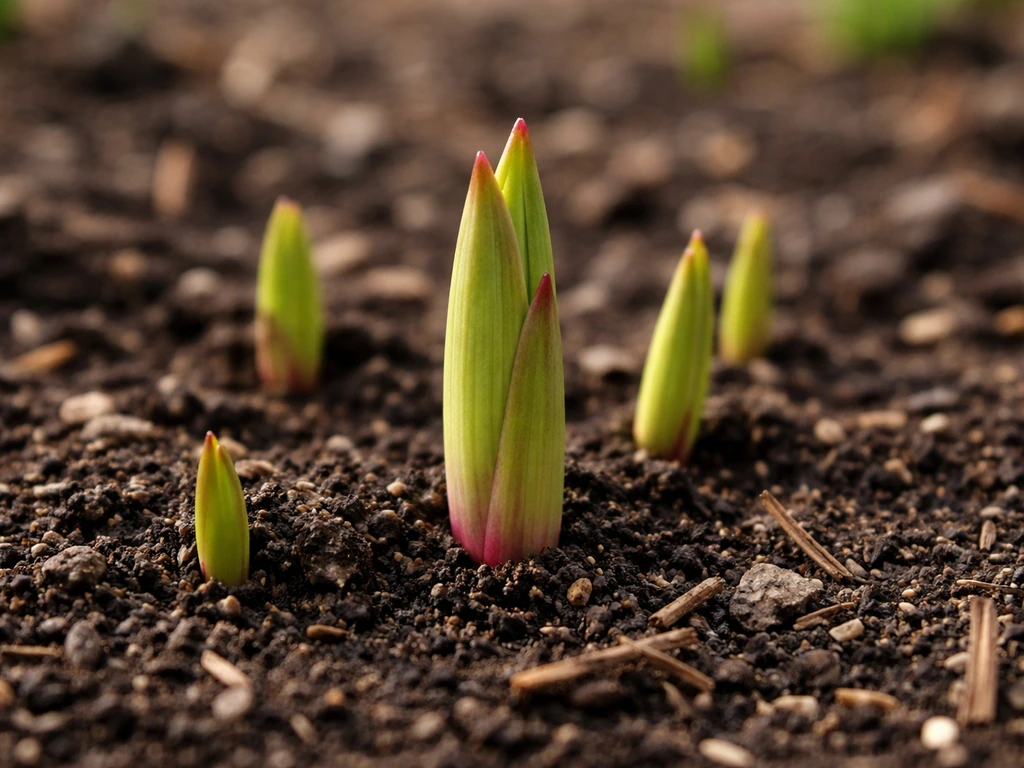
When Do Lilies Grow? Signs, Timing, and Grow-Back Tips
Know when lilies sprout and regrow, what to look for, typical timelines, and how to boost delayed growth.
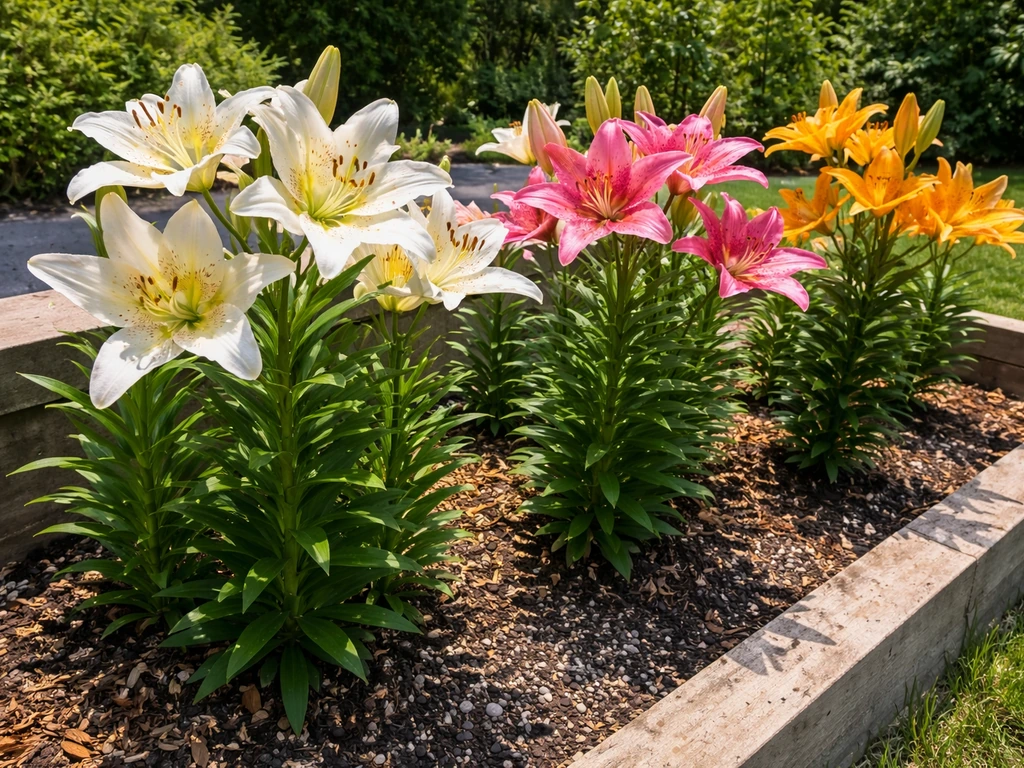
Where Lily Grow: Best Conditions and Locations for Lilies
Where lily grow: natural ranges plus how to match light, soil, drainage, and moisture to grow garden, water, and calla t
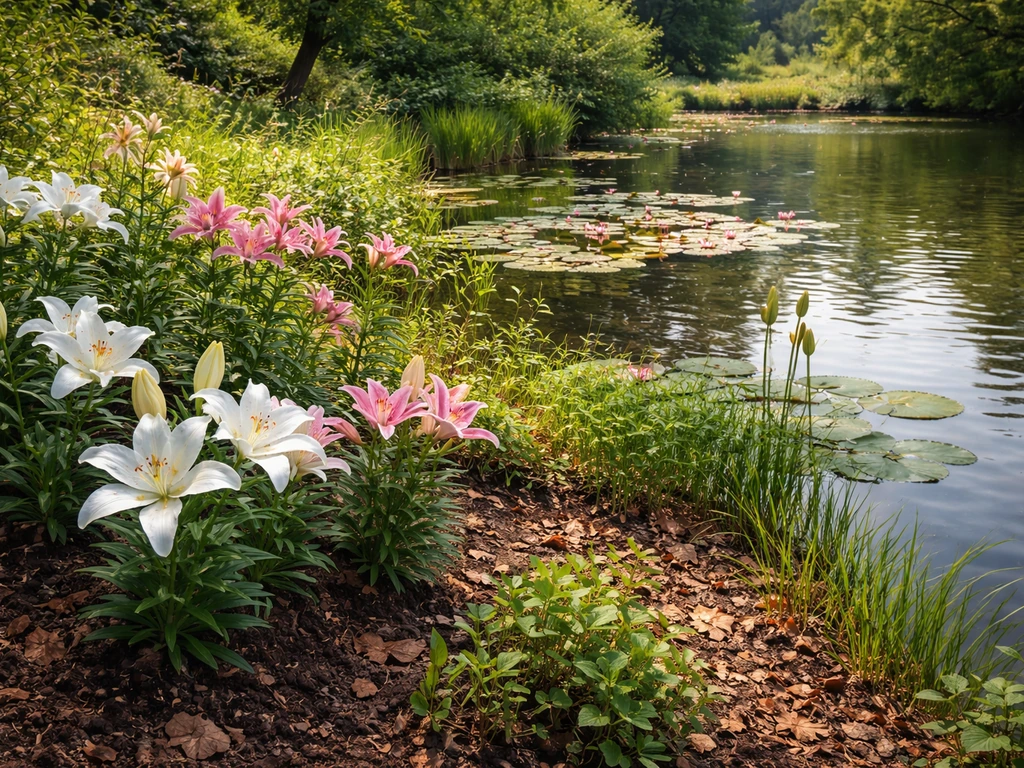
Where Does Lilies Grow? Native Habitats and Best Conditions
Find where lilies grow naturally and best thrive, plus tips to match true lilies and lookalikes to your climate and soil