
Lilies can grow anywhere from about 1 foot tall to well over 6 feet depending on the variety, so the honest answer to "how big do lilies grow" is: it depends entirely on which lily you're growing. That said, most lilies home gardeners plant fall somewhere between 2 and 5 feet tall at maturity, with a spread of 8 to 24 inches. The rest of this guide breaks that down by variety, explains what pushes a lily toward its maximum height, and gives you a practical way to estimate what your specific plant will do in your specific yard. If you’re trying to plan timing and expectations for rain lilies, remember that their growth depends on rainfall rather than a fixed schedule how long does it take for rain lilies to grow.
How Big Do Lilies Grow? Heights, Spread, and Varieties

Marcus Hendricks
4 Apr 2026
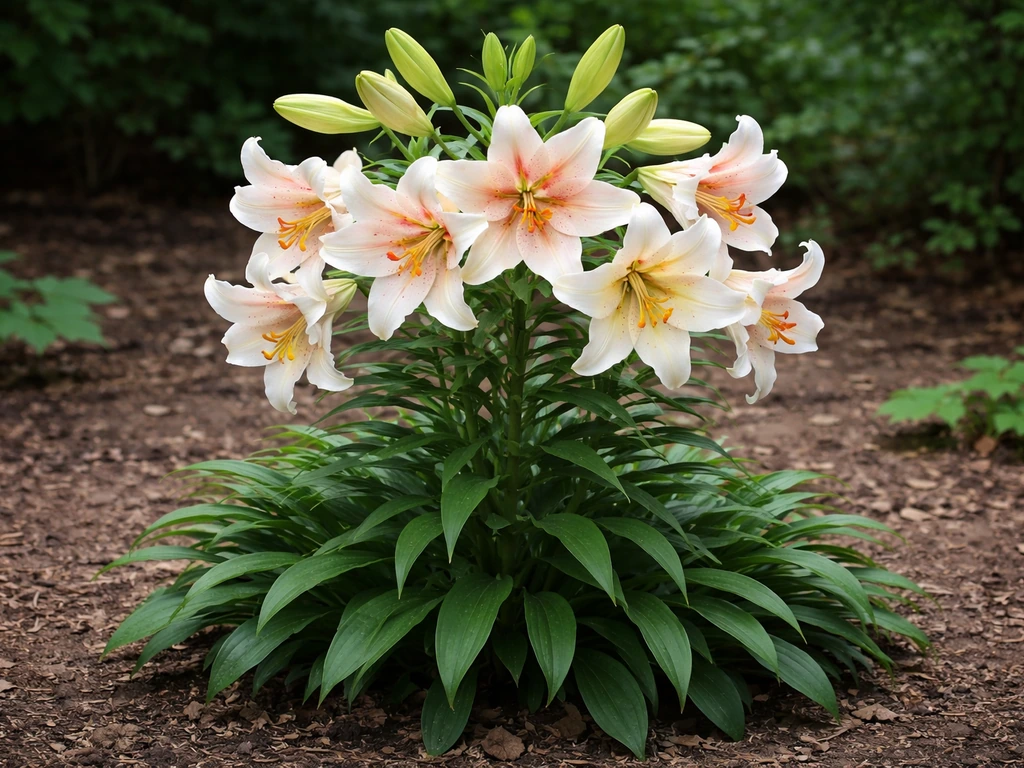
Typical mature height ranges by lily variety
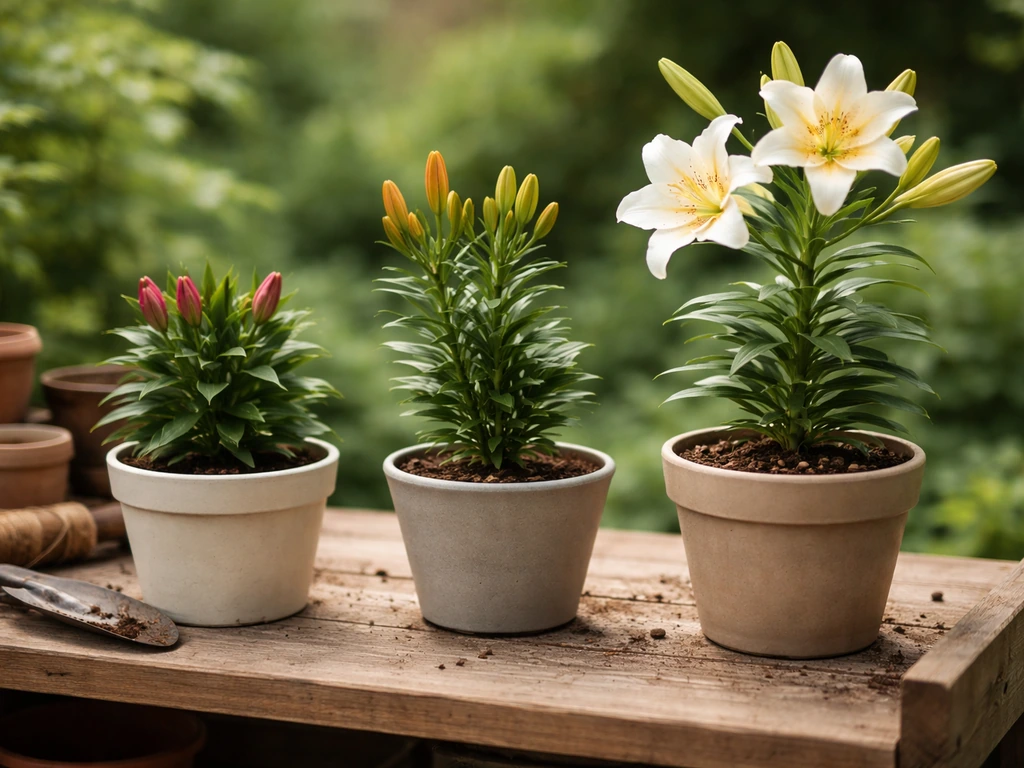
Every lily group has its own size personality. Here's a straightforward breakdown of what you can expect at maturity for the types you're most likely to buy at a nursery or garden center:
| Lily Type | Typical Mature Height | Typical Spread | Notes |
|---|---|---|---|
| Asiatic Lily | 12 in – 4 ft | 8–12 in (compact types) | Wide range; compact varieties run 12–14 in, taller types reach 3–4 ft |
| Oriental Lily (e.g., Stargazer) | Up to 36 in | 10–14 in | Stargazer is a good benchmark for the group |
| Trumpet / Aurelian Lily | 4–6 ft | 12–18 in (typical) | Some varieties need staking; 'Rising Moon' can hit 6 ft |
| OT Hybrid (Oriental x Trumpet) | Up to 6 ft | Wider than standard Oriental | Among the tallest lilies home gardeners grow |
| Martagon / Turk's Cap Lily | 3–6 ft | 1–2 ft | Up to 50 flowers per stem on mature plants |
| Easter Lily (Lilium longiflorum) | Up to 3 ft (36 in max) | 4–12 in | Store-bought plants are already on 3-year-old bulbs |
| Container / Dwarf Varieties | 12–18 in | 6–8 in | Examples like 'Orange Pixie'; ideal for pots |
If you're mostly curious about how tall Asiatic lilies grow specifically, the short answer is that compact Asiatics typically top out around 12 to 14 inches, while larger varieties like 'Patricia's Pride' can reach 3 to 4 feet. That's a huge range within a single lily group, which is exactly why checking the variety label matters so much.
Maximum height: what makes some lilies grow taller than average
Genetics set the ceiling, but your growing conditions determine whether your lily ever gets close to it. The biggest driver after genetics is bulb size. A large, healthy bulb already has stored energy from years of growth, which is why store-bought Easter lilies (already grown from 3-year-old bulbs) bloom so reliably when you bring them home. A small or undersized bulb will almost always produce a shorter plant, even under ideal conditions.
Trumpet and OT hybrid lilies are the heavy hitters for sheer height. Varieties like 'Rising Moon' can reach 4 to 6 feet, and OT hybrids like 'Eastern Moon' have been documented at 6 feet tall. These are genuinely impressive plants but they do need staking, especially in windy spots. Lilium regale, a classic white trumpet type, is another example where height and spread can both be dramatic enough to require planning ahead. Martagon lilies are also surprisingly tall, producing sturdy stems up to 4 feet with dozens of flowers, though they take a few years to hit their stride.
One more thing worth knowing: latitude and planting site affect whether a lily reaches its labeled maximum height. A Wisconsin gardener growing the same Easter lily as someone in North Carolina will often end up with a shorter plant, simply because cooler temperatures and shorter growing seasons compress the growth window. This is not a failure on your part; it's just geography.
Width and spread: the dimension gardeners usually overlook
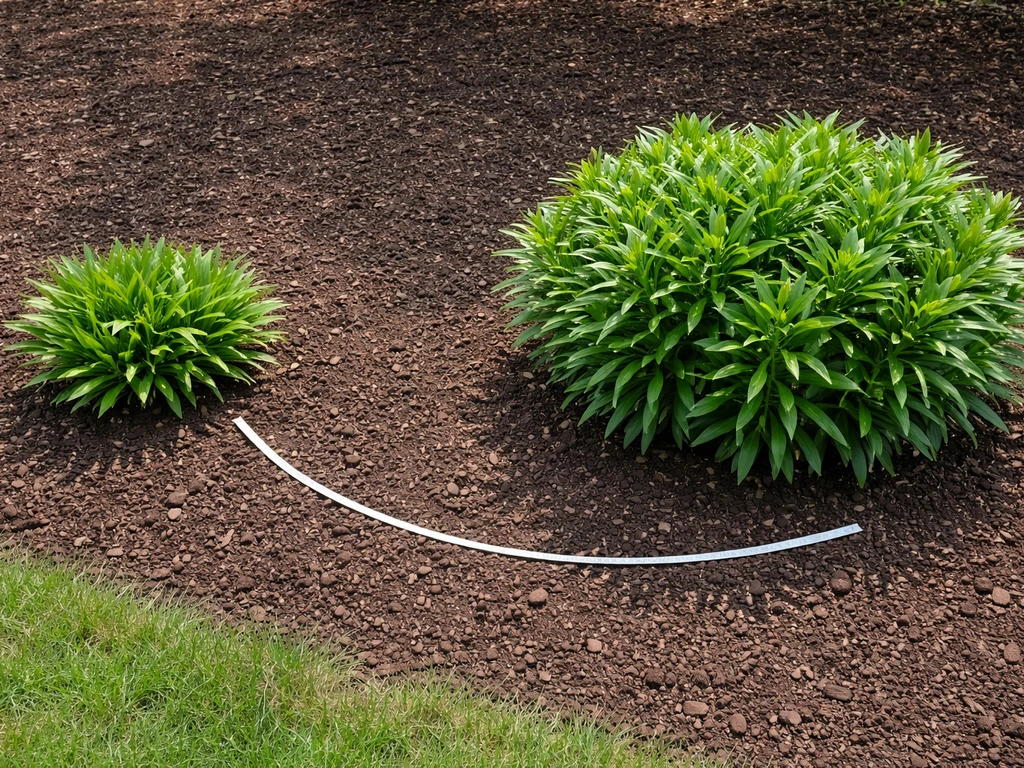
Most people fixate on height and completely forget about how wide their lilies will get. Spread matters a lot for spacing, air circulation, and whether your plants will crowd out their neighbors. Oriental hybrids like 'Stargazer' stay relatively narrow at 10 to 14 inches wide. Compact Asiatics are similar, running 8 to 12 inches across. Trumpet lilies vary more, with some types listed at 12 to 18 inches and others (like certain Lilium regale cultivars) spreading considerably wider at maturity. Martagon lilies are the widest of the common garden types, spreading 1 to 2 feet at peak growth.
For outdoor planting, the width estimate tells you how much elbow room each plant needs. For containers, spread is even more critical because an overly tight pot restricts root development and caps final height. More on container sizing in the indoor section below.
How growing conditions affect how tall your lily gets
Even the tallest-growing variety won't reach its potential if the conditions are off. Here's what actually moves the needle on lily height:
- Light: Lilies need full sun (at least 6 hours of direct sun daily) to grow to their full height. Plants grown in too much shade get leggy and lean toward the light source, which can make them look taller but also weaker and floppier.
- Soil: Rich, well-draining soil feeds strong stem development. Compacted or nutrient-poor soil produces shorter, less vigorous plants.
- Water: Consistent moisture during active growth supports full stem elongation. Drought stress during the growing season tends to stunt height.
- Fertilizer: A balanced slow-release fertilizer applied at planting, plus a boost when shoots emerge, gives lily stems the nitrogen they need to grow tall. Skipping fertilizer in poor soil is the single easiest way to get undersized plants.
- Bulb size: Larger bulbs equal more stored energy. Always buy the biggest bulbs you can find if maximum height and flower count matter to you.
- Temperature and climate: Warmer growing seasons with adequate cooling during dormancy tend to produce the tallest plants. Cold, short growing seasons compress final height.
If you've ever wondered why your lilies grow so tall compared to what the label promised, the answer is usually a combination of rich soil, abundant water, and a long warm growing season pushing the plant toward its genetic ceiling. The opposite conditions explain the short, stubby results you get in a dry, shady corner.
Light availability also deserves a separate mention for Asiatic lilies. Asiatic lilies grown in shade will stretch toward the light and rarely reach the compact, sturdy height you'd get in a sunny bed. If your Asiatics are flopping over, inadequate sun is usually the first suspect.
Indoor vs. outdoor: expect smaller plants inside
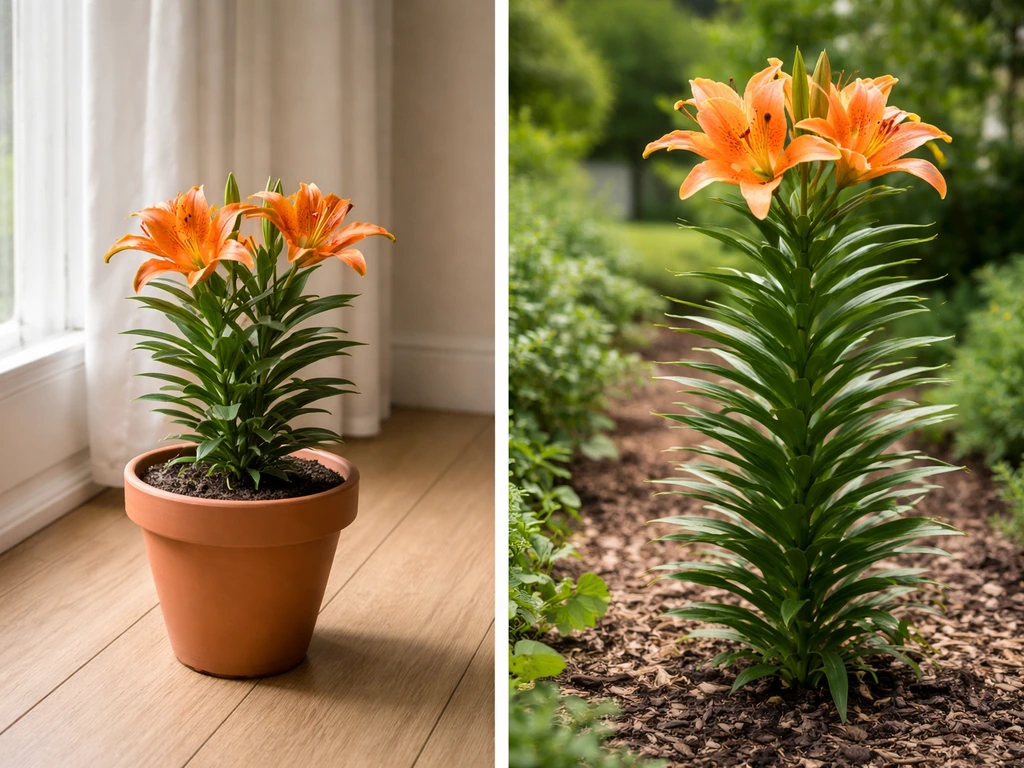
If you're growing lilies in a pot indoors or on a patio, plan for shorter, more compact plants than the same variety would produce in the ground. Containers restrict root development, limit nutrient uptake, and often provide less intense light than a full-sun garden bed. Dwarf container varieties like 'Orange Pixie' are bred specifically for this situation, topping out at 12 to 18 inches and needing only 6 to 8 inches of pot depth.
For standard garden lily varieties grown in containers, most growers find that plants run 20 to 30 percent shorter than their outdoor counterparts. Pot size matters enormously. The widely recommended rule is no more than 3 bulbs per 12-inch pot, which gives each plant enough root space to grow properly. Going smaller than that compresses roots, starves the plant of nutrients, and keeps it noticeably shorter than its label suggests.
Climate suitability plays into this too. Most garden lilies are cold-hardy down to USDA zones 3 to 9 (Asiatics being a prime example), which means they can overwinter in the ground across most of the continental US. In colder zones, deeper planting (around 10 inches of soil coverage) helps protect bulbs through hard winters and supports full-sized growth the following season. In warmer climates, lilies often grow faster and taller because the growing season is longer, but they may also exhaust themselves more quickly without a proper dormancy period.
How fast lilies reach their full size
Lilies don't linger. Most varieties go from shoot emergence to full bloom height in just 6 to 10 weeks once active spring growth begins, which is faster than many gardeners expect. How fast lilies grow depends heavily on soil temperature and moisture, but the stem elongation phase in particular happens quickly, sometimes adding several inches in a single week during peak growth.
Rain lilies are a notable exception on the quirky end of the spectrum. How long it takes rain lilies to grow and bloom is tied directly to rainfall events, not a fixed calendar, which makes them behave differently from the bulb lilies discussed above. Surprise lilies are similarly unusual. How surprise lilies grow is a fascinating cycle where the foliage appears in spring and then dies back before the flower stalks emerge months later in late summer, so the "size" of the plant looks completely different depending on when you're looking at it.
How to estimate your lily's final size before it blooms

The most reliable way to predict how big your lily will get is to identify the exact variety and look up its labeled mature height. Here's a simple process:
- Identify the variety name: Check the bulb packaging, plant tag, or your purchase receipt. The variety name (like 'Stargazer' or 'Rising Moon') tells you far more than just 'Oriental lily' or 'Trumpet lily.'
- Look up the labeled mature height: The variety's product page or a reliable plant database will list a specific mature height and spread. Use that number as your baseline, not the general group average.
- Adjust for your conditions: If your bed gets partial shade, expect your plant to run 10 to 20 percent shorter than the label. If you're in a cold climate with a short season, same thing.
- Account for bulb size: A larger bulb will grow a taller plant in year one. Smaller bulbs often take two growing seasons to reach full labeled height as they develop their root system.
- Measure as it grows: Once your lily emerges, measure stem height weekly during active growth. You'll quickly get a feel for whether it's on track for the labeled size or running short due to conditions.
For Asiatic lilies specifically, it's worth diving deeper because the size variation within this group is remarkable. How big Asiatic lilies grow spans from knee-high compact types to nearly 4-foot statement plants, and knowing which end of that range you're dealing with changes how you should plan your bed.
Picking the right lily size for your space
Once you know your lily's expected mature height, placement becomes straightforward. Short lilies (under 18 inches) work well in the foreground of a mixed border, in containers, or along pathways where you want something that won't block sightlines. Compact Asiatics and dwarf container varieties fall in this range. Mid-height lilies (2 to 3 feet) are the workhorses of most gardens and slot into the middle ground of a mixed bed comfortably. Tall lilies (4 feet and above) belong at the back of a border, against a fence, or somewhere they can be seen without overshadowing shorter plants.
Spacing is where a lot of gardeners make avoidable mistakes. Planting too close together creates competition for water and nutrients and limits air circulation, which invites disease. For Asiatic and Oriental types, plant bulbs 8 to 12 inches apart and 6 to 8 inches deep. Penn State Extension recommends planting lily bulbs about 2.
5 times the height of the bulb deep, such as planting a 3 inch bulb about 7 inches below the surface plant bulbs 8 to 12 inches apart and 6 to 8 inches deep. For larger trumpet varieties, give them a bit more room.
In containers, the 3-bulbs-per-12-inch-pot rule holds across most lily types. For very cold climates, deeper planting (up to 10 inches of soil cover) protects bulbs and supports healthier, fuller growth the following year.
If you're planning a bed around tall varieties like trumpet or OT hybrids, build in staking from the start. A plant that's going to hit 5 or 6 feet will need support in anything other than a perfectly sheltered spot. Short bamboo stakes or grow-through hoops placed early (before the plant reaches half its final height) are much easier to manage than trying to prop up a leaning 4-foot stem mid-season.
Your next steps
Start by identifying exactly which lily variety you have or are planning to buy. If you already have lilies in the ground and aren't sure what they are, look up the variety based on flower color, bloom time, and stem height once it blooms. Once you have a variety name, check the labeled mature height and spread, then adjust that number based on your light, soil quality, climate zone, and whether you're growing in a container or in the ground. Kansas State Extension's Easter lily fact sheet provides practical horticultural guidance specific to Easter lily growth and what to expect from this lily type. That combination gives you a reliable size estimate without any guesswork.
If Asiatic lilies are your focus, it's worth reading more about their specific needs and size patterns. Understanding how tall Asiatic lilies grow in your particular conditions will help you place them correctly the first time rather than discovering mid-season that your border design doesn't quite work. With a little upfront variety research, you'll plant with confidence and actually get the height you were hoping for.
FAQ
When I see “height” on a lily label, what exactly does it mean (stem, plant, or bloom height)?
Measure plant height from the soil surface, not the bulb top or label “pot height.” Lilies are usually counted as the full stem height during flowering, and in containers you may also see shorter final height because the roots hit the pot wall before the stem reaches its genetic limit.
Why do my lilies stay shorter than the variety label even when I give them good care?
If you want the most likely maximum size, buy bulbs that are noticeably large and firm, not light or dried out. Smaller bulbs often produce shorter plants even with ideal sun and water, and you can also see weaker stems that make tall types more likely to flop.
Can I use the same height expectations for every lily I see for sale, or do some behave differently?
Check whether your plant is actually a bulb lily versus a different group like rain lily or surprise lily. Those types can look “small” at one stage (foliage only) and “tall” later (flower stalks), so comparing photos or timing is misleading.
If my lilies are getting leggy in shade, will they still reach their full height?
Yes. In partial shade, many lilies will stretch, but that does not always translate to taller flowering. Stretching can come with weaker stems and earlier lodging, so you may get an uneven or floppy look rather than the labeled full height.
Is the “spread” number only about spacing, or does it affect height too?
On most garden lilies, spacing is tied more to bulb cluster size than just stem height. Crowding reduces airflow and competition can suppress growth, so sticking to the recommended bulb spacing (or giving extra room for trumpet and martagon types) helps plants reach closer to their mature size.
At what point should I stake lilies that will reach 4 to 6 feet?
For tall lilies, stake earlier than you think. Installing supports once you see the first stems (before plants are half their expected height) prevents root disturbance and makes it easier to keep the plant upright through the rapid stem-elongation phase.
How does pot size affect how big lilies grow, more the diameter or the depth?
For containers, use the pot depth plus bulb placement to guide you, not just the pot diameter. A common constraint is root volume, so shallow pots or tight bulb clustering can keep plants shorter even if the pot is wide enough.
Does planting depth change how tall lilies get in wintery climates?
In colder zones, deeper planting tends to protect bulbs and support full-sized growth the next season. If you plant too shallow where winters are harsh, lilies may emerge weaker or smaller, which can look like a “variety” problem but is really an overwintering issue.
Will lilies always grow taller in warm climates?
Generally, yes, but the direction depends on the specific lily type and light intensity. Warmer climates can speed growth and lead to taller stems, yet inadequate dormancy or heat stress can reduce overall vigor, so the healthiest outcome comes from variety-appropriate winter rest.
How soon can I expect my lily to reach its mature height during the season?
Watch the growth stage. A lily can add inches quickly during active elongation, but it also needs time for leaves and root establishment first, so “how big” you see at week 3 may not reflect its flowering height at week 8.
Next Articles
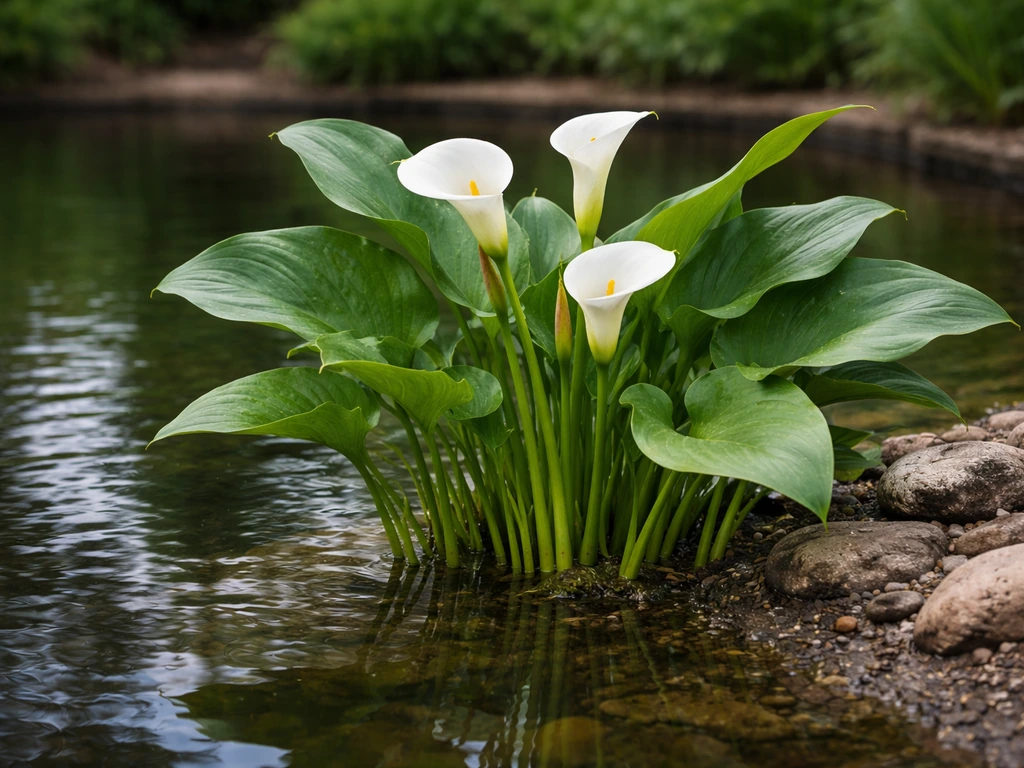
Can Calla Lilies Grow in Ponds? How to Set Up Successfully
Yes, with the right setup: water depth, substrate, anchoring, light, and overwinter care for pond or marginal calla lili
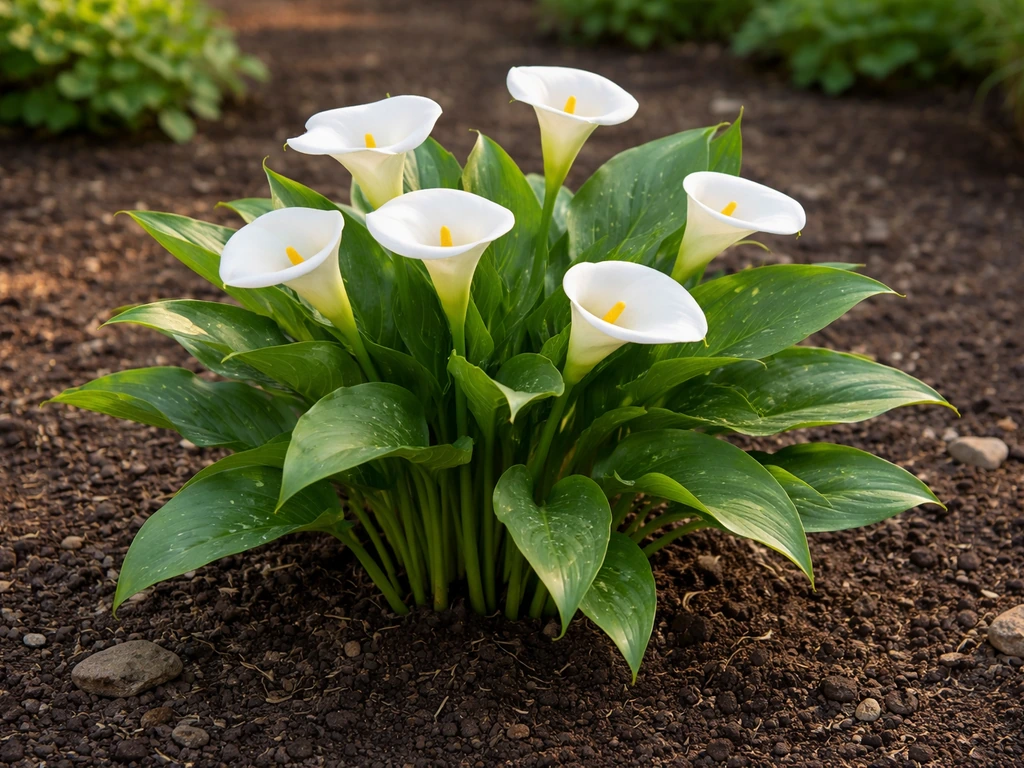
Are Calla Lilies Hard to Grow? Easy Guide for Success
Get a clear answer on are calla lilies hard to grow, plus exact light, temperature, watering, planting, and fixes.
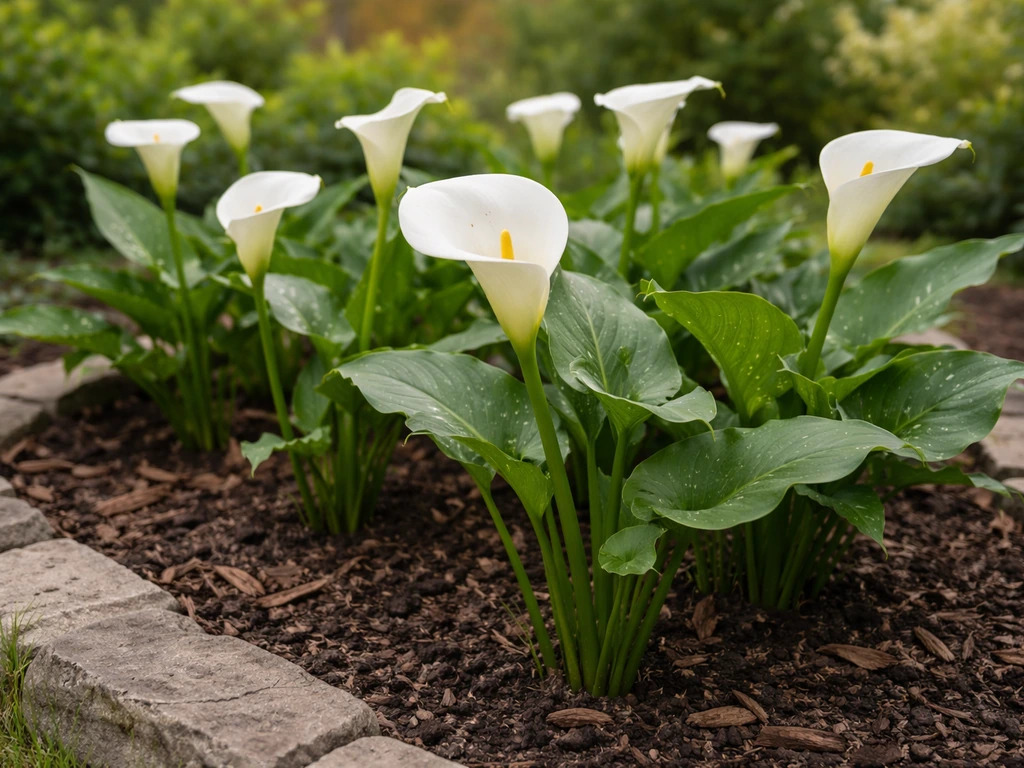
Can Calla Lily Grow Outside? Outdoor Care by Climate
Yes, calla lilies can grow outside. Learn climate, light, soil drainage, planting timing, and fixes for no growth.