
Asiatic lilies typically grow 2 to 4 feet tall at maturity, with most garden cultivars landing somewhere between 24 and 48 inches depending on the specific variety, your bulb size, and how well your growing conditions line up. That's a wide range, I know, but the good news is that once you understand what pushes height up or pulls it down, you can set realistic expectations before you even stick the bulb in the ground.
How Tall Do Asiatic Lilies Grow? Plus Oriental Heights
Marcus Hendricks
4 Apr 2026
Typical height for Asiatic lilies
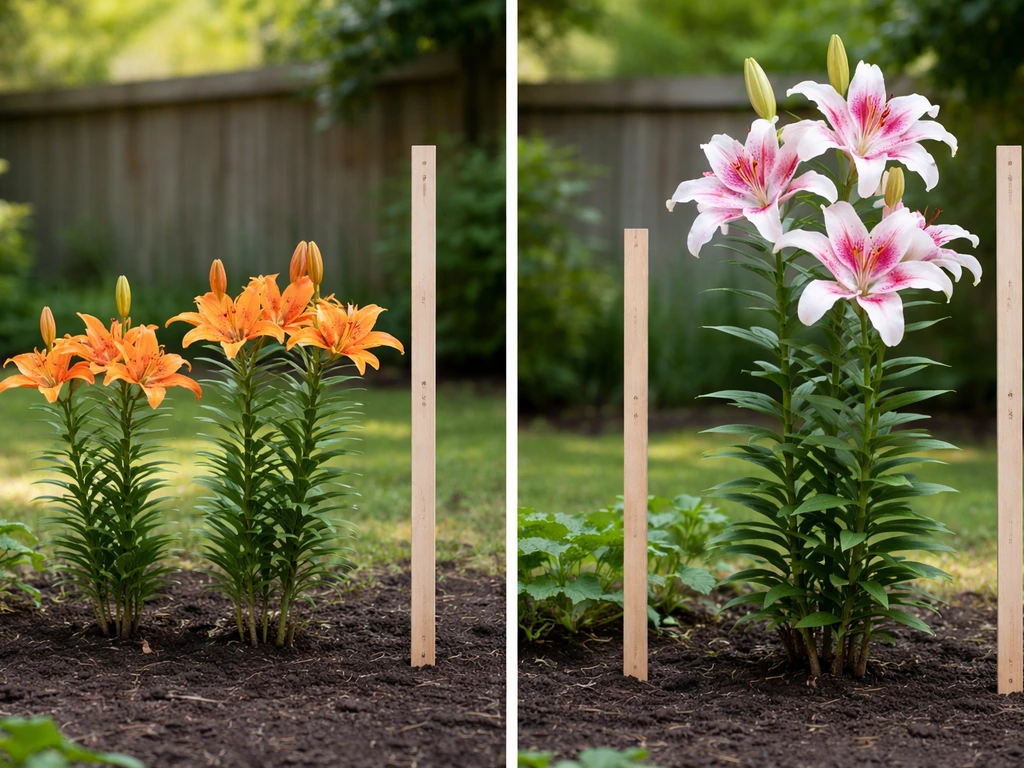
Most Asiatic lilies in a home garden reach somewhere between 24 and 48 inches. Some sources peg the average as low as 18 to 36 inches for typical garden conditions, and that tracks with what I've seen when bulbs are modest-sized and the site is less than ideal. But give a good-sized Asiatic bulb full sun, decent soil, and consistent water, and 36 to 48 inches is absolutely achievable.
Specific cultivars bear this out: 'Starlette' is listed at 36 to 48 inches, 'Patricia's Pride' and 'Must See' both clock in at 3 to 4 feet, and the broader lily group (which includes Asiatics) spans 1 foot all the way to 6 feet depending on hybrid and conditions. So when someone asks how tall Asiatic lilies grow, the honest answer is "it depends on the cultivar," but 2. 5 to 3.
5 feet is a solid working expectation for most garden varieties.
How Oriental lilies compare in height
Oriental lilies run taller on average than Asiatics. Most garden cultivars and mixes fall in the 36 to 48 inch range, with individual cultivars like 'Brasillia' listed at 35 inches and the famous blank" rel="noopener noreferrer">'Stargazer' at 36 inches. If you're looking at an Oriental lily mix from a retailer, expect 3 to 4 feet as the baseline and plan your border accordingly. So while the two types overlap in the 3-foot zone, Orientals more reliably push toward the upper end, and their flowers tend to face outward or upward with that heavy fragrance Asiatics don't have.
| Feature | Asiatic Lily | Oriental Lily |
|---|---|---|
| Typical mature height | 24–48 inches (most commonly 2.5–3.5 ft) | 36–48 inches (most commonly 3–4 ft) |
| Fragrance | Little to none | Strong, sweet fragrance |
| Bloom time | Early to midsummer | Mid to late summer |
| Planting depth | 6–8 inches | 5–9 inches (varies by bulb size) |
| Spacing | 8–24 inches (vary by source and cultivar) | 24–36 inches recommended |
| Cold dormancy needed | Standard hardy bulb dormancy | True cold dormancy: 12–16 weeks below 40°F |
One important practical note on Orientals: they need a true cold dormancy period of 12 to 16 weeks below 40°F to break bud dormancy properly. Skip that chill and the plant may still emerge but underperform on both height and flower count. This matters a lot if you're growing in a warm climate or forcing bulbs indoors.
What actually controls how tall your lilies get
Height isn't random. A handful of factors work together, and knowing which one is the bottleneck in your garden lets you fix it fast. If you've ever wondered why your lilies grow unusually tall or stay stubbornly short, it almost always comes back to one of these variables.
Variety and cultivar
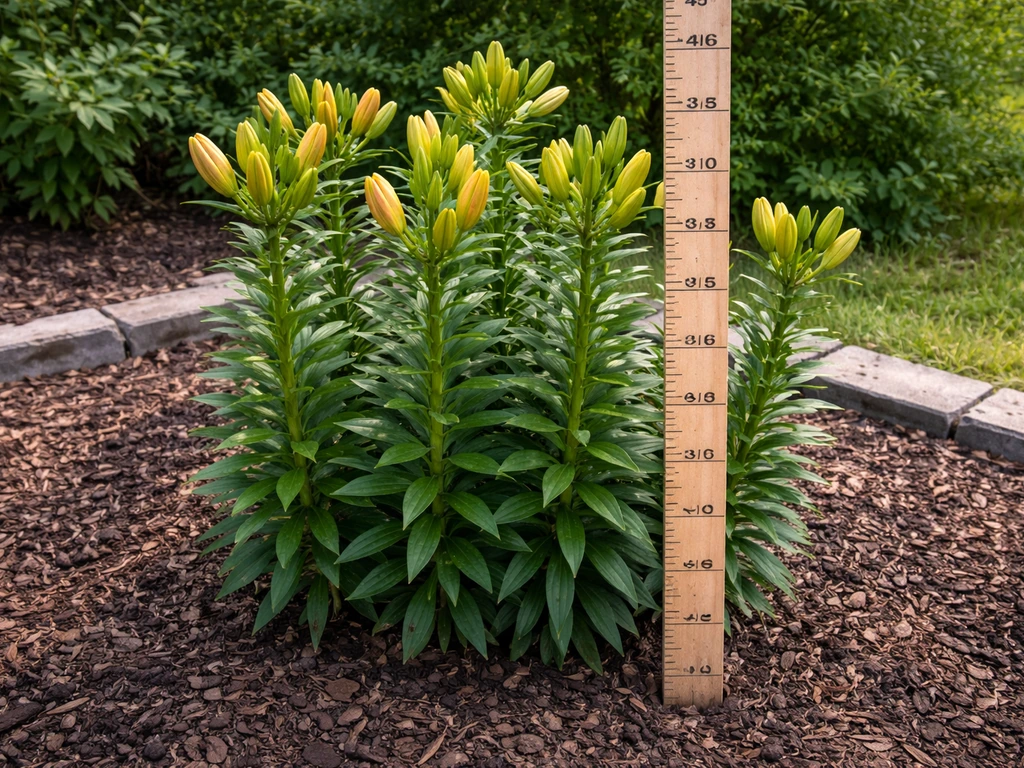
This is the biggest single factor. Some Asiatic hybrids are naturally compact dwarf types bred for containers or front-of-border use, topping out at 18 to 24 inches. Others are tall garden types that want 4 feet of vertical space. The only reliable way to know what you're getting is to read the label, which I'll come back to shortly.
Bulb size
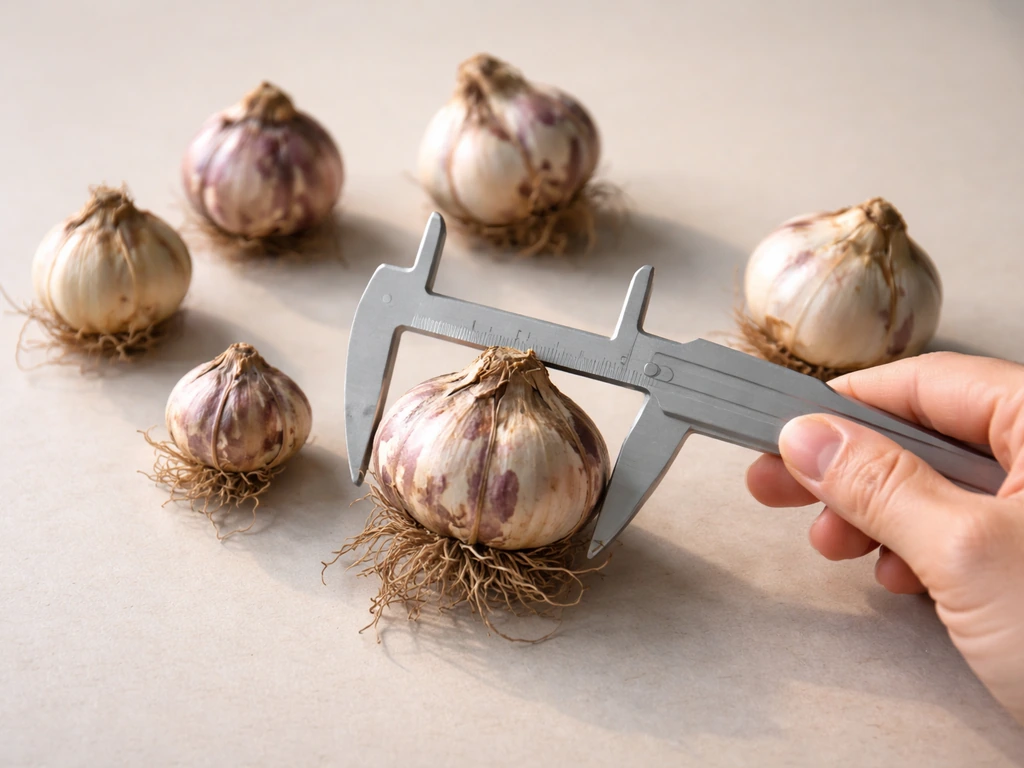
Bigger bulbs produce taller, more vigorous plants. Commercial lily producers specifically match bulb size to target height and pot size because the correlation is that reliable. A bulb graded 14/16 cm will almost always outgrow a 10/12 cm bulb of the same cultivar. When you're buying, spring for the larger bulb size if height and a strong bloom are priorities.
Planting depth
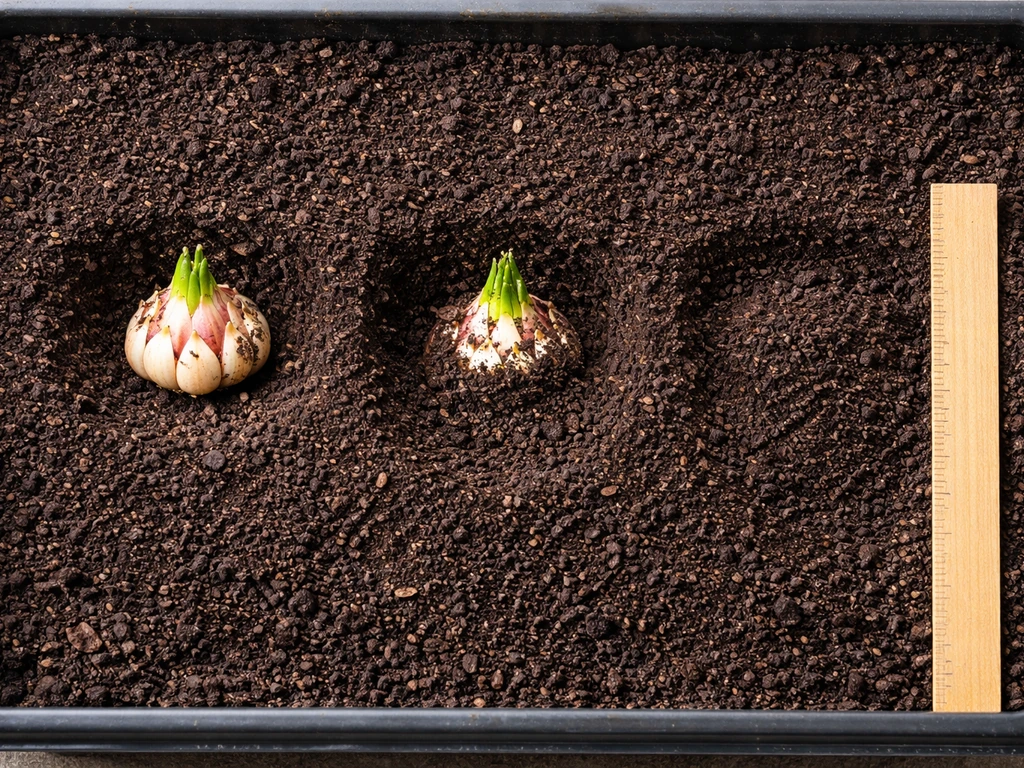
Plant too shallow and the stem has less soil anchoring and a reduced root zone. Plant too deep and emergence is delayed and energy is spent fighting upward through extra soil. The standard rule across multiple university extensions is to plant at a depth equal to three times the bulb's diameter. Iowa State University Extension also recommends [planting lily bulbs at a depth equal to three times their diameter](https://yardandgarden.
extension. iastate. edu/faq/when-best-time-plant-lilies). So a 2-inch Asiatic bulb goes in at 6 inches; a 3-inch Oriental bulb needs 9 inches.
Most garden sources simply call for 6 to 8 inches as a safe baseline for Asiatic types. Iowa State Extension also points out that mulching after planting delays soil freezing, giving roots a longer establishment window and setting the plant up for a stronger first season.
Spacing
Crowd your lilies and they compete for light, water, and nutrients, which stunts height. General in-bed spacing for Asiatic and Oriental lilies runs 8 to 12 inches apart as a minimum, with some retailers recommending 24 to 36 inches for Oriental types specifically. Give them room and stems will stand taller without flopping.
Light
Asiatic lilies thrive in full sun, meaning at least 6 hours of direct sunlight daily. Less than that and the plant stretches toward whatever light it can find, often producing taller but weaker, floppy stems rather than the sturdy upright growth you want. This is especially relevant indoors, where light intensity drops dramatically even near a bright window. If you're wondering whether Asiatic lilies can grow in shade, the short answer is they can survive it, but shade will noticeably affect both height quality and bloom.
Soil and nutrients
Loose, well-draining soil lets roots expand and the stem elongate naturally. Compacted, waterlogged, or nutrient-depleted soil caps height below the cultivar's genetic potential. Nitrogen is the nutrient most directly tied to vegetative height, and too much of it can actually push plants taller than you might want while reducing flower quality. Mississippi State University Extension work on lily production makes the point clearly: fertilization timing and ratio directly shape shoot height. A balanced slow-release fertilizer in spring is usually the right call for home gardeners.
Watering consistency
Drought stress during active stem elongation (typically spring through early summer for Asiatics) is one of the most common reasons plants come in shorter than expected. Roots need consistent moisture during this window. Once the plant is established and blooming, it's more forgiving, but inconsistent watering during the growth phase will cost you inches.
Planting depth, spacing, and care to hit that target height
Getting the basics right at planting time does most of the work. Here's a practical checklist to follow when you're putting bulbs in the ground or a container.
- Measure your bulb before planting. Multiply its diameter by 3 to get your planting depth. A 2-inch bulb goes 6 inches deep; a 3-inch bulb goes 9 inches. If you're using a quick-reference number, 6 inches works for most Asiatic bulbs.
- Space in-ground Asiatic bulbs at least 8 to 12 inches apart. For Orientals, 24 to 36 inches gives them room to develop without competition.
- Amend the planting hole with compost if your soil is heavy clay or very sandy. Good drainage matters more than any fertilizer.
- Mulch after planting with 2 to 3 inches of organic mulch. This keeps soil temperature stable, retains moisture, and gives roots extra establishment time going into winter.
- Fertilize in spring when shoots emerge with a balanced fertilizer. Avoid heavy nitrogen feeds, which can push excess vegetative height at the expense of flowers.
- Water consistently during the spring growth surge, keeping soil evenly moist but not waterlogged. Back off once the plant is actively blooming.
Understanding how fast lilies grow also helps you time your care correctly. Asiatic lilies push up quickly in spring once soil warms, so the watering and feeding window is shorter than you might think.
Outdoor vs. container height and overwintering
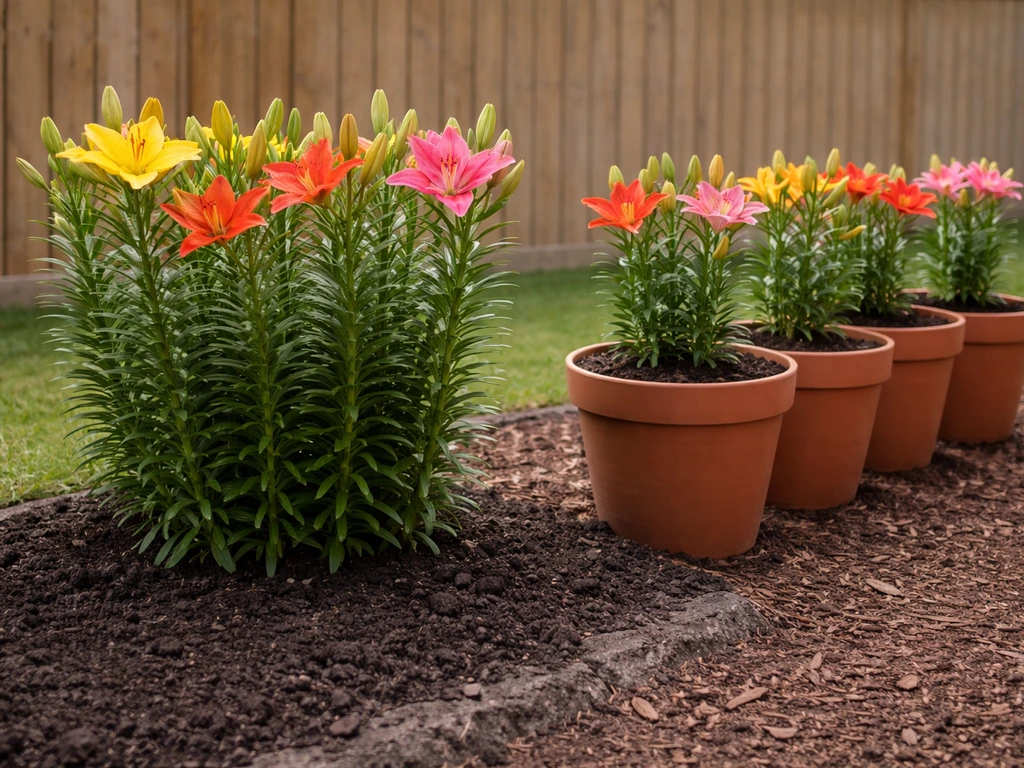
In-ground Asiatic lilies almost always outperform container-grown ones for height. Outdoors, roots can spread freely, the stem has full soil support, and the plant draws on the thermal mass of the ground for temperature stability. In a pot, you're working against several constraints at once.
For containers, use at least one gallon of potting soil per bulb, and make sure the pot is at least 8 to 12 inches deep. If your container is only 8 inches deep, place the bulb almost at the bottom so there's still 6 inches of soil above it. Drainage is non-negotiable: water newly potted bulbs only until you see it streaming out of the drainage holes, and then let the soil approach dryness before watering again. Plants in containers typically come in 6 to 12 inches shorter than their in-ground counterparts because root volume is restricted and soil dries out faster, stressing the plant during that critical stem elongation phase.
Overwintering matters too. Asiatic lilies are cold-hardy in USDA zones 4 to 9 and will reliably return in-ground without any special treatment beyond that mulch layer. In containers, the story changes: pots can freeze solid in zones 5 and below, killing the bulb. Either bring containers into an unheated garage or shed (somewhere cold but not freezing) or sink the pot into the ground for winter. Gardeners in zone 3 or colder often dig Asiatic bulbs and store them in a cool, dry place between 35 and 45°F until spring. Orientals need that extended cold dormancy period regardless of where they're growing, so don't try to force them into a second bloom cycle without giving the bulb proper chill time.
If you're thinking about how container constraints affect overall plant size, it's worth reading up on how big Asiatic lilies grow in terms of both height and spread, since container width affects stem count and overall plant bulk, not just height.
Check the label first, troubleshoot second
Before assuming something is wrong with your lilies, check the plant tag or bulb package. A quality retailer will list the mature height, planting depth, spacing, and light requirements right on the label. "Asiatic lily" and "Oriental lily" are group names that encompass hundreds of cultivars with genuinely different height genetics. A compact patio Asiatic hybrid and a tall garden Asiatic hybrid are both correctly called Asiatic lilies but they might differ by 2 feet at maturity. If you've lost the tag, search the cultivar name online alongside the retailer you bought from, most major bulb sellers list this data on their product pages.
When you're thinking about how Asiatic lilies fit into your overall planting plan alongside other types, it also helps to understand how big lilies grow across species more broadly, since height variation across the lily family is substantial and affects how you layer a border.
Why your lilies are shorter than the label says
- Not enough sun: fewer than 6 hours of direct light limits stem elongation and overall vigor.
- Planted too shallow: the bulb lacks adequate root depth and soil support for full stem development.
- Crowded planting: competition for light and nutrients caps growth early.
- Low nutrients: nitrogen-deficient soil produces short, pale stems. A soil test will tell you quickly.
- Inconsistent watering: drought stress during spring stem elongation is the most common culprit for plants that come in short.
- Frost damage: a late frost that nips emerging shoots forces the plant to redirect energy, often reducing final height.
- First-year bulb: newly planted bulbs often underperform their label height in year one. Year two and three are usually much closer to the listed height as the root system establishes.
Why your lilies are taller than expected
- Excess nitrogen: too much nitrogen-heavy fertilizer drives vegetative growth at the expense of flowers, producing tall, sometimes floppy stems.
- Shade-stretching: ironically, insufficient light can cause etiolation (stretching toward light), making stems taller but weaker and likely to flop.
- Unusually warm, wet spring: ideal conditions with no stress can push a cultivar past its listed maximum height.
- Vigorous large bulb: a premium-grade bulb of the same cultivar will reliably out-height a smaller-grade bulb.
Height variation across the lily family is genuinely interesting once you start comparing species. For example, how long it takes rain lilies to grow and reach flowering size is a completely different timeline than Asiatics, and plants like surprise lilies follow a growth pattern that would confuse anyone expecting standard bulb behavior. Knowing your exact lily type and cultivar is always step one.
Your quick action checklist
Here's what to do today based on where you are in the season. For gardeners just planning a purchase: look up the specific cultivar height before buying, choose bulb size 14/16 cm or larger for the best performance, and pick a spot with at least 6 full hours of sun.
For gardeners who already have bulbs in the ground: check your mulch layer, make sure you're watering consistently as shoots push up, and apply a balanced fertilizer now if you haven't. For gardeners troubleshooting short or weak stems: diagnose light first, then spacing, then soil fertility. Most short-lily problems come down to one of those three.
And if your plants are in containers and came in noticeably shorter than the label, consider sizing up the pot next season and feeding more consistently through the growth phase.
For a broader look at how Asiatic lilies compare to other tall garden plants and where they fit in a layered border, checking out information on how big lilies grow across types will save you a lot of replanning later. And if you want to understand the full size picture beyond just height, the detail on how big Asiatic lilies grow including spread and clump size is worth a look before you commit to a planting layout.
FAQ
How quickly do asiatic lilies reach their full height? Do they always hit the label numbers in the first season?
In many gardens, Asiatic lilies tend to reach their labeled mature height in the first full season, but the exact timeline depends on spring warmth and whether the bulbs were well rooted before winter. If you see strong shoots early but the plants stay far below the expected height by mid-summer, the most common causes are insufficient sun or underfeeding during the stem-elongation window.
Can asiatic lilies grow too tall, and is that a bad sign?
Yes, taller growth can be a sign of stress from too little light or excessive nitrogen, not healthy vigor. If your plants are reaching height but stems are floppy and blooms are fewer or smaller, prioritize full sun, reduce high-nitrogen feeding, and correct spacing so light and airflow improve.
Do asiatic lilies need the same cold dormancy as orientals to grow to height?
Oriental lilies usually need a true cold dormancy break (extended chilling) to perform well, while Asiatic lilies do not require that same specialized chill period. If you are comparing height, note that Orientals often look taller because they respond strongly to the dormancy requirement being met, not because they are automatically taller in every situation.
If the label says 36 to 48 inches, what height should I plan for in my garden?
For height planning, assume the mature size listed by the cultivar, then adjust down slightly if you garden in hot climates or part shade. In full sun with consistent moisture, you are more likely to land near the upper half of the range, while drought during spring stem growth can keep them closer to the lower half.
How much does bulb size influence how tall asiatic lilies get?
Yes, bulb grade can matter more than people expect. Two cultivars with the same name will still perform differently if one bulb was smaller, because less stored energy often means fewer vigorous shoots and less vertical growth even when sun and soil are perfect.
Does mulching affect how tall asiatic lilies grow, especially right after planting?
Mulch can help protect bulbs, but too much mulch right after planting can delay emergence and push plants to spend energy climbing through extra soil. Use a moderate layer, keep it off the immediate crown area if you can, and avoid deep, soggy mulch that stays wet and cold for weeks.
What should I check first if my asiatic lilies are shorter than expected, soil fertility or watering?
If the stems are short and leaves look pale, it often points to low fertility or poor soil drainage, but if stems are short and dark green, it can indicate uneven moisture or overly rich nitrogen timing. The practical fix is to ensure well-draining soil and apply a balanced slow-release fertilizer in spring rather than repeated high-nitrogen doses.
Why do asiatic lilies in pots usually stay shorter than in-ground?
Container height can be limited by root volume and soil drying during the stem-elongation phase. If your pot is only marginally sized, you may still get blooms, but height often caps early, commonly several inches to a foot shorter than in-ground. Next season, increase pot depth and pot size, and keep watering consistent when new shoots are actively growing.
If I plant asiatic lilies too close, will they get taller from competition or shorter?
Spacing affects more than just crowded looks. When lilies are too close, they compete for light and nutrients, so they may grow taller but weaker, or stay uniformly stunted with fewer blooms. For most Asiatic setups, plan a minimum spacing that gives each plant access to direct sun and airflow.
How should I measure my asiatic lilies to compare to the mature height on the tag?
Measure from the soil surface to the top of the tallest flower stalk, and compare that to the label’s mature height, which is typically stated under good conditions. If you stake early, that can slightly change how tall the plant appears, so stake after you have a few weeks of natural growth to confirm whether the plant is actually underperforming.
Next Articles
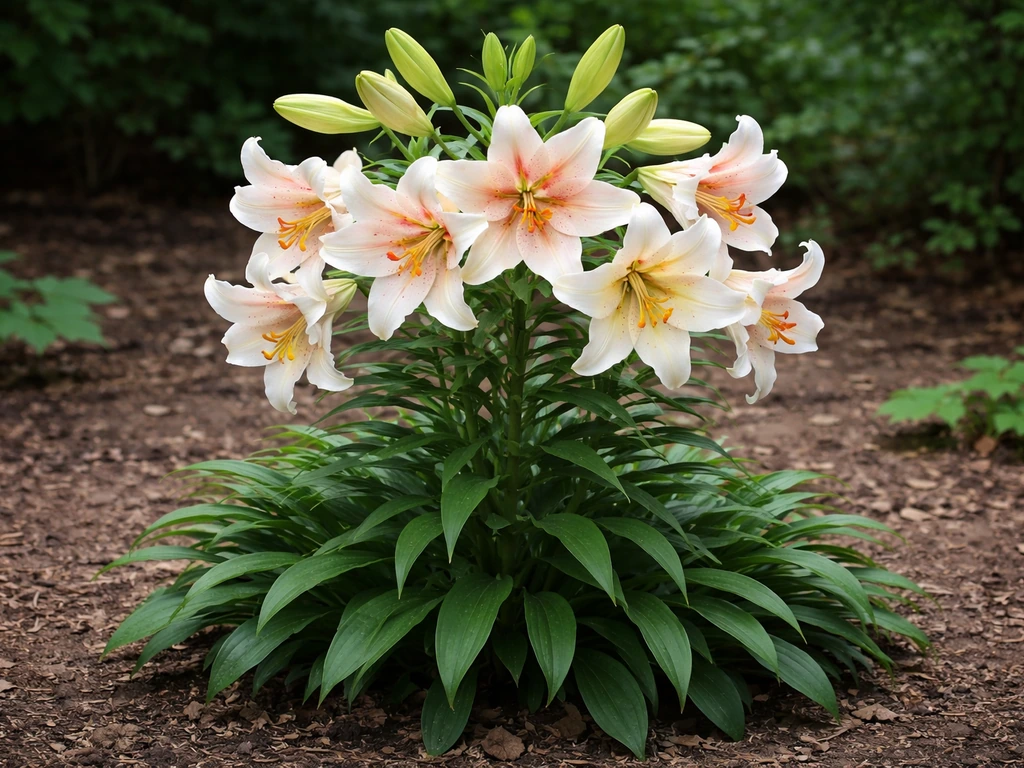
How Big Do Lilies Grow? Heights, Spread, and Varieties
Real lily height ranges plus spread tips, and why varieties, bulbs, light, soil, and climate change growth size.
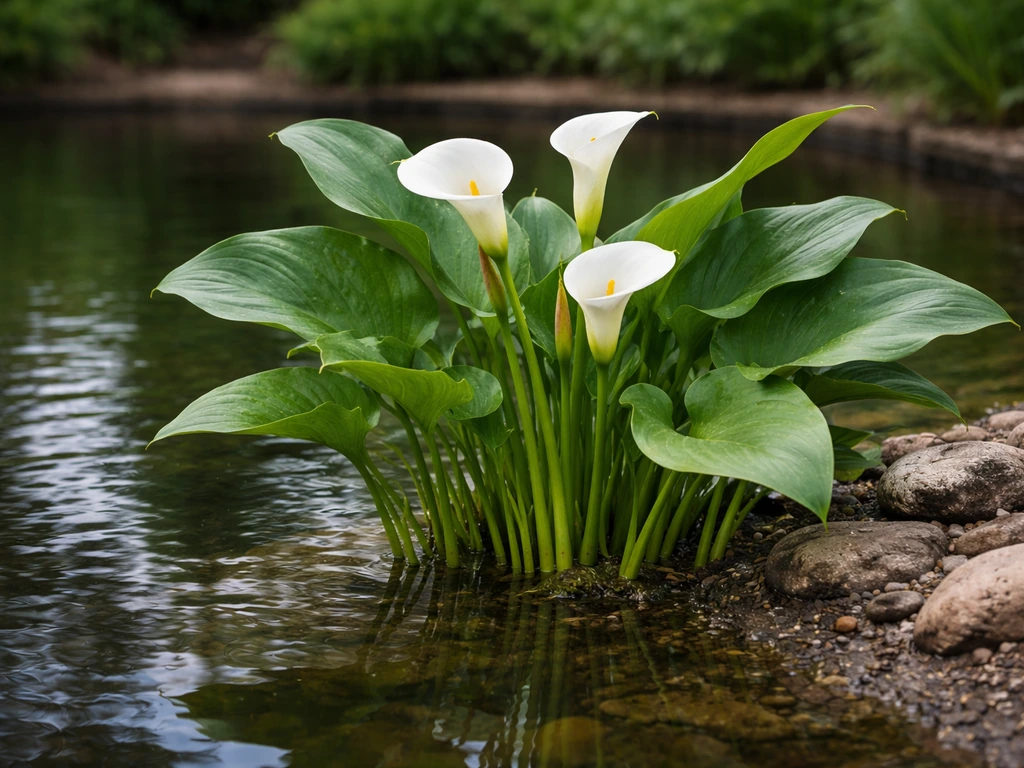
Can Calla Lilies Grow in Ponds? How to Set Up Successfully
Yes, with the right setup: water depth, substrate, anchoring, light, and overwinter care for pond or marginal calla lili
Are Calla Lilies Hard to Grow? Easy Guide for Success
Get a clear answer on are calla lilies hard to grow, plus exact light, temperature, watering, planting, and fixes.